
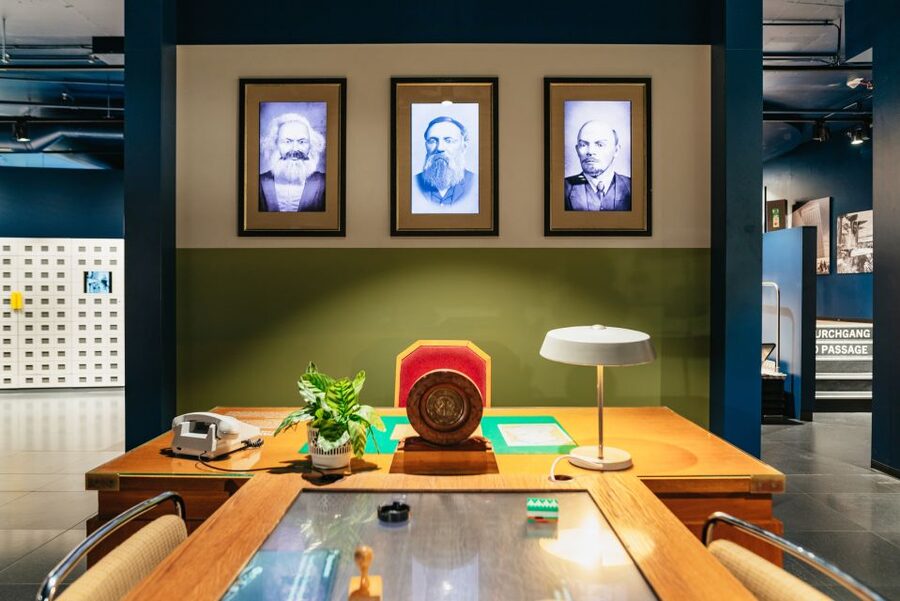
REVIEW · BERLIN
Berlin: DDR Museum Tickets
Touch history in Berlin. The DDR Museum makes East Germany’s daily life tangible with reconstructed DDR apartments right on the Spree, plus interactive exhibits that make you use more than your eyes. It’s the kind of museum experience you can move through at your own pace, starting from the real stuff and ending with the bigger story behind the wall.
I especially love two things: the hands-on exhibits where you open drawers and cupboards and handle period objects, and the Trabant simulator that turns a quick ride into a full sensory moment. You learn without feeling like you’re stuck reading a textbook the whole time.
One consideration: it can get crowded, and on busy days you may have to work a little harder to pause, read, and see smaller details.
In This Review
- Key highlights you should know before you go
- DDR Museum Tickets, a Berlin Address You Can Actually Feel
- Reconstructed DDR Apartments You Can Open, Reach Into, and Smell
- The Karat Wall-Cupboard and the Domestic Clues That Tell a Story
- Riding the Trabant Simulator and Hearing DDR Life
- TV Rooms, News Reports, and Dancing to Lipsi
- A Former Prison Cell: When the Tone Shifts
- How Long to Plan and When to Go for Best Reading Time
- Price and Value: Is $15 Worth It?
- What’s Included, What’s Not, and How to Get the Most Out of It
- Who Should Book DDR Museum Tickets in Your Berlin Plan?
- Should You Book DDR Museum Tickets?
- FAQ
- Where is the DDR Museum entrance?
- How much are DDR Museum tickets?
- How long should I plan for the DDR Museum?
- What’s included in the ticket price?
- Is a museum guide included?
- Are pets allowed in the museum?
- What are the museum opening hours?
- Is free entry available for children?
- What is the cancellation policy?
Key highlights you should know before you go
- Touch-and-open apartments where objects are made to be explored, not stared at from behind glass
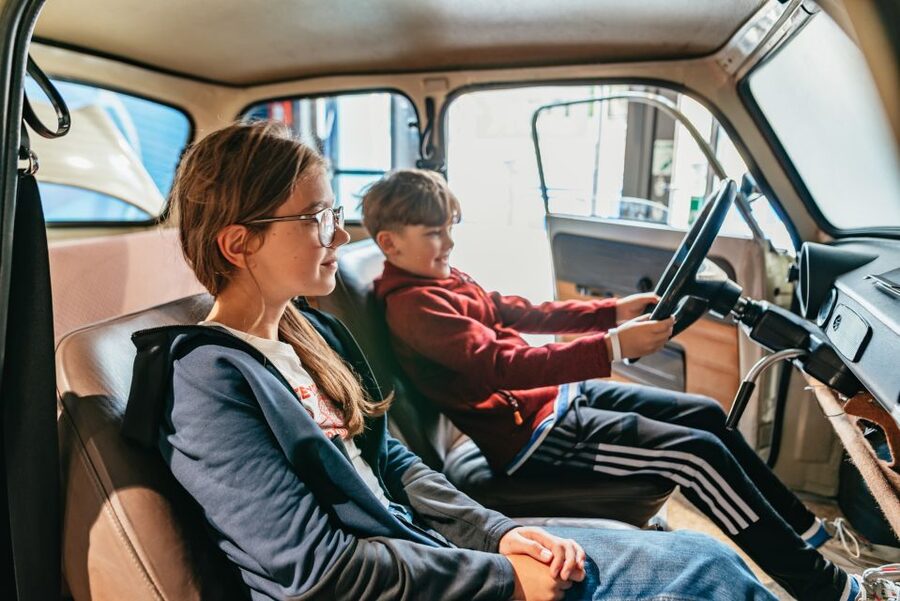
- Original Trabant simulator where you climb in and start it for the full sound-and-feel effect
- Karat wall-cupboard moments that connect furniture design to daily routines like cooking and storage
- TV and cinema-style exhibits that bring news, rooms, and atmosphere to life
- A former prison-cell stop that adds a serious reality check to the hands-on fun
- Go earlier if you can to reduce crowd pressure around the most popular interactions
DDR Museum Tickets, a Berlin Address You Can Actually Feel
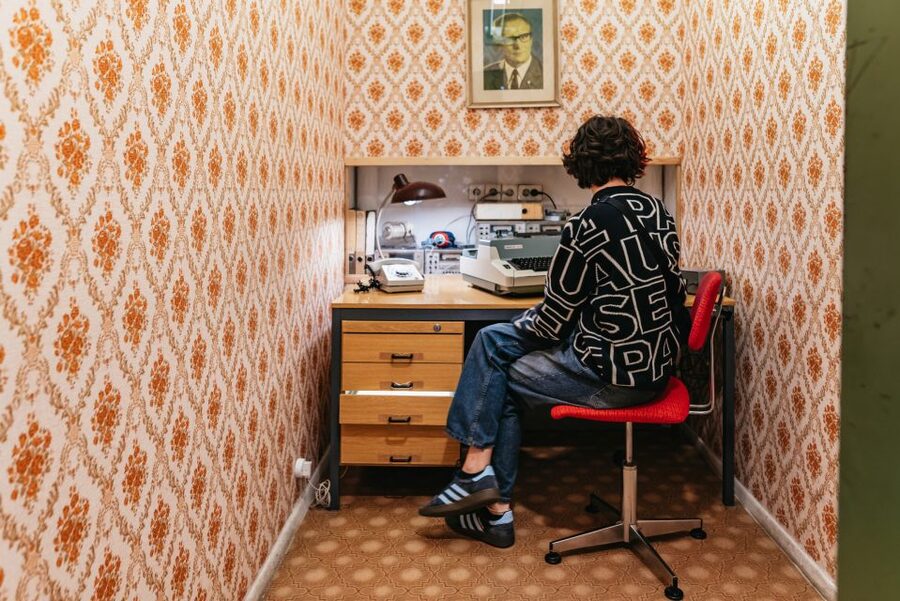
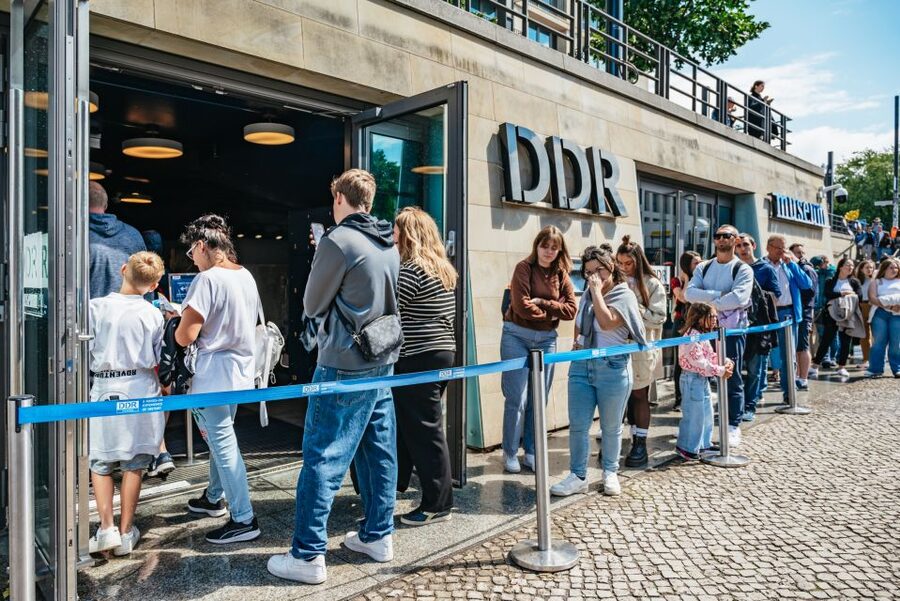
The DDR Museum sits on the bank of the Spree, directly opposite Berlin Cathedral. That location matters more than you might think. You start outside with modern Berlin energy, then walk into a world of tight rooms, controlled routines, and stuff you recognize as real domestic life, not museum props.
Your ticket is good for one day, and the museum runs long hours, open Monday through Sunday from 9am to 9pm (with shorter hours on December 24 and 31). That flexibility helps if Berlin days get messy, since you can choose a starting time that matches your energy level.
No museum guide is included, so you’ll rely on the exhibit labels and interactive stations. For me, that is part of the charm, because you control the pace. If you want more reading, you can do it. If you want to skim and focus on the tactile stuff, you can.
Reconstructed DDR Apartments You Can Open, Reach Into, and Smell
This museum’s biggest strength is simple: it makes history physical. Instead of presenting life in DDR apartments like a behind-glass display, it rebuilds rooms and fills them with everyday items meant to be discovered. You can pull out drawers, open cupboards, and reach inside, so the museum experience becomes practical and hands-on.
In one of the rooms, you’ll see a typical East German living setup with a TV you can turn on and a focus on storage furniture that was built to last and to organize. One of the most evocative pieces is the Karat wall-cupboard, a home furnishing closely tied to the era. The point isn’t just that it looks old, it’s that it explains how families managed space, displayed what mattered, and stored what they needed.
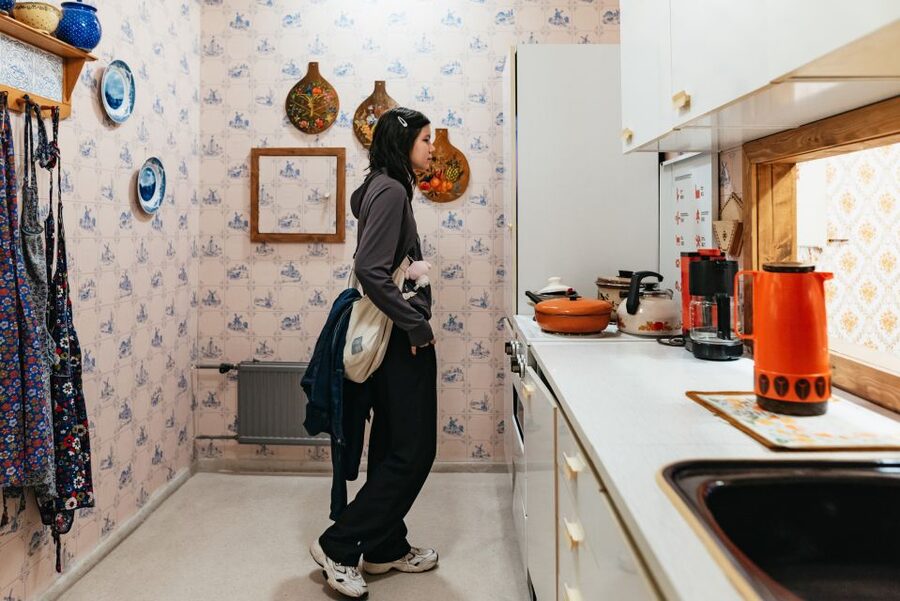
You also get those small, sensory reminders that change the whole learning experience. You can smell spices on a shelf, and you’ll notice a pressure-cooker on the stove. Those details anchor the story in daily routine, not politics on posters.
Why this works for your visit: it turns abstract history into normal activities. Cooking, storing, and living are human-scale topics, and that’s what makes the museum’s theme stick.
The Karat Wall-Cupboard and the Domestic Clues That Tell a Story
The Karat wall-cupboard deserves time. It’s one of those objects that looks like furniture until you start paying attention to how it’s used. You can treat it like a mini exhibit about design, habits, and what households wanted to show off or keep hidden.
Here’s what I’d watch for as you explore. Look for how the cupboard is set up for regular access, not just decoration. Then connect that layout to the other room items you’ll see nearby, like the kitchen tools and cooking area. When an exhibit includes smells, cookware, and familiar domestic routines, it’s teaching you how people built a day around what they had.
This part of the museum also rewards slow walking. If you rush, you’ll miss the tiny cues that make the rooms feel lived in.
Riding the Trabant Simulator and Hearing DDR Life
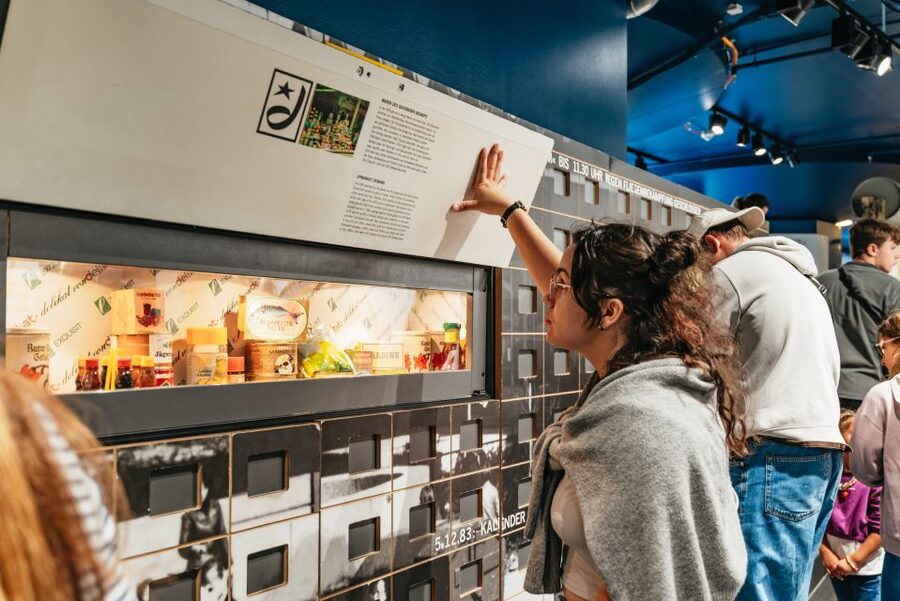
If you like hands-on exhibits, the Trabant simulator is the moment you’ll remember. You can climb into an original Trabant and turn the ignition. The experience comes with typical Trabant noises, and it feels like the museum is giving you the sounds you associate with the era, not just the visual idea.
But the simulator is more than a gimmick. It also runs as a simulated voyage through prefabricated districts, which helps explain why transportation, neighborhoods, and everyday logistics were part of DDR life. You’re not just seeing a car. You’re experiencing a small slice of how movement and the built environment shaped daily routines.
Practical tip: if you spot the line for the simulator getting longer, weigh how much you care about this one attraction. The rest of the museum has plenty to do, and the rooms are rich with tactile details. If you don’t mind waiting, prioritize the simulator early, when your attention span is strongest.
TV Rooms, News Reports, and Dancing to Lipsi
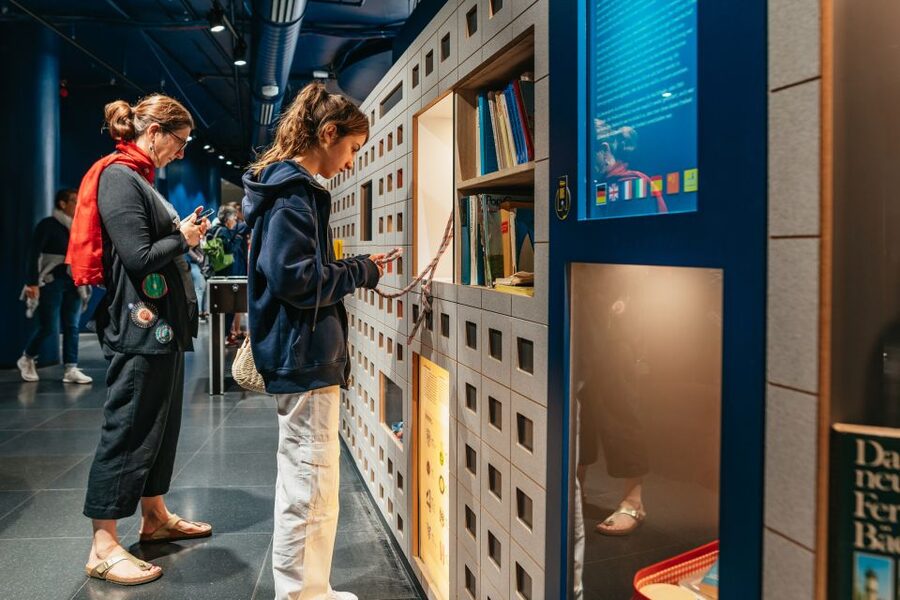
The museum doesn’t rely on one theme only. It spreads the story across different media formats that people recognize from real life.
In a typical East German living setup, you can turn on a television and rifle through a wall storage cupboard like the Karat unit. That lets you explore how entertainment and home organization blended into a normal day.
Another station pulls you into the feel of watching news. You can watch news reports sitting in an original cinema stall, which adds a “you are part of the room” effect. It’s not just content, it’s a setting that affects how you watch and how you interpret what you see.
Then comes one of the more fun moments: Lipsi. This is East Germany’s answer to rock-and-roll in the museum’s framing, and you can dance along. It’s a reminder that even under strict systems, culture found room to move. That mix is part of what makes the DDR Museum feel balanced, even when the subject matter is heavy.
A Former Prison Cell: When the Tone Shifts
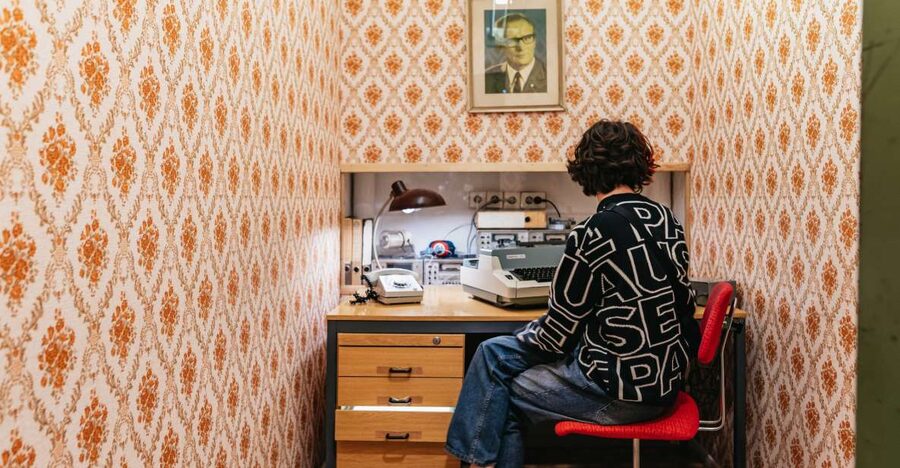
Most of the museum is interactive and sensory. Still, you also get a sober counterweight, including a section where you can sit in a typical former East German prison cell.
This shift matters for two reasons. First, it prevents the museum from becoming only an entertainment stop. Second, it gives you a physical sense of constraint, not just a narrative of it. When you sit in that space, the message becomes immediate and personal.
Even if you come mainly for the interactive rooms and the Trabant, plan to spend time here. It’s the part that reminds you why daily life details matter, because they lived inside a wider system of control.
How Long to Plan and When to Go for Best Reading Time
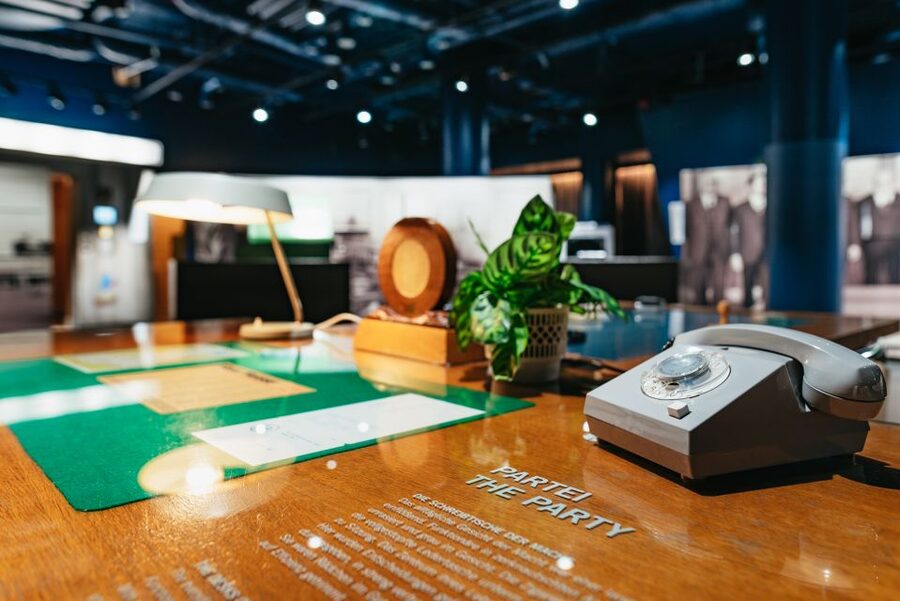
You can treat the DDR Museum like a focused half day or a longer stop, depending on your style. Some people take it in around 1.5 hours, especially if they prioritize the most interactive stations and then skim the rest. Others spend closer to 2 to 3 hours, because they slow down to explore rooms thoroughly and repeat interactive moments.
For your timing, I’d use this simple rule: if you like reading labels and exploring at a relaxed pace, plan on more time. The museum has plenty of information, and the tactile exhibits mean you may pause multiple times.
Crowds are the real practical factor. The most popular attractions can get busy, and when the museum is packed, you may have trouble spotting smaller text or seeing all details without shoulder-to-shoulder movement. If you can, aim for non-peak hours, and consider starting earlier in the day. One visitor tip that makes sense: if you know you’ll tire standing, go when the museum is calmer so you can move through sections comfortably.
Also, the museum has long opening hours, so weather doesn’t have to decide your schedule. If a rainy Berlin day pushes you indoors, the DDR Museum can work well, as long as you expect busier flow.
Price and Value: Is $15 Worth It?
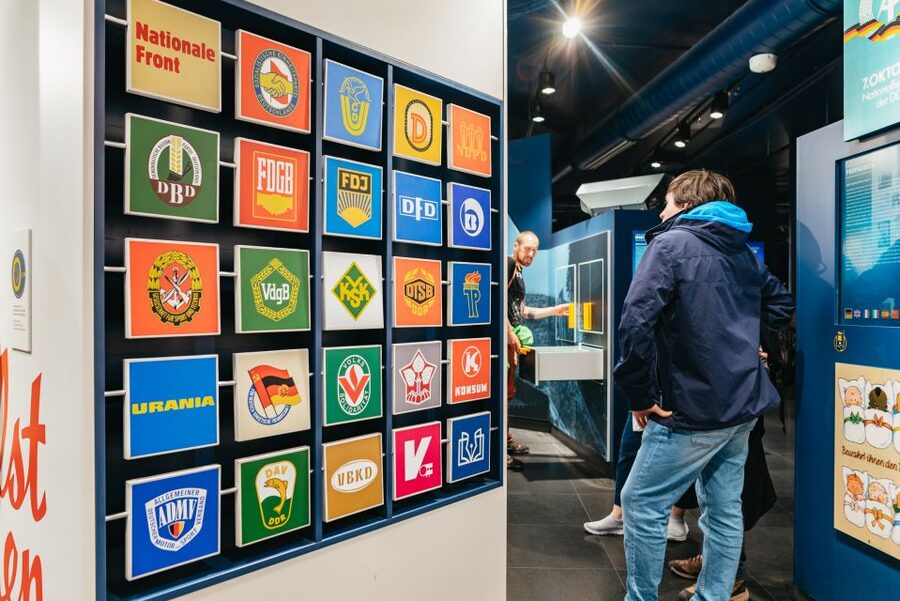
At about $15 per person for entry, this museum is good value if you want more than passive sightseeing. Many Berlin museums charge similar prices, but you often spend most of the time reading signs and looking at objects under glass. Here, a large share of the experience is active, including opening cupboards and using interactive stations.
The real value is the combination of three things:
- Tactile reconstructions that make home feel real
- Interactive tech like the Trabant simulator that turns history into a moment
- Sensory cues like smells and kitchen details that make the setting stick
The museum guide is not included, so you’re not paying extra for a structured tour. Instead, you pay for a museum format designed to do the teaching for you through labels and interactive elements.
One more value note: kids and teens can handle this place better than many history museums. The hands-on design is built for mixed ages, and it helps families keep momentum without turning the day into a constant negotiation.
What’s Included, What’s Not, and How to Get the Most Out of It
Included in your ticket is entry to the DDR Museum. That’s it. No guide is bundled, and the experience is self-directed once you’re inside.
So your best strategy is to decide what kind of learner you are before you enter:
- If you learn by doing, focus on opening rooms, trying interactive stations, and spending time with the tactile objects.
- If you learn by reading, take a slower loop through the apartment reconstructions and plan extra time near information-dense displays like the living and storage areas.
- If you’re here for culture and sound, prioritize Lipsi and the cinema-stall news presentation, then circle back to the apartments.
Language support appears to cover both German and English in the signage and information you’ll encounter, based on how the exhibit text is presented. Still, if reading a lot is tough for you, you can safely skip some sections and focus on the interactive anchors.
Who Should Book DDR Museum Tickets in Your Berlin Plan?
This is a strong match for families, couples, and solo travelers who like history that shows up in everyday objects. You’ll get a lot out of it even if you don’t know DDR history beforehand, because the museum explains daily life through rooms, products, and routines.
It also works well for people who want context behind Berlin’s more obvious landmarks. Berlin wall memories are one story. But this museum gives you another layer: what it felt like to live inside the system through homes and daily choices.
A good fit if you:
- Want hands-on history rather than a lecture
- Enjoy interactive exhibits and tactile details
- Want both lighter cultural moments and serious reality checks
Less ideal if you:
- Hate crowds and need quiet space to read
- Get frustrated by standing and waiting around interactive stations
Should You Book DDR Museum Tickets?
Yes, you should book DDR Museum tickets if you want an active, human-scale look at life in East Germany. The hands-on apartments, the Trabant simulator, and the ability to explore familiar domestic objects make it feel more real than typical museum stops.
I’d book it especially if you’re traveling with kids or teens, because the interactive format keeps attention. It’s also a smart choice if you’re short on time but still want something meaningful, since you can do it in a single day and control your pace.
If your main travel goal is ultra-quiet, slow-looking museum galleries, you might find peak hours tough. In that case, pick a calmer starting time, and focus on the interactive highlights first.
FAQ
Where is the DDR Museum entrance?
The entrance is on the bank of the Spree, opposite Berlin Cathedral.
How much are DDR Museum tickets?
Tickets cost about $15 per person.
How long should I plan for the DDR Museum?
The experience is valid for 1 day. Many visitors spend around 1.5 to 3 hours depending on how much of the exhibits they want to explore.
What’s included in the ticket price?
The ticket includes entry to the DDR Museum.
Is a museum guide included?
No. A museum guide is not included.
Are pets allowed in the museum?
Pets are not allowed.
What are the museum opening hours?
It is open Monday through Sunday from 9am to 9pm, except December 24 and 31, when it opens from 9am to 4pm.
Is free entry available for children?
Children up to 5 get free entry.
What is the cancellation policy?
You can cancel up to 24 hours in advance for a full refund.
Berlin Museum Island and Gallery Tickets, side by side.
 ★ 4.6Berlin: Madame Tussauds Admission TicketFrom $253,941 reviews
 ★ 4.6Berlin: Neues Museum Entry TicketFrom $163,261 reviews
 ★ 4.4Berlin: Charlottenburg Palace Entry TicketFrom $222,076 reviews
 ★ 4.4Berlin: Museum Island Multiple Museum Entry TicketFrom $272,007 reviews
 ★ 4.5Berlin Dungeon: Entrance TicketFrom $281,918 reviews
 ★ 4.4Berlin: Panoramapunkt Skip-the-Line Elevator TicketFrom $151,219 reviews
 ★ 4.7Berlin: Neue Nationalgalerie Entry TicketFrom $231,212 reviews
 ★ 4.6Berlin: Tickets for the BODY WORLDS Museum in BerlinFrom $221,061 reviews
Other lists this tour is on