
REVIEW · LEIPZIG
City tour Chemnitz
Chemnitz has a lot to say in 90 minutes. This minibus city tour slices through the European Capital of Culture 2025 city, from industrial-era bones to newer cultural plans. You’ll ride past modern center streets and the neighborhoods that grew from Auto-Union and its Auto-Union Audi legacy.
I like two things a lot. First, the route is built around clear landmarks, including the Karl Marx head in the center, plus the industrial culture stretch between Zwickauer and Annaberger Straße. Second, you get strong architectural contrasts, from Wilhelminian-style Kaßberg to the GDR residential area Heckert, and then a calmer feel in the castle district.
One thing to consider: it is only 1.5 hours, so it works best for getting your bearings and understanding the city’s shifts, not for slow, deep sightseeing or museum time.
In This Review
- Key tour takeaways worth packing into your plan
- Why Chemnitz in 90 Minutes Works
- Price and value: $23 for a guided minibus loop
- Getting on board: where you start and how the loop feels
- Schloßviertel and the modern center: the city’s “right now” in motion
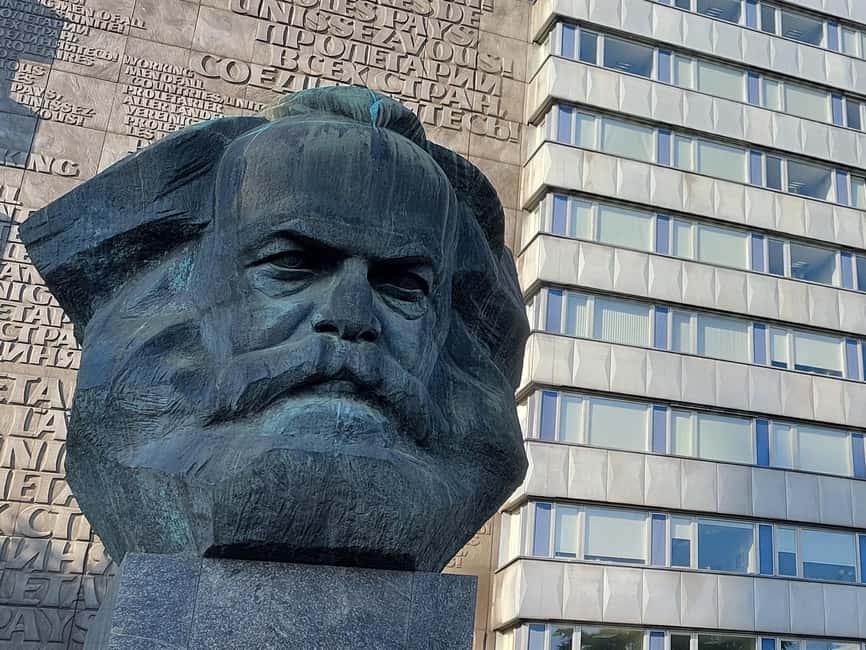
- Karl Marx head in the center: the icon that explains a whole era
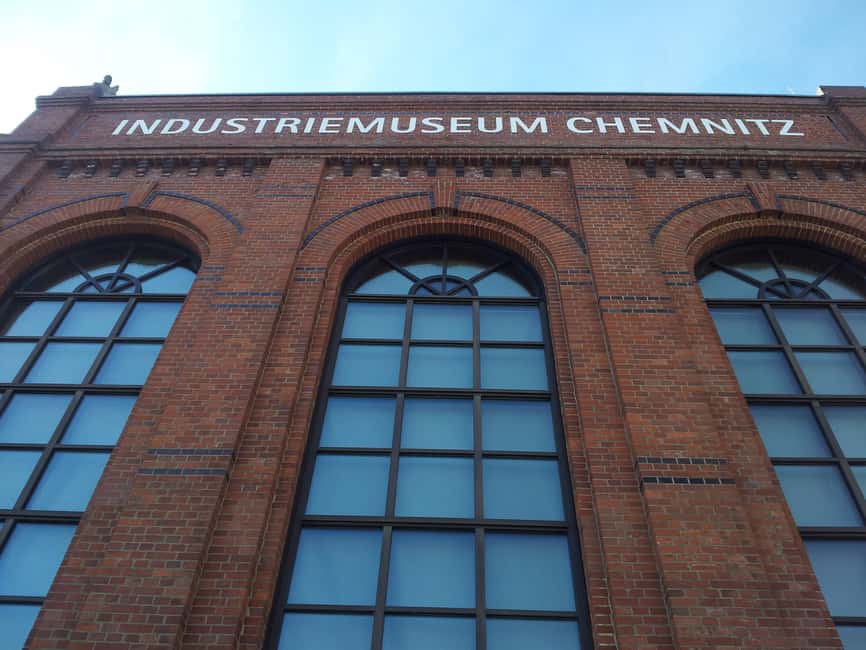
- Industrial culture between Zwickauer Straße and Annaberger Straße
- Kaßberg and Wilhelminian architecture: a different kind of grandeur
- Heckert and the GDR residential area: housing as a social statement
- The castle district: why the story gets calmer
- Who this Chemnitz tour suits best
- Should you book this Chemnitz city tour?
- FAQ
- How long is the Chemnitz city tour?
- What is the price per person?
- Where does the tour start?
- Does the tour end at the same place it starts?
- What will I see on the tour?
- Is this tour private or small-group?
- What languages are available?
- Is there a local certified guide?
- Can I cancel for a refund?
- Is pay later available?
Key tour takeaways worth packing into your plan
- Karl Marx head in the center: a quick, memorable symbol of Chemnitz’s name changes and political eras.
- Industrial culture between Zwickauer and Annaberger Straße: you’ll see how factories shaped the city layout.
- Kaßberg and Wilhelminian style areas: architectural form you can spot fast, even on a tight schedule.
- GDR residential area Heckert: a different idea of living space, explained in context.
- Castle district viewpoints: a shift in mood that helps the whole story click.
- Small-group feel, up to 8 people: easier conversation with your certified guide, not a big-bus crowd.
Why Chemnitz in 90 Minutes Works
Chemnitz can feel like a puzzle at first. The city has modern edges, heavy industrial roots, and strong 20th-century chapters that still shape the neighborhoods around you.
This tour is built for exactly that moment when you want orientation fast. Instead of scattering you across a dozen stops, you get a guided circuit through major themes, including the European Capital of Culture 2025 angle and how the city is trying to write a new cultural chapter while keeping its industrial DNA.
It also helps that the tour is short. A 90-minute format means you finish with momentum, not fatigue, and you can decide later what deserves extra time.
Price and value: $23 for a guided minibus loop
At $23 per person for a 1.5-hour minibus tour, the value is in three practical things: transport, local guidance, and time efficiency.
You’re not expected to know the city first. The minibus setup helps you cover multiple districts without spending your entire day figuring out routes. And because you’ll have a local, certified guide (English and German are available), you’re getting context instead of just taking photos.
Finally, the small group size matters. With the tour designed for up to 8 people, you’re more likely to get answers that fit your questions, especially if you care about the industrial and political-era contrasts that Chemnitz is known for.
Getting on board: where you start and how the loop feels
You’ll meet either at Straße der Nationen, Hotel Chemnitzer Hof or at Straße der Nationen, depending on the option you book. The tour ends back at the meeting point, so you do not have to plan a complicated end-of-day transit puzzle.
Because it’s a minibus city tour, the rhythm is different from a full walking tour. You’ll likely spend your time moving between areas, with the guide pointing out key buildings and street zones that connect to the city’s story.
That matters because Chemnitz’s identity comes from relationships between places. Industrial streets, residential areas, and older architectural zones do not make much sense when you see only one at a time. The loop format stitches those pieces together quickly.
Schloßviertel and the modern center: the city’s “right now” in motion
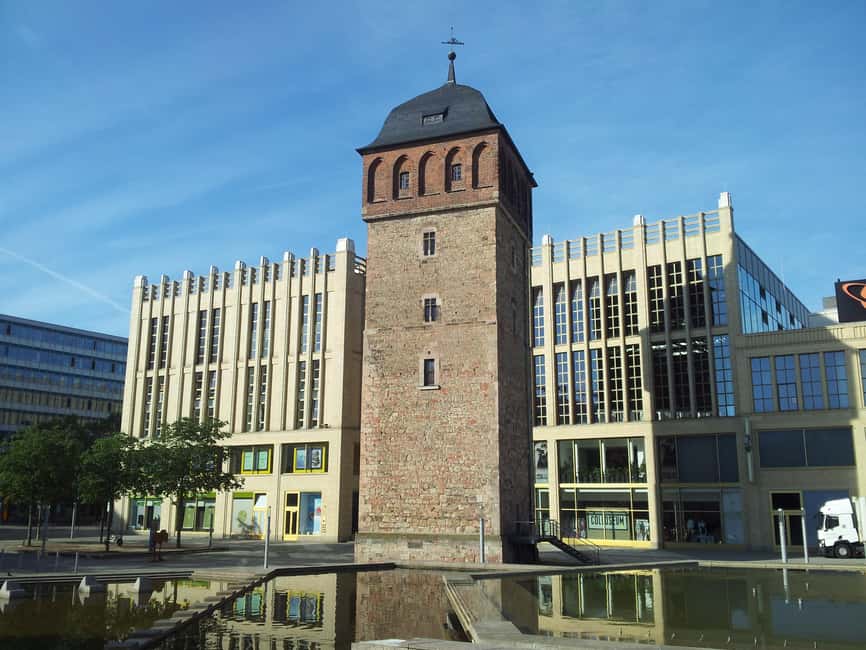
The tour’s viewpoint starts in the modern center, with its beginnings in what’s known today as Schloßviertel. That’s a helpful anchor, because Schloßviertel gives you a sense of how Chemnitz grew from earlier foundations into a city that still feels industrial even in 2025.
As you move through central areas, your guide ties the visible streets to the big backstory: Chemnitz rose into one of Germany’s largest and richest industrial cities after a Slavic settlement became a powerhouse. In other words, you’re not just seeing modern urban space, you’re seeing a layered timeline.
This part is also a good sanity check. If you’ve only heard Chemnitz through its industrial reputation, this helps you understand how the city’s physical shape carries that reputation forward.
Karl Marx head in the center: the icon that explains a whole era
One of the tour’s standout points is the Karl Marx head in the center. It’s the kind of landmark you notice immediately, even if you don’t know the political or cultural context at first.
That icon ties directly to Chemnitz’s name history. The city was once Karl-Marx-Stadt and then became Chemnitz again, and the tour uses that idea to connect public symbols with everyday urban life.
Here’s why that matters for you: many cities have monuments, but fewer places make you confront how political eras literally left their fingerprints on the streets. You’ll come away with a clearer sense of why certain things are where they are, not just what they look like.
Industrial culture between Zwickauer Straße and Annaberger Straße
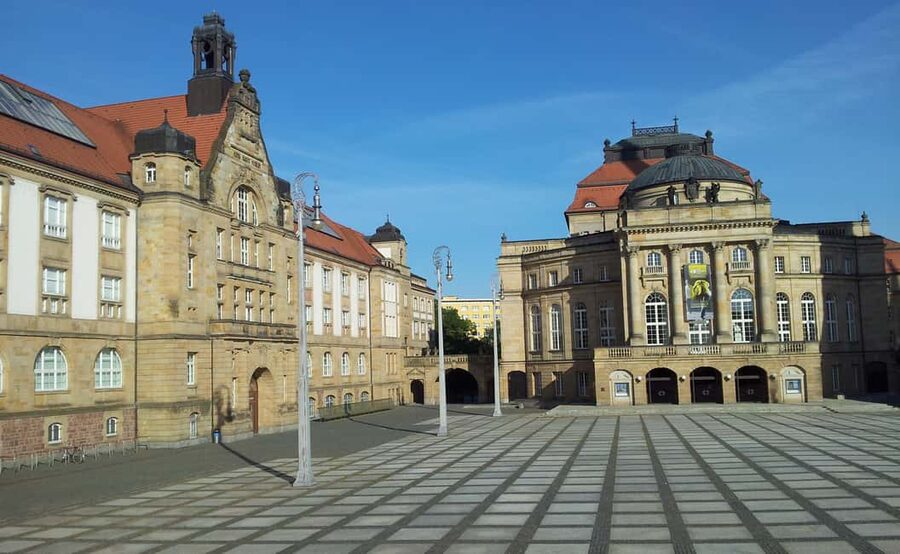
Chemnitz’s industrial identity is not a single building. It’s a street-to-street pattern.
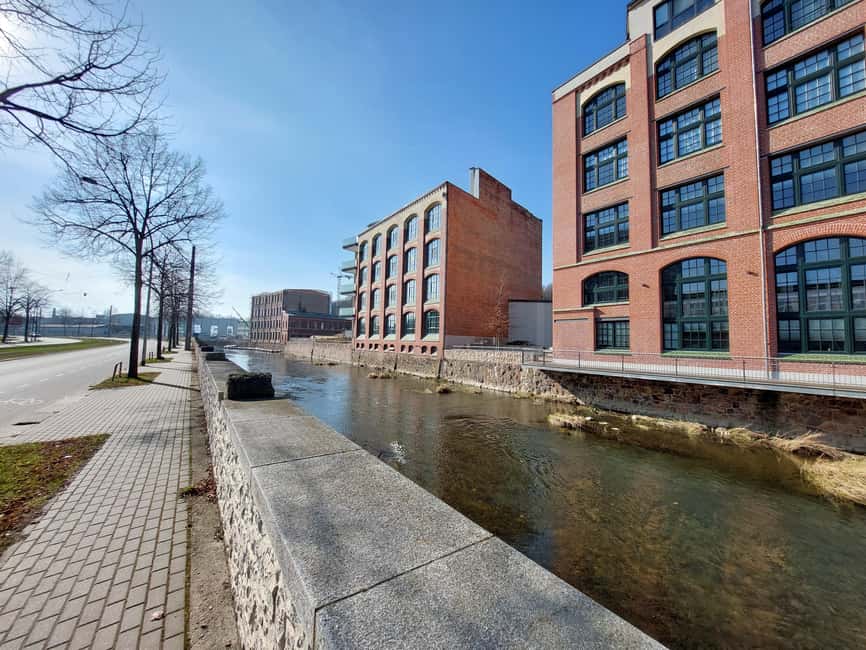
A key stretch on the tour focuses on industrial culture between Zwickauer and Annaberger Straße. This is where the city’s “Manchester of Saxony” reputation starts to feel real. The industrial growth wasn’t random. It was driven early on by the bleaching monopoly for linen in Saxony and the connection to mining from the Ore Mountains.
Then technology accelerated everything. When spinning machinery like the spinning jenny and steam power took off, production surged across textiles, locomotives, bicycles, and cars. Your guide’s job here is to connect those developments to what you can actually see in the urban layout.
If you love industrial architecture or you’re into how cities are shaped by work and transportation networks, this section is often the heart of the tour.
Kaßberg and Wilhelminian architecture: a different kind of grandeur
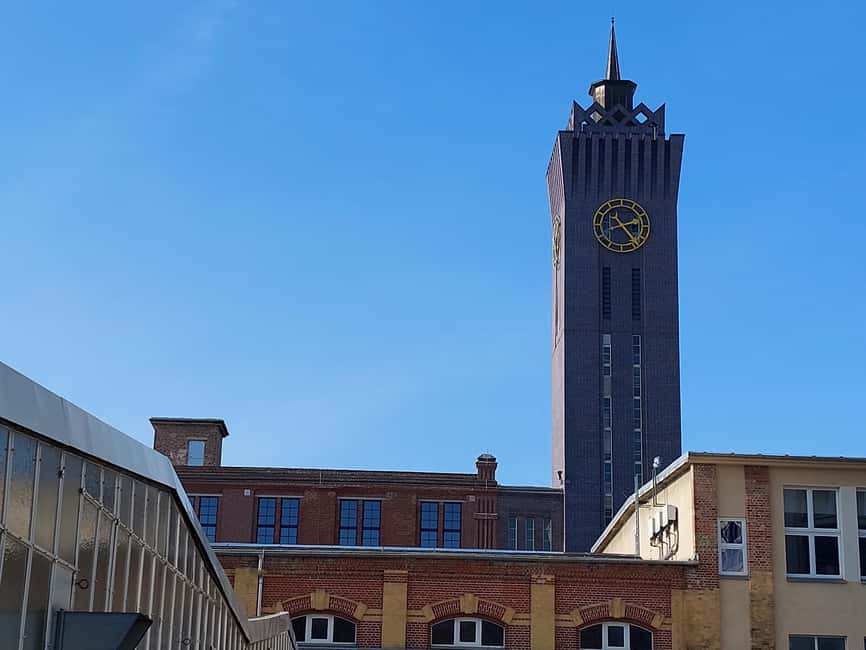
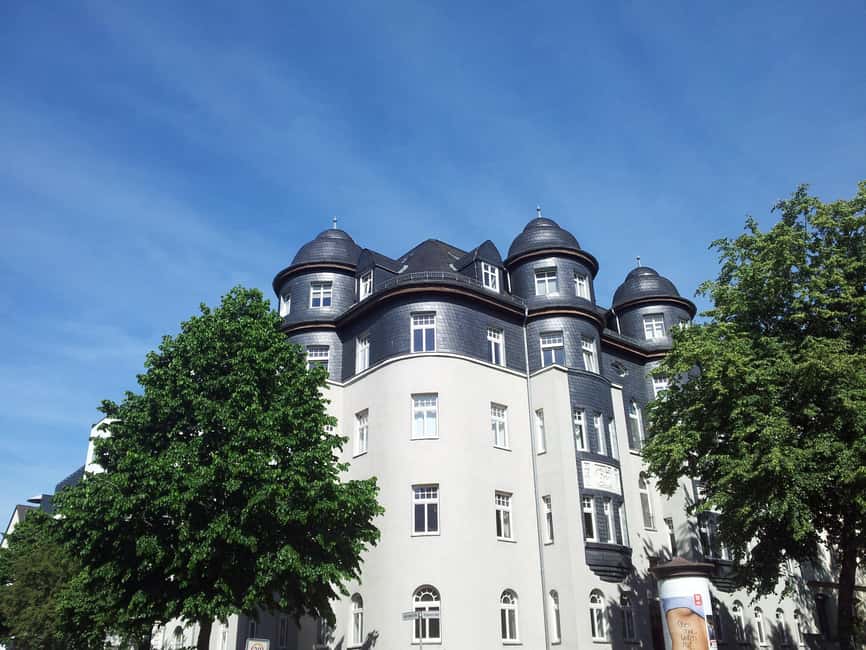
After the industrial zones, the tour shifts toward Wilhelminian style architecture in Kaßberg. This contrast is one of the most useful parts of the experience, because it helps you understand that Chemnitz’s wealth and growth expressed itself in more than factories.
Wilhelminian-style areas tend to signal a period when cities invested in more formal, ornamented urban design. In Chemnitz, that means you’re watching the city’s industrial success feed into how it wanted to look and how it wanted to house people.
For you, this is the “visual vocabulary” stage. Once you’ve seen the different architectural language, the later GDR residential zone makes more sense too, because you can compare how each era planned living space and street character.
Heckert and the GDR residential area: housing as a social statement
The tour also includes the GDR residential area Heckert, a segment that moves from old architecture and industrial cues into a different set of priorities.
We know Chemnitz later became Karl-Marx-Stadt and went through the long German division period. The tour uses that arc to explain how political systems shaped what cities built and how people lived.
You’ll get context for the residential approach, and you’ll also get a better sense of why the city’s identity is still searching. The guide frames today’s Chemnitz as a place that still works and still makes room for creativity, not a city frozen in nostalgia.
This part is ideal if you want more than aesthetic sightseeing. You’re not just looking. You’re learning to read buildings as social decisions.
The castle district: why the story gets calmer
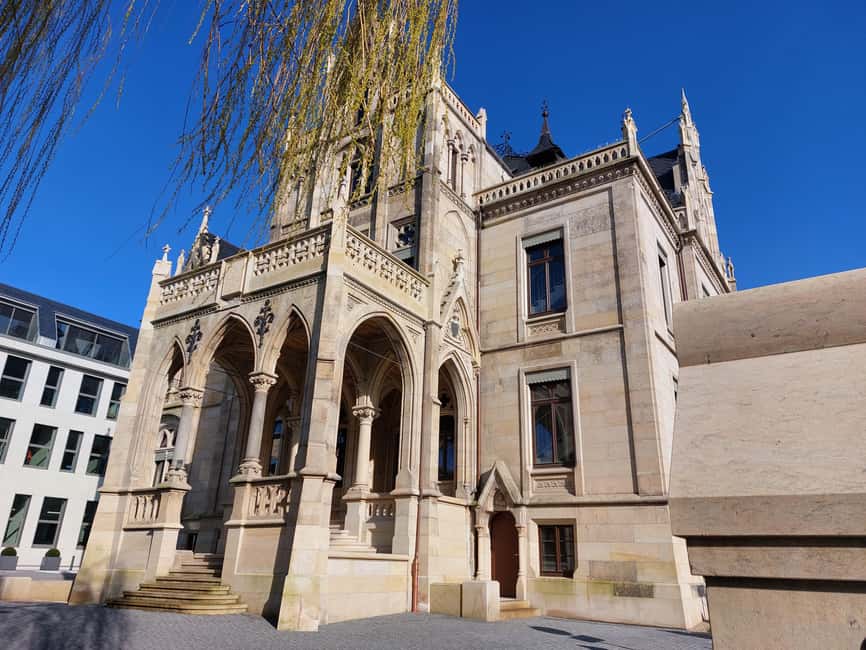
Most industrial cities end up feeling heavy, even when they’re attractive. Chemnitz avoids that trap by including the castle district as a closing mood shift.
This is where the tour helps you connect the dots between industrial expansion and the older civic structure implied by a castle district. Even if you do not go into a historic site, the general character of the area can reset your brain after industrial and residential zones.
For your planning, this is useful. You finish with a clearer sense of what to revisit later, depending on what kind of Chemnitz you want to explore next: architecture, industrial heritage, or political-era urban planning.
Who this Chemnitz tour suits best
This tour is a strong fit if you want:
- A guided overview in English or German without committing to a full day.
- A structured way to understand how industrial rise, post-war shifts, and the GDR period changed the city.
- Clear stops tied to major landmarks, like Karl Marx head, Kaßberg, and Heckert.
It’s also a great choice for first-time visitors who want something efficient. If you already know Chemnitz well, it may feel short, but it can still be useful as a refresher route to compare neighborhoods and see them as a timeline.
Should you book this Chemnitz city tour?
I think it’s worth booking if your goal is context plus orientation in a tight schedule. At $23 for 1.5 hours, with a certified guide and a small group format (up to 8 people), you’re buying a fast, guided understanding of Chemnitz’s main identity themes: industrial roots, architectural contrasts, and the public signs of political history.
I would skip it only if you want long stops, lots of on-foot time, or museum-style depth. In that case, you’ll probably want a slower, neighborhood-by-neighborhood plan after you get the map of ideas from this tour.
If you like cities that have contradictions you can actually see, this one is a smart bet.
FAQ
How long is the Chemnitz city tour?
The tour lasts about 1.5 hours.
What is the price per person?
The price is $23 per person.
Where does the tour start?
The meeting point can vary based on the option booked, including Straße der Nationen at Hotel Chemnitzer Hof and Straße der Nationen.
Does the tour end at the same place it starts?
Yes, it ends back at the meeting point.
What will I see on the tour?
You’ll cover major areas including the Karl Marx head in the center, industrial culture between Zwickauer and Annaberger Straße, Wilhelminian style areas in Kaßberg, the GDR residential area Heckert, and the castle district.
Is this tour private or small-group?
It is offered for private or small groups, with a minibus designed for up to 8 people.
What languages are available?
Live guidance is available in English and German.
Is there a local certified guide?
Yes, you’ll have a local, certified tour guide.
Can I cancel for a refund?
Free cancellation is available up to 24 hours in advance for a full refund.
Is pay later available?
Yes, you can reserve now and pay later to keep your plans flexible.
Leipzig and Saxony Tours, side by side.
 ★ 4.7Leipzig: City History Canal Sightseeing Tour on a MotorboatFrom $186,232 reviews
 ★ 4.6Leipzig: 1.5-Hour Public Tour with Night Watchman BremmeFrom $173,116 reviews
 ★ 4.5Dresden: Elbe River Cruise to Pillnitz CastleFrom $372,411 reviews
 ★ 4.7Combo Tour in Leipzig: Guided City Tour & City SightseeingFrom $252,317 reviews
 ★ 4.7Leipzig: 1.5-Hour Historical Walking Tour in GermanFrom $172,217 reviews
 ★ 4.8Leipzig: 2-Hour Guided Walking Tour in GermanFrom $181,612 reviews
 ★ 4.6Leipzig: 13-Stop Hop-on/Hop-off Bus TicketFrom $281,468 reviews
 ★ 4.5Gruseltour Leipzig: A Haunted Guided TourFrom $211,385 reviews
Other lists this tour is on