
REVIEW · SEA LIFE AQUARIUMS AND FAMILY ATTRACTIONS
Cologne: Cologne Zoo and Aquarium Entry Ticket
Cologne Zoo is bigger than you expect. With 10,000+ animals across 850 species, it packs global wildlife into one easy-to-handle day. The elephant parks, indoor jungle halls, and life-size dinosaur sculptures make it feel like more than a typical zoo visit.
I especially like the focus on standout habitats, starting with the zoo’s Asian elephant park and moving to African river-style settings. I also like the way the Rainforest Hall keeps the day moving indoors when weather turns. The only real drawback is that a major tropical-area building, the Tropical House, must stay closed until mid-2026, so you may want to check what is open close to your travel date.
If you’re tight on time, I’d plan your route carefully because the zoo is genuinely large. Even people who think they will do it “quick” tend to end up walking longer than planned, and the aquarium is a smaller add-on you can finish fast if you’re not patient.
In This Review
- Key highlights worth centering your day on
- Entering Cologne Zoo, then letting it pull you along
- Value check: why this $27 ticket can feel like a bargain
- Getting there in Cologne: simple transit, easy entry
- The elephant park and African-style habitats: start with the heavy hitters
- Rainforest Hall and South America House: indoor jungle, even on bad weather
- Amur tigers, small-animal exhibits, and watching more than just the biggest species
- Dinosaur sculptures and big photo moments: why the robots work
- Clemenshof petting zoo: farmyard fun with clear rules
- Aquarium access: plan it as a bonus, not the main event
- Food, breaks, and what to do when only a few stands are open
- Rules and restrictions that affect your day
- Timing: opening hours, last entry, and how long a “1 day” plan needs
- The practical best route when you want the biggest hits
- Should you book Cologne Zoo and Aquarium Entry Ticket?
- FAQ
- How much is the Cologne Zoo and Aquarium entry ticket?
- How long should I plan for this experience?
- What animals and how many species can I expect to see?
- What are the elephant and aquarium included with this ticket?
- What is the Rainforest Hall?
- Can children pet animals at the farmyard area?
- Are there any major closures I should know about?
- What are the opening hours and last entry times?
- Is the zoo wheelchair accessible?
- Are pets, bikes, or drones allowed?
Key highlights worth centering your day on
- Elephants first: the 2-hectare Asian elephant park and herd setup are a real anchor attraction
- Rainforest Hall warmth plan: a Central and South American indoor jungle route with sloths, howler monkeys, piranhas, and more
- Big-cat facility (Amur Tigers): a newer option to watch the big cats up close
- Robotic dinosaur sculptures: a giant lineup, including a 15-metre Argentinosaurus and other moving figures
- Clemenshof farmyard time: goats and sheep only, with petting allowed in the right zone
- Aquarium included: smaller than the zoo, so it works best after you’ve done the animal highlights
Entering Cologne Zoo, then letting it pull you along
I like zoos where you can start walking and keep finding new reasons to stop. Cologne Zoo does that. Once you enter, the grounds quickly shift from open animal yards to indoor exhibits, which helps you keep energy up even if you arrive later in the day.
You’ll notice the zoo feels built for repeat viewing. You can linger at elephant areas, then jump to indoor halls without feeling like you must rush. The layout also makes it easier with kids, since there are multiple stops that break up long sightlines. If you came for the elephants or the dinosaurs, you’ll get those, but the “side quests” are what keep the day fun.
Two practical notes before you go far. First, the zoo and aquarium share your entry ticket, so you should mentally treat this as one combined experience. Second, the zoo is large enough that if you try to do everything in one go, you will feel it in your legs.
Value check: why this $27 ticket can feel like a bargain
At about $27 per person for zoo entry plus aquarium access, the value comes from volume and variety. You’re not paying for one theme park moment, you’re paying for a full wildlife day with indoor and outdoor choices, plus a second venue attached to it.
The strongest “value driver” is the sheer animal count and species mix. 10,000+ animals across 850+ species means you can build a route that matches your mood. If you want large mammals, you have the elephants and hippo-like habitats. If you prefer smaller, busier animals, you can focus on the many compact exhibits.
The second value driver is the zoo’s emphasis on modern habitats rather than random cages. You’ll see the zoo’s effort in the major enclosures, including the river-themed African habitat and the elephant park setup. That matters because it changes how you watch animals. You spend more time observing real behaviors, less time scanning bars.
The only time the value feels weaker is if you try to speed-run the entire zoo. This is not a “90-minute checklist.” If you want the good moments, give yourself time to pause.
Getting there in Cologne: simple transit, easy entry
Cologne Zoo sits right in the city at Rieler Str. 173, 50735 Cologne. If you’re starting at Cologne main station, the easiest move is the underground line 18 to reach the area near the zoo. If you’re already over by Ebertplatz, you can use bus line 140.
Once you arrive, plan on walking from entrance to your first big priority. In a zoo this size, a smart start beats hoping you will “discover” everything later. If elephants are your must-see, aim for them early while animal activity is often higher.
If you need a wheelchair, you can borrow one free of charge by reserving in advance through [email protected]. You’re also allowed to hire handcarts on-site for a fee, and you do not need a reservation for that.
The elephant park and African-style habitats: start with the heavy hitters
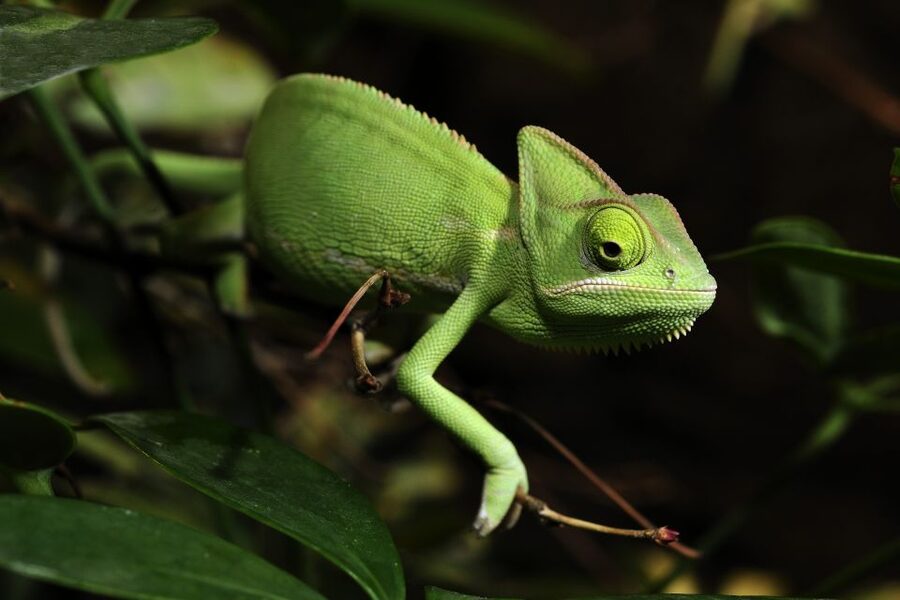
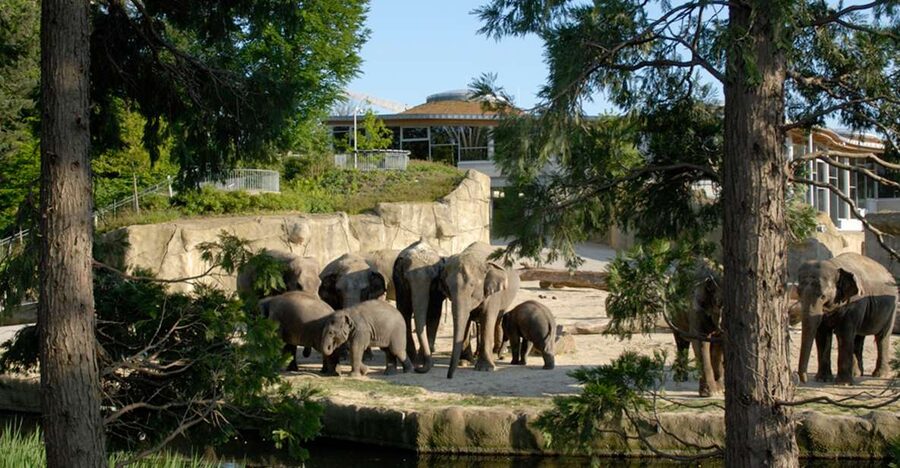
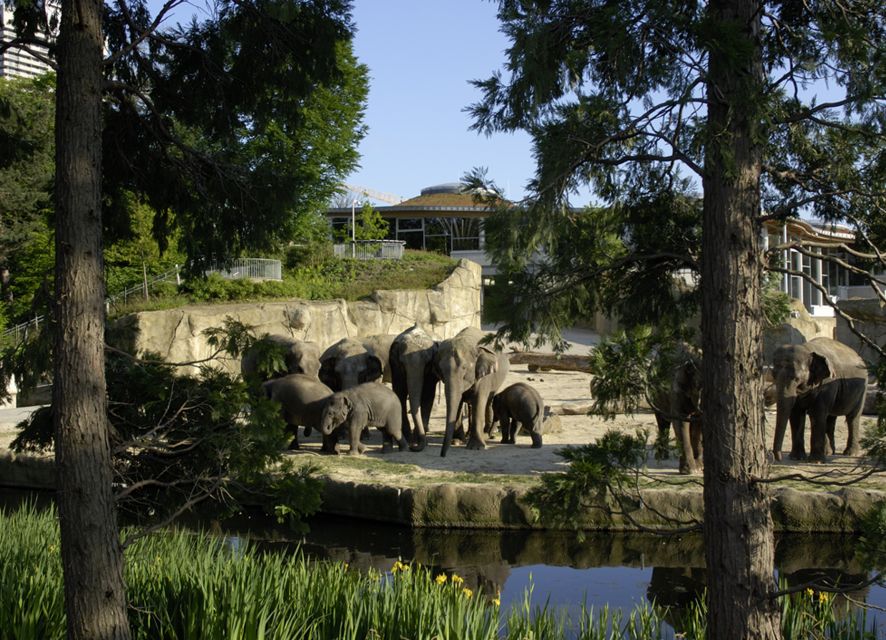
The elephant area is the attraction that gives you that wow feeling right away. Cologne Zoo has a 2-hectare Asian elephant park, with a herd roaming setup you can watch from multiple points. One of the big benefits of seeing elephants here is how much space you get to observe without constantly changing your position. You can stay calm, watch patterns, and still get good views.
From there, the zoo shifts toward African river habitat style through places like the Hippodom. It’s meant to recreate an African river environment, so you are not just looking at animals, you are looking at an environment that supports behavior. In that zone you may see larger animals including hippos, Nile crocodiles, and sitatunga antelope.
If you are traveling with kids, elephants and hippo-style habitats are the kind of attractions that keep attention longer than you’d think. Adults like the detail too, because the spaces feel built to be watched, not just passed through. If you care about photography, aim for earlier daylight or plan to circle back if shadows block your view later.
Rainforest Hall and South America House: indoor jungle, even on bad weather
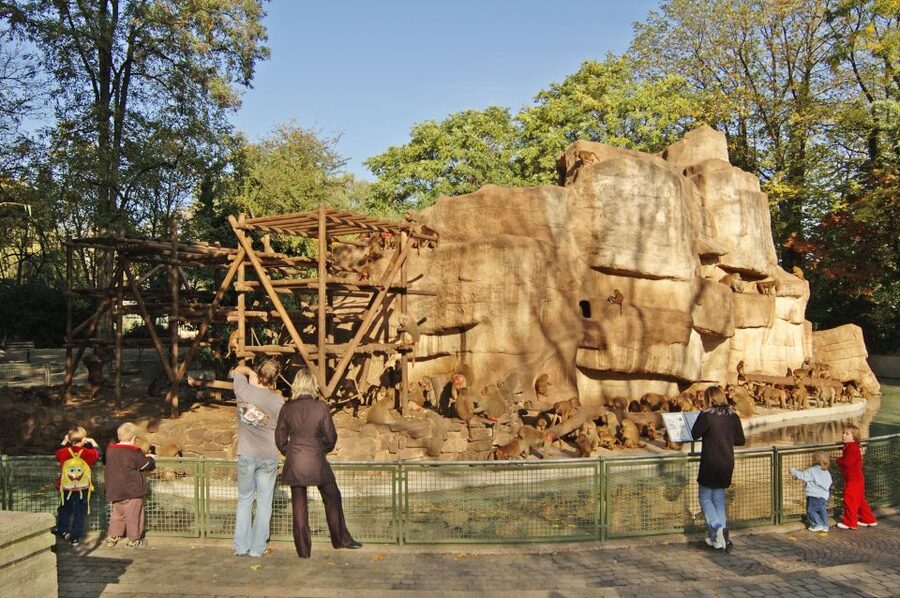
When I want a zoo day to feel comfortable, I like having indoor anchors. Cologne Zoo delivers with its jungle-style routes. The Rainforest Hall brings you into a Central and South American jungle setting where you can see species like sloths, howler monkeys, piranhas, and more. It also includes free-flying tropical birds and reptiles moving through the hall.
There’s another related stop: the Historical South America House. It focuses on the idea of traveling through jungle habitats, with animals listed such as sloths, armadillos, howlers, monkeys, and even fish like piranhas. The value here is simple. When it rains, you don’t lose your day. You can keep seeing animals without turning the trip into a wet shuffle.
A tip for the rainy-day strategy. If you hit the zoo when weather is questionable, do the indoor halls first. You’ll still have energy later for outdoor favorites like elephants and the open-air dinosaur area.
Amur tigers, small-animal exhibits, and watching more than just the biggest species
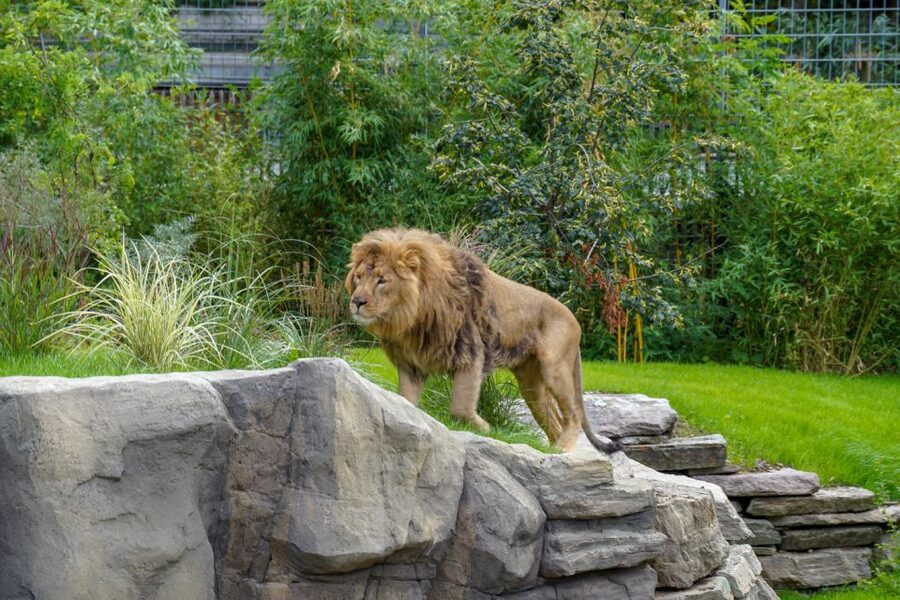
Not every great zoo moment is a giant headline animal. Cologne Zoo includes other stops that keep the day interesting, especially if you like variety in animal size and behavior.
One of the newer highlights is the Amur Tiger facility, where you can observe big cats more closely. That’s the kind of exhibit that rewards patience. Even if tigers are not moving every minute, you still learn a lot from how the habitat is structured and how animals use space.
Along the way, you’ll also find many smaller species. This is where you slow down and start seeing more than one thing at each stop. The zoo’s approach makes it easier to keep kids engaged without turning the day into a single long sprint.
Dinosaur sculptures and big photo moments: why the robots work
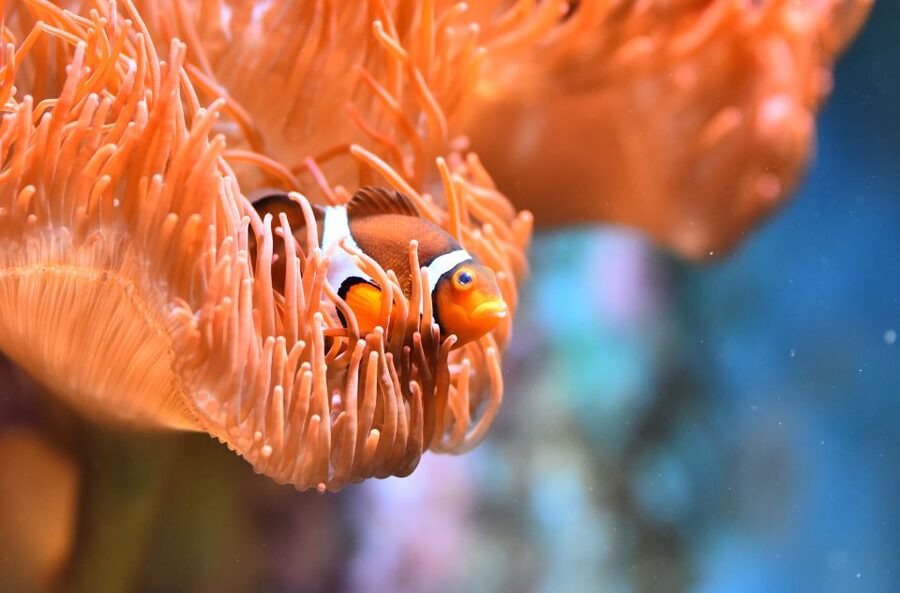
Cologne Zoo’s dinosaur experience is not a tiny side show. It’s a full-on public art plus entertainment layer. The zoo features large sculptures, including moving figures where parts like mouths open and close.
The headline among these is the Argentinosaurus, listed at 15 metres high and 35 metres long. It stands on the meadow near the Old Rhino House, which is a useful navigation clue if you want to orient your route around a clear landmark.
You also get other dramatic sizes, including a Tyrannosaurus Rex staged near the large zoo pond, plus a Velociraptor display with giant teeth. Other sculptures include Hypselosaurus, Europasaurus near the main entrance, and Triceratops near the tapir outdoor enclosure, with young included.
One practical thing I like about dinosaur stops is timing. They work as a built-in break for families. Let kids run to the next landmark while adults rest. Then you return to the animal exhibits with fresh legs.
Clemenshof petting zoo: farmyard fun with clear rules
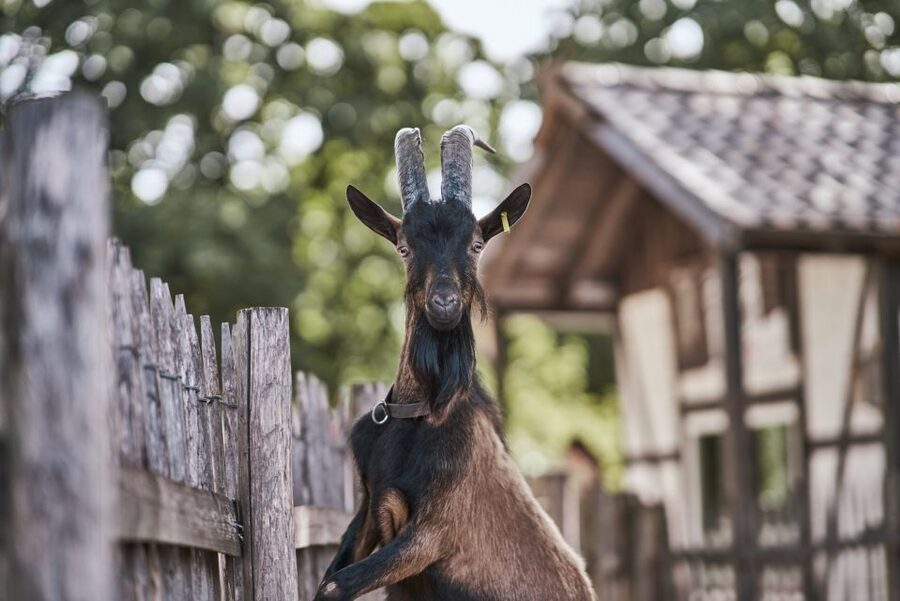
Family-friendly zoos need one safe, simple hands-on moment. Clemenshof is that. It’s a replica of a traditional farm with native German species, and the petting zoo area is clearly defined.
Here’s the key rule: you can pet only goats and sheep. That matters because it keeps the activity predictable and reduces conflict. You also avoid the common zoo chaos of people trying to touch everything in sight.
Even if you are not a farm-animal person, this stop is valuable because it changes the pace. It gives younger kids a sensory activity and gives parents a natural pause point with seating nearby.
If you are visiting with older kids, treat it as a “warm-up” before the indoor jungle halls, or as a “finish strong” moment on the way out.
Aquarium access: plan it as a bonus, not the main event
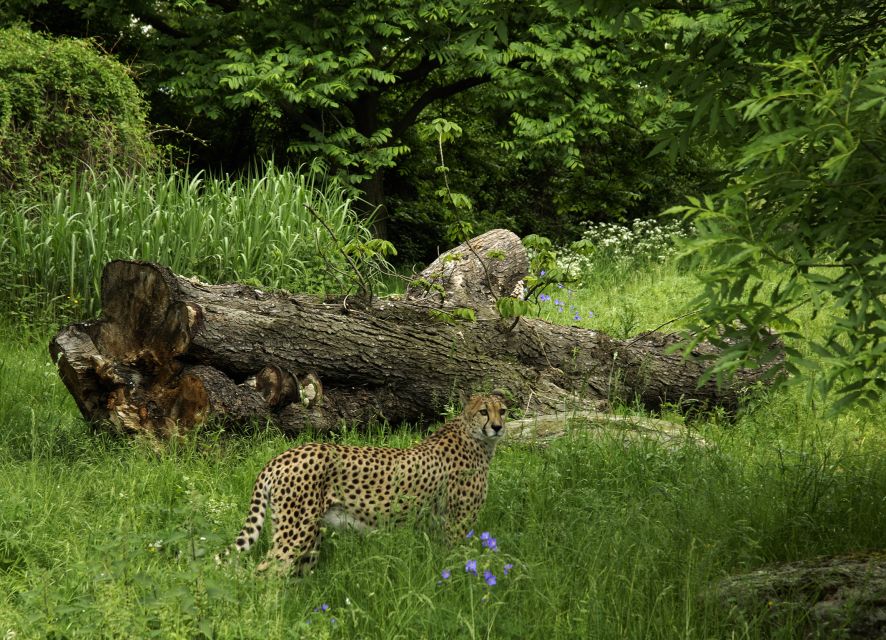
The ticket includes aquarium access, but the aquarium is smaller than the zoo itself. That actually makes planning easier. You can do it after the zoo highlights and still feel like you got your money’s worth without losing your whole day to fish tanks.
What I like about adding the aquarium is pacing. After hours of walking outdoor exhibits and indoor jungle scenes, the aquarium gives you a slower, calmer zone. It’s also a good option if you need a break when adults are tired or kids want to sit for a bit.
The big caution is expectations. If you come only for a huge aquarium, you might leave feeling like it was just enough. If you come for a zoo first and use the aquarium as a bonus, it usually lands well.
Food, breaks, and what to do when only a few stands are open
Food and drinks are not included in your ticket. The good news is the zoo is designed for day-long wandering, so you can find places to refuel and rest.
A heads-up from experience with how zoos run. On some days, you may find fewer food options open near key entrances and exits than you’d expect. So if food is important for your schedule, don’t assume every stand will be running at the hour you arrive.
My suggestion is to plan a flexible rhythm:
- do one big habitat block,
- take a planned snack break,
- then return to indoor halls when you need shelter from sun or rain.
If you go on a very hot day, you’ll want that rhythm even more. One of the strengths of this zoo is that there are sheltered areas where you can sit close to animal exhibits, which makes breaks less frustrating.
Rules and restrictions that affect your day
Cologne Zoo has firm rules, and most of them are there for animal safety and visitor comfort. A few matter a lot for families and day-trippers.
Important restrictions include:
- No pets are allowed (assistance dogs are allowed)
- No feeding animals
- No touching animals
- No drones, and no alcohol or drugs
- No bikes
- No skateboards or scooters
- Unaccompanied minors are not allowed
- No party groups
- Riding animals is not allowed
If you’re traveling with kids, this is the part worth reading once and then saving in your mental checklist. Touching and feeding are the most common rule issues at zoos, and skipping that problem is an easy way to keep the day smooth.
Also note the major closure: the Tropical House must remain closed until mid-2026 due to extensive energy refurbishment. The zoo will still have plenty to see, including the Rainforest Hall, but this closure can change what feels like the full tropical route.
Timing: opening hours, last entry, and how long a “1 day” plan needs
This ticket is set for 1 day. In practice, you should plan more like a full half-day to full-day walk depending on your pace. Many visitors end up around 3-4 hours for the zoo experience alone, then add the aquarium if time allows.
Opening hours depend on season:
- Summer, 1 March to 31 October, 9 am – 6 pm with last entry 5:30 pm
- Winter, 1 November to 28 February, 9 am – 5 pm with last entry 4:30 pm
Animal houses close at 5:30 pm in summer and 4:30 pm in winter. So if you arrive close to last entry, you will have a shorter viewing window for indoor exhibits.
If you like a calm day, arrive earlier. If your schedule is tight, pick your top 3 attractions (elephants, rainforest jungle halls, dinosaurs) and build around them.
The practical best route when you want the biggest hits
Here’s how I’d structure your day to avoid feeling lost or stuck in the wrong part of the zoo.
- Elephants and African-style habitats early
Start with the Asian elephant park and then move to the Hippodom area. This gives you your strongest visual memories first.
- Switch to indoor jungle mid-day
After outdoor walks, head to the Rainforest Hall and the South America House. You get animals plus comfort from sun or rain.
- Add dinosaurs as your playful break
Use the dinosaur zone as a momentum reset. It’s a fun visual stop that also works as a navigation anchor.
- Clemenshof near the end
Farmyard petting is a great way to finish, because it’s short, family-friendly, and gives kids something hands-on without draining your energy.
- Aquarium last, if you still have steam
Do it after the zoo highlights. Treat it as a calmer wrap-up.
Should you book Cologne Zoo and Aquarium Entry Ticket?
Book it if you want a single-ticket day with big animal moments. The elephant park, the indoor rainforest jungle halls, and the dinosaur sculptures are the kind of highlights that keep both kids and adults happy. At about $27 with aquarium access, it also tends to feel like good value for a full wildlife outing in central Cologne.
Skip or adjust your expectations if you are expecting the aquarium to be a major destination on its own, or if you are planning around the Tropical House, which is closed until mid-2026. Also, if you dislike lots of walking, do not underestimate the zoo size. This is a great day trip, but it is still a real walking day.
If you’re the kind of traveler who likes hands-on family fun plus a serious animal lineup, Cologne Zoo is a very solid choice.
FAQ
How much is the Cologne Zoo and Aquarium entry ticket?
The price is listed as $27 per person.
How long should I plan for this experience?
It’s a 1-day visit. In terms of comfort, plan for several hours because the zoo is large.
What animals and how many species can I expect to see?
You can see more than 10,000 animals from 850 species from around the world.
What are the elephant and aquarium included with this ticket?
The ticket includes entry to the zoo and aquarium access. The zoo includes the Asian elephant park and multiple other animal exhibits.
What is the Rainforest Hall?
The Rainforest Hall is an indoor jungle-style area featuring Central and South American species such as sloths, howler monkeys, and piranhas, plus free-flying tropical birds and reptiles.
Can children pet animals at the farmyard area?
Yes, at Clemenshof there is a petting zoo, and you can pet goats and sheep only.
Are there any major closures I should know about?
Yes. The Tropical House must remain closed until mid-2026 due to energy refurbishment.
What are the opening hours and last entry times?
Summer (1 March to 31 October) runs 9 am to 6 pm with last entry at 5:30 pm. Winter (1 November to 28 February) runs 9 am to 5 pm with last entry at 4:30 pm. Animal houses close at the same times as last entry.
Is the zoo wheelchair accessible?
Yes. It’s listed as wheelchair accessible, and wheelchairs can be borrowed free of charge if reserved in advance.
Are pets, bikes, or drones allowed?
Pets are not allowed (assistance dogs allowed). Bikes are not allowed. Drones are not allowed. Feeding and touching animals are also not allowed.
Sea Life Aquariums and Family Attractions, side by side.
 ★ 4.8Leipzig Zoo: Entry TicketFrom $221,209 reviews
 ★ 4.7Nuremberg: PLAYMOBIL®- FunParkFrom $29863 reviews
 ★ 4.1Berlin: Legoland Discovery Centre Entry TicketFrom $21739 reviews
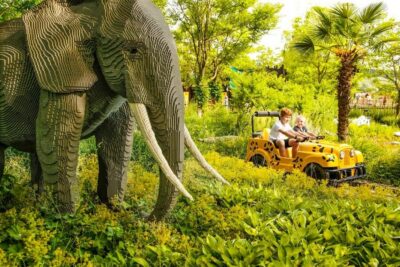 ★ 4.5LEGOLAND® Deutschland Resort: Admission TicketFrom $44633 reviews
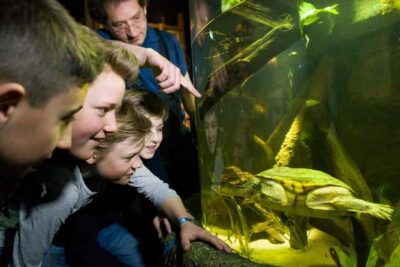 ★ 4.2Munich: Day Ticket to Sea LifeFrom $25389 reviews
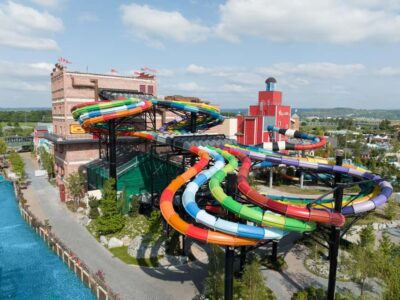 ★ 4.6Rust: Rulantica Water Park Entry TicketFrom $37289 reviews
 ★ 4.0SEA LIFE Timmendorfer Strand TicketFrom $20256 reviews
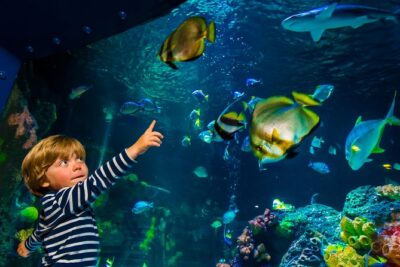 ★ 3.5SEA LIFE Konstanz Admission TicketFrom $27218 reviews
Other lists this tour is on