
REVIEW · GERMANY
Der Klassiker RAVENSBURGER STADTGESCHICHTE
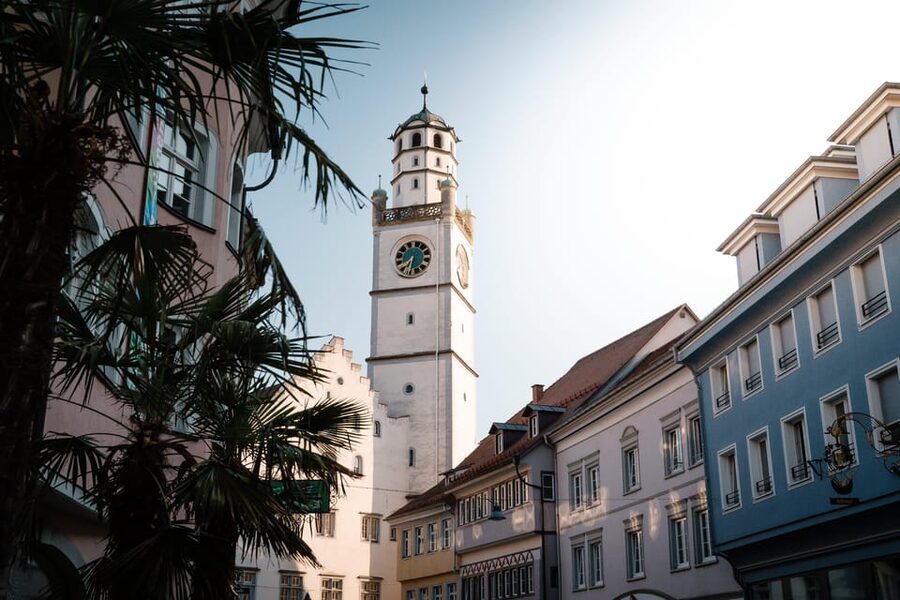
Ravensburg’s old town tells its story fast. This classic walking tour is a smart way to understand how Ravensburg grew from an imperial city into the Lake Constance region’s late medieval hub, tied to the Ravensburger trading company. I like how the route hits the big anchors, Marienplatz and the town’s key public buildings, so you get context without wading through a textbook. I also like that the medieval living angle shows up through the Humpis Quarter Museum, so history feels lived-in, not just read about. One thing to consider: the tour is German, so if your comfort level is limited, you may need to rely on visual clues.
What you get is practical, guided orientation through a well-preserved old town where squares, streets, and the city’s gate-and-tower character do the heavy lifting. The guide’s style is described as humorous and flexible, which matters on a short tour, because it keeps the pace moving and helps you connect scenes as you walk. If you prefer to go at your own pace with lots of time inside museums or churches, you might want extra time afterward, because this experience is built for a tight 90 minutes.
In This Review
- Key things to notice before you walk
- Ravensburg Altstadt: why this city history tour works
- The 90-minute pace: what you’ll cover and what it leaves out
- Meeting at Tourist Information near Lederhaus, then getting your bearings
- Marienplatz and Bachstrasse: the walking tour’s orientation section
- Town hall and Kornhaus: seeing civic power in plain sight
- Evangelical City Church and the upper town shift
- Humpis Quarter Museum: medieval living quarters, not just monuments
- City of gates and towers: ending at Obertor Ravensburg
- Price and value: why $14 for 1.5 hours can be a smart deal
- Who this tour suits best, and who might want a different plan
- Should you book Der Klassiker Ravensburger Stadtgeschichte?
- FAQ
- How long is the Ravensburg city history tour?
- Where do I meet the tour guide?
- What stops does the tour include?
- Is the tour wheelchair accessible?
- What language is the live guided tour?
- What is the cancellation policy?
- Can I reserve now and pay later?
Key things to notice before you walk
- A guided timeline through Ravensburg Altstadt so the places make sense, not just look pretty
- City of gates and towers theme, with the walk ending at Obertor Ravensburg
- Core stops you can point to later, including Marienplatz and the town hall area
- Civic and religious landmarks on the route, so you see more than one side of old-town life
- Medieval living quarters at Humpis Quarter Museum, giving the story a human scale
- German-language live guiding, with humor and on-the-fly adjustments
Ravensburg Altstadt: why this city history tour works
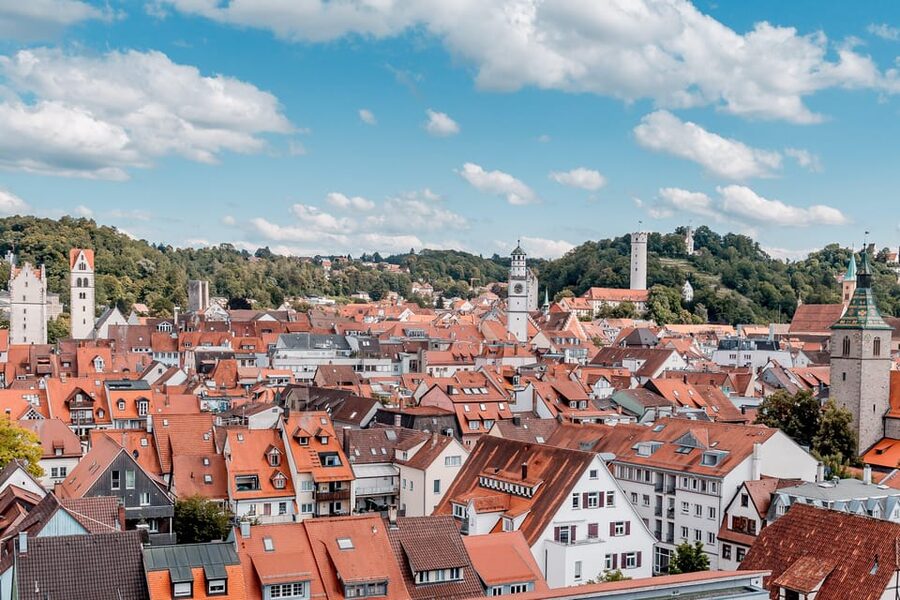
Ravensburg is one of those southern Germany towns that feels “kept.” The historic core is largely preserved, so when you move from square to street to landmark, you can actually picture how the place functioned. This tour leans into that, guiding you through Ravensburg’s most important eras and sights all the way up to today, instead of treating the old town as a random collection of stops.
You’ll also get a clearer sense of why Ravensburg mattered. The city rose to prominence as an imperial city, and later it became the seat of the Ravensburger trading company. In the late Middle Ages, that translated into influence across the Lake Constance region. The tour is built around that idea: commerce and civic life on one side, everyday medieval life on the other.
The 90-minute pace: what you’ll cover and what it leaves out
This is a 1.5-hour guided walk, the kind of time window that’s perfect for orientation. You do not try to exhaust everything. Instead, you get a guided “spine” through the city, with enough stops to connect themes.
In practical terms, that means you’ll likely feel your bearings improve quickly. You start at the Tourist Information area near Lederhaus, then move into the Ravensburg Altstadt for sightseeing with a live guide. Along the way, key landmarks help you anchor the story.
The trade-off is also clear: because it stays tight, you won’t get a slow, deep museum day. If Humpis Quarter Museum is your main interest, plan to treat the visit as part of a broader route, then consider spending additional time there afterward if you want more detail.
Meeting at Tourist Information near Lederhaus, then getting your bearings
The meeting point is the Vordereingang Tourist Information, Lederhaus. Arriving a few minutes early is the simplest way to avoid stress, especially in an old town where streets can feel easy to miss if you come in from the wrong turn.
The start location is helpful. Tourist Information usually means the guide has quick access to the kinds of orientation cues that matter at the beginning: where you are on the map, which direction the walk will trend, and how the stops relate. From there, the tour pushes you into the historic core so the “story” actually happens in the streets, not just in your head.
Marienplatz and Bachstrasse: the walking tour’s orientation section
The route includes Marienplatz and Bachstrasse early on, and that’s not random. Marienplatz tends to act like the emotional center of a town, the place where public life gathers and where you can visually connect other landmarks. You’ll see this square as part of the broader explanation of Ravensburg’s origins and key eras.
Bachstrasse then helps you understand how the city’s layout shaped daily movement. Even without adding extra museum stops, these streets and squares build a rhythm. You start to notice how the old-town design guides pedestrians through key zones, and how that supports the city’s “gates and towers” personality.
If you like photo stops, this is where the old town often pays off. Squares and street views give you background shots that later make the rest of the landmarks easier to remember.
Town hall and Kornhaus: seeing civic power in plain sight
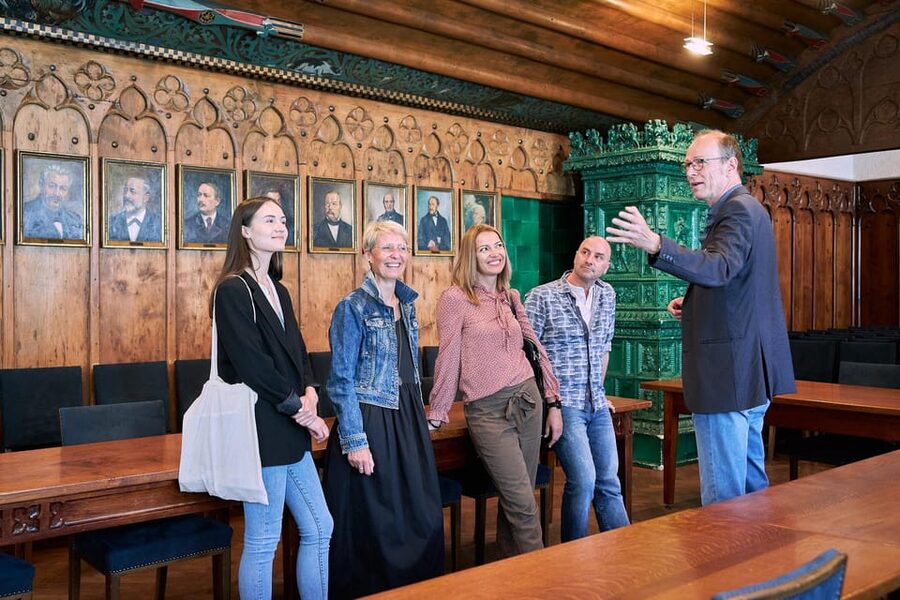
Next up, the tour focuses on major civic and institutional landmarks: the town hall and the Kornhaus are both on the route. This is where the story shifts from general old-town charm into how the city actually ran.
Why it matters for you: civic buildings are practical history. They show who had authority, where decisions were made, and how the city looked when it wanted to project stability. When a guide explains the city’s most important eras while you stand in front of these buildings, the architectural “role” becomes understandable. You’re not just noticing stonework, you’re reading function.
Kornhaus is the kind of name that sounds like it belongs to a trading city, and the tour’s framing supports that idea. You’ll leave with a better grasp of Ravensburg’s role in trade, especially when the guide ties it back to the Ravensburger trading company and the city’s rise in the late Middle Ages.
Potential drawback: if your historical interests skew heavily toward one topic, you might feel the civic stops are a bit broader than you want. The benefit is that you get an overview, and you can decide later what deserves deeper time.
Evangelical City Church and the upper town shift
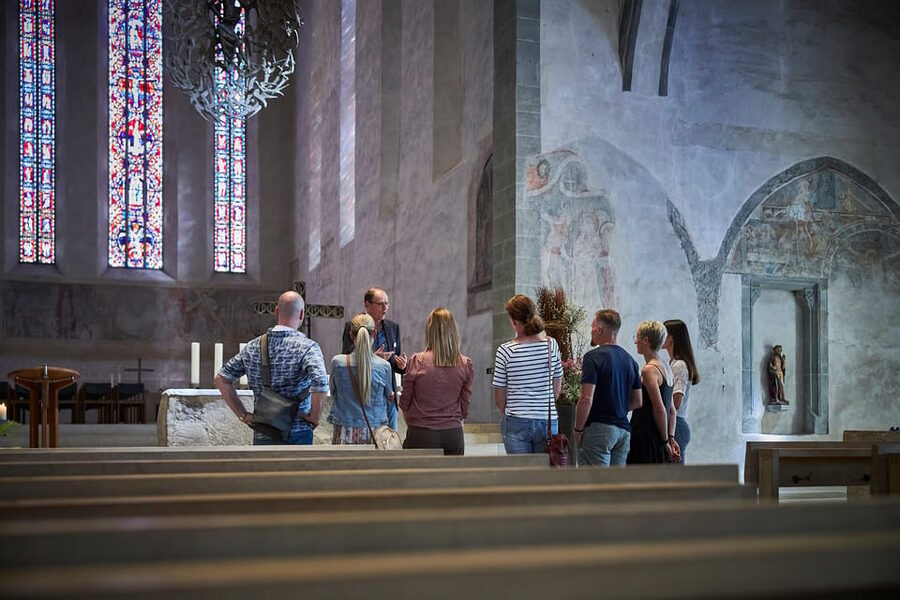
The tour continues to the Evangelical City Church, another key anchor that adds a different angle to Ravensburg’s story. Religious landmarks often help you understand how communities organized time, identity, and public meaning. On a short tour, they also act like “chapters,” breaking the walk into memorable segments.
From there, you move toward the upper town and the museum district. This change in elevation and setting usually makes a difference in how you experience the streets. Even if the buildings are similar in style, the change in neighborhood gives you a fresh perspective on the city’s structure.
And since Ravensburg is described as a city of gates and towers, the upper town zone is where that theme starts to feel more visible. It’s the kind of area that encourages you to look up, not only straight ahead.
Humpis Quarter Museum: medieval living quarters, not just monuments
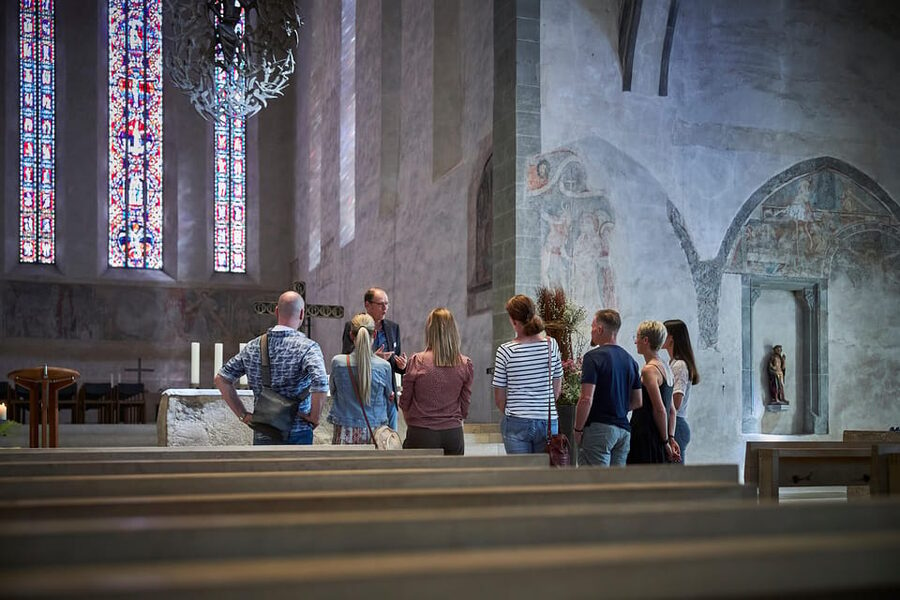
The highlights call out medieval living quarters in the Humpis Quarter Museum, and this part is often the one that turns a history walk into something more personal. Buildings can tell you a lot about era and status, but living quarters tell you how people actually moved through space.
Why you’ll probably enjoy it: a medieval living setting helps you connect the bigger historical story, imperial status and trading influence, to everyday life. You start thinking about routines, housing constraints, and the “feel” of a city built for the practical realities of the Middle Ages.
What to watch for during the museum portion: treat it as a contrast point. The civic buildings show governance and public importance. The Humpis Quarter angle shows private life and how a city housed people. Together, those two halves give you a balanced mental picture of medieval Ravensburg.
City of gates and towers: ending at Obertor Ravensburg
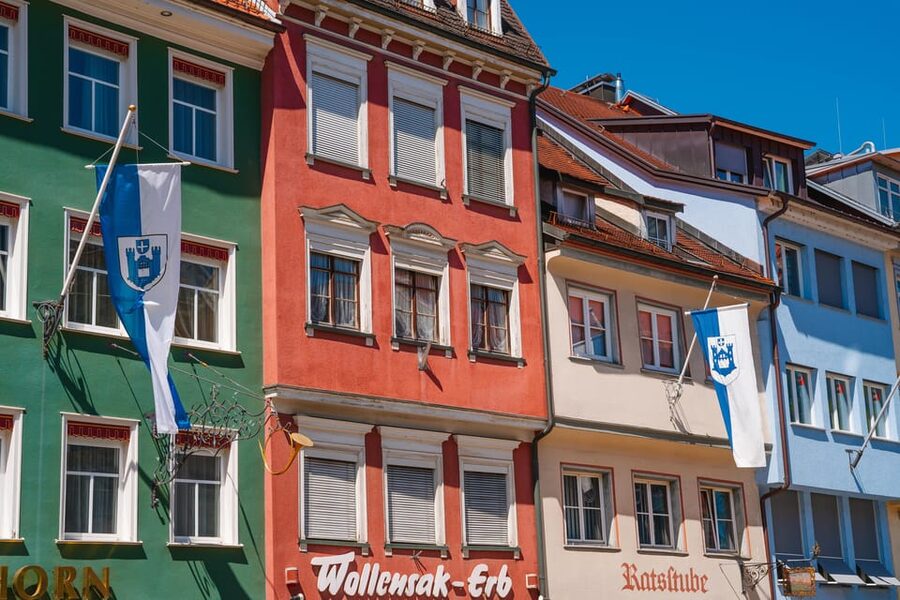
The tour finishes at Obertor Ravensburg. Ending at a gate is a good storytelling move. You start in the civic orientation zone and close the loop at the city boundary concept, the place where arrival and defense meet.
Practically, it helps you when you plan the rest of your day. A gate-area exit often drops you near other old-town routes, so you can continue exploring without feeling like you’re trapped on a dead-end street.
Price and value: why $14 for 1.5 hours can be a smart deal
At about $14 per person for a 1.5-hour guided city history, you’re paying for time and interpretation. In a city like Ravensburg, the streets are already interesting on their own. The value comes from having someone explain why those particular spots matter and how they connect across eras.
You also get a live guide in German, which is important because this tour is not just “look at this building.” It’s a structured overview of origins, major periods, and the sights that represent those moments. If you’ve ever tried to self-tour an old town and ended up with photos but no understanding, this is the fix. It turns sightseeing into meaning.
So who gets the best value? People who want a fast, guided overview and then choose what to revisit later. The short duration is the hidden advantage, because it’s less “commitment” than a long day but still gives you a solid structure.
Who this tour suits best, and who might want a different plan
This tour fits you if you like walking tours that explain context without turning into a lecture. It’s also a great pick if you want a first visit to Ravensburg, because the stops cover major categories: squares, civic buildings, a city church, and medieval living quarters.
It’s less ideal if you need everything in English, because the guiding is in German. If language is your concern, you might prefer a different tour format or plan extra independent time to interpret what you see.
Wheelchair access is noted as available. If you’re using a wheelchair, this is a point in favor, and you can plan your day knowing the experience is designed with access in mind.
Should you book Der Klassiker Ravensburger Stadtgeschichte?
Yes, if you want a practical introduction to Ravensburg’s old town and a clear storyline from imperial city prominence to the trading-company era and everyday medieval life. The mix of Marienplatz, Bachstrasse, town hall, Kornhaus, the Evangelical City Church, and the Humpis Quarter Museum gives you a well-rounded sweep in just 90 minutes.
Book it especially if you appreciate guides who keep things entertaining and adaptable, because on a short route, that kind of pacing makes the history stick. If you already know a lot and want long museum time, you may still book it, but treat it as the orientation layer, then extend your visit where you feel the strongest pull.
FAQ
How long is the Ravensburg city history tour?
The duration is 1.5 hours.
Where do I meet the tour guide?
Meet at the Vordereingang Tourist Information, Lederhaus.
What stops does the tour include?
The route includes Marienplatz, Bachstrasse, the town hall, the Kornhaus, the Evangelical City Church, and the upper town museum district, ending at Obertor Ravensburg.
Is the tour wheelchair accessible?
Yes, the tour is wheelchair accessible.
What language is the live guided tour?
The live tour guide language is German.
What is the cancellation policy?
Free cancellation is available up to 24 hours in advance for a full refund.
Can I reserve now and pay later?
Yes, you can reserve now and pay later to keep your travel plans flexible.