
REVIEW · GERMANY
Dialog im Dunkeln (Dialogue in the Dark)
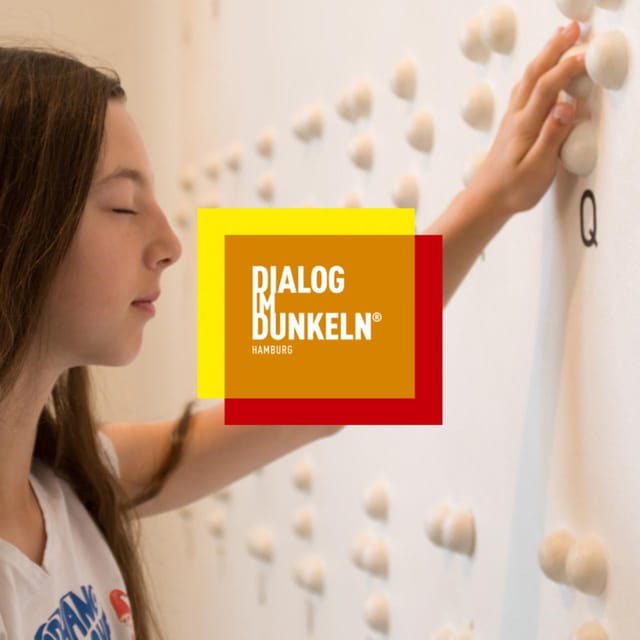
A walk in darkness sounds simple, then it changes you. Dialogue in the Dark in Hamburg is a guided, non-visual experience where blind hosts lead small groups through everyday life you usually do by sight.
I love how quickly your brain starts paying attention to sound, touch, and smell. I also like the end stop at the Dark Bar, where you can regroup and ask real questions. One possible drawback: you cannot do this on your own, and the total darkness may feel awkward if you dislike being guided closely.
Key highlights worth knowing
- Complete darkness with a trained guide, so you can focus on the experience, not figuring things out.
- Small group size (max 8), which keeps it personal and easier to ask questions.
- A blind cane walk feel, so you get a realistic sense of how movement changes without vision.
- Sound-and-touch focused moments, like listening to street sounds and exploring everyday objects.
- Dark Bar reflection, where conversation helps you process what you just felt.
In This Review
- Dialogue in the Dark Hamburg: Your First Minute Without Sight
- The 1-Hour Guided Journey: What You Actually Do in the Dark
- What the cane moments teach you
- Watch-outs during the walk
- Room to Room: The Hidden Logic Behind Each Stop
- Entering the non-visual world
- Park walk, gravel underfoot
- Street-sound crossing
- Handling objects like you are “reading” them
- Your Guide, Your Group, and the Value of Small Numbers
- The Dark Bar Finish: Turning Sensations into Meaning
- Why the reflection time matters
- Price and Value in Hamburg: Is $28 a Good Deal?
- Who Should Book (and Who Might Hesitate)?
- Practical Tips Before You Go
- Should You Book Dialogue in the Dark in Hamburg?
- FAQ
- How long is the Dialogue in the Dark experience in Hamburg?
- What is included in the ticket price?
- Is the tour offered in English?
- How big is the group?
- Where do I exchange my voucher?
- Are drinks included at the Dark Bar?
- What should I bring, and is flash photography allowed?
Dialogue in the Dark Hamburg: Your First Minute Without Sight
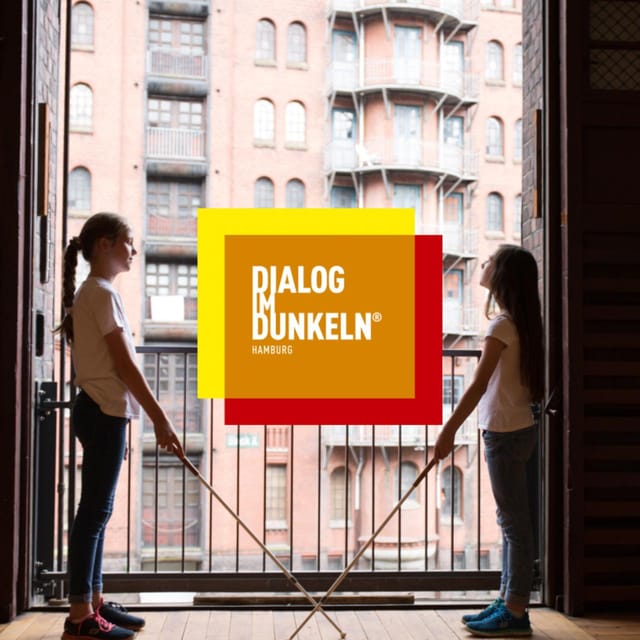
The entry moment is the setup. You exchange your voucher at the ticket counter, then you step into Dialogue House (Dialoghaus Hamburg) with your group. After that, the lights go away for the main event, and you are expected to trust the process.
I think this is one of the smartest ways to design an experience like this. You are not asked to perform, you are asked to notice. And that means you can come as you are, with zero special skills needed.
If English is your main language, good news. The tour runs in English with a live guide. In past groups, people have mentioned guides like Jeremy and Klaus as especially friendly and open. That matters, because in total darkness you need a guide who can explain without rushing you.
Undecided? The closest Hamburg write-ups we have are these.
- Hamburg: Sex and Crime in St. Pauli Tour for Ages 18+★ 4.7 · 15,447 reviews
- Hamburg: 1.5-Hour Harbor and Speicherstadt Day Cruise★ 4.6 · 14,200 reviews
- Hamburg: 90-Minute Evening Lights Harbor Cruise★ 4.5 · 7,728 reviews
- Hamburg: 2-Hour XXL Port of Hamburg Cruise Tour★ 4.7 · 6,979 reviews
The 1-Hour Guided Journey: What You Actually Do in the Dark

This is a 60-minute guided tour through complete darkness. You go as a small group, and you stay together. There are no side quests. No roaming. You are led room to room, activity to activity, and your job is to follow instructions and pay attention.
The experience is built around realistic daily-life moments. You might get the feeling of walking a park path using a blind cane, noticing gravel underfoot and changes in texture as you move. You might also experience the shift from one soundscape to another, like crossing a busy city street where noise is your map.
You also do object and texture work. Simple items that you normally glance at become puzzles: shape, weight, roughness, temperature, and edges. Even basic tasks like shopping can turn into an adventure, because you cannot rely on visuals to confirm what you are holding or where you are in the room.
What the cane moments teach you
You do not need to “pretend” to be blind. The point is not roleplay. The point is to show you how navigation changes when sight is gone, and how guidance and careful pacing keep you safe.
In practice, these moments help you learn something you can use later in real life: you start respecting how much planning sight usually handles for you. When that layer disappears, the brain grabs other signals fast.
Watch-outs during the walk
Bring comfortable shoes. You will be moving, and you will feel the ground more than you expect. Also plan on following the guide’s cues closely. Flash photography is not allowed, which makes sense since your experience depends on the total-dark setting and shared attention.
Room to Room: The Hidden Logic Behind Each Stop
The tour is short, but it feels structured. Each part teaches a different sense and a different kind of thinking. You can think of it like sensory training, but without the pressure of a class.


Entering the non-visual world
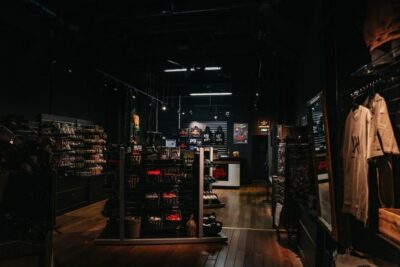
At the start, you may feel disoriented. That is normal. Your ears and hands start working harder than your eyes ever did, and you have to adjust to how quiet the world can become when light is removed. Your guide’s voice becomes your main landmark.
The practical benefit here is empathy, but you also get a useful mental trick. You learn how fast you can panic when your usual senses fail. Then you see how a steady guide, predictable pacing, and tactile cues help you calm down and function.
Park walk, gravel underfoot
When the tour turns into a “stroll” moment, you experience a path through texture and surface clues. Gravel, smooth ground, obstacles, and changes in space become your navigation system.
This part is especially powerful because it is not about dramatic storytelling. It is about everyday movement. And once you feel how slow and deliberate it can be, you understand why accessibility tools are more than “extra help.” They are independence.
Street-sound crossing
Then comes sound. Street noise is not just noise, it is direction, distance, and rhythm. In darkness, you notice how your body reacts to audio cues, like how you orient your head or pause to listen longer.
This also helps you understand something simple and real: hearing is not automatically “better” than sight. It is different. It can guide you, but it can also overwhelm you if you do not know how to filter.
Handling objects like you are “reading” them
You may be handed items or guided to feel shapes and surfaces. Without visuals, you learn to scan with your hands. You might recognize something familiar by weight or texture before you can identify it.
This section often sticks with people because it changes how you see normal everyday objects. After the tour, you will probably look at common items and think, what would I notice without sight?
Your Guide, Your Group, and the Value of Small Numbers
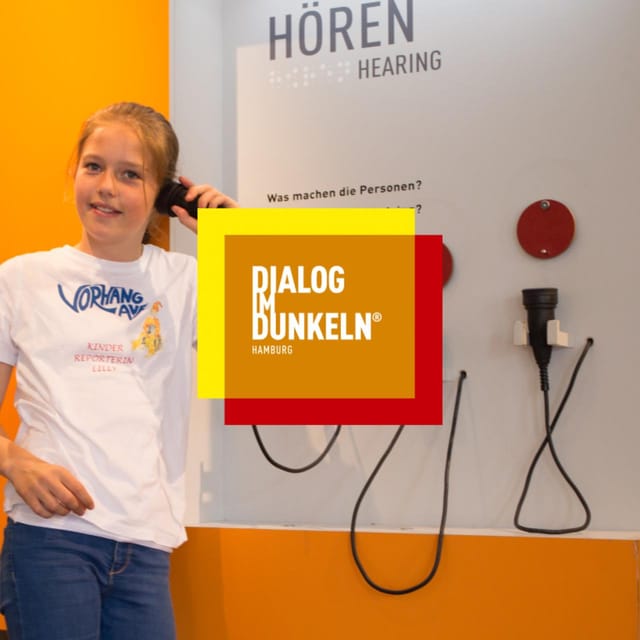
One of the best parts of Dialogue in the Dark is the small group size, limited to eight participants. That matters for safety, pacing, and conversation.
In a larger crowd, the guide would have to talk faster and move quicker, leaving less room for you to catch up. In a smaller group, you can ask a question at the right time and get clearer guidance.
The guide is central to the entire thing. You are not watching an exhibit behind glass. You are interacting with a person who uses non-visual navigation every day. When guides like Jeremy or Klaus are mentioned as endearing and open, it makes sense. Humor and patience keep you relaxed when your senses are working at high speed.
And that is why this experience works as a learning moment. It is not just “information.” It is relationship.
The Dark Bar Finish: Turning Sensations into Meaning
After the tour, you return to a well-lit foyer and then meet your group and guides at the Dark Bar. This part is often where the experience becomes real in your mind, because you finally have light enough to talk normally.
The Dark Bar is where you can share impressions, compare how you felt in the rooms, and ask anything that popped into your head during the darkness. You can also settle with a drink. Drinks are not included, so expect to pay for what you choose.
Why the reflection time matters
This is not a throwaway stop. Your brain processes sensory stress and surprise differently after the fact. When you talk through what you experienced, you can put it into context and avoid walking away with only confusion or only inspiration.
Even if you are not a big talker, you will probably leave with at least a few questions. That is exactly what this stop is for.
Price and Value in Hamburg: Is $28 a Good Deal?
At about $28 per person, Dialogue in the Dark is not a freebie. But I do think the value is strong for what you get.
You are paying for:
- a live guided tour in English,
- the full complete-dark setting that you cannot replicate on your own,
- and a small-group format where attention is not spread thin.
Also, this is one of those activities where the main “product” is mental and emotional learning. If you enjoy experiences that teach through doing, this price often feels fair because it is not time-filler. It is an hour of focus, plus reflection after.
If you are traveling on a tight schedule, it is also easy to fit. It is short. You are not committing to half a day of transit and wandering.
Who Should Book (and Who Might Hesitate)?
This is a great pick if you like hands-on learning and human-centered experiences. It is also ideal if you want a low-tech way to think differently about disability and everyday independence.
It is especially meaningful if you are traveling with family members who have visual impairments, because you get a shared reference point and a chance to talk about real-world strategies. People also bring grown children for conversations that last longer than the ticket.
You might hesitate if you strongly dislike complete darkness or being guided closely. You will be in darkness for the full experience, and you cannot explore it independently. If that sounds stressful, you can still consider it, but go in with realistic expectations: you are there to adapt, and safety comes from following your guide.
Practical Tips Before You Go
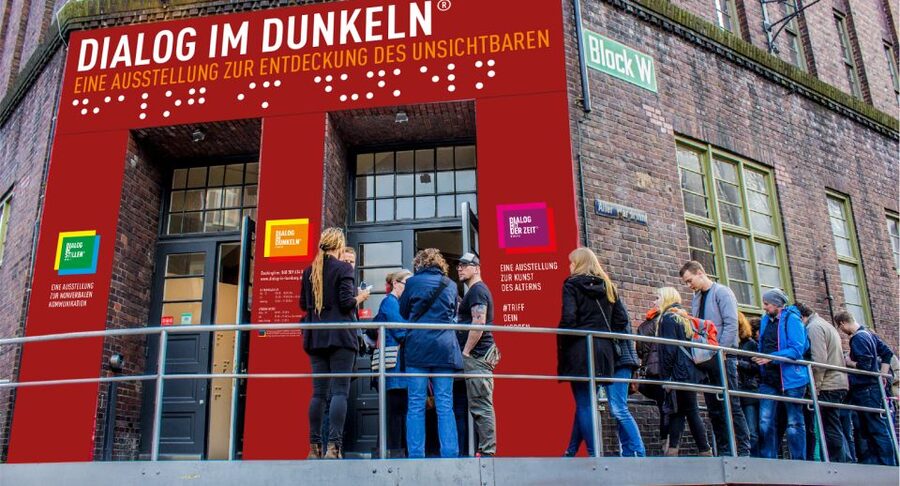
A few practical things make your hour smoother.
- Wear comfortable shoes you can walk in for about an hour.
- Plan for a strict no-sight environment, and follow the guide’s instructions quickly.
- Avoid flash photography, it is not allowed.
- Expect the experience to be guided only. This is not a self-guided attraction.
If you like a good laugh, bring that energy. Even the most serious parts can feel lighter because your group is experiencing the same surprises at the same time.
Should You Book Dialogue in the Dark in Hamburg?
Yes, I would book it if you want a short activity that genuinely changes how you see the world. For $28, you are getting a live guided experience in total darkness, a small group format, and a built-in reflection stop at the Dark Bar.
Book it especially if you enjoy interactive learning, empathy-building experiences, or conversation starters for family or friends. Skip it only if complete darkness or close guidance would likely make you too uncomfortable to learn anything.
If you want one simple reason to decide, here it is: you come expecting an exhibit, and you leave with better sense-reading skills for everyday life.
FAQ
How long is the Dialogue in the Dark experience in Hamburg?
The guided tour lasts about 1 hour. You should check available starting times when you reserve.
What is included in the ticket price?
Your ticket includes entrance to Dialogue House (Dialoghaus Hamburg) and the guided tour.
Is the tour offered in English?
Yes, the live tour guide language is English.
How big is the group?
The experience is a small group, limited to no more than eight participants.
Where do I exchange my voucher?
You exchange your voucher at the ticket counter before the tour begins.
Are drinks included at the Dark Bar?
No. Drinks are not included, though you can have a drink at the Dark Bar during the reflection time.
What should I bring, and is flash photography allowed?
Bring comfortable shoes. Flash photography is not allowed.
Everything else we filed on Hamburg
- Hamburg: Safari tour in St. Pauli
★ 4.9 · 11 reviews - Hamburg: Party Bingo with the Bingo Gringos
★ 4.8 · 11 reviews - Hamburg Harbor: 3.5-Hour Guided Tour by Bike
★ 4.7 · 11 reviews - Hamburg: 2-Hour St. Georg Walking Tour
★ 4.8 · 11 reviews - Hamburg: Guided Walking Tour in Danish
★ 5.0 · 11 reviews - Discover Hamburg in a retro Bulli
★ 3.0 · 12 reviews