
REVIEW · TOURS
Dialogue in the dark (tour in German)
Sight goes dark fast. In the Dialoghaus Hamburg tour, you trade vision for trust as blind hosts guide you through everyday situations in complete darkness for about an hour. What makes it stick is how practical it feels, a normal walk and a crossing of a street turn into a lesson in senses, patience, and independence. I especially liked the small-group setup (max 8) and the chance to ask questions afterward in the dark bar. The main consideration is simple, you will feel disoriented at first if you rely heavily on sight, even with a cane and careful guidance.
Once you arrive, you are taken into an experience designed around everyday routines, like walking through a park-like space and navigating a street. You do it with a long cane, and your guide helps you move safely while you adjust to hearing and touch doing the heavy lifting.
In This Review
- Key things to know before you go
- Where Dialogue in the Dark fits in your Hamburg plan
- The setup at Dialoghaus Hamburg, and why the small group matters
- What happens when the lights go out (and what you should focus on)
- The guided walk through park-like space: sensing a path again
- Crossing a street in the dark: timing, trust, and attention
- The dark bar Q&A: where the experience becomes real learning
- Optional HSV theme tour: soccer in darkness, with a museum and stadium recreation
- Practical value: what this experience teaches you (beyond empathy talk)
- Drawbacks and who should think twice
- Tips to get the best experience
- Price and what you actually get for $28
- Should you book Dialogue in the Dark in Hamburg?
Key things to know before you go
- Max 8 people means more attention from your blind hosts
- Guided movement with a long cane helps you get comfortable fast
- Everyday scenarios (park walks, street crossings, bar moments) feel real, not staged
- Dark bar Q&A gives you real answers, not just vibes
- German tour limits you if you prefer English
- Flash photography is not allowed, so plan on using memory and senses only
Undecided? The closest Hamburg write-ups we have are these.
- Hamburg: Sex and Crime in St. Pauli Tour for Ages 18+★ 4.7 · 15,447 reviews
- Hamburg: 1.5-Hour Harbor and Speicherstadt Day Cruise★ 4.6 · 14,200 reviews
- Hamburg: 90-Minute Evening Lights Harbor Cruise★ 4.5 · 7,728 reviews
- Hamburg: 2-Hour XXL Port of Hamburg Cruise Tour★ 4.7 · 6,979 reviews
Where Dialogue in the Dark fits in your Hamburg plan
Dialogue in the Dark is one of those Hamburg experiences that is not about seeing another landmark. It is about changing how you experience the world. For about an hour, you stop depending on your eyes, and you learn how everyday life works when sight is missing.
That shift is why it works as a standalone activity or a smart add-on to a day of sightseeing. You can do it mid-week or after other attractions, because it does not require a full half day. At $28 per person, you are paying for something very specific: guided time plus admission, delivered by blind hosts as the core of the experience.
The setup at Dialoghaus Hamburg, and why the small group matters
This tour runs in a small group of up to 8 participants, guided by blind or visually impaired hosts. That matters more than you might think. In a dark room, the pace needs to be gentle, and the group size affects how easily your guide can coordinate spacing, movement, and reassurance.
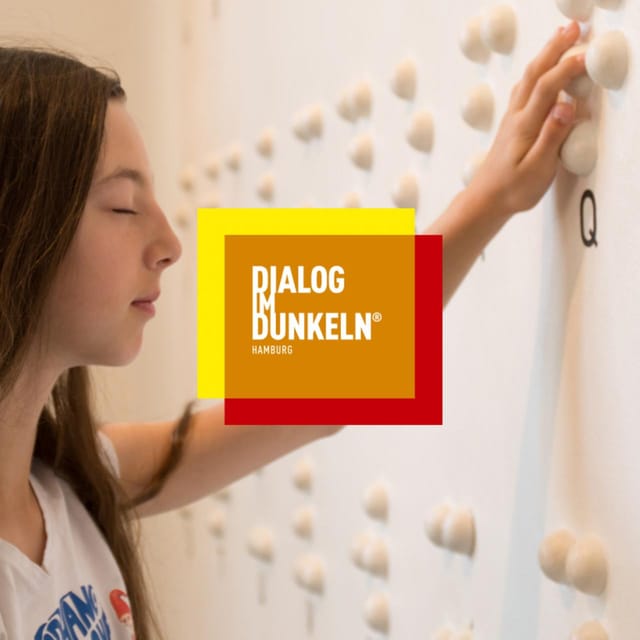
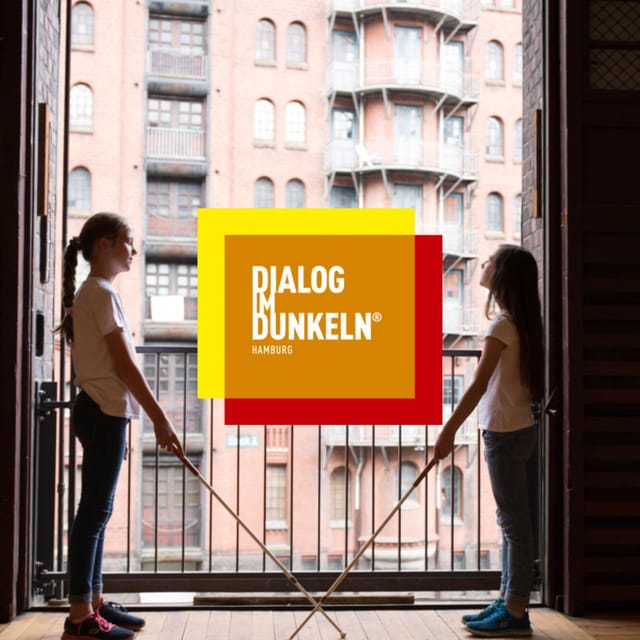
You also get a very clear role change from the start. You are not just watching. You are “doing,” walking and interacting as prompted by the guide. You will be equipped with a long cane, and you will rely on touch and sound while your host navigates you.
Language is another practical factor. The tour guide is German, so if you are not comfortable with spoken German, you might feel lost during instructions. If you have basic German, this is still usually manageable, but it is not a silent experience.
What happens when the lights go out (and what you should focus on)
The core idea is straightforward: you move through a lightless exhibition course where you have to do without sight. The experience is built around situations that are familiar to everyone, like walking through a park and crossing a street. That realism is the key. If the scenarios were abstract, it would feel like a stunt. Instead, your brain keeps trying to map the world, then has to relearn.
Early on, expect a settling period. Even if you have prepared yourself, darkness slows everything down. Your ears sharpen, your skin notices temperature and airflow, and the cane starts giving you information you did not realize you were missing.
Try to stay calm and methodical. Do not rush your movements just because you want to get it over with. In this kind of experience, your safety and comfort depend on steady pacing, listening to your guide, and moving when it feels right.
The guided walk through park-like space: sensing a path again
One of the scenarios you will experience is a walk through a park-like area. In normal life, parks are visual. You see benches, paths, trees, signs, and the general flow of foot traffic. In darkness, those cues vanish.
So the guide leads you in a way that makes you notice what is left. You feel surface changes through the cane and your steps. You catch direction through sound, like footsteps, ambient noise, or the rhythm of your host’s guidance. You learn how simple tasks, like following a route, become a conversation between you and the space.
This is one of the most valuable parts of the tour because it turns “I get it” into “I know how it feels.” You may realize how often you assume you can always see your way through. When you cannot, you start valuing other information sources, and you become more aware of how much trust is involved in everyday mobility.



Crossing a street in the dark: timing, trust, and attention
Another standout moment is crossing a street. That sounds small, but it is huge. A street crossing is one of the most visual tasks we do without thinking. In darkness, your body has to follow cues you cannot see.
In this portion, pay attention to timing. Your guide helps you manage when to move and when to pause. The cane becomes your early-warning system, while your hearing helps you interpret what is happening around you.
This is also where the experience feels emotionally honest. You are not pretending. You are practicing the kind of caution and trust that people with visual impairments use every day. It is uncomfortable in the way that good learning often is, but it is also empowering.
The dark bar Q&A: where the experience becomes real learning
The tour ends in the dark bar, where you can order a drink and then ask questions that came up during the experience. Drinks are not included in the ticket price, so you will pay for the beverage separately. But the Q&A time is included through the guide’s presence and the overall format of the tour.
This is a big reason people rate the experience highly. You get direct context, not vague explanations. If you were thinking during the walk, such as how people manage everyday tasks or what you might have done differently, you can ask. And the best part is that the questions come from your actual experience, so you are not learning from a lecture. You are filling in gaps that your senses exposed.
One detail from real experience: a German-speaking host named Mario has been praised for leading stations humorously and confidently, then answering questions patiently afterward. That kind of follow-through matters, because your understanding deepens when the answers match the moments you just lived through.
Optional HSV theme tour: soccer in darkness, with a museum and stadium recreation
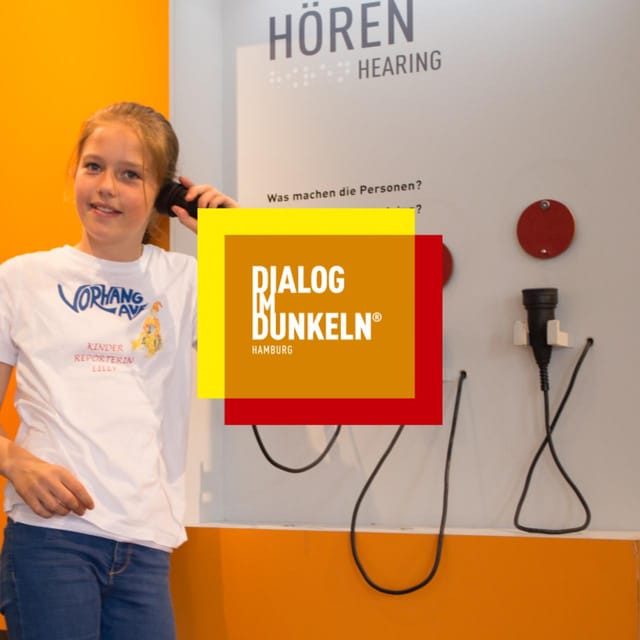
If you are a soccer fan, check whether the HSV theme tour is running at your time slot. At selected times, the experience shifts focus to soccer, guided by blind hosts who act as your eyes throughout the lightless course. The tour includes a soccer museum and a recreated Volksparkstadion of HSV, then finishes again in the dark bar for more about life as a blind soccer fan.
This variant is a smart choice if you want the same core sensory lesson, but with a theme you care about. It also makes the experience easier to talk about afterward, because it ties the darkness to a subject you already know, like matchday atmosphere and fan culture.
Practical value: what this experience teaches you (beyond empathy talk)
Dialogue in the Dark is not only about feeling sorry for someone. It is about understanding the mechanics of daily life under different sensory conditions. After you finish, you tend to notice how often your own routines depend on sight: finding entrances, reading street signs, tracking what others are doing, judging distance.
It also gives you a new respect for the role of guides. You see how safety works through communication, steady pace, and consistent cueing. You also get a sense of how much competence is required to guide someone in unfamiliar surroundings, without rushing.
If you enjoy hands-on learning, interactive museums, and experiences that change your perspective, this fits your style. If you want pure sightseeing photos, it will not deliver that.
Drawbacks and who should think twice
The biggest drawback is sensory. You will lose visual orientation, and at least at the start you might feel clumsy or tense. That is normal. But if you strongly dislike darkness, or you cannot handle disorientation well, you may find it more stressful than you expected.
A second consideration is language. The tour is in German, so you need to be comfortable enough to understand instructions and ask questions afterward.
Tips to get the best experience
- Go in with a “slow down” mindset. The point is not to finish fast.
- Follow your guide’s cues closely and keep your movements steady with the cane.
- Notice sounds and touch, even if it feels strange at first. Your brain is building a new map.
- Save your questions for the dark bar. The Q&A part is where answers land best.
- If you are sensitive to uncertainty, mentally expect a brief adjustment period once you enter darkness.
Price and what you actually get for $28
At around $28 per person for a 1-hour tour (plus admission), you are paying for a guided, small-group immersive experience led by blind hosts, not just a room to walk through. Drinks are extra, and that keeps the core ticket focused on the experience itself.
For value, consider this: one hour of personalized guidance by people with lived expertise, delivered in a format that requires careful safety and coordination, is not something you replicate on your own. If you are the type of traveler who likes experiential learning and prefers meaningful activities over passive ones, this price makes sense.
Should you book Dialogue in the Dark in Hamburg?
Yes, if you want an experience that changes how you understand everyday life, not just what you see. It is a strong pick for small groups of friends, couples, or solo travelers who like interactive formats and clear guidance. The dark bar Q&A is a major plus, because it turns questions into understanding while it is fresh.
Consider skipping it only if you know darkness will stress you out, or if you need the tour in English. Otherwise, this is one of those places where the hour feels short, but the takeaways can last a lot longer.
Everything else we filed on Hamburg
- Hamburg Private Food Tours with a Local: 100% Personalized
★ 5.0 · 3 reviews - The Beatles on St. Pauli
★ 5.0 · 3 reviews - Short walk St. Pauli – the St. Pauli quickie
★ 5.0 · 3 reviews - Hamburg: Safari Tour in St. Pauli
★ 5.0 · 3 reviews - Hamburg Like a Local: Private and Personalized Experience (3hrs)
★ 5.0 · 3 reviews - Private Hamburg rickshaw tour for 2 people
★ 5.0 · 3 reviews
Tours, side by side.
 ★ 4.7Berlin: Reichstag, Dome and Government District Guided TourFrom $1818,288 reviews
 ★ 4.3Berlin: 1-Hour City Tour by Boat with Guaranteed SeatingFrom $2516,993 reviews
 ★ 4.7Hamburg: Sex and Crime in St. Pauli Tour for Ages 18+From $29515,447 reviews
 ★ 4.7Dresden: Semperoper Tickets and Guided TourFrom $1812,102 reviews
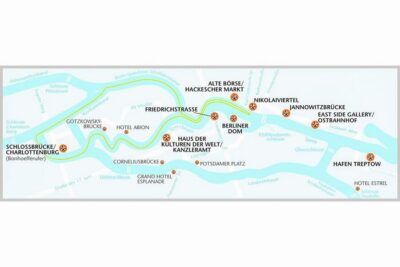 ★ 4.4Berlin: Boat Tour Along the River SpreeFrom $3411,252 reviews
 ★ 5.0Discover Berlin Half-Day Walking TourFrom $249,624 reviews
 ★ 4.3Berlin: Hop-on Hop-off Bus Tour with Live CommentaryFrom $228,579 reviews
 ★ 4.7Berlin: Government District around the Reichstag Guided TourFrom $2848,447 reviews