
REVIEW · CITY TOURS
Hamburg: Private Tour Down Town around City Hall
Hamburg downtown comes with secret stories. This private tour brings Hamburg’s underground bunker system and Hanseatic-era downtown sights into one tight, photo-friendly route. You get history explained in a way that feels practical, not museum-still.
I love how the guide connects big events, like the Great Fire of 1842, to the city you actually see today. You also get stand-out stops such as St. Nicholas’ Church and the imposing Chilehaus, plus quick looks at places that give Hamburg its global edge, like the Africa House.
One consideration: it is only 2 hours, so you will cover a lot of ground with short guided moments at each stop. If you prefer slow pacing and long viewing breaks, you may want a longer follow-up walk on your own.
In This Review
- Key highlights you should care about
- Downtown Hamburg Turns Into a Story You Can Walk
- Price and Group Size, What You Really Pay For
- Your Walk Starts in the Central City Zone
- Mönckebergstraße and the Mö Feeling of Downtown Hamburg
- St. James’ Church and the Quiet Power of Old Religion
- Kontorhausviertel and Sprinkenhof: Business District as a Living Page
- Chilehaus: When Design Looks Like Intent
- Africa House and Reichenstraßen: A Global Thread in the Middle of Town
- St. Nicholas’ Church and Trostbrücke: Meaningful Stops, Not Just Photos
- Underground Hamburg: Bunkers, Pneumatic Post, and the Great Fire of 1842
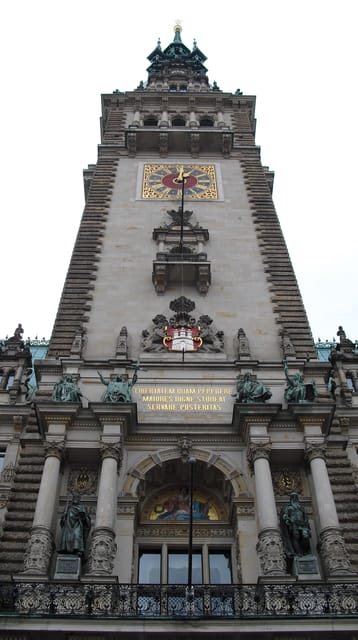
- Town Hall and Chamber of Commerce: Power You Can See
- Who This Tour Is Best For
- A Quick Reality Check: What You Might Not Love
- Should You Book This Private Down Town Hamburg Tour?
- FAQ
- How long is the Hamburg downtown private tour?
- What is the price of the tour?
- Is this a private tour or a shared group tour?
- What languages are available for the live guide?
- Where does the tour take you during the walk?
- What is included in the price?
- What is the best starting point?
- Can I cancel for a full refund?
Key highlights you should care about
- Underground stories above ground, including the largest German underground bunker system with over 700 bunkers
- 1864 technology in action, from Hamburg’s first pneumatic post running on 24 October 1864
- Downtown you can read, how narrow old streets and passageways gave way to a modern commercial city after the Great Fire of 1842
- Street character on Mönckebergstraße, a promenade locals call Mö
- Hanseatic power in architecture, with time at Kontorhausviertel, Sprinkenhof, Chilehaus, Chamber of Commerce, and the Town Hall area
- Poignant and memorable photo stops, including Trostbrücke and St. Nicholas’ Church
The wider Hamburg sightseeing pile
- Reeperbahn: Panik City Udo Lindenberg Multimedia Experience★ 4.9 · 893 reviews
- Guided Hamburg City Bike Tour★ 5.0 · 642 reviews
- Hamburg: Hop-On Hop-Off Bus City Tour – Line F★ 4.2 · 590 reviews
- Hamburg: City Cruise on Alster Lake★ 4.4 · 533 reviews
Downtown Hamburg Turns Into a Story You Can Walk
Hamburg has a talent for feeling both old and freshly reinvented. That is the real appeal of this private downtown tour: you do not just look at landmarks, you learn how and why the city’s form changed. Within a couple of hours, you get a clear sense of Hamburg as a Hanseatic city, then you see how commerce and disaster shaped what rose afterward.
This is also a guide-led experience, and that matters. The best feedback I see around this tour is how guides keep things lively and connected. Names show up for a reason, like Birgit, Jörn Löding, and Frau Stange, and the common thread is that they make the stones feel usable, not just historic. You walk away thinking, I get what I saw, and I know how to spot the meaning next time.
The route is compact, so you get plenty of photo moments without needing a full day. If you like city walks that teach you how to notice details, this fits your style.
Price and Group Size, What You Really Pay For
The price is $294 per group, with up to 15 people. That pricing structure makes sense for a private format, because the guide time is shared across your group size.
Here is the practical way to judge value: if you are traveling with family or friends, the per-person cost can become reasonable fast. If you are traveling solo or as a couple, it may feel pricier compared with group tours, simply because you are paying for privacy and a guide timed to your group.
The duration is 2 hours, so you are buying efficiency. You get a curated downtown story that hits the major “readable” sites, plus the nerdy-but-fascinating Hamburg specifics, like the underground bunker system and the pneumatic post. You will likely spend more time than planned inside your own head after the tour, because the guide gives you connections, not just facts.
Your Walk Starts in the Central City Zone
Your meeting point can vary depending on the option you book. The tour runs through the downtown core, and it is designed around key landmarks that are already concentrated near major transit and walking routes.
A small but real advantage here is orientation. Starting in the downtown area means you can build momentum quickly. You are not traveling across multiple neighborhoods before you get to the good stuff. That makes the 2 hours feel fuller, because your “story time” begins early.
If your group is using Hamburg’s transit, this is where smart logistics help. Since the route includes the Hamburg Central Station area, you can often fit this into a travel day without forcing a long detour.
Mönckebergstraße and the Mö Feeling of Downtown Hamburg
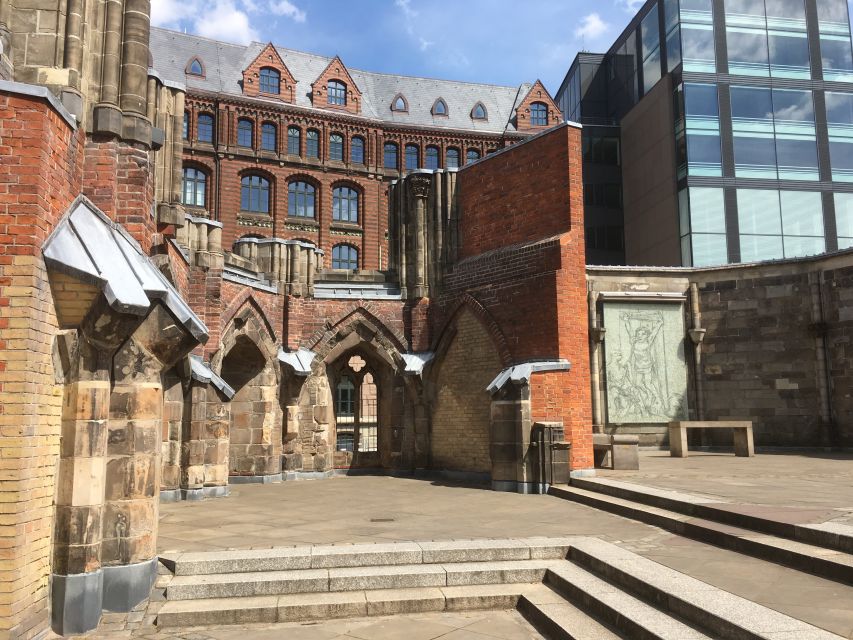
One of the most enjoyable segments is time on Mönckebergstraße, the downtown shopping promenade. Even if you are not shopping, this street helps you understand Hamburg’s shift from older narrow street patterns to a modern commercial city.
The guide time here is short, but it is not random. You learn what the locals call it, Mö, and you get context for why this kind of promenade matters: it reflects a city organizing itself for movement, trade, and daily life.
Practical tip: if your timing works, you will get better photos when you step back from the densest flow of people. The promenade can be lively, so the trick is to let the guide point out what to look for, then grab your shot when the moment lines up.

St. James’ Church and the Quiet Power of Old Religion
Next comes a stop at St. James’ Church, Hamburg. Church exteriors can feel like background noise when you rush through a city. Here, the short guided moment helps you treat it like a clue, not just a pretty building.
You also get better value from a guided stop like this when you are learning how Hamburg’s identity sits on top of older layers. Even in 10 minutes, you can come away with a stronger sense of why the building belongs in the story the guide is building.
If you are the type who enjoys architecture but gets bored with long speeches, this pace can be perfect. You get enough direction to look up, notice details, and move on without losing your attention span.
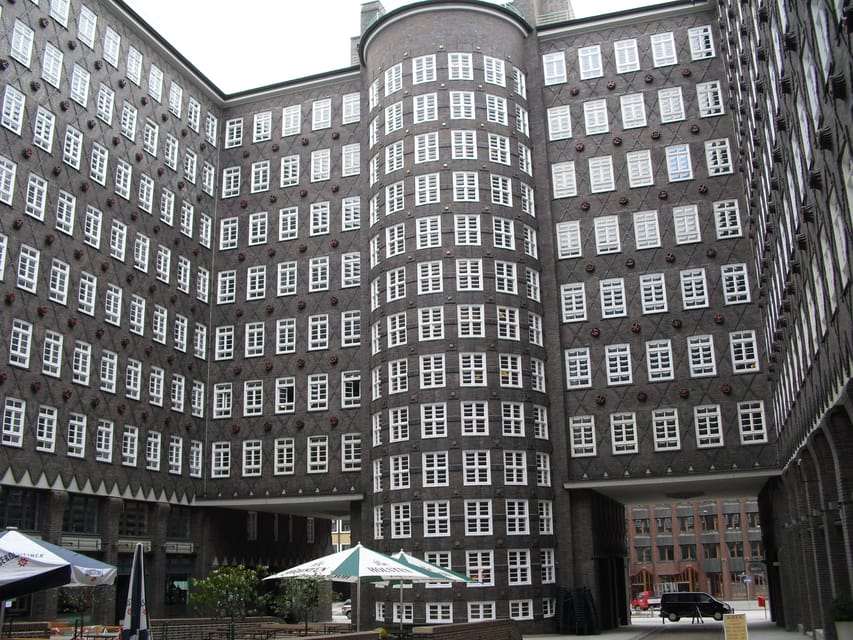
Kontorhausviertel and Sprinkenhof: Business District as a Living Page
The tour then shifts into the downtown commercial fabric, including Kontorhausviertel and Sprinkenhof. This part matters because Hamburg’s identity is not just about ships and ports. It is about offices, trade, and the way commerce built a city you can walk through.
You spend about 15 minutes here, which is a good chunk for this kind of area. The guide can point out what makes these buildings part of the city’s language, so you are not stuck reading a brochure in your head.
A drawback to note: if your group expects every stop to be a full viewpoint with a long explanation, the business-district segments can feel like “quick stops with big ideas.” That is not bad, it just changes the vibe. It works best for people who want the big picture and can handle a quick pace.
Chilehaus: When Design Looks Like Intent
Then you hit Chilehaus, one of the highlights for a reason: it is imposing, and it looks like someone wanted you to notice it. The tour uses a guided moment here to translate appearance into meaning.
This is where your downtown story starts feeling complete. Hamburg’s transformation after major events shows up in how buildings present themselves. Chilehaus becomes a sign of a city moving forward, while still carrying Hanseatic weight and the ambition of commerce.
If you like photography, this stop is one to plan around. Even without perfect angles, the shape and presence give you something to work with. Step to different sides if your guide suggests it, and you will likely find at least one spot that makes the building look dramatic instead of flat.
Africa House and Reichenstraßen: A Global Thread in the Middle of Town
The route includes time at the Africa House and also passes through Reichenstraßen. This is a smart inclusion because it prevents the tour from feeling like only war, fire, and business.
The Africa House stop is essentially about wanderlust, with a guide bringing context so the building is not just a name on a map. You get a reminder that Hamburg’s downtown identity is connected to the world, even when you are standing in a street that looks like everyday life.
If your group loves travel stories beyond Germany’s borders, this is the segment that usually feels like a palate cleanser. The best part is that it does not break the tour’s theme. It still supports the larger idea of Hamburg as a port city with international reach.
St. Nicholas’ Church and Trostbrücke: Meaningful Stops, Not Just Photos
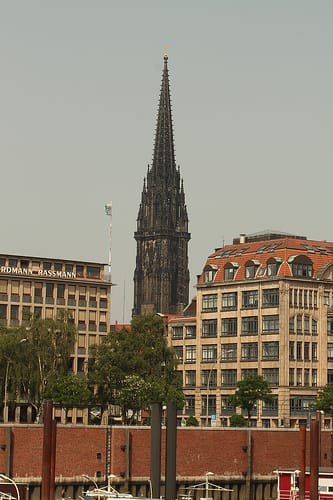
Next you reach St. Nicholas’ Church, another key stop in the downtown route. Like the other church visit, the value is in understanding why it matters to the city’s memory and identity. You spend a guided moment and come away knowing what to look for and why you are supposed to care.
Then you visit Trostbrücke. The tour frames it as a place to wallow in memories, which is a friendly way of saying it has emotional gravity. Even if you are not a person who gets sentimental on vacation, this is the kind of stop that makes a history tour feel real. A city is not only buildings. It is how people lived, and how they remembered.
Practical approach: take a slow minute at Trostbrücke before you rush into your next photo. Let the guide finish the story, then look around. You will feel the difference between seeing a bridge and understanding what it represents in a city’s timeline.
Underground Hamburg: Bunkers, Pneumatic Post, and the Great Fire of 1842
This is the “wait, Hamburg has this?” section, and it is why the tour stands out.
You learn about the largest German underground bunker system, with over 700 bunkers. That kind of fact can become scary or abstract fast. The tour keeps it grounded by connecting it to the city you are walking through, so it does not feel like trivia disconnected from place.
Then there is the pneumatic post, described as Hamburg’s first, operating on 24 October 1864. That detail is fascinating because it reminds you that cities have always solved communication problems, just with different technology. Standing aboveground after learning how mail moved underground adds weight to the downtown scenes.
You also get the guide explanation for the Great Fire of 1842, which lasted four days and destroyed large parts of the old town. The key value is not the drama. It is what came after. You learn why Hamburg shifted from narrow streets and passageways with half-timbered houses into a modern commercial city within a short space of time.
If you like history explained through cause and effect, this is the heart of the tour. You finish this segment thinking, that fire changed more than buildings, it changed how the city organizes itself.
Town Hall and Chamber of Commerce: Power You Can See
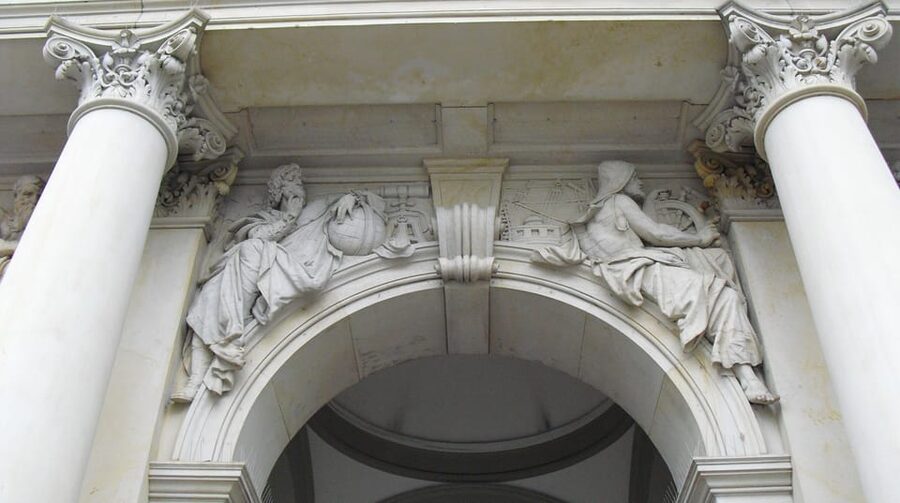
The tour concludes in the heart of civic and business power, including the Town Hall, Hamburg Rathaus, and time near the Chamber of Commerce.
This ending works well because it ties your theme together. You started learning about underground and communication. You moved through churches, business districts, and world-facing landmarks. Then you end where authority and commerce show up most directly.
You also get a chance to look at the city’s identity in one glance. When the guide points out what makes these buildings part of the Hanseatic city story, you can actually connect the dots you have been building all along.
If your group likes a strong finish, this is a satisfying way to close. You do not end with a random street corner. You end where the city’s “official voice” is.
Who This Tour Is Best For
This tour is a great fit if you love city history, but you do not want a slow crawl. It works well for people who want practical stories and photo moments in a 2-hour window.
It is especially good for:
- First-timers who want downtown orientation and context quickly
- Travelers who like the mix of culture and commerce, churches plus office districts
- Small groups who want a private guide instead of a large group schedule
- People who enjoy unusual facts, like underground bunkers and the pneumatic post
If your group wants lots of free time at each stop for wandering independently, you might feel a bit rushed. The pace is guided and structured, and each stop is designed to deliver meaning quickly.
A Quick Reality Check: What You Might Not Love
The tour is packed. That is its strength, but it can also be the reason it feels too fast for some people. A stop like Mönckebergstraße is about orientation and context. Stopping for just a short while at multiple landmarks means you will not spend long sitting and soaking in a single view.
Also, if you do not care about history of infrastructure, the bunker system and pneumatic post may not be your favorite parts. The tour is clearly built for history lovers, and that focus shows.
Should You Book This Private Down Town Hamburg Tour?
I think you should book it if you want an efficient, downtown-focused history walk that explains why Hamburg looks the way it does. The combination of Hanseatic landmarks, the real Hamburg specifics like the pneumatic post and the Great Fire of 1842, and the emotional stop at Trostbrücke makes it more than a standard sightseeing loop.
If you are traveling with a group up to 15, the pricing can feel very reasonable for a private guide. If you are solo, it is still worth considering if you value the guided narrative and do not want to piece together downtown context on your own.
FAQ
How long is the Hamburg downtown private tour?
It lasts 2 hours.
What is the price of the tour?
It costs $294 per group, up to 15 people.
Is this a private tour or a shared group tour?
It is a private group tour.
What languages are available for the live guide?
The guide is available in English, Spanish, French, and German.
Where does the tour take you during the walk?
The route includes Hamburg Central Station, Mönckebergstraße, St. James’ Church, Sprinkenhof, Chilehaus, Reichenstraßen, Africa House, St. Nicholas’ Church, Trostbrücke, Chamber of Commerce, and Hamburg Rathaus.
What is included in the price?
A professional tour guide and the city tour are included.
What is the best starting point?
The meeting point may vary depending on the option booked, and it can differ by start location.
Can I cancel for a full refund?
Yes. You can cancel up to 24 hours in advance for a full refund.
Seeing Hamburg in One Go
Everything else we filed on Hamburg
- Hamburg: Safari tour in St. Pauli
★ 4.9 · 11 reviews - Hamburg: Party Bingo with the Bingo Gringos
★ 4.8 · 11 reviews - Hamburg Harbor: 3.5-Hour Guided Tour by Bike
★ 4.7 · 11 reviews - Hamburg: 2-Hour St. Georg Walking Tour
★ 4.8 · 11 reviews - Hamburg: Guided Walking Tour in Danish
★ 5.0 · 11 reviews - Discover Hamburg in a retro Bulli
★ 3.0 · 12 reviews
City Tours, side by side.
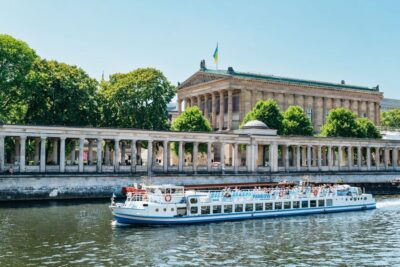 ★ 4.3Berlin: 1-Hour City Tour by Boat with Guaranteed SeatingFrom $2516,993 reviews
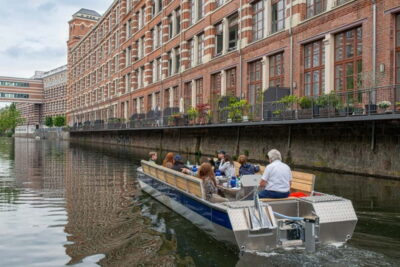 ★ 4.7Leipzig: City History Canal Sightseeing Tour on a MotorboatFrom $186,232 reviews
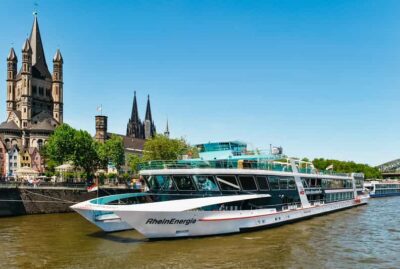 ★ 4.3Cologne: Panoramic City CruiseFrom $235,698 reviews
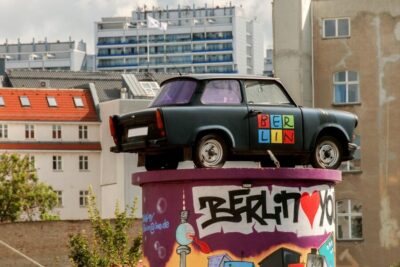 ★ 4.1Berlin: City Sightseeing Hop-On Hop-Off Bus TourFrom $254,233 reviews
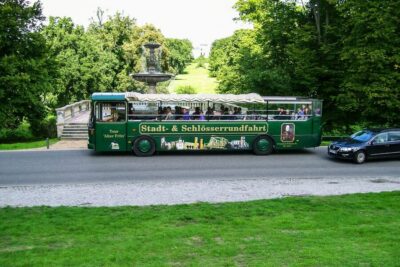 ★ 4.7Potsdam: City and Castles TourFrom $293,721 reviews
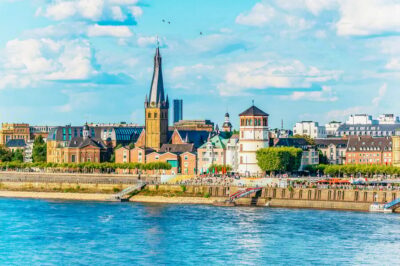 ★ 4.1Düsseldorf: City Sightseeing Cruise on the RhineFrom $232,954 reviews
 ★ 4.5Bremen: City Center Guided Walking TourFrom $142,709 reviews
 ★ 4.7Freiburg: Gässle, Bächle and More City TourFrom $132,632 reviews
Other lists this tour is on