
REVIEW · REEPERBAHN
Hamburg: Schanzenviertel Culinary Tour
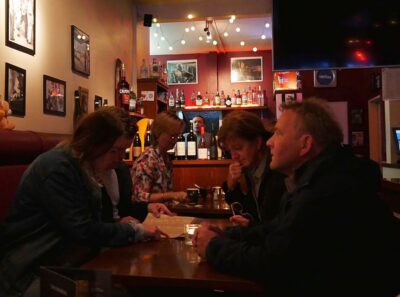
Hamburg smells like street food and change. This 3-hour culinary walk through the Schanzenviertel takes you into Sternschanze’s cafe and bar culture while your guide weaves in how the neighborhood shifted over time, starting from its days as a star-shaped defense structure.
I especially like the combination of 5 local tastings with honest neighborhood context, not just a checklist of places to eat.
My second favorite part is that you’re not kept at arm’s length from the district’s identity, including a stop around the left-wing autonomous center, Rote Flora, and stories tied to figures like Carl Hagenbeck. One thing to consider is that the tour includes discussion of politics and gentrification, so it’s best if you’re comfortable with that topic while you walk and sample food.
In This Review
- Key highlights you should look for
- Schanzenviertel and Sternschanze: food in a neighborhood that keeps changing
- The 3-hour format: how the walk keeps you moving (and snacking)
- Five local tastings: what you’re paying for, and how to pace yourself
- Sternschanze history you can feel in your feet
- Rote Flora and the street-level politics of place
- Following Carl Hagenbeck and the district’s modern myths
- Old piano factory: why industrial buildings belong in a food tour
- How to handle the cold, the pace, and your appetite
- Who this tour fits best, and who might want something different
- Value check: what $57 buys you in Sternschanze
- Should you book this Schanzenviertel Culinary Tour?
- FAQ
- How long is the Hamburg Schanzenviertel Culinary Tour?
- How much does the tour cost?
- What is included in the tour price?
- Are there vegetarian options?
- Do I need to bring drinks?
- What languages is the guide available in?
- What should I wear for the tour?
Key highlights you should look for
- Sternschanze in context: from star-shaped defense structure to cult-status district
- Five food stops: tastings across the local food scene, with vegetarian-friendly options
- Real street stories: development of the area, including rent pressure and investor attention
- Rote Flora area: the left-wing autonomous center is part of the route and the conversation
- Carl Hagenbeck connection: you’ll follow his trail through neighborhood lore
- Old piano factory stop: a tangible piece of the district’s industrial past
Still on the Kiez? More nights reviewed here
- Hamburg: Sex and Crime in St. Pauli Tour for Ages 18+★ 4.7 · 15,447 reviews
- Hamburg: Reeperbahn Lust & Laster Tour for Adults Only★ 4.7 · 5,440 reviews
- Hamburg: Insider Tour of the Reeperbahn & St. Pauli★ 4.7 · 5,057 reviews
- Hamburg: Night Watchman’s Tour of St. Pauli in German★ 4.7 · 4,818 reviews
Schanzenviertel and Sternschanze: food in a neighborhood that keeps changing

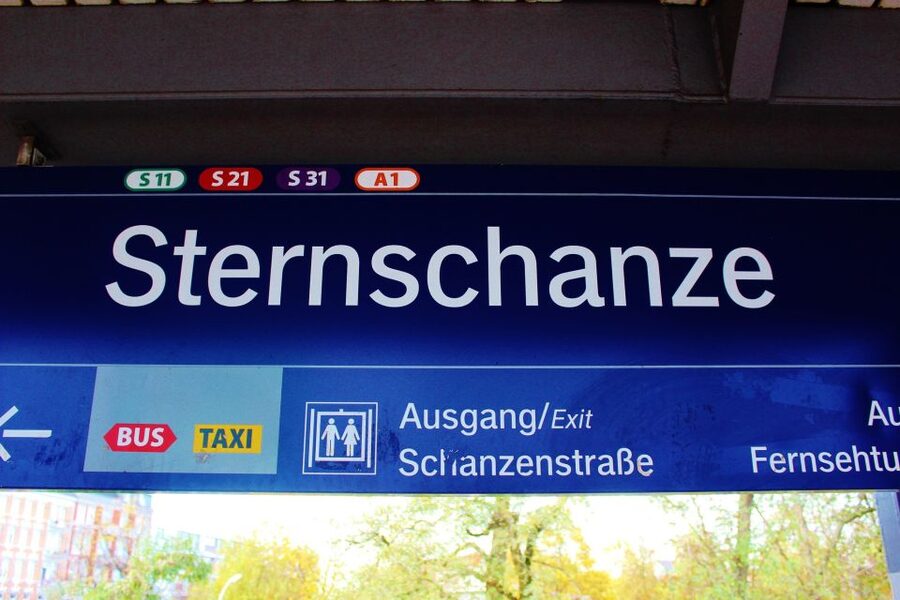
Schanzenviertel is one of those Hamburg districts where the street life feels layered. You’ll walk through Sternschanze, a small area, about 0.60 square kilometers, but packed with energy and different kinds of people. The point of the tour is not only to feed you, it to help you read the neighborhood while you’re eating.
Sternschanze used to be built as part of city defense, including a star-shaped structure. Today that same area has a very different reputation, with cult status that’s often compared to the Reeperbahn vibe. On this kind of guided walk, that contrast matters. It turns what could be “just another trendy quarter” into a place where you understand how change happens, block by block.
The 3-hour format: how the walk keeps you moving (and snacking)
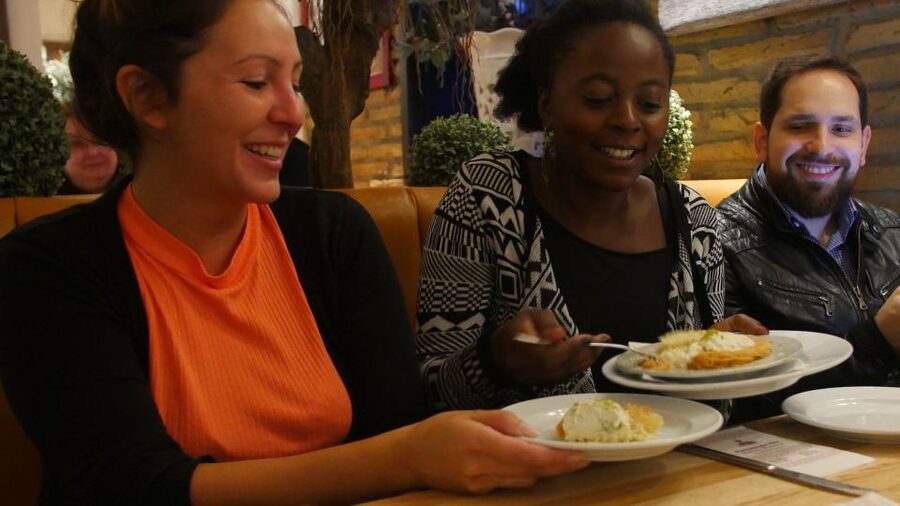
This is a 3-hour walking tour. That duration is long enough to slow down in a few spots, but short enough that you’re not trapped on your feet all day. Expect a steady rhythm: walk, learn, stop for tasting, move again. Because the tour is designed around five tastings, you’ll likely spend time standing at counters and shop fronts, and you should plan to keep your pace comfortable.
The tour is also practical about eating. Meals during the tour can be enjoyed while standing, and seating is available if needed. That matters if you want to enjoy the tastings without feeling like you need to hustle through every stop.
If you’re traveling with someone who gets cold easily, you’ll want to bring weatherproof clothing. The guidance is clear: wear suitable footwear and dress for the weather. In winter, you might feel the walking time, even if the tastings are frequent.
Five local tastings: what you’re paying for, and how to pace yourself
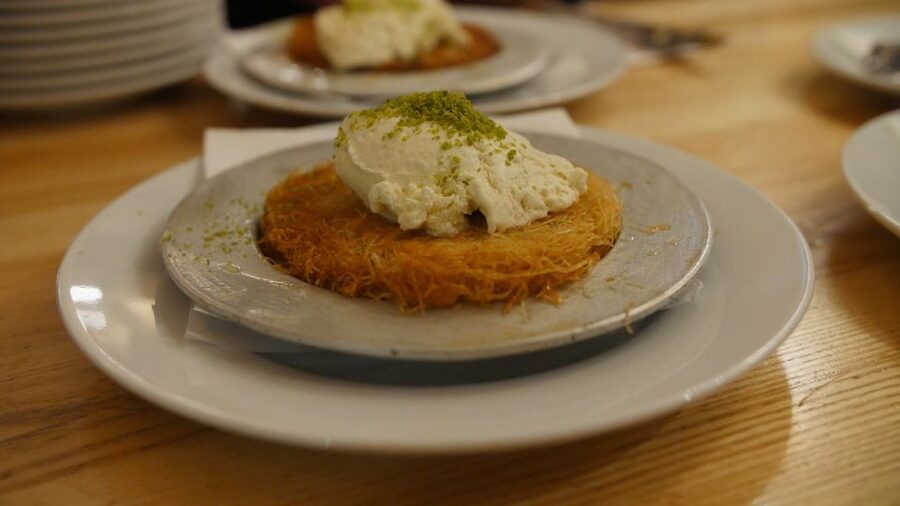
At $57 per person, you’re paying for three things that are harder to do on your own: route planning, stop selection, and interpretation. Five tastings in 3 hours means you should feel fed, but not stuffed. The tradeoff is that you’re not going to linger at a single restaurant like you would on a normal dinner plan.
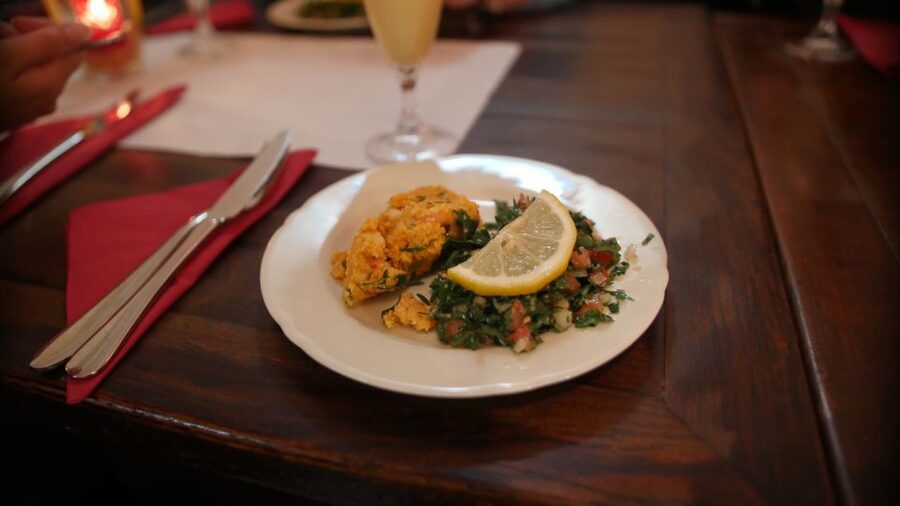
The tour includes 5 stops with food tastings, but drinks are not included. So if you think you’ll want a beverage, it’s smart to plan that separately before or after. Also, because the tastings are spread out, it helps to arrive hungry enough to enjoy everything, but not so hungry that you feel rushed through the first bite.
You should also know the tour is suitable for vegetarians. That’s a big plus in a neighborhood where meat-heavy menus can dominate if you don’t have options. The tour’s pitch is that it covers the area’s culinary diversity, and the vegetarian suitability makes that more than a nice add-on.
One subtle consideration: the sequence of flavors may not match your personal preference. Some people have felt that a couple stops felt less aligned, and that they would have enjoyed starting with more savory bites before any sweeter items. If you prefer a certain order, keep your expectations flexible. You’ll still get five different tastings, but the order is part of the “street sampler” style.
Sternschanze history you can feel in your feet
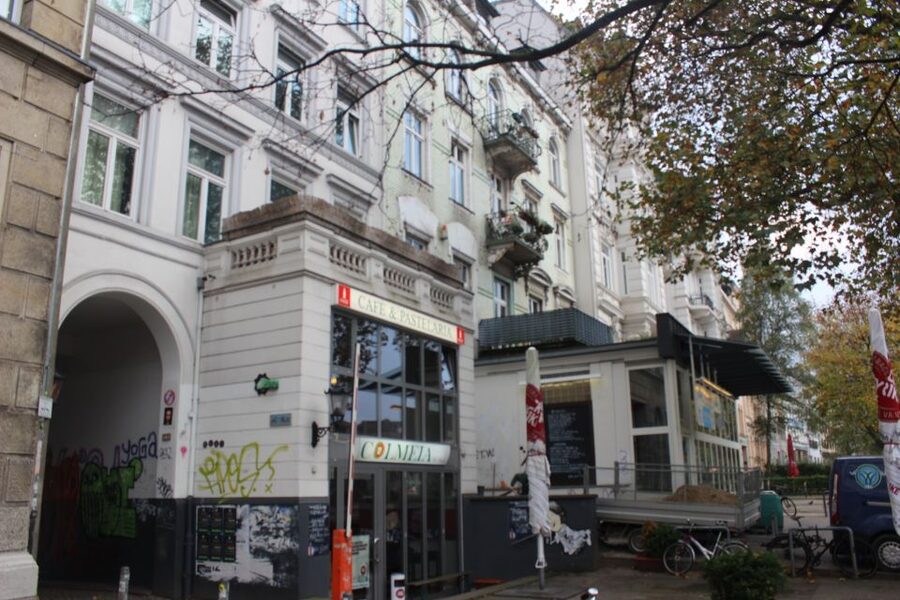
A good walking tour teaches you what to look at, and this one does that through the neighborhood’s evolution. As you move through Schanzenviertel, you’re guided to see how the area formed, how it became known for nightlife and culture, and how it is now dealing with outside attention.
The tour also addresses gentrification and commerce directly. You’ll talk about rising rent prices and the interest investors bring to a neighborhood like this. That’s not just history-talk in a museum sense. It’s framed as something happening in real time, which changes how you interpret new storefronts, renovations, and the way people use public space.
If you’re the type who likes to understand a city’s current story, not only its old buildings, this is a strong fit. You get food, yes, but you also leave with a better sense of what’s being protected, what’s being pressured, and why locals care.
Still hungry? More plates reviewed here
Rote Flora and the street-level politics of place
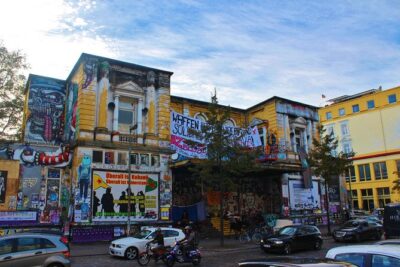
One of the most distinctive parts of this tour is that it doesn’t skip the neighborhood’s political center. In the heart of the area is Rote Flora, the left-wing autonomous center. It’s part of the walk and part of the explanation.
This matters because Rote Flora is tied to the district’s identity as a site of activism and resistance. You’re not just hearing vague opinions. You learn how the neighborhood’s “revolutionary” reputation connects to modern street culture.
Because the area can be active, it can also feel lively in unexpected ways, depending on what’s going on during your date. On some days, the street around Rote Flora can include demos or other public events. The big idea for you is simple: when you come to this district, go with curiosity, not the assumption that everything is quiet and postcard still.
Following Carl Hagenbeck and the district’s modern myths
The tour includes a route that follows in the footsteps of Carl Hagenbeck. That’s a fun detail because Hagenbeck is a historic Hamburg figure, and the tour uses him as a thread to connect the district to larger city stories.
You’ll also hear about “revolutionaries,” with the wording pointing to the people and energy that shaped the neighborhood reputation. Whether you already know the name or not, this is useful. It gives you context for why certain street corners, buildings, and traditions matter to locals.
The takeaway for you is that the tour gives you names and story hooks. When you later wander on your own, you’re more likely to notice what connects to what.
Old piano factory: why industrial buildings belong in a food tour
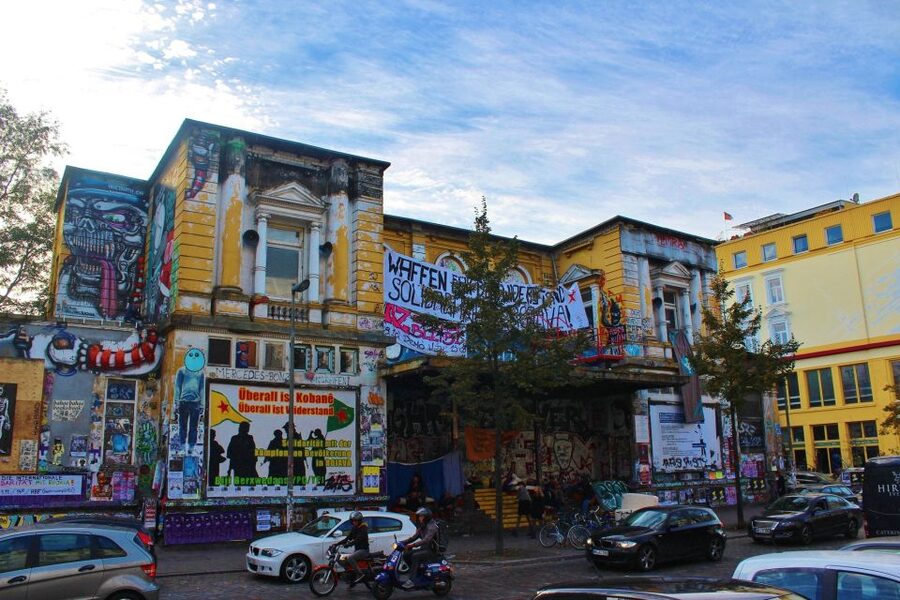
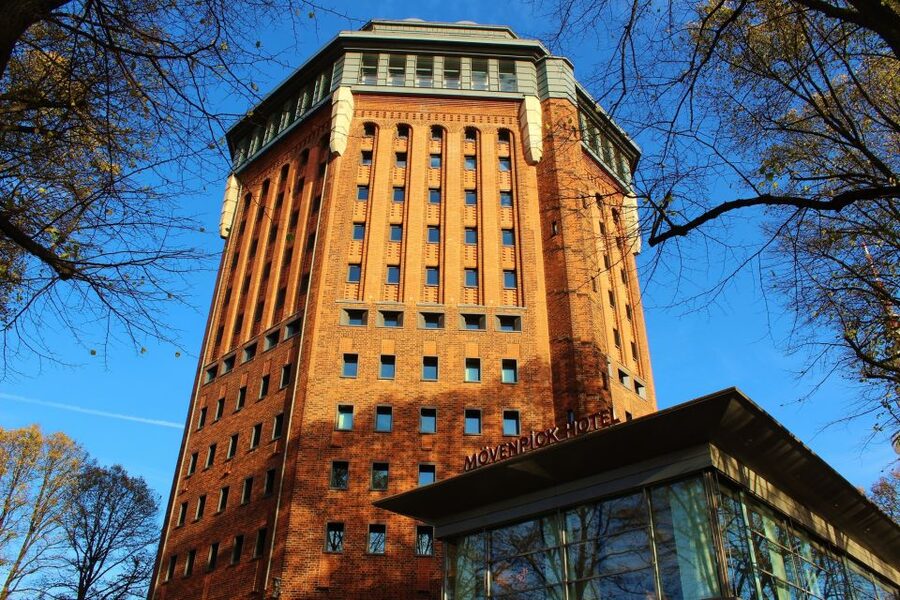
Between the big ideas, you also get something tangible. The route includes a visit to the old piano factory. That stop is important because it keeps the tour from becoming only political commentary or only food sampling.
Industrial buildings often explain a neighborhood’s personality. Even if a factory is no longer operating the way it once did, the structure shapes the streets around it. It also reminds you that places change jobs, change identities, and then reinvent themselves again.
If you like seeing how a city repurposes its past, this is one of the most “you can picture it” stops. It turns the Schanzenviertel story into something you can point to.
How to handle the cold, the pace, and your appetite
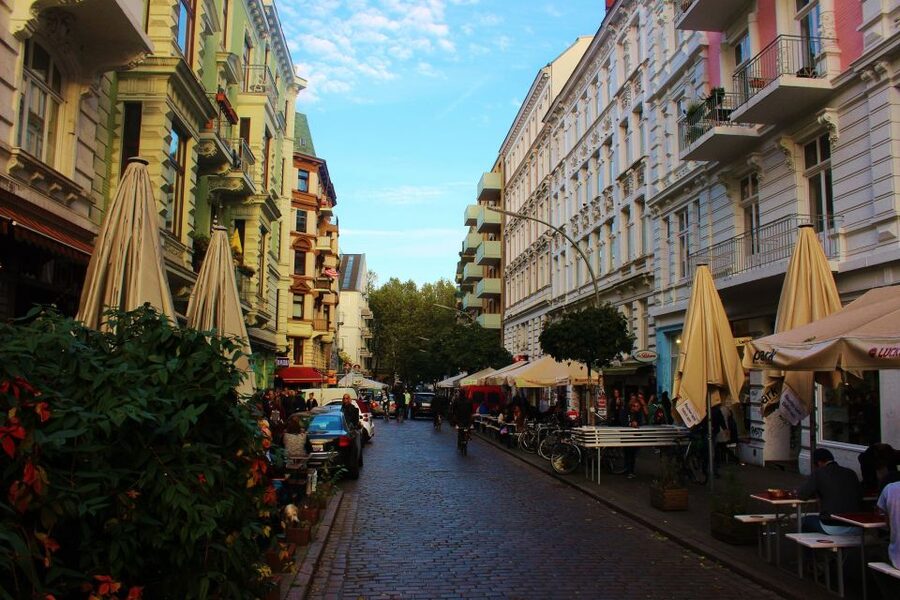
Let’s talk logistics in the real way they affect your enjoyment. This is a walking tour, and the tour guidance is to wear weatherproof clothing and good footwear. In Hamburg, the weather can shift quickly. Even on a decent day, you might get a cold breeze during breaks between tastings.
Because meals are enjoyed standing and seating might be necessary for some guests, you can plan to carry small layers and keep your hands free. If you tend to get restless on long walks, this tour’s structure helps because there’s food regularly, which breaks up the time.
Also remember: drinks are not included. If you’re someone who needs coffee or a warm drink to stay comfortable, plan it around the tour. You’ll get tastings, but the tour is not a full beverage package.
Who this tour fits best, and who might want something different
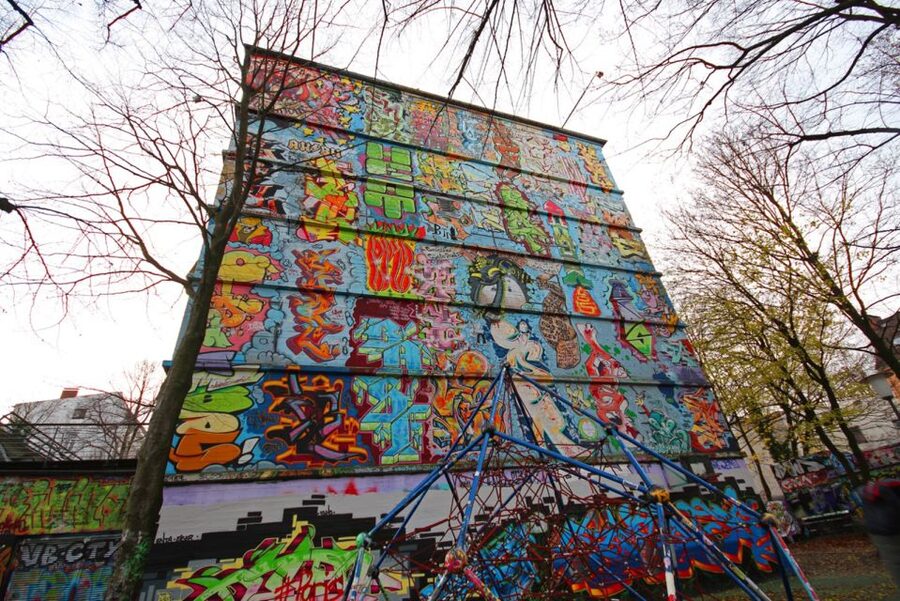
I think this tour is a great match for three types of travelers.
First, if you like local neighborhoods over big landmarks, you’ll enjoy how the route is built around Schanzenviertel’s real character. Second, if you want food plus context, not just food alone, the five tastings plus development stories hit the sweet spot. Third, if you’re curious about gentrification and how it shows up in everyday life, the tour’s discussion style will make the topic more concrete.
You might want to pick a different kind of tour if politics on the street makes you uneasy. The tour does include current topics like rent prices and investor attention, plus the Rote Flora connection. That can be fascinating, but it’s also a deliberate choice.
Also consider that the meeting point may vary depending on the option booked. So you’ll want to check the specific start location carefully before you leave.
Value check: what $57 buys you in Sternschanze
Here’s the value question I’d ask. Paying $57 for a 3-hour guided food walk sounds reasonable only if the experience goes beyond eating. In this case, it does.
You’re getting:
- A guided walking route in a district with enough nuance that you could easily miss the story without help
- Five local tasting stops, which likely means you won’t need to plan a full meal immediately after
- Interpretation of the neighborhood’s transformation, including Rote Flora and the old piano factory
- The chance to hear about gentrification and commerce pressure in a way that relates to the streets you’re walking
So for me, the value is strongest if you’re the type who likes to understand the city you’re in. If you’re simply hungry and want a quick food sampling with no talking, you might find the time spent walking and listening less efficient. But if you want to leave Hamburg with better context, this price feels like it buys more than just snacks.
Should you book this Schanzenviertel Culinary Tour?
I’d book it if you want a neighborhood-first experience in Hamburg. The Schanzenviertel/Sternschanze combination gives you food culture plus real social history. Add in the Rote Flora stop, the old piano factory visit, and the Carl Hagenbeck connection, and you get a tour that feels like a guided way to understand why this part of Hamburg is talked about.
I’d think twice if you hate political discussions while traveling, or if you prefer a purely restaurant-style experience with long seated meals. Since tastings happen across five stops and drinks are not included, it’s more of a walk-and-sample plan than a sit-down feast.
FAQ
How long is the Hamburg Schanzenviertel Culinary Tour?
The tour lasts 3 hours.
How much does the tour cost?
It costs $57 per person.
What is included in the tour price?
The tour includes a 3-hour culinary walk, a motivated guide, and visits to 5 locations with food tastings.
Are there vegetarian options?
Yes, the tour is suitable for vegetarians.
Do I need to bring drinks?
Drinks are not included.
What languages is the guide available in?
The live tour guide is available in German and English.
What should I wear for the tour?
Wear weatherproof clothing and suitable footwear, since it is a walking tour.
More of the Kiez After Dark
Everything else we filed on Hamburg
- Hamburg: Safari tour in St. Pauli
★ 4.9 · 11 reviews - Hamburg: Party Bingo with the Bingo Gringos
★ 4.8 · 11 reviews - Hamburg Harbor: 3.5-Hour Guided Tour by Bike
★ 4.7 · 11 reviews - Hamburg: 2-Hour St. Georg Walking Tour
★ 4.8 · 11 reviews - Hamburg: Guided Walking Tour in Danish
★ 5.0 · 11 reviews - Discover Hamburg in a retro Bulli
★ 3.0 · 12 reviews
St Pauli and Reeperbahn Tours, side by side.
 ★ 4.7Hamburg: Sex and Crime in St. Pauli Tour for Ages 18+From $29515,447 reviews
 ★ 4.7Hamburg: Reeperbahn Lust & Laster Tour for Adults OnlyFrom $5005,440 reviews
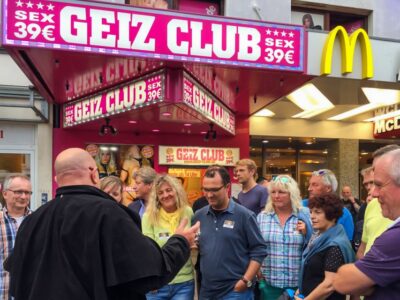 ★ 4.7Hamburg: Insider Tour of the Reeperbahn & St. PauliFrom $295,057 reviews
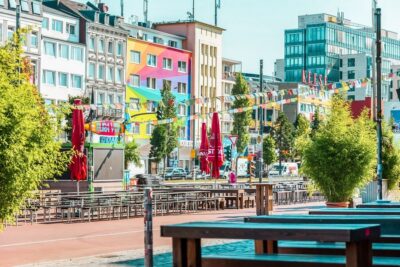 ★ 4.7Hamburg: Night Watchman’s Tour of St. Pauli in GermanFrom $234,818 reviews
 ★ 4.7Hamburg: In the Footsteps of “Olivia” Reeperbahn TourFrom $5003,947 reviews
 ★ 4.7Hamburg: Lust, Luden & Die Große Freiheit TourFrom $172,444 reviews
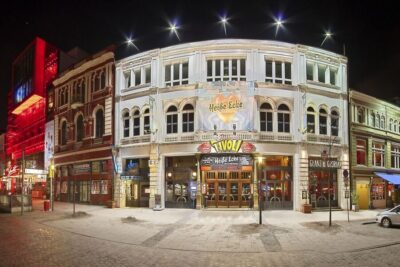 ★ 4.7Hamburg: St. Pauli Highlights Guided Tour with Beer for 18+From $292,353 reviews
 ★ 4.7Hamburg: Adults Only Reeperbahn TourFrom $292,000 reviews
Other lists this tour is on