
REVIEW · LEIPZIG
Leipzig: Courtyards, Houses, Trade – Passage Tour in German
Leipzig hides shopping streets in plain sight. This Passage Tour in German helps you understand how trade shaped the city, from working courtyards to eye-catching interiors like the Mädler Passage. I like that you get a guided walk through both showy and lesser used corridors, so the network feels real, not staged.
Two things I especially like: you see the passage system in a way that connects architecture to history and everyday movement, and you get to experience Leipzig as an old trading town that still feels alive. One practical consideration, this tour runs in German only, and the total time is 2 hours, so if you want to read every plaque slowly, you may want extra time before or after.
In This Review
- Key highlights at a glance
- Why Leipzig’s passages feel like a time machine
- The 2-hour passage walk: what you’ll cover on foot
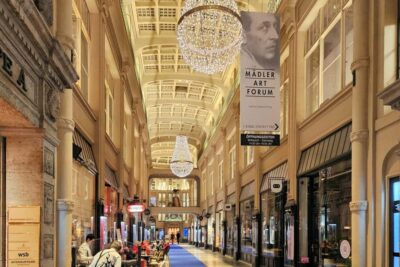
- Mädler Passage: Leipzig’s most famous indoor street
- Courtyards and Leipzig Messe: shopping grew from logistics
- Old and new corridors: how architecture tells the trade story
- What to expect from the guide, and why the walk works
- Price and value: why $18 can be a smart spend
- Who should take this Passage Tour
- Tips to get the most out of your two hours
- Should you book this Leipzig courtyard and passage tour?
- FAQ
- How long is the Leipzig Courtyards, Houses, Trade Passage Tour?
- Where does the tour start?
- Does the tour end at the same meeting point?
- Is the tour in English?
- What is the price per person?
- Are entrance fees included?
- Are food and drinks included?
- Can I cancel for a full refund?
Key highlights at a glance

- Mädler Passage gets treated like the star, with its special history and impressive architecture
- A living passage network shaped by the needs of Leipziger Messe, where movement through town mattered
- Courtyards as early shopping centers, explained in plain terms while you walk
- Architectural variety across old and new corridors, visible and less used passages
- Leipzig’s unique setup, where a closed passage system still exists today
Other Saxon towns we have written up
- Leipzig: City History Canal Sightseeing Tour on a Motorboat★ 4.7 · 6,232 reviews
- Leipzig: 1.5-Hour Public Tour with Night Watchman Bremme★ 4.6 · 3,116 reviews
- Combo Tour in Leipzig: Guided City Tour & City Sightseeing★ 4.7 · 2,317 reviews
- Leipzig: 1.5-Hour Historical Walking Tour in German★ 4.7 · 2,217 reviews
Why Leipzig’s passages feel like a time machine
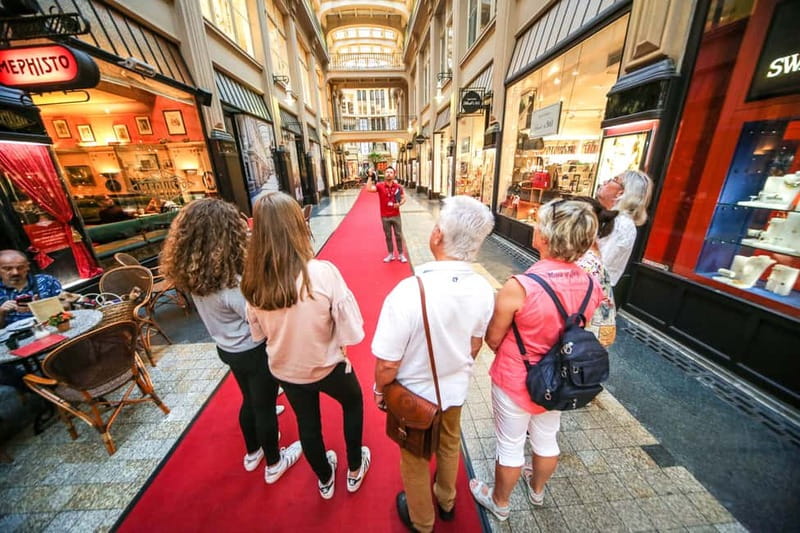
Leipzig’s passages are not just pretty walkways. They’re practical solutions from a trading city that needed sheltered routes for busy seasons, deliveries, and crowds moving between important places. On this tour, I like how the story stays grounded in how people actually got around, not just how the buildings look.
You’ll walk through indoor streets and courtyard spaces that grew from commerce. That matters because you start noticing details differently. Instead of seeing “a hallway,” you see a route designed to keep business flowing. The guide’s approach makes the architecture feel functional, like it was built for people in motion, especially during the Messe period.
And Leipzig has a specific advantage. The passage system is still there in a way you don’t see elsewhere, so you can experience it as a connected network rather than as scattered leftovers. That gives the tour a strong sense of place, and it makes the walking portion more satisfying.
The 2-hour passage walk: what you’ll cover on foot
This is a 2-hour walking tour that focuses on Leipzig’s passages, courtyards, and exhibition houses. You should expect a mix of spaces: large and small corridors, older and newer elements, and some areas that feel more tucked away than the most obvious routes.
The tour starts and ends at the Tourist information office at Katharinenstr. 8. That’s helpful for your planning, because you can easily grab lunch after without hunting for a complicated end point. Since it returns to the meeting spot, you can also treat the tour like a smart orientation walk, then head out on your own for whatever catches your eye most.
One detail I appreciate: the tour isn’t only about the famous landmark. You’ll also pass through less used corridors and smaller passage sections, so you get a fuller sense of how Leipzig’s passage system works as a whole. That also makes your photos more interesting, because you’re not spending all your time in one “perfect postcard” location.
Mädler Passage: Leipzig’s most famous indoor street
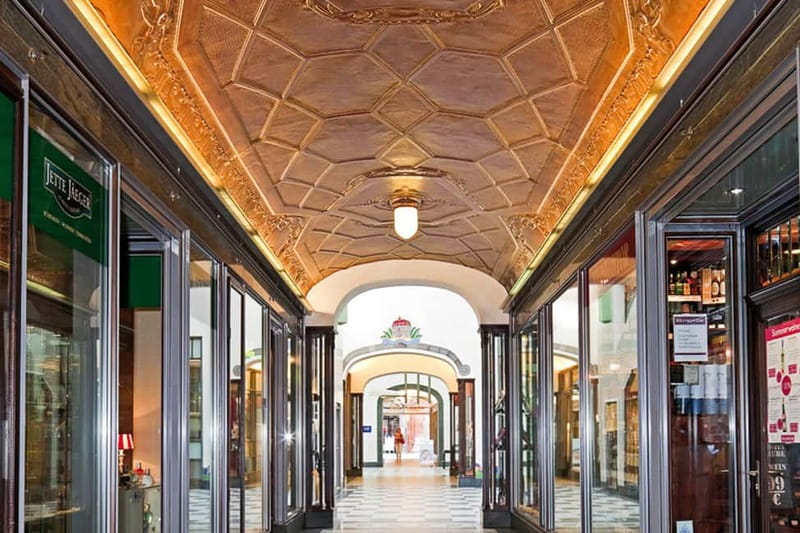
If you like architecture with a strong sense of identity, Mädler Passage is where you’ll feel the tour’s focus. The passage is described as Leipzig’s most splendid passage, and the guide’s framing makes it clear why it matters. This is the kind of place where history is visible in the structure, not just told in a speech.
What makes it compelling is that a passage like this isn’t merely a corridor. It’s designed to be experienced, like a street you can step into. You can sense how the space would have guided trade traffic while offering protection from weather and providing a comfortable setting for business life.
You’ll likely notice how the architecture creates rhythm as you move through. Corridors feel wider or tighter depending on where you are, and light changes the mood as you pass through different sections. Even if you’re not a serious architecture nerd, you’ll still get the key idea quickly: Leipzig’s commerce needed places that helped people move and meet without friction.
Practical tip: if you’re taking photos, keep your phone ready when the group is transitioning inside major spaces. That’s where the light and architectural lines usually make the biggest difference.
Courtyards and Leipzig Messe: shopping grew from logistics
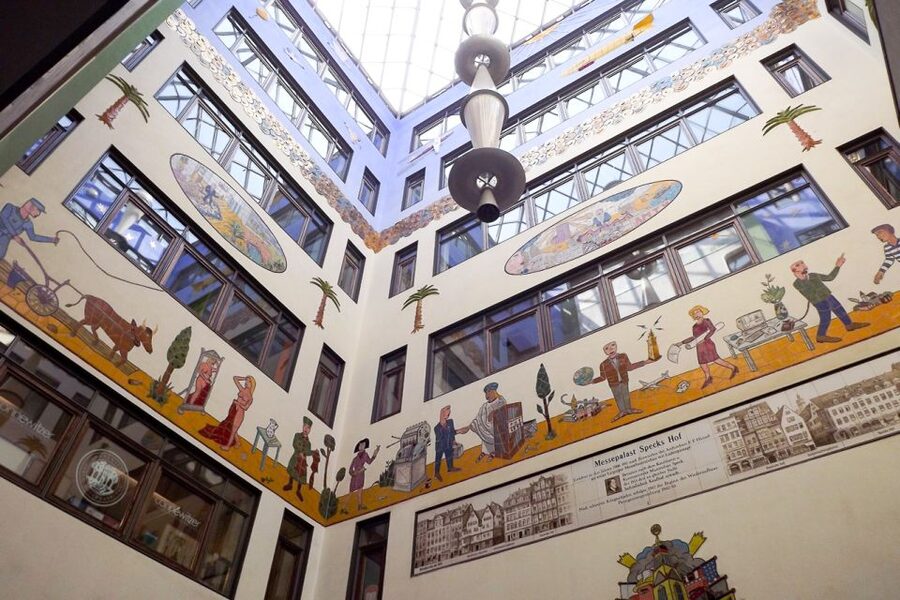
A big part of the tour’s charm is how it connects passages to a real need: moving through town without wasting time or turning around. The explanation ties the passage network to the Leipziger Messe courtyards, which were among the first shopping centers.
Here’s the useful context you’ll want to carry with you as you walk. In a trading town during big events, speed and flow matter. You don’t want traffic to get stuck. You don’t want supply routes to turn into bottlenecks. Leipzig’s layout helped accommodate the movement of visitors and goods.
The tour also brings in a classic Leipzig image: the world gathered in a nut shell, linked to Goethe’s idea of a tightly packed trading hub. That phrase is more than poetic marketing. It describes the feeling of commerce concentrating in a compact area, where many kinds of people and needs met within walking distance.
And there’s an extra historical detail that makes the architecture feel logical. Passages were ideal for horse-drawn carriages to travel through town without needing to turn around. That one sentence helps you read the city with new eyes, because it explains why so many routes are what they are. Instead of wondering why a passage exists, you understand why it was necessary.
Then, as exhibition houses were built, the present-day passage system took shape. So you see a city adapting as trade changed, using architecture to keep the movement efficient and the shopping convenient.

Old and new corridors: how architecture tells the trade story
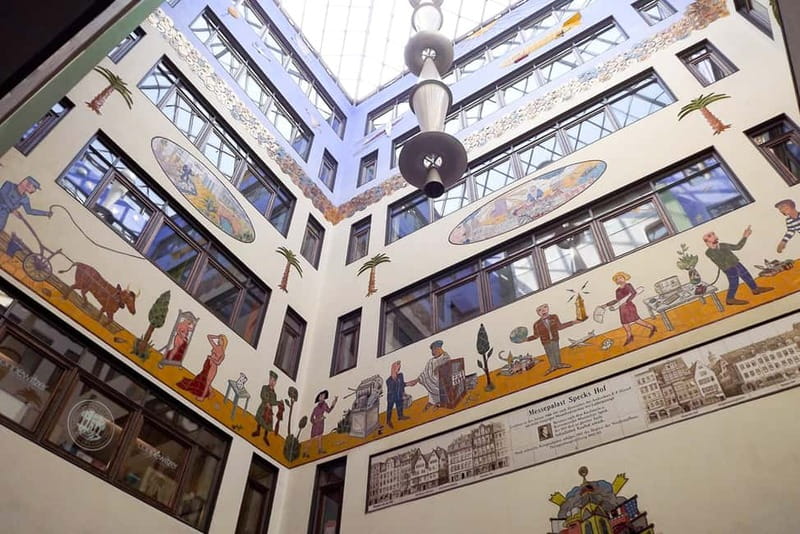
One of the tour’s strengths is the mix: you’ll see big and small, old and newer, and spaces that look like they’re actively used alongside corridors that feel quieter. That balance matters because it shows the passage system as living infrastructure, not a museum display.
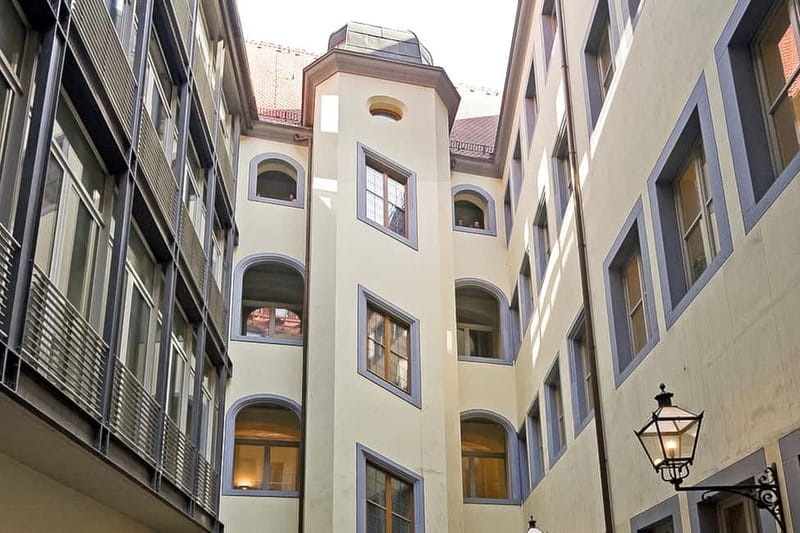
The guide’s approach helps you connect form to function. Passages and courtyards are designed to guide people through, but the style can vary. Some sections feel more formal or ornate. Others feel plain in a way that’s honest and practical. That variety is part of what makes Leipzig feel distinct.
You’ll also hear the idea that today the diverse and closed system of passages exists in Leipzig in a way that’s hard to find elsewhere. That makes the tour more than a short sightseeing hit. It becomes a focused look at a city feature that’s genuinely rare in its preserved form.
As you walk, keep a mental checklist:
- Do you notice where the route feels “designed” for crowd movement?
- Where does a courtyard create a pocket for meeting or shopping?
- Where does the passage feel like an indoor street meant for everyday browsing?
If you do this, the architecture stops being background. It becomes a map of trading habits.
What to expect from the guide, and why the walk works

This tour includes a trained guide and runs as a live German guided experience. That’s important because the passage network is easy to miss if you treat it like random hallways. A guide helps you understand what you’re looking at and why it exists.
Even within the 2-hour time frame, you should expect a tight route that hits the most meaningful spaces, including the standout Mädler Passage and the Messe-related courtyards and exhibition spaces. The rest of the time is spent filling in the context, walking through different passage types, and pointing out architectural differences.
Based on the tour’s overall rating of 4.8 (185 reviews), it’s clearly landing well for many people. The feedback tone you can reasonably expect from a tour like this is that it’s informative and enjoyable. Still, it’s also fair to plan for the fact that it is only 2 hours. If you love details so much that you want chapter-and-verse explanations, you might feel you could learn more. The fix is simple: do a bit of reading on your own right after the walk, while the places are still fresh in your mind.
Price and value: why $18 can be a smart spend
At $18 per person for a 2-hour guided experience, this tour sits in the “small price, big payoff” category for cities like Leipzig. You’re paying for a trained guide, live commentary in German, and a focused route through architecture that you might not fully understand on your own.
Also, the tour does not include food and drinks, and it does not include any entrance fees. That means you’re not subsidizing museum tickets. You’re paying mainly for interpretation and for access to a guided route through the city’s passage system.
So the value depends on what you like. If you’re the type who enjoys walking + learning how a city worked, $18 is reasonable. If you only want to snap a quick photo of one landmark, a longer walk with context might feel like too much for the time. The upside is that the route is designed for flow, so you’re not stuck in one spot.
Who should take this Passage Tour
This is a great fit if you like:
- Architecture with a reason, where the design connects to trade and movement
- City walks that give you orientation fast
- Leipzig’s old-town side, especially the trade and Messe atmosphere
It also works well for people who want a compact plan. A 2-hour guided walk is easy to plug into a day that includes museums, markets, or a casual evening stroll. Since you return to the meeting point, it’s also less stressful for your schedule.
Language note: this tour is German only. If your German is limited, you might still enjoy the physical experience, but you’ll miss the explanations that tie everything together. If that part matters to you, plan to use translation tools carefully or pair the tour with independent reading afterward.
Tips to get the most out of your two hours
A few small choices can make the tour feel much richer:
- Wear comfortable walking shoes. You’re moving through corridors and courtyards on foot.
- Bring a charged phone. You’ll likely want photos in the passage interiors where light and lines look different.
- If you’re curious about the architecture, stay close to the guide during transitions. Those are often the moments when the “why” clicks.
- Plan to linger briefly afterward near what you liked most. The tour teaches you how to see, but you may want a few extra minutes to look without group pacing.
If you treat it like a guided primer on Leipzig’s passage logic, you’ll feel rewarded by the time you’re back at Katharinenstr. 8.
Should you book this Leipzig courtyard and passage tour?
I think you should book this Courtyards, Houses, Trade Passage Tour if you want a well-focused Leipzig experience that explains how the city functioned as a trading hub and why the passage system looks the way it does. The highlight in Mädler Passage is reason enough to go, but the real value is how the tour ties that fame to the broader network of courtyards and corridors shaped by Leipziger Messe.
Skip it only if you hate guided walking, you want mostly outdoor views, or you’re not comfortable with German. For everyone else, it’s an efficient, low-cost way to see a distinctive side of Leipzig that you probably would not understand on your own.
FAQ
How long is the Leipzig Courtyards, Houses, Trade Passage Tour?
The tour lasts 2 hours.
Where does the tour start?
The meeting point is the Tourist information office at Katharinenstr. 8, Leipzig.
Does the tour end at the same meeting point?
Yes, the activity ends back at the meeting point.
Is the tour in English?
No. The live tour guide speaks German only.
What is the price per person?
The price is $18 per person.
Are entrance fees included?
No. Any entrance fees are not included.
Are food and drinks included?
No. Food and drinks are not included.
Can I cancel for a full refund?
Yes, you can cancel up to 24 hours in advance for a full refund.
Saxony Beyond Dresden
Everything else we filed on Leipzig
- Leipzig exclusive : Guided bike tour for a private group
★ 5.0 · 11 reviews - Mulled wine ride in the Leipzig New Zealand
★ 4.6 · 12 reviews - Wittenberg Private Walking Tour With A Professional Guide
★ 5.0 · 12 reviews - City tour on foot, by S-Bahn and tram
★ 4.5 · 12 reviews - The classic – experience Leipzig’s city centre
★ 5.0 · 13 reviews - Corpses, Leprosy, Lucifer 75-minute Tour at the Old Cemetery
★ 5.0 · 16 reviews
Leipzig and Saxony Tours, side by side.
 ★ 4.7Leipzig: City History Canal Sightseeing Tour on a MotorboatFrom $186,232 reviews
 ★ 4.6Leipzig: 1.5-Hour Public Tour with Night Watchman BremmeFrom $173,116 reviews
 ★ 4.5Dresden: Elbe River Cruise to Pillnitz CastleFrom $372,411 reviews
 ★ 4.7Combo Tour in Leipzig: Guided City Tour & City SightseeingFrom $252,317 reviews
 ★ 4.7Leipzig: 1.5-Hour Historical Walking Tour in GermanFrom $172,217 reviews
 ★ 4.8Leipzig: 2-Hour Guided Walking Tour in GermanFrom $181,612 reviews
 ★ 4.6Leipzig: 13-Stop Hop-on/Hop-off Bus TicketFrom $281,468 reviews
 ★ 4.5Gruseltour Leipzig: A Haunted Guided TourFrom $211,385 reviews
Other lists this tour is on