
REVIEW · LEIPZIG
Leipzig: Guided tour of the Federal Administrative Court
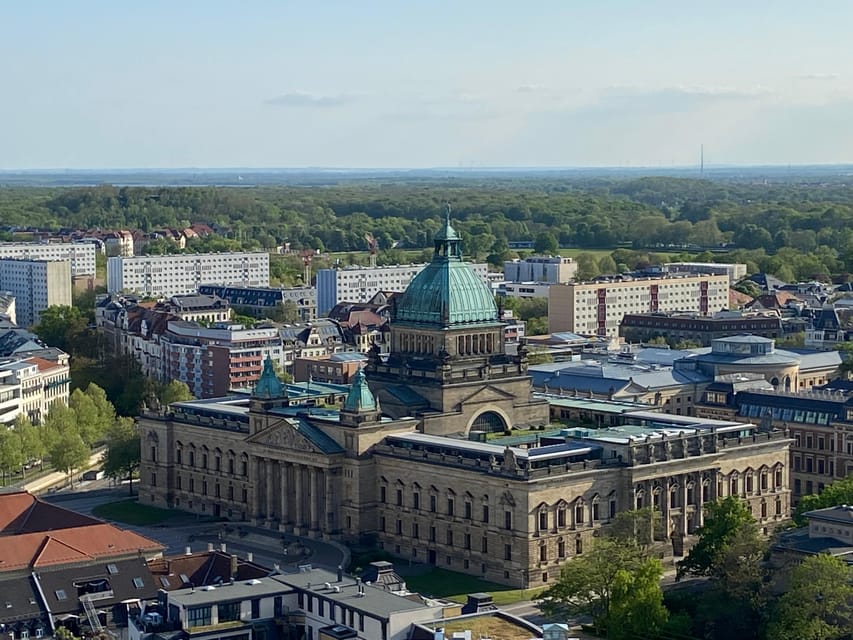
Walking into a courthouse can feel like time travel. This one takes you into Leipzig’s Federal Administrative Court, in a building originally built as a monumental symbol of the state’s third power. I like that the tour is led by certified tour guides, so the architecture and legal role connect in a way that actually makes sense.
My favorite parts are the dome hall and the chance to step into historic meeting rooms and learn what decisions happen here now. You also get a look at spaces tied to the court’s leadership, including the president’s apartment ballroom. One thing to consider: it is a German-only tour, so if your German is limited, you may have to rely on your own reading skills or visual cues rather than detailed explanations.
In This Review
- Key highlights you will notice right away
- The setting: Leipzig’s Federal Administrative Court in a former imperial-style landmark
- What you get in 90 minutes, and why it is good value for €16
- Starting point at Simsonplatz 1, and how to mentally prepare
- Stop 1: the dome hall, where scale becomes unforgettable
- Stop 2: historic meeting rooms, and what they teach you about judicial culture
- Stop 3: the ancestral gallery of judges, where tradition is visible
- Stop 4: the president’s apartment ballroom, a leadership space with ceremony
- Learning the court’s role, past and present, without getting lost
- The atmosphere tip: quiet departures can make the building feel even more imposing
- Who this tour is best for, and who might want something else
- Price, duration, and what to expect from the group experience
- Small rules that help the tour run smoothly
- How to make the most of your visit, even if you are not a legal expert
- Should you book this Federal Administrative Court tour?
Key highlights you will notice right away
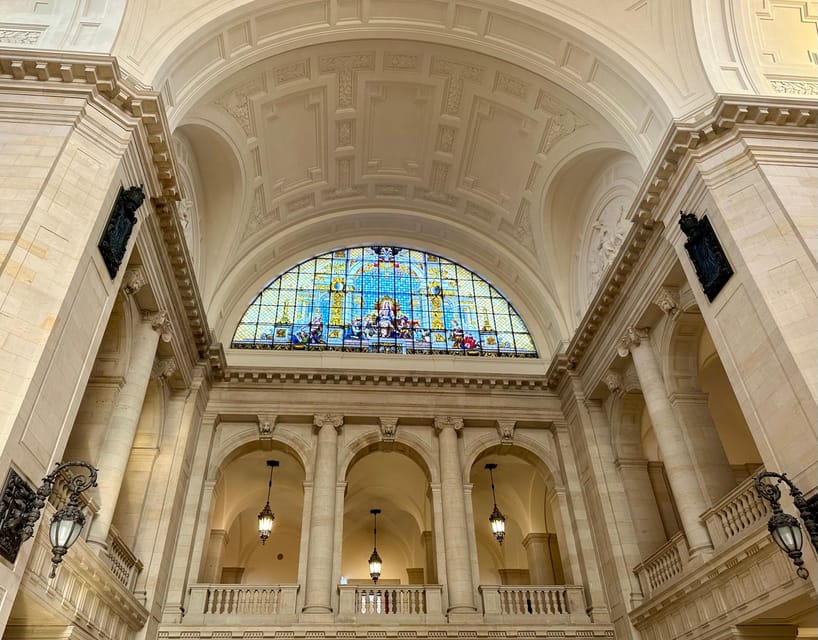
- Dome hall access that makes the building’s scale feel real, not just pictured
- Historic meeting rooms where you can picture older judicial negotiations in context
- Ancestral gallery of judges that visually links the court’s past to its present
- Presidential apartment ballroom for a rare look at leadership spaces within the court
- Court’s role explained clearly, from former operations to how it works today
Other Saxon towns we have written up
- Leipzig: City History Canal Sightseeing Tour on a Motorboat★ 4.7 · 6,232 reviews
- Leipzig: 1.5-Hour Public Tour with Night Watchman Bremme★ 4.6 · 3,116 reviews
- Combo Tour in Leipzig: Guided City Tour & City Sightseeing★ 4.7 · 2,317 reviews
- Leipzig: 1.5-Hour Historical Walking Tour in German★ 4.7 · 2,217 reviews
The setting: Leipzig’s Federal Administrative Court in a former imperial-style landmark
Leipzig’s Federal Administrative Court sits in an imposing structure that was built to communicate power and authority. The tour frames it as more than a pretty facade, it’s a working place of law housed in a building with strong political symbolism. That contrast is the hook, old state theater converted into a modern court function.
I love that this tour gives you a practical reason to care about architecture. You are not just staring at stonework. You are learning why these rooms, shapes, and ceremonial spaces mattered when the building was first used, and how they fit the court’s current life.
And because the guides are certified, the explanations stay grounded. You’ll hear how negotiations and decisions played out historically, then compare that with today’s legal processes, in plain language that helps you keep up.
What you get in 90 minutes, and why it is good value for €16
For $16 per person and about 1.5 hours, the value comes from access. You are not doing a quick look from the outside. You’re going inside with guided coverage of several major interior areas, including ceremonial and leadership-linked spaces.
In a city like Leipzig, it is easy to spend more time and money on general sightseeing that does not change how you see a place. This tour does change your perspective because it ties the building’s design to real institutional work. You finish with a mental map of what you saw, plus a clearer idea of what the court actually does.
The group is also kept to a tour format, which usually means you are moving efficiently from one room to the next without feeling rushed. Still, it is a relatively short duration, so if you want long, unstructured photo time, you might feel a little limited.
Starting point at Simsonplatz 1, and how to mentally prepare
You meet at the main entrance of the Federal Administrative Court, Simsonplatz 1, 04107 Leipzig. Plan to arrive a few minutes early so you can get settled before the guide begins. This matters more than you think, because the tour starts with orientation inside the building.
Before you go in, I suggest you mentally split the experience into two tracks: first, the architecture and decoration. Second, the court’s function, from past to present. If you keep both tracks in mind, the tour feels richer and not like two separate topics glued together.
Stop 1: the dome hall, where scale becomes unforgettable
The dome hall is one of the centerpieces of the tour. Even if you think you have seen domes in other European cities, this one lands differently because it belongs to a court environment, not a church or palace. The volume and design communicate authority, and the guide ties that feeling to how the court’s setting works.
What I like here is that the dome hall gives you perspective. It helps you understand why people might have experienced this building as a symbol, not just offices. The guide connects the visual impact to the building’s original purpose as a monumental emblem of the state’s third power.
Practical tip: wear shoes you can stand in comfortably. This is the kind of space where you will want to look up and around, and you don’t want stiff ankles ruining the moment.


Stop 2: historic meeting rooms, and what they teach you about judicial culture
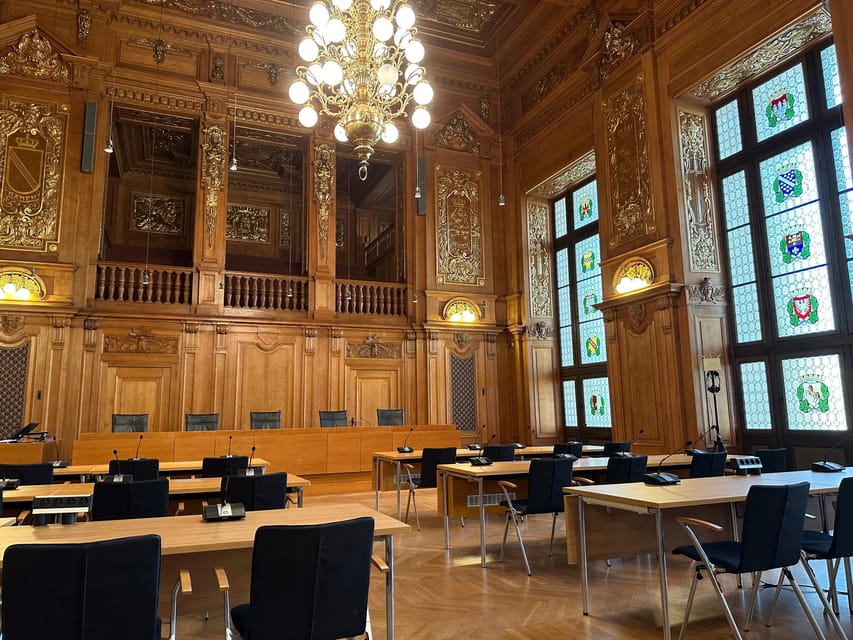
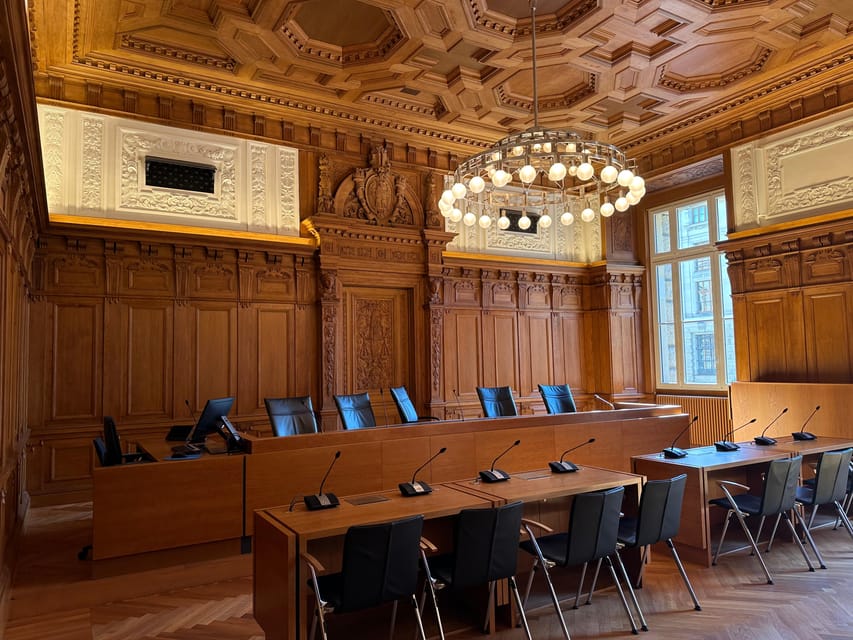
Next, you move into historic meeting rooms. This is where the tour stops being only about stone and starts acting like a lesson in how justice is communicated.
You will learn about how the court used to work compared with how it works today. Even if you are not a law nerd, you can still grasp the difference through the spaces. Historic meeting rooms help you imagine the negotiation atmosphere of earlier eras, when formality and ceremony carried extra weight in institutional decision-making.
One drawback to keep in mind: meeting rooms can feel quieter and more formal. That can be a plus, it sharpens your attention. But if you prefer very casual, talk-for-everyone explanations, the mood may feel more measured.
Stop 3: the ancestral gallery of judges, where tradition is visible
The tour includes the ancestral gallery of judges. This area is special because it is visual. Instead of only hearing about tradition, you can see it framed in how the court preserves and presents its judicial lineage.
I like that this stop offers a bridge between past and present. The guide uses it as a teaching moment: the court is not just an institution with new rules, it is also an institution with memory. That is the value for your understanding, it helps you recognize continuity rather than treating the court as something that appeared fully formed.
If you enjoy museums that show how power is organized through design, this is the section to pay extra attention to.
Stop 4: the president’s apartment ballroom, a leadership space with ceremony
One of the more surprising inclusions is the president’s apartment ballroom. It is not the sort of room most visitors expect to see on a courthouse tour, and that is part of what makes it memorable.
The ballroom helps you understand how leadership and ceremony were built into the building. Even without extra details beyond what the tour provides, you can feel the intended function: hosting, representing, and formal gatherings connected to the court’s stature.
I recommend treating this stop as a “context room.” Let your eyes read the space first, then listen to how the guide connects it to the court’s leadership and the building’s identity. It turns what could be just another room photo into a clearer story about how institutions used to present themselves.
Learning the court’s role, past and present, without getting lost
A big part of this tour is the explanation of the role of the court in Germany’s legal system, both historically and today. You get information on how the court used to work and how it works now. You also learn about the building’s broader meaning, originally tied to the idea of the third power in the state.
This is where the certified guides really matter. Court systems can sound abstract when explained in a textbook way. Here, the tour uses the rooms you stand in as anchors for the concepts. When the guide points out a space and explains the function behind it, you are less likely to tune out.
For you, that means you can leave with more than photos. You’ll leave with a better sense of what you saw and why it belongs in the legal system conversation.
The atmosphere tip: quiet departures can make the building feel even more imposing
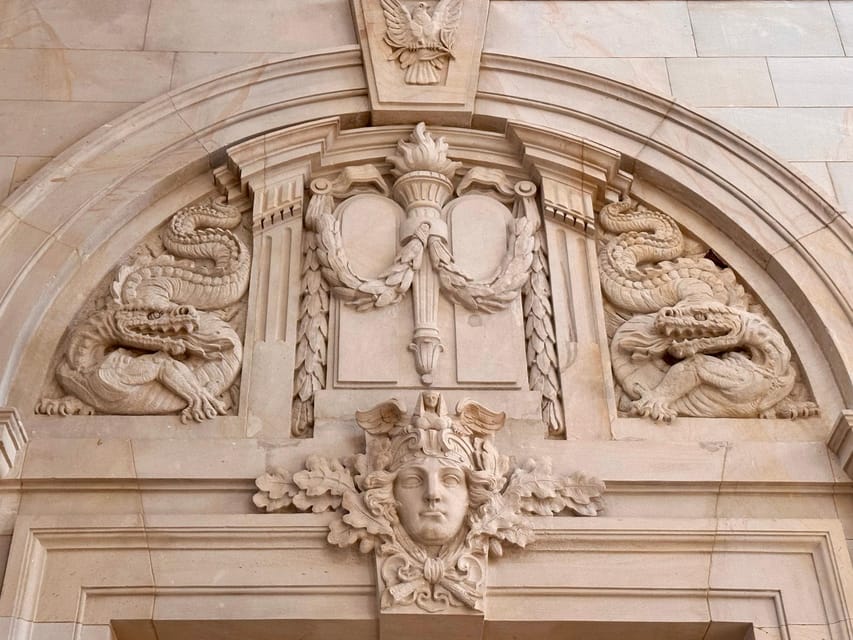
One of the most interesting notes from past experiences is the effect of timing. When the tour runs on a Sunday outside usual business hours, the emptiness can make the building feel even more imposing. Without the usual day-to-day bustle, you get a stronger sense of the building’s original ceremonial weight.
If you have flexibility, you might consider picking a departure that aligns with quieter times. It is not a guarantee, but it can change the feel from informative to almost cinematic, in a very understated way.
Who this tour is best for, and who might want something else
This is a strong match if you like any of these:
- Architecture and interior design, especially institutional buildings
- Courthouses, legal systems, or government history in a practical, explained way
- People who like guided access rather than wandering on your own
It may be less ideal if you want a more casual, chatty tour style with lots of optional detours, because you are moving through specific rooms and learning structured content.
Also, it is German only. If you are comfortable following spoken German for 1.5 hours, you will enjoy it more. If not, look at the tour as a visual architecture walk with guided interpretation that you may partially follow.
Price, duration, and what to expect from the group experience
The $16 price for a 1.5 hour guided tour is worth considering if you value guided interior access. This is not a “look from outside” activity. You are seeing multiple specific spaces, including the dome hall, historic meeting rooms, judges’ gallery, and a ballroom in the president’s apartment.
Because it is a live tour in German, the group experience stays organized. That tends to be a benefit for clarity. It also means you will likely have fewer chances to linger wherever you personally want, since the guide has a set sequence of stops.
Small rules that help the tour run smoothly
A few house rules are in place, and they help explain the setting. Pets are not allowed, food and drinks are not allowed, and backpacks and bags are not permitted. Assistance dogs are allowed.
Also, bachelor and bachelorette party groups are not allowed. These restrictions are common for secure buildings and controlled tours, and they also keep the experience focused.
If you travel light, this tour becomes easier. If you normally carry a day bag, you may need to plan what you bring.
How to make the most of your visit, even if you are not a legal expert
You do not need legal training. Here is how to get the most out of the experience:
- Go in thinking of it as architecture with context, not legal trivia.
- Watch for how each room connects to an explanation about past versus present court operations.
- Spend extra time in the dome hall and judges’ gallery, those are the spaces that help the whole story click.
- Keep an eye on what the guide emphasizes, because the tour is designed around the court’s role, not just decorative details.
If you like guided tours that help you read a building, this one fits your style.
Should you book this Federal Administrative Court tour?
I think you should book if you want a short, structured visit that gives both interior access and a clear explanation of what the court does, past and present. The price is low for the level of room access, and the combination of dome hall, historic meeting rooms, judges’ gallery, and the president’s ballroom makes it more than a one-room stop.
I would skip it if you cannot follow a German-only guide for 1.5 hours, or if you prefer free roaming over a planned route. If that sounds like you, you might get more satisfaction elsewhere.
If you do book, pick a departure that matches your comfort with crowds, and if you can choose timing, consider quieter slots that can make the building feel extra imposing. It is one of those small choices that can change how the place lands in your memory.
Saxony Beyond Dresden
Everything else we filed on Leipzig
- Leipzig exclusive : Guided bike tour for a private group
★ 5.0 · 11 reviews - Mulled wine ride in the Leipzig New Zealand
★ 4.6 · 12 reviews - Wittenberg Private Walking Tour With A Professional Guide
★ 5.0 · 12 reviews - City tour on foot, by S-Bahn and tram
★ 4.5 · 12 reviews - The classic – experience Leipzig’s city centre
★ 5.0 · 13 reviews - Corpses, Leprosy, Lucifer 75-minute Tour at the Old Cemetery
★ 5.0 · 16 reviews
Leipzig and Saxony Tours, side by side.
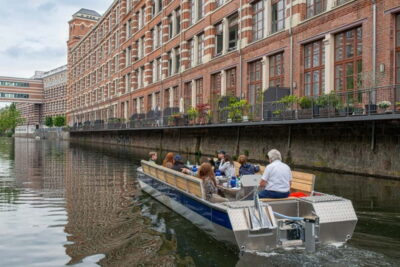 ★ 4.7Leipzig: City History Canal Sightseeing Tour on a MotorboatFrom $186,232 reviews
 ★ 4.6Leipzig: 1.5-Hour Public Tour with Night Watchman BremmeFrom $173,116 reviews
 ★ 4.5Dresden: Elbe River Cruise to Pillnitz CastleFrom $372,411 reviews
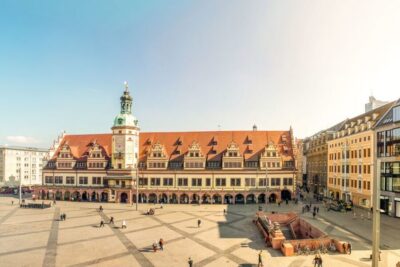 ★ 4.7Combo Tour in Leipzig: Guided City Tour & City SightseeingFrom $252,317 reviews
 ★ 4.7Leipzig: 1.5-Hour Historical Walking Tour in GermanFrom $172,217 reviews
 ★ 4.8Leipzig: 2-Hour Guided Walking Tour in GermanFrom $181,612 reviews
 ★ 4.6Leipzig: 13-Stop Hop-on/Hop-off Bus TicketFrom $281,468 reviews
 ★ 4.5Gruseltour Leipzig: A Haunted Guided TourFrom $211,385 reviews
Other lists this tour is on