
REVIEW · DRESDEN
Public guided tour of the old town including a tour of the Frauenkirche
Dresden has a way of telling stories. This guided old town walk is built around Frauenkirche inside details and the city’s Saxon landmarks, with a guide who paints scenes so you can follow the changes from earlier centuries through the big 20th-century turning points. I especially like the live, pictorial style of explaining, where you are not just hearing facts, you are getting the reason behind them as you stand in the exact spots.
Two more things I really liked: the stops feel tightly connected, so you understand Dresden’s layout and why places matter, and the pacing is built for real life, with time to look up, take photos, and keep moving even if weather needs a quick strategy. The main thing to consider is that this is a public tour in German, and while it includes an inside Frauenkirche visit, it is not marketed as an English-language group experience unless you arrange a private tour.
In This Review
- Key highlights at a glance
- Meeting at Neumarkt, then getting Dresden in your head fast
- Stallhof and Neumarkt: from knight-game grounds to Dresden’s rebuilt center
- Frauenkirche inside: altar, paintings, and the reconstruction story
- The Procession of Princes: reading 25,000 Meissen porcelain tiles
- Dresden Castle area and the Saxon Louvre idea
- Zwinger and Semperoper: Saxon culture landmarks without the stress
- Brühl Terrace viewpoints: from fortress wall to promenade over the Elbe
- Price and value: $16.59 for inside access and guided interpretation
- The guide style that earns repeat interest
- Who should book this tour, and who should consider something else
- Should you book this Dresden old town + Frauenkirche tour?
- FAQ
- How long is the guided tour?
- What does the tour cost per person?
- Where do I meet and where does it end?
- What days does the tour run?
- Is the tour in German?
- Do I need a printed ticket?
- What is the maximum group size?
- Can I cancel and get a full refund?
- Is the tour suitable for everyone, including service animals?
Key highlights at a glance
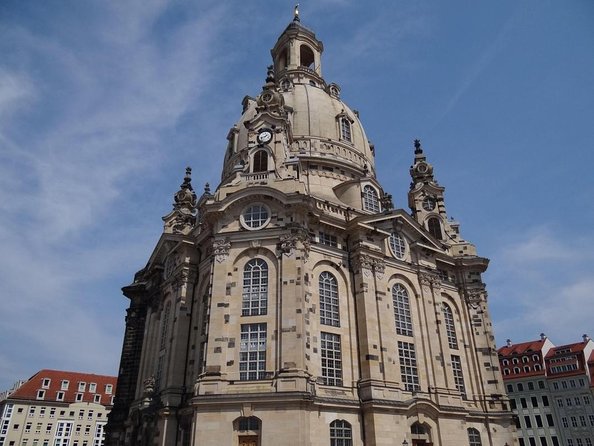
- Frauenkirche from the inside: altar, paintings, and the story of the historical reconstruction
- Small-group feel with a max of 25 people, so the walking tour stays manageable
- Procession of Princes explained as a visual project made of 25,000 Meissen porcelain tiles
- Residenzschloss area quick orientation plus an optional 13:30 castle exhibition tour on Mon, Wed, Fri, Sat
- Zwinger and Semperoper in one loop, so you get culture landmarks without a long detour
- Brühl Terrace viewpoints over the Elbe, flood plains, and the new town area
Other walks through the rebuilt old town
- Dresden: Semperoper Tickets and Guided Tour★ 4.7 · 12,102 reviews
- Dresden: Semperoper and Old Town Tour★ 4.8 · 5,735 reviews
- Dresden: City & Semperoper Guided Walking Tour★ 4.8 · 2,293 reviews
- Dresden: Gala Concert in the Dresden Zwinger★ 4.7 · 1,510 reviews
Meeting at Neumarkt, then getting Dresden in your head fast
This tour starts at Neumarkt 2, right in the center where Dresden makes sense fast. The timing is set for a satisfying morning visit, with a 10:30am start and an about 2-hour duration that fits well between other sightseeing.
What makes this feel efficient is how the guide links the stops. You do not wander. You walk with a storyline, and that is what helps the city click. I like tours like this when I arrive with only a few hours to spare, because you leave with a map in your head, not just photos on your phone.
There is also a practical comfort element. The guided system is designed so you can keep up while walking, pause for photos, and still get the full explanation. If weather turns, the tour is set up for shelter adjustments, so you do not spend the whole time frustrated under umbrellas or stuck in a rain bottleneck.
Stallhof and Neumarkt: from knight-game grounds to Dresden’s rebuilt center
Early on, you stop at Stallhof, described as the oldest fairground in Dresden. The guide’s job here is to connect the place to how it was used, including the tournament-court idea tied to knight games. It is a small stop, but it sets the tone: Dresden has layers, and you start hearing how those layers connect.
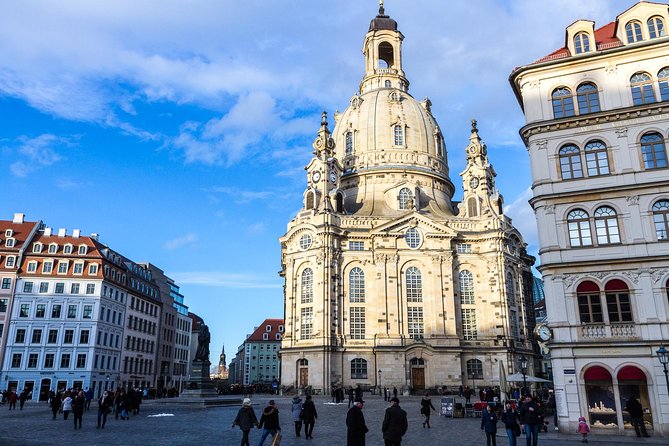
Next comes Neumarkt, the rebuilt historic center of Dresden with patrician palaces. This is where you begin to feel the difference between what is ancient and what is restored, and the guide can point out that balance directly from the streets around you. For me, Neumarkt is often the hardest area to understand if you are solo. With a guide, you get the big picture quickly: why the city looks the way it does now, and what the reconstruction aimed to restore.
If you like “how it became this” explanations, this portion is a good warm-up. The tour keeps it from becoming a list of buildings, by explaining why these spaces were important in the first place.
Frauenkirche inside: altar, paintings, and the reconstruction story
The Frauenkirche stop is the heart of the experience. You get exterior explanation, then you go inside for an inspection with a lot of attention to what you are actually seeing: interior design details, the altar area, the paintings, and the story of how the church was historically reconstructed.
This is where the tour earns its top marks. People highlight how the guide tells the story with passion, and I get that. In the Frauenkirche, you can’t really fake the emotion. The guide’s style is built around helping you notice what matters, not just where to stand.
One theme that shows up again and again is the post–World War II reconstruction narrative, and how it ties to later change all the way toward reunification. Even if you already know the basics, it helps to hear it while you are looking at the church interior, because the explanations land with weight. You end up understanding reconstruction as more than a timeline. It becomes a reason why certain choices were made in design and restoration.
Tip for your visit: slow down during the interior portion. This is not a quick glance-and-go stop. You will want to listen, look, and let the guide point things out before you start snapping photos.
The Procession of Princes: reading 25,000 Meissen porcelain tiles
After the church, you move to an artistic landmark tied to Saxon pride: the Procession of Princes. The key detail is that it is a large image made on 25,000 Meissen porcelain tiles. That number alone gets your attention, but the tour’s value is in how it turns a decorative feature into something you can interpret.
From a practical standpoint, this stop is great because you can stop, look, and actually see patterns. You are not just passing by a façade. You get a moment where the guide helps you connect the visual to the people and power of the region.
A possible drawback here is timing. The stop is listed as about 10 minutes, so if you want to study every figure or detail without rushing, you may want to return later on your own. Still, 10 minutes with guidance gives you enough direction that a follow-up visit feels easier, not overwhelming.



Dresden Castle area and the Saxon Louvre idea
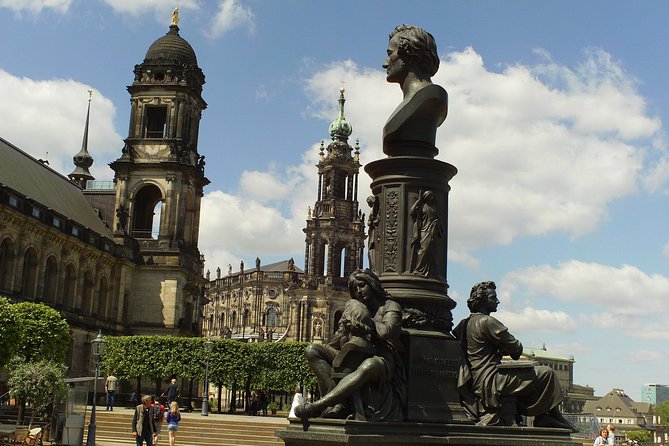
Next you get to Dresden Castle, described as the reconstruction of the Residenzschloss, often framed like a Saxon Louvre. The tour gives you orientation in the area while tying the reconstruction idea to how Dresden presents itself today.
There is a helpful extra detail in the schedule. On Mon, Wed, and Fri, plus Sat, the operator offers a castle tour of the exhibitions at 13:30. That means if your visit lines up with those days, you can plan more time around the castle rather than treating this as a one-hit look.
During the walking portion, you should expect shorter time at the castle stop, so think of it as orientation plus context. The guide helps you understand why this part of town matters, then you can decide if you want to invest more time later.
Zwinger and Semperoper: Saxon culture landmarks without the stress
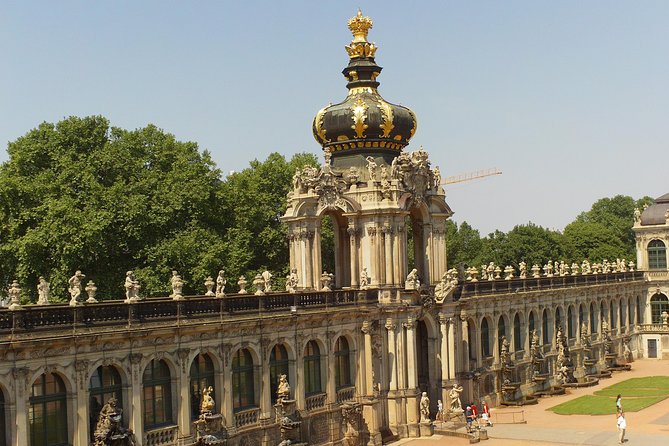
Then the route brings you to the Dresden Zwinger, described as the most famous fairground of Dresden. Even if you do not have museum plans, the Zwinger area is a standout because it is the kind of place that looks better when someone explains the purpose behind the design. With the guide’s pacing, it feels like the city’s cultural ambitions come through, not just the stone-and-columns look.
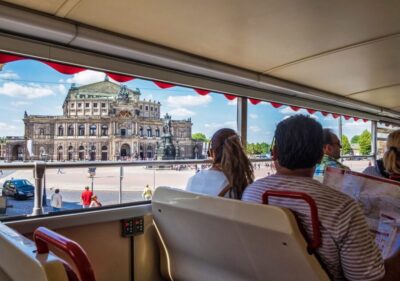
After that, you reach the Semper Opera House, also called the Semperoper. The tour frames it as one of the most beautiful opera houses in Germany, which is a classic case where the exterior makes the point even before you learn the details. If you want to go further, the tour notes you can combine a guided Semperoper visit with the city tour.
This combination advice is useful. If you like architecture and performance culture, you get a better day plan when you do not treat the opera house as a separate task requiring a separate day and separate logistics.
Brühl Terrace viewpoints: from fortress wall to promenade over the Elbe
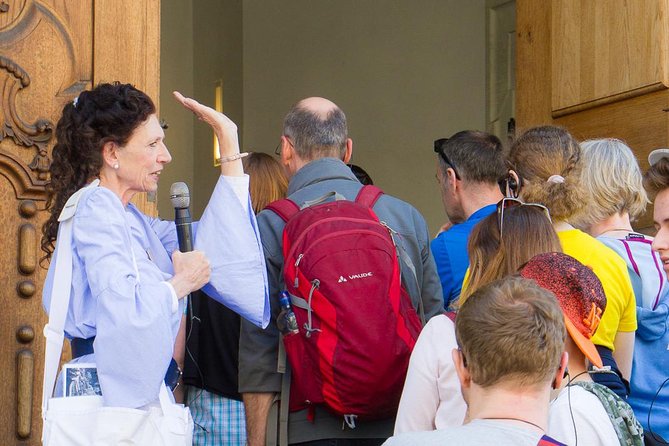
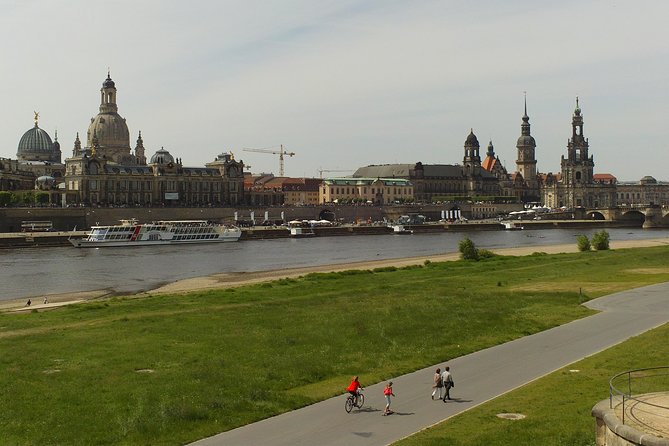
The final stretch brings you to Brühl’s Terrace, described as a former fortress wall now turned into a promenade. The payoff here is the view direction: you look out over the flood plains, the Elbe, and toward the new town area.
Even on a short tour, this kind of stop matters because it forces a change in perspective. After focusing on buildings and design details, you get a wider view that helps you understand how Dresden sits in relation to the river and surrounding areas. It is the kind of moment that makes the earlier explanations easier to remember later.
The stop time is about 10 minutes, so you will not linger for an hour. But you will have enough time to take in the view, hear what the guide says about the area’s role, and then move on without the whole tour losing momentum.
Price and value: $16.59 for inside access and guided interpretation
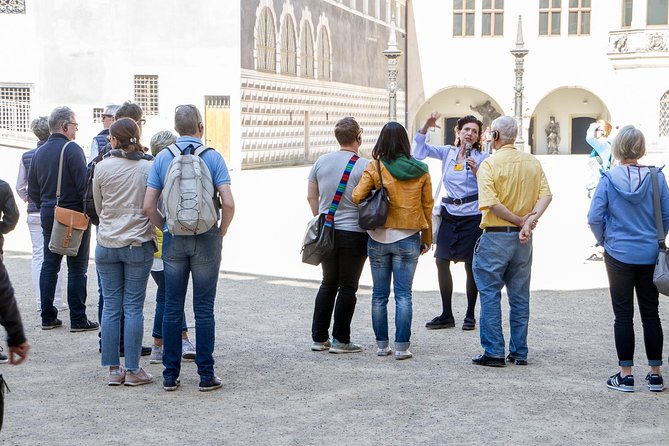
At $16.59 per person, this is one of those deals that makes sense fast if you are the type of traveler who values interpretation. You are not paying for just a walk. You are paying for a guided route that includes the Frauenkirche interior inspection, plus a guided pass-by and explanation of major landmarks like the Zwinger, Semperoper, and the Brühl Terrace.
Another value point is that the listed stops are marked as admission ticket free. In plain terms, you should not need a separate ticket scramble for the included moments, which keeps the day smoother and helps you stay focused on the story.
The tour is also capped at 25 people. That size matters. If you end up in a very crowded group, inside church time can get miserable. A smaller cap helps the guide manage the pace and keep attention where it belongs.
One more practical detail: the tour uses a mobile ticket. If you like traveling light, this is a small convenience that actually matters.
Booking timing is also worth noting. It is stated that, on average, this is booked about 38 days in advance. So if you have dates you care about, plan ahead a bit rather than gambling on last-minute spots.
The guide style that earns repeat interest
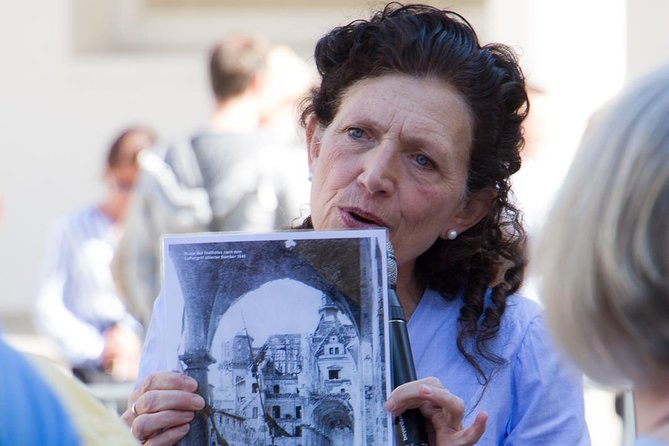
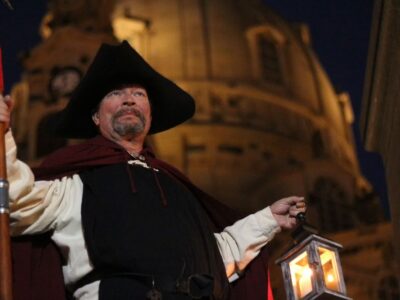
The reviews’ strongest theme is the guide’s storytelling. People call out that explanations feel lively and that the guide seems to speak with real involvement. You can also see it in the way the tour is described as spoken live and pictorially, including head-cinema style time travel and background details that many standard sightseeing walks do not cover.
One name that comes up is Frau Renger. If you happen to get her, it sounds like you will get a presentation style that mixes historical explanation with lighter, fun details. That combination is not just entertainment. It helps your brain sort information into chunks, so you remember it later.
There is also mention that the tour repeatedly touches on reconstruction after World War II, and it extends the story onward to reunification. That is a big reason this tour works for first-time Dresden visitors. It gives you context that otherwise takes weeks of reading.
Who should book this tour, and who should consider something else
This tour is a great fit if you want an efficient, guided introduction to Dresden’s main landmarks, with special emphasis on the Frauenkirche interior and the city’s reconstruction story. It is also a smart choice if you prefer live guidance instead of self-guided scrolling.
You should consider the language factor seriously. This is a public tour in German. If you do not read or understand enough German to comfortably follow the live explanations, you will likely want a private tour option in English or another language through the operator.
It also fits families in a practical way. The description notes that up to 16 years old is free. If you are traveling with kids who can handle a couple hours of walking and listening, it can be a good value day.
A small heads-up: one posted review mentions a canceled visit with refund and no explanation, plus a changed program on specific dates. That is not enough to panic, but it is a reason to keep an eye on updates and have a flexible mindset if you are visiting around busy times.
Should you book this Dresden old town + Frauenkirche tour?
If you want to understand Dresden, not just photograph it, I would book this. The biggest win is the Frauenkirche inside inspection paired with a walk that connects other key sights into one story. At $16.59, you are paying for guided interpretation, and it sounds like the guide’s style helps the information stick.
Book it especially if you have limited time, you like reconstruction and historical context, or you want an easy way to orient around Neumarkt and then end in the city center near the Residenzschloss area. If language is a concern, treat the public German format as your deciding factor, and look into a private English option.
FAQ
How long is the guided tour?
The tour is about 2 hours.
What does the tour cost per person?
The price is $16.59 per person.
Where do I meet and where does it end?
You start at Neumarkt 2, 01067 Dresden, Germany. You end at Taschenberg 2, 01067 Dresden, Germany, often in the city center near the Residenzschloss.
What days does the tour run?
From February to December, it runs on Mon / Wed / Fri / Sat.
Is the tour in German?
Yes, this is a public guided tour in German.
Do I need a printed ticket?
No, it uses a mobile ticket.
What is the maximum group size?
The tour has a maximum of 25 travelers.
Can I cancel and get a full refund?
Yes. Free cancellation is available up to 24 hours in advance for a full refund.
Is the tour suitable for everyone, including service animals?
Service animals are allowed, and it states that most travelers can participate.
Dresden Baroque, Reviewed
Everything else we filed on Dresden
- Outdoor escape game – the magical portal
★ 5.0 · 11 reviews - City Tour and Guided Tour in the New Green Vault – Program C – The Festive
★ 5.0 · 11 reviews - Bohemian and Saxon Switzerland Day Trip All inclusive-Winter Tour
★ 5.0 · 11 reviews - Escape Game Outdoor: Operation Mindfall
★ 5.0 · 12 reviews - Moritzburg: Scavenger Hunt Self-Guided Walking Tour
★ 4.8 · 12 reviews - Dresden: Bike Rental – City Bike with Option Children Seat
★ 4.5 · 13 reviews
Dresden Old Town and Zwinger Tours, side by side.
 ★ 4.7Dresden: Semperoper Tickets and Guided TourFrom $1812,102 reviews
 ★ 4.8Dresden: Semperoper and Old Town TourFrom $335,735 reviews
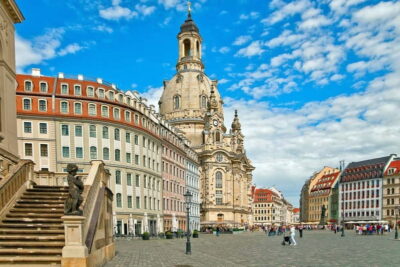 ★ 4.8Dresden: City & Semperoper Guided Walking TourFrom $312,293 reviews
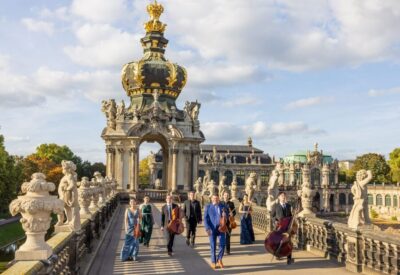 ★ 4.7Dresden: Gala Concert in the Dresden ZwingerFrom $411,510 reviews
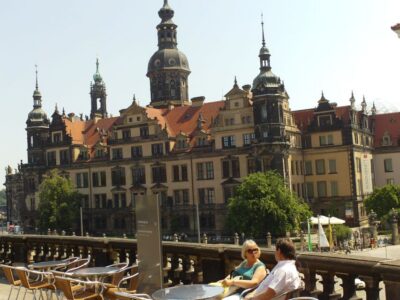 ★ 4.8Dresden: Complete Walking Tour with Frauenkirche VisitFrom $16700 reviews
 ★ 4.6Dresden: Semperoper Guided Tour for FamiliesFrom $18430 reviews
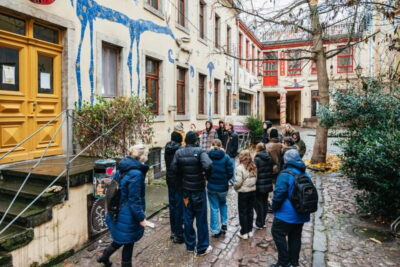 ★ 4.4Dresden: Neustadt District Street Art Guided Walking TourFrom $17267 reviews
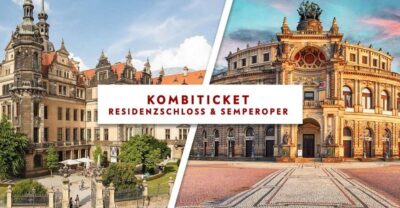 ★ 4.5Dresden: Semperoper and Royal CastleFrom $32207 reviews
Other lists this tour is on