
REVIEW · BERLIN
Berlin: Entry to Alte Nationalgalerie
Berlin’s old gallery packs real power.
The Alte Nationalgalerie is fascinating because it brings together 19th-century Germany and France in one walkable museum stop, with major works like Friedrich’s The Monk by the Sea and French Impressionists such as Manet, Monet, and Renoir. I also love how the collection follows changing styles across the century, from Classicism and Romanticism to Impressionism and early Modernity. One thing to plan around, though, is that parts of the museum (like specific floors) can be closed during certain visits, so your must-sees may not all be on view.
If you want value, this is hard to beat: the price is $14 per person, you get a ticket plus an included audio guide, and you can skip the ticket line. Just remember the basic rules, like entering within 15 minutes of your booked timeslot and no backpacks inside.
In This Review
- Key things that make this visit worth your time
- Where the Alte Nationalgalerie fits on Museum Island
- Timed entry, skipping lines, and your best arrival move
- What you actually get inside: ticket plus audio guide
- The collection journey: from Classicism to early Modernity
- Romanticism spotlight: Friedrich and the emotional sky
- 19th-century realism and the working world: Menzel’s Eisenwalzwerk
- Impressionists and the high note of French painting
- Sculpture moments: Sleeping Beauty and the marble you can almost feel
- Where early Modernity and the Sezession feeling show up
- How to pace your visit so you actually absorb it
- Practical tips: bags, time windows, and smooth entry
- Is it worth $14? Value check for your time in Berlin
- Should you book this Alte Nationalgalerie entry?
- FAQ
- How much is entry to the Alte Nationalgalerie?
- How long is the ticket valid?
- Where do I meet for the entry to the Alte Nationalgalerie?
- What is included with the ticket?
- What is not included?
- Can I skip the ticket line?
- Are backpacks allowed inside?
- Is the museum wheelchair accessible?
Key things that make this visit worth your time
- Museum Island UNESCO setting: The Alte Nationalgalerie sits on Spree Island in a UNESCO World Heritage complex, so your visit has an extra sense of place.
- A style-by-style route through the 1800s: You see Classicism, Romanticism, Biedermeier, Impressionism, and early Modernity in one coherent sweep.
- Big-name highlights in a small-to-medium museum: Expect famous works such as Friedrich’s The Monk by the Sea, Menzel’s Eisenwalzwerk, and Group of Princesses.
- Impressionists plus German 19th-century art in the same stop: You can compare moods and techniques without hopping between distant museums.
- Audio guide helps you slow down: The audio guide makes it easier to connect the dots between paintings, sculptures, and themes.
- Check which floors are open that day: Some visitors noted closures on certain levels, so confirm before you lock in your schedule.
Where the Alte Nationalgalerie fits on Museum Island
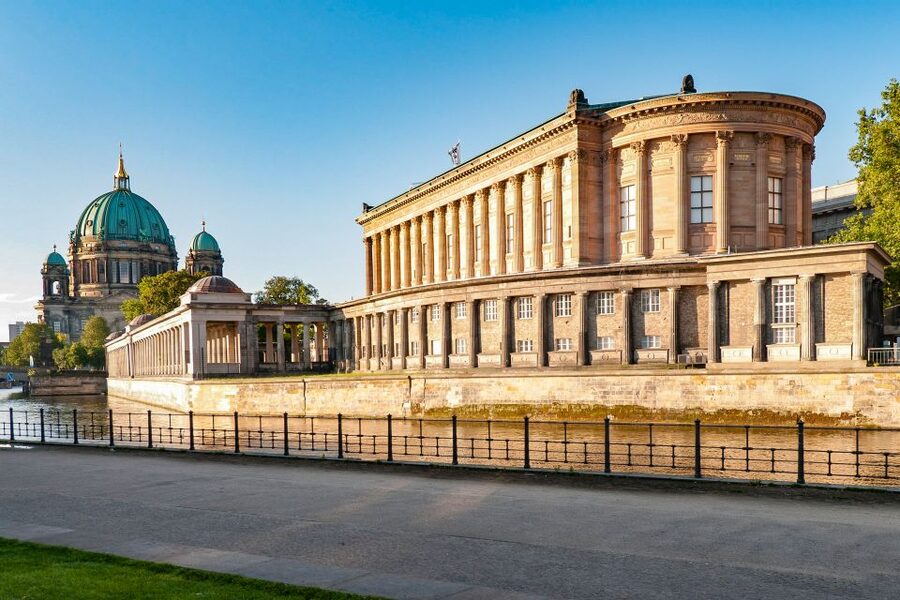
The Alte Nationalgalerie is part of Berlin’s Museum Island UNESCO World Heritage Site, which means you are not just walking into a museum. You are entering a whole plan for how Berlin wanted to present culture, learning, and public life. The museum’s origin story is tied to the ambition of Friedrich Wilhelm IV, and later it was shaped by a major donation from banker Joachim Heinrich Wilhelm Wagener. That donation included works linked to the Dusseldorf school of painting and Belgian history painters, which set an early tone for the collection.
The museum opened in 1876 as the third museum on Spree Island. After the fall of the Berlin Wall, it took on its modern identity as the Alte Nationalgalerie for 19th-century art. That background matters because the building is still designed for a steady, orderly experience: you move from one era to the next without the feeling of random wandering.
Timed entry, skipping lines, and your best arrival move
This experience is built around timed entry, valid for 1 day. You pick a starting timeslot when you book, then you should arrive ready to go. The key practical rule is simple: enter the museums within 15 minutes of your timeslot.
You also get the advantage of skipping the ticket line. In practice, that saves you stress and time at one of Berlin’s popular museum nodes. Your meeting point is the Visitor’s Entrance of the Alte Nationalgalerie at Bodestraße 10178 Berlin, and the activity ends back at the same place.
Two small tips that keep your visit smooth:
- Show up with a plan for how long you want to spend, because your entry is tied to a specific window.
- Leave anything that counts as a backpack at home or plan an alternative. Backpacks are not allowed.
What you actually get inside: ticket plus audio guide
You are not just paying for access to rooms. You are getting a ticket for the Alte Nationalgalerie plus an included audio guide. That combo is great for this kind of museum because the collection spans multiple movements, and a guide helps you understand why a painting or sculpture belongs where it does.
The audio guide is especially useful when you want to enjoy the art at your own pace, without relying on a group tour schedule. You can stop, read, listen, and then keep moving as you like.
Also keep your eyes open for what the museum offers on-site. The museum runs exhibition talks and guided tours with themes for both children and adults. If you are the type who likes a short explanation before you explore, this can be a good add-on during your visit.
The collection journey: from Classicism to early Modernity
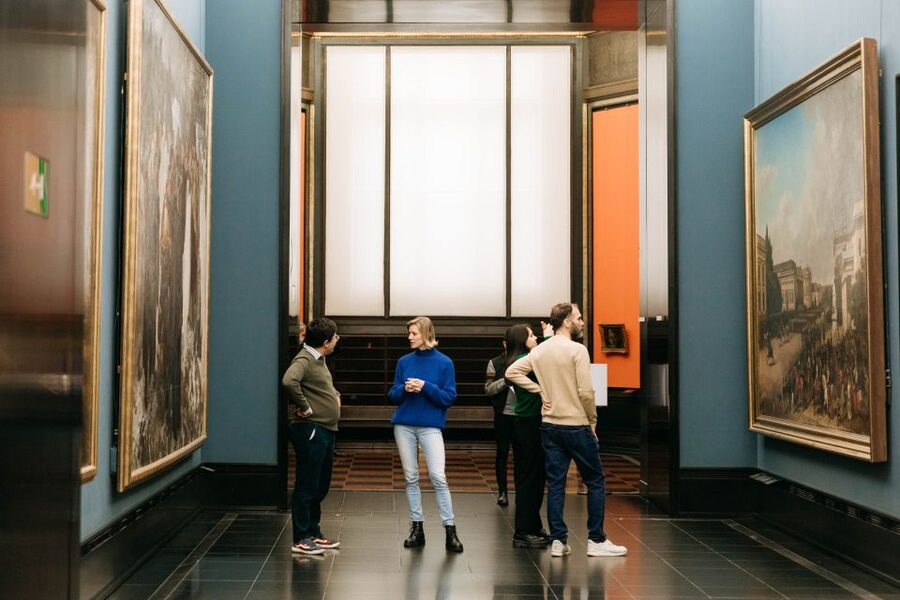
What makes the Alte Nationalgalerie feel satisfying is that it does not treat the 1800s as one uniform style. It shows the century in motion.
You’ll see works tied to:
- Classicism
- Romanticism
- Biedermeier
- Impressionism
- early Modernity
That matters because you can compare how artists handled light, emotion, and everyday life as the century changed. Instead of just seeing famous names, you start to notice patterns. For example, Romanticism pushes for atmosphere and feeling, while Impressionism leans into how light lands in real time. Early Modernity then nudges you toward experimentation, including works that connect to the later Sezession spirit of the late 19th century.
Romanticism spotlight: Friedrich and the emotional sky
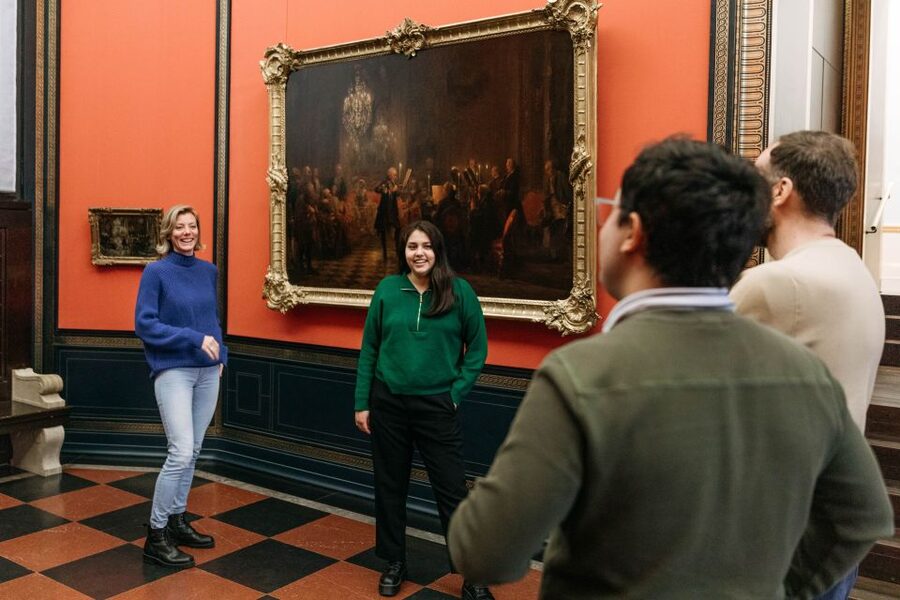
If you are drawn to art that feels like a mood, start by looking closely at the Romantic corner of the museum. One of the headline works is Friedrich’s The Monk by the Sea. It’s a powerful image, not because it is loud, but because it feels quiet and vast at the same time. The result is that your own attention changes. You stop scanning and start looking slower.
Along with that, you may also want to look for works like The Gothic Cathedral at the Water and the Group of Princesses. Together, these titles signal how Romantic-era art often used architecture, figures, and strong silhouettes to create emotion, not just decoration.
A practical way to enjoy this section:
- Spend a little extra time from the first Romantic room onward.
- Listen to the audio guide explanation before you move on, then compare how the next room feels.
19th-century realism and the working world: Menzel’s Eisenwalzwerk
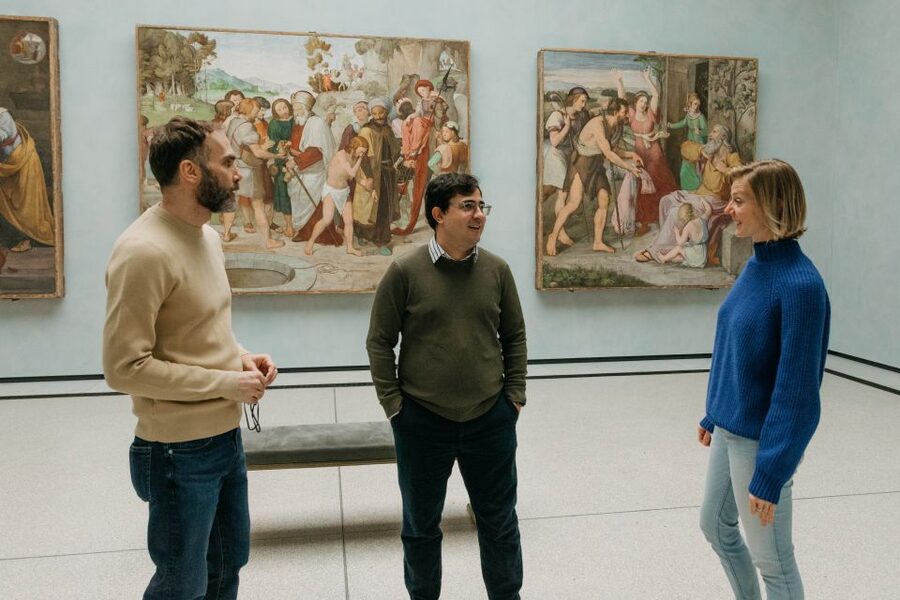
Classic art stories are nice, but I love that this museum also gives you a window into more everyday themes from 19th-century life. One of the highlights is Menzel’s Eisenwalzwerk. This kind of subject helps balance the grand emotion and mythic scenes you might see elsewhere in the galleries.
When you look at a work like this, you start to notice how artists handled structure, machinery, and the human scale around modern industry. It’s a reminder that the 1800s were not only about romance and revolutions. They were also about work, production, and the changing look of cities.
Impressionists and the high note of French painting
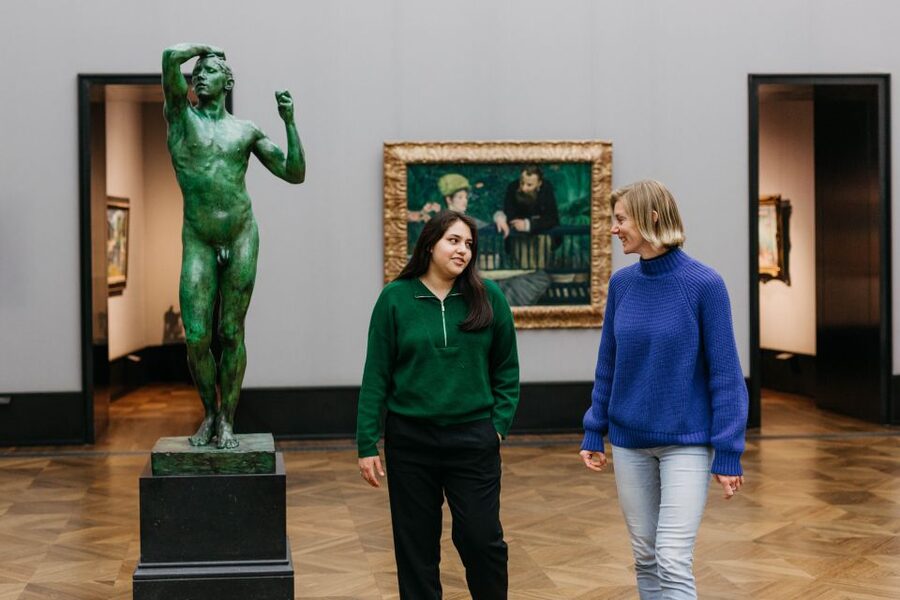
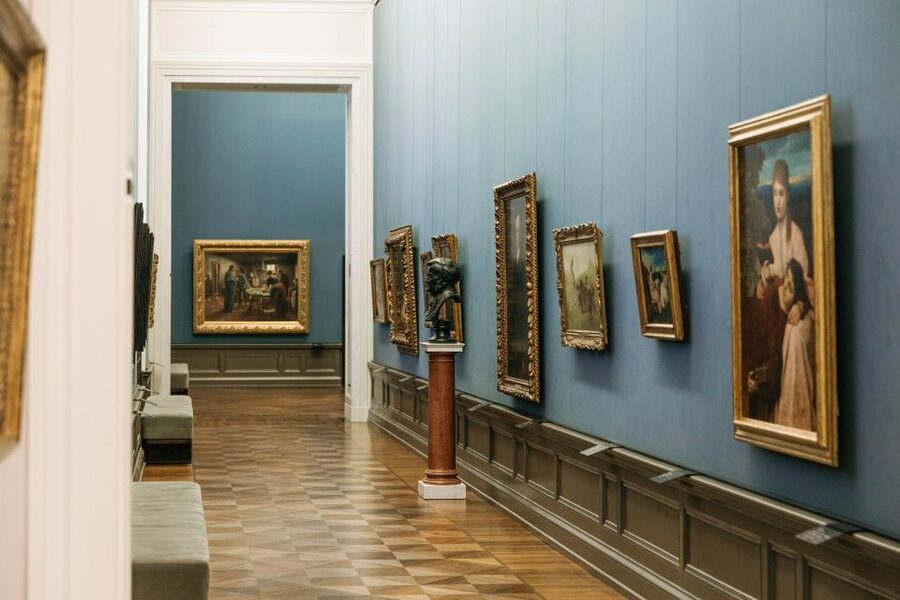
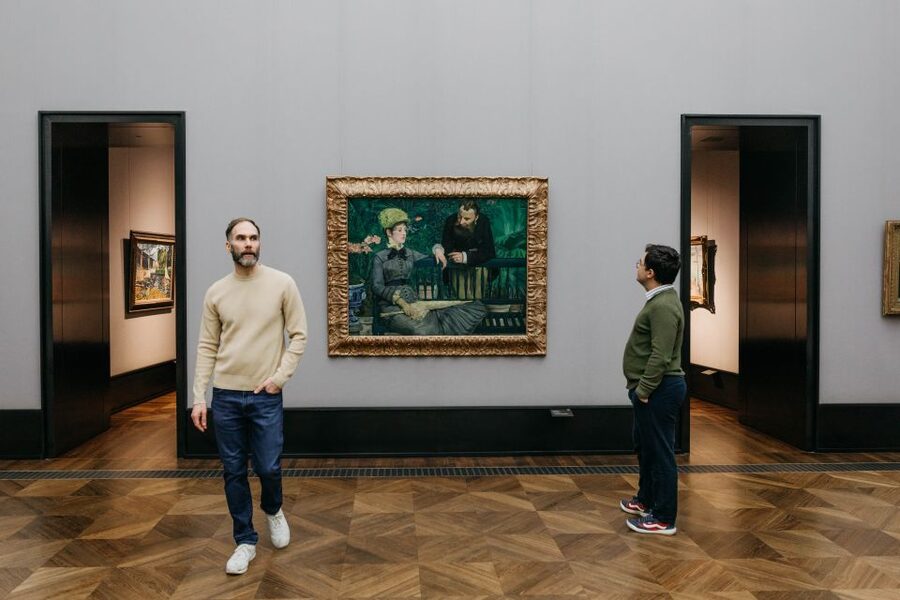
The Impressionist section is often the reason people pick this museum. You’ll find French Impressionists represented by artists such as Manet, Monet, and Renoir.
One important consideration, though: not every room may be open on every visit. Some visitors noted that the Impressionist-focused second floor could be closed during their time there, and another mentioned the third floor not being available. I can’t promise your exact route will match what you see in photos.
So here’s how I’d plan:
- Identify which areas you care about most before you arrive.
- Be ready to pivot if you walk into a closed section.
- Use the audio guide to refocus. Even if one floor is down, there are usually other works nearby that keep the overall story going.
If you end up getting the Impressionist rooms you want, this is the section where the museum feels most modern. You get color, light, and brushwork that makes the whole century feel closer to today.
Sculpture moments: Sleeping Beauty and the marble you can almost feel
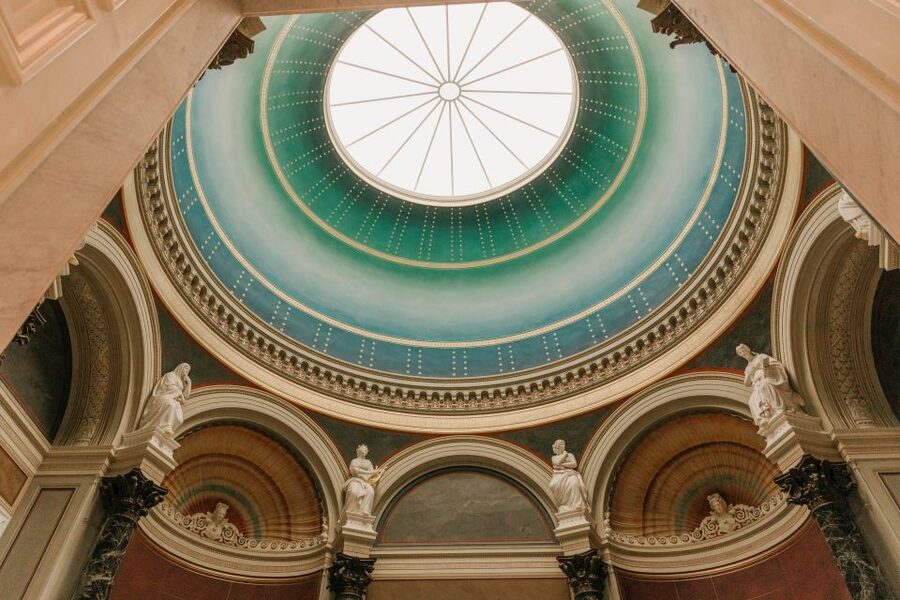
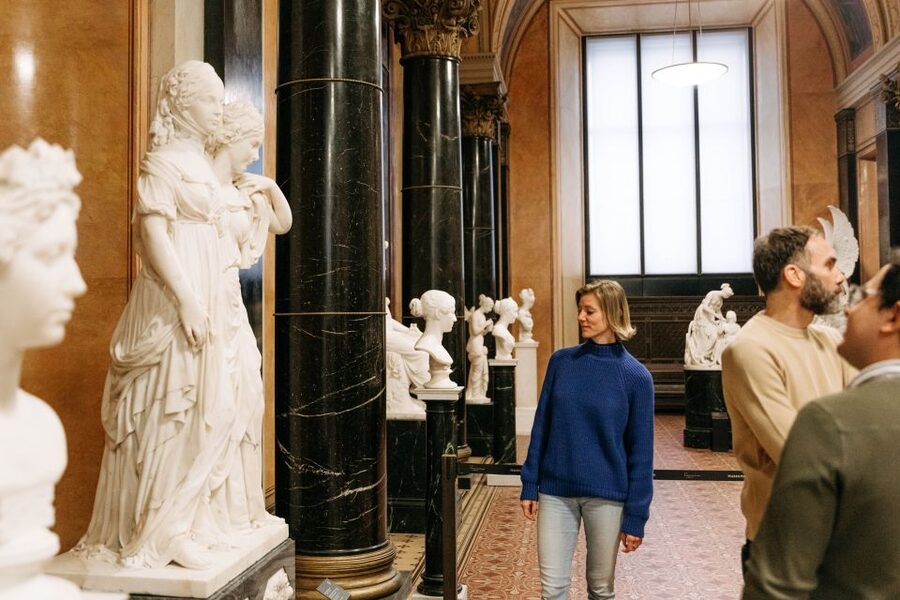
Not all the impact here is on canvas. You’ll also find sculpture, including Sleeping Beauty. This is the kind of piece that changes how you experience the rooms, because your eye shifts from surface and light to form and presence.
Sculpture is also a good break if you’ve been on paintings for a while. It gives your brain a different set of questions to answer: proportion, gesture, and texture.
Another strong highlight is the Shadow marble tomb for Count Alexander von der Mark from 1790. A tomb is more than a memorial. It’s design, hierarchy, and symbolism all at once. If you find yourself drawn to how art communicates status and belief, don’t skip that kind of sculpture and memorial work.
Where early Modernity and the Sezession feeling show up
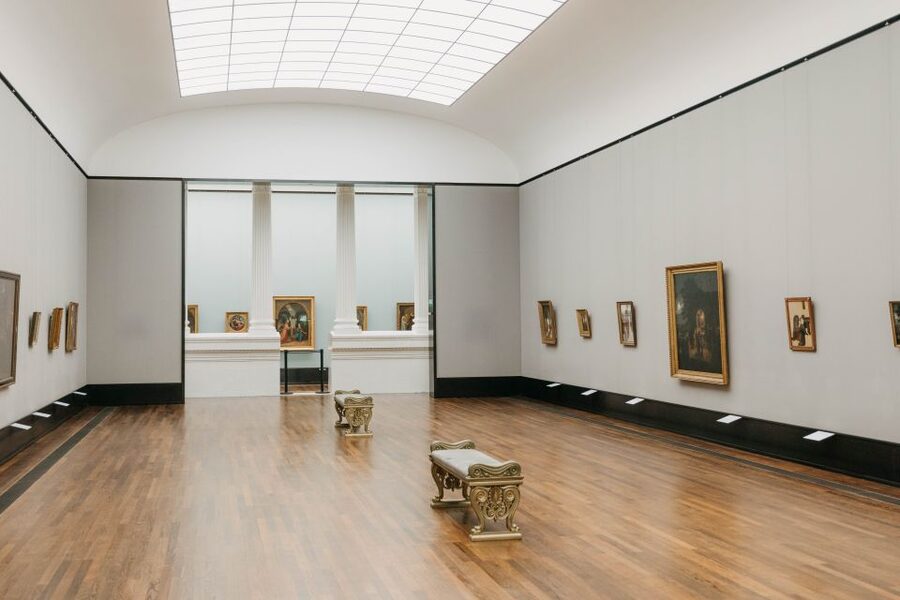
One surprise is how much the museum can connect to later turns in art. In particular, visitors have pointed out seeing works and drawings tied to artists such as Max Liebermann, Franz von Stuck, and Gustav Klimt, with connections to the Sezession era (1880 to 1920).
Even if you came for the big Impressionists, these touches help you understand how the 19th century fed the next wave. You start to see the shift from traditional academic subjects toward bolder themes, unusual compositions, and a growing interest in modern identity.
A couple other details worth noting if you like “the museum as a whole experience”:
- At the end of the route, there is a series of self-portraits that can feel like the finishing credits of a story.
- You may also notice poster series for art exhibitions, which helps you feel how the institution thinks and what it chooses to promote.
How to pace your visit so you actually absorb it
This museum works best when you do not rush. The collection is broad, but you can still get through a lot by using smart pacing.
My recommended approach:
- Start with one “anchor” era, such as Romanticism or Impressionism.
- Use the audio guide for transitions, not for every single object.
- Take quick breaks by switching mediums, like going from painting to sculpture.
Also, expect that you will want to circle back at least once. The room-to-room flow encourages comparison. If you stay open to seeing how one movement answers another, the visit becomes more than a checklist.
Practical tips: bags, time windows, and smooth entry
A few rules and details can make or break your morning:
- Backpacks are not allowed. Plan a small day bag or use whatever storage option you normally use for museums.
- Enter within 15 minutes of your timeslot. Late entry can mean losing your entry window.
- The building is wheelchair accessible, and the entire museum is wheelchair accessible.
If you are moving with limited mobility, this is a good museum choice because access is built in. Still, on busy days it can help to ask staff the simplest route to your priority rooms once you enter.
And because closures can happen, it’s wise to keep your day flexible. If one floor is closed, you can still get value by focusing on the masterpieces that remain open.
Is it worth $14? Value check for your time in Berlin
At $14 per person, this is a strong value if you want a dense 19th-century hit without paying museum-hopping prices. You get:
- Ticket to the Alte Nationalgalerie
- An included audio guide
- A skip-the-line entry approach that reduces time wasted in queues
The main reason it can be a great buy is how much variety you get in one stop: Classicism, Romanticism, Biedermeier, Impressionism, early Modernity, plus sculpture and memorial art.
The only situation where I would hesitate is if you have a single, ultra-specific must-see that you know depends on a closed floor. Since some floors can be shut at certain times, you should build a Plan B for what you’ll see even if part of the museum is not open.
Should you book this Alte Nationalgalerie entry?
Book it if you want a high-impact, self-paced museum visit on Berlin’s Museum Island, with major 19th-century masterpieces and an audio guide included. It’s a particularly good choice if you like seeing movements in sequence, not as separate museum detours.
Skip or reconsider if you are traveling on a very tight schedule and you cannot tolerate any surprises, because closures can happen on specific floors. If that risk would stress you out, you could still visit the museum, but treat this ticket as a general entry solution, not a guarantee that every single room will be available.
If you time it well and come with at least a couple priorities, the Alte Nationalgalerie is exactly the kind of place where your attention gets rewarded. You walk in for famous names, then you leave with a clearer sense of how the 1800s changed, one room at a time.
FAQ
How much is entry to the Alte Nationalgalerie?
The price is $14 per person.
How long is the ticket valid?
It is valid for 1 day. You check availability to see starting times.
Where do I meet for the entry to the Alte Nationalgalerie?
You meet at the Visitor’s Entrance of the Alte Nationalgalerie, Bodestraße 10178 Berlin.
What is included with the ticket?
Your ticket includes entry to the Alte Nationalgalerie and an audio guide.
What is not included?
Transportation and tickets to other museums on Museum Island are not included.
Can I skip the ticket line?
Yes, this experience includes skip-the-ticket-line entry.
Are backpacks allowed inside?
No, backpacks are not allowed.
Is the museum wheelchair accessible?
Yes, the entire building is wheelchair accessible.
Berlin Museum Island and Gallery Tickets, side by side.
 ★ 4.6Berlin: Madame Tussauds Admission TicketFrom $253,941 reviews
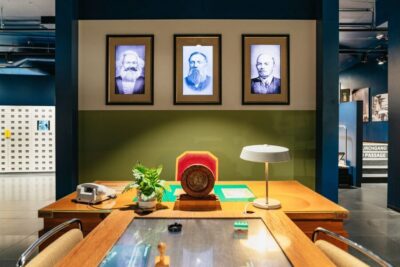 ★ 4.3Berlin: DDR Museum TicketsFrom $153,443 reviews
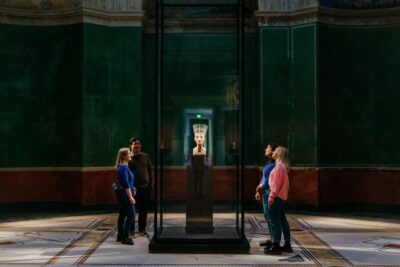 ★ 4.6Berlin: Neues Museum Entry TicketFrom $163,261 reviews
 ★ 4.4Berlin: Charlottenburg Palace Entry TicketFrom $222,076 reviews
 ★ 4.4Berlin: Museum Island Multiple Museum Entry TicketFrom $272,007 reviews
 ★ 4.5Berlin Dungeon: Entrance TicketFrom $281,918 reviews
 ★ 4.4Berlin: Panoramapunkt Skip-the-Line Elevator TicketFrom $151,219 reviews
 ★ 4.7Berlin: Neue Nationalgalerie Entry TicketFrom $231,212 reviews
Other lists this tour is on