
REVIEW · BERLIN
Berlin Museum of Photography Entry Ticket
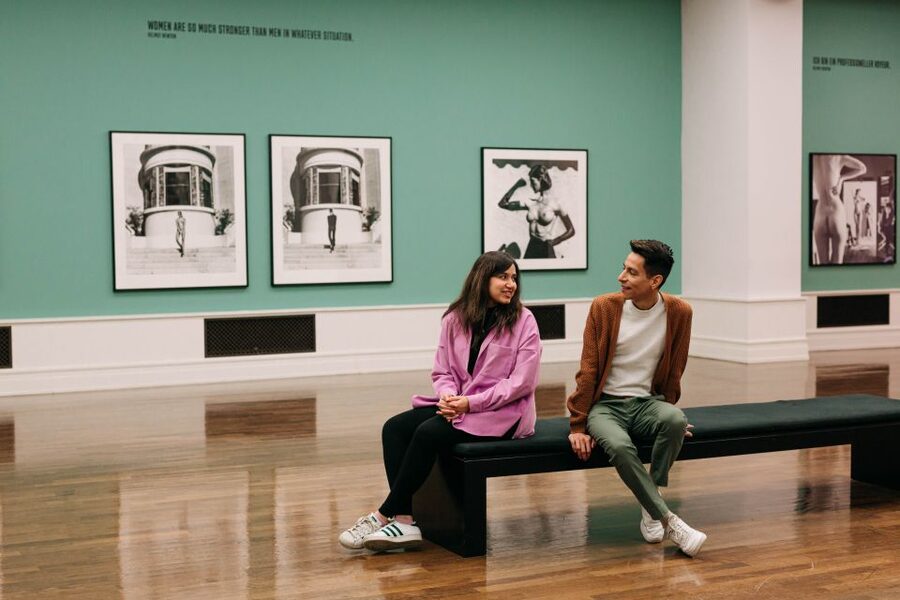
Photos with real weight in every room. The Berlin Museum of Photography makes the history of the camera feel personal, and I especially love the Helmut Newton permanent collection and the wide timeline from early photography to today. One heads-up, if you expected something different than an art and archive museum, you might feel a little let down.
This ticket is a simple entry pass, not a guided production with lots of added frills. You go to the entrance, then you explore at your own pace through the museum’s main sections and current temporary exhibitions like Body Performance and Post-War Modern Photography.
Plan a bit, because the rules inside are strict. No backpacks and food and drinks are not allowed, and heavy coats, jackets, and wet clothing may not be taken into the exhibitions for conservation reasons.
In This Review
- Key highlights at a glance
- Berlin Museum of Photography Ticket: What You Get for $14
- Entering the Museum: Your One-Day Plan
- The Museum’s Five Sections: How the Collections Are Organized
- Wandering From 19th Century to Now Without Feeling Lost
- Helmut Newton: The Permanent Exhibit Worth Center Stage
- Temporary Exhibitions: Body Performance and Post-War Modern Photography
- Conservation Rules That Actually Change How You Visit
- Practical Logistics: Entry, Timing, and Getting Your Bearings
- Who Should Book This Ticket (And Who Might Feel Mismatched)
- Rating and Value: Is It Worth Your Time?
- Should You Book This Berlin Museum of Photography Entry Ticket?
Key highlights at a glance
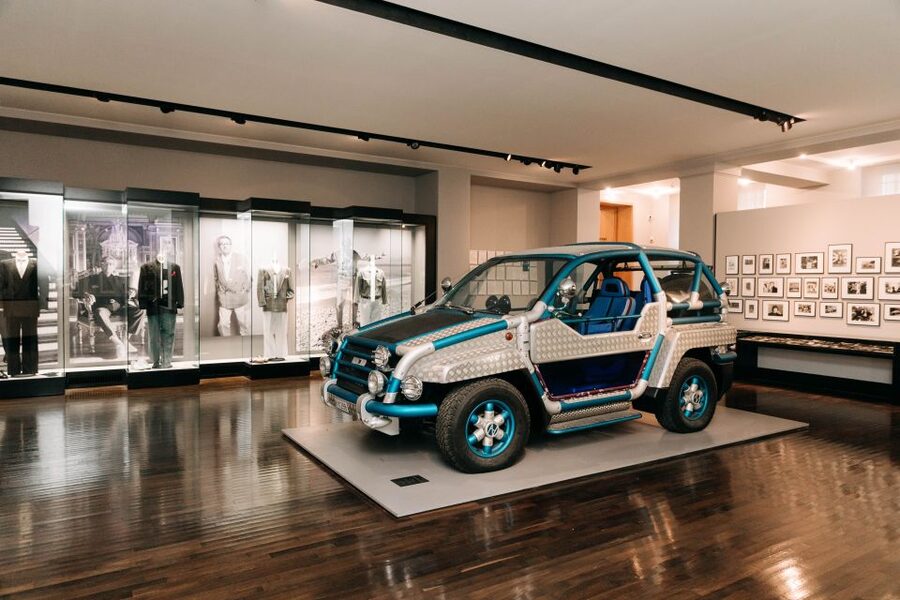
- Helmut Newton permanent exhibition, with artifacts like cameras, his art collection, and the Newton-mobile
- Five main sections that organize photography into archives, art photography, personal materials, photogrammetry, and postcards
- Temporary exhibitions running during your visit, including Body Performance and Post-War Modern Photography
- 19th-century to modern photography, so you see how styles, tech, and subjects changed over time
- Ticket is valid for one day, giving you flexibility without needing to rush
Berlin Museum of Photography Ticket: What You Get for $14
For 14 dollars per person, you’re paying for access to a major museum that covers a big chunk of what photography means as an art form. The price also includes the booking fee, so you avoid surprise add-ons at checkout.
The real value is the range. This isn’t one small gallery with a few famous names. The museum is set up in multiple major sections, so you can spend your time where your curiosity lands, whether you’re drawn to early photographic works, modern photo art, or a deeper look at a single fashion icon.
If you do like photography, I think this ticket is a good deal. If you only want a quick hit of a single theme, you might find yourself wishing there were more structure or guided context. The museum leans on the collection and the exhibitions, not on hands-on activities.
Entering the Museum: Your One-Day Plan
This is an entry ticket experience. You start by going directly to the museum entrance, then you explore. The ticket is valid for 1 day, so you can choose a time based on what’s practical for your day in Berlin.
The timing detail matters because the experience is self-paced. There’s no requirement in the information provided that you follow a fixed route with stops and a set schedule. So, you’ll get the most out of it if you pair it with your day so you’re not arriving tired and speed-walking.
Also, keep your expectations realistic. The museum is a collection and exhibition space. It’s designed for looking, reading, and paying attention to how photographs communicate, not for quick novelty thrills.
The Museum’s Five Sections: How the Collections Are Organized
The museum is divided into 5 main sections, and that structure is a big part of why it works so well. Instead of one long maze of unrelated images, you’re guided through categories that make the material easier to understand.
Here’s what to look for as you move from section to section:
1) The photographic archive
This is where you’ll see photographs from the 19th century onward. You’ll encounter early-day photography, when images were often more rare and the process itself shaped the results. If you like visual history, this section can feel like watching technology and taste shift across decades.
2) Artistic photography collection
This is more about photographs as art, not just documents. Expect works that focus on composition, style, and the photographer’s choices rather than only on what happened in the scene.
3) Personal archive
This section is meant to bring a more human lens to photography. Personal archives can help you understand motivations and contexts behind images, which is useful when you want the story of a photographer’s work rather than only the final output.
4) Photogrammetric holdings
This is the technical and experimental side. Photogrammetry uses photographs to make measurements or models, and seeing it in a museum context helps you connect photography to science and method, not just aesthetics.
5) Historical postcards
A postcard section sounds light, but it can actually add flavor. It’s a way to see how images circulated in everyday life. You get another angle on what people wanted to show, save, and share.
The combined effect is that you’re not stuck in one mode. You can spend longer where you’re curious, then swing to another section when your eyes need a change of pace.
Wandering From 19th Century to Now Without Feeling Lost
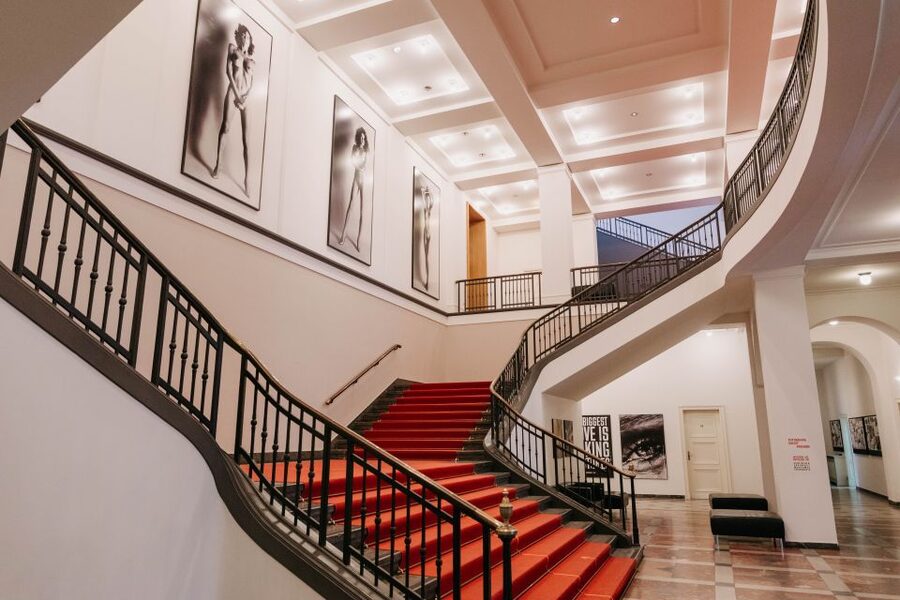
One of my favorite things about this museum, as a visitor, is the way the subject stretches across time. The museum includes work from the 19th century to the modern day, so you can compare how photography handles real events, fashion, art, and experimentation.
As you walk, try this simple approach: pick one section where you’ll slow down and read closely. Then pick another section where you’ll just look quickly, like a palate cleanser. That keeps you from getting bogged down in captions for too long, or from missing the small details that make older photos more interesting.
It also helps to pay attention to how the images represent current events alongside earlier photography. Seeing past and present in the same museum space makes the medium feel continuous, not like a history project sealed in a glass box.
If you’re the type who likes to understand the medium, you’ll probably come away with a sharper sense of what photography can do. If you’re only there for a specific style, you can still enjoy the museum, but you’ll want to plan your time so you don’t get distracted by everything else.
Helmut Newton: The Permanent Exhibit Worth Center Stage
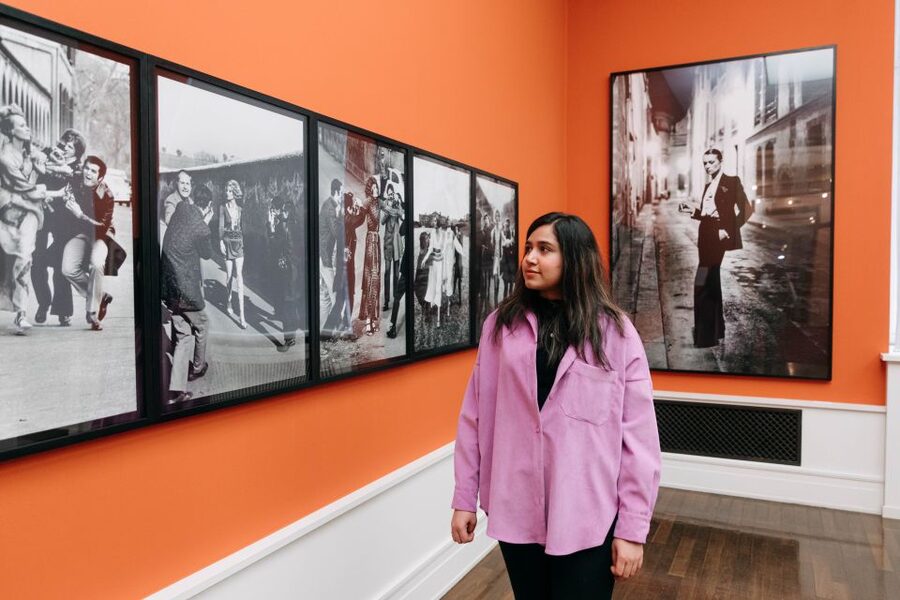
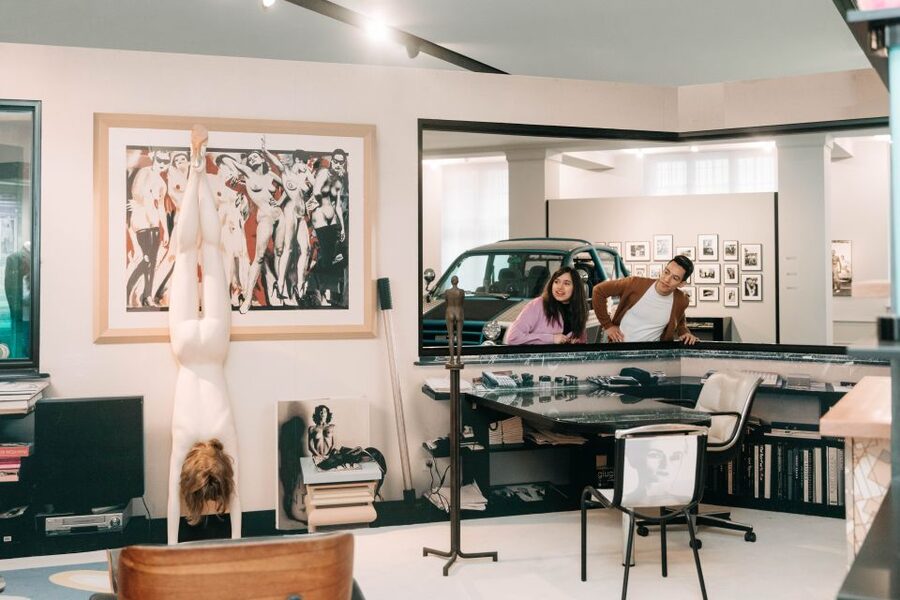
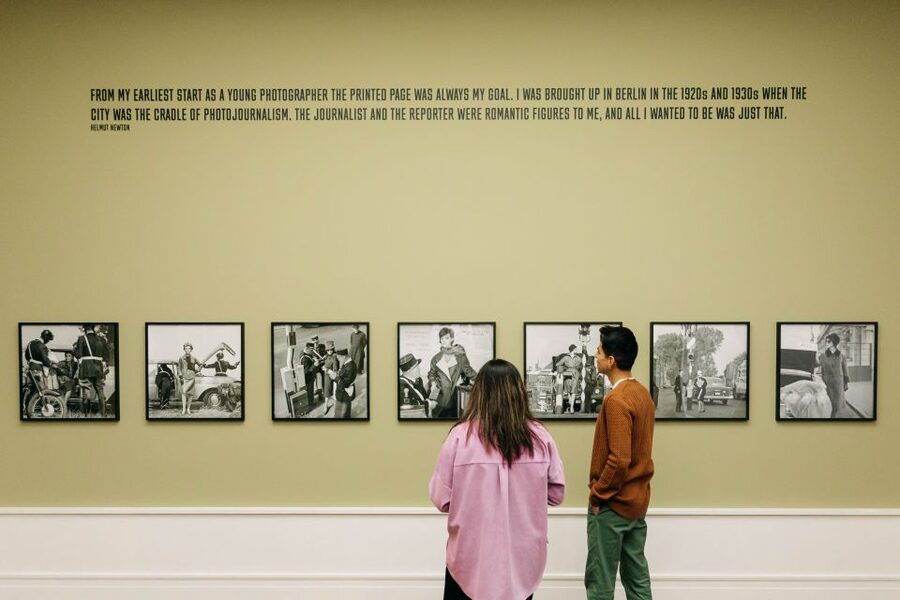
The museum’s permanent focus on Helmut Newton is the kind of anchor that helps your visit feel meaningful. Newton is described as a Berlin native and an iconic figure in modern photography, known for provocative fashion work.
What you should look for in the Newton exhibit is not only photographs. The information provided points to artifacts from his life and career, including:
- Cameras
- His art collection
- The Newton-mobile
- Other items connected to his personal history and creative world
That matters because it connects the famous style to the person and the working material. When you can see the tools and the surrounding collection, the photographs feel less like isolated art objects and more like outcomes of a specific creative ecosystem.
If fashion photography is your thing, this is the room that can turn a good museum day into a great one. Even if it’s not, I’d still suggest spending real time here, because Newton’s impact is part of modern visual culture and you’ll likely notice his influence even outside the museum walls.
Temporary Exhibitions: Body Performance and Post-War Modern Photography
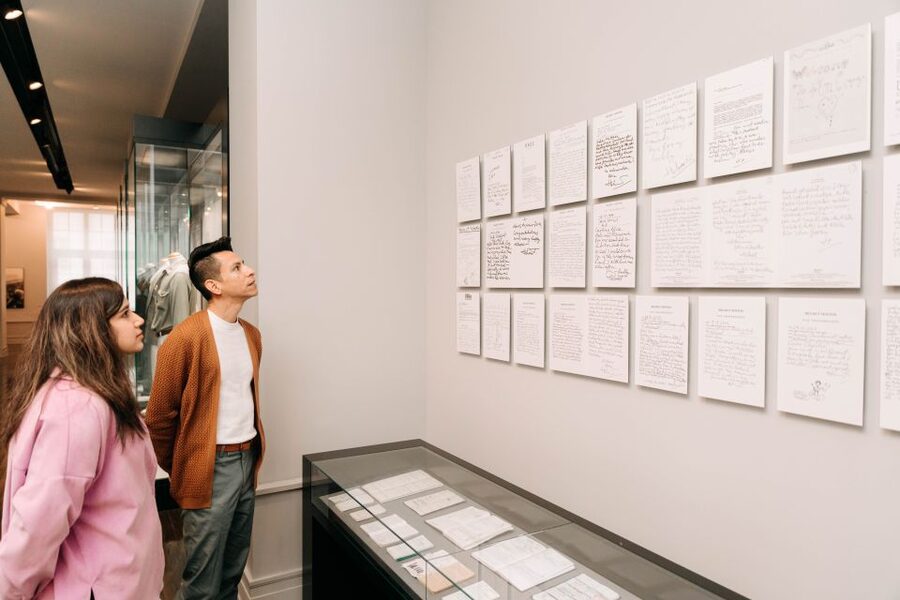
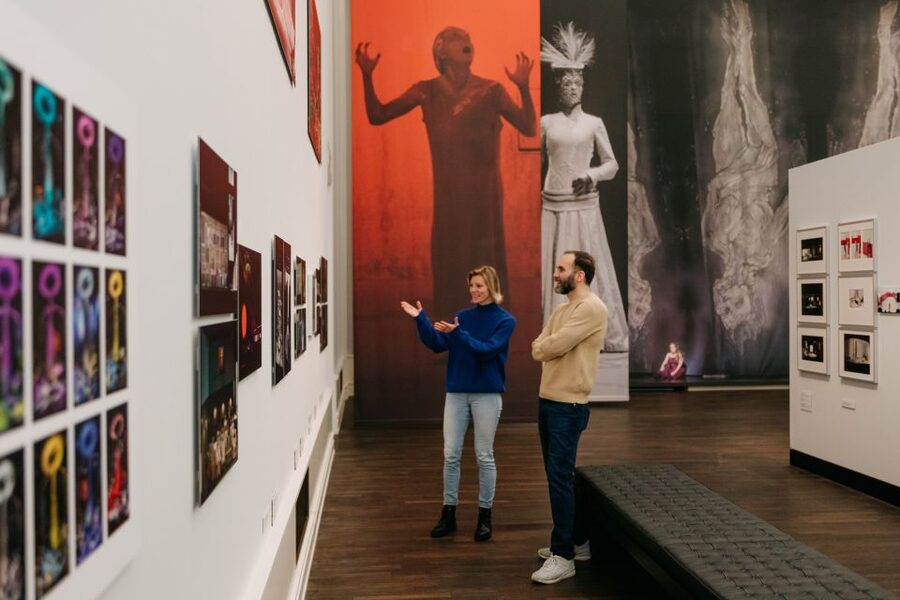
In addition to the permanent installations, you can see current temporary exhibitions such as Body Performance and Post-War Modern Photography. Temporary shows are where a museum stays alive, because they let you experience photography through new themes and newer curatorial ideas.
Body Performance sounds like it’s going to focus on bodies as subjects, and how photography can portray movement, control, identity, or presentation. Even if you’re not sure what that means, it’s the kind of exhibition that can spark lots of different reactions, which is exactly why it’s worth seeing in a photography museum.
Post-War Modern Photography is the other big draw listed. That theme hints at photography’s role in rebuilding culture after conflict, shaping public imagination, and representing modern life under changing conditions. It’s the kind of show that can help you connect historical images to the way we think today.
How to enjoy temporary exhibitions without getting overwhelmed: choose one to treat like your main event. If you try to sprint through both, you’ll miss what makes them different from the permanent sections.
Conservation Rules That Actually Change How You Visit
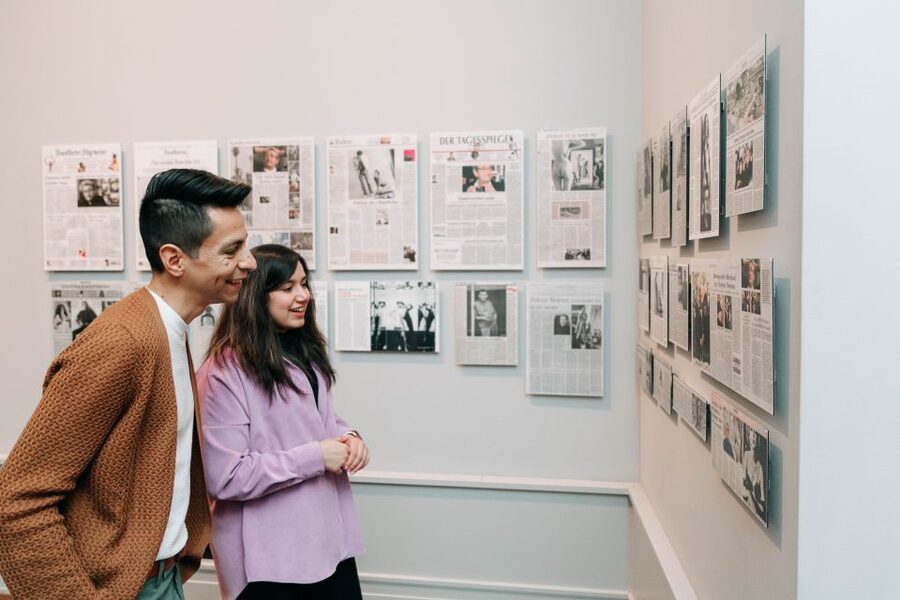
These museum rules might seem minor, but they can affect your comfort and flow, especially in Berlin weather.
Heavy jackets and coats, plus wet clothing, may not be taken into the exhibitions for conservational reasons. That means you should plan light layers, or be ready to manage outerwear according to staff instructions.
Also, you can’t bring:
- Oversize luggage
- Food and drinks
- Backpacks
And it’s recommended, but not mandatory, to wear a medical or FFP2 mask.
The practical takeaway is simple: travel light. If you’re doing a full day of museum hopping, you might want to carry only what you need inside the main galleries. Bring essentials in a way that won’t count as a backpack, and keep your outerwear situation sorted so you’re not stressing at entry.
Follow museum staff instructions at all times. In a photography museum, these rules are often about protecting works from humidity, handling issues, and overall visitor management.
Practical Logistics: Entry, Timing, and Getting Your Bearings
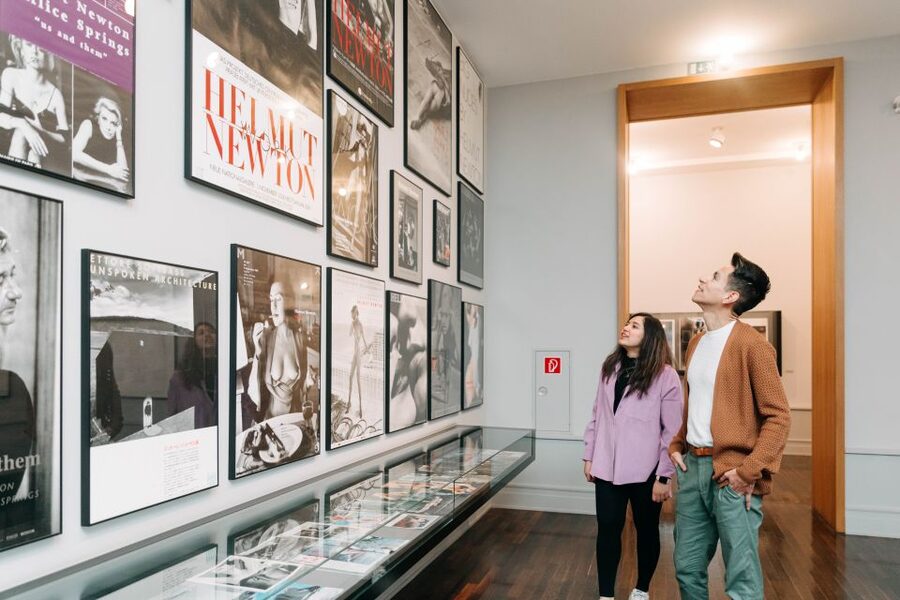
Your experience starts at the entrance. The activity ends back at the meeting point, which tells you it’s basically a direct ticket entry, not a long guided circuit that dumps you somewhere else.
Duration is also straightforward: your ticket is valid for one day, but you’ll still want to check availability to see starting times. That matters if your Berlin schedule is tight, because the museum access is time-slotted in the way the ticket is offered.
Wheelchair accessibility is supported, which is a big plus if you need step-free movement through museum spaces.
On your first visit, I’d advise giving yourself enough time to visit at least three things: one archive-based area, one art or technical section, and the Helmut Newton focus. Then, if you have extra time, add the temporary exhibition that sounds most interesting to you.
Who Should Book This Ticket (And Who Might Feel Mismatched)
This entry ticket is best for people who like photography as a subject, not just people who want a quick photo stop for a city checklist.
You’ll probably enjoy it if you:
- Want photography history from early periods to modern times
- Like museums that organize collections in a thoughtful way
- Are especially interested in fashion photography via Helmut Newton
- Enjoy reading visual context, like archival or personal material
You might not love it if you came expecting a guided storytelling tour with heavy narration, or if you wanted a more casual, hands-on experience. One of the overall impressions reflected in the rating comments is that a few people imagined it differently. That doesn’t mean it’s bad, it just means you should line up your expectations with a museum built around exhibitions and collections.
Rating and Value: Is It Worth Your Time?
The overall rating sits at 4.5 out of 5 based on 88 reviews, which is a strong signal of consistency. When a museum scores that well, it usually means the experience lands for the target audience.
From my perspective, the value case for this ticket comes down to three things:
- Scale and variety: you’re getting archives, artistic photography, and technical holdings in one visit
- A major name: the Helmut Newton permanent exhibit gives your day a centerpiece
- Fresh additions: temporary exhibitions like Body Performance and Post-War Modern Photography give you something time-specific
At 14 dollars, you’re not paying budget-buster museum prices. You’re paying a fair entry fee for a serious collection.
If you only have a short time in Berlin, you might consider combining this with another nearby cultural stop. If you have half a day or more, it’s easy to spend your time without feeling like you need to sprint.
Should You Book This Berlin Museum of Photography Entry Ticket?
Yes, I’d book it if you want a strong photography museum day with a clear highlight in Helmut Newton, plus extra exhibitions that change your perspective through the lens of time, art, and technique.
If you’re coming with strict expectations like lots of interactive stuff, then shift your mindset. This is about looking and learning at your pace inside a collection-driven museum. You’ll get the best experience if you travel light, plan around the coat and bag rules, and give yourself enough time to slow down with the rooms that grab you.
Berlin Museum Island and Gallery Tickets, side by side.
 ★ 4.6Berlin: Madame Tussauds Admission TicketFrom $253,941 reviews
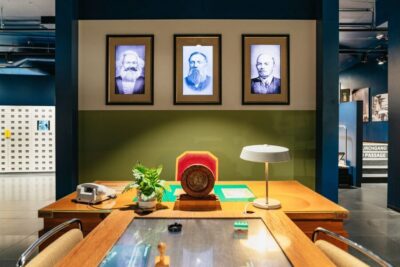 ★ 4.3Berlin: DDR Museum TicketsFrom $153,443 reviews
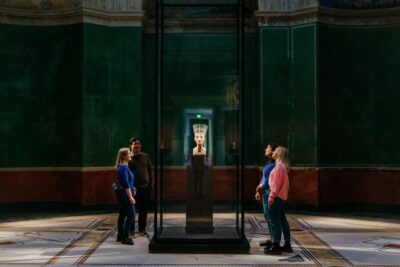 ★ 4.6Berlin: Neues Museum Entry TicketFrom $163,261 reviews
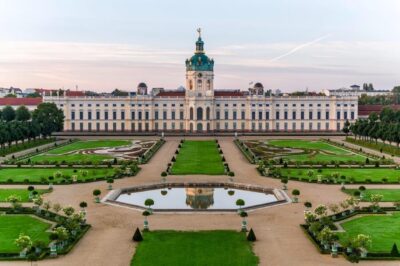 ★ 4.4Berlin: Charlottenburg Palace Entry TicketFrom $222,076 reviews
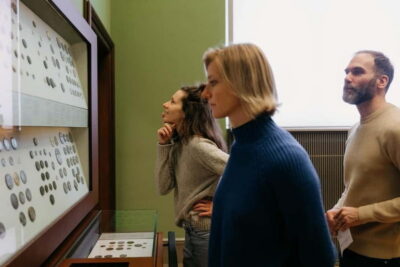 ★ 4.4Berlin: Museum Island Multiple Museum Entry TicketFrom $272,007 reviews
 ★ 4.5Berlin Dungeon: Entrance TicketFrom $281,918 reviews
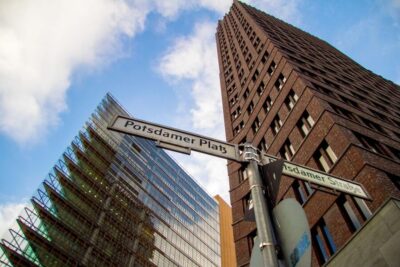 ★ 4.4Berlin: Panoramapunkt Skip-the-Line Elevator TicketFrom $151,219 reviews
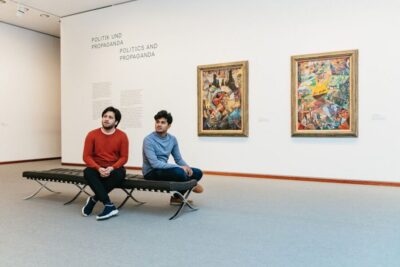 ★ 4.7Berlin: Neue Nationalgalerie Entry TicketFrom $231,212 reviews
Other lists this tour is on