
REVIEW · THE MOSELLE
Cochem: Private Guided Walking Tour
Cochem history moves at a human pace. This private guided walking tour makes the Mosel town feel personal fast, especially with stops like St. Martin’s Church and the hilltop views from Reichsburg. You get a tight story arc across eras, not a random stroll.
I like that the guide connects big events to real places, from the early Celtic and Roman roots to later chapters like the Metternich family and World War II. One thing to consider: this is a walking tour on uneven streets and viewpoints, and it is not suitable for people with mobility impairments or wheelchair users.
In This Review
- Key highlights at a glance
- Cochem’s core story, told on foot
- Where your tour begins in Cochem, and how to prepare
- St. Martin’s Church: the landmark that ties eras together
- Celts and Romans, then plagues: what that means for your walk
- Capuchin Monastery and Metternich family influence
- Market Square and half-timbered Cochem: the medieval heart
- Reichsburg: why the castle was more than decoration
- French occupation, Louis XIV, Napoleon, and Prussian rule
- World War II and the Natzweiler concentration camp subcamps
- Price and value: $272 per private group up to 15
- Who should book this private Cochem walking tour
- Should you book? My practical take
- FAQ
- How long is the Cochem private guided walking tour?
- Where do we meet for the tour?
- Is the tour private or shared with other groups?
- What languages are offered?
- What is included in the price?
- Are entrance fees included?
- Is the tour accessible for wheelchair users or people with mobility impairments?
- What if my plans change?
Key highlights at a glance
- St. Martin’s Church as your anchor for early Cochem, and the way faith shaped daily life
- Celtic and Roman traces explained in plain terms, tied to what you see in town
- Reichsburg for the best “why this castle mattered” perspective from the river hill
- Market Square and half-timbered streets for the late Middle Ages feel
- WWII and Natzweiler subcamp history covered with respect, using Cochem’s geography to make it understandable
More Moselle bends and cellar doors
- Cochem: Panorama-Schiff-Tour 1 Stunde bis Ernst und zurück★ 4.3 · 122 reviews
- Cochem, Moselle: Castle, boat and wine tour★ 3.7 · 96 reviews
- Cochem: KD Panoramic Evening Cruise on the Moselle River★ 4.1 · 76 reviews
- Cochem: Bike and Boat Tour with Picnic and Wine Tasting★ 3.7 · 35 reviews
Cochem’s core story, told on foot
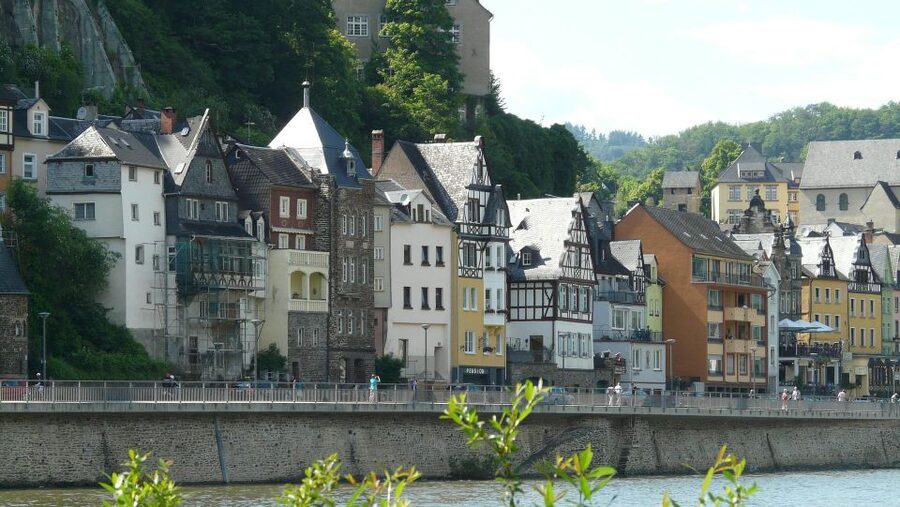
Cochem is the kind of town where the streets seem to come with captions. One minute you’re in a market square looking at half-timbered houses, the next you’re hearing why a church became a landmark, and then you’re staring up at Reichsburg, the medieval castle perched high above the Mosel.
That’s the value of doing this with a local professional guide. In 90 minutes you won’t “learn everything,” but you will leave with a clear mental map. You’ll know where the major eras landed, and why the town’s layout makes sense. For many people, that’s the difference between seeing Cochem and understanding it.
The tour is private, so your guide stays with your group only. That matters because a walking tour works best when the pace matches your questions, your mobility, and how long you want to pause for a view.
Where your tour begins in Cochem, and how to prepare
You meet in front of the tourist office at Endertplatz 1, 56812 Cochem. This is a practical start because it puts you near the town’s core walking flow, so you are not zigzagging across empty areas.
Bring comfortable shoes. Even if you’re fit, Cochem has slopes and uneven stone streets in places. This is one reason the tour is not suitable for wheelchair users or people with mobility impairments. If you’re unsure, assume you will be walking more than you think, with some standing and slow climbing to viewpoints.
If you like flexibility, note that there is room to customize on the spot with your guide. That can be useful if you care more about castle architecture, church history, or the WWII chapters and want to spend a little longer on what matters most to you.
St. Martin’s Church: the landmark that ties eras together
St. Martin’s Church is one of the city’s headline sights, but the tour approach is what makes it worth your time. Instead of treating it as just a pretty stop, your guide uses it as a timeline anchor.
Here’s what you’ll take away: Cochem has deep roots, going back to Celtic times and later as part of the Roman Empire. The town was documented in the 9th century with the Latin name Villa Cuchema, which tells you this place has been in motion for a very long time. Standing near a major church landmark helps you understand why later residents cared about continuity, identity, and community.
You also hear how “old Cochem” connects to later crises and rulers. The guide covers the impact of the Black Plague, so you get the sense that big buildings and institutions weren’t just about beauty. They were also about surviving hard centuries, rebuilding after losses, and holding the social fabric together.
If you like history that feels grounded, this stop is a strong first payoff. You see one place, then you hear it explained as part of a longer story, where faith, governance, and hardship all show up.
Celts and Romans, then plagues: what that means for your walk
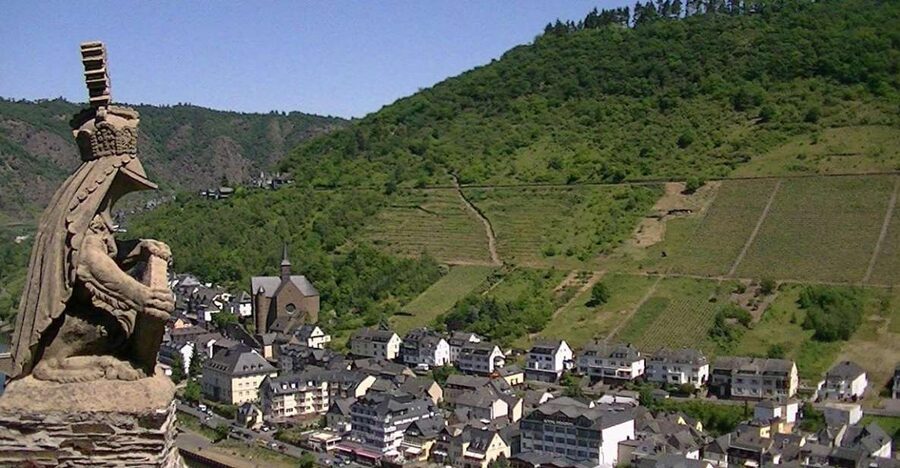
Cochem’s early layers matter because they explain why the later medieval town looks the way it does. The guide’s job is to translate ancient references into street-level understanding.
Expect the conversation to cover:
- The Celtic beginnings and how early settlement patterns shape later geography
- The Roman era connection, especially the sense that this was a recognized place within empire networks
- How the Black Plague changed communities and priorities
- How leadership structures evolved across centuries
What makes this useful for you is not “dates for dates’ sake.” It’s the practical understanding of why people built where they built, and why the town’s central spaces, like the Market Square, mattered.
Also, this kind of explanation helps you move from “I saw a church” to “I get why the town developed around this.” That’s the mental shortcut that makes the rest of the walk click.
Capuchin Monastery and Metternich family influence
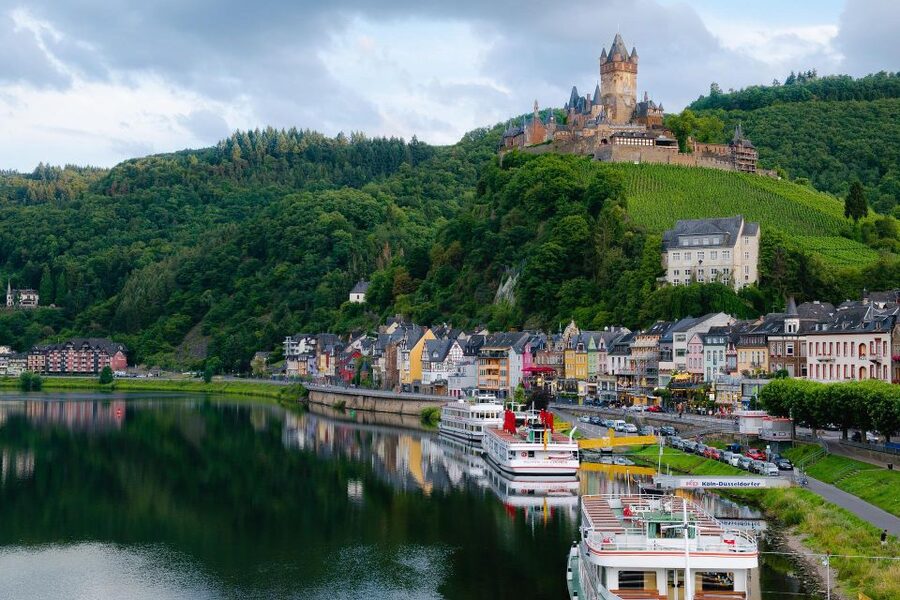
Another key thread on the tour is the role of the Metternich family, including the founding context for the Capuchin Monastery in 1623 by Elector Lothar von Metternich.
This is one of those places where the details make the atmosphere. Monasteries are not only religious buildings. They often functioned as education centers, welfare hubs, and political symbols. When a powerful local figure like an Elector supports a monastery, it signals who had influence and what kind of society the town was trying to build.
Even if you’re not a deep church-history person, this stop tends to land well because your guide ties it to everyday reality: how leadership choices affected what people could count on in uncertain times.
And because this is a private tour, you can steer the attention. If you’re more interested in politics and rule, focus on the Metternich angle. If you prefer cultural history, ask how monasteries shaped daily life during the period.
Market Square and half-timbered Cochem: the medieval heart
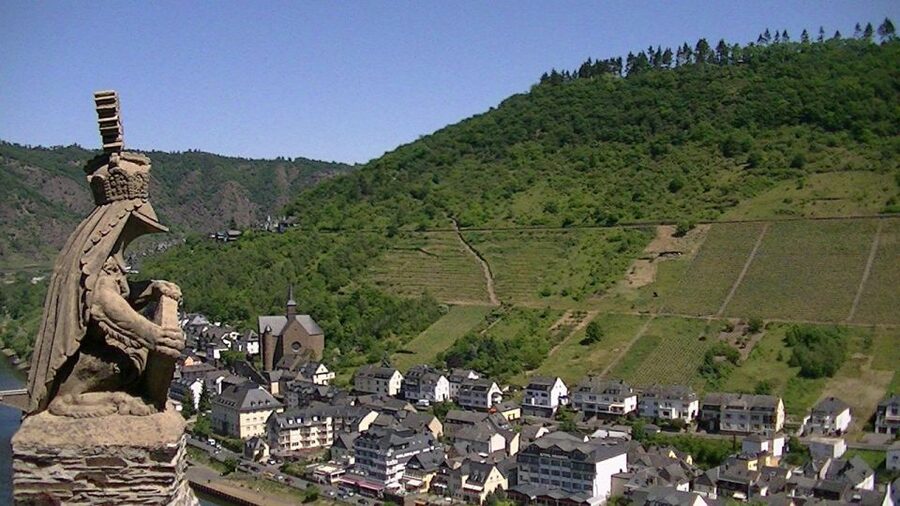
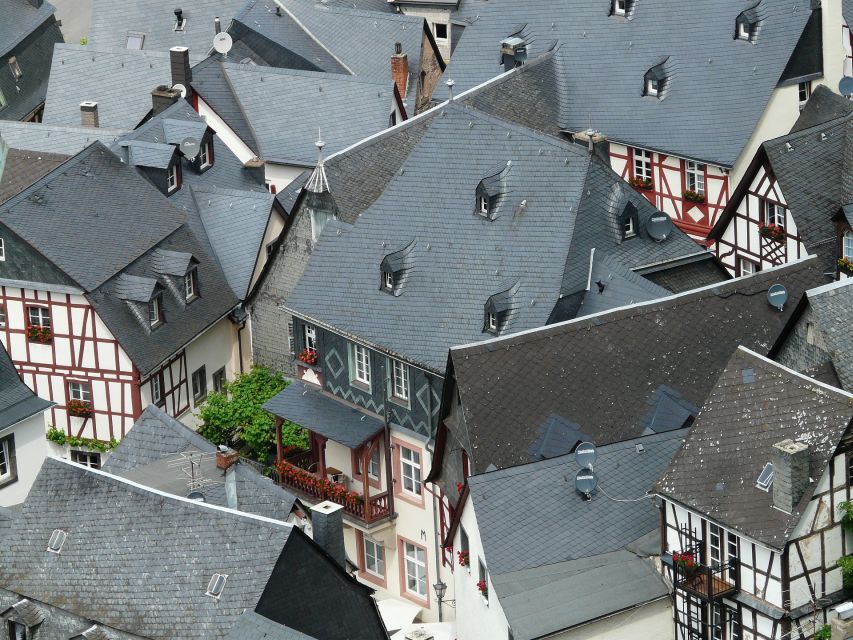
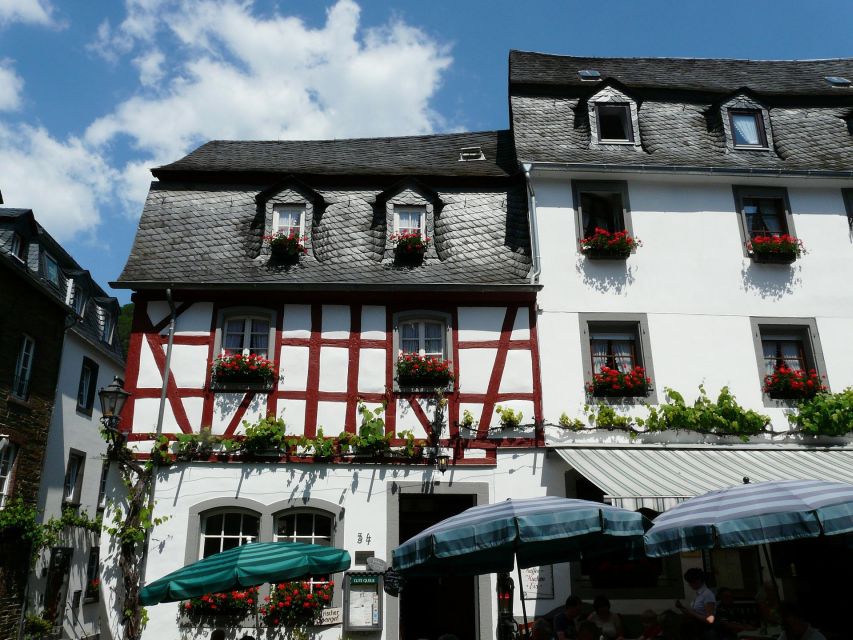
When you get to the Market Square, the tour shifts from big themes into visual experience. This is where Cochem’s later medieval charm becomes real: you see the half-timbered houses and understand why this area mattered in the late Middle Ages.
Your guide connects the square to commerce and community. That’s useful because it helps you interpret what you’re looking at instead of treating it like a postcard background.
A practical tip here: slow down at the square. Even with a time-limited tour, taking a minute to scan rooftops, street lines, and building shapes pays off later when you walk toward the castle. You’ll start to see how the town’s layout funnels attention uphill and toward the Mosel.
If you care about photography, the Market Square is often a strong moment for clean compositions, because the buildings create natural frames. Even if you skip photos, you’ll feel the “town center” logic in a way that sticks.
Reichsburg: why the castle was more than decoration
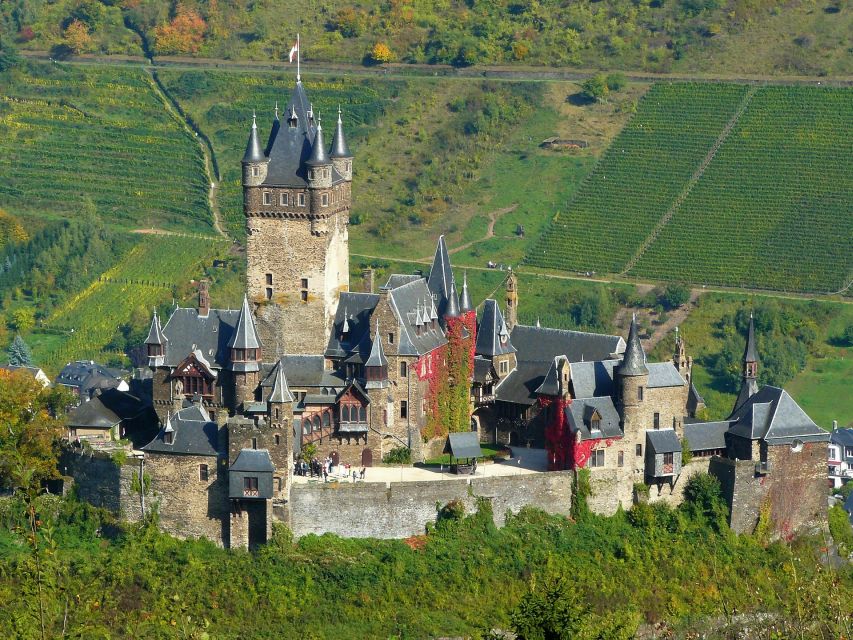
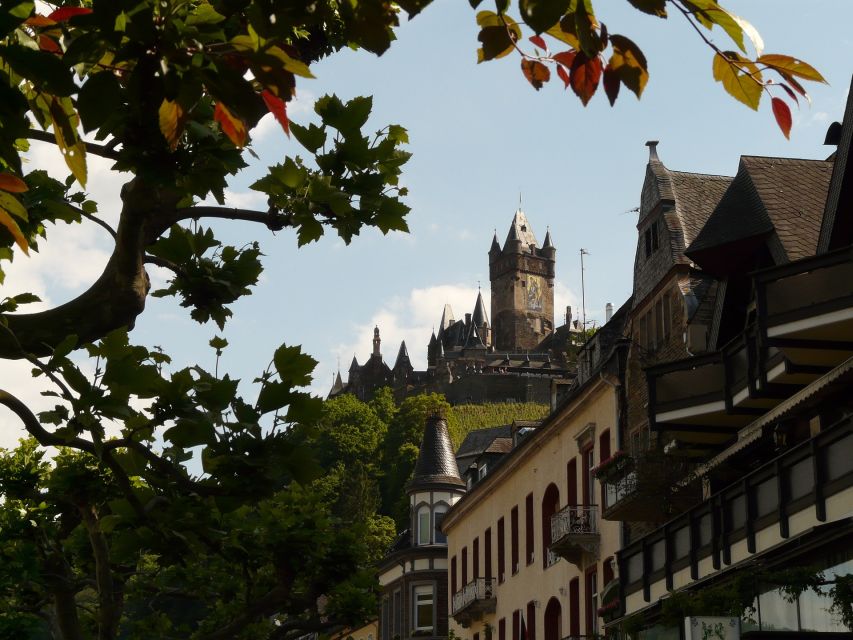
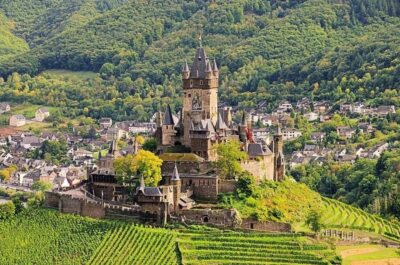
Then comes the main visual payoff: Reichsburg, a medieval castle restored to show its importance, known as one of the highest hill castles on the river Mosel.
This stop is where the tour earns its keep, because the guide uses the setting to explain power. A castle up high is not just dramatic. It’s how control works: visibility, defense, authority, and a statement of permanence.
Your guide’s explanation brings together several threads:
- The long arc from Cochem’s earlier significance through medieval rule
- The idea of the castle as a local power base
- Why changes in rulers and conflicts mattered on the ground
If you’re thinking about “why Cochem looks the way it does,” Reichsburg is the answer. It gives you the perspective to understand the town as a system, not scattered sights.
One consideration: this part of the walk can include steeper uphill movement and standing for viewpoints. Wear shoes with good grip and plan to take your time.
French occupation, Louis XIV, Napoleon, and Prussian rule
Cochem’s story includes repeated shifts in control, and your guide does a good job of making those transitions feel connected to what you’re seeing.
You’ll hear about:
- How Cochem was once an imperial estate
- A siege and occupation by the French
- King Louis XIV, who burned down the original castle and conquered the city, leading to a lengthy reconstruction afterward
- Napoleon’s army occupying the city in the 18th century
- The assignment to Prussian rule after Napoleon’s fall
Why this matters for you on a walking tour: these aren’t just textbook names. They explain why rebuilding happened, why certain structures and eras show up, and why the town’s identity kept adapting instead of staying frozen in one period.
When rulers changed, priorities changed. That can show up in the built environment, how institutions developed, and how communities reorganized. Your guide keeps these shifts clear, so you don’t get lost in a political laundry list.
World War II and the Natzweiler concentration camp subcamps
Not every walking tour in Germany covers WWII in a careful way, but Cochem’s history includes a painful chapter that the guide addresses, including the impact of its subcamps connected to Natzweiler.
This part of the tour is important because it anchors history to location. Even if you already know the topic generally, learning that Cochem was affected through those subcamps changes how you read the town’s streets and neighborhoods.
Your guide won’t treat this like an extra fact. The way it’s presented matters, because the setting is what makes the story real. If you prefer tours that focus only on scenic highlights, this section may feel heavy. If you want a fuller sense of place, it’s one of the tour’s strongest reasons to do it in a structured way, with a guide leading the conversation.
A practical note for your experience: if you’re sensitive to WWII topics, it can help to pace yourself mentally. Take a breath during transitions and allow a few quiet moments if you need them.
Price and value: $272 per private group up to 15
The price is $272 per group for up to 15 people, for a duration of 90 minutes. That sounds simple, but the value math depends on your group size.
Here’s how to think about it:
- If you’re a couple or a solo traveler, you may feel the price is higher than a standard group tour.
- If you’re traveling with friends, teens, or family, the per-person cost can become very reasonable.
- Private guiding is also about time and attention. In 90 minutes, you want every minute to count, and a private guide can steer your route based on your interests.
It’s also included that your guide is local and with your group only, plus there’s potential to customize on the spot. That’s part of the “value,” not just the storytelling. You’re paying for interpretation and pacing, not just transport.
Entrance fees are not included, so if your chosen stops require tickets, you’ll want to budget for those separately. Still, a guide-led walking format tends to keep extra costs limited compared to day trips with paid attractions.
Who should book this private Cochem walking tour
This tour fits best if you:
- Want a clear, timed route through Cochem’s major landmarks, including church, square, and Reichsburg
- Prefer private guiding over joining a larger group
- Like history that connects rulers, crises, and everyday spaces
- Enjoy asking questions and hearing personal on-the-ground context from a guide
It may not be the best fit if:
- Mobility is an issue, since the tour is not suitable for wheelchair users or people with mobility impairments
- You only want scenic walking with minimal heavy topics, because WWII and concentration camp connections are covered
Should you book? My practical take
Book this tour if you want the fast route to understanding Cochem. In a short window you’ll connect early Celtic and Roman roots, later influences like the Metternich family and the Capuchin Monastery, the visual power of Reichsburg, and the reality of WWII history connected to Natzweiler. That mix is rare to find in one compact walking experience.
Skip it, or consider an alternate option, if uneven walking and viewpoints are a problem for you, or if you prefer to avoid WWII themes altogether.
If you’re going to spend time in Cochem anyway, this is a smart way to turn “pretty streets” into a town you can explain to yourself and others.
FAQ
How long is the Cochem private guided walking tour?
The tour lasts 90 minutes.
Where do we meet for the tour?
Meet in front of the tourist office at Endertplatz 1, 56812 Cochem.
Is the tour private or shared with other groups?
It is a private group experience, and your local guide will be with your group only.
What languages are offered?
The live guide is available in English and German.
What is included in the price?
The price includes a local professional guide with your group only, and possible customization on the spot. Entrance fees are not included.
Are entrance fees included?
No. Entrance fees are not included.
Is the tour accessible for wheelchair users or people with mobility impairments?
No. It is not suitable for people with mobility impairments or wheelchair users.
What if my plans change?
You can cancel up to 24 hours in advance for a full refund, and you can reserve now and pay later to keep plans flexible.
Down the Moselle, Reviewed
Everything else we filed on Cochem
- Cochem: Bike and Boat Tour with Picnic and Wine Tasting
★ 3.7 · 35 reviews - Cochem: KD Panoramic Evening Cruise on the Moselle River
★ 4.1 · 76 reviews - Cochem, Moselle: Castle, boat and wine tour
★ 3.7 · 96 reviews - Cochem: Panorama-Schiff-Tour 1 Stunde bis Ernst und zurück
★ 4.3 · 122 reviews
Moselle Valley Wine Tours, side by side.
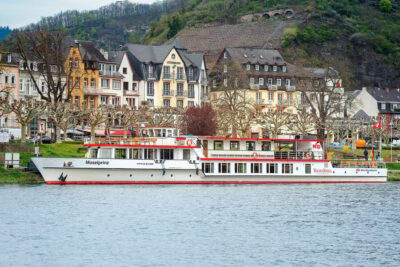 ★ 4.4Cochem: Panoramic Cruise on the Moselle RiverFrom $161,004 reviews
 ★ 4.4Koblenz: Panoramic Cruise on Moselle River to WinningenFrom $22283 reviews
 ★ 4.6From Alken: Return Day Trip by Boat to CochemFrom $35141 reviews
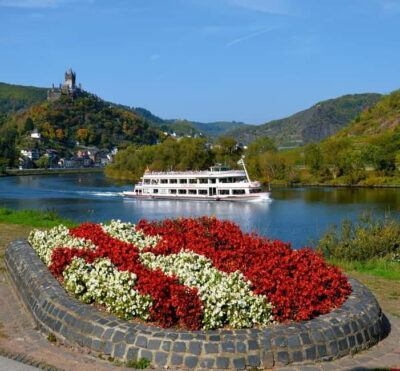 ★ 4.3Cochem: Panorama-Schiff-Tour 1 Stunde bis Ernst und zurückFrom $15122 reviews
 ★ 3.7Cochem, Moselle: Castle, boat and wine tourFrom $8896 reviews
 ★ 4.8Reil, Mosel: Guided organic wine tasting and cellar tourFrom $2984 reviews
 ★ 4.1Cochem: KD Panoramic Evening Cruise on the Moselle RiverFrom $3076 reviews
 ★ 4.52-River Day-trip by boat to Koblenz and return from AlkenFrom $3251 reviews
Other lists this tour is on