
REVIEW · THE MOSELLE
Reil, Mosel: Guided organic wine tasting and cellar tour
Organic wine feels personal at Arns. In the Mosel valley near Kringstraße 36, this 2-hour visit pairs a guided walk through organic winegrowing with a close look at how a family winery thinks about vines and soil. I liked that it is practical, question-friendly, and not just a quick sip-and-swipe stop.
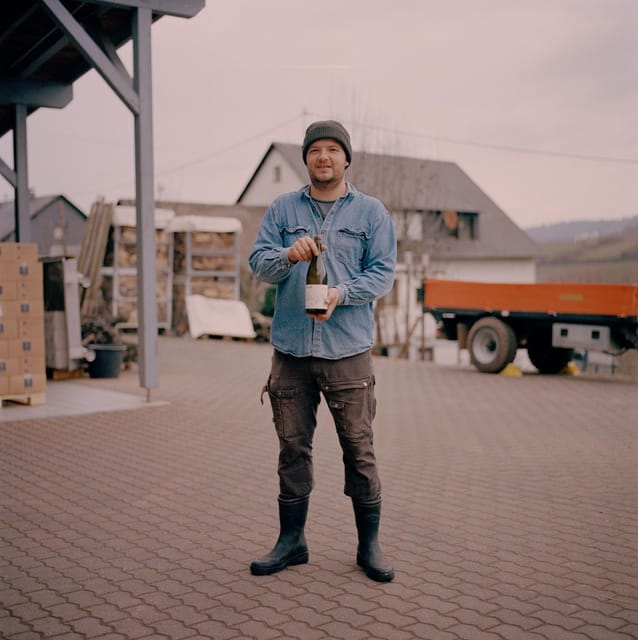
I also really enjoyed meeting the winegrowers during the vineyard and cellar tour, and I especially appreciated how guide Alexander keeps things moving while helping the whole group with English and German. The tasting is properly paced too, with bread and water plus 4 to 5 handcrafted organic wines.
One possible drawback is that the format stays tightly timed, so if you want an extra-long tasting or a full meal experience, you will need to plan that separately after. Still, it works well if you want a focused introduction to organic Mosel wine without spending half a day on logistics.
In This Review
- Key things you’ll notice on this Mosel organic wine tour
- Why Weingut Arns feels like a real look at Mosel wine
- Finding the start at Arns Winery, Blue Flag (Kringstraße 36)
- Vineyard walk: organic vines, soil, and biodiversity in plain talk
- Inside the winery: modern cellar tour and the sustainability angle
- The tasting: 4 to 5 organic wines, bread, water, and time to ask
- What you learn that actually helps you buy wine in the Mosel
- Price and value: what $29 gets you in 2 hours
- Who this tour is best for (and who should skip it)
- Should you book the organic tasting and cellar tour at Weingut Arns?
- FAQ
- How long is the Reil, Mosel guided organic wine tasting and cellar tour?
- What is included in the tour?
- What types of wines are tasted?
- Where does the tour start?
- Who guides the tour and what languages are available?
- Is the tour wheelchair accessible?
- Do I need to pay right away to reserve?
- Is cancellation possible if my plans change?
- Is the itinerary split between vineyard and winery?
- What is the price per person?
Key things you’ll notice on this Mosel organic wine tour
- Organic vines you can actually see, not just talk about
- A modern wine cellar paired with traditional know-how
- Bilingual guidance from Alexander (English and German), with time for questions
- 4 to 5 organic wines plus bread and water during the tasting
- Still wines and traditional-method sparkling, so you taste more than one style
- Soil, biodiversity, and sustainability questions answered in plain language
Undecided? The closest Germany write-ups we have are these.
- Dresden: Paddle Steamer Winter Cruise to Pillnitz★ 4.5 · 178 reviews
- Alpaca hike in the Barnimer Feldmark★ 5.0 · 34 reviews
- Mustard-Guided Manufaktur Sightseeing, tasting and factory sales★ 4.5 · 24 reviews
- Braunschweig: Alpaca Trekking Tour★ 4.7 · 14 reviews
Why Weingut Arns feels like a real look at Mosel wine
The Mosel is famous for grape-growing, but this tour is about the decisions behind the wine, not just the scenic view. In just two hours, you get the core story: organic methods, what the soil does, and how sustainability fits into a workable vineyard plan.
What I liked most is that the guide explains using the vineyard and cellar as the classroom. You are not stuck listening to a lecture while standing still. You can point at what you are seeing and ask why it matters.
This also helps if you are the type who likes to understand what is in the glass. Organic does not automatically mean better to everyone, but the tour gives you a framework to taste with more context. You walk away more confident when you buy a bottle, because you can connect the flavor to the growing approach.
Finding the start at Arns Winery, Blue Flag (Kringstraße 36)
The meeting point is straightforward: Arns Winery, marked with the Blue Flag, at Kringstraße 36. Since the whole experience is a tight 2-hour window, I’d show up a few minutes early so you start relaxed rather than rushing.
Once you’re inside, the plan is simple. You get a guided vineyard portion for about an hour, then you head to the winery for a tasting block for about an hour. That structure matters because it keeps you from feeling like you are bouncing between rooms without time to absorb what you learn.
If you are trying to fit this into a Mosel day trip, the timing is friendly. It is long enough to feel like a real guided experience, but short enough that you can still do lunch or another stop afterward.
Vineyard walk: organic vines, soil, and biodiversity in plain talk
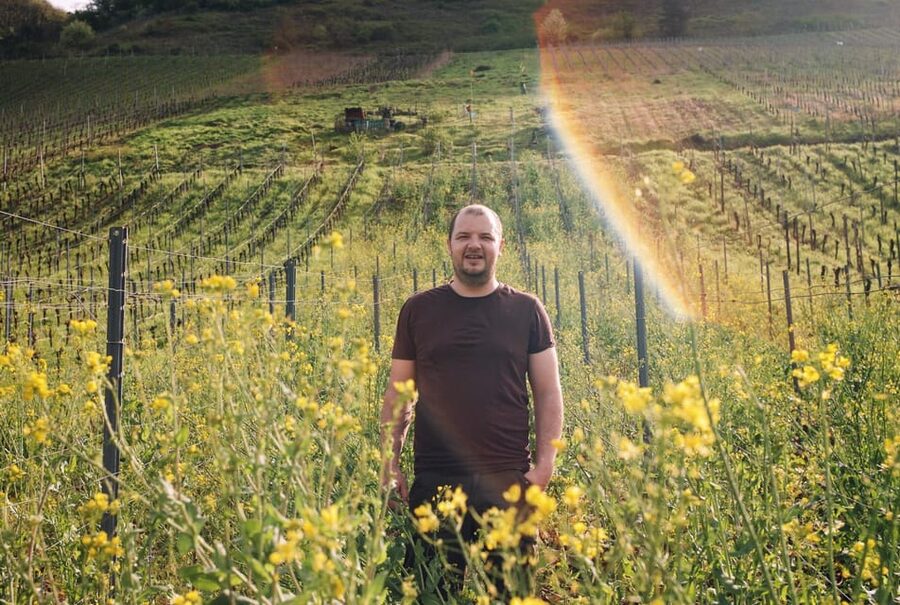
The vineyard part is where the experience becomes real. You get a guided walk through organic vines and you can see what organic viticulture looks like up close. It is not abstract. You’re surrounded by the living system that eventually becomes wine.
The guide frames three big questions that many wine lovers wonder about:
- What does biological diversity change for a vineyard?
- How does soil influence wine quality?
- Is it possible to grow wine in a sustainable way that also makes sense day to day?
These questions sound theoretical, but the vineyard setting helps them land. You start to connect vineyard choices with the end result. Even if you do not memorize every detail, you can still taste with more understanding.
I also liked the way this tour invites questions. One verified booking highlighted that Alexander answers thoroughly and moves comfortably between German and English so everyone can participate. If you like talking wine instead of only tasting it, this is a good match.
Inside the winery: modern cellar tour and the sustainability angle
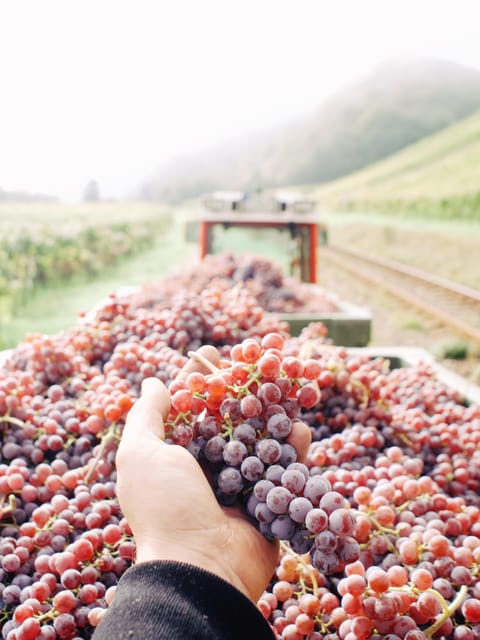
After the vineyard walk, you shift to the winery side where the grapes become wine. You get a guided look at the cellar, including the modern side of the operation. That combination is useful, because it shows that tradition and innovation can exist in the same place.
This is also where the sustainability conversation turns from garden talk into practical reality. The tour ties the vineyard choices to the production decisions, so you can see how organic growing aims to support the whole system, not just the field.
You will also get a sense of how the family winery works with both traditional and modern methods. The tasting then reinforces those ideas by showing you what the style looks like in the glass.
If you are sensitive to logistics, the pacing helps. The experience does not rush you out the door after the first sip. You’re guided through the whole arc, from vine to cellar, then into tasting.
The tasting: 4 to 5 organic wines, bread, water, and time to ask
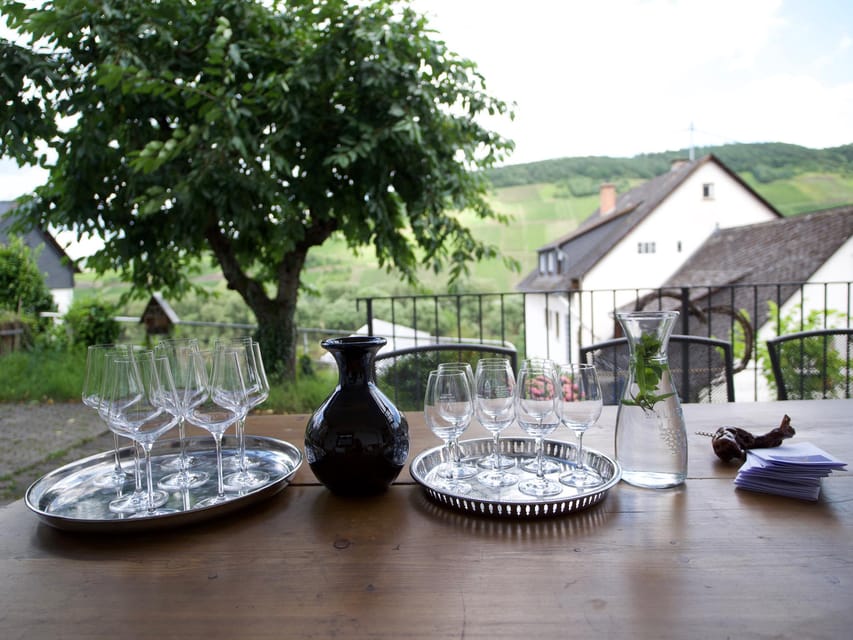
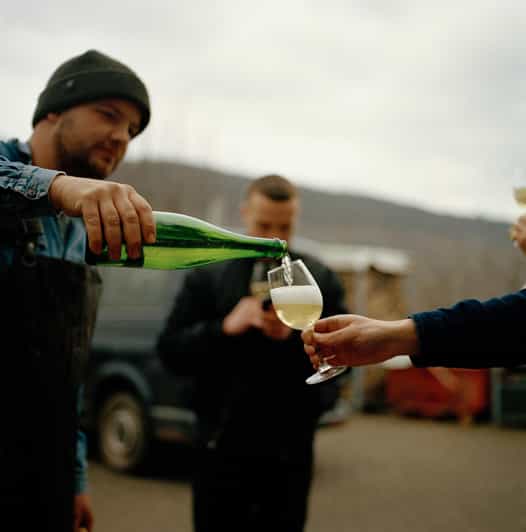
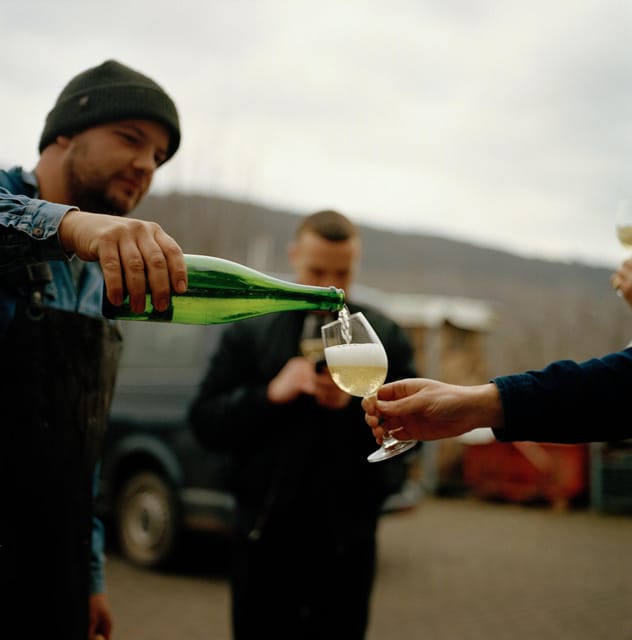
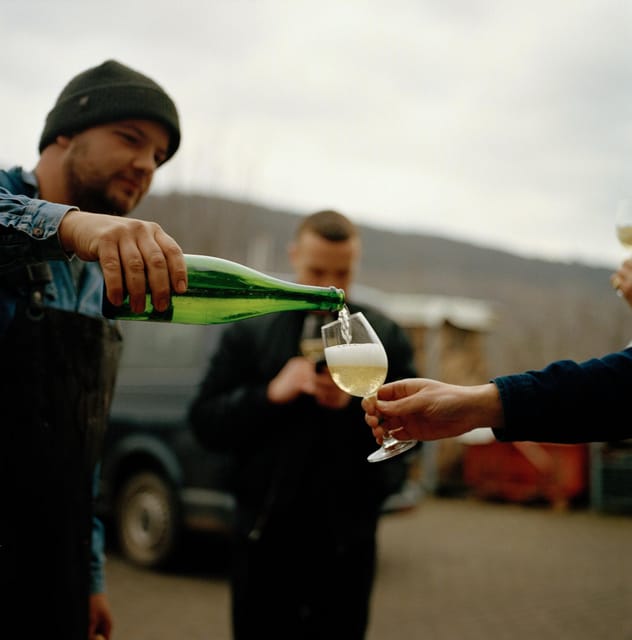
The tasting portion is one hour and it is built around 4 to 5 different organic wines. Bread and water are included, which I always appreciate on a wine tour. It makes the tasting more comfortable and helps you stay present instead of chasing a sugar crash.
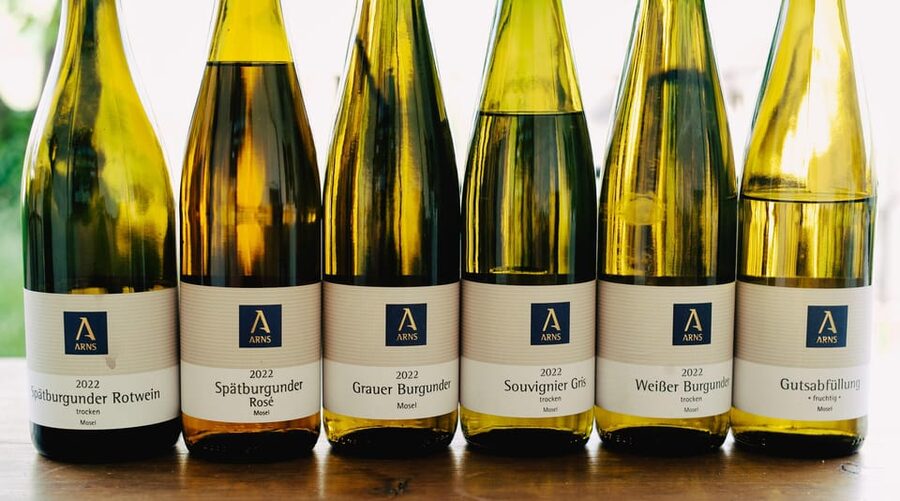
The range of wines matters here. The winery focuses on still whites and reds, but you will also taste a sparkling wine made using the traditional method. That gives you a more complete sense of what they do, rather than only tasting one category.
I found that this format helps you compare styles more clearly. You can pay attention to how the winery expresses itself across white, red, and bubbles. It also makes it easier to spot what you personally prefer, whether that is crisp and mineral-leaning whites, fruit-forward reds, or the structure of traditional-method sparkling.
A standout theme from the experience is passion, and you can taste it in how the wines are explained. Multiple verified bookings praised the guide’s knowledge and genuine enthusiasm, and that tends to make tastings more memorable. You are not just drinking wine, you’re getting the “why” behind it, in approachable terms.
One practical note: since you taste 4 to 5 wines, you should expect a curated flight, not an all-you-can-sip marathon. If you want to keep going after the tour, the tasting gives you a starting point.
What you learn that actually helps you buy wine in the Mosel
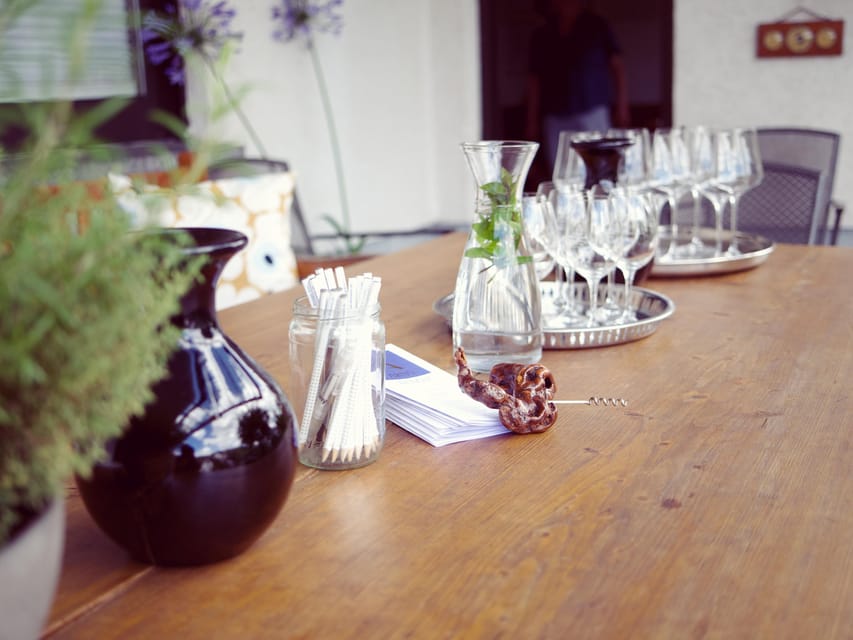
This is the kind of tour where knowledge sticks because it connects to what you see and drink. The organic theme is not just a label. You get explanations that link vineyard health, soil behavior, and the logic of sustainability.
Here are the takeaways I’d use when you’re choosing a bottle later:
- If you care about terroir, the soil discussion gives you language to look for what you like in the glass.
- If you care about sustainability, the biodiversity talk helps you understand what “organic” is trying to protect and encourage.
- If you care about style variety, tasting both still wines and traditional-method sparkling helps you decide what you want to revisit.
It also helps that guide Alexander supports questions in both English and German. That means you can ask the stuff you actually wonder about, like how organic practices show up in flavor and balance.
And since this is a family winery, the vibe tends to feel welcoming rather than scripted. One verified booking mentioned a warm, likeable family welcome, which is exactly what makes people linger a little and ask better questions.
Price and value: what $29 gets you in 2 hours
At $29 per person for a 2-hour experience, the value is strong because you get more than a tasting. You also get a guided vineyard walk plus a cellar tour, then a flight of 4 to 5 organic wines with bread and water.
If you have done tastings elsewhere where it feels like you only sample a couple pours, the difference is clear. Here, the tour builds context first, then you taste. That reduces the feeling of randomness when you pick a wine after.
Also, because the tour is guided and bilingual, you are paying for interpretation, not just access. That matters if you want your money to result in a better understanding of the wine, not just a buzz.
This is not the cheapest thing you could do in the Mosel, but it is priced like a focused guided experience that saves you time and makes your wine shopping smarter.
Who this tour is best for (and who should skip it)
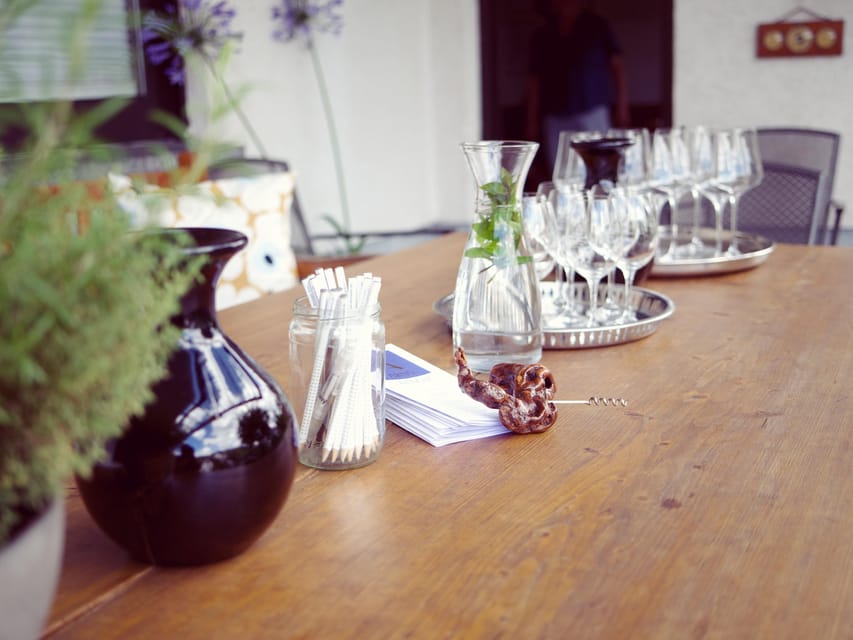
You should strongly consider this tour if you:
- want a guided intro to organic winegrowing in the Mosel
- like asking questions and hearing answers in English or German
- enjoy tasting more than one style, including traditional-method sparkling
- prefer a structured 2-hour plan that does not swallow your whole day
It’s also a good pick for couples or solo travelers who want a calm, educational activity. The wheelchair accessibility is a plus too, so you do not have to choose between wine and mobility needs.
You might want to skip it if you already know organic viticulture inside out and you want a very long tasting with lots of wines. Because the experience is time-boxed, it will feel curated rather than endless.
Should you book the organic tasting and cellar tour at Weingut Arns?
I think you should book it if your goal is quality context, not just tasting. The vineyard walk gives you the “why” behind organic choices, and the cellar tour plus tasting turns that into something you can taste in real time. With guide Alexander leading in English and German, it also stays inclusive and question-friendly.
Book it when you want a smart Mosel activity that ends with bottles you can actually choose with confidence. Even if you only take away a couple favorite styles, the tour helps you connect organic growing decisions to flavor, balance, and style.
If you are short on time in the Mosel, this is the kind of experience that fits neatly into a day while still feeling like a real visit to a working winery.
FAQ
How long is the Reil, Mosel guided organic wine tasting and cellar tour?
It lasts 2 hours.
What is included in the tour?
You get a vineyard and cellar tour, bread and water, and a tasting of 4 to 5 different organic wines.
What types of wines are tasted?
You taste different organic wines, including still whites and reds, plus a sparkling wine made using the traditional method.
Where does the tour start?
The starting location is Kringstraße 36 at Arns Winery, marked by the Blue Flag.
Who guides the tour and what languages are available?
A live tour guide leads the experience in English and German.
Is the tour wheelchair accessible?
Yes, it is wheelchair accessible.
Do I need to pay right away to reserve?
You can reserve now and pay later, meaning you pay nothing today.
Is cancellation possible if my plans change?
Yes. You can cancel up to 24 hours in advance for a full refund.
Is the itinerary split between vineyard and winery?
Yes. There is a guided vineyard tour for about 1 hour, followed by a wine tasting for about 1 hour.
What is the price per person?
The price is $29 per person.
Plates and Steins in Germany
Everything else we filed on Germany
- Kayak or SUP tour on the water through Saarbrücken
★ 5.0 · 12 reviews - Braunschweig: Alpaca Trekking Tour
★ 4.7 · 14 reviews - 1h Berlin-Cruise with 140 year old electrified steamship
★ 5.0 · 14 reviews - Mustard-Guided Manufaktur Sightseeing, tasting and factory sales
★ 4.5 · 24 reviews - Alpaca hike in the Barnimer Feldmark
★ 5.0 · 34 reviews - Dresden: Paddle Steamer Winter Cruise to Pillnitz
★ 4.5 · 178 reviews
Moselle Valley Wine Tours, side by side.
 ★ 4.4Cochem: Panoramic Cruise on the Moselle RiverFrom $161,004 reviews
 ★ 4.4Koblenz: Panoramic Cruise on Moselle River to WinningenFrom $22283 reviews
 ★ 4.6From Alken: Return Day Trip by Boat to CochemFrom $35141 reviews
 ★ 4.3Cochem: Panorama-Schiff-Tour 1 Stunde bis Ernst und zurückFrom $15122 reviews
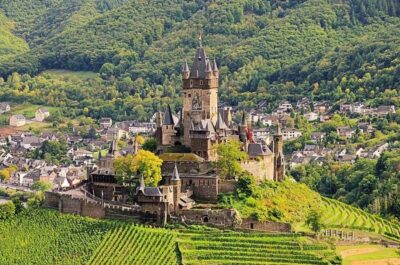 ★ 3.7Cochem, Moselle: Castle, boat and wine tourFrom $8896 reviews
 ★ 4.1Cochem: KD Panoramic Evening Cruise on the Moselle RiverFrom $3076 reviews
 ★ 4.7Lieser: Covered wagon ride, the rolling wine tasting with picnic basketFrom $6251 reviews
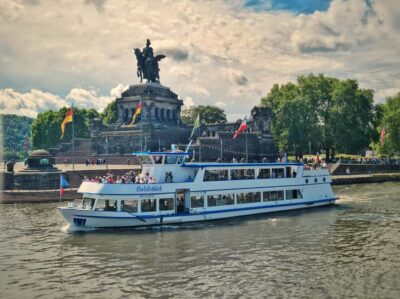 ★ 4.52-River Day-trip by boat to Koblenz and return from AlkenFrom $3251 reviews
Other lists this tour is on