
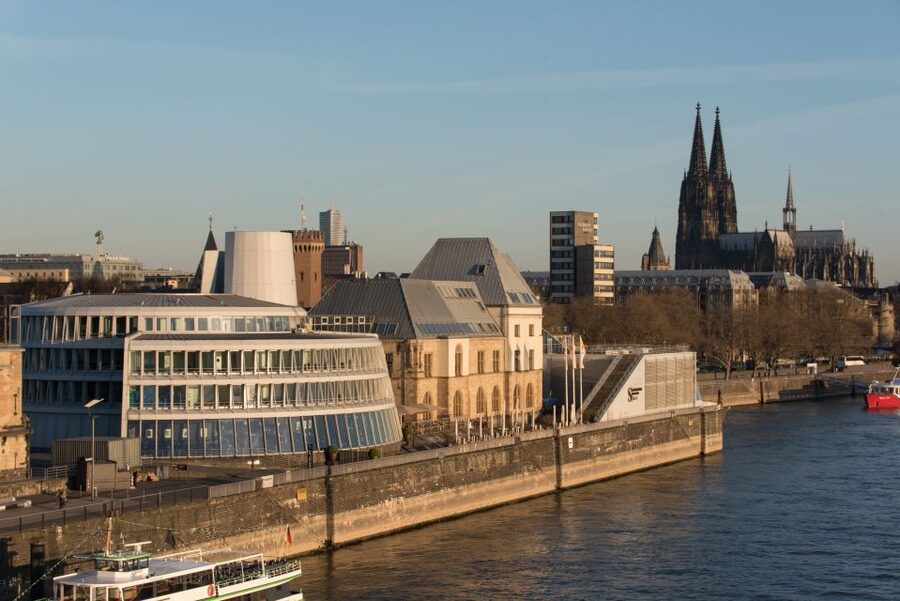
REVIEW · MUSEUMS
Cologne: Chocolate Museum Entrance Ticket
Chocolate is the only museum where the smell gets you first. At the Chocolate Museum in Cologne, you’ll move through 5,000 years of cocoa culture, then watch chocolate get made inside a glass factory. Two things I really like are the hands-on tastings (including a fountain) and the chance to see both industrial and hands-on production methods.
One possible drawback to plan for: you can easily lose track of time reading and snacking, but production closes before the museum does, so finish the factory part early if you’re on a tight schedule.
In This Review
- Key highlights to know before you go
- First steps at Schokoladenmuseum Köln, scan in and find the flow
- Chocolate history inside, from cocoa science to 5,000 years of trade
- Baroque porcelain and silver, why the museum slows down the story
- Old industrial machines and the story of how production scaled
- Glass chocolate factory and the atelier, see chocolate made in two modes
- The 3-meter chocolate fountain, where tasting is part of the show
- How long it takes, and a smart way to pace the visit
- Cafe and shop time, where you refuel without breaking the rhythm
- Value for around $19, what you get for the money
- Who this suits best, and who might want a different plan
- Don’t miss these choices inside
- Should you book this Schokoladenmuseum Köln entrance ticket?
- FAQ
- How long does the Chocolate Museum visit take?
- What is included in the ticket?
- Is a guided tour included?
- Where do I meet the group?
- Can children visit without an adult?
- What should I know about the closing times?
- Is the museum wheelchair accessible?
- Is there tasting during the visit?
- Is there a cafe on-site?
- Is cancellation available?
Key highlights to know before you go
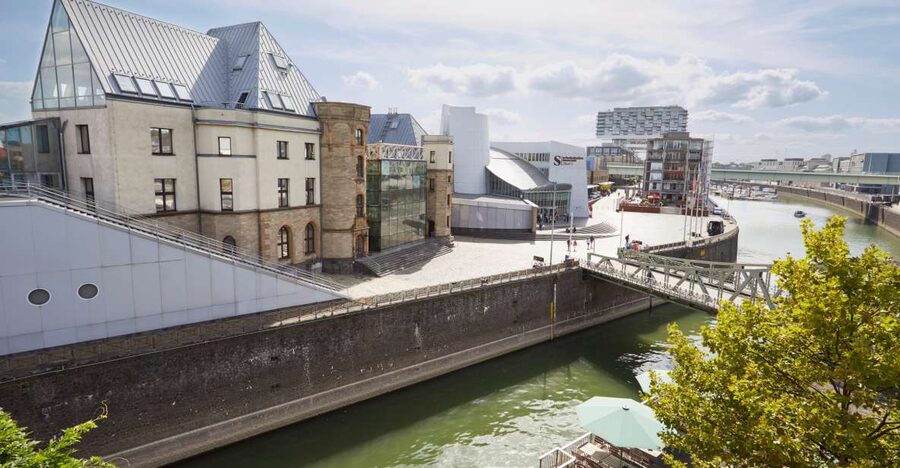
- 5,000 years of chocolate culture, from cocoa natural history to Central American pre-Columbian exhibits
- Glass chocolate factory space (43,055 sq ft) with industrial machines you can actually watch
- Tastings built into the visit, with a towering chocolate fountain meant for sampling
- Factory + atelier mix, where you see chocolate made in bulk and in smaller, hand-finished steps
- Cafe stop on-site for a calmer break after the sweet overload
- Optional hands-on chocolate bar making can add extra fun (extra cost)
More collections to walk through in Cologne
- Cologne: Ticket for the German Sport & Olympia Museum★ 4.5 · 84 reviews
- Cologne: HOUSE OF BATES // CONTENT GALLERY★ 4.7 · 46 reviews
First steps at Schokoladenmuseum Köln, scan in and find the flow
Go straight to the museum entrance and scan your mobile ticket. There’s no scheduled start time you have to chase in the moment, and the setup is meant for smooth entry.
Once you’re inside, you’ll notice the museum is basically one long, guided-by-signs experience. The best strategy is simple: don’t rush the chocolate history rooms, but also don’t save all the factory watching for the last half hour. A key detail: last entry is one hour before closing, and the production facilities close about 30 minutes before the museum closes. If you want the full effect, aim to be done with the factory viewing before that cutoff.
Chocolate history inside, from cocoa science to 5,000 years of trade
The first stretch is where the museum earns its reputation beyond just sugar. You start in a tropical house area that sets the mood, then move into natural history that explains cocoa in a practical, visual way. This is the part that helps you understand what you’re actually eating later.
You’ll also see exhibits that trace chocolate through time, including pre-Columbian cultures of Central America. That context matters, because chocolate here isn’t treated like a modern invention. You get the sense of chocolate as a crop, a commodity, and a culture with a long timeline.
I especially like how the museum mixes topics instead of lecturing. One room is about cocoa and how it grows and gets processed, then you shift into displays that connect the trade and use of chocolate over centuries. It keeps the pace from turning into one long slideshow.
Baroque porcelain and silver, why the museum slows down the story
Not every chocolate museum bothers with objects, but this one does. You’ll encounter an important porcelain and silver collection from the Baroque period. Even if you’re not a museum-object person, it adds a welcome change of texture from the factory machines.
This section does two things well for a normal visitor. First, it gives your eyes a break after reading about cocoa and production steps. Second, it helps you see chocolate as something that moved through real households, not just through factories.
If you’re the kind of person who likes to pause and look closely, you’ll enjoy this slow-down. If you only want the production part, you can move faster through these rooms and still keep the trip satisfying.
Old industrial machines and the story of how production scaled
After the historical rooms, you shift into the industrial era. You’ll see lots of old machines from the time of industrialisation, presented in a way that’s meant to explain what changed and why.
This part is a great match for people who love how everyday things are made. It also helps you appreciate what you’ll see later in the glass factory. The museum quietly shows you a line from cocoa processing to mass production, instead of treating those as unrelated topics.
Tip from how the experience flows: keep an eye out for any spots where the displays connect old machinery to modern steps. Those little links make the whole system click.




Glass chocolate factory and the atelier, see chocolate made in two modes
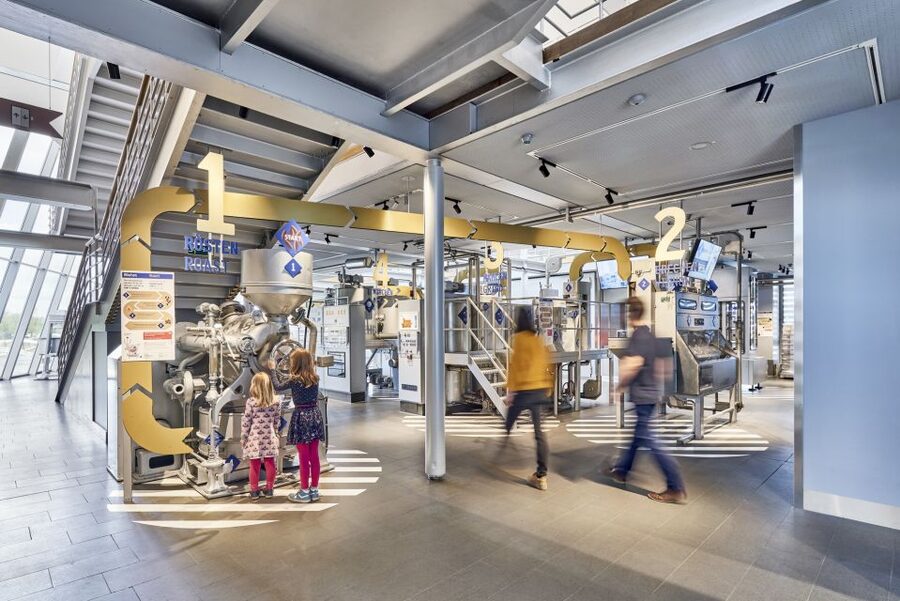
Here’s the big payoff: the museum includes a glass chocolate factory plus a chocolate atelier. The key idea is that you’re not only watching a single speed of production.
In the glass factory area, you can see how chocolate products are made industrially. Then, in the atelier, you also get a look at how things can be done more individually by hand. That contrast is more interesting than it sounds. It shows why some chocolate has that distinct texture and finish, and it explains the difference between output and craft.
The factory scale is hard to ignore too. The experience includes 43,055 square feet of glass-factory space, so you’re not just peeking at one display. It feels like a real working area built into the museum concept.
Practical note: because the production facilities close roughly 30 minutes before the museum closing time, schedule your factory watching earlier rather than later. If you leave it for the end, you could miss the parts that are actually running.
The 3-meter chocolate fountain, where tasting is part of the show
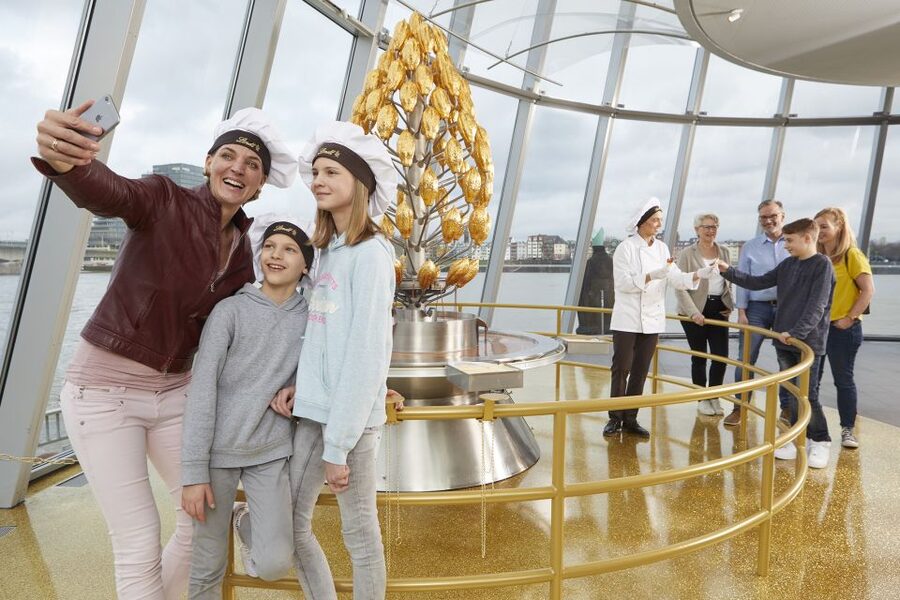
One of the most memorable features is the 3-meter-high chocolate fountain. It’s described as bubbling constantly, with 200 kg of chocolate kept ready for tasting.
This is where the museum stops being purely educational and becomes, honestly, a sweet party. The rules are simple: tasting is expressly encouraged. Plan to come hungry for it, even if you know you’ll walk out wanting more.
And yes, you can treat this as a reward stop. Walk through the earlier rooms, then use the fountain as your reset moment. If you’re traveling with kids, this is the place where good moods tend to happen fast.
How long it takes, and a smart way to pace the visit
The visit length depends on your style. Some people fly through in about an hour, while others take longer if they read lots of details and slow down for tastings and photos. A reasonable target is around 1 to 1.5 hours for the main museum, then add time for the cafe if you want a proper break.
Here’s a pacing plan that works for most people:
- Start with the early rooms and cocoa history, so you’re warmed up for tastings.
- Do the factory areas mid-visit, not at the very end.
- Save the fountain and final shop wandering for the last stretch.
- If you want food, head to the cafe right after you finish the main museum route.
If it’s hot, build in extra breaks. One common theme from real visits is that the museum can feel warmer on certain days, and if you’re comfortable with a slower pace, you’ll enjoy it more.
Cafe and shop time, where you refuel without breaking the rhythm
After the exhibits, there’s an on-site cafe that many visitors treat as part of the experience, not an afterthought. It’s often mentioned as a great place to sit down and cool off after walking and tasting.
Some people go for classic cafe choices like cake and hot drinks. Others mention chocolate-based items like fondue. Even if you just order something simple, it’s the perfect chance to breathe, hydrate, and keep the day from turning into a sugar marathon.
Then there’s the shop. The selection is a big draw for gifts, especially because you can taste first and then decide what to bring home. One small caution: a few visitors note that prices at the shop can feel high compared to what they pay at home, so treat it like a souvenir splurge rather than a budget win.
Value for around $19, what you get for the money
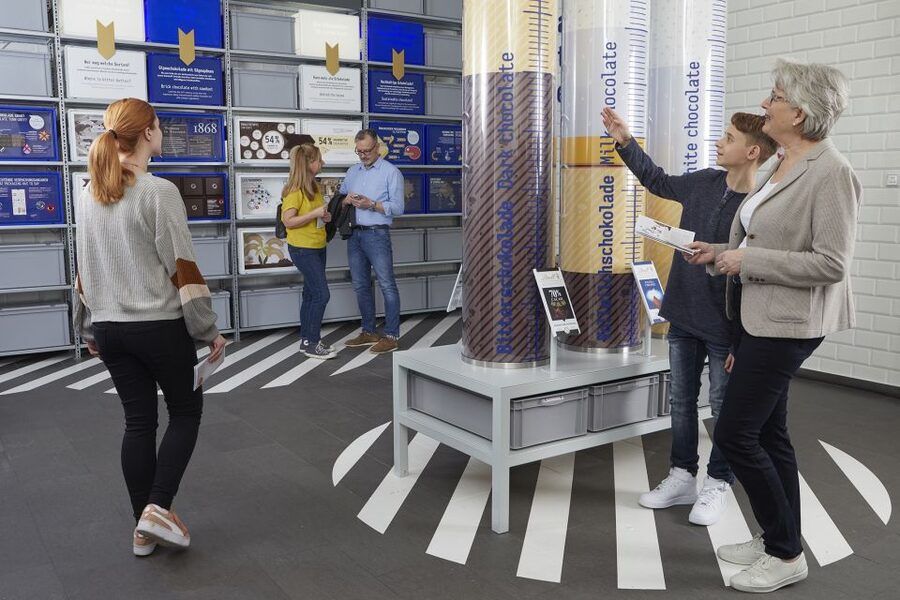
At about $19 per person, this ticket feels like good value for three reasons.
First, you get more than one type of experience. You’re not only reading about chocolate, you’re watching how it’s made in a glass factory and seeing production steps in the atelier.
Second, tastings are not an optional extra. With chocolate offered throughout the route and the fountain built for sampling, you’re getting immediate payoff as you go.
Third, the museum covers both story and process. You leave understanding where chocolate comes from and how it becomes a product. That mix is why this works for both hardcore cocoa nerds and people who just want something fun that doesn’t feel random.
If you’re deciding between this and a simpler chocolate-focused stop, the key is that this place actually teaches you the system while still feeding you chocolate. That combo tends to beat most one-note options.
Who this suits best, and who might want a different plan
This museum fits a wide range of people:
- Families, because tastings and the fountain keep kids engaged while adults can enjoy the exhibits
- Couples, for a fun shared activity that doesn’t require complicated logistics
- Chocolate lovers, because you get both learning and lots of sampling
- Curious adults, especially if you like industrial history and how things scale
Who might not love it as much:
- If you’re not into reading or exhibits at all, you may want to spend less time in the history rooms and focus on the production areas and fountain.
- If you hate crowds, going earlier in the day can help your visit feel calmer, since the museum can get busy later.
Don’t miss these choices inside
There are a few smart decisions you can make once you’re there.
If you see any chance to create your own chocolate bar or similar hands-on option, it can be a fun add-on. Just note it’s typically an extra cost beyond the entrance ticket.
Also, watch the timing for the production closing window. Even if you feel like you’re enjoying the slower history sections, keep one eye on the clock so you can still see the factory parts running.
Finally, plan your food stop after you finish the main route. That way, the cafe becomes a reward and a reset, not something you’re fitting in while rushing.
Should you book this Schokoladenmuseum Köln entrance ticket?
I’d book it if you want a chocolate experience that’s more than tasting. For $19, you’re getting a full on-site story of cocoa and chocolate culture plus real factory viewing in a glass setting, along with tastings you can’t really ignore.
Skip it only if you’re truly not interested in exhibits, or if you know you’ll be disappointed by museums that involve reading and walking. Otherwise, this is one of the easiest “everyone wins” attractions in Cologne, especially when you build in a cafe pause and you time the factory viewing before the production closes.
FAQ
How long does the Chocolate Museum visit take?
The experience is listed as 1 day. In practice, many people spend about 1 to 1.5 hours in the museum, depending on how much you read and snack.
What is included in the ticket?
Your ticket includes entry to the Chocolate Museum and an information booklet.
Is a guided tour included?
No. A guided tour is not included with this entrance ticket.
Where do I meet the group?
Go directly to the museum entrance and scan your mobile ticket at the entrance.
Can children visit without an adult?
Children under 12 must be accompanied by a paying adult.
What should I know about the closing times?
Last entry is one hour before closing. The production facilities close about 30 minutes before the museum closing time, so plan the factory area earlier if you want to see it at full operation.
Is the museum wheelchair accessible?
Yes, it is wheelchair accessible.
Is there tasting during the visit?
Yes. You’ll have tastings throughout the experience, including a 3-meter-high chocolate fountain where tasting is encouraged.
Is there a cafe on-site?
Yes, there is an on-site cafe, and many visitors recommend eating there after the museum.
Is cancellation available?
Yes. You can cancel up to 24 hours in advance for a full refund.
Museums Worth the Queue in Cologne
Everything else we filed on Cologne
- Aachen Private Walking Tour With A Professional Guide
★ 5.0 · 11 reviews - e-Scavenger hunt Aachen: Explore the city at your own pace
★ 4.0 · 13 reviews - Aachen Scavenger Hunt and Sights Self-Guided Tour
★ 5.0 · 14 reviews - Cologne: Fables, Fairy Tales, and Legends Tour in German
★ 4.9 · 15 reviews - Cologne: Virtual escape game adventure at 7th Space
★ 4.3 · 15 reviews - Roman Cologne: A Self-Guided Audio Tour
★ 4.0 · 15 reviews
Museums, side by side.
 ★ 4.5Berlin: Jewish Museum Berlin Entrance TicketFrom $08,393 reviews
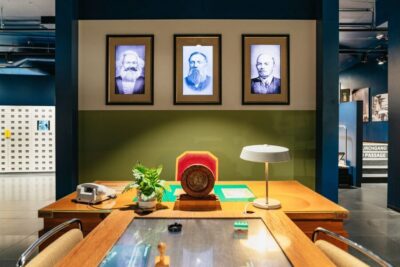 ★ 4.3Berlin: DDR Museum TicketsFrom $153,443 reviews
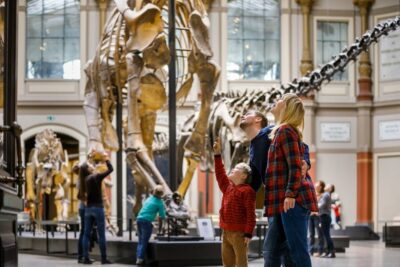 ★ 4.6Berlin: Natural History Museum Entrance TicketFrom $123,382 reviews
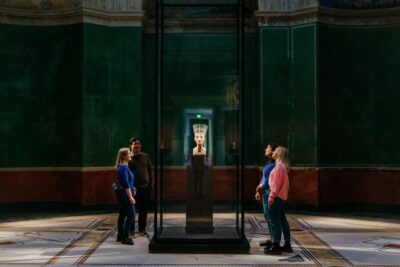 ★ 4.6Berlin: Neues Museum Entry TicketFrom $163,261 reviews
 ★ 4.7Dresden: Church of Our Lady Guided Tour of GalleryFrom $152,421 reviews
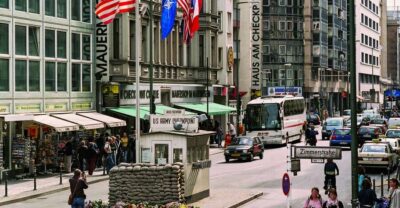 ★ 4.1Skip-the-Line: Berlin Wall Museum at Checkpoint CharlieFrom $212,041 reviews
 ★ 4.4Berlin: Museum Island Multiple Museum Entry TicketFrom $272,007 reviews
 ★ 4.8Stuttgart: Mercedes-Benz Museum Entry TicketFrom $181,400 reviews
Other lists this tour is on