
REVIEW · GUIDED
Cologne: Southside Severinsquarter Guided Tour in German
A walk here feels like switching on a local time machine. I especially liked the stop at the Basilica of St. Severin and the chance to trace stories along Hohe Straße, Cologne’s oldest street. One thing to plan for: the tour runs in German only, so come ready with a few key words or go with a friend who can handle basic phrases.
You get a focused, two hour loop with a live guide and a private group setup, which is ideal if you want to ask questions without the pressure of a big crowd. You should wear comfortable walking shoes, because this is still a proper city walk, even though it’s only about two hours.
In This Review
- Key things that make this Severinsquarter walk worth your time
- Where Severinsquarter fits into your Cologne plan
- Starting at the Basilica of St. Severin, and finding your bearings
- Hohe Straße: Cologne’s oldest street, on foot
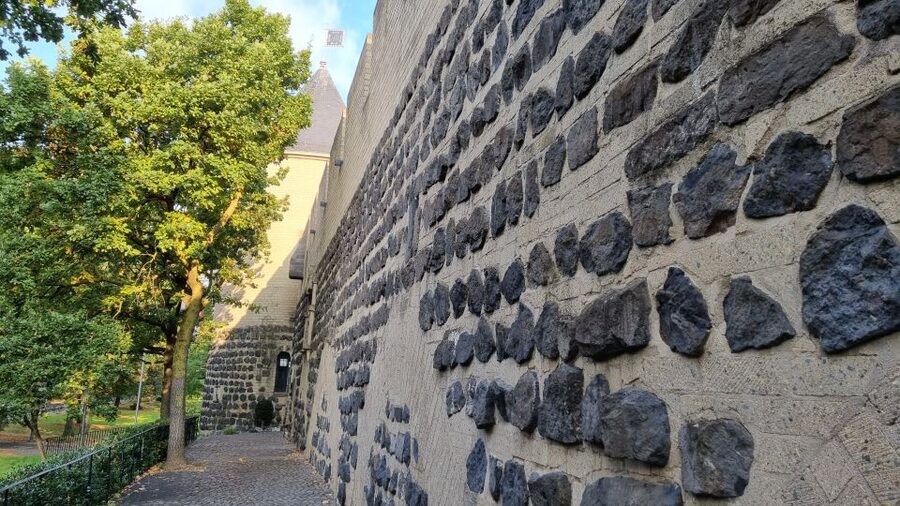
- The City Wall and what it meant to be inside the fortifications
- Severinstorburg city gate: ending where kings and nobles entered
- Carnival clubs, fountains, pubs, and monasteries: learning Cologne as a living mix
- How long is two hours, really, and how to pace yourself
- German-only tour: making it work even if you’re not fluent
- Price and value: $94 per group up to five
- Who should book this Severinsquarter tour
- Should you book this Cologne Severinsquarter tour?
- FAQ
- Is the Cologne Southside Severinsquarter tour available in English?
- How long is the guided tour?
- Where do we meet for the tour?
- Where does the tour end?
- What is included in the price?
- What can I see during the walk?
- Is the tour wheelchair accessible?
Key things that make this Severinsquarter walk worth your time
- St. Severin as a starting point: the tour begins at the square in front of the basilica, making it easy to orient yourself fast.
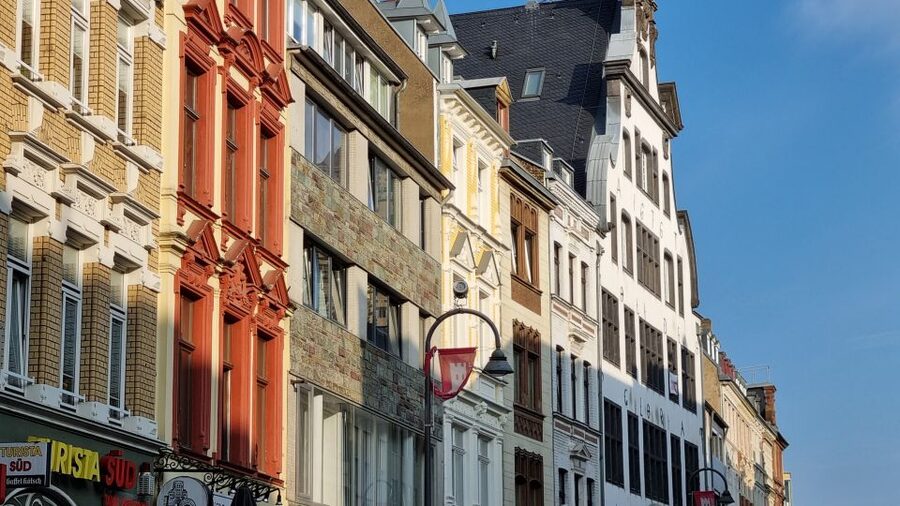
- Hohe Straße, Cologne’s oldest street: you’ll walk the kind of path that people have been using for an amazingly long time.
- City Wall details near Severinstorburg: you’ll get context for what the fortifications meant and what visitors might have seen around 1180.
- Severinstorburg city gate finale: the walk ends at one of the surviving medieval gates, tied to today’s carnival energy.
- Carnival clubs, fountains, pubs, and monasteries: it’s not just monuments, it’s the everyday mix of Cologne life around them.
Undecided? The closest Cologne write-ups we have are these.
- Cologne: Panoramic City Cruise★ 4.3 · 5,698 reviews
- Cologne: Brewery Tour with 3 Kölsch Beer Tastings★ 4.7 · 3,108 reviews
- Cologne: Top Sights Rhine River Cruise – Skyline Tour★ 4.4 · 3,030 reviews
- Cologne: Chocolate Museum Entrance Ticket★ 4.4 · 2,790 reviews
Where Severinsquarter fits into your Cologne plan
Cologne can feel like two cities at once. There’s the big postcard stuff, then there’s the older, quieter layer where medieval walls, older churches, and local traditions still sit in the middle of normal streets. This Severinsquarter guided walk is designed for that second mood.
At two hours, it’s a practical hit if you want history without spending half a day hiking from one major landmark to the next. And because it’s a private group, the guide can keep the pace comfortable and answer questions as you go, which matters on a walking tour where the best part is often hearing the story behind the next corner.
The price is listed per group, up to five people. That makes it easier to justify if you’re traveling with family or a small group, because you’re spreading the cost across multiple people rather than paying a higher per person rate.
Starting at the Basilica of St. Severin, and finding your bearings
The meeting point is straightforward: the square in front of the Basilica of St. Severin on Severinstraße, opposite house No. 35. I like starting at a landmark square like this. It reduces the usual walking tour stress of figuring out which side of a street everyone is standing on.
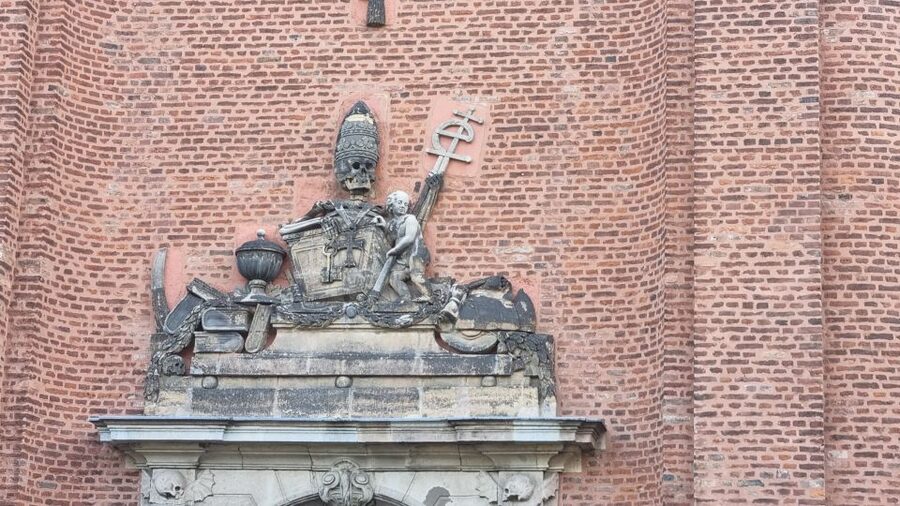
From there, the guide sets the tone for what you’re about to see: the basilica is an early Romanesque church, established in the late 14th century. That detail matters because it helps you stop treating churches as isolated sightseeing stops. Instead, you start looking at them as part of a long sequence of rebuilding, changing neighborhoods, and keeping tradition alive.
If your German is basic, you’ll still be fine as long as you listen for the key names and street references. The guide’s explanations are the heart of the experience, and the tour is built for people who want to understand why this area looks the way it does.
One tip: stand at the meeting point a few minutes early and do a quick scan of street signs. When you later hear the guide reference places like Hohe Straße and Severinstorburg, you’ll feel like you’re following the story, not decoding it.
Hohe Straße: Cologne’s oldest street, on foot
Hohe Straße is the kind of place you walk through and only later realize how much time it has seen. Here, you’ll learn why it’s considered Cologne’s oldest street and you’ll connect that to the surrounding quarter.
The practical value of this stop is that it trains your eyes. Instead of only noticing storefronts or church facades, you learn how the street itself becomes a historical thread. Even if you’re not staring at specific dates the entire time, the guide’s framing helps you understand what it means that people have been moving along this corridor for centuries.
You’ll also pick up a sense of how the neighborhood functions. Along the route, the tour references everyday Cologne elements like breweries and traditional pubs, plus churches and monasteries. That mix is important because it explains why history in Cologne doesn’t feel frozen behind ropes. It’s embedded in what people do now.
Plan for this section as a slower walk with plenty of listening. If you tend to rush on tours, try not to here. The street is the feature, and the guide’s narration gives you something to chew on at each turn.
The City Wall and what it meant to be inside the fortifications
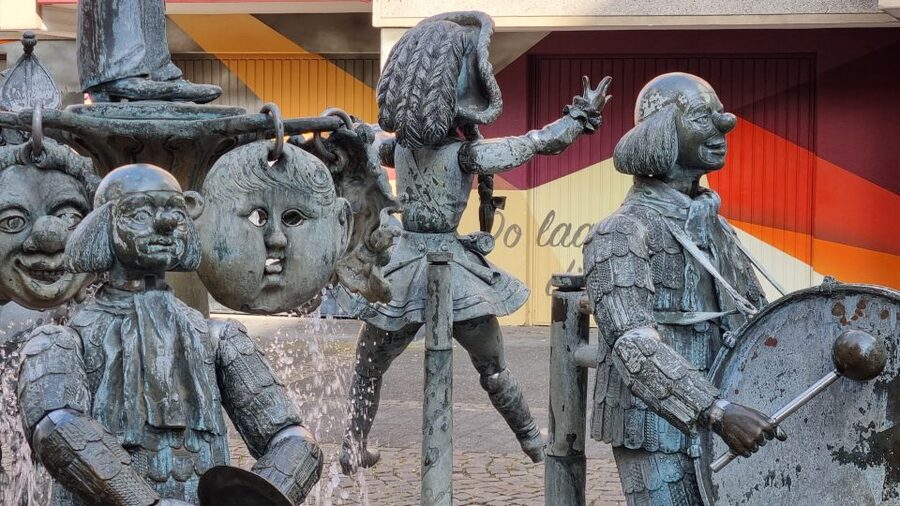
One of the tour’s standout promises is the chance to admire the medieval City Wall and get a glimpse of what Cologne looked like around 1180. Even without exact replicas or dramatic reconstructions, hearing a guided explanation changes your relationship with the built environment.
Walls are more than stone barriers. They shape where people travel, where trade happens, where authority sits, and what neighborhoods can grow. This is why the City Wall stop is more than a photo moment. It helps you understand the logic of the city’s old layout and why certain streets and entrances mattered so much.
As you move along, listen for how the guide connects the wall to other stops, especially the gate area. The tour is paced so you build a mental map. You’re essentially learning the neighborhood in layers: street first, then institutions, then defenses.
A small consideration: fortifications can look subtle if you’re only scanning for big sights. If you want better “wow” factor, lean into the guide’s details and keep your focus on edges, alignments, and what the guide tells you the structure is doing.

Severinstorburg city gate: ending where kings and nobles entered
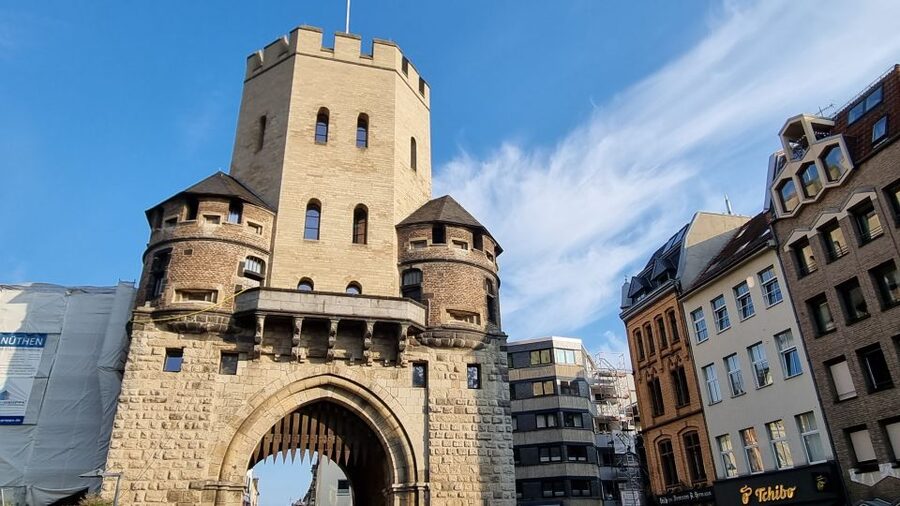
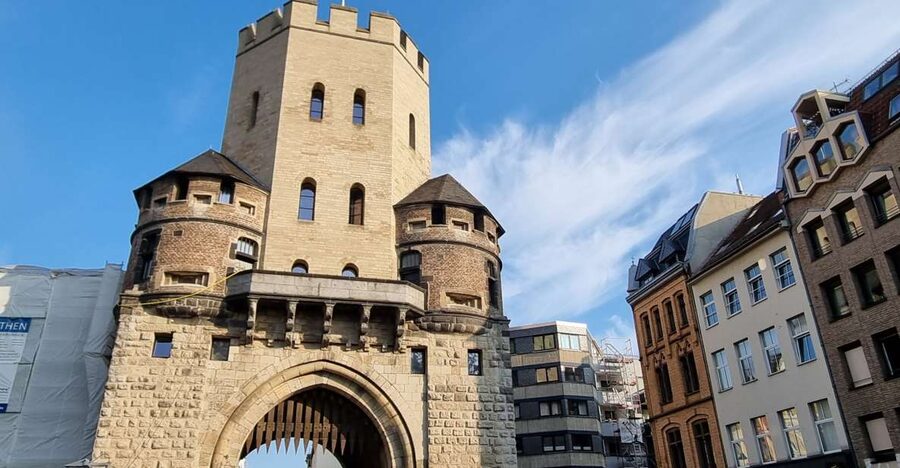
The walk ends at Severinstorburg, one of the four surviving medieval city gates. That word “surviving” is doing a lot of work. It means you’re seeing a real remnant of how access to Cologne was controlled and managed.
The guide also ties this gate to both past and present. Today, the big carnival parade begins here. Historically, this was a point where kings and nobles entered the city. That contrast is what makes the ending feel satisfying. You’re not just learning medieval architecture. You’re learning how an old entrance became a modern stage for local tradition.
This finale is also a good moment to reorient. You start at a church square, cross through the quarter, and finish at a gate. If you plan your day around it, this tour gives you a clear “half circle” of context, so later when you see other parts of Cologne, you can place them in relation to where the old entry points sat.
If you’re visiting outside carnival season, you might not see parade activity, but the symbolism still lands. In Cologne, the carnival references are woven into the city’s identity, and this is one of the places where you feel that most directly.
Carnival clubs, fountains, pubs, and monasteries: learning Cologne as a living mix
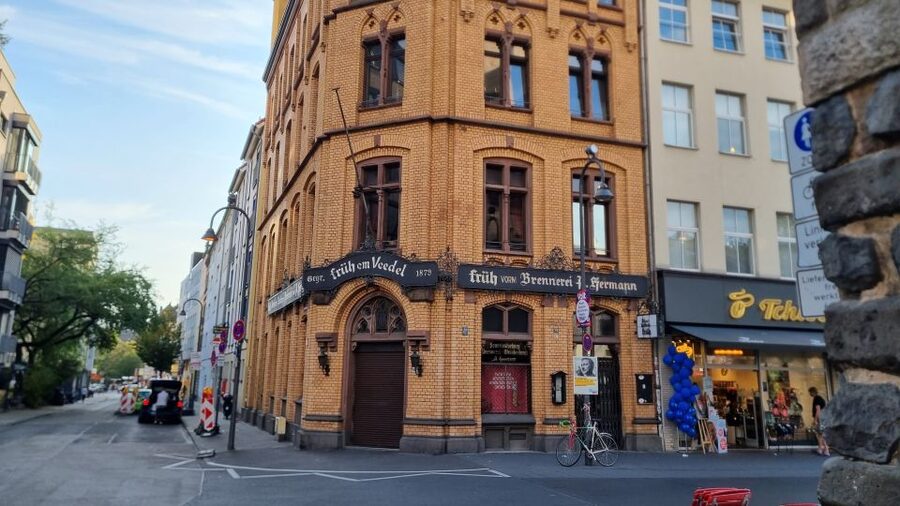
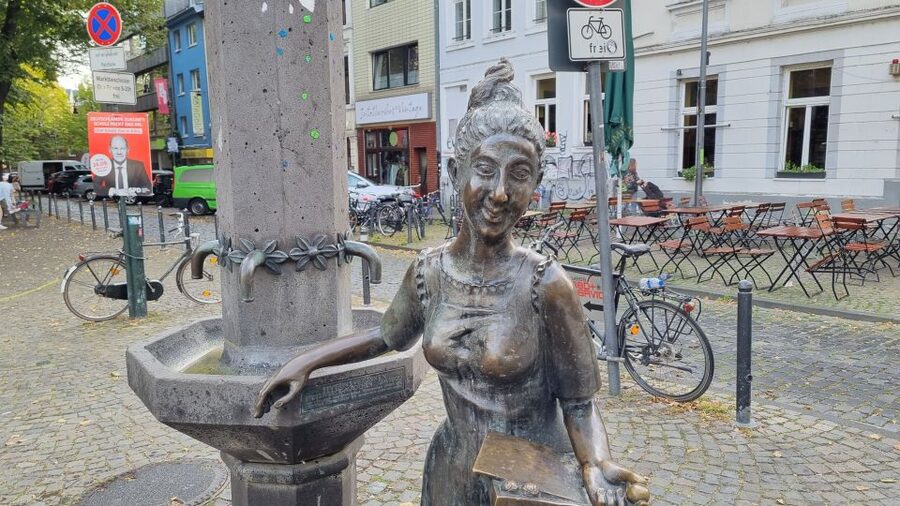
This is not a museum tour with doors and placards. The tour explicitly points out a mix of places that show Cologne’s culture in motion: carnival clubs, fountains, breweries, traditional pubs, monasteries, and churches.
What I like about this approach is that it makes history usable. Instead of saying, “Here is an old building,” the guide uses those buildings to explain how people organized community life. Carnival clubs and fountains, for instance, aren’t random stops. They show how public space and local traditions interact with the surrounding streets.
You’ll also notice the tour keeps referencing the neighborhood’s character as you walk. That’s where the best learning happens, because it’s hard to forget what a guide says when you can see the neighborhood matching the explanation.
One more plus from the guide perspective: German narration is led by a real person, and the experience benefits when that person knows Cologne intimately. In the feedback for this tour, a guide named Manfred Speier came up with particular praise for being a Cologne native and bringing solid subject knowledge. I take that as a sign you’re in good hands when the history starts getting detailed.
How long is two hours, really, and how to pace yourself
Two hours sounds short until you’re walking and listening continuously. The good news is that it’s long enough to cover key anchors, like Hohe Straße and the City Wall and gate area, without turning into a marathon.
Here’s how I’d pace yourself for a smooth experience:
- Keep water handy, especially in warm weather. Food and drinks aren’t included, so plan accordingly.
- Save your big questions for a moment when the group slows down. That’s usually when the guide can answer properly without racing to the next stop.
- Wear shoes you’d happily walk in for an afternoon. Comfortable walking shoes are recommended for a reason.
If you’re planning a busy day, this tour fits well as either a morning history start or an afternoon way to break up heavier sightseeing. It gives you a grounded sense of place before you hop to other parts of the city.
German-only tour: making it work even if you’re not fluent
The tour is only available in German, which is the one clear limitation you should take seriously. If you speak no German at all, you might miss parts of the narration, especially if the guide uses lots of place-specific terms.
That said, guided walking tours often run on names, street references, and clear visual cues. You can still get a lot out of it by focusing on:
- the place names the guide repeats,
- how the guide connects one stop to the next,
- and the visual landmarks you can point at as you listen.
If you’re comfortable ordering coffee and reading basic signs, you’ll likely follow the rhythm of the explanation. If you’re not, consider pairing this with a self-guided wander later where you can linger at the stops that interested you most.
Wheelchair accessible is listed as well, which is a good sign if you need route flexibility. You’ll still want to check what “accessible” means for your specific mobility needs, since every city street can vary.
Price and value: $94 per group up to five
Let’s talk value in plain terms. At $94 per group up to five people for a two hour private guided walk, you’re not paying per person. That means the cost can drop quickly for groups.
If you go as a single person, you might feel the price more, because the group cap doesn’t automatically lower your share. But if you have two to five people, it becomes easier to justify versus paying separate rates for each person.
Also remember what’s included. The tour includes the guided walk, and food and drinks are not included. That’s normal for this kind of city history experience. You’ll get your “spend” in the form of a knowledgeable guide and a structured route, not in meals.
For value seekers, this is the sweet spot: small group, lots of walking context, and a route that focuses on the oldest street and one of the surviving medieval city gates.
Who should book this Severinsquarter tour
I’d recommend it if you:
- like history that explains how a neighborhood works, not just how it looked once,
- want to connect medieval structures like city walls and gates to modern Cologne traditions like carnival,
- prefer a private group experience where the guide can tailor the pace,
- are comfortable doing a steady walking tour for two hours.
It might be less ideal if you want a hands-off self-guided experience, or if you expect the tour to be in English. Language matters here. Also, if you dislike listening to guided narration, you may find the experience more demanding than purely visual tours.
Should you book this Cologne Severinsquarter tour?
I’d book it if you want a well structured story walk through a part of Cologne that’s closely tied to both medieval architecture and carnival culture. The route gives you the essential anchors: St. Severin at the start, Hohe Straße along the way, and Severinstorburg as a memorable ending.
It’s especially worth considering if you can travel in a small group of up to five, because the per group pricing makes the math easier. Add in a German guide who is praised for local expertise, and you get a solid combination of clear subject matter and practical pacing.
If German is a challenge, still consider it if you’re the type who enjoys learning place names and following visual cues. Otherwise, you may want to pair this with another English-friendly tour or plan a self guided walk afterward to fill the gaps.
FAQ
Is the Cologne Southside Severinsquarter tour available in English?
No. This tour is only available in German.
How long is the guided tour?
It lasts 2 hours.
Where do we meet for the tour?
You meet at the square in front of the Basilica of St. Severin, Severinstraße, opposite house No. 35.
Where does the tour end?
The tour ends at Severinstorburg.
What is included in the price?
The guided tour is included. Food and drinks are not included.
What can I see during the walk?
You’ll see the Basilica of St. Severin, the medieval City Wall, Severinstorburg City Gate, Hohe Straße, plus carnival clubs and fountains, and you’ll pass breweries, traditional pubs, monasteries, and churches along the route.
Is the tour wheelchair accessible?
Wheelchair accessibility is listed as available.
Everything else we filed on Cologne
- XXL tour (11km)
★ 5.0 · 3 reviews - Compact tour (7km)
★ 5.0 · 3 reviews - Köln Night PubCrawl: 4 Venues, Welcome Shots + Club Entry
★ 3.5 · 4 reviews - Private Vacation Photoshoot with Photographer in Cologne
★ 5.0 · 4 reviews - Discover Cologne’s Christmas Market Magic with a Local
★ 4.5 · 4 reviews - From Amsterdam: Cologne Private Sightseeing Tour
★ 5.0 · 4 reviews
Guided, side by side.
 ★ 4.7Berlin: Reichstag, Dome and Government District Guided TourFrom $1818,288 reviews
 ★ 4.7Dresden: Semperoper Tickets and Guided TourFrom $1812,102 reviews
 ★ 4.7Berlin: Government District around the Reichstag Guided TourFrom $2848,447 reviews
 ★ 4.7Hamburg: Elbphilharmonie Plaza Guided TourFrom $275,882 reviews
 ★ 4.8Berlin: Hidden Backyards Guided Walking TourFrom $235,360 reviews
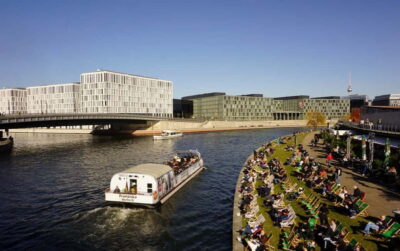 ★ 4.7Berlin: 1-Hour Boat Tour with Bilingual Live GuideFrom $223,629 reviews
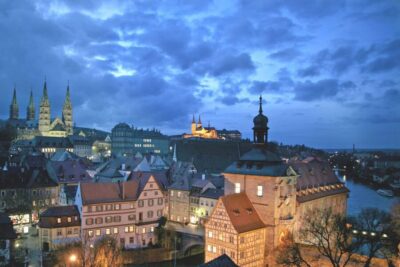 ★ 4.6Bamberg: Guided Walking TourFrom $143,202 reviews
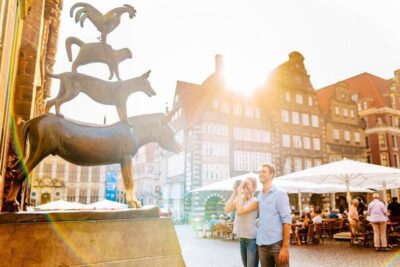 ★ 4.5Bremen: City Center Guided Walking TourFrom $142,709 reviews