
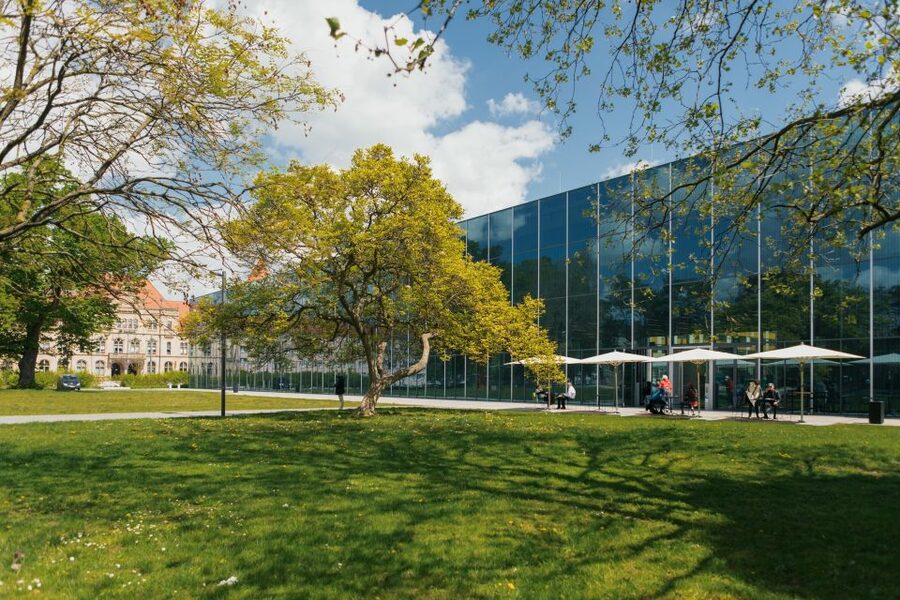
REVIEW · THURINGIA
Dessau: Guided Walking Tour through History
Dessau has a way of turning names into street-level stories. This 1.5-hour guided walking tour links eight centuries of change to what you can actually see in the city center, with plenty of anecdotes along the way. I like that the guide does not just recite facts, they connect themes like the Bauhaus, the Basic Law, and Dessau’s “famous abroad” figures to the place itself.
What I especially like is how the tour builds contrasts. You hear how people and movements shaped Dessau across very different eras, from Prince Leopold III. Friedrich Franz to Walter Gropius and Wassily Kandinsky, and you start noticing details you would normally walk past. One drawback to keep in mind: it’s a German-language tour, so if your German is limited, you may miss some of the finer storytelling beats.
Key points to look for
- Eight centuries in 90 minutes, with the guide weaving turning points into the walk
- Bauhaus origins in Dessau, explained through people and places you can spot nearby
- Basic Law context, so Dessau’s postwar story makes more sense
- Famous names tied to the streets, including Walter Gropius and Wassily Kandinsky
- Anecdotes that teach, with small stories that make the city feel personal
In This Review
- Dessau’s walking tour turns big ideas into nearby sights
- What you learn: Bauhaus, the Basic Law, and Dessau’s “famous abroad” figures
- The city center “hidden treasures” you’ll actually notice
- Anecdotes are the secret sauce, so lean in
- Timing and pacing: 1.5 hours that respect your day
- Price and value: $13 for a guide-led city interpretation
- Rain or shine, and what to wear on a city-center walk
- Who this tour is best for
- Should you book the Dessau guided walking tour?
- FAQ
- How long is the Dessau guided walking tour?
- What language is the live tour guide?
- Where do I check in before the tour starts?
- Is the tour offered in bad weather?
- Can I get a refund if I cancel?
- Is it possible to reserve without paying right away?
- Can I buy tickets on site or do I skip a line?
- Is the tour wheelchair accessible?
- What’s included in the tour?
- How much does the tour cost?
Dessau’s walking tour turns big ideas into nearby sights
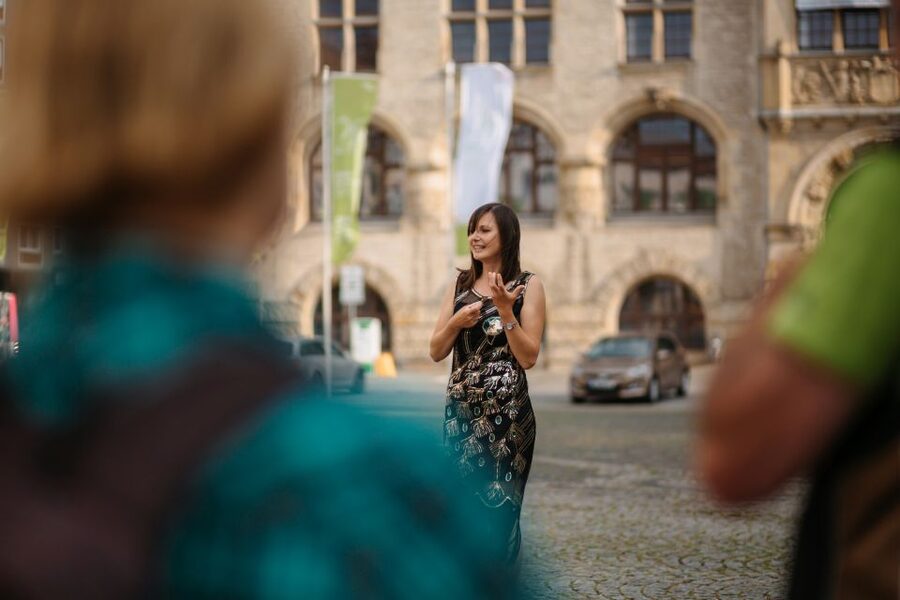
Dessau is the kind of city where the past does not stay behind glass. In 1.5 hours, you get a guided pass through what shaped the city across roughly 800 years, then you move on with a mental map that feels usable, not academic.
The format is simple: you walk through the city center while a trained guide gives context and stories. This matters because the tour’s real goal is interpretation. It’s not just where things are, it’s what they meant, and why Dessau keeps showing up in conversations about art, design, industry, and modern life.
I like that the guide frames Dessau as a place of contrasts. You hear how rulers, architects, composers, and inventors connect, even when their eras or styles are wildly different. That mix is what makes the city feel alive, not museum-like.
What you learn: Bauhaus, the Basic Law, and Dessau’s “famous abroad” figures

This is the tour’s core value: it gives you a thread to follow. You start with how the Bauhaus came to Dessau, then you get the story behind why the city connects to the Basic Law. That pairing sounds like a leap until the guide explains the local reasons and the turning points that link design, society, and politics.
You also learn how Dessau’s most famous people can feel more known outside the city than inside it. The tour brings forward names including Prince Leopold III. Friedrich Franz, Friedrich Wilhelm Erdmannsdorff, Moses Mendelssohn, Kurt Weill, and the Max and Wilhelm Müller. It then continues into the 20th century with Hugo Junkers, Walter Gropius, Wassily Kandinsky, and others.
Here’s why that matters for you: when you recognize names and understand why they matter in the city, the streets stop being “just streets.” You start seeing the city as a chain of decisions, experiments, and cultural shifts. After the tour, you’ll be better at putting what you see into context without needing to look everything up on the spot.
A useful way to think about it: the guide is effectively teaching you how to read Dessau. Once you know what to look for, the city center becomes easier to explore on your own afterward.
The city center “hidden treasures” you’ll actually notice
The tour focuses on the city center, where smaller details tend to reveal the bigger story. You are not wandering the outskirts for general views. Instead, you’re walking through urban spaces that the guide helps you interpret, so you can spot what makes Dessau feel distinct.
You’ll hear about “hidden treasures” in the city center, and that phrase is more than marketing language here. The tour is designed to point you toward overlooked corners, structures, or street-level clues that connect to the names and movements you’re hearing about. It’s the difference between staring at a building and understanding why that building belongs to the city’s broader narrative.
One thing I appreciate: the tour is built to bring contemporary witnesses from different epochs into the same conversation. That approach helps you understand how Dessau’s identity didn’t come from one event, but from a series of chapters layered on top of each other.
Practical takeaway: during the walk, watch for the moments where the guide pauses and explains a detail tied to a name you’ve heard. Those are usually the parts that will stick with you later when you’re back on your own.
Anecdotes are the secret sauce, so lean in
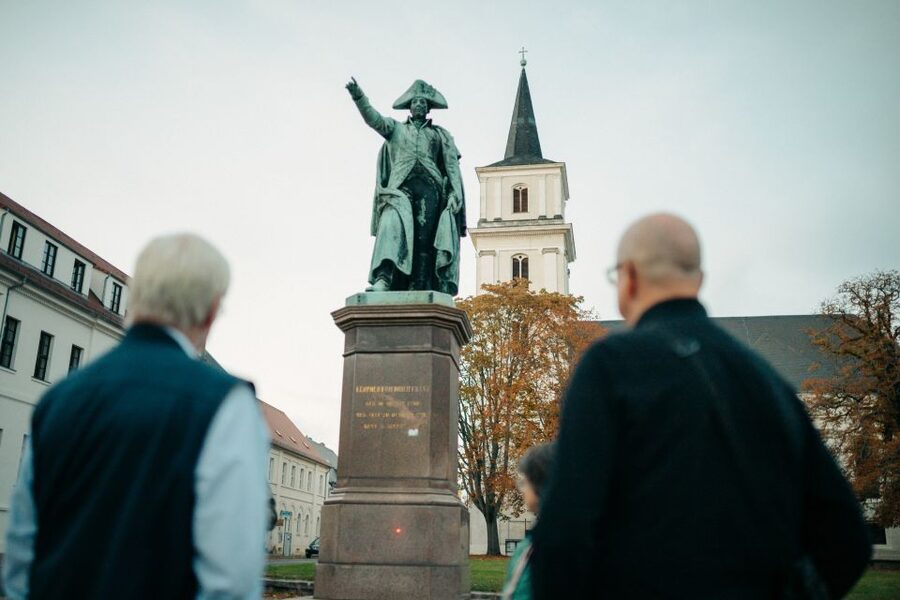
If there’s one theme that shows up in the kind of feedback this tour generates, it’s the small stories. People liked the anecdotes so much they asked for more of them, and that’s a good sign for your experience too.
Anecdotes do a job that plain facts cannot. They give you a human scale, and they often make the timeline easier to remember. When the guide adds a story about a person tied to Dessau, you start linking the name to a feeling, a moment, or a turning point, not just to a date.
The tour also gives you a “learn your own city” vibe. Even if Dessau is your home base, it sounds like the guide still finds ways to teach. That’s a strong indicator that the tour is not surface-level, and it’s tuned for both first-time visitors and repeat visitors who want a deeper sense of what’s around them.
My advice: keep your attention for the quick asides. If you tune those out, you may still get the main facts, but you’ll miss the parts that make Dessau click.
Timing and pacing: 1.5 hours that respect your day
A 1.5-hour walking tour is ideal for people who want context without committing to a half-day plan. It’s long enough to cover major themes, short enough that you can still do other things after.
Because you’re covering eight centuries of material, the guide has to move with focus. That can be a plus: you won’t get stuck in one topic for too long. The drawback is that if you want to take deep notes or linger to read every plaque in detail, you may wish you had more time. Still, the goal here is to leave you with a mental map and a list of what to look up later.
Best use of this time: take the tour earlier rather than later in your Dessau visit. Then, as you explore the city center afterward, you’ll have names and themes ready in your head. You can turn “I see that” into “I understand why that matters.”
Price and value: $13 for a guide-led city interpretation
At $13 per person, this is priced for value. It is not just a stroll, it’s a trained guide giving structured context: Bauhaus, Dessau’s link to the Basic Law, and how major figures shaped the city. In a lot of European cities, a guided hour of interpretation can cost more, especially when you’re getting a full theme-based narrative rather than a point-to-point photo stop list.
Here’s how to judge value beyond the price tag. Ask yourself what you want from a walking tour: background and meaning, not just locations. If you want help understanding why Dessau matters, the price-to-content ratio looks good.
Also, it’s a small time commitment. For many travelers, $13 plus 1.5 hours is an easy decision, especially if the rest of your schedule is flexible. You’re buying momentum, not just entertainment.
Rain or shine, and what to wear on a city-center walk
This tour runs rain or shine, so pack for weather rather than hope for sunshine. City-center walking is usually straightforward, but you still want comfortable shoes since the whole experience depends on staying mobile.
If it’s rainy, keep your plan simple: bring a compact rain layer or umbrella you’re comfortable holding while walking. If it’s cold, dress in layers so you can handle a mix of sun breaks and shaded streets. You’ll enjoy the guide more when you’re not distracted by discomfort.
Who this tour is best for
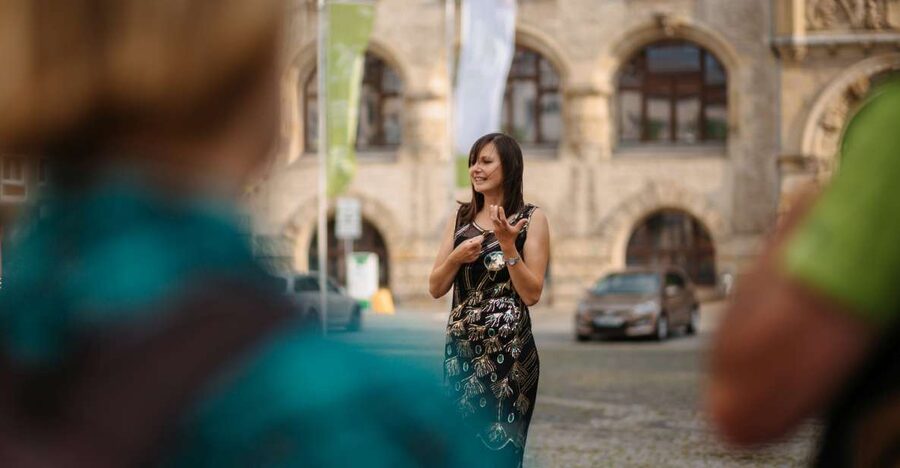
This is a strong fit if you like design, art history, or the way political and cultural change shows up in real places. The tour’s focus on Bauhaus and Dessau’s connection to the Basic Law makes it especially appealing for people who want context, not just sightseeing.
It’s also a good choice if you enjoy narrative tours with stories and name connections. You’ll benefit most if you’re open to learning how people like Walter Gropius and Wassily Kandinsky relate to Dessau in a way that feels grounded in the streets around you.
If you strongly prefer self-guided tours or you want to spend time reading every plaque, you might find a thematic walking structure too fast. But if your goal is to get your bearings and understand what makes Dessau important, this tour is built for you.
Should you book the Dessau guided walking tour?
I’d book it if you want a short, organized way to understand Dessau’s eight-centuries story and its big modern links. The price is reasonable for what you get, and the strongest signal is the attention to anecdotes and guided interpretation, not just locations.
Skip it if you don’t plan to follow a German-language narration or if you want a slow, in-depth sightseeing day with lots of independent reading. Otherwise, take the tour, then use the names and themes you pick up to guide your next steps through the city center.
If you have a single question in your head before booking, make it this: do you want help connecting Bauhaus and Dessau to the real city around you? If yes, this walking tour is an efficient and enjoyable way to get there.
FAQ
How long is the Dessau guided walking tour?
The tour duration is 1.5 hours.
What language is the live tour guide?
The live tour guide speaks German.
Where do I check in before the tour starts?
Please show your voucher at the ticket counter before the tour begins.
Is the tour offered in bad weather?
This tour will take place rain or shine.
Can I get a refund if I cancel?
Free cancellation is available up to 24 hours in advance for a full refund.
Is it possible to reserve without paying right away?
Yes. The option is reserve now & pay later, so you can book your spot and pay nothing today.
Can I buy tickets on site or do I skip a line?
The activity includes skip the ticket line.
Is the tour wheelchair accessible?
Yes, the tour is wheelchair accessible.
What’s included in the tour?
It includes a tour by a trained guide through the changeful history of Dessau-Roßlau.
How much does the tour cost?
The price is $13 per person.
Weimar Erfurt and Thuringia Tours, side by side.
 ★ 4.7Erfurt: Old Town Guided Walking TourFrom $151,617 reviews
 ★ 4.7Weimar: Old Town Guided Walking TourFrom $111,080 reviews
 ★ 4.5Night Watchman Tour through QuedlinburgFrom $131,040 reviews
 ★ 4.8Erfurt: Guided Tour of The Petersberg CitadelFrom $12674 reviews
 ★ 4.7Goslar: Tausend Schritte durch die AltstadtFrom $16417 reviews
 ★ 4.5Quedlinburg: Guided City Highlights Walking TourFrom $11353 reviews
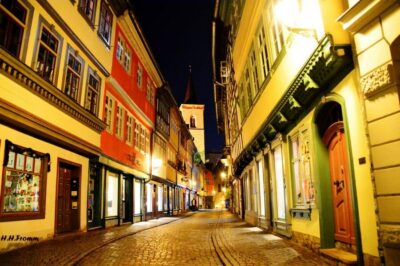 ★ 4.7Erfurt: With Night Watchman Schwalbe through the Old Town, including tastingFrom $18297 reviews
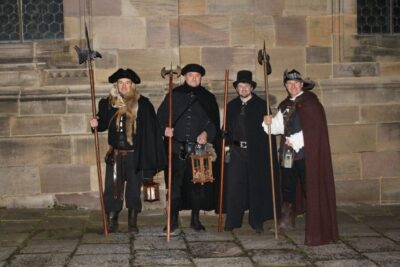 ★ 4.5Fulda: Night Watchman TourFrom $23167 reviews
Other lists this tour is on