
REVIEW · THURINGIA
Weimar: Old Town Guided Walking Tour
Old Weimar tells stories fast. This guided Old Town walk connects Weimar Classicism with the city’s Bauhaus roots, then peppers the route with smart, human scale facts about the Weimar Republic. I like the stop to stop flow, because it keeps you oriented, and I like that the guide uses amusing anecdotes to make the architecture and ideas easier to remember.
One consideration: this is a walking tour, rain or shine, and it is not designed for wheelchair users or people who need special mobility or visual support.
In This Review
- Key things that make this Weimar walk worth your time
- Weimar in 1 to 2 hours, Classicism meets the Bauhaus
- Start at Neptun Brunnen, then let the route do the thinking
- Market Square Weimar, your first quick win for orientation
- Square of Democracy, history that turns into a real place
- Schillerstraße and the literary geography of Weimar
- Goethe’s residence, when one stop feels like a whole era
- Theaterplatz, the monument ending that ties the route together
- Price and time: why $11 is good value for a first pass
- What it feels like on the ground, including pace and weather
- Who should book this Weimar Old Town tour
- Should you book it
- FAQ
- Where does the tour start?
- How long is the walking tour?
- What language is the guide?
- Is the tour outdoors?
- What should I bring?
- Is the tour suitable for wheelchair users or mobility impairments?
- Is it suitable for visually impaired people?
- How much does it cost?
- What is included in the ticket price?
- Where is the tour ending point?
Key things that make this Weimar walk worth your time
- Neptun Brunnen to Theaterplatz: a clear route that ends in the right emotional place, not just another circle
- Market Square and Democracy Square: you get city history grounded in the public spaces people actually used
- Goethe’s residence stop: a focused moment where literature and place meet
- Schillerstraße photo stop: a simple streetscape walk that helps you see why Weimar mattered to writers
- Factual, lightly told storytelling: the best part is the mix of necessary data, facts, and entertaining anecdotes
Other Thuringian towns we have written up
- Weimar: Old Town Guided Walking Tour★ 4.7 · 1,080 reviews
- Weimar: Scavenger Hunt Self-Guided Walking Tour★ 4.3 · 108 reviews
- Weimar: Old Town Tour Classical Weimar★ 4.4 · 26 reviews
- Weimar: “Illuminati”, unique Escape Room, Goethe’s secret★ 4.6 · 17 reviews
Weimar in 1 to 2 hours, Classicism meets the Bauhaus
Weimar can feel big in reputation and small in geography, so a short walking tour is a smart match. In about 1 to 2 hours, you can connect several major threads in one corridor of streets and squares: the look and feel of Weimar Classicism, the ideas that later fed into the Bauhaus, and the political context tied to the Weimar Republic.
What I like most is how this kind of tour helps your brain organize the city. Instead of seeing buildings as separate photos, you start linking them like a storybook. A guide can also point out which moments matter for understanding the whole picture, and this walk is built for exactly that, with a route that moves from civic life to cultural life and finishes at a literary monument.
At just $11 per person, the value is mostly about efficiency. You are paying for direction, timing, and context, not for a long museum day. If you have limited time in town, this is a solid way to get your bearings and learn what to notice later on your own.
Start at Neptun Brunnen, then let the route do the thinking
Your tour starts at Neptun Brunnen, a helpful anchor because it gives you an immediate meet up point and a reference for where you are in central Weimar. Even if you are arriving from somewhere else, starting with a known landmark reduces the usual stress of wandering in the wrong direction for the first 10 minutes.
From the start, the rhythm is simple: you walk, stop, look, take photos, then move on. That matters because Weimar’s “big ideas” show up through small details on the ground. When you have a guided path, you can spend your energy actually noticing buildings and squares, instead of trying to translate a map while figuring out where the next sight is.
Also, note the guide language is German. If you do not speak German well, you can still follow the route and the photo stops, but the full benefit of the facts and anecdotes will depend on what you can catch from the guide.
Market Square Weimar, your first quick win for orientation
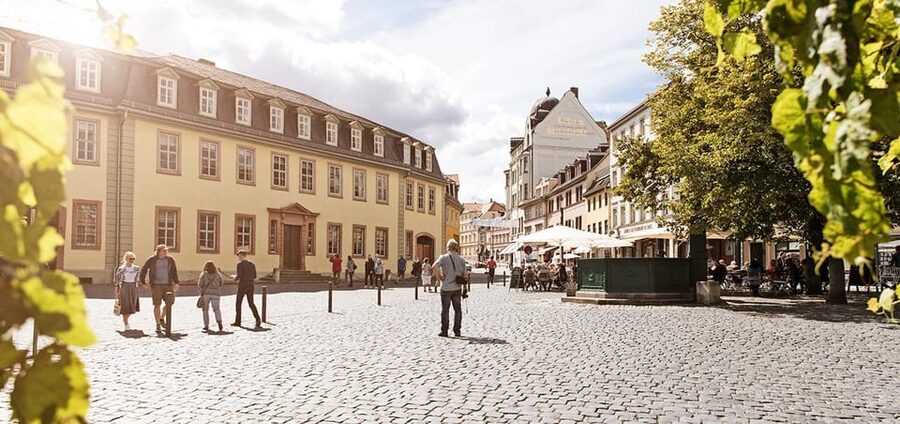
The first major stop is Market Square Weimar, and it is a good choice for a beginning because markets are where cities show their everyday personality. Here, you get a photo stop plus guided sightseeing, which is exactly what you want early on. You need a “baseline” view of the town before the guide starts layering history on top.
This is also where the tour’s style starts to pay off. A good guide can explain how public space shaped civic life, then attach those stories to the surrounding architecture. Even if you do not remember every date, you will likely remember what the place feels like, and that is the kind of memory that lasts.
Practical tip: bring comfortable shoes right away. The tour is only 1 to 2 hours, but you will cover enough ground that foot comfort affects your attention span and your photo quality.
Square of Democracy, history that turns into a real place
Next comes the Square of Democracy. This kind of stop is more than a name on a sign. You should expect the guide to connect the square to the Weimar Republic, turning politics from a textbook topic into something you can see in the layout of the space.
What makes stops like this valuable is perspective. Standing in the exact public place where ideas and power were expressed helps you understand why Weimar was such a magnet for culture, debate, and change. Even the way people gather in a square can give you clues about how society functioned.
You will likely hear a few anecdotes here too. Those little stories are not random filler. They help you remember the meaning of the stop, and they keep the walk from feeling like a lecture. If you want a tour that keeps things moving without losing context, this is a strong part of the route.
Schillerstraße and the literary geography of Weimar
Then the walk shifts to Schillerstraße, with another photo stop and guided sightseeing. Streets named after writers sound simple, but they are often more telling than you expect. You start noticing that Weimar is shaped by literature in both obvious and subtle ways, and the guide’s job is to point out what connects the street name to the cultural weight behind it.
A quick way to get value from this stretch is to pay attention to the relationship between street and buildings. Even when you do not fully grasp architectural features, you can still sense scale, proportions, and the way the street frames views. When you connect that with what you learn from the guide, the city stops being just pretty and becomes legible.
If you are traveling with someone less into history, this is one of the friendly moments. A streetscape walk lets you enjoy the town’s feel while still collecting useful context.
Goethe’s residence, when one stop feels like a whole era
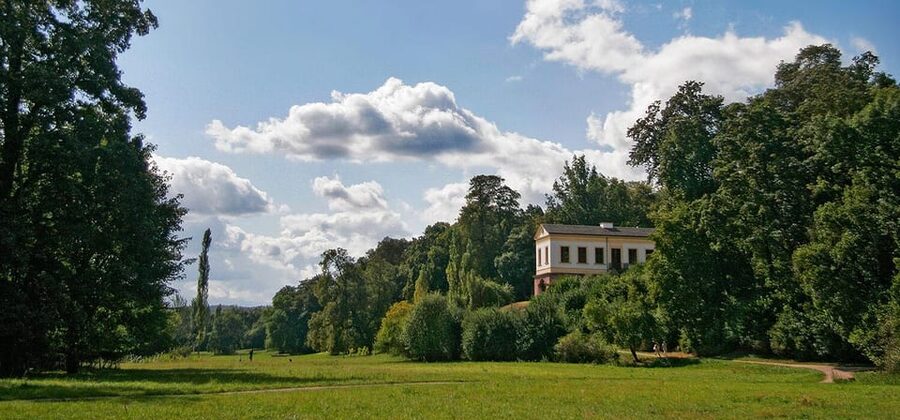
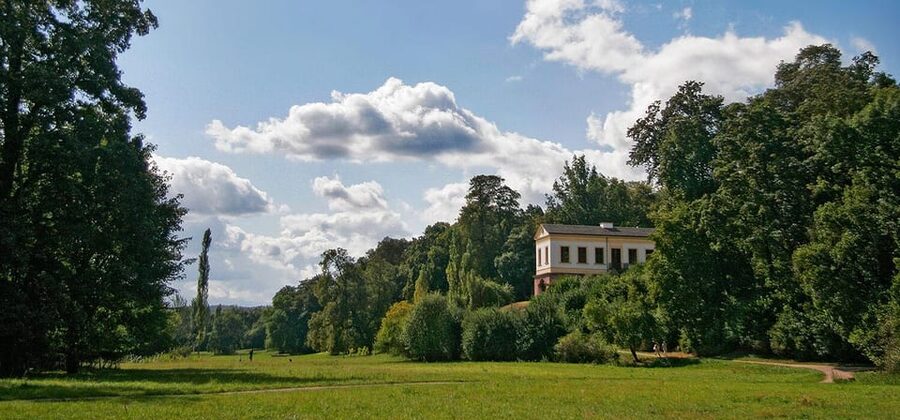
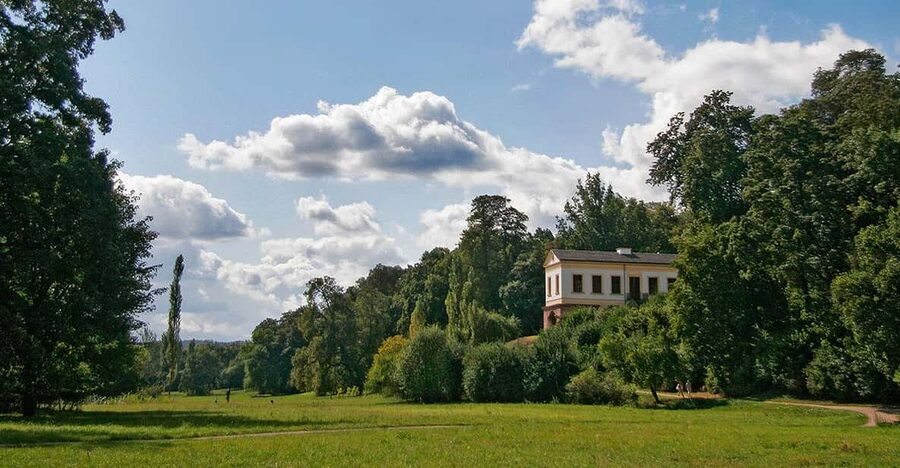
After the park section on the route, the tour reaches Goethe’s residence. This stop matters because it is personal. Architecture and streets become more meaningful when you attach them to a person and a creative life.
From a practical standpoint, this is also a good time in the walk. Midway through, you have enough context to understand why Goethe matters to Weimar’s identity, and the guide can connect that to broader themes the tour has already introduced.
If you like cultural history, you will probably appreciate how a residence stop can shift your mindset. Instead of seeing “important things” as monuments, you start seeing how daily life and creative work fit into real neighborhoods. That is usually when the stories start clicking.
Do not rush your photos here. Even if the stop is brief, slow down for a minute and look at what surrounds the residence. You want the setting to stick in your mind, not just the address.
Theaterplatz, the monument ending that ties the route together
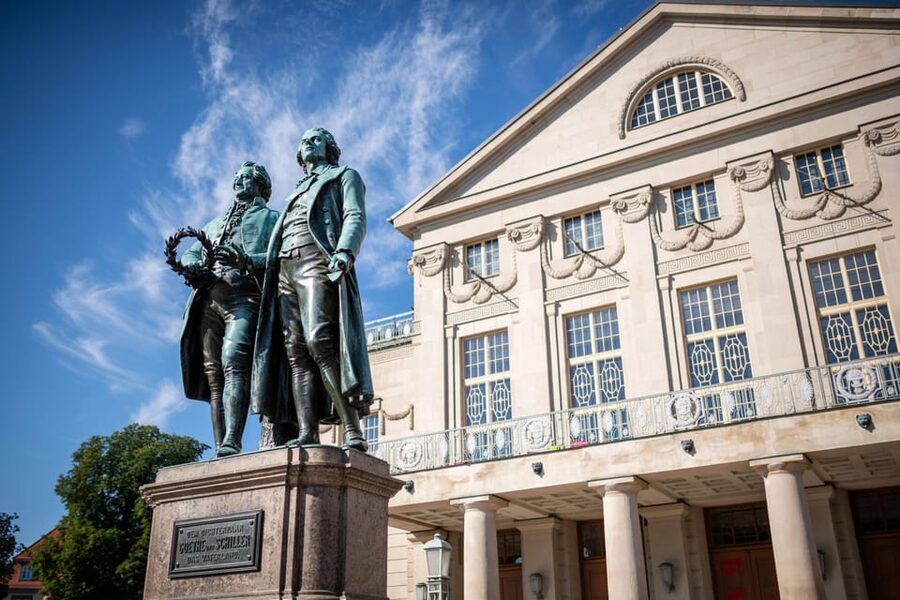
The walk culminates at Theaterplatz, where you find the renowned monument of the poet duo. End points matter on walking tours, and this one does a good job because it gathers the tour’s themes in one place: culture, authorship, and the idea of Weimar as a stage for ideas.
By the time you reach Theaterplatz, you have already seen market life, civic squares, literary streets, and Goethe’s residence. That sequencing helps the ending land. The monument is not just a photo stop, it is a “final page” that makes you look back at the route and understand how the parts connect.
It is also a relief to finish at a recognizable public area. Even if you are not sure where you want to go next, you are placed in a part of town that is meant for visitors and strolling. You can walk off with a clearer picture of why Weimar’s architecture and literary reputation grew together.
Price and time: why $11 is good value for a first pass
At $11 per person, this is the kind of tour that fits almost any travel style. It is not a premium, long-form experience, and it is not meant to replace deep museum time. But for many visitors, the value is exactly what you need: guided context over a short stretch of walking.
Think of it as a “translation service” for the city. Weimar’s significance can sound abstract until you see the buildings and public squares where that history became real. Paying a small amount for a live guide is often cheaper than paying with your time, because you avoid wandering for hours trying to connect the dots yourself.
The duration also helps. With only 1 to 2 hours, you can stack it with other plans, whether that is a longer walk on your own afterward or a museum visit in the remaining hours. Short tours work especially well early in a trip, when you want the city to make sense quickly.
What it feels like on the ground, including pace and weather
This tour takes place rain or shine, so plan accordingly. That single line changes how you pack and how you choose footwear. If the weather looks messy, bring weather-appropriate clothing and expect damp sidewalks. Your comfort affects your experience more than people think, especially for photo stops.
The good news is that the route is designed as a guided walking experience, not a grind. With a 1 to 2 hour timeframe and a sequence of distinct stops, you should not feel lost or stuck in one place too long.
Also keep in mind:
- The guide is live and in German, so listen for key points at each stop.
- The pace is geared to a public walking tour, not to slow museum drifting.
If you have mobility impairments, wheelchair users may not be a good fit. And if you are visually impaired, the format may be difficult.
Who should book this Weimar Old Town tour
This tour is a great match if you want:
- a first look at Weimar that connects Classicism, Bauhaus, and the Weimar Republic
- a guided path with photo stops so you can enjoy the town without constantly checking a map
- a short, budget-friendly option that helps you plan the rest of your day
It may be less ideal if you need step-free access, have mobility limitations, or need visual accommodations.
Should you book it
Yes, if you want a low cost way to get the city’s main storylines in a short window. This is the kind of tour that makes later self-guided exploring easier, because the route teaches you what to look for.
I would book it early in your Weimar time, especially if you are visiting for a day or two. You will walk away with a clearer sense of how the public squares, writer-linked streets, and theater area work together to explain why Weimar mattered.
If you are staying longer and you already have a strong grasp of German cultural history, you might skip this and go self-guided. But for most people, the $11 price paired with live German guidance and a tight 1 to 2 hour structure makes it a very practical first move in town.
FAQ
Where does the tour start?
The starting location is Neptun Brunnen.
How long is the walking tour?
The duration is 1 to 2 hours.
What language is the guide?
The tour is guided in German.
Is the tour outdoors?
Yes, it takes place rain or shine.
What should I bring?
Bring comfortable shoes and weather-appropriate clothing.
Is the tour suitable for wheelchair users or mobility impairments?
No, it is not suitable for people with mobility impairments or wheelchair users.
Is it suitable for visually impaired people?
No, it is not suitable for visually impaired people.
How much does it cost?
The price is $11 per person.
What is included in the ticket price?
The guided walking tour is included.
Where is the tour ending point?
The tour ends at Theaterplatz.
Pavements of Weimar
Through Thuringia and the Harz
Everything else we filed on Weimar
- Weimar: “Illuminati”, unique Escape Room, Goethe’s secret
★ 4.6 · 17 reviews - Weimar: Old Town Tour Classical Weimar
★ 4.4 · 26 reviews - Weimar: Scavenger Hunt Self-Guided Walking Tour
★ 4.3 · 108 reviews - Weimar: Old Town Guided Walking Tour
★ 4.7 · 1,080 reviews
Weimar Erfurt and Thuringia Tours, side by side.
 ★ 4.7Erfurt: Old Town Guided Walking TourFrom $151,617 reviews
 ★ 4.5Night Watchman Tour through QuedlinburgFrom $131,040 reviews
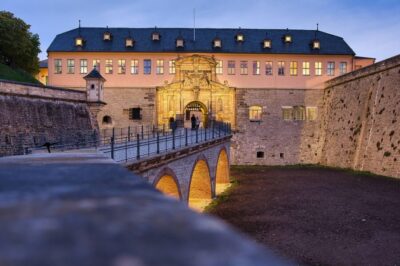 ★ 4.8Erfurt: Guided Tour of The Petersberg CitadelFrom $12674 reviews
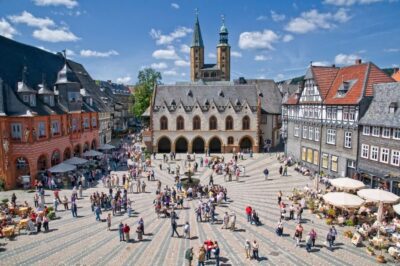 ★ 4.7Goslar: Tausend Schritte durch die AltstadtFrom $16417 reviews
 ★ 4.5Quedlinburg: Guided City Highlights Walking TourFrom $11353 reviews
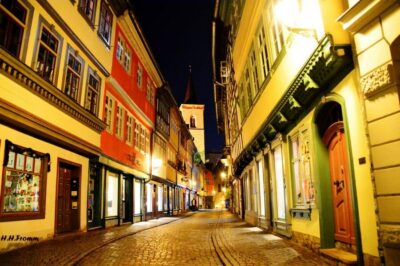 ★ 4.7Erfurt: With Night Watchman Schwalbe through the Old Town, including tastingFrom $18297 reviews
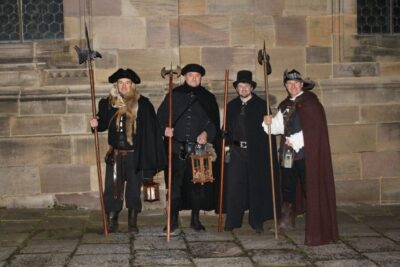 ★ 4.5Fulda: Night Watchman TourFrom $23167 reviews
 ★ 4.9Erfurt: Private Guided Classic Old Town E-Rickshaw TourFrom $77153 reviews
Other lists this tour is on