
REVIEW · THURINGIA
Fulda: Private Guided Walking Tour
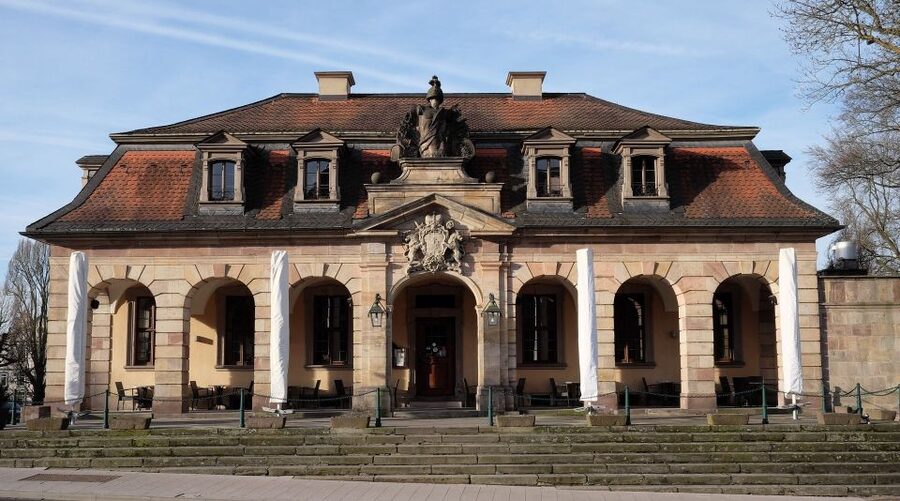
Baroque stonework makes Fulda feel like a time machine. On this private guided walking tour, I love how Fulda’s baroque architecture turns everyday streets into something dramatic, and I also love the way the walk spotlights Saint Boniface’s tomb as a real heart of the town. It’s a tight 90 minutes, but it still hits the big landmarks and the quieter, more human details.
One consideration: if your group is on the larger side, you’ll want to make sure the guide keeps everyone together and speaks so every stop is understood. A couple of poorly managed walking paces and regrouping moments can leave some people missing parts of the story, so communicate early if you need the guide to slow down or pause more often.
In This Review
- Key points worth your time
- Why Fulda’s baroque streets work so well on foot
- Meeting in front of the Tourist Office, and how to plan your pace
- Cathedral time: Saint Boniface, pilgrims, and why the tomb draws people
- Beyond baroque: St. Michael’s Church and the Holy Sepulcher story
- Streets with former court officers and older craftsmanship lanes
- Residence Garden and Flora Vase: the sculpture payoff
- Customizing on the spot, and why English and German matter
- Price and value: what $294 per group really means
- Practical details that affect your comfort and enjoyment
- Should you book this private Fulda walking tour?
- FAQ
- Where is the meeting point for the Fulda private guided walking tour?
- How long is the tour?
- How much does the tour cost?
- Is this a private tour?
- What languages are available?
- What is included in the price?
- Are entrance fees included?
- Can the guide customize the tour?
- Is this tour wheelchair accessible or suitable for mobility impairments?
- What is the cancellation policy?
Key points worth your time
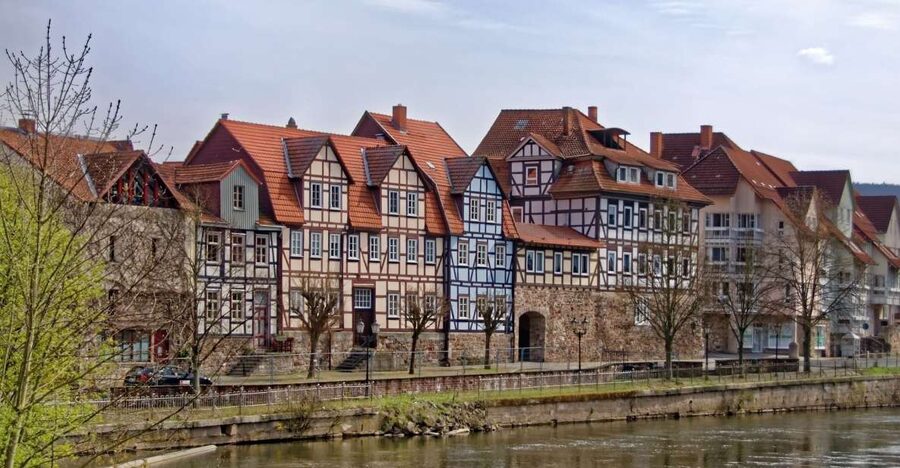
- Baroque everywhere, not just in one photo spot, as you move through older streets and buildings
- Saint Boniface focus, with the Cathedral visit tied to why pilgrims and German bishops matter here
- St Michael’s Church and the Holy Sepulcher add medieval depth beyond the baroque look
- Residence Garden mixes baroque and English garden styles in a way you can actually sense on foot
- Flora Vase is the sculpture payoff, and it’s one of the best reasons to linger
Other Thuringian towns we have written up
- Fulda: Night Watchman Tour★ 4.5 · 167 reviews
- Fulda: Guided wine tasting with wines and wine accompaniments★ 4.0 · 6 reviews
Why Fulda’s baroque streets work so well on foot
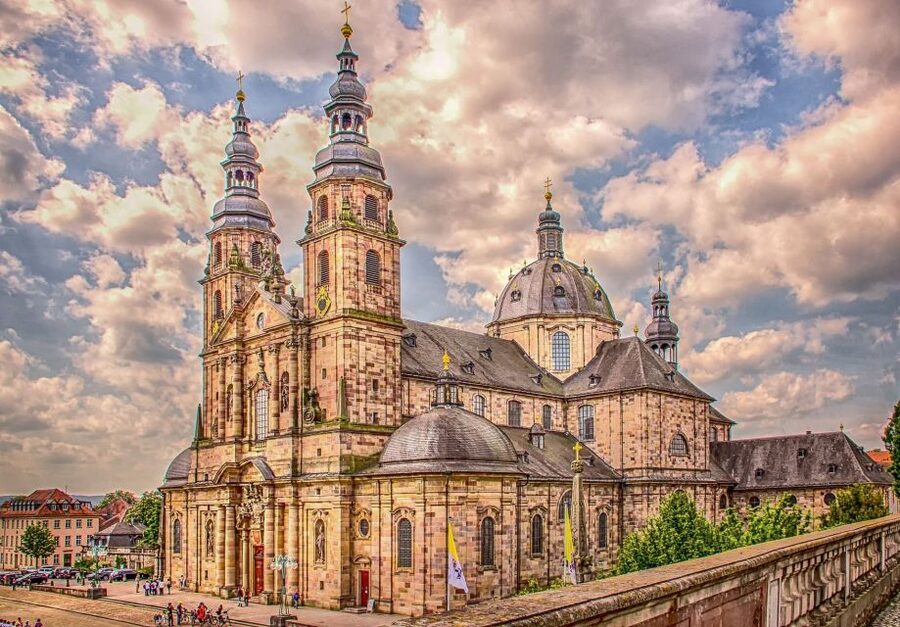
Fulda is not the kind of place where you need a car to feel the atmosphere. The old center is designed for slow movement, narrow lanes, and “wait, look at that” moments. That makes a walking tour the right format, especially with only 90 minutes on the clock.
This kind of private format matters more than you might think. Instead of getting swept along as a crowd, you get a local professional guide who stays with your group only. You can ask questions as you go, and the guide can also adjust things on the spot if your interests run toward architecture, churches, or the stories behind the buildings.
And Fulda’s baroque reputation is deserved. You’ll see the formal grandeur of major landmarks, but you’ll also notice how baroque energy shows up in everyday structures like former homes and old shopfronts. The result is a town you can read in layers, not just one big monument.
Meeting in front of the Tourist Office, and how to plan your pace
You’ll meet in front of the Tourist Office at Bonifatiuspl. 1, 36037 Fulda. That location is handy because it puts you near the historical core fast, without burning time on long “getting oriented” segments.
Since the tour is 90 minutes, I suggest you treat it like a focused walk, not a long sightseeing spree. Comfortable shoes are a must. Even if the route is not described as extreme, baroque old towns tend to mean uneven paving and frequent short stops, so your feet will thank you for grip and support.
Private groups are usually flexible, but keep one practical thing in mind. If your group is big enough to stretch the line, you may need a little extra attention to regrouping. If you care about hearing every explanation, ask your guide to confirm the group is formed at each stop and that everyone can hear clearly before they start talking.
Cathedral time: Saint Boniface, pilgrims, and why the tomb draws people
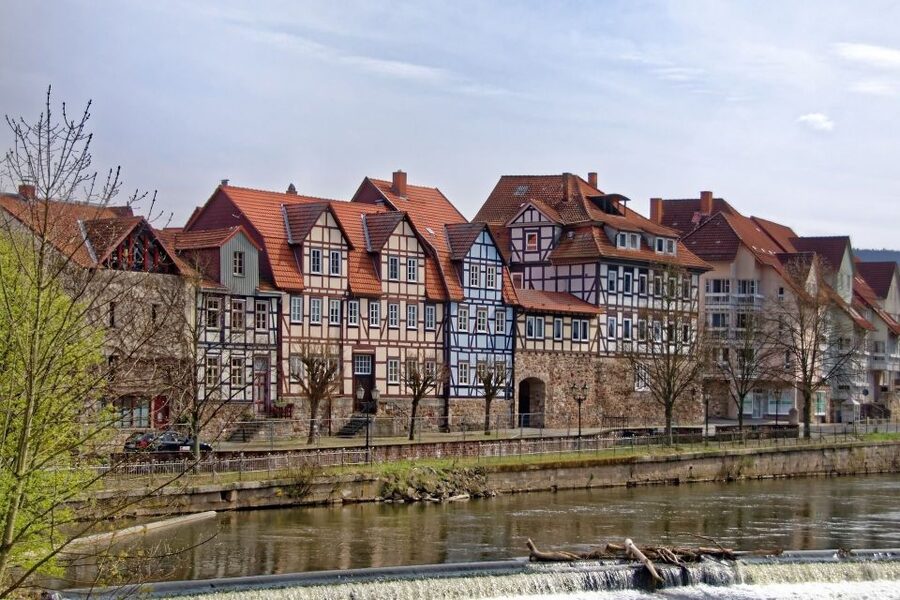
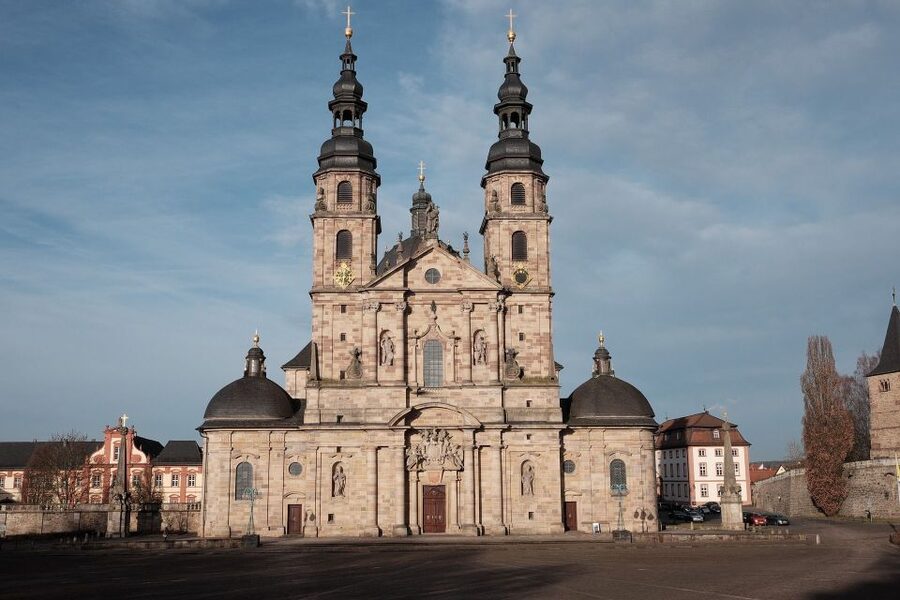
The Cathedral is the big landmark and the high point of Fulda’s baroque district. It’s also more than an architectural showpiece, because it’s the burial place of Saint Boniface. That one fact gives the building a different temperature than the typical “look at this façade” stop.
As you visit, you’re not only seeing grand design. You’re seeing why people still come to pray and recollect at his tomb each year. It also connects to a modern tradition with historical roots: every autumn, the German bishops meet here for their conference.
I like how this stop ties meaning to stone. Baroque architecture can feel loud on paper, but standing near a place linked to real devotion makes it feel grounded. The Cathedral becomes a symbol of the town, not a standalone attraction.
One practical tip for your enjoyment: plan to pause. If you rush through, you’ll miss the way the guide explains details tied to the Cathedral’s role and reputation. If you slow down for the guide’s key points, the baroque elements start to make sense, not just look impressive.
Beyond baroque: St. Michael’s Church and the Holy Sepulcher story
Fulda’s medieval side comes through clearly with the visit to St. Michael’s Church. It’s considered one of the most significant medieval church buildings in Germany, and that reputation changes how you should look at it. Instead of only hunting for baroque drama, you start noticing how earlier styles carry weight and intention.
Then there’s the Holy Sepulcher angle, which is a standout for anyone who likes religious architecture with specific historical claims. Fulda has Germany’s oldest Holy Sepulcher church, and that makes it more than a themed stop. You’re looking at a place tied to how devotion, remembrance, and architectural form have been linked for a long time.
Here’s why this mix is so useful for you. Baroque often gets treated like the whole story. This tour gives you the chance to see that Fulda’s identity is not just about the baroque era. It’s also about older layers that still shape what people feel when they walk into these spaces.
I’d recommend giving yourself mental room here. When the guide moves from baroque landmarks to medieval buildings, listen for the contrasts. Those contrasts are where your understanding starts clicking.
Streets with former court officers and older craftsmanship lanes
Between churches, the tour keeps you walking through the old town’s narrow streets. This is where Fulda becomes more than a list of sights. You’ll pass wooden-beamed houses and older craftsmen’s shops, and the guide explains how former houses of high-ranking court officers fit into the larger picture.
That matters because it answers a basic travel question: who lived here and why did their homes look the way they did? When someone points out that these were not random buildings, you start reading the city differently. You stop seeing “old architecture” and start seeing power, status, and daily life.
This is also the part of the tour where your eyes do the heavy lifting. Look at street rhythm, building lines, and the way shopfronts relate to passing foot traffic. Even without going inside every storefront, you’ll get a stronger sense of how the town operated.
If you’re the type who likes photos, this section gives you plenty of angles that feel like Fulda, not generic Germany. Just be respectful near church grounds and residential areas. The goal is understanding, not sprinting for the perfect shot.
Residence Garden and Flora Vase: the sculpture payoff
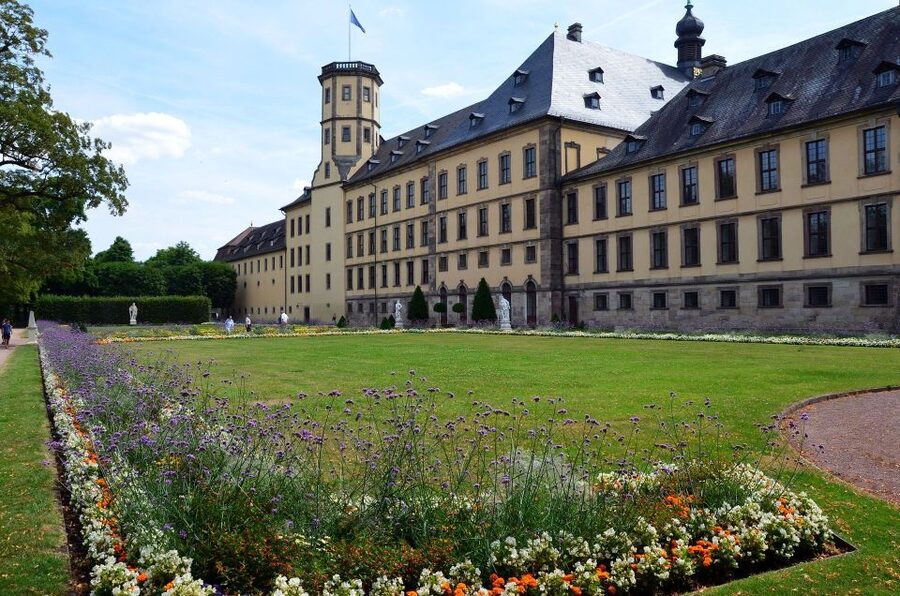
The tour’s outdoor highlight is the Residence Garden. It’s described as a mixture of baroque and English garden styles, and that blend is exactly what makes it fun on a walking tour. You’ll get to see how formal design can soften into a more relaxed garden feeling.
The guide also brings the Residence’s rich past into the conversation while you stroll. That gives you context for why the garden looks planned, not accidental. When you understand the “why,” the “wow” lands better.
Then you reach one of the most beautiful garden sculptures in Germany: the Flora Vase. This is a great stop to slow down. Sculptures like this are meant for lingering attention, not a quick glance while walking.
What you should do with Flora Vase is simple. Take a few minutes to look from different angles, and let the guide’s explanation anchor what you’re seeing. Even if you normally skip sculpture stops, this one earns its time because it’s part of the larger Residence setting, not a random photo target.
Customizing on the spot, and why English and German matter
One of the practical strengths here is that the guide can likely customize parts of the walk on the spot. That’s useful if you have specific interests, like a stronger push toward churches and religious art, or if you prefer architecture stories tied to specific buildings.
The tour is offered in English and German. If you’re traveling with someone who reads the local language better, this can help you keep the experience flowing without constant translation gaps. Either way, it’s a good sign when a private guide can deliver the same structure in both languages.
In a private group setting, customization also helps with pace. If your group wants a longer look at the Cathedral area, the guide can usually shift emphasis within the 90-minute framework. Just remember the whole point is a compact walk, so any major shift probably comes from trimming something else.
Price and value: what $294 per group really means
The price is $294 per group for up to 15 people, for 90 minutes. That’s one of those pricing setups that makes the value depend on your group size.
- If you fill the group close to 15, the cost can work out pleasantly per person.
- If it’s only a small group of 2 to 4, it becomes more of a premium experience.
So ask yourself what you’re buying. You’re not paying for a long tour or multiple entrances. You’re paying for a local guide with the group to yourselves, plus a structured route that hits Fulda’s key religious and architectural landmarks in a short time.
Also note that entrance fees are not included. That doesn’t automatically make it bad value, because the tour can still guide you through the big visual stops. But if you plan to enter places that charge, you’ll want to budget separately.
If you want my rule of thumb: this tour is strongest when you have a small crew that values interpretation over just wandering. If you prefer “show me the highlights, then let me roam,” you might compare it to a self-guided plan. But if you want the story tied to the buildings, this pricing structure can make sense.
Practical details that affect your comfort and enjoyment
Bring comfortable shoes. Fulda is walkable, but you’re spending the whole 90 minutes on your feet, with stops that pull you into churches and historic areas.
The tour is not suitable for people with mobility impairments or wheelchair users. If accessibility is a concern, double-check alternatives that can reduce walking or provide step-free access, because this one is designed as a standard walking route.
For logistics, you’ll start at the Tourist Office and finish back through the historical center. The guide stays with you the whole time, and the tour is live with English or German.
One pacing tip that will protect your experience: ask the guide at the start how they plan to handle regrouping at stops. If your group includes kids, older adults, or anyone who moves slower, ask for small pauses when needed. That way you avoid the common problem of someone getting left behind while the guide explains details.
Should you book this private Fulda walking tour?
Book it if you want a short, focused way to understand Fulda’s baroque architecture and its religious anchors, without losing context. This tour is a good fit for architecture lovers, history-minded travelers, and anyone who likes to connect buildings to meaning, not just photos.
Skip it or consider a different format if you’re traveling with accessibility needs that make a walking route difficult, or if you hate structured stops and would rather roam on your own. Also, if your private group is on the larger side, plan to stay organized and ask for clear, whole-group communication at each stop.
FAQ
Where is the meeting point for the Fulda private guided walking tour?
You meet in front of the Tourist Office at Bonifatiuspl. 1, 36037 Fulda, Germany.
How long is the tour?
The tour lasts 90 minutes.
How much does the tour cost?
It costs $294 per group, up to 15 people.
Is this a private tour?
Yes, it’s a private group tour with your local guide who will be with your group only.
What languages are available?
The live tour guide is available in English and German.
What is included in the price?
A local professional guide is included. There may also be possible customizing on the tour with your guide on the spot.
Are entrance fees included?
No, entrance fees are not included.
Can the guide customize the tour?
Possible customizing is available on the spot with your local guide.
Is this tour wheelchair accessible or suitable for mobility impairments?
No, it is not suitable for people with mobility impairments and wheelchair users.
What is the cancellation policy?
You can cancel up to 24 hours in advance for a full refund.
Through Thuringia and the Harz
Everything else we filed on Fulda
- Fulda: Guided wine tasting with wines and wine accompaniments
★ 4.0 · 6 reviews - Fulda: Night Watchman Tour
★ 4.5 · 167 reviews
Weimar Erfurt and Thuringia Tours, side by side.
 ★ 4.7Erfurt: Old Town Guided Walking TourFrom $151,617 reviews
 ★ 4.7Weimar: Old Town Guided Walking TourFrom $111,080 reviews
 ★ 4.5Night Watchman Tour through QuedlinburgFrom $131,040 reviews
 ★ 4.8Erfurt: Guided Tour of The Petersberg CitadelFrom $12674 reviews
 ★ 4.7Goslar: Tausend Schritte durch die AltstadtFrom $16417 reviews
 ★ 4.5Quedlinburg: Guided City Highlights Walking TourFrom $11353 reviews
 ★ 4.7Erfurt: With Night Watchman Schwalbe through the Old Town, including tastingFrom $18297 reviews
 ★ 4.5Fulda: Night Watchman TourFrom $23167 reviews
Other lists this tour is on