
REVIEW · THE RHINE
Guided tour in Mainz on the Rhine in german and english
Mainz reads like a time machine. This 2-hour guided walk with Roman Theatre stops and the Chagall windows turns Mainz’s layers into something you can actually follow, not just admire from the sidewalk. One thing to plan for, the live guide is German, so confirm English support for the departure you book.
What makes the tour feel worth it is the way Andreas runs it: he takes time with your questions and adds context as you go. You’re not racing through photo ops, you’re building a mental map of Mainz, street by street.
And if you visit in carnival season, you’ll get a small cultural bonus, including the Fastnachtsbrunnen moment near the end. You do walk between stops, but it’s kept manageable.
In This Review
- Key highlights you will notice right away
- Starting at the Roman Theatre steps above Luther Church
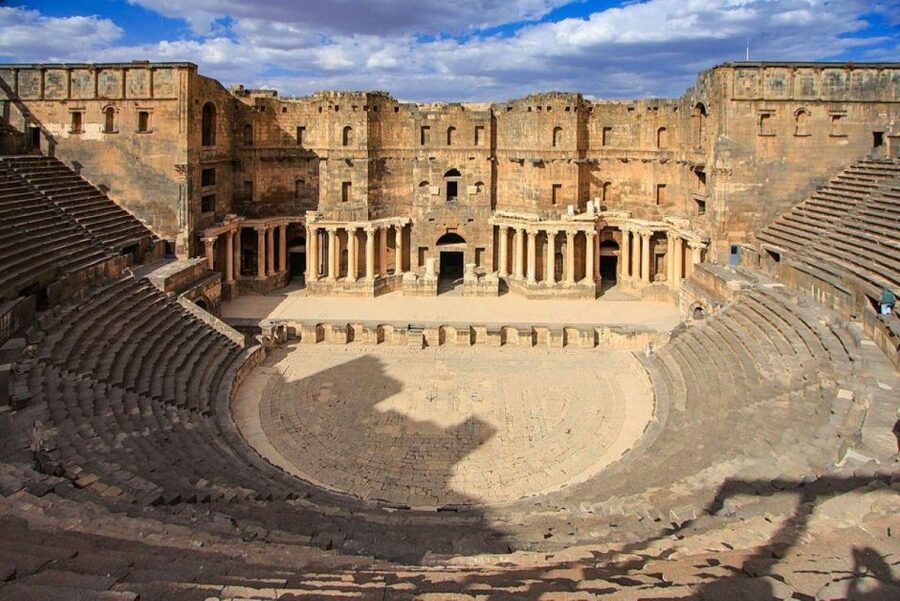
- The Roman Theatre stop that sets the whole tone
- Altstadt Mainz walking, not just sightseeing
- Churches in Mainz: St. Ignatius, Kirschgarten, and Alter Dom St. Johannis
- Domplatz area and the weekly market atmosphere
- Ludwigsstraße and Ballplatz: the in-between streets you’ll remember
- St. Stephan, the Chagall windows, and a Roman link at the Römerpassage
- Fastnacht season highlight: Fastnachtsbrunnen and Schillerplatz
- Walking time and pacing, about what you expect
- Value and what $23 really buys you
- Language and who will enjoy it most
- Accessibility and comfort basics
- Ratings and guide reputation
- Should you book this Mainz on the Rhine walk?
- FAQ
- Where does the tour start?
- How long is the tour, and how much walking is involved?
- What language is the live guide?
- What are the main stops on the walk?
- Are the Chagall windows part of the tour?
- Is there a Roman excavation visit?
- Do you see anything related to Fastnacht?
- Is the tour wheelchair accessible?
- Will the tour end near where it starts?
Key highlights you will notice right away
- Roman Theatre orientation right at the start so the whole walk makes sense
- Chagall windows at St. Stephan plus a special stop at the Römerpassage area
- Church visits that explain why these places matter in Mainz
- Domplatz and surrounding streets, including a look during the weekly market area
- Fastnacht touches in season, including the Fastnachtsbrunnen
- A guide who answers questions, which is where these tours usually win or lose
More castles seen from the deck
Starting at the Roman Theatre steps above Luther Church
You begin at the steps of the church above the Roman Theatre, the Luther Church area. That location is smart because it gives you immediate context: you are not starting with a random town center view, you’re starting with Mainz’s Roman-era footprint.
The tour then moves through a series of short, guided stops instead of one long lecture. You’ll get just enough time at each point to understand what you’re looking at, then you’ll walk on with a clearer sense of where you are in the city.
The Roman Theatre stop that sets the whole tone
The first guided highlight is a focused look at the Roman Theatre itself. It’s guided for about 25 minutes, which is just the right amount of time for your brain to switch gears from modern street life to ancient engineering and layout.
Roman theatres were designed for visibility and acoustics, so as you look around, try to imagine where the audience would have sat. On this kind of stop, you get more than dates. You learn how the site connects to later Mainz, which makes the rest of the walk click.
Altstadt Mainz walking, not just sightseeing
After the Roman stop, you move into the Altstadt area with a guided section of about 30 minutes. This is where you get your bearings fast, because the guide ties street geometry and landmark placement together.
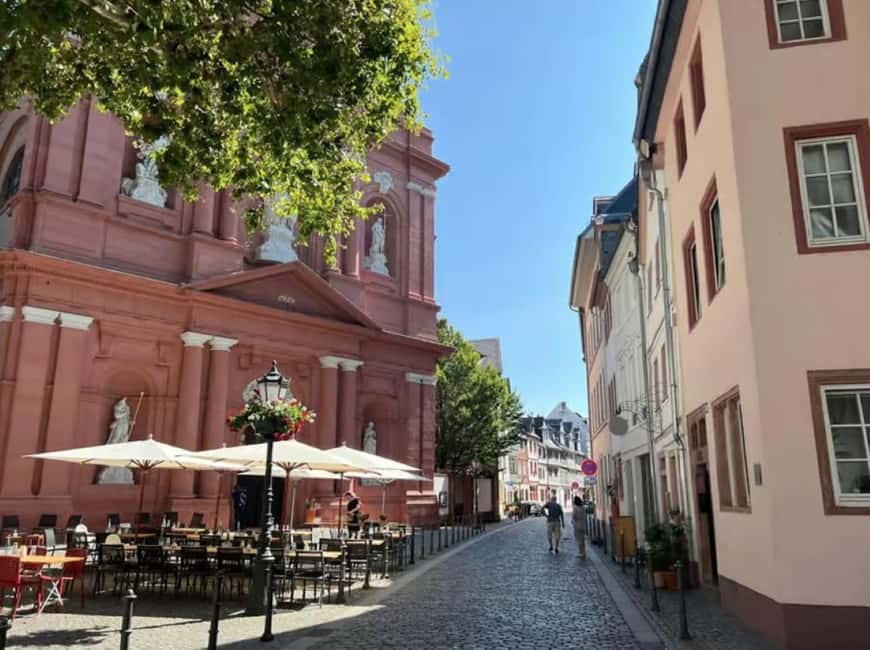
You’ll walk through the parts of central Mainz that help you understand how the city grew around key religious and civic locations. If you’ve ever felt lost on self-guided walks, this section helps you stop guessing and start reading the city.
Churches in Mainz: St. Ignatius, Kirschgarten, and Alter Dom St. Johannis
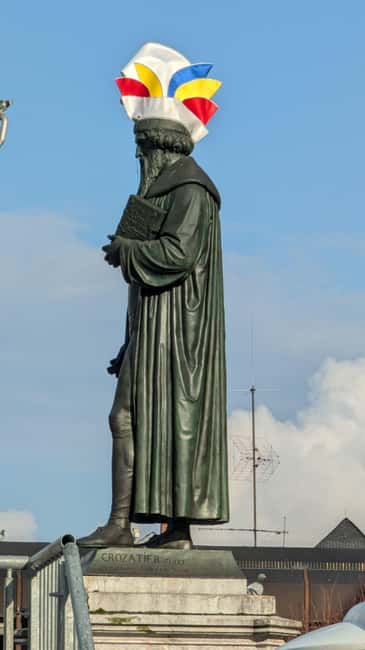
One of my favorite parts of this tour style is that the guide actually visits church sites, not just points at them. You’ll spend time at the Parish of St. Ignatius (about 15 minutes), then continue to Kirschgarten (also about 15 minutes).
After that, you visit the Alter Dom St. Johannis, another guided stop around 15 minutes. Each stop is short, so you don’t get stuck in one building while the rest of the group waits. But together, they create a clear picture of Mainz’s religious landscape.
Here’s the practical payoff: if you want to visit churches later on your own, you’ll know what to look for beyond the obvious. You’ll also understand why these places were important in Mainz’s daily life, not only as architecture.
More Rhine-Main city walks

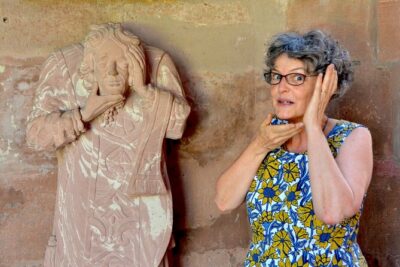
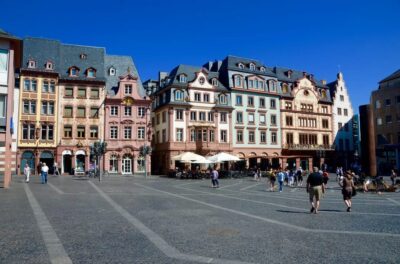

Domplatz area and the weekly market atmosphere
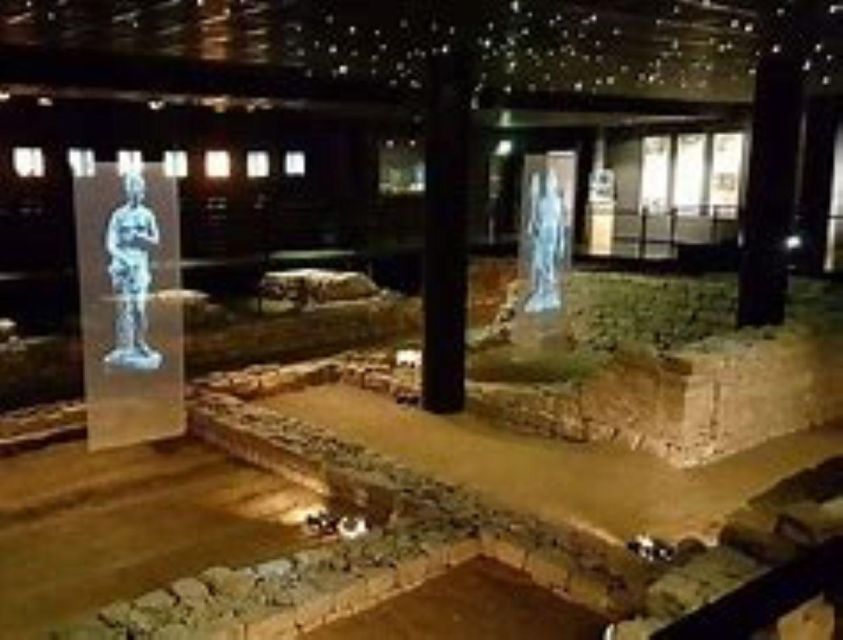
Next comes the Domplatz zone, with a guided segment around 10 minutes that includes the Wochenmarkt Mainz Domplatz area. Even if you’re not shopping, it helps to see how the city uses this space day to day.
From a value standpoint, this stop matters because it connects landmarks with real life. Mainz isn’t just preserved monuments. It’s a living city that holds markets, everyday routines, and conversations in the same central spaces you’re touring.
The short guided time also means you don’t get dragged into a shopping detour. You get the feel of the area, then you move on.
Ludwigsstraße and Ballplatz: the in-between streets you’ll remember
Between bigger highlights, the tour threads you through Ludwigsstraße and then Ballplatz, each for about 10 minutes. These are exactly the kinds of streets that can be boring on their own during a quick walk, but they become interesting when your guide explains how they relate to the landmarks you already visited.
This is the part that often separates a decent tour from a great one. You’re learning how the city connects. By the time you reach the next major site, you’re not just seeing a building, you’re understanding the route.
St. Stephan, the Chagall windows, and a Roman link at the Römerpassage
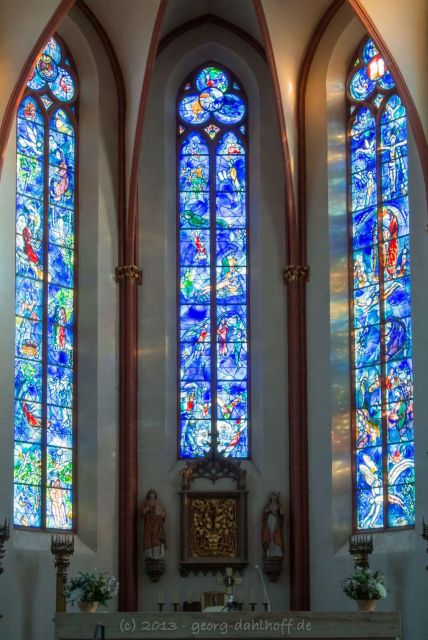
The tour’s “wow” stops include the Chagall windows in Mainz, tied to St. Stephan (St. Stephan’s Church and the Kath. Pfarramt St. Stephan stop, around 20 minutes). The windows are visited as part of the tour by arrangement, so the timing can depend on local access.
You also get a visit to the Roman excavations area connected to the Römerpassage stop. This pairing is smart. You don’t just jump from Roman ruins to medieval churches. You connect time periods through one walking corridor and explain how Mainz layers over itself.
If you like art and religious spaces, the Chagall windows are the kind of stop that pays off when you get a little context first. The guide helps you slow down and look properly, instead of rushing through the photo moment.
Fastnacht season highlight: Fastnachtsbrunnen and Schillerplatz
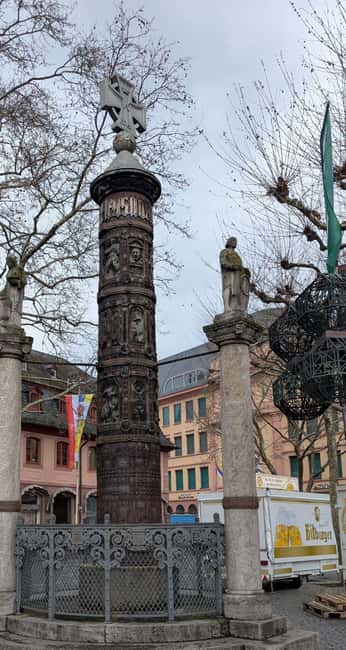
If you’re lucky enough to visit during carnival season, the tour includes a Fastnacht highlight. At minimum, you’ll see the Fastnachtsbrunnen, and the walking route ends at Schillerplatz.
This part adds personality to the tour. Mainz doesn’t only celebrate history through buildings, it celebrates through public rituals and seasonal symbolism. Even if you’re not into carnival traditions, seeing the Fastnachtsbrunnen gives you a sense of how local culture fills the city’s public corners.
Practical note: carnival periods can mean more people around central areas. The tour still works, but you’ll probably feel the added energy near the end.
Walking time and pacing, about what you expect
You’ll walk for roughly 60 minutes, and the whole tour lasts about 2 hours. That puts it in the comfortable “morning activity or pre-dinner stroll” category.
The stop format matters here. Because each guided segment is relatively short, you can keep a steady pace without getting exhausted. You also avoid the trap of one super long church stop where your legs go numb and your brain checks out.
If you’re sensitive to crowds, plan to move with the group and don’t expect lots of silent space between stops, especially during Fastnacht season.
Value and what $23 really buys you
At around $23 per person, you’re paying for more than a walking route. You’re paying for guided interpretation, with a focus on Mainz’s Roman-era remains, major church sites, and the Chagall windows.
That value shows up in two ways. First, the Roman Theatre and Roman excavations stop make Mainz’s timeline make sense. Second, Andreas’s approach, taking time for questions, turns the tour from passive sightseeing into active understanding.
Also, the tour includes a local end-of-walk benefit. After the tour, the guide will point you to places to stop for a meal. That’s not a small thing. It saves you time later when you want something good without hunting around.
Language and who will enjoy it most
The tour is live guided in German. If you are comfortable understanding German, you’ll get the full benefit of the storytelling at each stop.
If you need English, your best move is to confirm language support for your exact time slot. The structure of the tour, many short stops plus inside church moments, makes language support especially important.
This tour suits you if you want a tight introduction to Mainz on the Rhine with real context. It also fits well if you like art history, religious architecture, or Roman sites, but you do not want a complicated self-guided research project.
If you want a pure museum day, this might feel too “walking and talking.” On the other hand, if you want a smart way to learn the city and still see multiple highlights, it hits a sweet spot.
Accessibility and comfort basics
The tour is wheelchair accessible. That matters for two reasons: it suggests the walking route is managed, and it also implies the guide’s pacing is designed to keep people together.
Bring the usual walking comfort items for a 2-hour route. Even with frequent stops, you will be on your feet between sights.
Ratings and guide reputation
This experience holds a very strong overall rating of 4.9 based on 106 reviews. The praise patterns are consistent: people highlight Andreas, the background information, and the fact that he makes time for questions. That combination is exactly what you want from a city-walk guide, because it turns “seeing” into “understanding.”
Should you book this Mainz on the Rhine walk?
Yes, you should book this tour if you want an efficient way to get anchored in Mainz. The mix of Roman Theatre focus, Roman excavations, churches, and the Chagall windows gives you breadth without turning the day into a grind.
Book it especially if you enjoy guided explanations and you like learning through a real walking route. The price makes sense for what you get, and the guide’s question-friendly style is a major quality marker.
Skip it only if you strongly need English-only guidance or you dislike church interiors and art stops. Otherwise, it’s a highly practical way to experience Mainz, with enough structure to make the city feel coherent by the time you finish.
FAQ
Where does the tour start?
The meeting point is at the steps of the church above the Roman Theatre, the Luther Church area.
How long is the tour, and how much walking is involved?
The tour lasts about 2 hours, with walking time of roughly 60 minutes.
What language is the live guide?
The live tour guide is German.
What are the main stops on the walk?
You start at the Roman Theatre area, then move through the Altstadt and several church sites, including St. Ignatius, Kirschgarten, Alter Dom St. Johannis, and St. Stephan, with stops around Domplatz and other central streets.
Are the Chagall windows part of the tour?
Yes. The tour includes a visit to the Chagall windows in Mainz by arrangement.
Is there a Roman excavation visit?
Yes. The tour includes visits to Roman excavations as part of the walk.
Do you see anything related to Fastnacht?
During Fastnacht season, there is a Fastnacht highlight. You will at least see the Fastnachtsbrunnen, and the tour ends at Schillerplatz.
Is the tour wheelchair accessible?
Yes, it is wheelchair accessible.
Will the tour end near where it starts?
The tour finishes at St. Stephan’s Church, and the activity information also indicates it ends back at the meeting point.
Around the Rhine-Main Cities
Further Along the Rhine
Everything else we filed on Mainz
- Mainz Highlights, private walking tour
★ 4.9 · 15 reviews - 1,5 Hour Private Guided Walking Tour: Cathedral and Old Mainz
★ 5.0 · 25 reviews - Mainz: guided evening tour of the Rhine embankment/old town in German and English
★ 4.9 · 38 reviews - Exclusive Wine & Food Tasting in Historic Cellar | Mainz Old Town
★ 5.0 · 42 reviews - Small Group Rheingau Vineyards Tour with Castles and Abbeys
★ 5.0 · 100 reviews - Guided tour in Mainz on the Rhine in german and english
★ 4.9 · 106 reviews
Rhine Valley Castles and River Cruises, side by side.
 ★ 4.4Cologne: Top Sights Rhine River Cruise – Skyline TourFrom $283,030 reviews
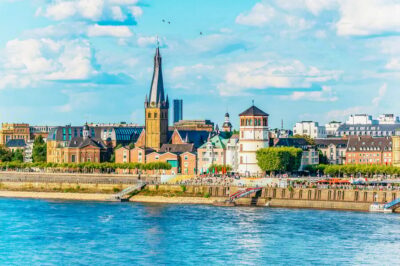 ★ 4.1Düsseldorf: City Sightseeing Cruise on the RhineFrom $232,954 reviews
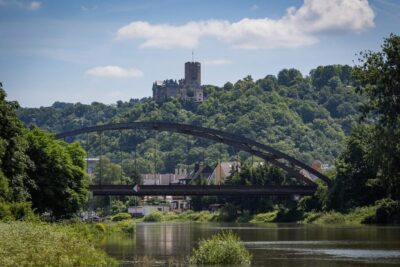 ★ 4.4Koblenz: Rhine Valley Castles and Palaces Boat TourFrom $211,824 reviews
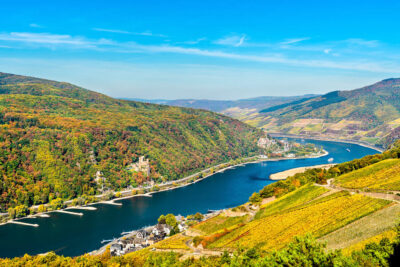 ★ 4.2Rhine Valley Castles: 1.5-Hour Boat Tour from RüdesheimFrom $191,390 reviews
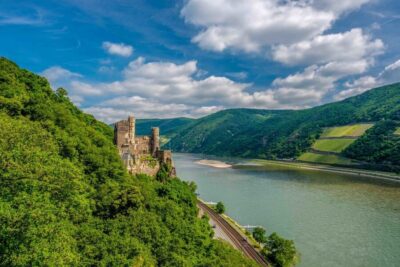 ★ 4.4From Frankfurt: Rhine Valley Day TripFrom $1751,317 reviews
 ★ 4.0Rhine Valley Trip from Frankfurt including Rhine River CruiseFrom $1671,179 reviews
 ★ 5.0Cologne City Tour Experience cathedral city on the RhineFrom $35852 reviews
 ★ 4.6Koblenz: 2-Hour Sightseeing Cruise on the RhineFrom $20839 reviews
Other lists this tour is on