
REVIEW · REEPERBAHN
Hamburg: Private Tour – Schanzenviertel & Karolinenviertel
Fresh street life meets serious layers of Hamburg.
This private tour takes you through Schanzenviertel and Karolinenviertel, where today’s bars, shops, and indie spots sit on top of older city edges and industrial leftovers. I especially like how it balances modern, trend-forward neighborhoods with real context, and I also like the stop at Rote Flora, which helps you understand why this area carries so much public energy.
One possible drawback is simple: the tour ends at Messehallen, so if your next plan is near the center, give yourself time to reposition.
As a private group, the value is strongest when you have enough people to share the fixed cost, and it helps a lot that the guide speaks German.
In This Review
- Key things you will notice on this Hamburg private tour
- Hamburg’s Schanzenviertel and Karolinenviertel, explained in human terms
- Starting at Sternschanze, where you get your bearings fast
- Schanzenviertel: the Schanze, defense origins, and the neighborhood you actually walk through
- A note on pace and expectations
- Karolinenviertel: former forelands, back courtyards, and industrial leftovers
- Rote Flora: more than a landmark stop
- Bullerei detour and the Tim Mälzer connection
- The Feldstrasse bunker and Heiligengeistfeld’s air of old defense
- The former cattle abattoir link between Karolinenviertel and Schanzenviertel
- Where the tour finishes, and how to plan your next move
- Guide quality is the whole experience, and it shows up in the feedback
- Price and value for a private group up to 15
- Who this tour suits best
- Should you book Hamburg: Private Tour – Schanzenviertel & Karolinenviertel?
- FAQ
- How long is the Hamburg private tour?
- How much does it cost?
- Where does the tour start?
- Where does the tour end?
- Is this a private tour?
- What language is the guide?
- What neighborhoods and sights are included?
- What is the walking and touring schedule like?
- Can I cancel for a full refund?
- Are alternative tour times available?
Key things you will notice on this Hamburg private tour
- Schanze stories in Schanzenviertel, from early defense to a lived-in residential neighborhood
- Local explanations at Rote Flora, not just a photo stop
- A detour to the Bullerei, Tim Mälzer’s restaurant, for a taste of current Hamburg culture
- The bunker at Heiligengeistfeld and Feldstrasse, where you can see physical history up close
- The former cattle abattoir connection between Karolinenviertel and Schanzenviertel, tying two districts together
Still on the Kiez? More nights reviewed here
- Hamburg: Sex and Crime in St. Pauli Tour for Ages 18+★ 4.7 · 15,447 reviews
- Hamburg: Reeperbahn Lust & Laster Tour for Adults Only★ 4.7 · 5,440 reviews
- Hamburg: Insider Tour of the Reeperbahn & St. Pauli★ 4.7 · 5,057 reviews
- Hamburg: Night Watchman’s Tour of St. Pauli in German★ 4.7 · 4,818 reviews
Hamburg’s Schanzenviertel and Karolinenviertel, explained in human terms
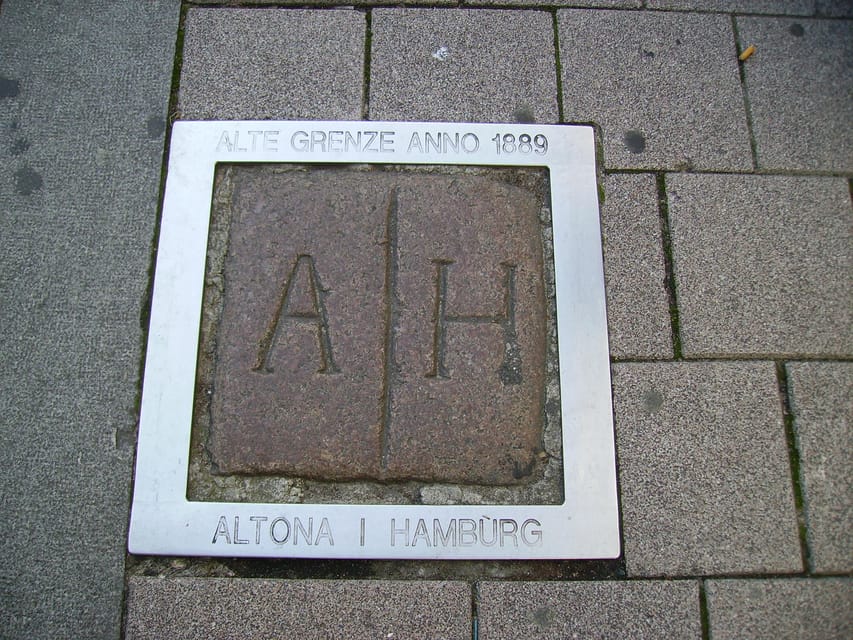
If you only skim Hamburg’s big postcard routes, you miss the city’s “edge neighborhoods.” This tour is built for that exact gap. The focus is Hamburg’s former forelands, meaning the area in front of older embankments, plus the way that space grew into a younger district over time. You get a guided walk that treats the streets like clues, not just scenery.
What makes this especially useful is the mix of topics: defense history and city planning ideas, industrial infrastructure, and then today’s food and nightlife scene. The neighborhoods shifted from working-class surroundings into places people actively choose for restaurants, bars, and clubs. You’ll also hear that the district has a reputation tied to demonstrations, but the tour nudges you to look past headlines and see the many other parts of daily life.
A big practical benefit: you’ll come away with better mental geography. After two hours, you can usually connect the dots between Schanzenviertel, Karolinenviertel, and major landmark points like Sternschanze and Messehallen without guessing.
Starting at Sternschanze, where you get your bearings fast
The meeting point is Sternschanze Ubahn station, exit Sternschanze at Sternschanzenpark. This is a smart start for two reasons. First, Sternschanze is already a “walkable neighborhood” base, so you are not spending the tour’s time fighting transit. Second, it sets the tone: you start in an area that feels like Hamburg today, then you move into the older layers.
From there, the guide leads you into Schanzenviertel for about 30 minutes of guided touring. Expect a guided, story-driven pace rather than a speed walk. You’ll be stopping long enough to understand why certain buildings and spaces matter, then moving on so you keep momentum.
If you’re the type who likes to photograph street corners and small facades, this start helps. You get early context, so your pictures stop being random and start being meaningful.
Schanzenviertel: the Schanze, defense origins, and the neighborhood you actually walk through
Schanzenviertel is often summarized as trendy and creative. That’s true now, but this tour adds the “why.” The area was once an early defense post for Hamburg, and the neighborhood is affectionately known as the Schanze. The guide uses that origin to explain how a defensive city edge becomes a real place where people live, work, and gather.
Here’s what you’re really learning as you walk:
- How the neighborhood’s early role helped shape later urban patterns.
- How working-class districts can transform into popular areas without becoming completely disconnected from their past.
- Why some locations feel symbolic even if you don’t know the dates and details at first.
Along the way, you’ll also pass plenty of local, independent shops. The goal is not to do shopping, it’s to show you how the district functions as a community today. And yes, the tour is designed to be photo-friendly. You’re not stuck looking down at your feet. You’re given reasons to look up at street-level texture, courtyards, and building edges.
A note on pace and expectations
You should expect real walking plus short guided stops. The tour’s total duration is 2 hours, so the guide compresses a lot into a tight schedule. That can feel perfect if you want structure, but it can feel rushed if you love long wandering. If your group wants extra time in one spot, this private format can be your friend.

Karolinenviertel: former forelands, back courtyards, and industrial leftovers
After Schanzenviertel, you shift to Karolinenviertel for about 20 minutes. This part of the tour leans into the district’s identity as one of Hamburg’s younger areas, shaped by the city’s former forelands in front of old embankments.
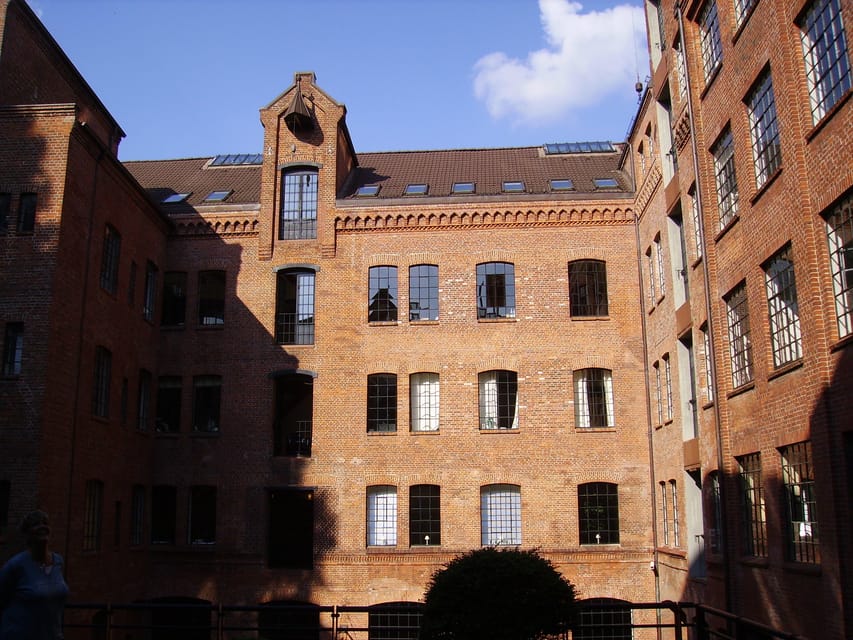
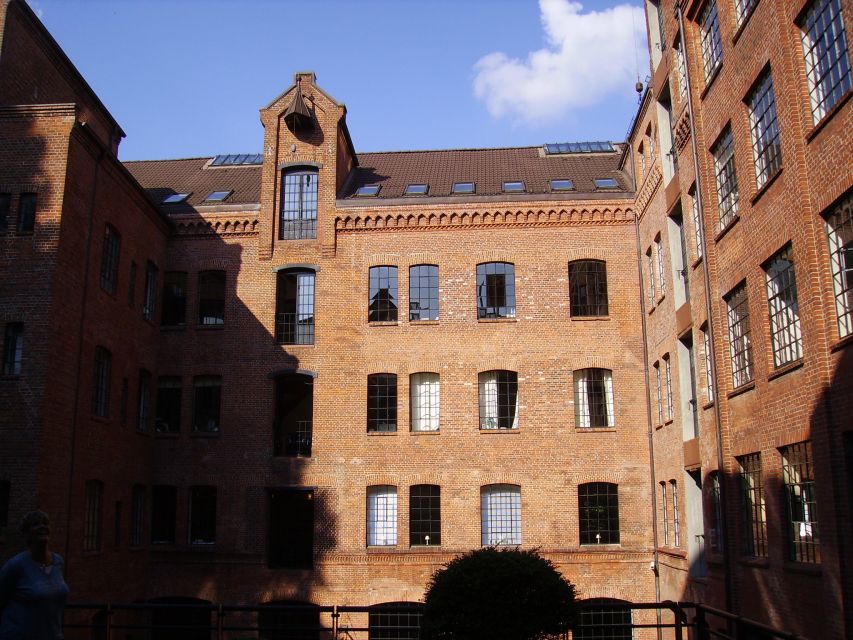
The tour’s wording hints at the experience, and you should expect that feel on the ground: you go past main streets and into side areas where old factory sites and back courtyards appear. Even if you’ve never studied Hamburg’s urban development, you can usually “read” these spaces. Courtyards and industrial shells show how the area used to function. Then you look around and see how those same footprints now support shops, cafés, and apartments.
This is a good section for photographers because:
- you get the contrast between plain exteriors and more interesting interior-facing spaces,
- you notice layers on facades,
- and you see the link between the two neighborhoods rather than treating them as separate worlds.
If you like neighborhood tours that feel like you’re being shown around by someone who cares, this is where you’ll feel it.
Rote Flora: more than a landmark stop
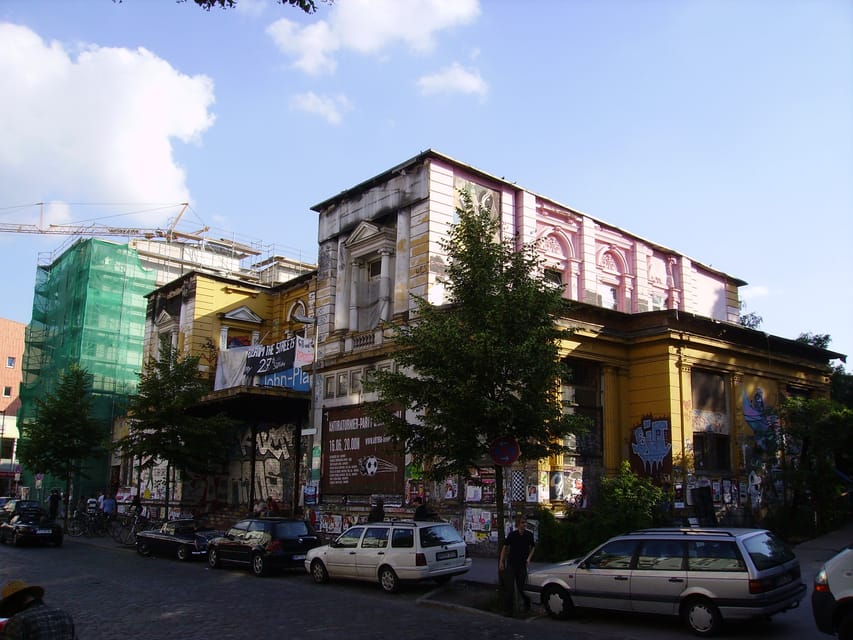
One stop you can count on is Rote Flora, visited for about 10 minutes. The value here is that you don’t just stand there for a quick photo. The guide uses the building and its role to explain the area’s public energy and cultural presence.
Rote Flora matters for a simple reason. In neighborhoods like this, certain places become symbols. They represent more than their bricks and windows. They gather attention because people attach meaning to them, and that meaning connects to the district’s reputation. This tour keeps things grounded in context, so you’re not only absorbing headlines.
From a practical point of view, Rote Flora is also a good “breather” stop. You can reset your legs, look around, and mentally organize what you’ve learned so far before moving into more physical history like the bunker.
Bullerei detour and the Tim Mälzer connection
The highlights include a detour to the Bullerei, Tim Mälzer’s restaurant in Hamburg. This is not just a celebrity nod. For many visitors, it’s an efficient way to link the district’s present-day culture with the neighborhood you’re touring.
Why this helps you as a traveler:
- You see how famous media culture and local street life coexist in the same district.
- You get an easy reference point for planning meals afterward, since Tim Mälzer’s place is recognizable and central to the district’s current identity.
- You understand that Schanzenviertel is not only about history. It’s about where people actually eat and meet.
Just keep your expectations realistic. The tour time is tight, and this is listed as a detour. If you want to sit down for a long meal, plan that separately.
The Feldstrasse bunker and Heiligengeistfeld’s air of old defense
One of the most compelling parts of this walk is the physical history you can stand next to. The tour visits a bunker in Heiligengeistfeld and includes a guided stop at Feldstrasse Bunker (each described as guided touring for short segments).
Even without turning this into a full military history lesson, the bunker locations do something important for your understanding. They make the neighborhood’s older defensive purpose feel real, not abstract. You can look at the shape and scale and connect it to the earlier idea of Hamburg’s edge defenses, which the tour introduces at the start.
This is also where the tour becomes more than scenery. Bunkers are heavy. They change the mood of the street conversation. You may not leave with a textbook, but you will leave with a stronger sense of why certain areas of Hamburg carry weight.
If you’re traveling with people who like architecture and physical remnants, this segment is the one to highlight.
The former cattle abattoir link between Karolinenviertel and Schanzenviertel
The tour highlights the former cattle abattoir, a site that connects Karolinenviertel and Schanzenviertel. That kind of stop matters because it shows how neighborhoods aren’t just “adjacent.” They are physically and functionally linked.
An abattoir is also one of those places that forces you to think about how city needs create infrastructure. Even when the purpose is gone, the building footprint, the connection paths, and the surrounding streets often remain. This can make your walk feel more logical, like you are seeing the district as a system instead of a set of attractions.
If you like tours that tie streets to uses, this is where you’ll feel satisfied.
Where the tour finishes, and how to plan your next move
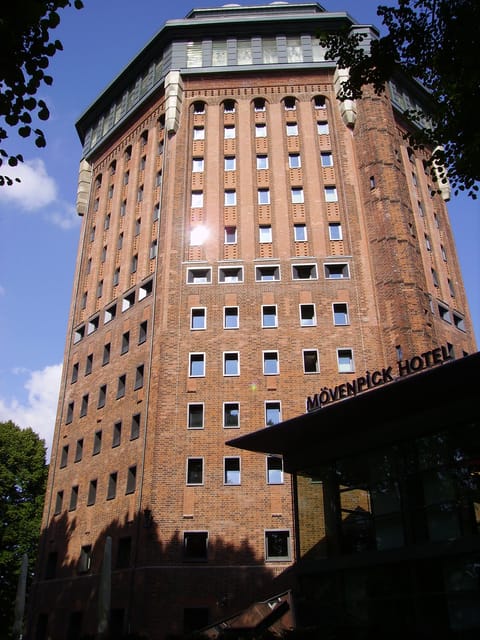
The tour ends at Messehallen. That’s not automatically a problem, but it is a scheduling detail worth taking seriously. One of the practical messages from past experiences is that you can’t assume the ending point will match plans near other central spots.
So, here’s the advice I’d give you: build your next reservation around Messehallen, or allow time if you need to reach another area afterward. Two hours goes faster than you think once you factor in walking and short guided segments.
Guide quality is the whole experience, and it shows up in the feedback
This kind of neighborhood tour lives or dies on the guide. The high marks in the feedback point to a few recurring qualities: clear explanations, background info you can actually use, and storytelling that feels honest rather than overly polished.
Some of the best comments mention guides who:
- explained places and buildings in a way that was both interesting and detailed
- used humor without losing the serious points
- included insights that are not always obvious from the media
One review specifically named Frau Evers and another referenced a local resident guide figure named Basti. I can’t promise you will have either person, but it tells you the tour’s culture: you’re likely to get a guide who knows the neighborhood from the inside, not just from printed facts.
If you book this, do yourself a favor. Ask one question early, like what surprised them most about the neighborhood’s shift. The tour format is private, and that’s the easiest way to turn a good walk into a memorable one.
Price and value for a private group up to 15
The price is listed as $294 per group up to 15 for a 2-hour tour. That’s the kind of pricing that can be either a steal or expensive, depending on your group size.
Here’s the math in plain terms:
- If you fill the max group of 15, the cost is about $19.60 per person.
- If you have 6 people, it lands around $49 per person.
- If it’s just 2 people, it’s about $147 per person.
So the value question is really about planning. This tour is best when you travel with friends, family, or a small group and you want a structured, guided walk without the hassle of joining a big public tour.
Also consider what you get for those two hours. You’re not only seeing trendy streets. You’re visiting Rote Flora, getting a detour to Bullerei, and walking by bunker and industrial remnants. That combination is the reason the price can make sense.
Who this tour suits best
You’ll likely enjoy this Hamburg private tour if you:
- want to understand neighborhoods beyond the main sights
- like street-level history, architecture, and urban context
- appreciate local perspective and clear, story-driven guiding
- travel with a group that can share the fixed cost
It may be less ideal if you:
- only read or prefer English-language guiding, since the tour guide language is German
- want a long, slow walking pace with lots of free time at each stop, since the tour compresses many segments into 2 hours
- have a tight schedule near a different central destination, because the tour ends at Messehallen
Should you book Hamburg: Private Tour – Schanzenviertel & Karolinenviertel?
I’d book this tour if your goal is to understand Hamburg’s street life with context. The stops are well chosen: Schanzenviertel and Karolinenviertel for the neighborhood story, Rote Flora for cultural meaning, Bullerei for present-day local flavor, and the bunker and former abattoir for the physical reminders that explain why this area feels the way it does.
If your group can split the cost, the value is very strong. Just make sure you plan your next steps after the tour, since you end at Messehallen.
If you want a Hamburg experience that feels like you’re walking with someone who cares about what you’re seeing, this is a solid choice.
FAQ
How long is the Hamburg private tour?
The tour lasts 2 hours.
How much does it cost?
The price is $294 per group, for groups up to 15 people.
Where does the tour start?
It starts at Sternschanze Ubahn station, exit Sternschanze at Sternschanzenpark.
Where does the tour end?
The tour finishes at Messehallen.
Is this a private tour?
Yes, it is a private group tour.
What language is the guide?
The live tour guide is German.
What neighborhoods and sights are included?
The tour covers Schanzenviertel and Karolinenviertel, and includes stops such as Rote Flora, a detour to the Bullerei, the bunker in Heiligengeistfeld, and the former cattle abattoir.
What is the walking and touring schedule like?
The guided segments include 30 minutes in Schanzenviertel, 20 minutes in Karolinenviertel, and several shorter guided stops around Rote Flora and the bunker area, with walking time between locations.
Can I cancel for a full refund?
Yes. You can cancel up to 24 hours in advance for a full refund.
Are alternative tour times available?
Alternative tour times are available and can be requested.
More of the Kiez After Dark
Everything else we filed on Hamburg
- Hamburg: Safari tour in St. Pauli
★ 4.9 · 11 reviews - Hamburg: Party Bingo with the Bingo Gringos
★ 4.8 · 11 reviews - Hamburg Harbor: 3.5-Hour Guided Tour by Bike
★ 4.7 · 11 reviews - Hamburg: 2-Hour St. Georg Walking Tour
★ 4.8 · 11 reviews - Hamburg: Guided Walking Tour in Danish
★ 5.0 · 11 reviews - Discover Hamburg in a retro Bulli
★ 3.0 · 12 reviews
St Pauli and Reeperbahn Tours, side by side.
 ★ 4.7Hamburg: Sex and Crime in St. Pauli Tour for Ages 18+From $29515,447 reviews
 ★ 4.7Hamburg: Reeperbahn Lust & Laster Tour for Adults OnlyFrom $5005,440 reviews
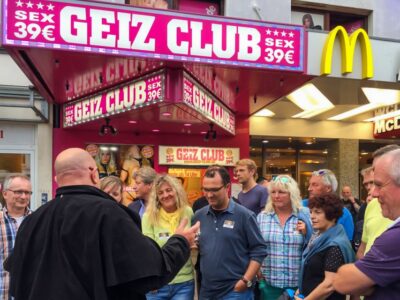 ★ 4.7Hamburg: Insider Tour of the Reeperbahn & St. PauliFrom $295,057 reviews
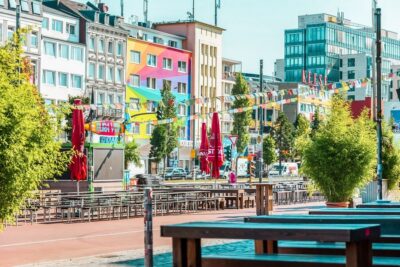 ★ 4.7Hamburg: Night Watchman’s Tour of St. Pauli in GermanFrom $234,818 reviews
 ★ 4.7Hamburg: In the Footsteps of “Olivia” Reeperbahn TourFrom $5003,947 reviews
 ★ 4.7Hamburg: Lust, Luden & Die Große Freiheit TourFrom $172,444 reviews
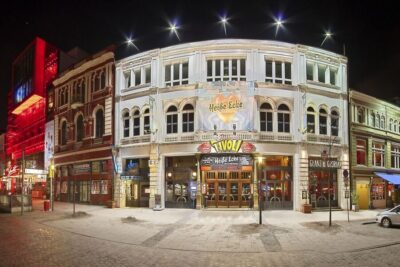 ★ 4.7Hamburg: St. Pauli Highlights Guided Tour with Beer for 18+From $292,353 reviews
 ★ 4.6Hamburg: Schanzenviertel Culinary TourFrom $572,051 reviews
Other lists this tour is on