
REVIEW · HAMBURG
Hamburg: Speicherstadt and HafenCity Tour
Hamburg does not do one mood. This 2-hour walk flips from Speicherstadt history to HafenCity modern design, with a guide who keeps the story readable. I like how the route sets up obvious contrasts without making it feel like you are speed-running the city.
Two things I really like: the way Speicherstadt storehouses are explained as practical Hanseatic-era buildings, and the focus on big architectural landmarks instead of random photo stops. One thing to consider is that the tour is guided in German, so you might want to be ready with a translation app if your German is basic.
In This Review
- Key highlights worth planning for
- Getting Oriented at Sandtorkai 74
- Speicherstadt: Practical Warehouse City, Not a Postcard
- The Hanseatic League Story You Can Actually Follow
- The Kesselhaus Stop (Except Mondays)
- Picking Your Scent Trail: Coffee Roaster or Spice Museum
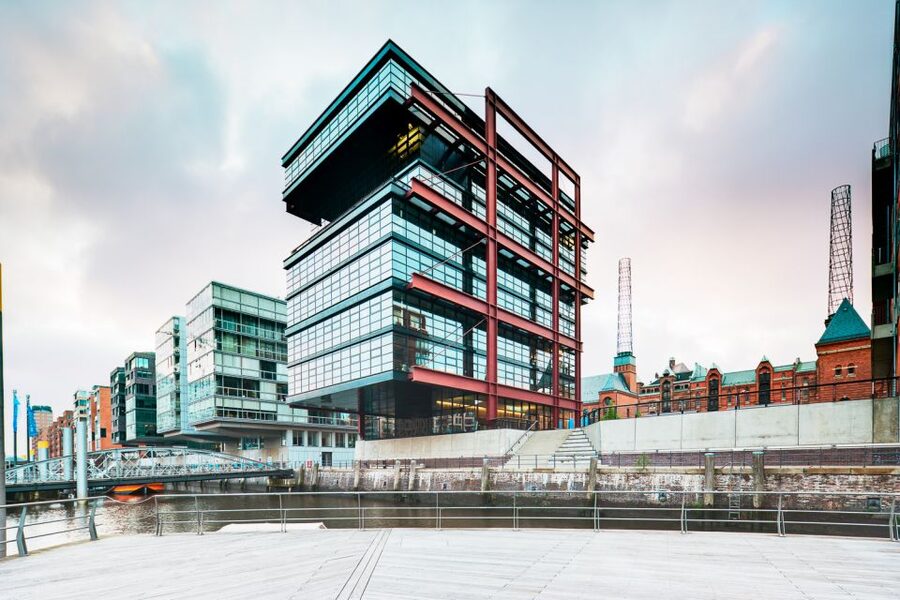
- HafenCity: Modern Lines With Maritime Flavor
- Elbe Philharmonic Hall: The Controversial Landmark at the End
- How the Guide Makes Two Hours Feel Longer
- Price and Value: What $18 Buys in 2 Hours
- Who This Tour Suits Best
- Should You Book This Hamburg Speicherstadt and HafenCity Tour?
- FAQ
- How long is the Hamburg Speicherstadt and HafenCity Tour?
- How much does the tour cost?
- What language is the tour guide?
- Is food and drinks included?
- Is the Kesselhaus visit included?
- Where is the meeting point?
- Is the tour wheelchair accessible?
- Is there free cancellation?
- Can I reserve without paying right away?
Key highlights worth planning for
- Speicherstadt convenience-first design explained in plain terms, not just as looks
- A quick contrast hit moving from old warehouses to modern HafenCity architecture
- Kesselhaus visit included except Mondays, so check the day you book
- Coffee roaster vs Spice Museum choice, based on what grabs your attention
- Elbe Philharmonic Hall at the end of the route, including the fact it began in 2007
More red brick and canal bridges
- Hamburg: 1.5-Hour Harbor and Speicherstadt Day Cruise★ 4.6 · 14,200 reviews
- Hamburg: 1-Hour Harbor Sightseeing Cruise with HafenCity★ 4.4 · 3,067 reviews
- Hamburg: Elbphilharmonie Plaza and HafenCity Food Tour★ 4.7 · 1,711 reviews
- Hamburg: Eerie Speicherstadt Tour★ 4.5 · 1,394 reviews
Getting Oriented at Sandtorkai 74
Your tour meeting point is easy to miss only if you arrive late or distracted. Go to Sandtorkai 74, right at the corner of Sandtorkai and Kaiserkai, on the square in front of the stairs. Look for the white wall with a hole in the middle.
This matters because the whole experience is tight and only lasts 2 hours. If you want to get the most out of the walk, be there a few minutes early, not because you are worried, but because you will want to settle your bearings before the first stop.
Also, the tour is wheelchair accessible, which is great for anyone who does not want a guess-and-test approach to cobblestones and turns. You will still want to wear comfortable shoes, but you should not be blocked from joining.
Speicherstadt: Practical Warehouse City, Not a Postcard
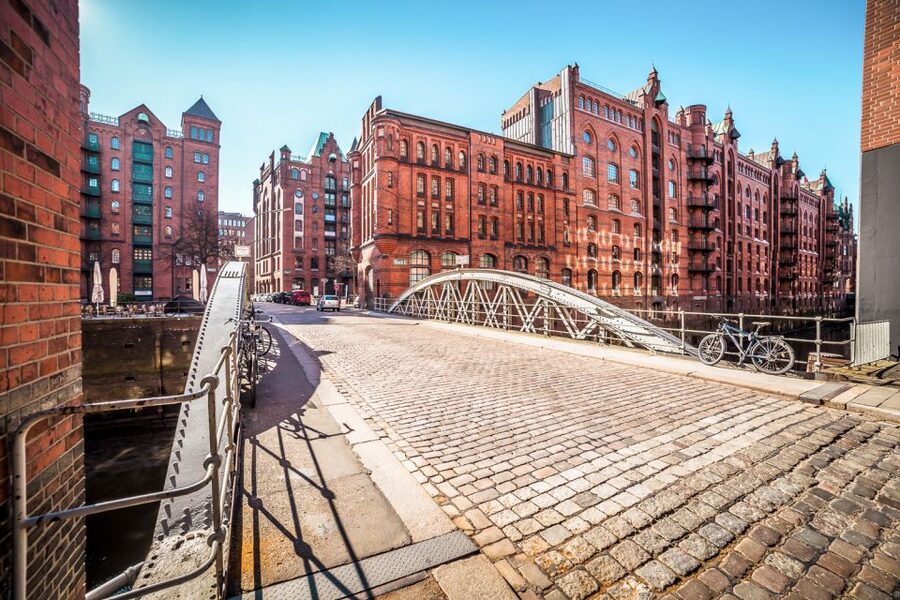
Speicherstadt is the kind of place where your brain shifts gears. The buildings are made to work, not to impress, and that shows in the overall feel. Even when different architects shaped parts of it, the area still reads as one coherent picture, with exposed elements that help you understand how it was built to function.
I like this angle because it changes how you look at architecture. Instead of asking, What is pretty here?, you start asking, What was this designed to do? That small shift makes the stop more memorable, especially for first-time visitors who usually only take photos.
This tour keeps the explanation grounded in the Hanseatic League era. You learn how the storehouses fit a time when trade needed serious, built-for-purpose storage. The buildings feel imposing for a reason, and the guide helps you connect the scale to what the area was meant to handle.
The Hanseatic League Story You Can Actually Follow
A lot of history tours sound like a lecture you survive. This one is built to keep moving while still giving you context you can hold onto. The guide talks about Speicherstadt not as abstract past, but as a working system that made commerce easier.
What helps is the way the tour frames the buildings as convenience-based infrastructure. That means you do not just hear facts, you learn to read the place. If you notice the storehouse structure and the utilitarian vibe, the explanations suddenly make sense.
Another smart touch is visual support. In the guide feedback, you can see examples of guides using an iPad with lots of photos to back up what they say. When that happens, the buildings feel less confusing because you get reference points while you stand in front of them.
And yes, the guide is German. So if you speak only a little, aim to follow the key words and use visual cues. Architecture tours can be surprisingly workable that way.
The Kesselhaus Stop (Except Mondays)
One of the tour inclusions that adds real value is the Kesselhaus visit, but only when your day is not Monday. That matters because it is the kind of included access that you might otherwise have to pay for separately or miss entirely.
I like having one specific named stop like this because it prevents the tour from becoming only a walk-and-look experience. Instead, you get at least one place where you can expect more focused information tied to the setting.
If you are choosing between tour days, treat Mondays differently. Since Kesselhaus is excluded then, you might weigh whether you care more about the exterior architecture or whether you specifically want that additional stop.
Picking Your Scent Trail: Coffee Roaster or Spice Museum
Part of the fun here is how the tour encourages you to decide for yourself. Following your nose is not just a cute phrase, it is a practical way to turn your walk into a personal choice.
The highlights include the possibility to visit a coffee roaster or a Spice Museum. I like this approach because it fits different interests without forcing everyone into the same second stop. If you are a coffee person, you can follow that thread. If you like food history and smells, the spice side might feel more natural.
From a planning perspective, treat this as a flexible moment rather than a guaranteed fixed attraction. Because the choice is part of the experience, be open to whatever your guide suggests based on the flow of the route and the day.
HafenCity: Modern Lines With Maritime Flavor
Once you leave Speicherstadt, Hamburg changes tone. HafenCity is modern and more sophisticated in its architecture, and the mood moves closer to today’s maritime identity. The buildings here feel designed for impact, and the tour helps you notice how the style differs from what you just saw.
I think the value of this half is in contrast. You stop looking at buildings as a single category. Instead, you see how a port city evolves, with older trade infrastructure on one side and new architectural statements on the other.
The guide also helps you read the harbor atmosphere, so you are not just staring at angles and glass. You connect the look to the water-adjacent energy of the district.
If you like architecture that is bold in shape rather than only ornate, you will probably enjoy this stretch. If you prefer quieter streets, it still works because the tour keeps you anchored with explanations while you walk.
Elbe Philharmonic Hall: The Controversial Landmark at the End
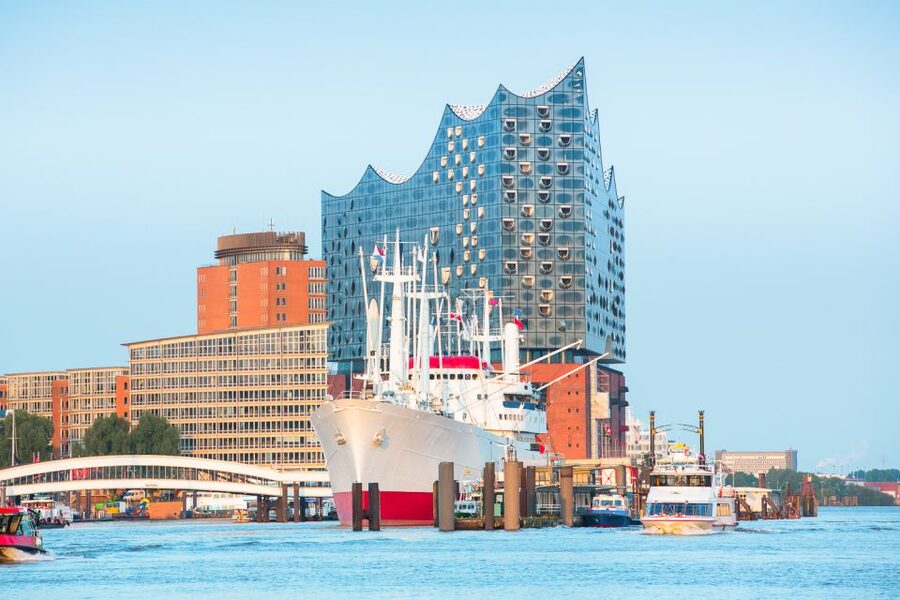
At the end of the route, you reach Elbe Philharmonic Hall, located where HafenCity and Speicherstadt meet. This building is described as exciting and controversial, and the construction began in 2007. That mix of praise and debate makes it an interesting final note.
Why it is a good ending: you finish with something that forces conversation. People often leave after one look, but a guide-driven explanation helps you understand why the building became such a talking point. In a 2-hour tour, ending with a landmark like this gives you a clear memory anchor.
Also, it is a smart way to close the loop between eras. Speicherstadt shows convenience-first trade design from the past. Elbe Philharmonic Hall represents a major contemporary investment, and the contrast makes both feel more real.
How the Guide Makes Two Hours Feel Longer
The experience lives or dies by the guide. The feedback points to a prepared approach, including the use of iPad photos to support explanations. That is not just high-tech for show, it is a tool that keeps the story coherent when you are standing outside and the details are harder to see.
You might encounter guides referenced in the feedback like Hannes and Christian. Both show up in positive notes for knowledge and presentation, with Christian specifically called out for entertaining, detailed storytelling and learning a lot about the city’s present and past.
Even if your guide is different, the pattern is what matters: you should expect a guide who does not just recite facts. The goal is that you walk away understanding what you saw, not only where you stood.
A quick practical tip: when the guide points out something architectural, look where they indicate, then look again with your own eyes. That small pause helps you register what makes the building feel different from the last one.
Price and Value: What $18 Buys in 2 Hours
At $18 per person, this tour is priced like a “smart overview,” not a deep museum day. For most people, that is exactly right. You get a guided walk across major districts, with enough explanation to make the buildings understandable, plus a named included visit to the Kesselhaus on non-Mondays.
Is it cheap? Not free, but the value is in the structure. A 2-hour format means you can fit it into a day without sacrificing your whole schedule. And because the tour includes a guide and tour components rather than being only self-guided, you pay for interpretation.
Two watch-outs:
- Food and drinks are not included, so plan your snack timing.
- The Kesselhaus component depends on the day you book, so check whether your date includes it.
If you are deciding between spending money on this versus wandering on your own, the deciding factor should be how much you want context. If you want the city explained in a way that keeps you moving, this is usually the better deal.
Who This Tour Suits Best
This is a strong fit if you like architecture, city contrasts, or you want a fast way to understand Hamburg beyond one landmark. It also works well for people who enjoy structured walking tours but do not want to commit to a half-day or all-day plan.
It is especially good if you enjoy practical history. Speicherstadt is framed as convenience-first design for trade, not a romanticized fairy tale of old Europe. If that approach sounds appealing to you, the whole experience will likely click.
You might skip it if:
- You need a longer, slower pace with lots of indoor time, since this is a 2-hour walk.
- You rely heavily on a language you will not get here. The guide is German, and nothing in the tour data suggests other languages are offered.
On the plus side, wheelchair accessibility is explicitly listed, so mobility should be manageable.
Should You Book This Hamburg Speicherstadt and HafenCity Tour?
Book it if you want a clear, efficient route through Hamburg’s two faces. You get Speicherstadt with Hanseatic League context and storehouse explanations, then HafenCity with modern architectural focus, ending at Elbe Philharmonic Hall.
This tour is also a good bet if you like choices and sensory moments. The coffee roaster versus Spice Museum option is the kind of flexible touch that makes a short tour feel less generic.
The only real reason not to book is if your day is Monday and you care a lot about the Kesselhaus visit, since it is excluded then. If that matters to you, pick another day or plan an alternative stop.
If you do book, show up on time at Sandtorkai 74, bring comfortable shoes, and treat the route as an architecture lesson with a maritime storyline. In two hours, you will leave with far more understanding than you would from a quick photo walk.
FAQ
How long is the Hamburg Speicherstadt and HafenCity Tour?
The duration is 2 hours.
How much does the tour cost?
It costs $18 per person.
What language is the tour guide?
The live tour guide speaks German.
Is food and drinks included?
No, food and drinks are not included.
Is the Kesselhaus visit included?
Yes, the tour includes a visit to the Kesselhaus, except on Mondays.
Where is the meeting point?
Meet directly at Sandtorkai 74, at the corner of Sandtorkai and Kaiserkai, on the square in front of the stairs and on the white wall with the hole in the middle.
Is the tour wheelchair accessible?
Yes, it is wheelchair accessible.
Is there free cancellation?
Free cancellation is available up to 24 hours in advance for a full refund.
Can I reserve without paying right away?
Yes. You can reserve now and pay later, so you can book your spot and pay nothing today.
Warehouse Country, Reviewed
Everything else we filed on Hamburg
- Hamburg: Safari tour in St. Pauli
★ 4.9 · 11 reviews - Hamburg: Party Bingo with the Bingo Gringos
★ 4.8 · 11 reviews - Hamburg Harbor: 3.5-Hour Guided Tour by Bike
★ 4.7 · 11 reviews - Hamburg: 2-Hour St. Georg Walking Tour
★ 4.8 · 11 reviews - Hamburg: Guided Walking Tour in Danish
★ 5.0 · 11 reviews - Discover Hamburg in a retro Bulli
★ 3.0 · 12 reviews
Speicherstadt and HafenCity Tours, side by side.
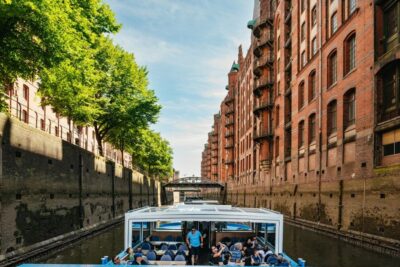 ★ 4.6Hamburg: 1.5-Hour Harbor and Speicherstadt Day CruiseFrom $4014,200 reviews
 ★ 4.4Hamburg: 1-Hour Harbor Sightseeing Cruise with HafenCityFrom $303,067 reviews
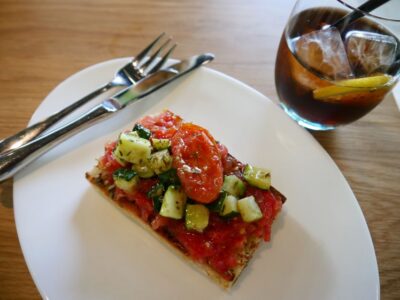 ★ 4.7Hamburg: Elbphilharmonie Plaza and HafenCity Food TourFrom $691,711 reviews
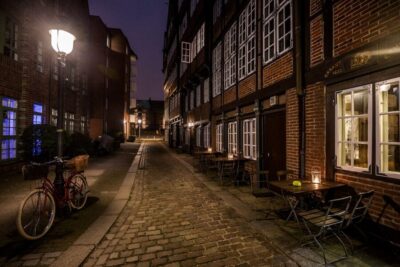 ★ 4.5Hamburg: Eerie Speicherstadt TourFrom $291,394 reviews
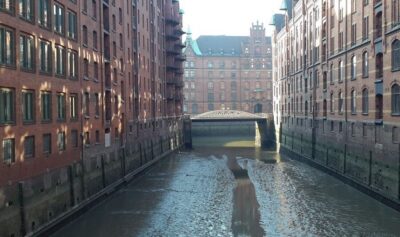 ★ 4.7Hamburg: Speicherstadt and Hafencity Guided TourFrom $161,344 reviews
 ★ 4.8Hamburg: Speicherstadt and HafenCity 2-Hour TourFrom $2821,063 reviews
 ★ 4.7Hamburg: Treasure Hunt Game through HafenCityFrom $29364 reviews
 ★ 4.6Hamburg: Speicherstadt Walking Tour with Coffee TastingFrom $50360 reviews
Other lists this tour is on