
REVIEW · HAMBURG
Hamburg: Speicherstadt Walking Tour with Coffee Tasting
Follow the smells of the port. This 150-minute Speicherstadt walk pairs UNESCO warehouse architecture with a coffee tasting led by guide Jan, who brings the trading story to life with humor. I liked how the tour moves from colorful spice and carpet shops to a real roasting workshop where you can taste what you just learned. One catch: it is not suitable for people with mobility impairments, since the route is walk-based.
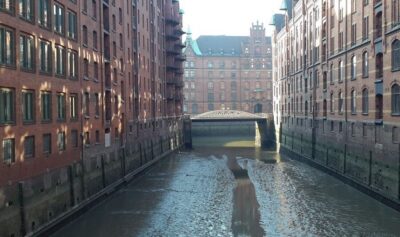
You meet at Cafe Bar Barrossa on Brook Street, opposite the Hamburg Dungeon, near the Baumwall underground station, or via Metrobus 6 to Auf dem Sande. From there, the group starts the walk around Wandrahmsteg Bridge and heads into the Speicherstadt warehouse district, Germany’s famous port-side charm in full working form.
Expect a guided loop that mixes shops you can actually browse with a focused explanation of how trade in spices, carpets, coffee, and more shaped this area. You’ll also get a 30-minute coffee-tasting workshop with a master roaster, so the day ends with something you can smell, sip, and compare.
In This Review
- Key things you will notice on this Speicherstadt walk
- Meeting at Barrossa: where to start and how to get your bearings
- The 150-minute plan: how the pacing stays friendly
- Speicherstadt in a nutshell: why these warehouses matter
- The spice store stop: scent, color, and trade connections
- Oriental carpet and craft shops: browsing with a story in your pocket
- Coffee roasting workshop: the 30 minutes that end the day
- Price and value: is $50 worth it?
- Who should book, and who should skip it
- What I’d do to get the most out of it
- Should you book this Speicherstadt and coffee tasting tour?
- FAQ
- Is this a walking tour or mainly inside shops?
- How long is the experience?
- What is included in the ticket price?
- Is food included?
- Where do I meet the guide?
- What language is the tour guide?
- How do I get there by public transport?
- Is the tour suitable for people with mobility impairments?
- Can I cancel for a refund?
- Does the tour always run?
- Should you book this tour right now?
Key things you will notice on this Speicherstadt walk
- Wandrahmsteg Bridge to the warehouse district route gives you an easy start point and fast orientation
- Spice shop stop where you learn how the trade shaped what people bought, cooked, and sold
- Carpet stores and Oriental design storefronts you can browse without feeling pushed
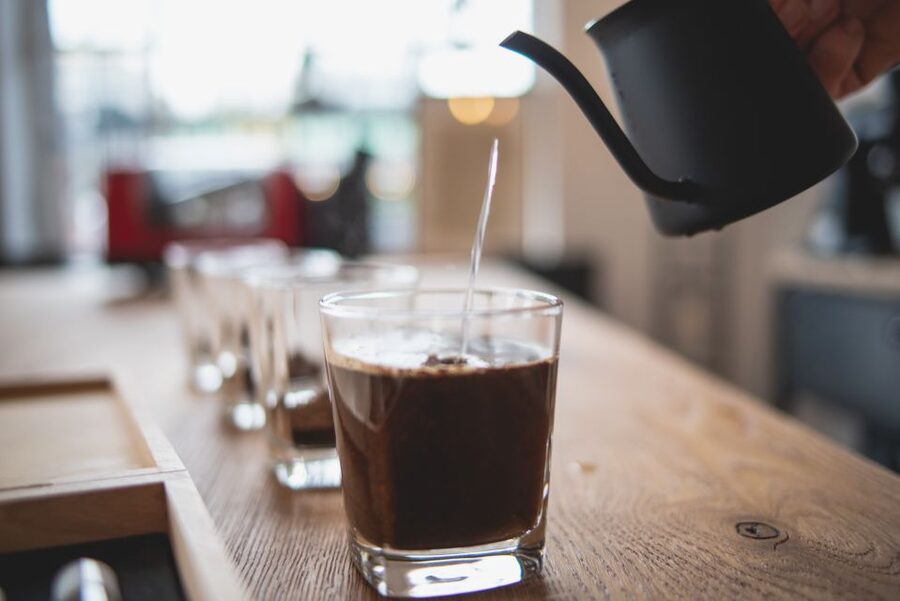
- Coffee roasting workshop with a master roaster, plus a guided tasting session
- Jan’s style history-forward explanations delivered with humor and clear pacing
More red brick and canal bridges
- Hamburg: 1.5-Hour Harbor and Speicherstadt Day Cruise★ 4.6 · 14,200 reviews
- Hamburg: 1-Hour Harbor Sightseeing Cruise with HafenCity★ 4.4 · 3,067 reviews
- Hamburg: Elbphilharmonie Plaza and HafenCity Food Tour★ 4.7 · 1,711 reviews
- Hamburg: Eerie Speicherstadt Tour★ 4.5 · 1,394 reviews
Meeting at Barrossa: where to start and how to get your bearings
The start point is very specific: Cafe Bar Barrossa on Brook Street, directly opposite the Hamburg Dungeon. If you like arriving early, do it. That area is easy to reference, and it helps you avoid that last-minute scramble when you’re looking for your guide.
For public transport, the nearest underground station is Baumwall. If you prefer the bus, Metrobus 6 to Auf dem Sande is your route. Either way, you’re dropped close enough that you can focus on the tour instead of logistics.
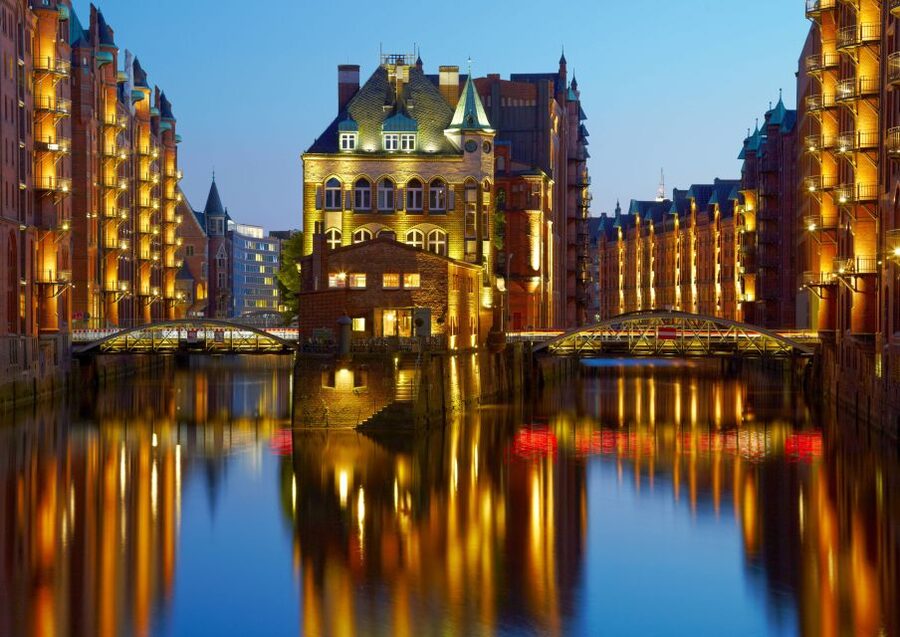
Once you meet up, you’ll begin the walking part of the experience around Wandrahmsteg Bridge. That matters because Speicherstadt is a network of canals, bridges, and warehouse streets. Getting the start point right makes the first five to ten minutes feel effortless, not like you’re trying to orient yourself mid-walk.
The tour runs about 150 minutes. That’s a comfortable chunk of time to see the warehouse district and still end at the coffee shop without feeling rushed. It’s also a reminder that this is not a museum-only experience. You’re walking and stopping in active commercial areas, which gives it a more lived-in feel.
The 150-minute plan: how the pacing stays friendly
The structure is simple, and that’s a plus: you start with the guided Speicherstadt walking portion, then you finish with the coffee component. You’ll get a guide the whole way, so you’re not stuck reading signs while everyone else moves on.
Because it is a walking tour, you should expect a steady pace. Even when you’re browsing shops, the group is moving. The ideal mindset is relaxed curiosity, not slow, lingering shopping time. If you want to buy souvenirs, plan to do it when the guide pauses for explanations or during the time in the stores.
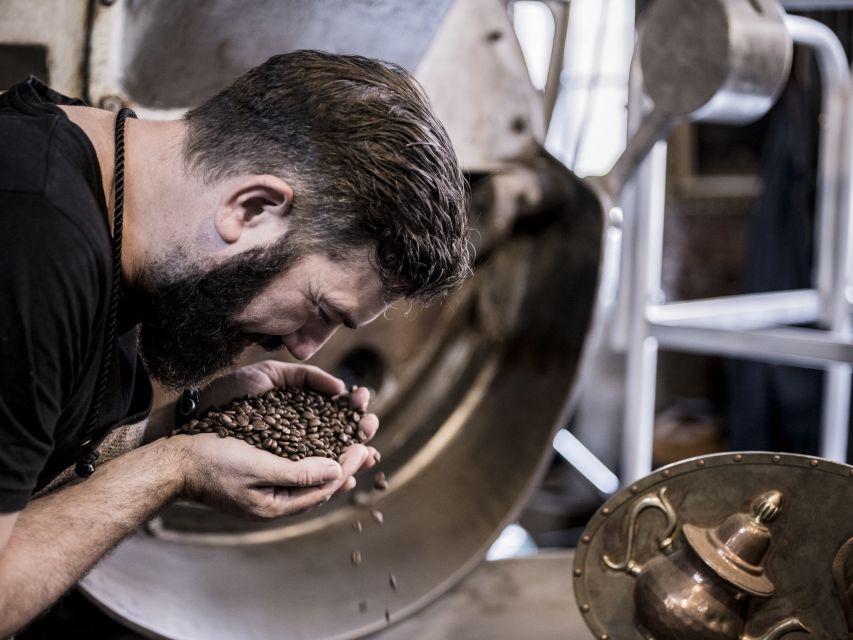
The final stop is the coffee roasting shop. There, you get a 30-minute coffee-tasting workshop, led by a master roaster (described as a 2-time European Roasting Master). That segment is short by design. You’re there to learn the basics of how coffee goes from production to roasting and then to taste different flavors side by side.
If you’re a serious coffee nerd, that 30 minutes might feel brief. One review note also pointed out that they wanted more detail on the entire journey from bean production through roasting. So, if you want extra depth, be ready to ask questions during the workshop and pay attention to what the roaster emphasizes.
Speicherstadt in a nutshell: why these warehouses matter
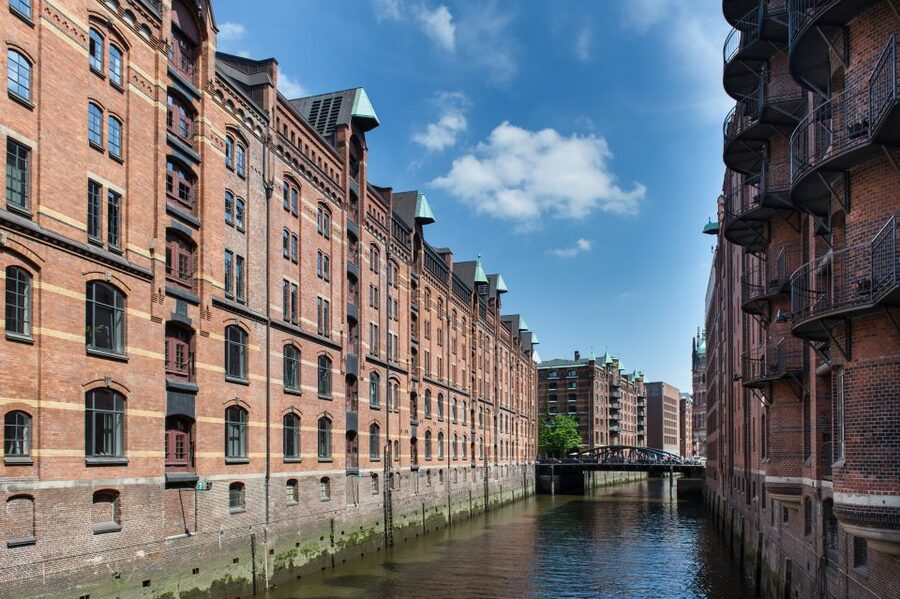
Speicherstadt is a UNESCO World Heritage Site, and the tour uses that status in a practical way. You’re not just looking at pretty buildings. You’re learning what the area was built for: trade at the port level, with warehouses designed for storage and movement of goods.
As you walk, the guide ties together why this district looks the way it does and how it functioned for centuries. The focus is on commercial goods that defined the district, including spices and coffee, plus other big players like carpets and related products you’ll see in the shops.
Two things I’d highlight here as value for you:
1) The guide turns architecture into a story you can picture. It helps you understand why people built so many warehouses right where the ships came and went.
2) You get context before you enter the stores. When you step into the spice and carpet shops, the explanations make what you see more meaningful than just colorful storefronts.
There’s also an everyday side to it. Since you’re in a shopping district, you can mingle with locals and browse without feeling like you’re intruding. That blend of city life and heritage is a big reason this kind of tour works well even for people who have visited Hamburg before.
The spice store stop: scent, color, and trade connections
The spice shop is one of the most sensory parts of the walk. You’re guided into a store known for its colorful stock and strong aromas, and the focus is not just on what spices look like. The guide explains the spice-trading industry and how it shaped what Speicherstadt became.
Here’s what makes this stop practical for your brain: you’ll connect smells to systems. Trade routes brought spices into Hamburg, warehouses supported storage and commerce, and the district developed shopfronts that matched what customers expected. So you’re seeing products, but you’re also learning the pathway that made those products available.
The tour doesn’t treat spices as a random souvenir. Instead, it frames them as part of the wider Speicherstadt economy. That’s why the explanation feels relevant rather than stuck in theory.
One thing to note: the experience is heavily guided. If you like experimenting, don’t be shy about asking what spices are used for or how merchants think about quality. Even if you don’t buy anything, you’ll leave with a better sense of why the scents are so intense and why shop displays look the way they do in a trade district.
Other walking routes through Hamburg
Oriental carpet and craft shops: browsing with a story in your pocket
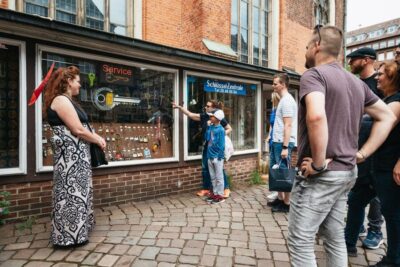
After the spice stop, the route shifts toward shops selling colorful carpets and related goods, including craft stores and even chocolate shops. The key is that you’re not doing a random shopping detour. The guide keeps returning to how trade shaped Speicherstadt’s commercial lineup.
Carpets are the perfect example. They’re decorative, yes, but they also represent a whole category of imported goods. Seeing multiple storefronts side by side helps you understand how merchandise categories clustered in the district.
This is also where I liked the balance: you can mingle with locals, take in the design, and shop for souvenirs if you want. But you’re not forced into a high-pressure sales pitch as part of the tour. The explanations keep you oriented, so your time feels purposeful even when you’re just looking.
If you want to make this segment work for you, decide in advance what you’re shopping for. This is not the moment to do huge price comparisons for furniture-grade items. It’s the right moment to spot patterns, learn what different styles mean to merchants, and buy small, easy-to-carry souvenirs if they catch your eye.
Coffee roasting workshop: the 30 minutes that end the day
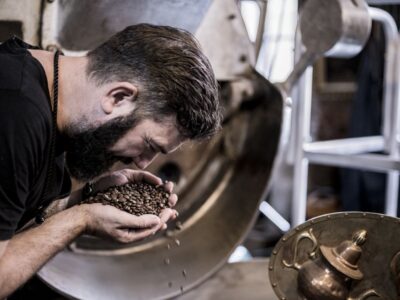
The finale happens at a local coffee roasting shop. This is your hands-on payoff, and it’s where the tour earns its name. You meet a master roaster, described as a 2-time European Roasting Master, and you get a coffee-tasting workshop with a structured approach.
In the workshop, you’ll learn about coffee production in general terms and how roasting changes flavor. The tour also gives you a tasting experience, so you’re not just hearing theory. You can compare what’s in the cup and connect it to what the roaster explains.
A key practical point: because the workshop is 30 minutes, the best results come from being present. Take notes if you’re that type. Smell and taste with intention, not on autopilot. If you’re comparing cups, notice differences in aroma and perceived taste.
There is one downside possibility. A review mentioned they wanted more detail about the process from coffee beans through the finished roast. That feedback makes sense, because roasting is a deep topic. So think of this workshop as a guided start, not a full coffee certification course. If you want to go deeper later, you can, but this tour gives you the foundation and the tasting practice.
Price and value: is $50 worth it?
At $50 per person for about 150 minutes, you’re paying for three things: a guided walk, a guide-led shop experience, and a 30-minute coffee-tasting workshop with a master roaster. That’s not just “see sights.” It includes instruction and a tasting component.
You also get real advantages over a DIY approach. The guide’s explanations connect architecture to trade, then trading to the specific shops you visit. Without that guidance, it’s easy to see warehouses and storefronts and miss the meaning behind them.
Food is not included, so plan to eat separately. If you want to turn this into a satisfying meal day, schedule breakfast or lunch around the tour, and keep your expectations realistic. The coffee tasting can scratch the beverage itch, but it’s not a full meal.
My value verdict: this is a good deal if you like stories with substance and you want an ending you can taste. If you’re only interested in taking photos of the buildings and you don’t care about spice or coffee, you might prefer a self-guided route. But if coffee tasting is a priority, this price stacks up well.
Who should book, and who should skip it
This tour is a strong fit if you want a short, structured way to understand Speicherstadt, not just stroll and hope. It’s especially good for people who enjoy trade-related history told in a human scale, with shop stops that make the explanations real.
It’s also a great match for coffee lovers who want a guided tasting and a chance to meet a master roaster. Even if the workshop is brief, it gives you a sensory baseline you can use later in cafés around Europe.
It’s not suitable for people with mobility impairments. The tour is a walking experience in a shop-and-bridge area, so you should consider alternatives if mobility is a concern.
What I’d do to get the most out of it
If you want this to feel worth your time, go in with two small habits.
First, show up ready to pay attention during the walking segments. The most useful part is the way the guide ties together trade categories like spices and coffee with the district’s layout.
Second, treat the tasting workshop like a mini lesson. Ask one or two questions, then focus on how roasting affects aroma and flavor. Even a short tasting can teach you how to recognize differences if you’re actively comparing.
Also, since it’s German only, if you’re comfortable with basic German, you’ll pick up more. If not, you can still follow a lot visually and through context, but you’ll likely learn the most if you’re okay relying on the guide’s spoken explanations.
Should you book this Speicherstadt and coffee tasting tour?
I’d book it if you want a guided way to connect Speicherstadt’s warehouse setting to the trades that built the place, then end with an actual tasting led by a master roaster. The combination of shop stops and coffee education makes it feel practical, not just scenic.
Skip it if you need step-free access or if you only care about photos of buildings. Also, if you want deep, hour-long coffee science, you may find the 30-minute workshop short, though it’s a solid start.
FAQ
Is this a walking tour or mainly inside shops?
It is a guided walking tour through Speicherstadt, with stops at spice and shop areas and then a 30-minute coffee-tasting workshop at a roasting shop.
How long is the experience?
The total duration is about 150 minutes.
What is included in the ticket price?
You get the Speicherstadt walking tour, a guide, and a 30-minute coffee-tasting workshop.
Is food included?
No, food is not included.
Where do I meet the guide?
Meet the guide in front of Cafe Bar Barrossa on Brook Street, opposite the Hamburg Dungeon.
What language is the tour guide?
The live tour guide language is German.
How do I get there by public transport?
The nearest underground station is Baumwall. You can also take Metrobus 6 to the Auf dem Sande stop.
Is the tour suitable for people with mobility impairments?
It is not suitable for people with mobility impairments.
Can I cancel for a refund?
Yes, you can cancel up to 24 hours in advance for a full refund.
Does the tour always run?
There is a minimum number of participants required for the tour to run.
Should you book this tour right now?
Yes, if you want a 2.5-hour, guided Speicherstadt experience that ends with a real coffee tasting. If mobility is an issue or you want longer, deeper coffee education, look for a different format.
Plates and Steins in Hamburg
Pavements of Hamburg
Warehouse Country, Reviewed
Everything else we filed on Hamburg
- Hamburg: Safari tour in St. Pauli
★ 4.9 · 11 reviews - Hamburg: Party Bingo with the Bingo Gringos
★ 4.8 · 11 reviews - Hamburg Harbor: 3.5-Hour Guided Tour by Bike
★ 4.7 · 11 reviews - Hamburg: 2-Hour St. Georg Walking Tour
★ 4.8 · 11 reviews - Hamburg: Guided Walking Tour in Danish
★ 5.0 · 11 reviews - Discover Hamburg in a retro Bulli
★ 3.0 · 12 reviews
Speicherstadt and HafenCity Tours, side by side.
 ★ 4.6Hamburg: 1.5-Hour Harbor and Speicherstadt Day CruiseFrom $4014,200 reviews
 ★ 4.4Hamburg: 1-Hour Harbor Sightseeing Cruise with HafenCityFrom $303,067 reviews
 ★ 4.7Hamburg: Elbphilharmonie Plaza and HafenCity Food TourFrom $691,711 reviews
 ★ 4.5Hamburg: Eerie Speicherstadt TourFrom $291,394 reviews
 ★ 4.7Hamburg: Speicherstadt and Hafencity Guided TourFrom $161,344 reviews
 ★ 4.8Hamburg: Speicherstadt and HafenCity 2-Hour TourFrom $2821,063 reviews
 ★ 4.7Hamburg: Treasure Hunt Game through HafenCityFrom $29364 reviews
 ★ 4.6Hamburg: Speicherstadt and HafenCity TourFrom $18277 reviews
Other lists this tour is on