

REVIEW · LEIPZIG
Leipzig: City Center Guided Walking Tour
Leipzig teaches big stories at street level. This city-center walking tour is built around famous landmarks, real musical names, and the events that shaped modern Germany. I like the clear, focused route and the fact that it’s wheelchair accessible, so the experience works for different travel styles.
What makes it especially interesting is how the stops connect music, art, and politics without turning into a textbook. You’ll move through the busy market area, see key churches tied to Bach-era culture, and then shift into Leipzig’s role in the Peaceful Revolution of 1989. I also like that you get practical context for major authors and composers, not just postcard views.
One possible drawback: 1.5 hours is short, but if you prefer to linger and read every detail on your own, this can feel a bit tight. It’s a good “get oriented fast” tour, not a slow wander.
In This Review
- Quick highlights
- Why Leipzig’s city-center walk is a smart choice
- The Marketplace and Old Town Hall: Leipzig’s public square moment
- St. Thomas’s Church: where Leipzig’s music story gets real
- St. Nicholas’s Church: more than a landmark, a turning point
- The Stasi-related stop: why Leipzig’s modern history still lingers
- Mädler Passage and Auerbachs Keller: Leipzig through culture and storytelling
- Art Nouveau and Renaissance details you can actually spot
- Famous Leipzig names: Bach, Mendelssohn, Schumann, Schiller, and Goethe
- Tour pace and group size: what the 1.5 hours feels like
- Languages and guide style: German, English, French
- Price and value: $188 per group up to 25
- When this tour makes the most sense
- Practical tips before you go
- Should you book this Leipzig city-center walking tour?
- FAQ
- How long is the Leipzig city center guided walking tour?
- What does the tour cost?
- What languages are available for the live guide?
- Where is the meeting point?
- Is there free cancellation?
- Can I reserve and pay later?
- Is the tour wheelchair accessible, and is a private group available?
Quick highlights

- A tight 1.5-hour route that hits major Leipzig center sights without dragging
- Music landmarks on foot, including St. Thomas’s Church and St. Nicholas’s Church
- Go beyond famous buildings with the Peaceful Revolution of 1989 story, including Stasi-related sites
- Mädler Passage and Auerbachs Keller for literary and cultural context tied to Leipzig’s identity
- Multiple languages (German, English, French) with a live guide
- A $188 group price for up to 25 people, making it good value if you’re traveling with a small group
Other Saxon towns we have written up
- Leipzig: City History Canal Sightseeing Tour on a Motorboat★ 4.7 · 6,232 reviews
- Leipzig: 1.5-Hour Public Tour with Night Watchman Bremme★ 4.6 · 3,116 reviews
- Combo Tour in Leipzig: Guided City Tour & City Sightseeing★ 4.7 · 2,317 reviews
- Leipzig: 1.5-Hour Historical Walking Tour in German★ 4.7 · 2,217 reviews
Why Leipzig’s city-center walk is a smart choice
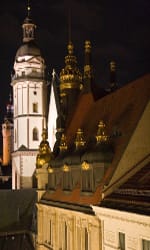
Leipzig is one of those German cities where you can feel history moving along the streets. This tour keeps you in the center, so you’re not spending your time transferring between neighborhoods. Instead, you’re walking through the parts of town where Leipzig’s culture became visible, from church music traditions to the shockwaves of 1989.
I like that the tour is designed to be efficient. In 1.5 hours, you cover the market setting, major churches, and landmark passages. That matters if you have limited time, especially on a first visit.
And yes, there’s art to notice while you walk. The tour highlights the mix of styles you’ll see around the center, including Art Nouveau and Renaissance architecture. Even if you’re not an architecture nerd, it helps you spot why Leipzig looks the way it does today.
The Marketplace and Old Town Hall: Leipzig’s public square moment
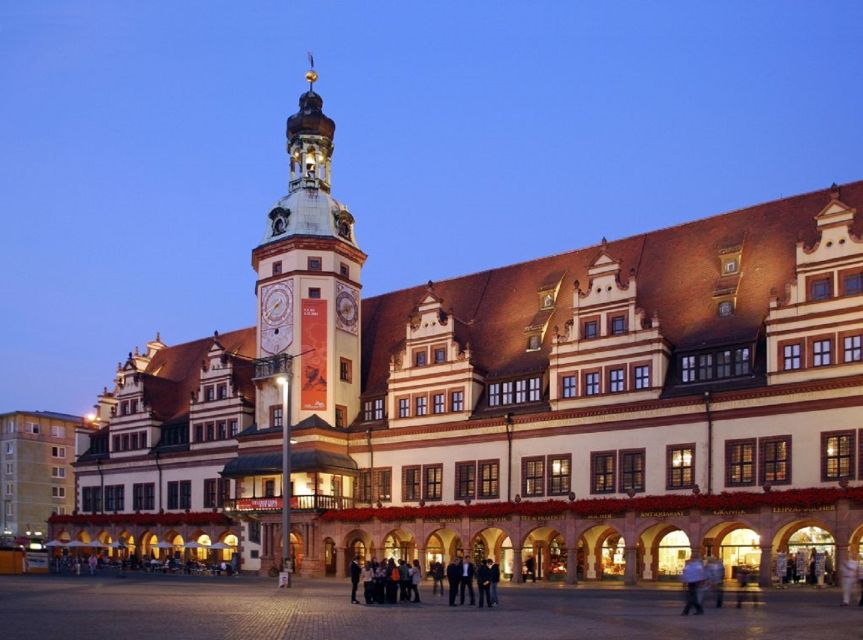
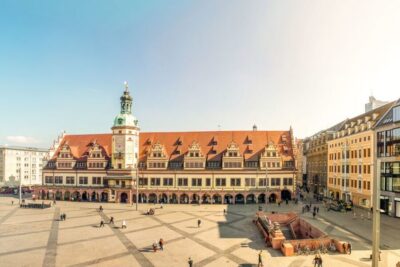
You start in the heart of Leipzig with the busy market place and the Old Town Hall nearby. This is where the city’s everyday life and official story meet. It’s also where your guide can help you frame what you’re about to see, because Leipzig’s cultural identity is tied to how people gathered here.
The Old Town Hall area is useful early on. I find it helps you orient quickly: you can get a sense of the city’s scale and layout before the route starts focusing on specific sites. If you’re the type who wants to know where things are before you zoom in on details, this opening works well.
Practical tip: when you’re in a market setting, wear shoes you trust. You’ll be on foot for the full loop, and Leipzig’s center streets can include uneven sections, especially around older buildings.
St. Thomas’s Church: where Leipzig’s music story gets real

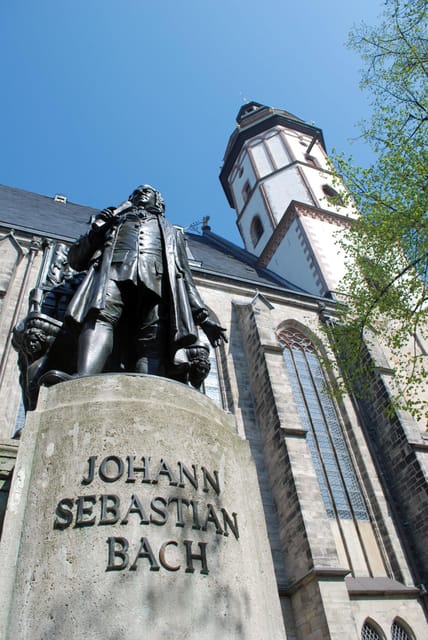
St. Thomas’s Church is one of those places you visit and immediately understand why composers are mentioned in the same breath as the building. This tour uses it as a point of connection to Leipzig’s long musical tradition, including the names many people come to Germany to hear about.
You’ll also get help putting composer names into context. The tour focuses on Leipzig as a home for major musical figures, including Johann Sebastian Bach and later composers connected to Leipzig’s musical reputation. The aim isn’t to list facts. It’s to show you why these names belong to Leipzig’s identity.
Another benefit: churches like this are often central in a city for practical reasons, not just symbolism. They helped shape how people organized their lives, which is why they matter to the broader story the tour tells.
St. Nicholas’s Church: more than a landmark, a turning point
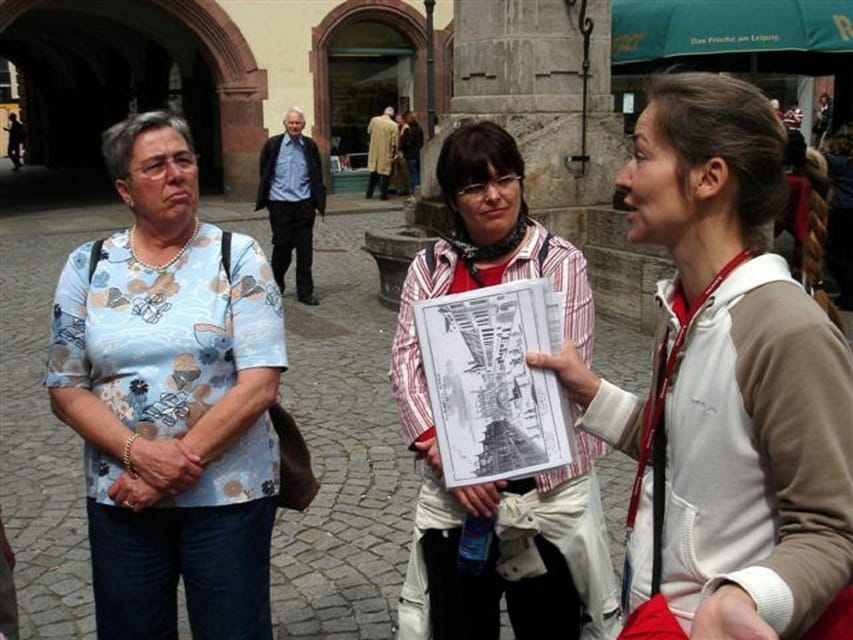
Then you move to St. Nicholas’s Church, and the mood shifts. Here, the tour connects Leipzig to the Peaceful Revolution of 1989, when the city played a major role in events that helped lead to the fall of the old system.
This is where the tour becomes more than music sightseeing. You’ll visit original locations connected to the uprising, and your guide will link the church’s significance to the broader story of change. It’s a powerful stop because you can stand in a real place and understand why people gathered, not just read about it later.
If you want an experience that feels “historical with stakes,” this is the moment. Even if you already know the year 1989, the physical location gives the story weight.
Other walking routes through Leipzig


The Stasi-related stop: why Leipzig’s modern history still lingers
Leipzig’s 1989 story isn’t only about crowds and speeches. The tour also points to the once secretive headquarters of the secret police, the Stasi, tied to the period around the uprising. That adds an important layer, because it connects public hope with the reality of surveillance and control.
I appreciate this because it keeps the narrative balanced. The tour doesn’t treat 1989 as a magic turning point with no context. Instead, it helps you understand why the city’s struggle mattered so much.
Worth noting: the exact way you experience the site depends on how the guide leads the walk and what’s available to view at that time. But the key value is clear: you leave with a better sense of what Leipzig was up against, not only what it achieved.
Mädler Passage and Auerbachs Keller: Leipzig through culture and storytelling
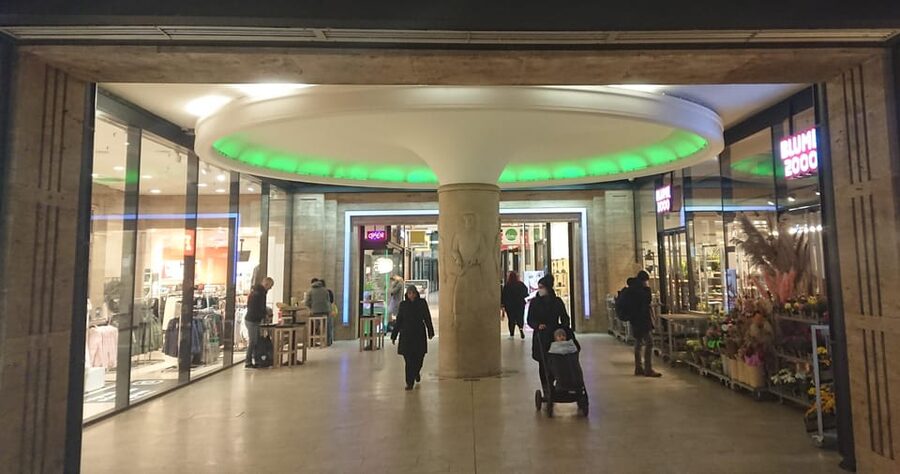
Next comes Mädler Passage and Auerbachs Keller, which the tour frames as legendary cultural spaces. These stops help show another side of Leipzig’s identity. It’s not all churches and revolutions. Leipzig also became known through culture, social life, and places that turned stories into tradition.
Auerbachs Keller is especially interesting because it’s the kind of site that invites you to connect literature and atmosphere. Your guide helps you understand why this area became famous, and how those cultural links still color Leipzig today.
Mädler Passage itself is the kind of pedestrian-friendly passage that makes the city feel intimate. You’re walking through a space that feels designed for lingering, even though the tour keeps you moving on schedule. It’s a nice contrast after the heavier stops connected to 1989.
If you’re the type who likes “place-based history,” this is one of the more enjoyable portions. You learn while also feeling the vibe of a real cultural corridor.
Art Nouveau and Renaissance details you can actually spot
The tour doesn’t ask you to memorize architecture charts. It points you toward recognizable styles you’ll see around the center, including Art Nouveau and Renaissance buildings. That matters because you’ll walk away with an eye for details, not just a list of stops.
When a guide tells you what to look for, the city becomes easier to read. You start noticing window proportions, facade rhythm, and the way older and newer styles sit side by side. Even if your photos are the priority, these cues help your pictures look more intentional.
I like that the architectural mention is practical. You’re not stuck in one place analyzing. You’re moving through the city, so the styles come in layers as you go.
Famous Leipzig names: Bach, Mendelssohn, Schumann, Schiller, and Goethe
This tour keeps composer and writer names tethered to actual streets and sites. You’ll hear how Leipzig has been shaped by major figures such as Johann Sebastian Bach, Mendelssohn, and Schumann. You’ll also hear about Friedrich Schiller, and how the city’s artistic reputation grew around people like him.
Another fun connection is Goethe. The tour mentions that Johann Wolfgang von Goethe studied poetry in Leipzig during the late 1760s. That detail matters because it shows Leipzig isn’t only a music city. It has a broader intellectual and literary track too.
And your guide ties it to Leipzig’s current musical identity by referencing the Gewandhaus Orchestra. The point isn’t to get lost in institutional history. It’s to understand why Leipzig’s international reputation remains music-centered.
Tour pace and group size: what the 1.5 hours feels like
A major part of why this tour works is that it’s short and structured. It’s not a long day outing. The benefit is you get key sights with enough explanation to make them click, then you’re free to explore on your own afterward.
Group size seems to stay comfortable for many people, which helps the guide keep energy up and questions flowing. A smaller group usually means you can hear better and move at a steadier pace.
Still, if you dislike guided pacing, you may feel the time pressure. One hint: treat this tour as your “orientation layer,” then plan a second pass on your favorites. That way you get both context and breathing room.
Languages and guide style: German, English, French
The tour offers live guides in German, English, and French. That’s more than convenience. It changes how smoothly you can follow the story, especially when the tour connects music and political events with specific locations.
Also, the guide experience seems to land well with many visitors. One guide named Max has been described as pleasant and sympathetic in the feedback I integrated into my expectations. Even without matching that exact guide, you can still expect the tour to be guided, not just recited facts.
If you want the best experience, pick the language you’re most comfortable with for history and names. You’ll catch the connections better, especially around Bach-era context and the 1989 revolution story.
Price and value: $188 per group up to 25
The price is listed as $188 per group for up to 25 people, for a duration of about 1.5 hours. The value depends on how you’re counting: if you’re a solo traveler, you’re paying a set amount tied to your group booking. If you’re traveling with friends or a small group, it can work out like a bargain compared to private guiding.
I look at it this way: you’re buying time with a guide who can explain how Leipzig’s major sites connect. Without that context, you might see church facades and passages, take photos, and miss why these places are emotionally and historically loaded. The tour’s value is that the city becomes understandable faster.
For couples, it can be especially good if you want a focused first day. For families, it may be a fit if kids can handle names and short story segments. For seniors, it’s a good length, and the route is wheelchair accessible.
When this tour makes the most sense
This tour is best when:
- You’re in Leipzig for a short time and want the center covered efficiently
- You care about music history and want it tied to real locations
- You want a practical introduction to Leipzig’s role in 1989
- You like guided explanations that help you notice architecture and cultural spaces
It’s less ideal if you want an hour-by-hour museum crawl or a totally unstructured wander with no guidance. You’ll still have time after, but the tour itself is designed to move.
Practical tips before you go
A few small things can make the walk easier:
- Wear comfortable, supportive shoes. You’ll be on foot for the full 1.5 hours.
- Bring layers. Weather in central Europe can shift quickly, and you’ll be outside the whole time.
- Keep your pace steady. If you stop to read every plaque, you may feel rushed as the guide moves the group along.
- If you’re using a wheelchair, you’ll be glad it’s wheelchair accessible, but it’s smart to arrive ready for outdoor street conditions.
Finally, plan around the meeting point. The meeting point can vary depending on the option you book, so check your specific confirmation and arrive a bit early.
Should you book this Leipzig city-center walking tour?
Yes, if you want a clean, well-structured way to understand Leipzig beyond the obvious photos. The tour is strong on what matters: major churches, the music connections tied to names like Bach and Goethe, and the 1989 revolution context that helps explain why Leipzig feels different once you know the story.
Book it if your priority is getting oriented quickly and leaving with a clear mental map of the center. Consider skipping it only if you hate guided pacing or you want a slow, independent deep read at each stop.
If you do book, use the tour as your first pass. Then go back on your own to the parts that stuck with you, whether that’s a church, the passage atmosphere, or the cultural corner where Leipzig’s stories still live.
FAQ
How long is the Leipzig city center guided walking tour?
The duration is 1.5 hours.
What does the tour cost?
The price is $188 per group, up to 25 people.
What languages are available for the live guide?
The tour is offered with a live guide in German, English, and French.
Where is the meeting point?
The meeting point may vary depending on the option booked.
Is there free cancellation?
Yes. You can cancel up to 24 hours in advance for a full refund.
Can I reserve and pay later?
Yes. The option is reserve now and pay later, with no payment needed today.
Is the tour wheelchair accessible, and is a private group available?
The tour is wheelchair accessible, and private group options are available.
Seeing Leipzig in One Go
Pavements of Leipzig
Saxony Beyond Dresden
Everything else we filed on Leipzig
- Mulled wine ride in the Leipzig New Zealand
★ 4.6 · 12 reviews - Wittenberg Private Walking Tour With A Professional Guide
★ 5.0 · 12 reviews - City tour on foot, by S-Bahn and tram
★ 4.5 · 12 reviews - The classic – experience Leipzig’s city centre
★ 5.0 · 13 reviews - Corpses, Leprosy, Lucifer 75-minute Tour at the Old Cemetery
★ 5.0 · 16 reviews - Leipzig’s Communist Past: A Self-Guided Audio Tour
★ 5.0 · 16 reviews
Leipzig and Saxony Tours, side by side.
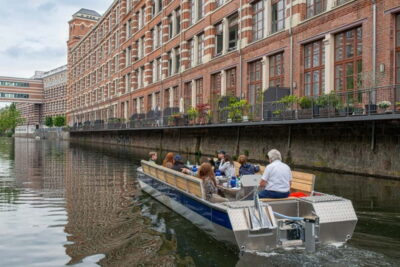 ★ 4.7Leipzig: City History Canal Sightseeing Tour on a MotorboatFrom $186,232 reviews
 ★ 4.6Leipzig: 1.5-Hour Public Tour with Night Watchman BremmeFrom $173,116 reviews
 ★ 4.5Dresden: Elbe River Cruise to Pillnitz CastleFrom $372,411 reviews
 ★ 4.7Combo Tour in Leipzig: Guided City Tour & City SightseeingFrom $252,317 reviews
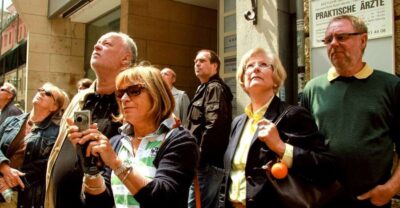 ★ 4.7Leipzig: 1.5-Hour Historical Walking Tour in GermanFrom $172,217 reviews
 ★ 4.8Leipzig: 2-Hour Guided Walking Tour in GermanFrom $181,612 reviews
 ★ 4.6Leipzig: 13-Stop Hop-on/Hop-off Bus TicketFrom $281,468 reviews
 ★ 4.5Gruseltour Leipzig: A Haunted Guided TourFrom $211,385 reviews
Other lists this tour is on