
REVIEW · THE MOSELLE
Lieser: Covered wagon ride, the rolling wine tasting with picnic basket
Three hours on a covered wagon, with wine views.
This is a gentle, scenic way to taste Moselle wines while you learn how grapes get from vine to glass, with wine tastings and vineyard stops built into the ride. You also get a real sense of the place, because the stops happen right where the wine is grown, not just in a tasting room.
What I really like is the mix of the rolling wagon ride and hands-on wine time, including wine, mineral water, and grape juice during the experience. I also love the picnic basket at a standout viewpoint, because it turns a wine tour into a full afternoon outdoors instead of a rushed tasting.
One thing to consider is that group timing and guide setup can affect how informative the trip feels. For example, an English booking ended up with a German tour guide presence where an English-speaking helper was not the main guide, so the wine explanations felt lighter than expected. If you’re picky about language, plan with a little flexibility.
In This Review
- Key highlights at a glance
- Price and value for a 3-hour Moselle wine experience
- The covered wagon ride: comfort, pace, and why it works
- Where the tour begins, and how to find the start
- Lieser stop: wine, guided talk, free time, and a classic vineyard setting
- Bernkastel-Kues stop: more tasting, plus the Moselle views
- Wine tastings: what you’ll drink and how the tour handles preferences
- The picnic basket at a viewpoint: the meal becomes part of the scenery
- Viewing platforms and vineyard stops: learning that happens outside
- Group dynamics, language, and the feeling of how informative it will be
- Logistics and timing: how to plan your day around 3 hours
- Is this tour worth it for you?
- Should you book the Lieser and Bernkastel-Kues wagon ride with tasting?
- FAQ
- How long is the covered wagon ride and wine tasting?
- Where does the tour meet?
- What’s included in the price?
- Do I get time to relax and not just listen?
- Is wine shopping included?
- What languages are available for the live tour guide?
- Is it wheelchair accessible?
- What’s the cancellation policy?
Key highlights at a glance
- Covered wagon through the vineyards, comfortable pacing for young and old
- Stops at vineyards and viewing platforms, so the scenery is part of the tasting
- Wine tastings with winery philosophy, plus talk about winegrowing
- Picnic basket at a striking vantage point, not just a quick bite
- Drinks included (wine, mineral water, grape juice)
Price and value for a 3-hour Moselle wine experience
At $62 per person for a roughly 3-hour experience, this tour lands in the mid-range for a guided wine activity in the Moselle Valley. What makes it feel like good value is that you are not only tasting. You’re also paying for transportation through the vineyards, multiple planned stops, and a picnic basket at a viewpoint, plus included drinks.
You should think of it as a small “program,” not a simple tasting. The covered wagon ride is the structure that keeps things relaxed. And because tastings happen at vineyards tied to the winery, you get a stronger sense of how the vines, slope, and choices in winegrowing connect to what ends up in your glass.
If you only want to shop for bottles, this probably won’t be your best use of time since wine shopping isn’t included. But if you want a guided, outdoor way to taste and learn without driving yourself, the price starts to look fair.
The covered wagon ride: comfort, pace, and why it works
The covered wagon takes you comfortably through the vineyards of Lieser and Kues. That detail matters more than you might think. You are not climbing around on steep paths or spending the day doing logistics. The wagon gives you a slow moving view of vineyards, while the guide’s stops break the ride into meaningful segments.
It’s also a good fit for mixed ages. The experience is designed to work for younger visitors and older adults, and the covered setup helps with basic weather comfort. You can focus on the vines and the tastings instead of worrying about transit between viewpoints.
A practical note: group tours sometimes run late. One guest described the start as over an hour delayed, which nearly wrecked a dinner reservation. I’d treat this like a fun afternoon that can be flexible, and give yourself buffer if you have a specific dinner time later.
Where the tour begins, and how to find the start
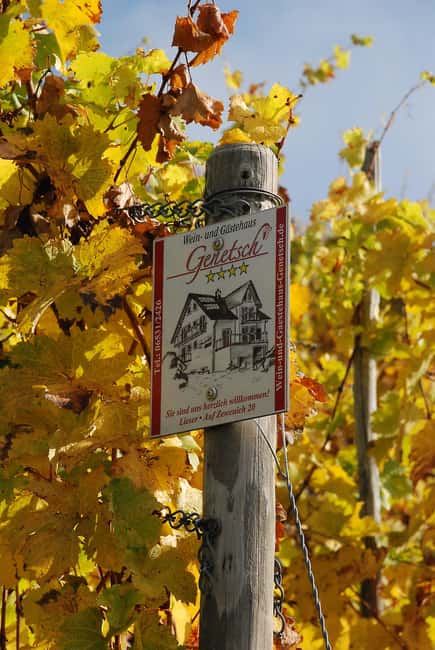
The meeting point is Wein- und Gästehaus Genetsch, At Zevenich 20, 54470 Lieser. The start is at Auf Zevenich 20, and the winery is the hub for both the wagon experience and the tastings.
If you’re coming from elsewhere, arrive a bit early. Even if the tour feels simple, showing up on time helps the whole day run smoothly, especially because the group ride and stops require everyone to be ready before moving out.
Lieser stop: wine, guided talk, free time, and a classic vineyard setting
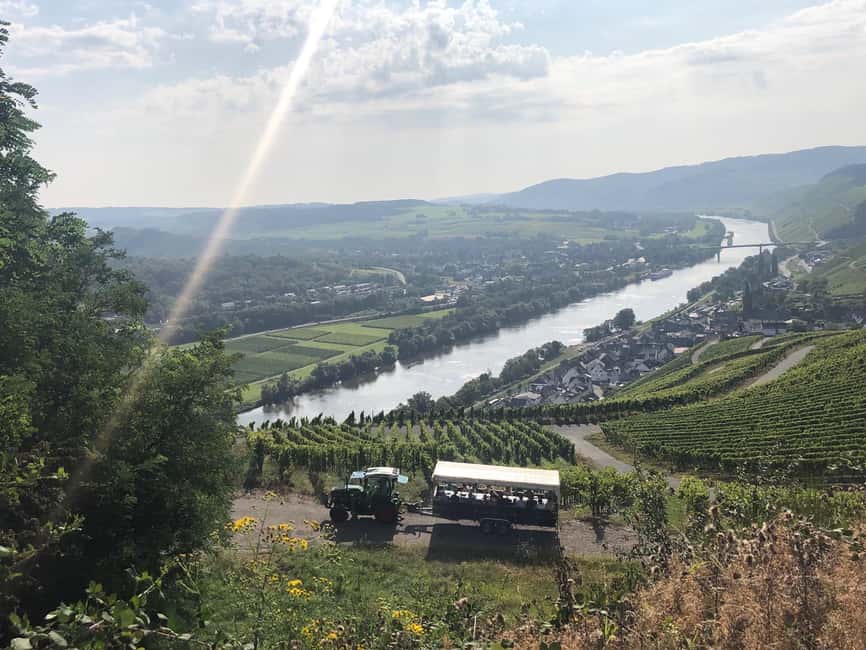
The first main stop in the experience is Lieser, with a longer time slot than the later segment. This is where you get a combination of guided elements and breathing room.
Here’s what you should expect at Lieser:
- Guided tour and wine information related to the winery’s approach
- Wine tasting connected to what’s grown in the vineyard
- Free time built into the schedule
- Scenic views during the drive to and through the area
The big value of this stop is that you start forming a mental map of the Moselle wine world. You hear practical points about viticulture and how the vineyard choices connect to flavor. Then you get to taste wines grown there, so the explanations land immediately.
One drawback to watch for is clarity, especially if you’re booked in English. In one case, an English booking did not receive the full English guided narration as expected. If language is a priority for you, double-check the language option when you reserve and stay flexible if staffing changes happen.
Bernkastel-Kues stop: more tasting, plus the Moselle views
The second main stop is in Bernkastel-Kues, and it includes another round of wine time and scenic viewing while the group moves through the area.
This segment typically feels more about finishing your learning loop:
- Additional wine tasting
- Guided talk and free time
- More scenic views on the way
Why this stop matters is simple. After Lieser, you start recognizing what you like. Then Bernkastel-Kues gives you another chance to compare and refine your preferences. You also see how the Moselle wine culture shifts as you move between places.
Wine tastings: what you’ll drink and how the tour handles preferences
The tour includes drinks throughout, including wine, mineral water, and grape juice. That means you’re not stuck with only wine for the entire ride, and you can pace yourself.
Several tasting-focused tours feel scripted, but the tone here seems flexible. One guest said the tour adjusted based on preferences, with more sweet wine added to their wagon. That kind of responsiveness is a big plus if you have a clear idea of what you want, like sweeter styles rather than only dry.
At the same time, you should assume you’ll taste multiple wines, not just one. The goal is sampling plus explanation, so even if your favorite style is obvious, you’ll probably get at least a couple of comparisons.
One practical detail: there can be a lot of wine poured generously. A guest described generous wine serving and called the wine good. If you’re sensitive to alcohol, stick to sips, use the water and grape juice, and plan to slow down after the tour.
The picnic basket at a viewpoint: the meal becomes part of the scenery
This is one of the standout parts of the experience. The tour provides a regionally assembled picnic basket at a striking vantage point, so the meal is tied to the views, not tacked on at the end.
One guest described the picnic as genuinely homemade and gave a clear snapshot of what was included: Fleischwurst, Mettwürsten, Schmalz, bread, and some sliced paprika. Another guest noted there was also something available for vegetarians.
So what should you do?
- If you eat vegetarian, let the operator know ahead of time if possible, because picnic baskets can vary.
- If you eat very specific diets, you might want to ask questions when you book, since the tour data only says vegetarian options are available, not exactly what they are.
Either way, it’s a big improvement over the typical wine-tour snack. The picnic basket turns the middle of the day into a proper break where you can look out over the Moselle Valley and not feel like you’re constantly “on.”
Viewing platforms and vineyard stops: learning that happens outside
The tour includes stops at breathtaking viewing platforms and also multiple stops at vineyards. This matters because it prevents the day from becoming only drinking and listening.
At each stop, you typically get:
- Short structured moments to learn about wine, winegrowing, and the winery philosophy
- Time to taste what grows in that spot
- Scenic pauses so you can see what the guide is talking about
For you, that creates better recall. It’s easier to remember what a dry style tasted like when you connect it to the vineyard context and the view you saw at that exact moment.
Also, because these are planned vineyard stops, you get a sense that the winery is showing you their real working environment, not just a convenient photo stop.
Group dynamics, language, and the feeling of how informative it will be
This tour is run with a live guide and includes German and English. The experience is described as having lots of interesting facts and explanations, so it’s meant to be educational, not only social.
Still, real life is messy. One English booking ended up with a German tour guide, and an English-speaking relative was present but not serving as the guide. The result was less wine explanation than expected, even though there was enough wine and food.
Here’s the best practical approach:
- Book in the language you want, but keep expectations flexible.
- If you care deeply about wine details, arrive ready to ask questions and talk directly with hosts during tasting.
- If you’re the type who wants lots of deep lecture, you may find the ride tone more casual than an intensive classroom style.
One more small atmosphere note from a guest: they wished there were music on the wagon. They solved it by bringing their own box, which helped them create their own vibe. If music matters to your enjoyment, consider bringing your own small option, following the tour’s rules.
Logistics and timing: how to plan your day around 3 hours
The duration is listed as 3 hours. The wagon ride is the core of that time, and the stops fill it in. Still, don’t schedule your next event right on the edge.
Why? The ride can be delayed. One guest reported more than an hour delay at the start, which almost derailed an evening reservation. That kind of disruption can happen with group timing in rural areas, even when everything is well intentioned.
For your day planning:
- Put dinner later than you think you need.
- Keep your schedule simple right after the tour.
- If you have commitments, give yourself padding.
Is this tour worth it for you?
This experience fits best if you want:
- A wine tasting with guidance, not just bottles on a table
- A scenic activity through the vineyards without driving
- A meal with actual local character in the middle of the route
- An outing that works for different ages
It might be a weaker match if:
- You need wheelchair access, because it’s not suitable for wheelchair users.
- You want extensive wine education in a specific language, because group guide situations can vary.
- You are only interested in buying wine. Wine shopping is not included.
If you’re a first-time Mosel visitor, this is a strong orientation. You taste, you see where it’s grown, and you learn the basics in a way that feels tied to the place.
Should you book the Lieser and Bernkastel-Kues wagon ride with tasting?
I’d book it if you like your wine travel to feel outdoorsy and unhurried. The combination of covered wagon riding, multiple vineyard and viewpoint stops, included drinks, and a real picnic basket makes it worth the price for many people.
I’d think twice if you’re extremely sensitive to schedule timing or you need a guaranteed, fully guided English narration. The experience is designed to be educational, but real staffing and group dynamics can change how much explanation you personally receive.
If you do book, I recommend choosing this as your key Mosel activity for the day, then keeping the rest of your schedule light. You’ll get the most satisfaction by treating it like a slow afternoon in wine country, not a quick stopover.
FAQ
How long is the covered wagon ride and wine tasting?
It’s about 3 hours.
Where does the tour meet?
The meeting point is Wein- und Gästehaus Genetsch, At Zevenich 20, 54470 Lieser.
What’s included in the price?
Included are the wagon ride through the vineyards of Lieser and Kues, drinks (wine, mineral water, grape juice), and a picnic basket, plus wine tastings during the stops.
Do I get time to relax and not just listen?
Yes. The schedule includes free time during the Lieser and Bernkastel-Kues parts.
Is wine shopping included?
No, wine shopping is not included.
What languages are available for the live tour guide?
The live tour guide offers German and English.
Is it wheelchair accessible?
No, it is not suitable for wheelchair users.
What’s the cancellation policy?
Free cancellation is available up to 24 hours in advance for a full refund.
Moselle Valley Wine Tours, side by side.
 ★ 4.4Cochem: Panoramic Cruise on the Moselle RiverFrom $161,004 reviews
 ★ 4.4Koblenz: Panoramic Cruise on Moselle River to WinningenFrom $22283 reviews
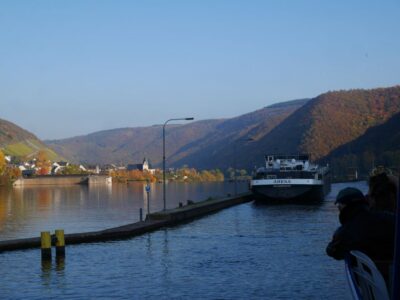 ★ 4.6From Alken: Return Day Trip by Boat to CochemFrom $35141 reviews
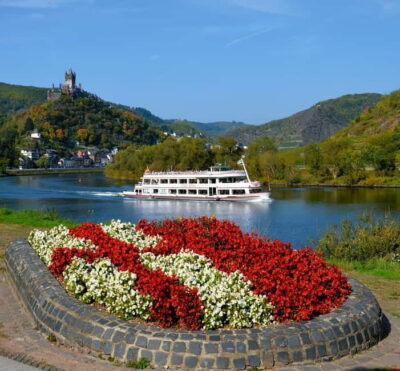 ★ 4.3Cochem: Panorama-Schiff-Tour 1 Stunde bis Ernst und zurückFrom $15122 reviews
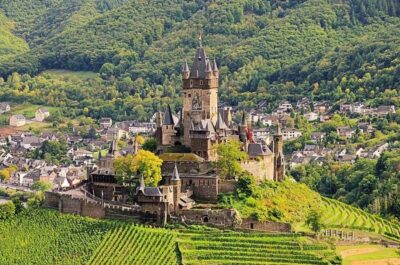 ★ 3.7Cochem, Moselle: Castle, boat and wine tourFrom $8896 reviews
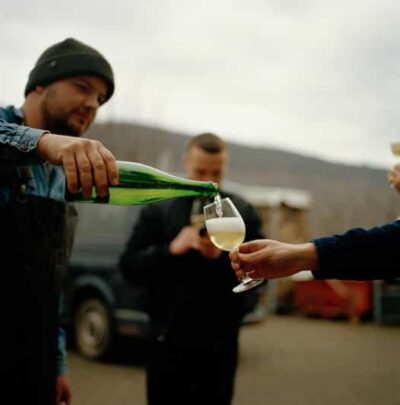 ★ 4.8Reil, Mosel: Guided organic wine tasting and cellar tourFrom $2984 reviews
 ★ 4.1Cochem: KD Panoramic Evening Cruise on the Moselle RiverFrom $3076 reviews
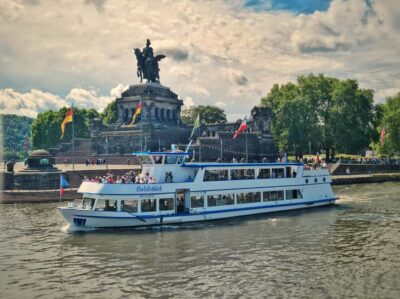 ★ 4.52-River Day-trip by boat to Koblenz and return from AlkenFrom $3251 reviews
Other lists this tour is on