
REVIEW · NUREMBERG
Nürnberg: Mörder, Fälscher, Messerstecher
One street at a time, you follow crime and punishment. This 2-hour walk makes Nuremberg feel real by linking Hangman Franz Schmidt to landmarks like the Lochgefängnisse, and I love how the story stays grounded in place. One possible drawback: the topic is grim, so keep that in mind if you prefer lighter sightseeing.
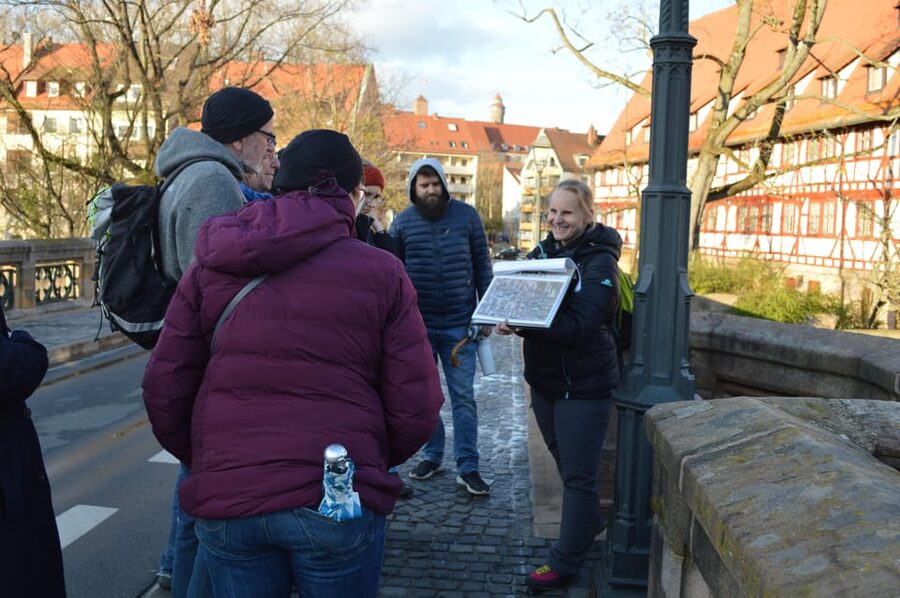
You’ll meet the guide outside Henkerhaus (you’ll spot them by a green Geschichte Für Alle name tag and a picture folder), then do an easy Old Town route that connects the justice system to everyday city life. The tour runs in German, so it is best if you are comfortable reading the city and following spoken history.
In This Review
- Key highlights you will actually use
- Where Nuremberg’s crime story starts at Henkerhaus
- Hangman Franz Schmidt, and why the job mattered
- The Weinmarkt stop, witch hunts as civic fear
- Old City Hall, medieval justice in the open air
- Lochgefängnisse medieval dungeons, what prison meant
- Hauptmarkt and Christkindlesmarkt, where death penalty history sits
- Fleischbrücke and corporal punishment, punishment as architecture
- Findelgasse and Peter Henlein, the human side of the timeline
- Schuldturm finale, inmates and the purpose of the tower
- Price and value: $15 for a tight, story-driven Old Town route
- Who should book this crime-and-justice walk
- Should you book Nürnberg: Mörder, Fälscher, Messerstecher?
- FAQ
- How long is the tour?
- What does the tour cost?
- Where do I meet the guide?
- What is included in the price?
- What is not included?
- What will we see during the walk?
- What language is the tour in?
- What should I wear or bring?
- Is it suitable for people with mobility impairments?
- When is the best time to book if I want flexibility?
Key highlights you will actually use
- Henkerhaus starting point: You begin where the execution trade was explained, not somewhere generic.
- Franz Schmidt focus: The hangman story gives a face to medieval punishment.
- Weinmarkt witch hunt context: You learn how fear and accusation spread through civic life.
- Lochgefängnisse prison explanation: You see how justice worked, not just who it targeted.
- Hauptmarkt and Christkindlesmarkt connection: The main square’s seasonal charm is placed next to death penalty history.
- Schuldturm finale: You end at a tower tied to inmates, bringing the theme full circle.
More of Nuremberg inside the walls
- Nuremberg: Old Town Guided Walking Tour★ 4.6 · 2,416 reviews
- Nuremberg: Tunnels and Secret Passages in the City Wall Tour★ 4.8 · 2,334 reviews
- Nuremberg: Medieval Dungeons Guided Tour★ 4.8 · 1,726 reviews
- Nuremberg: Walking Tour of Former Nazi Party Rally Grounds★ 4.7 · 1,665 reviews
Where Nuremberg’s crime story starts at Henkerhaus
Meet at the entrance area of Henkerhaus Museum, right by where the hangman’s world became official city business. Starting here matters. Instead of hearing crime as a vague idea, you get a physical anchor fast, so the rest of the route feels like it is following logic, not just hitting random stops.
This walk also works because it is built like a timeline you can see. You move from execution-related history to witch hunts, then to courts and prisons, and finally to the public spaces where justice was acted out. That helps you connect themes: power, fear, spectacle, and control.
One small practical note: entry to Henkerhaus is not included. You are still close enough to understand the role of the site, but if you want to go inside the museum displays, you will likely need to plan separate time and ticketing.
Hangman Franz Schmidt, and why the job mattered
The first major stop is all about the Hangman’s House and its most famous hangman: Franz Schmidt. This is where the tour’s tone becomes clear. You are not just hearing dates. You are learning how punishment functioned as a public system, with a specific person at the center.
I like the way this kind of storytelling takes something easy to sensationalize and turns it into a real civic role. The hangman was not just a shadowy figure. He belonged to a system, with expectations, procedures, and a place in the urban order.
Because museum entry is not part of the included ticket, you should expect mostly guided interpretation and landmark viewing. If you want a fuller experience inside, treat that as an add-on rather than assuming it is included in the 2 hours. Still, the guide’s explanation is the core value here.
The Weinmarkt stop, witch hunts as civic fear
From there, you continue through the Old Town toward the historic wine market, the Weinmarkt. This is where the tour shifts from punishment to accusation, and you learn about the history of witch hunts in Nuremberg.
It is easy to think witch hunts were only “religious drama” or “old superstition.” But watching it tied to a public market helps you understand how these events could take root in ordinary daily life. Markets are places where people trade information as much as goods. In that setting, rumor can become a crowd, and a crowd can become pressure.
This stop also sets expectations for the rest of your route. The tour keeps connecting justice history to where people gathered and what they saw. So when you reach later landmarks, you are primed to notice patterns: where authority was displayed and where the public learned to accept it.
Old City Hall, medieval justice in the open air
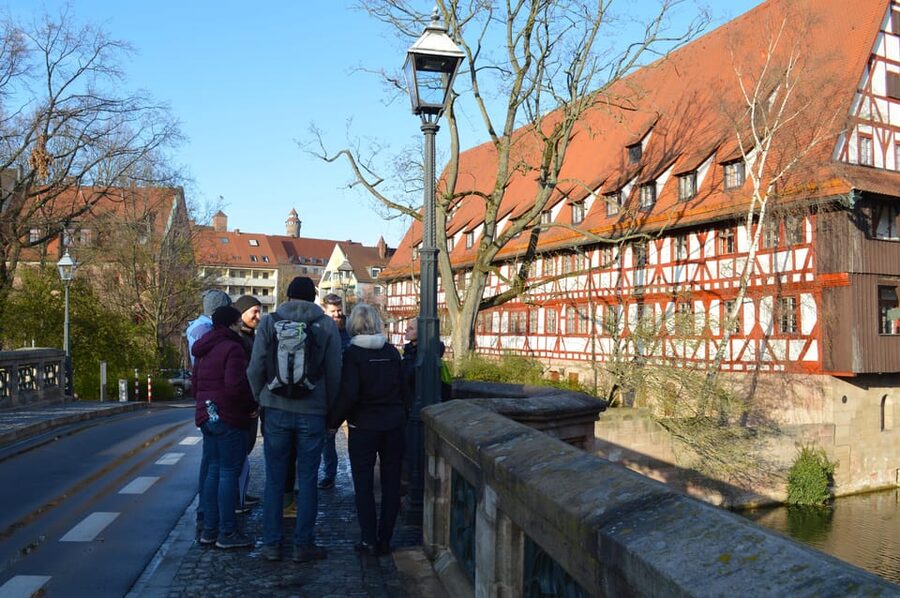
Next comes the Old City Hall area, where you hear about Nuremberg’s medieval justice system. Town hall history is often presented as administration and paperwork. Here, you get the angle that justice was also a public performance, with the legal process visible in city life.
This is a good point in the walk to pay attention to how the guide links institutions to outcomes. You start understanding that punishment did not happen in a vacuum. It was connected to civic leadership, legal authority, and the idea that order had to be maintained.
Again, entry to the town hall is not included. You will learn and observe in the outdoor, street-level way. If you like museums and want to see interior exhibits, you can add that later, but you are not missing the main story by staying on the tour route.
Lochgefängnisse medieval dungeons, what prison meant
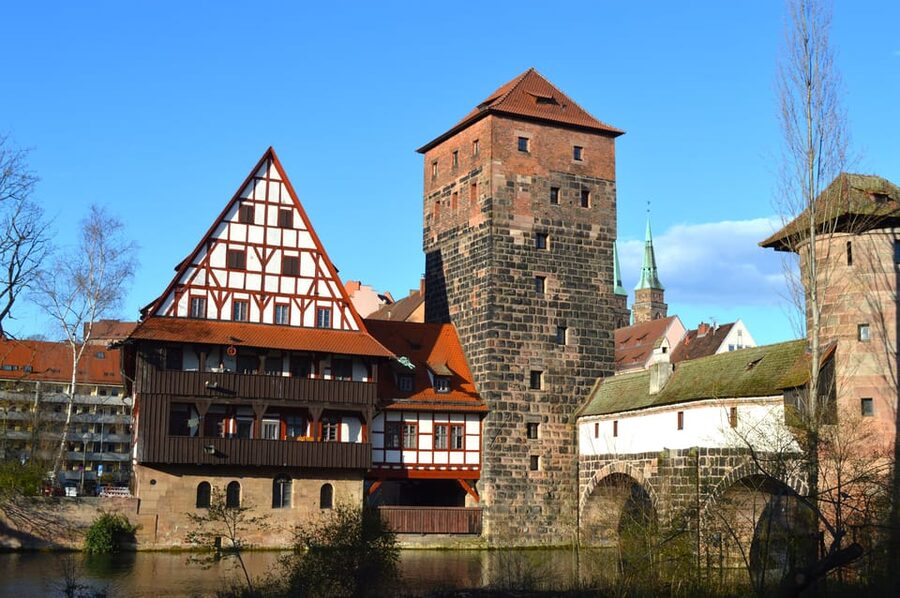
After the city hall context, you move to the medieval prison called Lochgefängnisse. This part is one of the most direct “this is how it worked” sections of the tour. You learn the purpose of the dungeons and how conditions fit into the broader justice system.
I think this is where the tour becomes most emotionally honest. Execution can feel like a single event. Prison shows the long middle. It forces you to confront how justice treated time, confinement, and control.
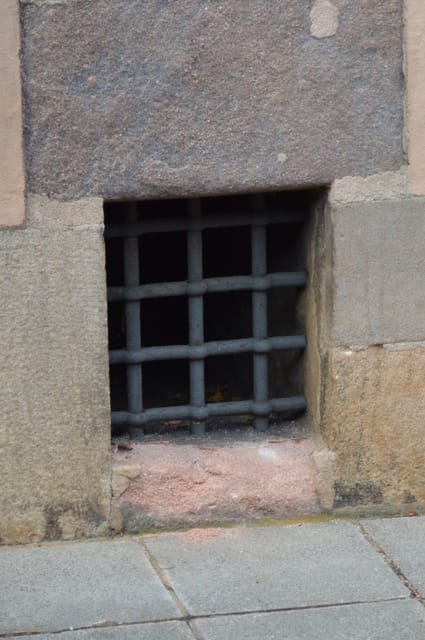
The tour does not include entry to the medieval dungeons, so you should expect explanation rather than a guided interior walkthrough. Even so, the landmark stops help you picture the system in place. If you are sensitive to dark themes, pace yourself here, because the topic is not sugarcoated.
Practical tip: this is still a walking tour, so wear shoes that handle uneven Old Town ground. You are moving from stop to stop, not sitting in one place.
Hauptmarkt and Christkindlesmarkt, where death penalty history sits
Now you cross to the Hauptmarkt, the famous main square. This is also where the Christkindlesmarkt takes place in December, and the guide connects that seasonal charm to the history of everyday crime and the death penalty.
This is one of the most interesting contrasts in the whole route. The Hauptmarkt is easy to approach as a postcard moment. But on this tour, you learn that the same stone streets supported public life and public consequences.
If you want a mental trick that makes the tour stick, use this one: look at the square like a stage. Markets, ceremonies, crowds, and announcements all change how people experience fear. When authority needs to be seen, public squares are ideal.
This stop is also a good “breather” in terms of scenery, even if the topic is heavy. The guide’s job is to keep it moving and clear, so you stay oriented in the story.
Fleischbrücke and corporal punishment, punishment as architecture
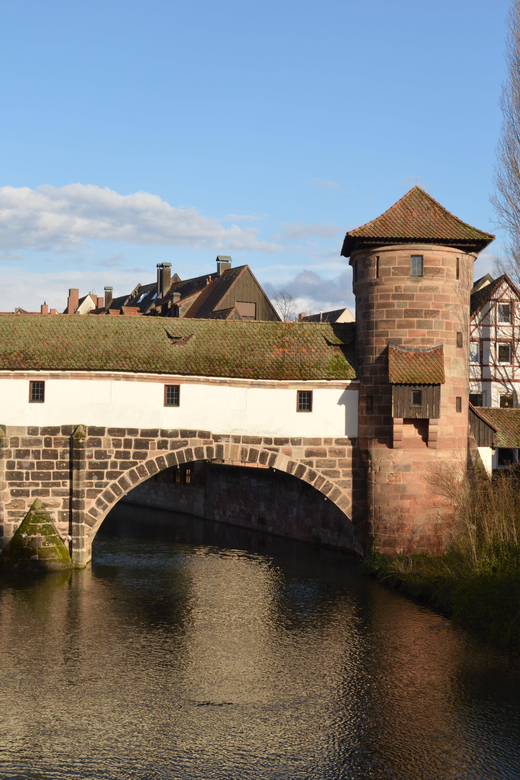
From the Hauptmarkt area, you head toward the Fleischbrücke. Here you learn about corporal punishment in the Middle Ages.
Bridges and crossings are overlooked sightseeing spots until a story gives them a role. In this case, the bridge helps explain how punishment could be carried out in ways that were both practical and visible. It is not just about what happened, it is about where the city allowed it to happen.
I like that this section anchors punishment to real geography. You start noticing how the city layout could support movement, gathering, and observation. It makes medieval justice feel less like abstract history and more like a system embedded in infrastructure.
Because the tour stays outdoors, you can keep your energy up. Just keep an eye on footing and weather. Old Town streets can turn slick in rain.
Findelgasse and Peter Henlein, the human side of the timeline
Then comes Findelgasse, where you listen to the story of watchmaker Peter Henlein. This is a tonal shift in the best way.
It is not that crime history disappears, but the tour uses Henlein’s story to remind you that Nuremberg was also a place of craft, invention, and everyday skill. When you learn about justice and punishment, it helps to also see what people built and worked on.
Why this works for your understanding: a city is more than its worst chapters. Ending up with a maker’s story gives you balance. It also helps the tour avoid feeling like a single-note grim lecture.
Expect to hear the guide connect the name you recognize from history to the streets you are actually standing on. That is where the walking format earns its keep. You are not just reading, you are placing stories.
Schuldturm finale, inmates and the purpose of the tower
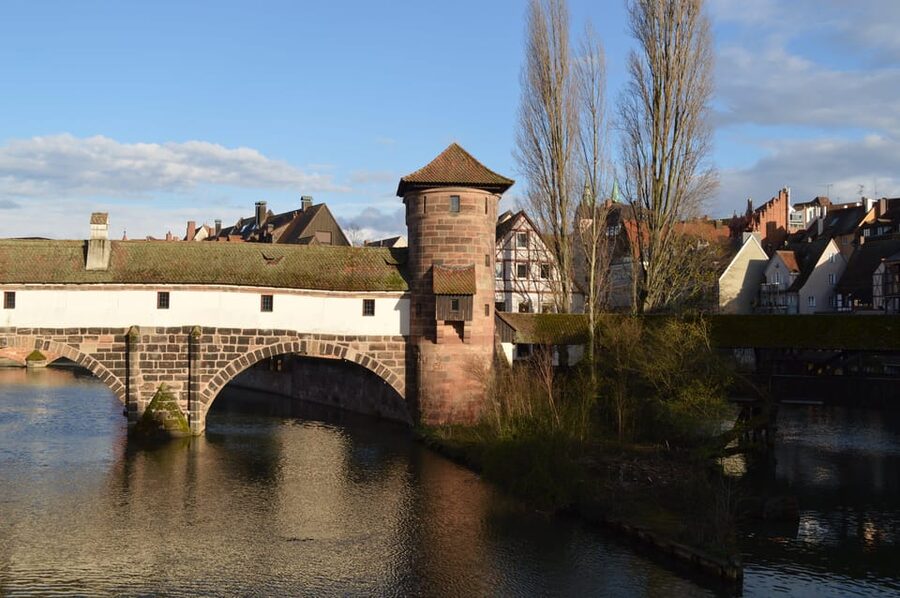
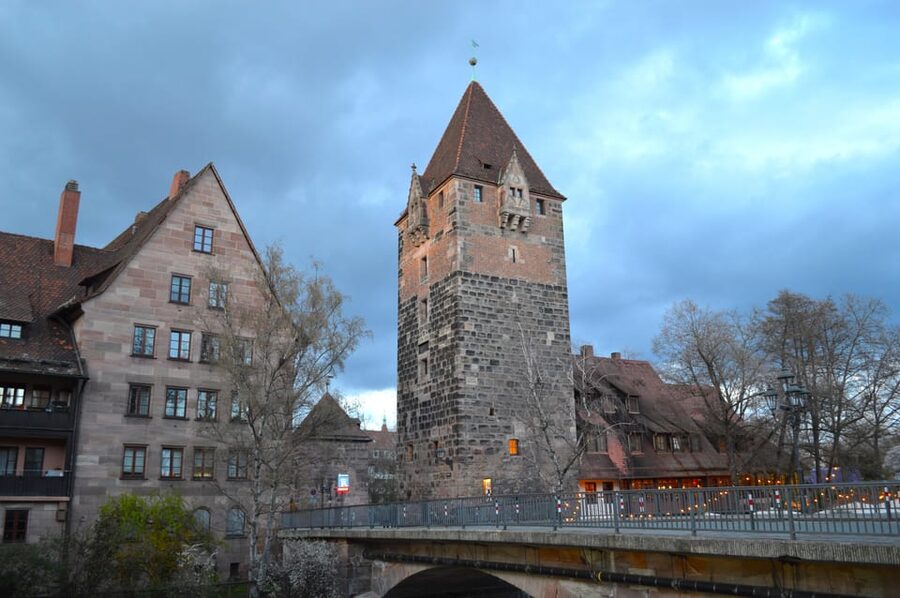
Your final stop is in front of the Schuldturm. This is where you learn its purpose and hear about its inmates.
Ending here is satisfying because it closes the loop. Earlier you learned about justice and punishment as civic systems. Now you finish at a place tied to imprisonment and the people caught inside the machinery.
Even though entry details are not included, the exterior stop is still meaningful because it keeps the tour focused on the theme rather than turning it into a museum marathon. You walk through multiple parts of the system, then finish where consequences were housed.
The tour ends at Vordere Insel Schütt, 90403 Nürnberg-Mitte. That gives you an easy final reference point for continuing your own exploration after the 2 hours.
Price and value: $15 for a tight, story-driven Old Town route
At about $15 per person for a 2-hour guided walking tour, this is priced like a focused specialty walk, not a big-day tour. The included value is straightforward: you get a walking tour and a qualified tour guide.
The key thing to budget for is that certain entries are not included: Henkerhaus, the town hall, and the medieval dungeons. So think of the tour as the guided narrative layer over the city. If you want to go inside any of those sites, you will likely need extra time and tickets.
Is it worth it? If you like history that connects to street level, yes. If you only want museum-style access, you might feel the lack of included entries. But given that the theme is crime and justice, the outside viewing still does a lot of work, because you are learning how the city displayed power in public.
Language is also part of value. The tour is in German only. If you can follow German commentary, you will get the full experience. If not, you may need to rely more on your own reading and pacing, which can reduce the impact.
Who should book this crime-and-justice walk
Book this tour if you want Nuremberg that feels specific, not generic. It is ideal if you enjoy walking routes where each stop teaches a different piece of the same story: execution roles, witch hunts, court systems, dungeon imprisonment, and public punishment locations.
It also suits you if you like guides who answer questions. The tone from the guide matters here, because the subject invites curiosity and often needs clear explanations. This is the kind of tour where being able to ask and get answers makes the experience stronger.
Skip it if mobility is an issue. The tour is not suitable for people with mobility impairments, and it is designed for walking between Old Town landmarks.
Should you book Nürnberg: Mörder, Fälscher, Messerstecher?
If you are curious about how cities managed fear and justice, I think this one is a strong yes. For a modest fee and a short time, you get a coherent route that ties major landmarks to the themes of punishment and accusation, including Franz Schmidt, Lochgefängnisse, witch hunts, Hauptmarkt, Fleischbrücke, and Schuldturm.
If you hate grim topics, or you are expecting multiple indoor museum entries included in the price, you might feel disappointed. But if you like guided storytelling tied to real buildings and street corners, this is the kind of tour that can turn a familiar Old Town into a place with meaning.
FAQ
How long is the tour?
The tour lasts 2 hours.
What does the tour cost?
It costs $15 per person.
Where do I meet the guide?
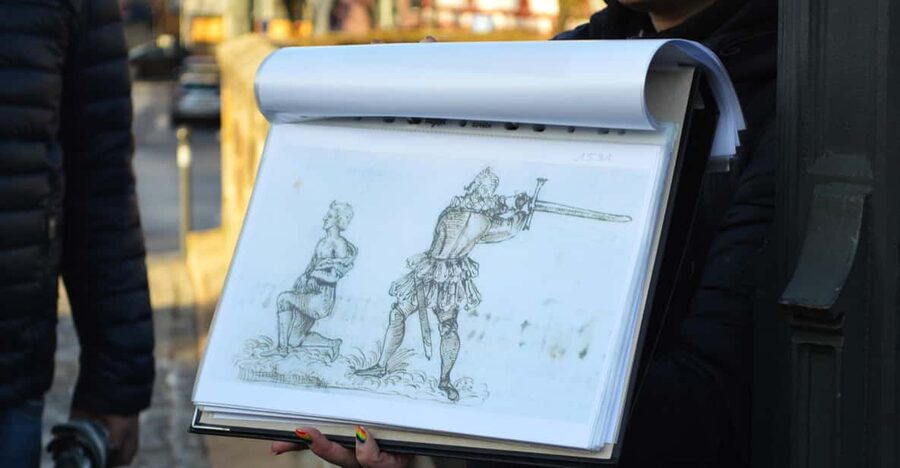
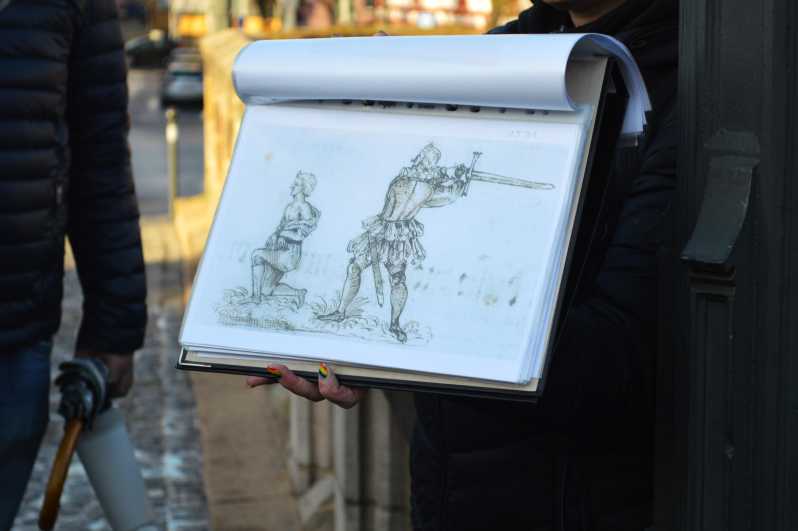
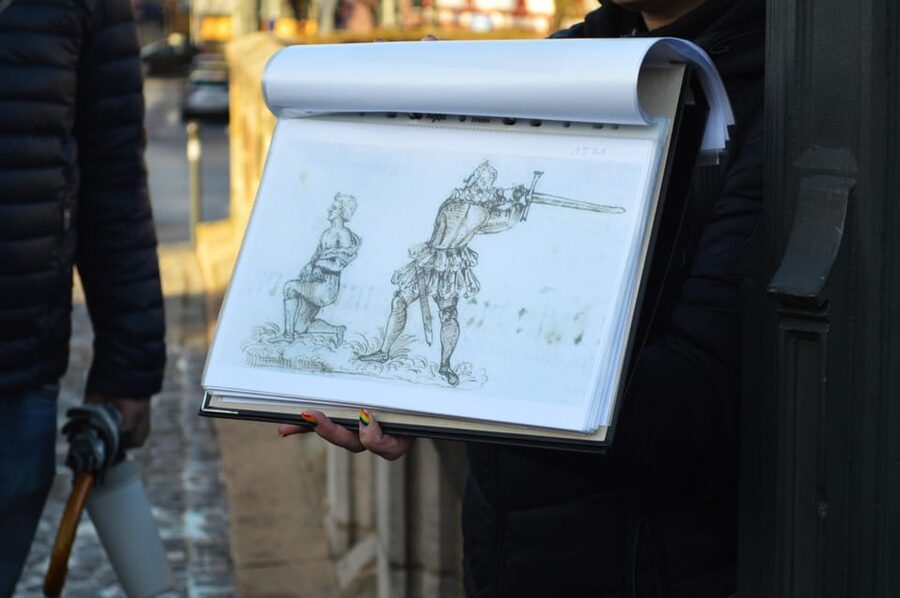
Meet the guide in front of the entrance of Henkerhaus Museum. The guide carries a picture folder and a green name tag that says Geschichte Für Alle.
What is included in the price?
The price includes a walking tour and a qualified tour guide.
What is not included?
Entry is not included for the Hangman’s House, the town hall, or the medieval dungeons.
What will we see during the walk?
You will start at Henkerhaus, then cover stops tied to the wine market, Old City Hall, Lochgefängnisse, Hauptmarkt, Fleisch Bridge, the Findelgasse story of Peter Henlein, and finish in front of Schuldturm.
What language is the tour in?
The tour is guided live in German.
What should I wear or bring?
Wear comfortable shoes and bring weather-appropriate clothing.
Is it suitable for people with mobility impairments?
No, it is not suitable for people with mobility impairments.
When is the best time to book if I want flexibility?
You can cancel up to 24 hours in advance for a full refund, and you can reserve now and pay later.
Nuremberg Within the Walls
Everything else we filed on Nuremberg
- Nuremberg: Medieval Time Travel for Kids
★ 4.9 · 15 reviews - PRIVATE Nuremberg WW2 and Old Town Day Tour (Product code: 87669P16)
★ 4.5 · 15 reviews - Nuremberg: St. Johannis Friedhof &Hesperidengärten IN GERMAN
★ 4.4 · 15 reviews - Nuremberg: Private guided tour of the Old Town in German
★ 4.9 · 17 reviews - PLAYMOBIL®-FunPark Entrance Ticket
★ 4.5 · 17 reviews - Stein: Public guided tour of the “Old Mine” museum
★ 4.5 · 18 reviews
Nuremberg Old Town and Castle Tours, side by side.
 ★ 4.4Nuremberg: City Tour with the Bimmelbahn TrainFrom $122,475 reviews
 ★ 4.6Nuremberg: Old Town Guided Walking TourFrom $182,416 reviews
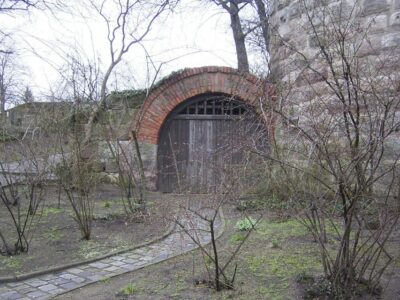 ★ 4.8Nuremberg: Tunnels and Secret Passages in the City Wall TourFrom $142,334 reviews
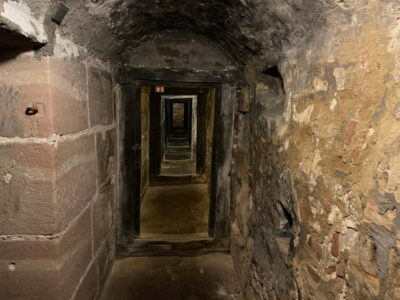 ★ 4.8Nuremberg: Medieval Dungeons Guided TourFrom $111,726 reviews
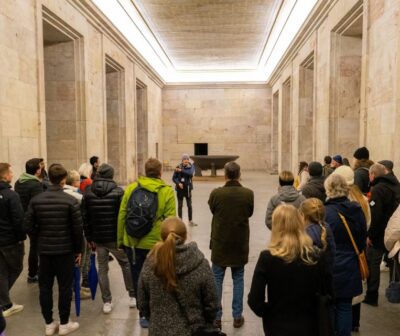 ★ 4.7Nuremberg: Walking Tour of Former Nazi Party Rally GroundsFrom $151,665 reviews
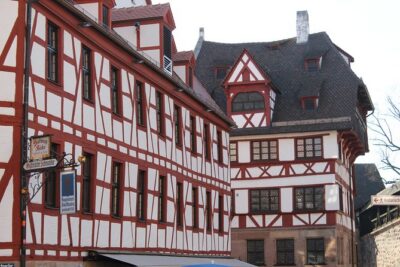 ★ 5.0Medieval Tour in Nuremberg in SpanishFrom $191,374 reviews
 ★ 4.8Nuremberg: Historischer Kunstbunker WWII Art Bunker TourFrom $14921 reviews
 ★ 4.7Nuremberg: PLAYMOBIL®- FunParkFrom $29863 reviews
Other lists this tour is on