
REVIEW · REEPERBAHN
St. Pauli: Daytime Tour
St. Pauli tells stories you cannot unread. This 1-hour daytime walking tour takes you through Hamburg’s most famous party district with a live English guide, plus stops tied to Davidwache and Herbertstraße. It is not about partying. It is about the people, the power, and the reputation that grew around these streets.
I love how the tour focuses on meaning, not just scenery. You get the history of sex work in a way that helps you understand why the district developed the way it did, and how the neighborhood works even now. I also like the pop-culture trail, with stops connected to the Beatles, local legend Hans Albers, and the club world around Olivia Jones.
One consideration: this is an adult-themed area, and the guide talks about sex work and the red-light district. If you want a strictly family-friendly, no-mischief tour, you might feel out of place here.
In This Review
- Key points before you go
- St. Pauli in daylight: what changes and what stays
- Starting at Davidwache: the iconic police station that frames the story
- Reeperbahn in the daytime: the Sinful Mile without the fog
- Herbertstraße: why this street became the headline
- Hans-Albers-Platz and local legends that made St. Pauli famous
- Große Freiheit and the Beatles connection you can actually walk through
- What you really get from 1 hour, and why the price can make sense
- Who should book this St. Pauli daytime walk
- Should you book the St. Pauli Daytime Tour?
- FAQ
- How long is the St. Pauli daytime tour?
- What language is the tour guide?
- Where does the tour start?
- Where does the tour end?
- What does the tour include?
- How much does it cost?
- Is the tour suitable for wheelchair users?
- What should I bring?
- Is there free cancellation?
- Can I reserve without paying right away?
Key points before you go
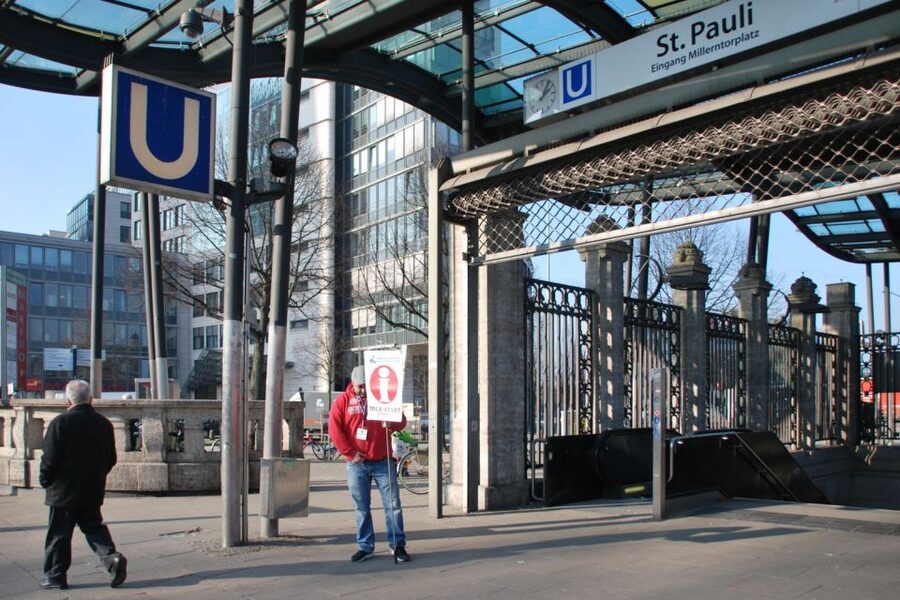
- 1-hour, daytime timing keeps things readable, with landmarks and stories in daylight
- Davidwache anchors the tour with a strong sense of enforcement and street history
- Herbertstraße peek gives you a concrete look at the district people talk about
- Große Freiheit and the Beatles connect the street to music history without a museum detour
- English live guide turns streets into a narrative, including humorous moments
Still on the Kiez? More nights reviewed here
- Hamburg: Sex and Crime in St. Pauli Tour for Ages 18+★ 4.7 · 15,447 reviews
- Hamburg: Reeperbahn Lust & Laster Tour for Adults Only★ 4.7 · 5,440 reviews
- Hamburg: Insider Tour of the Reeperbahn & St. Pauli★ 4.7 · 5,057 reviews
- Hamburg: Night Watchman’s Tour of St. Pauli in German★ 4.7 · 4,818 reviews
St. Pauli in daylight: what changes and what stays
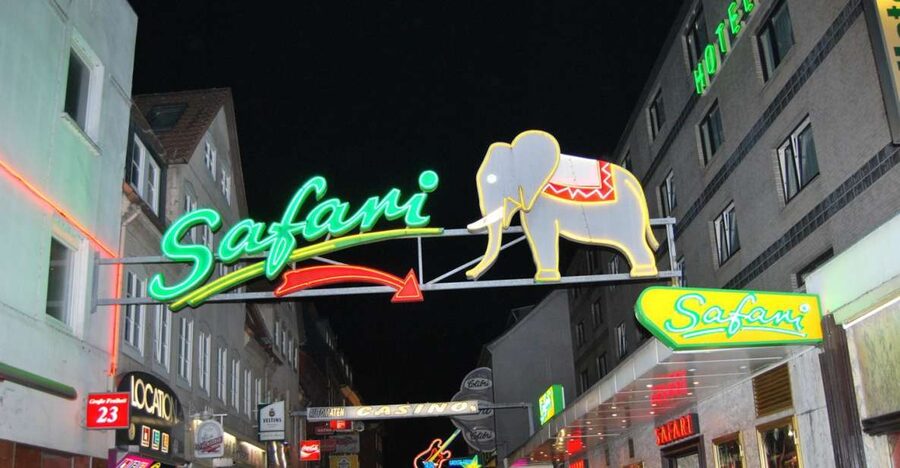
St. Pauli can feel like a myth after dark, all neon and rumors. In the daytime, it gets more human. You see the architecture, the rhythms of ordinary street life, and the way the neighborhood has kept its identity even as the scene moved on.
That shift matters because St. Pauli is not just a red-light district. It is an entire social ecosystem built around sailors, nightlife, performers, and the businesses that grew around them. In daylight, you can actually process the layers. You are not only looking at a nightlife poster. You are walking through a place with a public face and a complicated backstory.
You also get a calmer vibe for learning. The route is short, but your guide does the heavy lifting by turning street corners into context, so you leave with more than names and photos. You leave knowing why people kept returning to this part of Hamburg, and why it keeps drawing artists, legends, and attention.
Starting at Davidwache: the iconic police station that frames the story
The tour begins at Polizeikommissariat 15, better known locally as Davidwache. Starting here is smart. A police station is not where you expect to find “romance” in the St. Pauli story, but it is exactly why this spot matters.
Davidwache represents the district’s constant push and pull: public order versus private commerce, rules versus reality. Even before you walk a block, you are getting a key theme of the day. St. Pauli did not become famous only because of nightlife. It became famous because that nightlife had to exist alongside policing, negotiations, and power.
From this base, your guide sets the tone for what comes next. Expect a guided walk and guided stops, with stories that include both the strange and the scandal-adjacent parts of street history. It is the kind of setup that makes the later “sinful mile” references feel grounded, not just sensational.
Reeperbahn in the daytime: the Sinful Mile without the fog
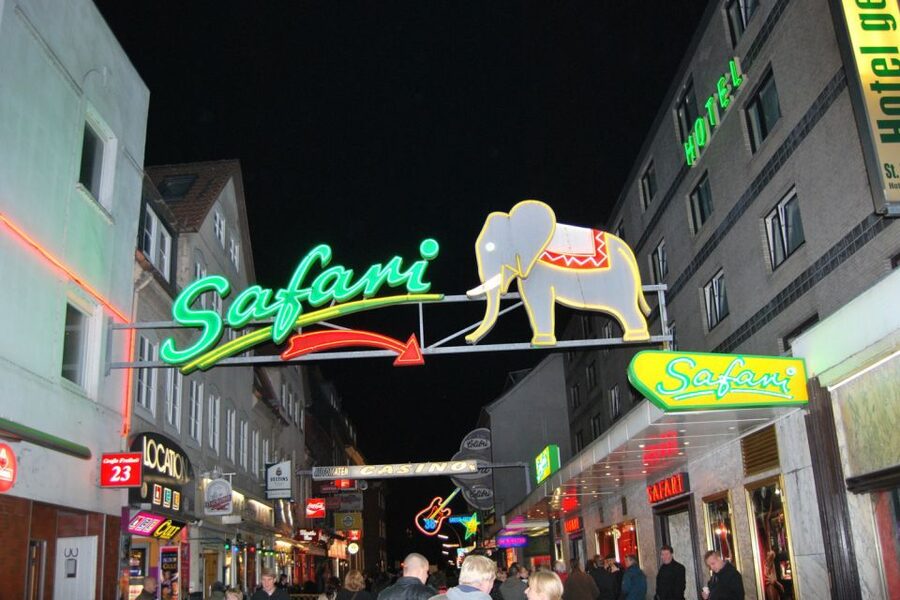
Next comes the Reeperbahn, St. Pauli’s best-known artery. In daylight, you notice details that usually get swallowed by the night crowd. The street looks more like a real neighborhood, not a stage. That makes it easier to understand how the district functioned day-to-day, not only as an evening destination.
Reeperbahn is also where your guide’s storytelling really helps. You are hearing about the earlier era when sailors and partygoers shaped the nightlife economy. And then you connect that past to what you see around you now.
One practical advantage of the way this tour is timed: you can keep your bearings. St. Pauli’s streets can feel confusing at first, especially if you are bouncing between bars on your own later. Doing the orientation walk in daylight helps you remember where everything is.
Along the way, you will pass landmarks such as Spielbudenplatz and the area around Hans-Albers-Platz, which gives you quick waypoints tied to the neighborhood’s cultural identity, not just its reputation. If you like your travel to come with context, this is where it clicks.
Herbertstraße: why this street became the headline
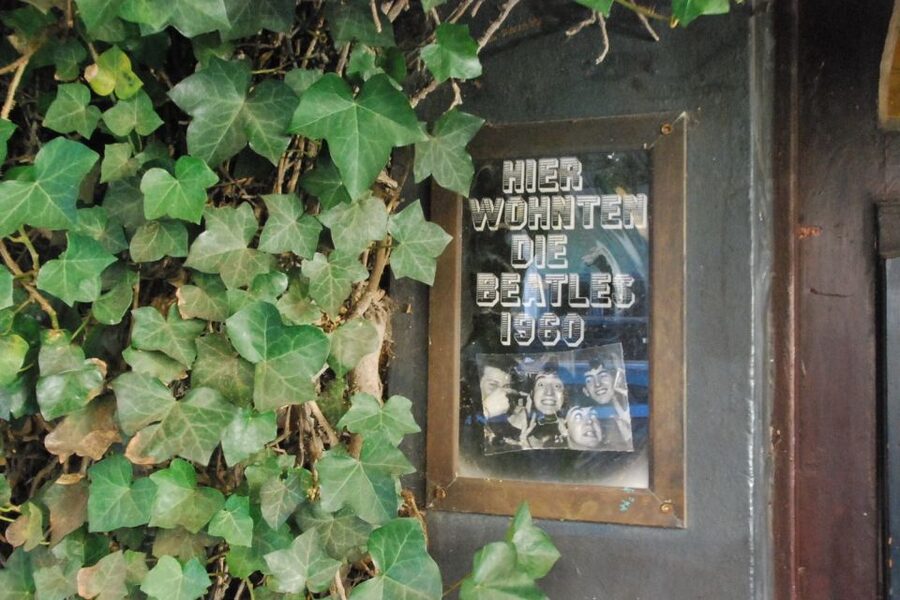
The tour’s most famous stop is a peek into Herbertstraße, commonly described as the most “sinful” place in Hamburg. The purpose is not shock value. It is education with a clear point: this street became a symbol because sex work was highly visible here, and because the neighborhood’s rules and image were always contested.
Your guide shares the history of sex work, and that is the key difference between a casual wander and a guided walk. Instead of treating it like a single spectacle, you get the longer story behind how the work and the district evolved together.
Here is what I think makes this stop especially useful: you get to see how one street can carry the reputation of a whole area. That kind of cause-and-effect understanding helps you read the neighborhood the rest of the day. It also helps you avoid the simplistic take that St. Pauli is only one thing.
If you are the type who wants to understand how cities create their own legends, Herbertstraße is a major piece of the puzzle. If you are sensitive to adult themes, keep your expectations clear. This is daytime, but the subject matter is real and direct.


Hans-Albers-Platz and local legends that made St. Pauli famous
At Hans-Albers-Platz, the tour shifts from street reputation to local celebrity energy. The name matters here because St. Pauli is not only about vice. It is also about performers, stars, and the culture that helped sell the idea of the district to the world.
Your guide follows the footsteps of stars like Hans Albers. The point is to connect people to place. You are learning how a neighborhood becomes a brand, not through marketing alone, but through the artists and icons who keep showing up, performing, and mythologizing the streets.
This is also where the tour’s tone tends to shine. The day includes thrilling and humorous stories firsthand. That balance keeps the walk from getting too heavy or too grim. It lets you absorb how St. Pauli became famous, while still keeping it human.
If you enjoy walking tours that feel like a conversation, this portion is often what makes the tour feel worth the time. You are not only learning facts. You are learning how to interpret what you see.
Große Freiheit and the Beatles connection you can actually walk through
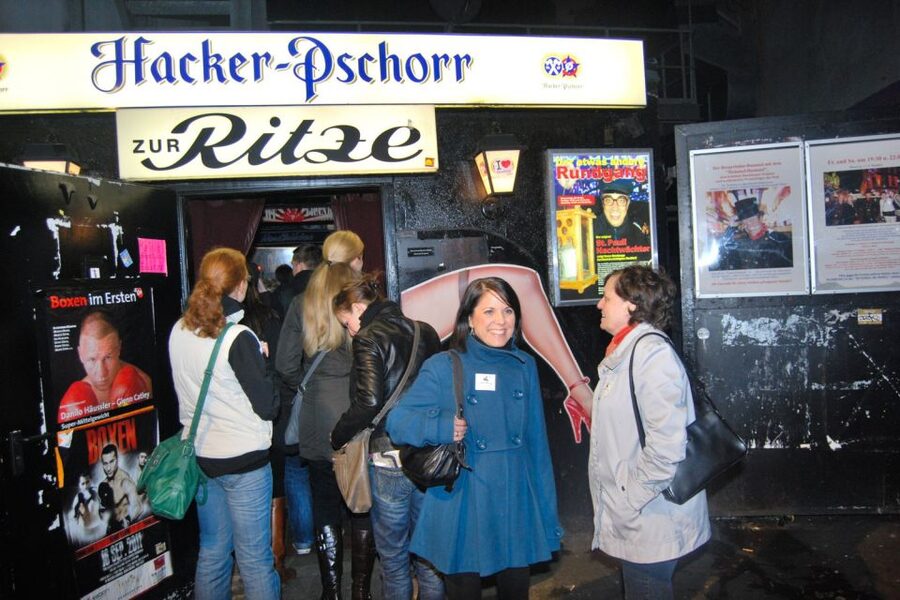
Then comes Große Freiheit, another St. Pauli cornerstone. This street is tied to the Beatles, and the tour explains that Große Freiheit played a defining role for the band. You are not just hearing a trivia fact. You are walking in the same direction that shaped their early momentum.
Music history sticks better when you connect it to geography. Even in a short route, you start to feel how nightlife streets and performance venues create the conditions artists need. St. Pauli is where crowds gathered, energy built, and new sounds tested themselves in real time.
This stop works especially well if you like travel that includes pop-culture references you can verify with your own eyes. You can look around and connect the dots between what you know from music and what the streets were set up to do for performers.
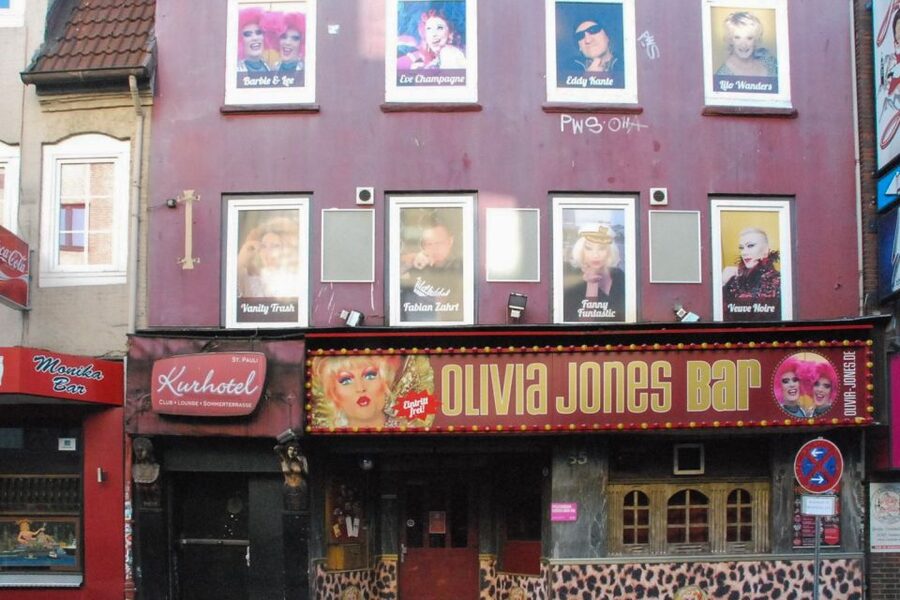
Your guide also points toward the legendary club world connected to Olivia Jones. That matters because it frames St. Pauli as a place that kept evolving. Even as the district changed, its role as a stage for identity, entertainment, and nightly reinvention stayed alive.
What you really get from 1 hour, and why the price can make sense
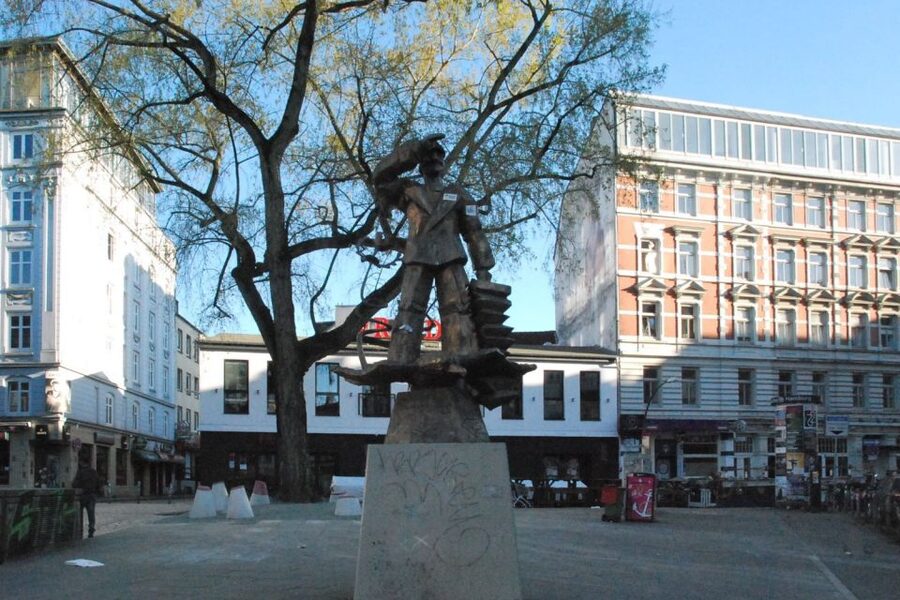
This is a compact 1-hour walking tour with a live English guide. For $19 per person, you are buying two things: guidance and context. The guidance is obvious, you have a person leading the route and narrating it. The context is the real value, because St. Pauli is so loaded with reputation that self-guided wandering can turn into either confusion or stereotypes.
You also get guided stops at key points, including Davidwache and Herbertstraße, which helps justify the time. A short tour like this works best when it hits the neighborhood’s most important “story nodes,” and this route does: Reeperbahn, Davidwache, Herbertstraße, Hans-Albers-Platz, and Große Freiheit.
Practical tip: wear comfortable shoes. St. Pauli streets are walkable, but you want no distractions from blisters. Also, since the subject matter is adult-themed, I recommend keeping your comfort level in mind. Daytime is easier, but the stories are still about sex work, policing, and the underbelly that made the district infamous.
At the end, you finish back in the area of Reeperbahn 174, which is handy. You do not get dropped somewhere far away. You end where the action is, so you can either head for a late lunch or plan an evening with a better sense of where you are.
Who should book this St. Pauli daytime walk
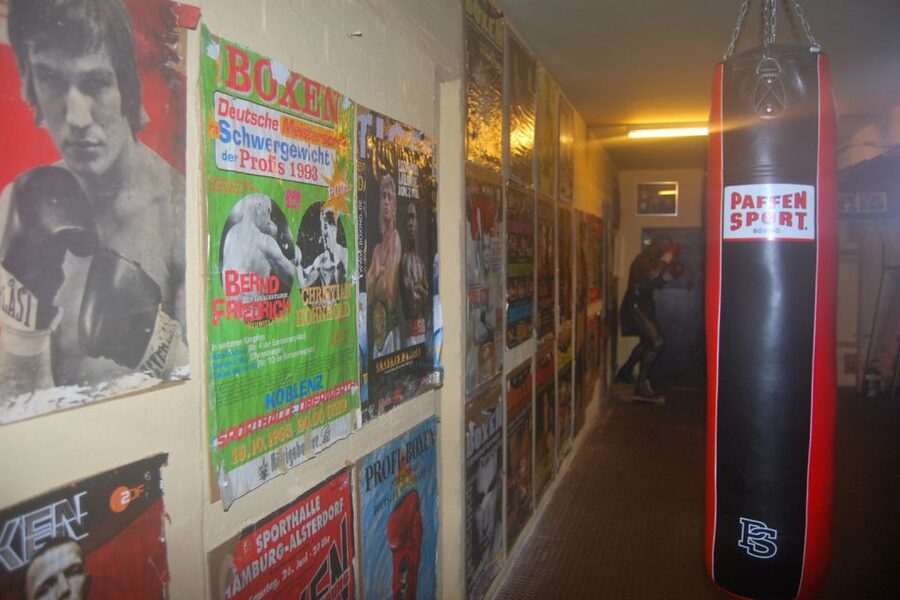
I think this tour is a great match for:
- First-time visitors who want the essentials of St. Pauli without guessing
- People who like history that comes with street-level stories, including humor
- Beatles fans who want a walking connection to music history
- Anyone interested in how cities handle controversial economies, and how reputations form
I would skip it if:
- You want a strictly family-friendly sightseeing walk with no adult themes
- You need wheelchair accessibility, since the tour is not suitable for wheelchair users
Should you book the St. Pauli Daytime Tour?
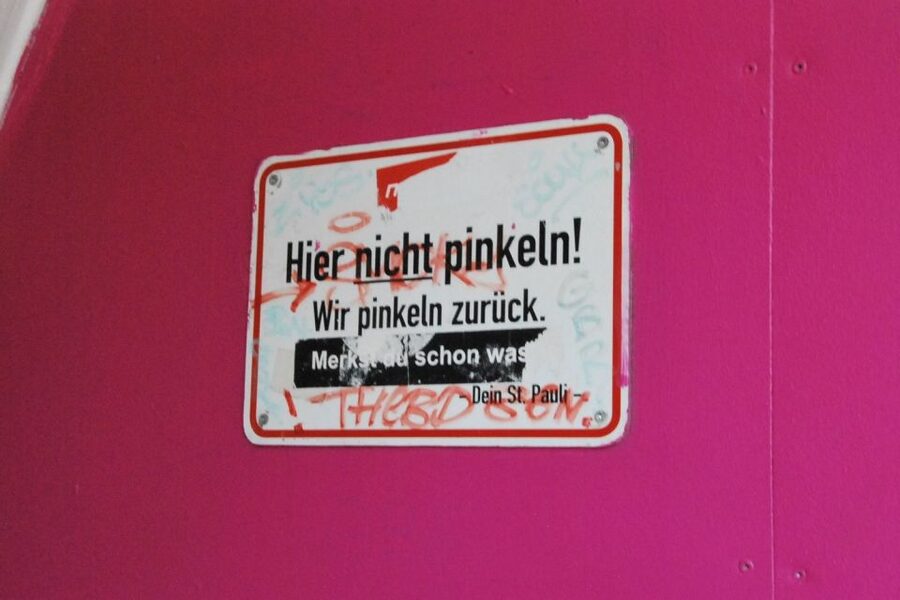
If you are short on time and want a guided way to understand St. Pauli beyond its label, this booking makes sense. The $19 price is relatively low for an English-speaking guide covering multiple landmark stops, including Davidwache and a peek into Herbertstraße. Most importantly, the tour gives you narrative context, so you leave with a clearer picture instead of just a folder of photos.
If the adult subject matter sounds stressful, plan your expectations. This is a daytime walk, but it does not sugarcoat what made the district famous.
FAQ
How long is the St. Pauli daytime tour?
The tour lasts 1 hour.
What language is the tour guide?
The live tour guide speaks English.
Where does the tour start?
The tour starts at Polizeikommissariat 15, Davidwache. Your guide waits directly at the Davidwache.
Where does the tour end?
The tour ends back at the meeting point area, specifically at Reeperbahn 174, 20359 Hamburg.
What does the tour include?
It includes a guided city tour.
How much does it cost?
The price is $19 per person.
Is the tour suitable for wheelchair users?
No, it is not suitable for wheelchair users.
What should I bring?
Wear comfortable shoes.
Is there free cancellation?
Yes, you can cancel up to 24 hours in advance for a full refund.
Can I reserve without paying right away?
Yes, you can reserve now and pay later.
More of the Kiez After Dark
Everything else we filed on Hamburg
- Hamburg: Safari tour in St. Pauli
★ 4.9 · 11 reviews - Hamburg: Party Bingo with the Bingo Gringos
★ 4.8 · 11 reviews - Hamburg Harbor: 3.5-Hour Guided Tour by Bike
★ 4.7 · 11 reviews - Hamburg: 2-Hour St. Georg Walking Tour
★ 4.8 · 11 reviews - Hamburg: Guided Walking Tour in Danish
★ 5.0 · 11 reviews - Discover Hamburg in a retro Bulli
★ 3.0 · 12 reviews
St Pauli and Reeperbahn Tours, side by side.
 ★ 4.7Hamburg: Sex and Crime in St. Pauli Tour for Ages 18+From $29515,447 reviews
 ★ 4.7Hamburg: Reeperbahn Lust & Laster Tour for Adults OnlyFrom $5005,440 reviews
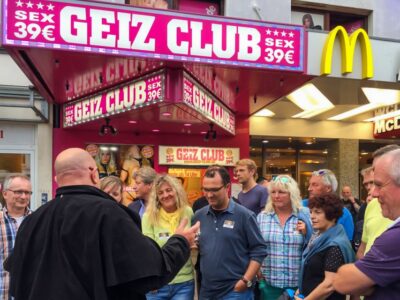 ★ 4.7Hamburg: Insider Tour of the Reeperbahn & St. PauliFrom $295,057 reviews
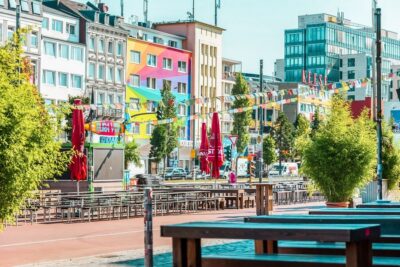 ★ 4.7Hamburg: Night Watchman’s Tour of St. Pauli in GermanFrom $234,818 reviews
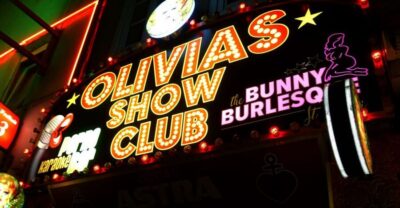 ★ 4.7Hamburg: In the Footsteps of “Olivia” Reeperbahn TourFrom $5003,947 reviews
 ★ 4.7Hamburg: Lust, Luden & Die Große Freiheit TourFrom $172,444 reviews
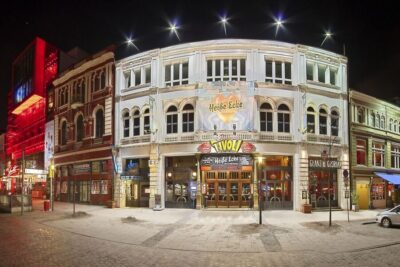 ★ 4.7Hamburg: St. Pauli Highlights Guided Tour with Beer for 18+From $292,353 reviews
 ★ 4.6Hamburg: Schanzenviertel Culinary TourFrom $572,051 reviews
Other lists this tour is on