
REVIEW · THE NORTH SEA
Sylt: Guided Mudflat Hike on the Island
Tides turn the ground into a trail. On Sylt, Jan Krüger leads you across the Wadden Sea mudflats, and I love the mix of humor-filled nature stories plus the way you get a real sense of how changeable the tide world is. The barefoot option (when temperatures allow) makes it feel more personal, not just scenic. The main drawback is simple: you need weather-appropriate clothing, and rubber boots are not included.
You meet at the Vogelkoje bus stop between Kampen and List, then head out with a small time window of about 1.5 to 2 hours. I also like that the walk is short enough to stay fun even if the weather gets moody, and Jan has a talent for keeping the group going.
In This Review
- Key things to know before you go
- Sylt mudflats inside Schleswig-Holstein’s Wadden Sea National Park
- Meeting at Vogelkoje bus stop, then getting tide-ready
- Jan Krüger and the rhythm of the guided mudflat hike
- What you will see: mussels, shrimp, crabs, and the Wadden Sea food web
- Seals, birds, and timing: why the season changes everything
- Barefoot versus rubber boots: the comfort trade-off
- Price and value: is $19 worth it for 2 hours on Sylt?
- Who this Sylt mudflat hike fits best
- Should you book this mudflat hike?
- FAQ
- How long is the guided mudflat hike on Sylt?
- What does the Sylt mudflat hike cost?
- Where is the meeting point?
- What should I bring?
- Are rubber boots included in the tour?
- Is the tour suitable for wheelchair users?
- What language is the tour guide speaking?
- Can I cancel and get a refund?
Key things to know before you go
- Jan Krüger is local from Westerland and works as a national park mudflat guide and national park partner.
- 1.5 to 2 hours gives you a focused taste of the mudflats without turning into an all-day mission.
- Barefoot when it’s warm enough, rubber boots in spring, autumn, and winter.
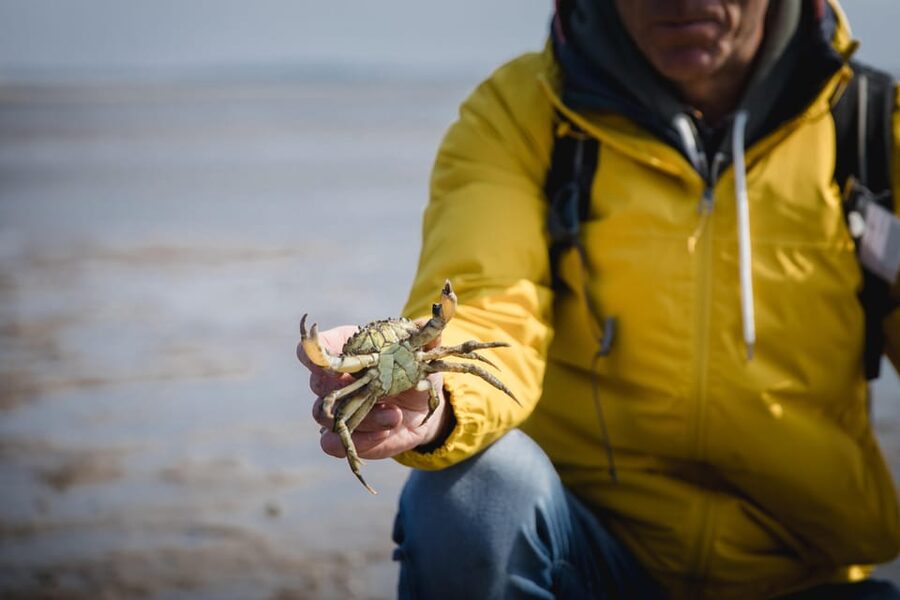
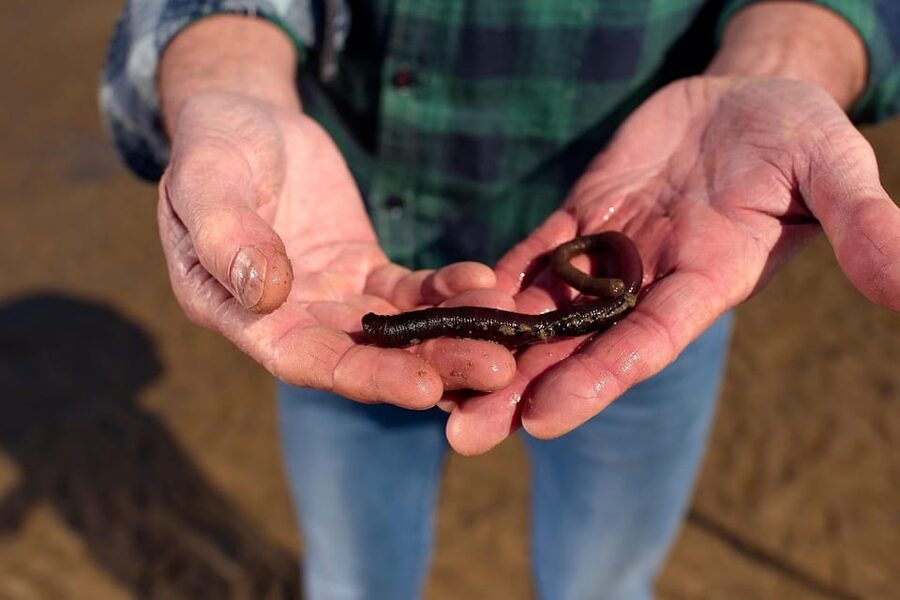
- You learn what lives in the mud, including mussels, shore crabs, and brown shrimp.
- You can spot wildlife with good timing, like migratory birds, seals, and sometimes a porpoise.
- He explains with humor, so even rain feels manageable if you dress right.
Sylt mudflats inside Schleswig-Holstein’s Wadden Sea National Park
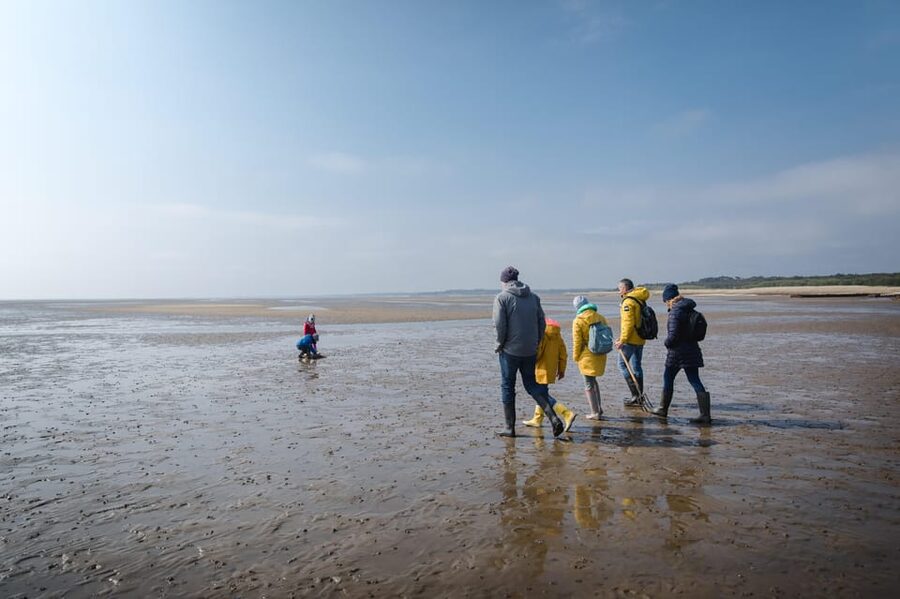
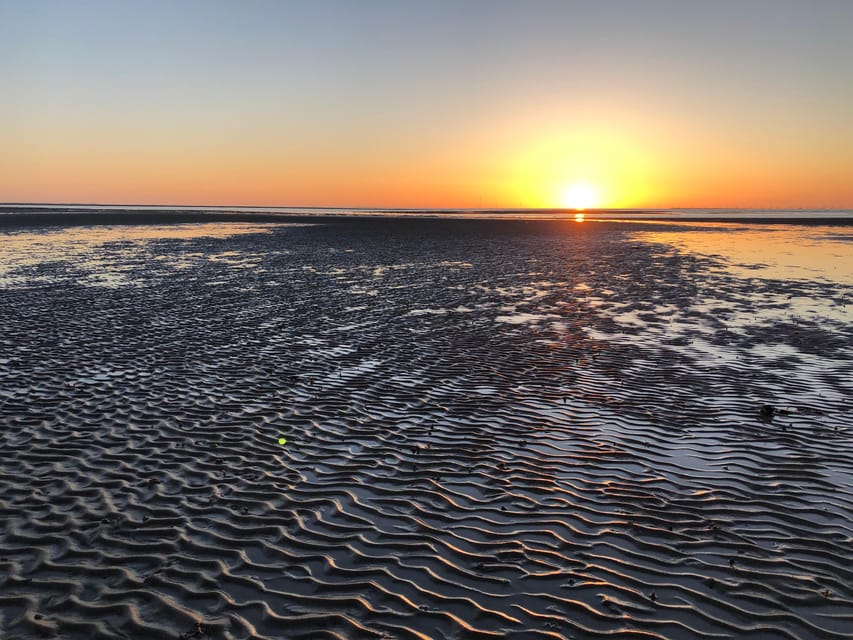
Sylt is in the heart of Schleswig-Holstein’s Wadden Sea National Park, a huge protected area of almost 4,500 km² and the largest national park in Germany. This is one of those places where nature does not sit still. The mudflats appear and change with the tides, and that movement controls what you can see and when.
The Wadden Sea is also part of the UNESCO World Heritage Site (since 2009), which matters because it signals long-term protection of a system that depends on predictable cycles and careful rules. On a mudflat hike, you are not just walking on sand. You are stepping into an ecosystem that supports feeding and rest stops for wildlife, especially birds.
If you like learning the “why” behind what you see, this hike is built for that. You get stories and explanations that connect the mud to the living things in it, and that connection is what makes the experience stick after you leave the beach.
Meeting at Vogelkoje bus stop, then getting tide-ready
The meeting point is Vogelkoje bus stop, located between Kampen and List. If you are coming by bus, this is the easiest approach, and it keeps the outing simple.
Once you meet, you are basically entering a short guided window where timing matters. The hike takes about 1.5 to 2 hours, and the guide’s job is to help you experience the mudflat world safely and intelligently, with an eye on how conditions shift during the walk.
What to bring is straightforward, but it affects your comfort a lot. Bring weather-appropriate clothing. The guide’s footwear plan depends on the season: they like to go barefoot when temperatures permit, but in spring, autumn, and winter you will go out with rubber boots.
Rubber boots are not included, so plan ahead. If you do not have your own, you will need to rent them elsewhere before the tour, or choose a season and clothing plan that fits what you already own.
Jan Krüger and the rhythm of the guided mudflat hike
The outing is led by Westerland-born outdoorsman Jan Krüger. He works as a national park mudflat guide and national park partner, which is a big deal here because the mudflats are not a casual stroll. The whole point is to understand how the tide world works, including why the timing and timing changes the experience.
Jan’s style is a major highlight. People consistently describe him as an island original, with humor that keeps things lively even when the weather is not. You are not stuck in a lecture. You get a back-and-forth flow of explanations and story moments, plus room for questions.
That matters because the mudflat is full of “small” details that are easy to miss when you are not sure what you are looking at. With a guide like Jan, you start noticing patterns, such as where life concentrates and how the surface and water interaction shapes what thrives there.
In practical terms, expect a walk that stays moving for the full 1.5 to 2 hours. The tour perspective is the key difference, barefoot if conditions allow, rubber boots in cooler months. Either way, the goal is the same: you experience Sylt’s Wadden Sea from a close-up angle, with the guide helping you read what’s happening around you.
What you will see: mussels, shrimp, crabs, and the Wadden Sea food web
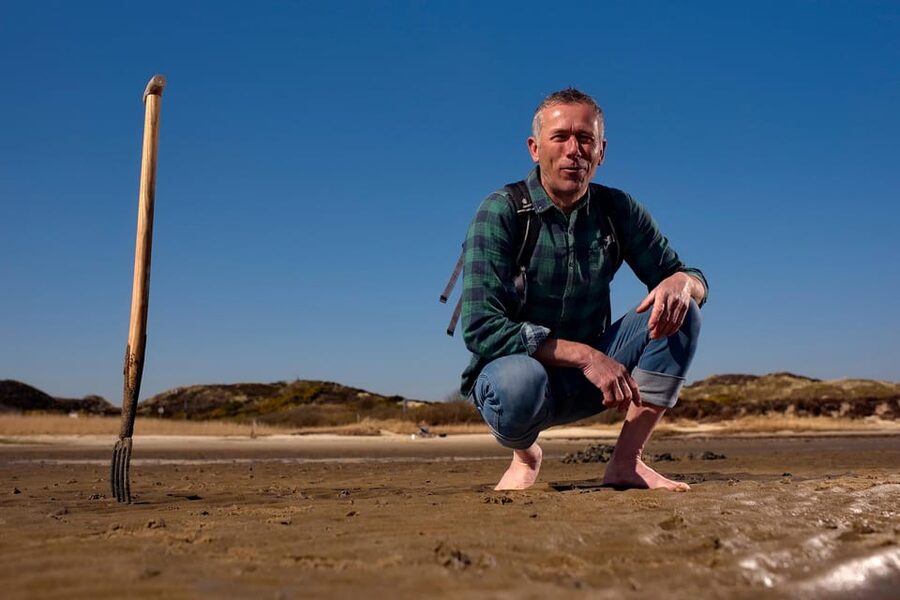
One of my favorite parts of the hike concept is that the mudflats are not just scenery. They are a feeding ground, and they support a whole network of life.
The Wadden Sea here is described as teeming with diverse flora and fauna. That includes mussels, shore crabs, and brown shrimp. On the walk, these are the kinds of creatures the guide will help you connect to the big picture. You start to understand the mudflat as a working ecosystem, not just a place you can walk.
Season plays a role in what stands out. In spring and autumn, millions of migratory birds stop here during their journey north or south. That stopover is not random. The Wadden Sea provides resources, and the presence of so many birds is proof of how important this area is to migration.
On top of the shore life and birds, you also learn about marine mammals. The beaches host seals and gray seals, and with a bit of luck, visitors can even catch a glimpse of a porpoise. That last one is never guaranteed, but the point is that the guide frames the area as a living corridor, with land, mud, and sea all interacting.
Seals, birds, and timing: why the season changes everything
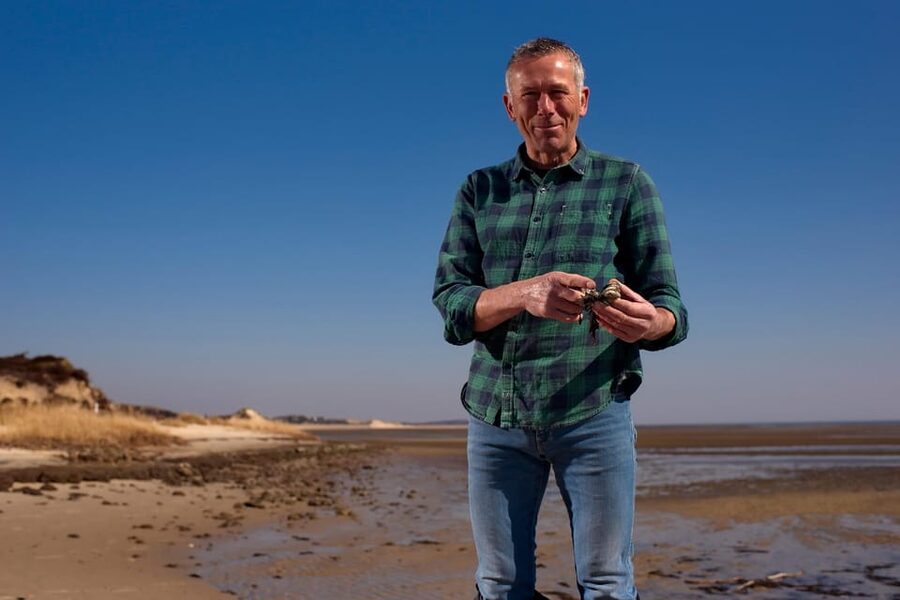
Sylt’s mudflats feel different depending on when you go, and the tour is designed around that reality. Spring and autumn bring peak bird interest, because migratory birds use the Wadden Sea as a stopover. Winter and colder shoulder seasons shift the focus more toward what the mud and shoreline offer at that time.
That seasonal shift also ties into how you walk. The tour notes a preference for barefoot hiking only when temperatures allow. In spring, autumn, and winter, the hike uses rubber boots. That means the physical experience changes with the weather, not just the calendar.
I like that the guide’s approach is practical. You are not stuck trying to force a barefoot plan in the cold, and you are not required to wear boots when the conditions are comfortable. Instead, you follow what makes sense for the season and what the guide is planning for that day.
If you want the best chance of seeing more wildlife, think in terms of seasons rather than promises. Migratory birds in spring and autumn and seals on sandy beaches are the most concrete expectations mentioned, and the porpoise sighting remains a luck factor, which is exactly how nature works.
Barefoot versus rubber boots: the comfort trade-off

This is one of those tours where your footwear choices change how you feel the environment. The experience offers barefoot hiking when temperatures permit, and rubber boots during spring, autumn, and winter.
Barefoot can feel more direct and sensory. You are closer to the textures and temperature of the mudflat surface, and it can make the walk feel more intimate. The trade-off is obvious: if the day is cold, windy, or wet, your comfort can drop quickly.
Rubber boots are the practical option in cooler seasons. They also support a consistent approach to staying comfortable during a 1.5 to 2 hour outing. The key detail is that boots are not included, so you need to bring your own or rent them separately.
Either way, your job is to show up ready for weather. People describe the guide as handling group energy well even when it rains. That usually means the outing is not canceled just because it is miserable. What changes is your comfort, so dress for the conditions you expect, not the fantasy version of the day.
Price and value: is $19 worth it for 2 hours on Sylt?
At about $19 per person for a 2-hour experience, this hike is positioned as good value, especially if you care about learning as you go. You are paying for a local guide, led by Jan Krüger, who has the national park mudflat guide role and the partner connection. That kind of local credential matters on the mudflats because understanding the ecosystem and the tide rhythm improves the walk.
Also, the hike is short. You get a guided introduction without spending a whole day traveling between stops. That makes it a smart fit if you already have plans on Sylt and want a nature-focused activity that does not eat your schedule.
It is not an all-in package, though. Food and beverage are not included, transfer is not included, and rubber boots are not included. If you need boots and you arrive without them, your total day cost will rise a bit. Still, the base price is low enough that the learning component feels like the main event rather than a budget compromise.
Who this Sylt mudflat hike fits best
This is best for you if you enjoy short outdoor walks, you like nature explanations that connect the dots, and you want a close view of how a major ecosystem works. Jan’s humor and ability to answer questions are repeatedly highlighted, which suggests you will not feel lost if you are not a mudflat expert.
It can also work well if you like flexibility in the plan. The guide’s barefoot versus boot approach shows they adapt based on season and temperature. That means the activity is designed around real-world conditions, not ideal days only.
Where you should think twice: the tour is not suitable for wheelchair users. If mobility is an issue, you will need a different kind of Sylt experience.
Should you book this mudflat hike?
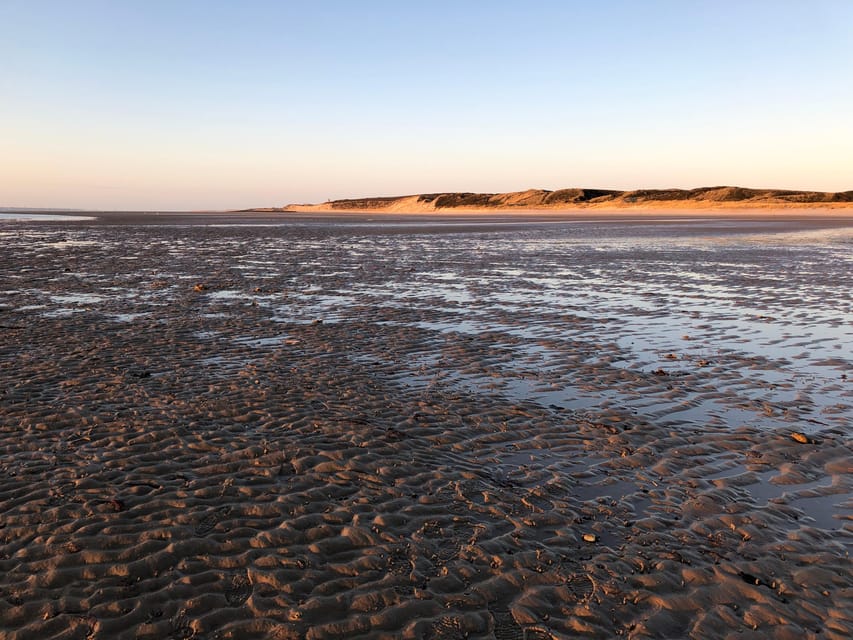
I think you should book it if you want the real Sylt experience beyond beaches and bike paths. The mudflats are one of the places where the scale of nature, the timing, and the living ecosystem all collide in a way you can actually feel under your feet. With Jan Krüger’s humor and clear explanations, it also avoids the trap of feeling like you are just walking for the sake of walking.
If you hate cold or wet weather, plan to take the clothing advice seriously and accept that in spring, autumn, and winter rubber boots are part of the program. And if you do not already have boots, factor that into your day.
FAQ
How long is the guided mudflat hike on Sylt?
The hike lasts about 1.5 to 2 hours, and the listed duration is 2 hours.
What does the Sylt mudflat hike cost?
The price is $19 per person.
Where is the meeting point?
You meet at the Vogelkoje bus stop between the villages of Kampen and List.
What should I bring?
Bring weather-appropriate clothing. The guide’s footwear approach depends on the season.
Are rubber boots included in the tour?
No. Rubber boots are not included.
Is the tour suitable for wheelchair users?
No, it is not suitable for wheelchair users.
What language is the tour guide speaking?
The tour guide speaks German.
Can I cancel and get a refund?
Yes. You can cancel up to 24 hours in advance for a full refund.
North Sea and Sylt Coastal Trips, side by side.
 ★ 4.7Sylt: Guided Island Tour by Bus with Sylt HighlightsFrom $26608 reviews
 ★ 4.8Bremerhaven: German Emigration Center Entrance TicketFrom $23447 reviews
 ★ 4.8Bremerhaven: Harbor Bus TourFrom $24418 reviews
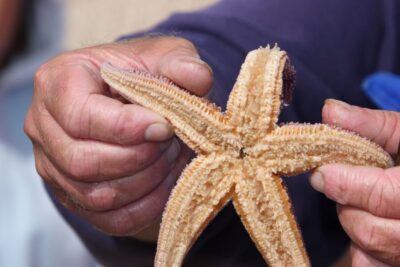 ★ 4.7List/Sylt: Guided Seal-Watching Cruise on a Rustic Boat350 reviews
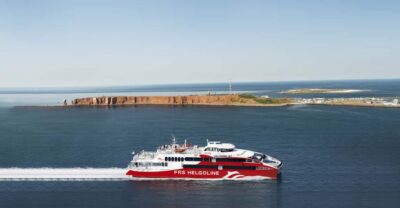 ★ 4.6From Hamburg, Brunsbüttel or Cuxhaven: Day Trip to HelgolandFrom $85290 reviews
 ★ 4.8Borkum: Guided Tour with a Local GuideFrom $11254 reviews
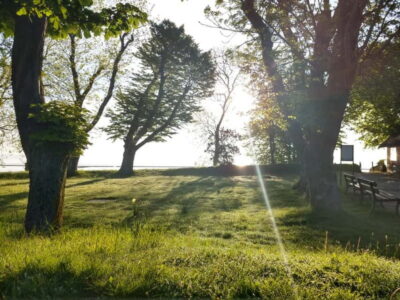 ★ 4.6Keitum: Guided Village Walking TourFrom $22134 reviews
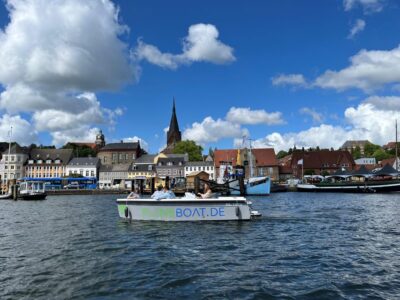 ★ 4.8Flensburg: E-Boat rentFrom $5775 reviews
Other lists this tour is on