

REVIEW · THE NORTH SEA
Bremerhaven: German Emigration Center Entrance Ticket
Your family story might start on a dock. At the German Emigration Center in Bremerhaven, history is not stuck behind glass, it runs through an interactive, do-it-yourself route using a digital boarding pass and museum iCard.
I especially love two things. First, the award-winning migration collection that traces 19th- and 20th-century movement with clarity and impact. Second, you can turn that museum experience into your own search, using state-of-the-art research tools and a trained assistant in the Family Research room.
One drawback to plan for: if you want to use the computers for your family search, you may find them occupied and you will need patience or a flexible pace, especially near busy times.
In This Review
- Key moments that make this ticket worth your time
- Finding the museum and getting oriented fast
- Your electronic boarding pass and the iCard route
- Following the emigrant path through museum scenes
- The quay and boarding a ship across three eras
- Ellis Island style immigration process and New York halls
- The Family Research room: your free ancestor search
- Price and what you actually get for your money
- Time planning: how long to set aside
- Who should book this ticket, and what to expect if plans change
- Should you book the German Emigration Center ticket?
- FAQ
- Where is the German Emigration Center meeting point?
- How much does the ticket cost?
- How long is the ticket valid?
- Is the museum wheelchair accessible?
- What should I know about timing before closing?
- Is food and drinks included with the ticket?
- Is the Family Research room included, and is there help available?
- Can I cancel my booking?
Key moments that make this ticket worth your time

- Award-winning exhibits on 19th and 20th-century migrations, with a clear storyline
- 300 years of immigration and emigration history you can follow in order, not randomly
- iCard-powered audio and interactive displays that guide you through each step
- Ship life across three passenger eras, including the ocean liner Columbus in 1929
- Family Research room support, where your ancestor hunt is free with staff help
- A full emotional farewell storyline staged at the quay, so the subject lands on a human level
More North Sea air, reviewed
- Bremerhaven: German Emigration Center Entrance Ticket★ 4.8 · 447 reviews
- Bremerhaven: Harbor Bus Tour★ 4.8 · 418 reviews
- Bremerhaven: Sailor’s yarn, legends and sea walking tour★ 4.7 · 33 reviews
Finding the museum and getting oriented fast
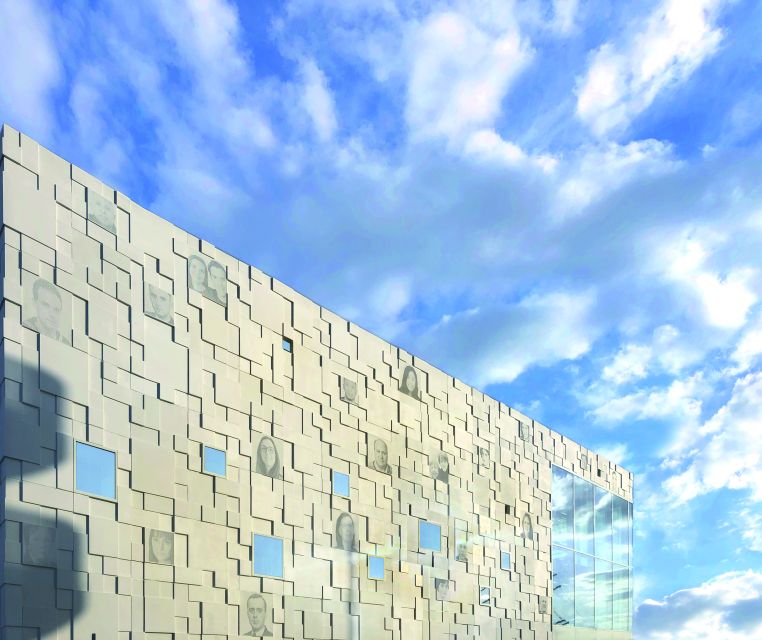
The experience starts right at the main entrance at Columbusstraße 65. This matters more than you might think, because the museum experience works best when you arrive with enough time to follow the route without rushing.
This is Europe’s largest and most modern museum devoted to migration. That slogan can sound generic, but here it translates into a practical design: you are given an electronic boarding pass and guided through a sequence of scenes, exhibitions, and activities that mimic the flow of a journey from leaving home to arriving in the New World. If you only have a short window, you will likely feel the time pressure.
Tip: aim to arrive early. The museum asks you to come at least two hours before closing time so you can complete the exhibition route and still have time for your own research at the end.
Your electronic boarding pass and the iCard route
The heart of this visit is your electronic boarding pass and the iCard inside it. This is not just a ticket that opens the door. It powers the museum journey, triggering audio stations and interactive displays as you move from hall to hall.
As you go, you follow the stories of individual emigrants through the iCard. Each iCard contains a specific personal story, which helps you connect to what otherwise can feel like a huge historical topic. Instead of only reading panels, you get audio at key moments and prompts that encourage you to pay attention to the details that shaped departure and arrival.
What this means for you: you control your pace. You can slow down for the parts that match your interests, then speed up when you want to keep moving. The museum’s “choose your own emphasis” approach is one reason people rate this so highly, and it is also why arriving early pays off.
Also, keep an eye on the equipment you use during your visit. The museum visit includes interactive stops and research computers later, and a busy day can mean waiting for terminals. If you know you are sensitive to waiting, build in time buffers.
Following the emigrant path through museum scenes
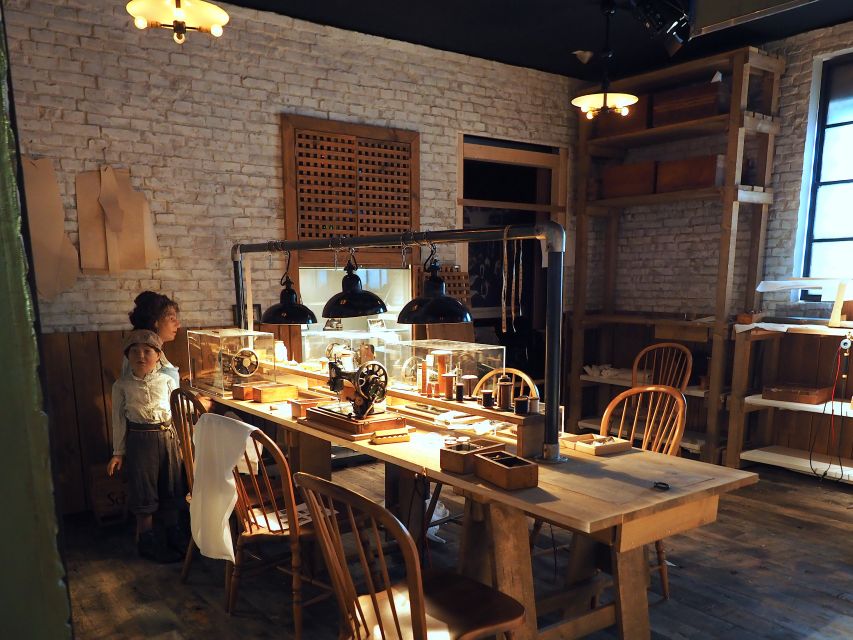
Once you start, the visit is organized like a journey. You move from emotional and practical moments of departure to the legal and civic systems immigrants encountered on arrival, and then into what life could look like after that first step.
A key feature is the way the museum connects personal stories to the big picture. You are not only learning facts about migration. You are experiencing the experience of emigrants through an emotional farewell storyline and a sequence of scenes that simulate key stages of the process.
Along the way, you will learn about factors behind migration and the overall push and pull that shaped who left and why. That context matters because it keeps the subject from becoming only a family trivia hunt. Even if you end up finding nothing about your ancestors, you will still finish the museum with a grounded understanding of migration across centuries.
The quay and boarding a ship across three eras
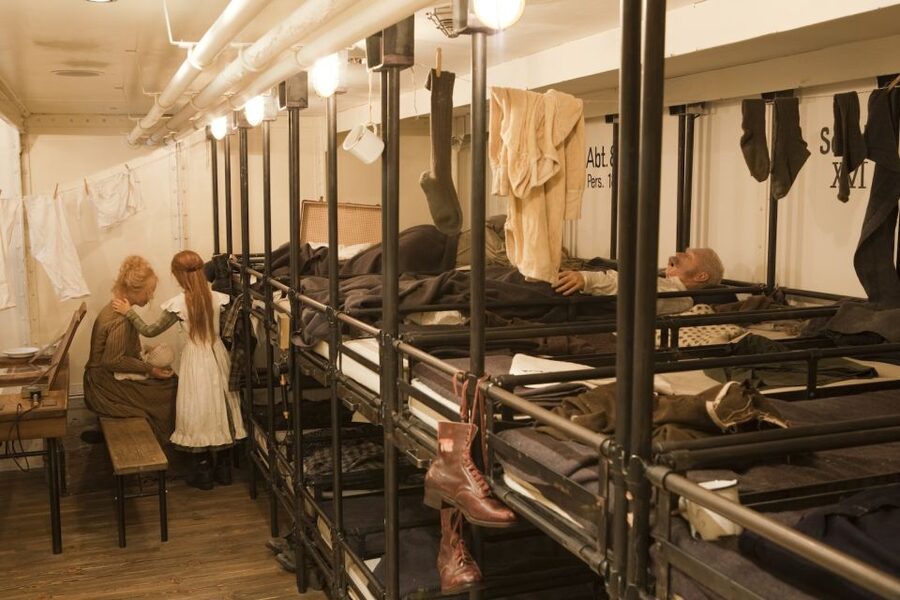
One of the most memorable parts comes at the quay. Here you meet emigrants from different European countries and learn about the moment of farewell, with the emotional weight of leaving for an unknown future. Then you board a ship for a glimpse of life aboard passenger shipping in three eras.
The museum gives you a specific highlight: you may experience life aboard the ocean liner Columbus in 1929. The point is not just to show you an old ship set. It is to show what it meant to travel as a passenger in different periods, when living conditions, layout, and the rhythm of travel could be very different.
Practical reality check: if you plan to rely on mobility supports, there are tight spaces in older ship-deck settings. A review noted that wheelchair users come through well overall, but you should expect narrow stretches and the need to maneuver on intermediate decks where space is limited. If that sounds stressful, consider pacing yourself, go slowly, and take breaks when you need them.
Ellis Island style immigration process and New York halls
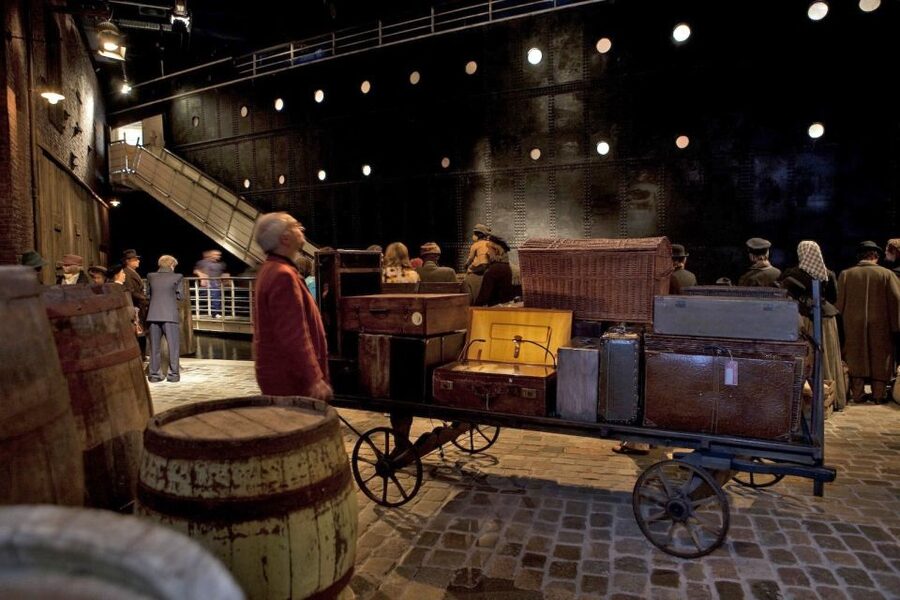
After the ship segment, the journey continues to an immigration-station experience inspired by arriving in the United States. You undergo an immigration test at a legal desk, and then, with the entry permit in hand, you continue onward to New York.
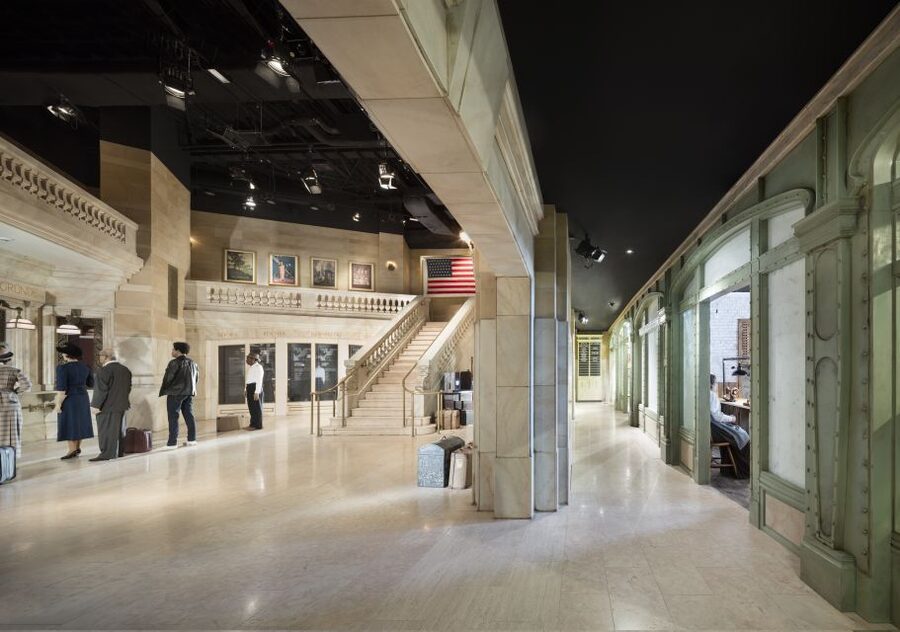
The museum then moves into halls connected to what immigrants might find after arrival. You visit Grand Central in New York, where the exhibitions expand on immigrant life in the New World.
Even if you do not think of yourself as a history buff, this section is useful because it connects two things many people separate: the legal gatekeeping of entry and the daily reality of building a life after arrival. The museum’s layout helps you connect those dots, and the iCard keeps you from feeling lost among displays.
The Family Research room: your free ancestor search
After you complete the exhibition route, you can do the most personal part of the visit: research in the Family Research room. The museum offers this as a free service, and a trained assistant is there to guide you through finding emigrated ancestors.
This is the value kicker for me. You can treat the museum like a moving history exhibit, or you can treat it like a tool for your own family search. Because the assistant is available, you are not stuck figuring things out alone. That makes the experience more forgiving if you do not know the exact names or details right away.
One practical note: the research facilities include computers, and they can be in demand. If your family research is the main reason you bought the ticket, plan to use the time calmly and be ready to adjust. Going earlier in your visit window can help you get to the Family Research room with less waiting.
Price and what you actually get for your money
The ticket price is about $23 per person. For many museums, that kind of price buys you an entrance and a few hours of wandering. Here, you are paying for more structure and more added capability.
Why I think the value holds up:
- You get a route powered by an iCard with audio stations and interactive displays.
- You get a curated, award-winning migration collection covering major eras.
- You get the chance to do a free family research session with staff help.
Food and drinks are not included, so you will want to budget separately if you are spending most of a day here. If you tend to snack often, plan ahead. Bringing a plan for breaks will help you keep your research time intact.
In short: the ticket cost feels fair because it includes both a guided-feeling museum experience and a personal research component.
Time planning: how long to set aside
The ticket is valid for 1 day, with starting times depending on availability. That is important because you will want to synchronize your arrival time with the route flow.
The museum recommends you arrive at least two hours before closing. I agree with that advice. The iCard journey takes time, the ship and immigration-station scenes are not meant to be skimmed, and the Family Research room is easiest if you are not rushed.
If you only have a half-day, you can still enter and see a lot, but you might have to compromise on your personal research. If you care about ancestry results, plan closer to a full museum visit rhythm, not a quick stop.
Who should book this ticket, and what to expect if plans change
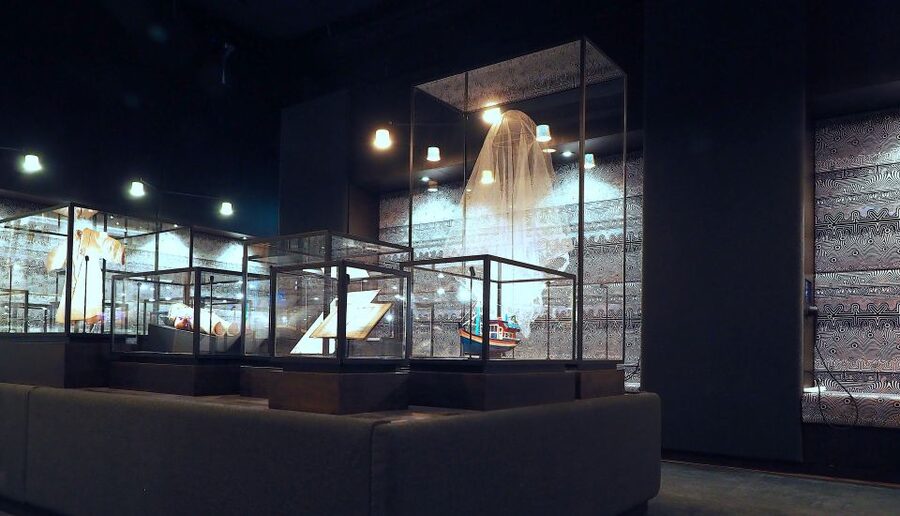
This experience fits best if you want history that moves. If you enjoy museums that use audio, staged scenes, and interactive prompts, you will likely find the iCard system satisfying.
It is also a strong pick for:
- People tracing German or European roots and curious about migration patterns
- Families who want a story-based museum experience rather than a quiet walkthrough
- Travelers who like learning immigration history through human-scale narratives
If you struggle with crowds or waiting for computers, go earlier in the day and treat your ancestor search like a process, not a guaranteed result. Even with staff support, family history work often takes time, and you may need to try multiple paths.
And if you use a wheelchair, you should still feel welcome. The museum is wheelchair accessible, but plan on the fact that ship-deck spaces can be tight. Bringing a calm pace and being ready to maneuver will make a big difference.
Should you book the German Emigration Center ticket?
I recommend booking this ticket if migration history connects to something personal for you, or if you want a modern museum that uses technology to make the story feel real. The combination of an iCard route, award-winning exhibits, and a free Family Research room with an assistant makes this more than a one-time viewing.
Skip it only if you want a strictly passive museum visit with minimal technology, or if you cannot handle waiting at computer stations and do not have any flexibility to revisit details later in your trip.
If you are on the fence, here is an easy way to decide: if you can set aside at least a couple of hours before closing, and you are open to a journey that connects big history to personal stories, this is an excellent use of your time in Bremerhaven.
FAQ
Where is the German Emigration Center meeting point?
The start is at the museum’s main entrance at Columbusstraße 65. The experience ends back at the meeting point.
How much does the ticket cost?
The entrance ticket price is listed as $23 per person.
How long is the ticket valid?
The ticket is valid for 1 day. Starting times depend on availability.
Is the museum wheelchair accessible?
Yes, the museum is wheelchair accessible. Pets are not allowed, but assistance dogs are allowed.
What should I know about timing before closing?
You should reach the museum at least two hours before closing time so you have enough time to visit the exhibition and complete the experience.
Is food and drinks included with the ticket?
No. Food and drinks are not included.
Is the Family Research room included, and is there help available?
Yes. After the main journey, you can do a personal search for emigrated ancestors in the Family Research room. The service is free of charge, and a trained assistant is available to help guide you.
Can I cancel my booking?
Free cancellation is available up to 24 hours in advance for a full refund. You can also reserve now and pay later.
Out on the North Sea Coast
Everything else we filed on Bremerhaven
- Bremerhaven: Fish Bite Guided Walking Tour
★ 4.8 · 13 reviews - Bremerhaven: Sailor’s yarn, legends and sea walking tour
★ 4.7 · 33 reviews - Bremerhaven: German Emigration Center Entrance Ticket
★ 4.8 · 447 reviews
North Sea and Sylt Coastal Trips, side by side.
 ★ 4.7Sylt: Guided Island Tour by Bus with Sylt HighlightsFrom $26608 reviews
 ★ 4.8Bremerhaven: Harbor Bus TourFrom $24418 reviews
 ★ 4.7List/Sylt: Guided Seal-Watching Cruise on a Rustic Boat350 reviews
 ★ 4.6From Hamburg, Brunsbüttel or Cuxhaven: Day Trip to HelgolandFrom $85290 reviews
 ★ 4.8Borkum: Guided Tour with a Local GuideFrom $11254 reviews
 ★ 4.9Sylt: Guided Mudflat Hike on the IslandFrom $19215 reviews
 ★ 4.6Keitum: Guided Village Walking TourFrom $22134 reviews
 ★ 4.8Flensburg: E-Boat rentFrom $5775 reviews
Other lists this tour is on