
REVIEW · TOURS
Tour del tercer Reich por Núremberg en español
Few cities force you to look clearly. Nuremberg ties medieval power, Nazi propaganda, and postwar justice into one walkable route. I like that you get the political story without fluff, and you also get the human stakes behind it.
I especially loved how the guide, Federico, brings history to life with clear, didactic explanations and solid documentation. Two other things I really liked: you get specific names and policies (like Wilhelm Frick and Julius Streicher), and you finish with a sense of what the Nuremberg Trials meant for the fight against human rights abuses.
One drawback to consider: this is heavy subject matter. If you want an easy, purely sightseeing kind of tour, this will feel intense and emotionally demanding.
In This Review
- Key things you will notice on this tour
- Starting at Hauptmarkt and Frauenkirche with the right mindset
- Why Hitler leaned on Nuremberg for Nazi propaganda
- Nuremberg Laws, Wilhelm Frick, and Julius Streicher in plain terms
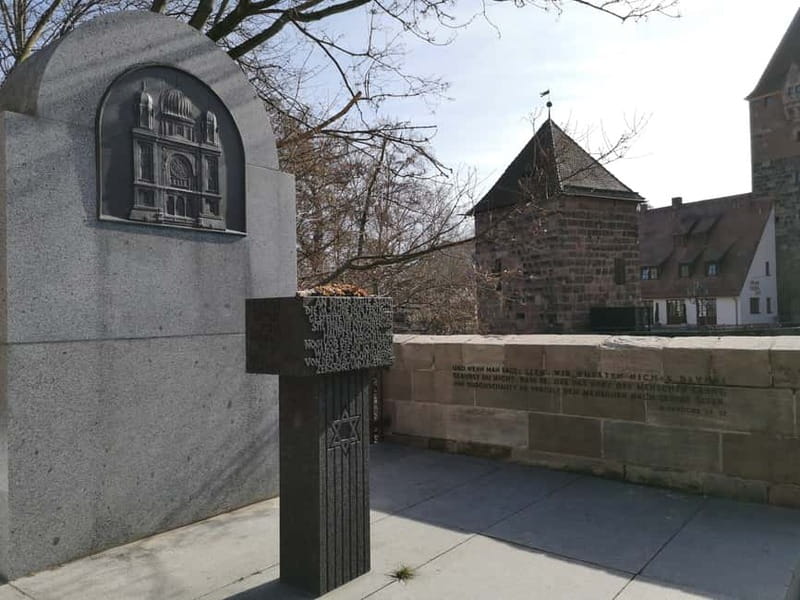
- The Jewish quarter and antisemitism: seeing how policies shaped space
- Nuremberg Trials and the Street of Human Rights
- Nazi Party Congresses and the City of Congresses you can still read
- Zeppelin Field and what rally spaces were built to do
- Flossenburg concentration camp: learning the system behind the horror
- How Federico’s style changes the experience
- Price and value: is $19 really worth it?
- Practical pacing, shoes, and where you end up
- Who this tour suits best
- Should you book the tour del tercer Reich por Núremberg?
- FAQ
- What language is the guided tour in?
- How long is the tour?
- What is the price per person?
- Where does the tour start?
- Where does the tour end?
- Is hotel pick-up or drop-off included?
- Is food and drinks included?
- Is the tour wheelchair accessible?
- Is there free cancellation?
- Can I reserve and pay later?
Key things you will notice on this tour
- A propaganda city, not just a backdrop: how Nuremberg was chosen as a stage for Nazi ideology
- The Nuremberg Laws in context: you hear how laws and antisemitism were built into daily life
- Street of Human Rights framing: the walk connects Nazi crimes to accountability
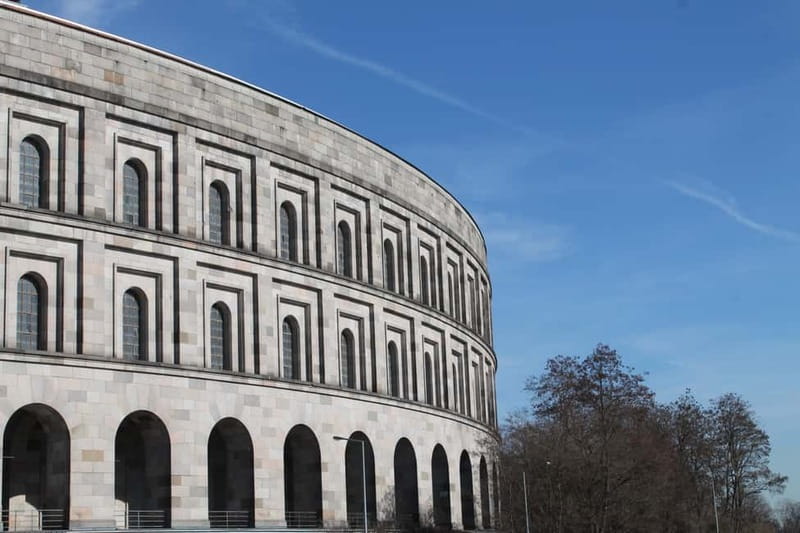
- Nazi Party Congress sites: you see how grand architecture supported mass demonstrations
- Concentration camp reference points: you learn about Flossenburg as part of the system
Undecided? The closest Nuremberg write-ups we have are these.
- Nuremberg: City Tour with the Bimmelbahn Train★ 4.4 · 2,475 reviews
- Nuremberg: Old Town Guided Walking Tour★ 4.6 · 2,416 reviews
- Nuremberg: Medieval Dungeons Guided Tour★ 4.8 · 1,726 reviews
- Nuremberg: Walking Tour of Former Nazi Party Rally Grounds★ 4.7 · 1,665 reviews
Starting at Hauptmarkt and Frauenkirche with the right mindset
Your tour starts in front of the main entrance of the Frauenkirche, in Hauptmarkt. You will know you are at the right place by the white and red umbrellas. This matters more than you might think. A precise start point helps you avoid the common city-travel stress that steals attention from the story.
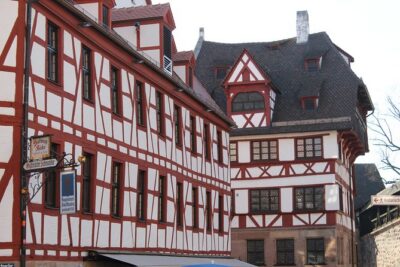
Nuremberg is visually dramatic, with church towers and old-city streets that can tempt you into treating it like a normal historic stop. This tour does the opposite. It gives you a guided lens that keeps your eyes on power, propaganda, and consequences.
You will want comfortable shoes. The route is designed for walking, and a three-hour program moves at a purposeful pace. If you are prone to blisters, plan smart before you arrive, not halfway through.
Why Hitler leaned on Nuremberg for Nazi propaganda
A big idea ties the whole experience together: Nuremberg was presented as the rightful heir to older Germanic traditions. Hitler and the Nazi leadership tried to wrap modern dictatorship in the language of historical destiny, like they were continuing a legacy instead of inventing a new regime.
This is one reason I find the tour valuable even if you already know the big dates. You learn how the Nazis used meaning-making, not just force. They took a real city with a real past and rebranded it into a political symbol.
The tour also places Nuremberg as a propaganda center, not a random location. You see how the city’s identity was promoted as loyalty personified, presented as the most faithful locality to the regime. That framing helps you understand why people traveled to events, why crowds mattered, and why messages were repeated until they felt normal.
Nuremberg Laws, Wilhelm Frick, and Julius Streicher in plain terms
One of the hardest parts to understand, and one of the most important, is how antisemitism moved from ideology into policy. In this city, the famous Nuremberg laws were written by Wilhelm Frick. Hearing that name connected to lawmaking makes the story feel less abstract.
The tour also brings in Julius Streicher, who was a major exponent of antisemitism. He owned and promoted the weekly newspaper Der Stürmer, and the tour connects his role to the wider propaganda machine. You start to see how media and law worked together, not separately.
What I like about this approach is that you are not just collecting details. You are building a cause-and-effect picture. When a regime writes laws and drives propaganda, it changes what society considers acceptable. Over time, it changes behavior, institutions, and lives.
You may want to be mentally ready for these topics. This is not a “fun facts” walk. It is an educational tour that treats discrimination and persecution as real systems with real targets.
The Jewish quarter and antisemitism: seeing how policies shaped space
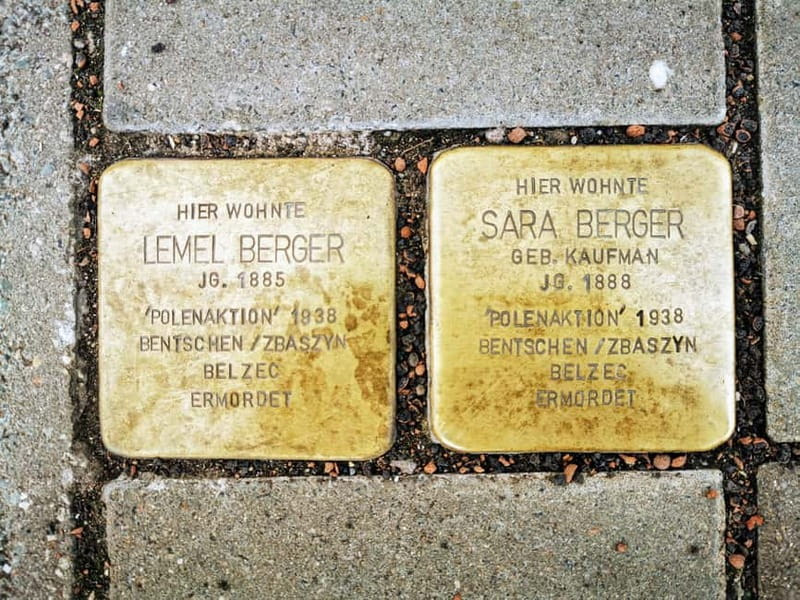
The tour includes the Jewish quarter in Nuremberg and focuses on antisemitism. Even without getting lost in gore, this portion gives you something useful: you learn how persecution affects both people and places.
Walking the streets while the guide explains the context helps you connect the dots. It is easier to grasp how exclusion becomes visible when you understand what restrictions and pressures were implemented. The tour helps you see that these were not only laws on paper. They were experiences that reshaped community life.
If you are the type who likes structure, you will likely appreciate how the guide frames the progression. You move from the ideological justification to the legal mechanisms, then to the lived reality. That order helps your brain store the information in a meaningful way.
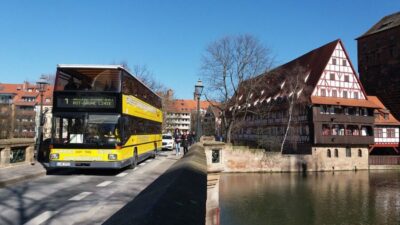
Nuremberg Trials and the Street of Human Rights
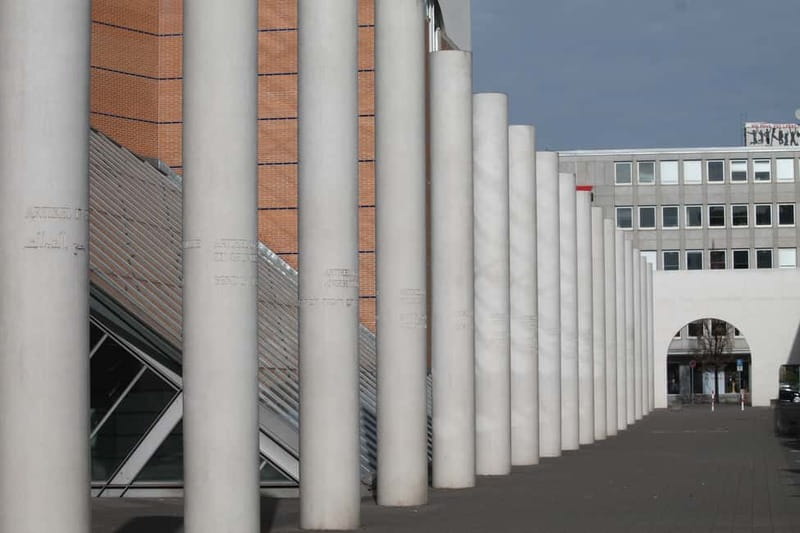
Another strong moment comes when the tour turns to the Nuremberg Trials and the Street of Human Rights. This is where the city stops being only a symbol of Nazi power. It becomes a place associated with judgment, accountability, and the attempt to define human rights after catastrophe.
I like that this section does not pretend accountability can erase harm. It treats the Trials as part of a larger moral and legal response. You also get a sense of why these events are so frequently referenced in human rights education worldwide.
Walking the Street of Human Rights is especially effective because it forces a contrast. You look at the same type of everyday urban space, but now the meaning is different. It becomes a reminder that atrocities were not inevitable, and that societies can choose documentation, prosecution, and standards.
This portion is also a useful reality check. If you have ever wondered how history gets turned into education and policy lessons, this gives you a concrete example.
Nazi Party Congresses and the City of Congresses you can still read
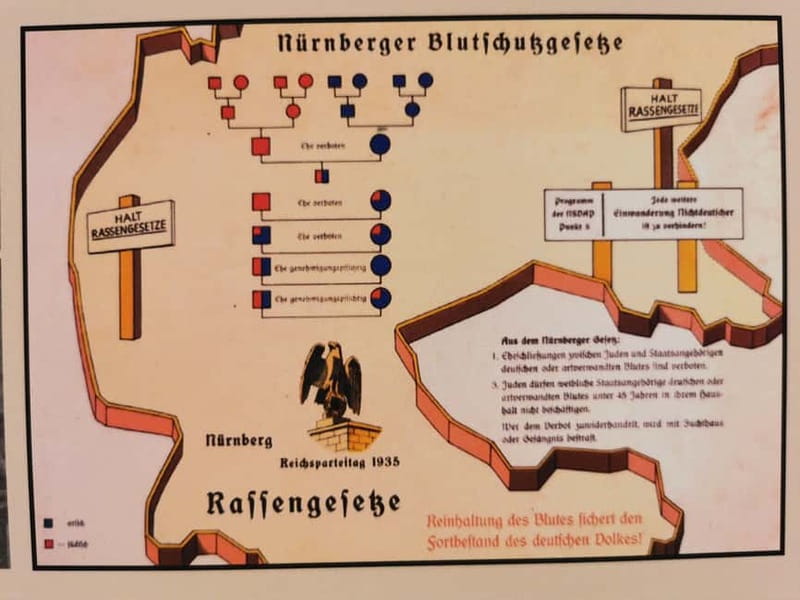
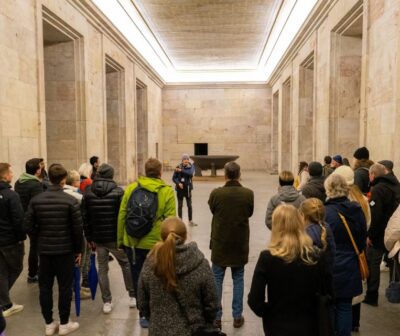
The tour includes the city of congresses of the Nazi Party and the idea of National Socialist demonstrations. This is where architecture becomes part of the story. Large-scale rally spaces were not neutral. They were designed to amplify messages through scale, repetition, and spectacle.
Even if you are not an architecture person, you can understand the intent. Grand spaces can make people feel small in the presence of the regime. And when crowds gather repeatedly for the same symbols, the regime turns into a kind of national ritual.
The guide ties these sites back to the broader propaganda goal: making Nazi rule feel like history’s natural continuation. You end up with a better understanding of why mass events mattered, not just for spectacle, but for social pressure and ideological normalization.
If you are sensitive to crowds or like quiet, consider your pace. This topic naturally references mass demonstrations and gathering energy. You will not be stuck in a loud setting the whole time, but the guide’s narrative may feel intense, and that is part of the point.
Zeppelin Field and what rally spaces were built to do
The Zeppelin Field is included on the route. Here you can see how public events, coordinated performances, and staged moments were tools. The Nazis wanted people to experience power with their whole body, not just their mind.
What I found most helpful is the way the tour connects physical space to political behavior. You do not just see a field or a structure. You hear why these locations were chosen and how they fit into a planned system of influence.
This part is also a reminder that propaganda is not only slogans. It can be logistics, timing, and choreography. A regime can train a population to respond in predictable ways if the same message is reinforced in the same type of setting.
Flossenburg concentration camp: learning the system behind the horror
The tour includes the Flossenburg concentration camp as part of the broader story. This is not a casual historical stop. It is a place tied to one of the most brutal realities of the Third Reich.
I recommend handling this section with care. If you need a moment to process, take one. If you want to keep reading and learning without emotional overload, pace yourself. Either way, the goal is understanding, not spectacle.
The camp piece helps you see that Nazi persecution was not only ideology, it was an operational system. The tour’s coverage of multiple parts of Nuremberg’s Nazi-era machinery helps you link propaganda with persecution and detention.
How Federico’s style changes the experience
A lot of historical tours drown you in names or dates and hope you keep up. This one feels different because the guide approach is structured and didactic. In the reviews, people highlighted Federico as very cultured with deep knowledge of what happened in Nuremberg, plus the ability to make it more amenable through documentation.
That combination matters. You can handle difficult topics when a guide explains them clearly and shows sources or at least connects facts in a way that feels anchored. It also makes it easier to ask yourself, so what is the connection here? Why does this site matter?
In a private group format, the experience tends to feel more tailored. You are not lost in a sea of distractions, and the guide can keep the flow more coherent for your group.
Price and value: is $19 really worth it?
At $19 per person for a three-hour Spanish guided tour, this is priced as a budget-friendly way to cover a lot of ground. The key is what you get for that money: a professional guide and a guided walk that includes several major Nazi-related themes, from laws and antisemitism to Trials and specific sites.
Could you read about these things on your own? Yes. But you would miss the connective tissue that makes the story make sense. A good guide helps you connect Nazi propaganda, policy, and later accountability, so the sites stop being separate photos and start being one argument about power.
Three hours is long enough to go beyond quick highlights, but short enough that you do not need to block a whole day. If you only have limited time in Nuremberg, this kind of focused route can be a smarter use of your schedule than spreading it across multiple self-guided stops.
If you care about value, the best sign is that the tour includes the most meaningful categories. You are not just seeing buildings. You are hearing why they mattered in the Third Reich context, and why Nuremberg later mattered through the Trials.
Practical pacing, shoes, and where you end up
You will walk. You will wear comfortable shoes. That is the main practical advice the tour gives, and it is correct.
The tour ends back at the meeting point, where you started near the Frauenkirche entrance in Hauptmarkt. That can be nice if you want an easy transition to lunch or to keep exploring the old town after the tour ends.
Food and drinks are not included. If you want to keep your energy steady, plan a meal before or after the tour. For topics like this, you do not want to feel hungry at the worst moment.
Who this tour suits best
This tour is a strong fit if you want an educational overview that connects ideology, law, and aftermath. It also suits you if you prefer Spanish-language interpretation, since the tour guide is live in Spanish.
I think it is especially good for:
- You if you like clear explanations and want names and context tied to places
- You if you want a single route that covers multiple key components, instead of picking one theme
- You if you want to understand why Nuremberg was used as a propaganda center and how it became a center for justice
If you want a relaxed, purely aesthetic city stroll with light history, this will not be that. The subject matter is difficult by design.
Should you book the tour del tercer Reich por Núremberg?
Yes, if your goal is to understand how Nuremberg functioned in the Third Reich, and why the city mattered afterward. The price is low for what it covers, and the format is built around real educational stops rather than random photo pauses.
I would book it sooner rather than later in your Nuremberg days, because it gives you a framework for the rest of the city. After you grasp the propaganda story and then the Trials and human rights framing, other monuments and streets make more sense.
If you are going with someone who is sensitive to heavy topics, talk it through in advance. Bring a calm mindset. Wear comfortable shoes. Then let the guide do what good guides do: give you structure, context, and a clear route through complicated history.
FAQ
What language is the guided tour in?
The tour is guided in Spanish with a live tour guide.
How long is the tour?
The duration is 3 hours.
What is the price per person?
The listed price is $19 per person.
Where does the tour start?
It starts in front of the main entrance of the Frauenkirche in Hauptmarkt. Look for the white and red umbrellas.
Where does the tour end?
The activity ends back at the meeting point.
Is hotel pick-up or drop-off included?
No, hotel pick-up and drop-off are not included.
Is food and drinks included?
No, food and drinks are not included.
Is the tour wheelchair accessible?
Yes, the tour is wheelchair accessible.
Is there free cancellation?
Yes, you can cancel up to 24 hours in advance for a full refund.
Can I reserve and pay later?
Yes, you can reserve now and pay later.
Everything else we filed on Nuremberg
- Nuremberg: Medieval Time Travel for Kids
★ 4.9 · 15 reviews - PRIVATE Nuremberg WW2 and Old Town Day Tour (Product code: 87669P16)
★ 4.5 · 15 reviews - Nuremberg: St. Johannis Friedhof &Hesperidengärten IN GERMAN
★ 4.4 · 15 reviews - Nuremberg: Private guided tour of the Old Town in German
★ 4.9 · 17 reviews - PLAYMOBIL®-FunPark Entrance Ticket
★ 4.5 · 17 reviews - Stein: Public guided tour of the “Old Mine” museum
★ 4.5 · 18 reviews
Tours, side by side.
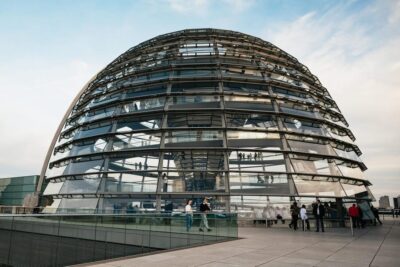 ★ 4.7Berlin: Reichstag, Dome and Government District Guided TourFrom $1818,288 reviews
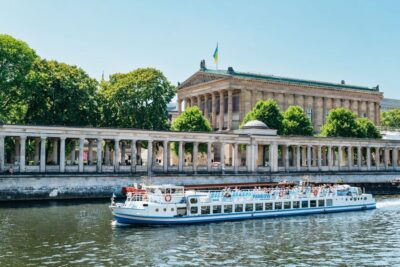 ★ 4.3Berlin: 1-Hour City Tour by Boat with Guaranteed SeatingFrom $2516,993 reviews
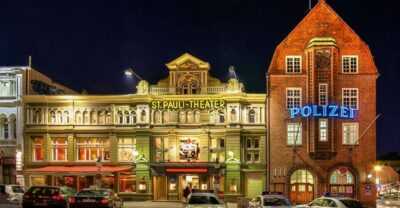 ★ 4.7Hamburg: Sex and Crime in St. Pauli Tour for Ages 18+From $29515,447 reviews
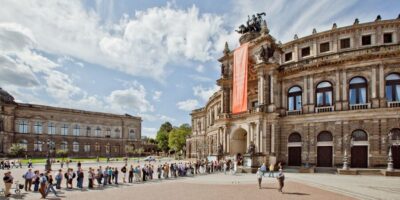 ★ 4.7Dresden: Semperoper Tickets and Guided TourFrom $1812,102 reviews
 ★ 4.4Berlin: Boat Tour Along the River SpreeFrom $3411,252 reviews
 ★ 5.0Discover Berlin Half-Day Walking TourFrom $249,624 reviews
 ★ 4.3Berlin: Hop-on Hop-off Bus Tour with Live CommentaryFrom $228,579 reviews
 ★ 4.7Berlin: Government District around the Reichstag Guided TourFrom $2848,447 reviews