
REVIEW · THE BALTIC
Warnemünde: Guided Walking Tour
Warnemünde is small, but it talks a lot. This guided walking tour turns a simple seaside stroll into an easy way to learn how the town grew, what locals did to catch fish, and why the key sights matter. I love the local history details that a guide brings to life, and I also like getting the big postcard moments, like the Warnemünde Lighthouse and the Teepott, without feeling rushed.
One thing to plan for: the tour is German only, and you’ll mainly see sights from the outside since entry to attractions isn’t included. That still works for most people, just know what you’re signing up for.
In This Review
- Key highlights I’d aim for
- Entering Warnemünde from the Rostock-Information meeting point
- Fishermen alleys and the traditions behind the coastline
- Bannhofsbrücke and the old river: where the town connects
- The Edvard Munch House stop that adds culture fast
- Promenade icons: Lighthouse and Teepott views
- Warnemünde Beach geology: understanding what you see
- Optional add-ons: Train Station and Neuer Strom
- Price and value for a 1.5-hour guided walk
- Who this Warnemünde tour fits best
- Should you book this Warnemünde guided walking tour?
- FAQ
- How long is the Warnemünde guided walking tour?
- What language is the live guide?
- What is included in the price?
- Where do I meet the guide?
- How much does the tour cost?
- What is the cancellation policy?
Key highlights I’d aim for
- Old fishermen houses and side streets that make Warnemünde feel like a real place, not just a promenade stop
- Bannhofsbrücke and the old river to understand how water and shipping shaped daily life
- Edvard Munch House as a cultural detour that adds surprising depth to the seaside setting
- Warnemünde Lighthouse and the Teepott along the promenade for classic views and quick photo wins
- Geology talk at Warnemünde Beach, so the coast feels less random and more explained
- Optional stops like the Train Station and Neuer Strom if you want extra material
More Baltic harbours and island days
- Best Berlin Shore Excursion from Warnemunde or Rostock Port★ 4.8 · 200 reviews
- Rostock: Warnemünde and Rostock Half-Day Shore Trip★ 4.7 · 158 reviews
- Berlin and Sachsenhausen: Shore Trip from Warnemünde Port★ 4.8 · 40 reviews
Entering Warnemünde from the Rostock-Information meeting point
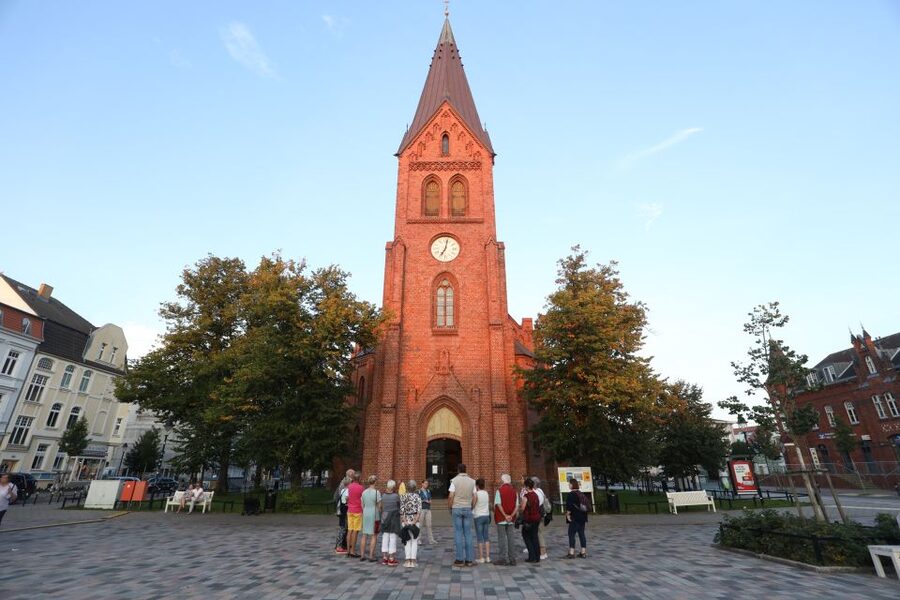
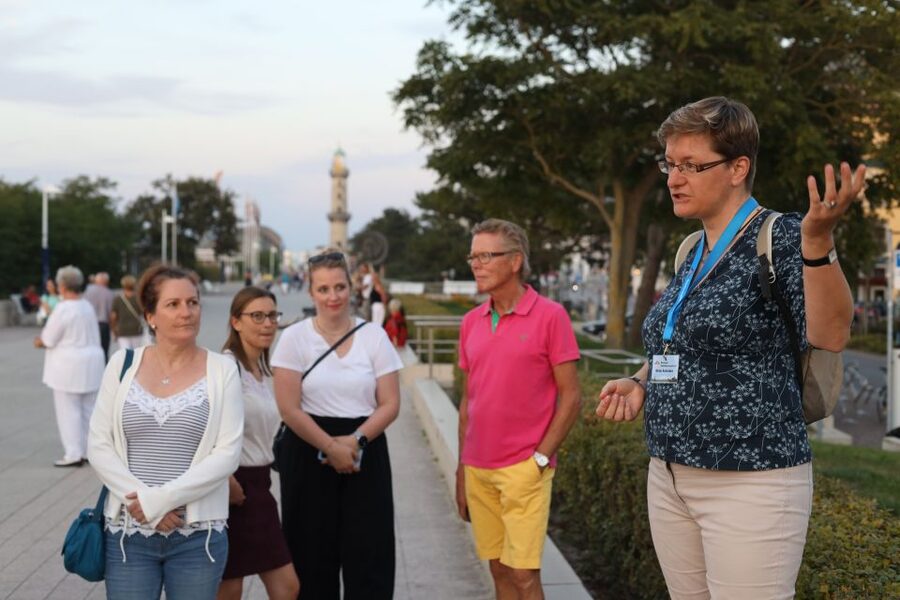
You’ll meet your guide in front of the Rostock-Information Warnemünde, at the corner of Alexandrinenstraße and Kirchenstraße. It’s one of those meeting points that’s simple if you’re nearby, and slightly annoying if you’re five blocks away already. So when you arrive, take a minute to get your bearings before you hunt for the group.
From there, the tour moves on foot through Warnemünde’s older lanes. This is a good use of time. Instead of spending the whole afternoon looking at the promenade, you get to slip into the quieter alleys first, where you can sense the town’s fishing roots. Even if you’ve never been here, you’ll start picking up patterns fast, like how close the built area sits to the water and how the streets seem to funnel you toward the harbor and promenade.
Fishermen alleys and the traditions behind the coastline
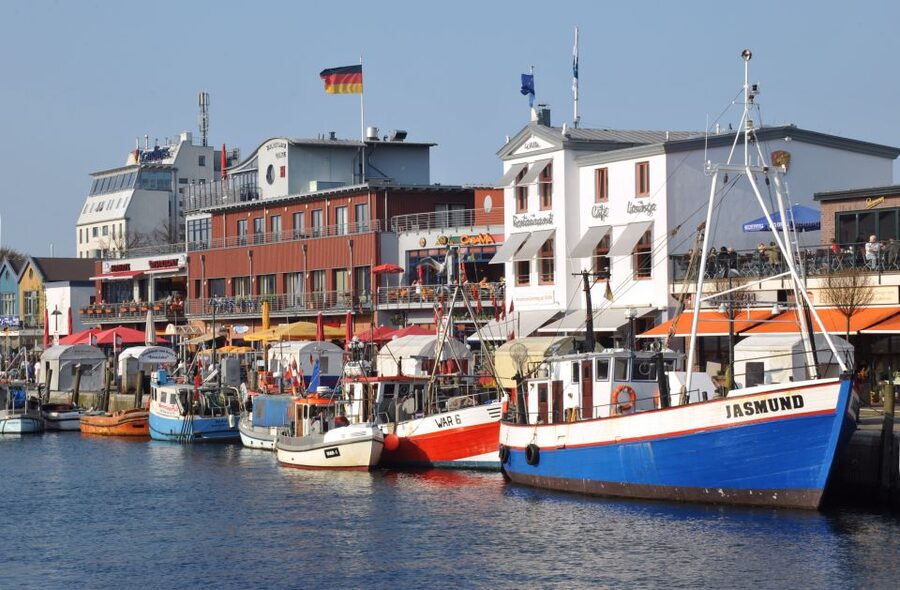
The first real payoff is how the guide frames Warnemünde as a seaside resort with a fishing past. You’ll hear history tied to how the small village worked, including stories about how local fishermen used to lure their beloved catch. Those little explanations matter because they turn the scenery into cause and effect. The coast stops being just “pretty” and starts being functional.
You’ll also notice the scale of Warnemünde as you walk. This isn’t a huge city where a guided tour feels like information overload. It’s compact enough that you can actually look up. You’ll pass old fishermen’s houses tucked along charming side streets, and you get time to register details you’d probably miss on your own.
If you like tours that feel like walking with a friendly local who pays attention to small things, this is the type. One of the strongest notes from past participants is that the guide points out the little stuff that makes the town feel real, not just scenic.
Bannhofsbrücke and the old river: where the town connects
As you continue, you’ll see Bannhofsbrücke and the old river. Bridges are one of those sights people photograph without thinking too hard, but on this tour they become part of the town’s logic. You’re not just crossing a walkway. You’re moving along a corridor that reflects how people and goods linked to the water.
I like this portion because it gives you a sense of “why here.” When you understand how the river and bridge fit into life, the promenade and harbor areas make more sense later. It’s also a nice visual reset, because you’ll shift from narrow lanes to broader views where the town opens up.
If you’re the type who enjoys geography and practical history, you’ll probably enjoy how your guide uses the water setting to explain routines, routes, and changes over time.
The Edvard Munch House stop that adds culture fast
Then you’ll pass the Edvard Munch House. For many people, Warnemünde first registers as a beach and lighthouse kind of place. Adding Munch changes the mood. It reminds you that a seaside resort can be both a place for leisure and a place that attracts art and visitors from beyond the region.
This stop is valuable even if you’re not planning to enter any buildings. You’re not stuck on a long museum detour. You’re walking, and the cultural note drops in naturally, like a fun detour that makes the whole area feel richer.
If you’re traveling with people who want both “things outside” and “something meaningful,” this is a smart balance. It’s an artistic landmark without turning the tour into a long inside-only day.
Promenade icons: Lighthouse and Teepott views
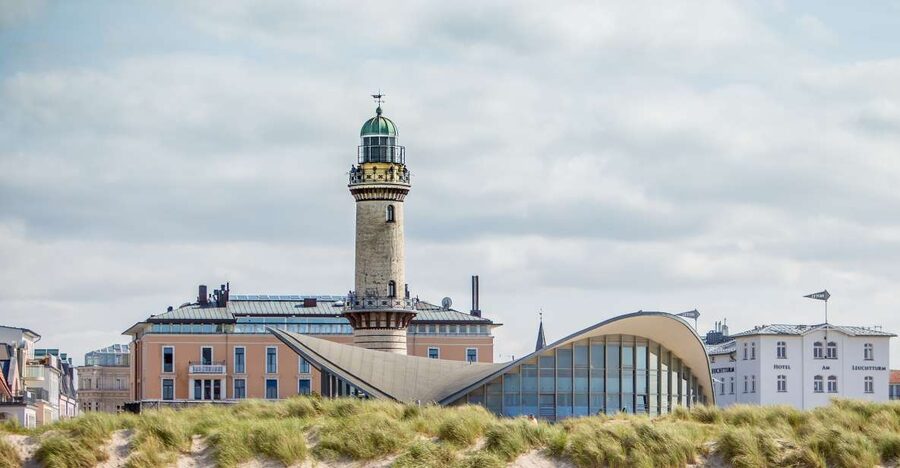
The tour brings you along the promenade for two of the most recognizable Warnemünde sights: the Warnemünde Lighthouse and the Teepott. The trick here is that your guide doesn’t just point and move on. You get context while you walk, so you know what you’re looking at and why it matters.
This is also where photos become easier. The promenade gives you sightlines, and you’re not searching for angles in random corners. You can slow down near the lighthouse area and frame the Teepott without needing a lot of special planning.
If you’re traveling in cooler months, like winter beach walks, this part helps because the landmarks keep you oriented. Even when the weather is a bit gray, you’ll still feel like you’re seeing something classic.
Warnemünde Beach geology: understanding what you see
One of the more distinctive parts of the tour is the geology portion at Warnemünde Beach. Instead of treating the beach like a generic stretch of sand, your guide explains the coastal side of the area. That could mean discussing the way the shoreline looks, what makes the sand and coast distinctive, or how the coast has shaped the experience of the town.
For me, this is the section that upgrades the entire trip. Beach time can feel repetitive if you don’t learn anything new. But when the guide connects what you see to the physical story of the coast, you end up with better memories later. You might even find yourself noticing the details you usually skip.
And because you’re still on foot and still in the tour rhythm, it doesn’t feel like a separate class. It’s just practical, on-location explanation.
Optional add-ons: Train Station and Neuer Strom
Depending on what you feel like doing, you can also discover the Warnemünde Train Station and the Neuer Strom. These are optional, which is great if you’re traveling with mixed interests or if you’d rather keep the tour tight and focused on the main sights.
The station works well as a “how people arrive” stop, and Neuer Strom adds more water-and-operations context. Even without deep technical detail, these optional points help you round out the town’s picture: it’s not just where people go, it’s how the place functions and connects.
If you’re the type who likes to keep your day flexible, this structure is a plus. You can lean in for extra context or stay focused on the core highlights.
Price and value for a 1.5-hour guided walk
The tour costs $17 per person and lasts about 1.5 hours. For that price, you get a live guide plus a well-paced route that covers multiple major points, from side streets and bridge views to lighthouse and beach geology.
Here’s how I think about the value. You’re not paying for long museum time or multiple ticket entries. You’re paying for the guide’s job: taking scattered landmarks and turning them into a story you can actually remember. In a short walking tour format, that kind of interpretation is often the difference between “I saw that” and “I get why that’s there.”
Your best value is when you enjoy:
- quick context while walking
- local stories tied to specific spots
- photo stops that also come with explanation
If you’re only after an “I need to stand in front of landmarks” day, you might not squeeze the full value out of it. But if you like learning while you walk, this is an efficient deal.
Who this Warnemünde tour fits best
This experience is a great match if you want a compact overview that still feels personal. You’ll likely enjoy it if you:
- like guided tours in cities and seaside towns where details matter
- enjoy history told through real locations, not just facts
- want to see lighthouse and promenade highlights without planning every stop
- appreciate a unique stop like beach geology and the Edvard Munch connection
It may be less ideal if you need an English guide, since the tour runs in German. And because entry to attractions isn’t included, don’t expect museum-style time inside buildings. You’ll see what you can see along the route and enjoy explanations at each stop.
Should you book this Warnemünde guided walking tour?
I’d book it if you want an easy, well-guided route that covers the places that define Warnemünde, while also giving you reasons behind what you see. The combination of fishermen-alley atmosphere, bridge and river context, lighthouse and Teepott views, plus the beach geology explanation makes it feel more worthwhile than a basic promenade walk.
I’d think twice only if German is a deal-breaker for you or if you’re determined to enter specific attractions during the tour. In that case, you may want to pair this with separate ticketed time on your own schedule.
If your goal is to leave Warnemünde feeling like you understood the place, this 1.5-hour format is a smart fit.
FAQ
How long is the Warnemünde guided walking tour?
The tour lasts 1.5 hours.
What language is the live guide?
The live tour guide speaks German.
What is included in the price?
Included is the walking tour and a local guide. Entry to attractions is not included.
Where do I meet the guide?
Meet your guide in front of the Rostock-Information Warnemünde at the corner of Alexandrinenstraße and Kirchenstraße.
How much does the tour cost?
The price is $17 per person.
What is the cancellation policy?
You can cancel up to 24 hours in advance for a full refund.
Along the Baltic Shore
Everything else we filed on Warnemunde
- Berlin and Sachsenhausen: Shore Trip from Warnemünde Port
★ 4.8 · 40 reviews - Rostock: Warnemünde and Rostock Half-Day Shore Trip
★ 4.7 · 158 reviews - Best Berlin Shore Excursion from Warnemunde or Rostock Port
★ 4.8 · 200 reviews
Baltic Coast and Island Tours, side by side.
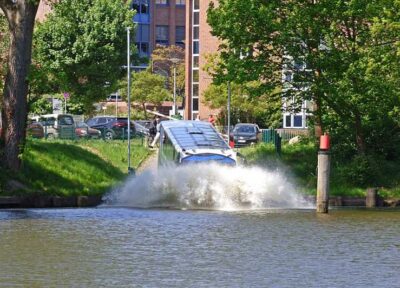 ★ 4.0Lübeck: 1-Hour Splash Bus City TourFrom $352,626 reviews
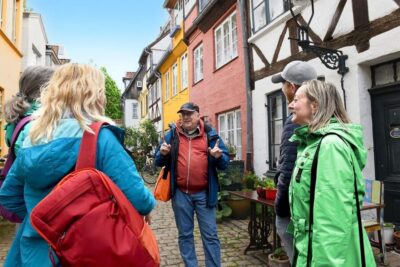 ★ 4.7Lübeck: entertaining guided tour to old town highlightsFrom $16594 reviews
 ★ 4.7Schwerin: City Highlights Guided TourFrom $12541 reviews
 ★ 4.8Lübeck: Entertaining Tour Through Hidden CourtyardsFrom $20483 reviews
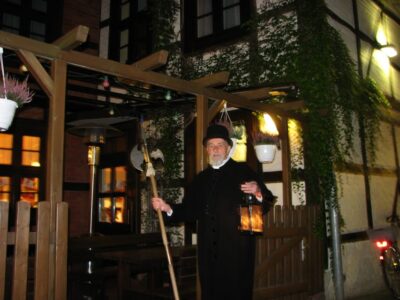 ★ 4.5Schwerin: Tour with the Night WatchmanFrom $15366 reviews
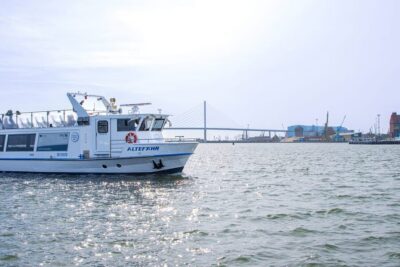 ★ 4.6Stralsund: 1-Hour Harbor CruiseFrom $15365 reviews
 ★ 4.5Rostock: Guided tour of the historic city centerFrom $17311 reviews
 ★ 4.5All-in-One Berlin Shore Excursion from WarnemundeFrom $83293 reviews
Other lists this tour is on