
REVIEW · THE BALTIC
Lübeck: Entertaining Tour Through Hidden Courtyards
Courtyards in Lübeck can feel like secrets. This short guided walk takes you off the main streets and into the narrow passages and quiet inner spots that shaped daily life in the Middle Ages. You also get clear context for the Hanseatic League boom, why space got tight, and how people adapted.
I especially like the focus on courtyards and corridors you would likely miss on your own. I also like that the guide connects the places to how people lived, including the story of merchant and shipper widows and what the city had to do as the population surged.
One possible drawback: it is held in German. If your German is limited, you might still enjoy the visuals, but you will miss part of the story and details.
In This Review
- Key things I would not skip
- Courtyards in Lübeck, why they feel like time travel
- Start at Burgtor, then step off the main street
- Courtyards and corridors, the Middle Ages problem they solved
- Workers life in small stalls, how daily space shrank
- The Hanseatic League story, trade growth you can picture
- Monastery courtyards, and why widows were housed there
- How long is it, and what pace you should expect
- Price and value for $20 per person
- Who will enjoy this most, and who should reconsider
- Should you book the Lübeck courtyard and corridor tour?
- FAQ
- FAQ
- What is the duration of the Lübeck courtyard and corridor tour?
- How much does the tour cost?
- Where do I meet the guide?
- Is the tour in English?
- Is this a private tour?
- Can children join, and is there free cancellation?
Key things I would not skip
- Courtyard and corridor route that feels less like a classic checklist tour
- Small-group feel that makes it easier to ask questions
- Middle Ages living space explained with a clear reason for narrow, crooked passages
- Hanseatic League context tied to growth in Lübeck
- Monastery courtyards and widows housing stories add real human scale
- 1.5 hours that fits easily into a packed day in Northern Germany
More Baltic harbours and island days
- Lübeck: 1-Hour Splash Bus City Tour★ 4.0 · 2,626 reviews
- Lübeck: entertaining guided tour to old town highlights★ 4.7 · 594 reviews
- Lübeck: Entertaining Tour Through Hidden Courtyards★ 4.8 · 483 reviews
- Lübeck: Electric Boat Rental – without driving licence★ 4.8 · 174 reviews
Courtyards in Lübeck, why they feel like time travel
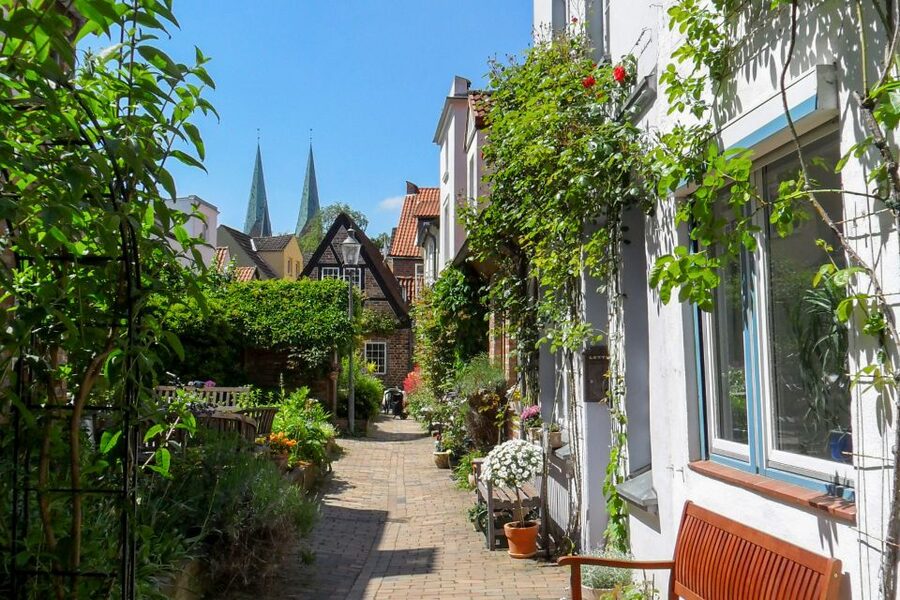
Lübeck is the kind of city where you can stare at the front of a building all day and still miss what is behind it. This tour is designed to flip that habit. Instead of focusing only on facades and big views, you move along narrow paths to the smaller, picturesque inner spaces that made the city practical and livable.
The best part for me is that the courtyards and corridors are not treated like pretty backdrops. You get the cause-and-effect story behind them, so the city layout starts to make sense. When your guide talks about how Lübeck grew quickly and how space had to be created, those tight passages stop feeling accidental and start feeling purposeful.
You also get a lively pacing for a 1.5-hour walk. It stays entertaining without turning into a lecture. If you like history that helps you read a place, this format works well.
Start at Burgtor, then step off the main street
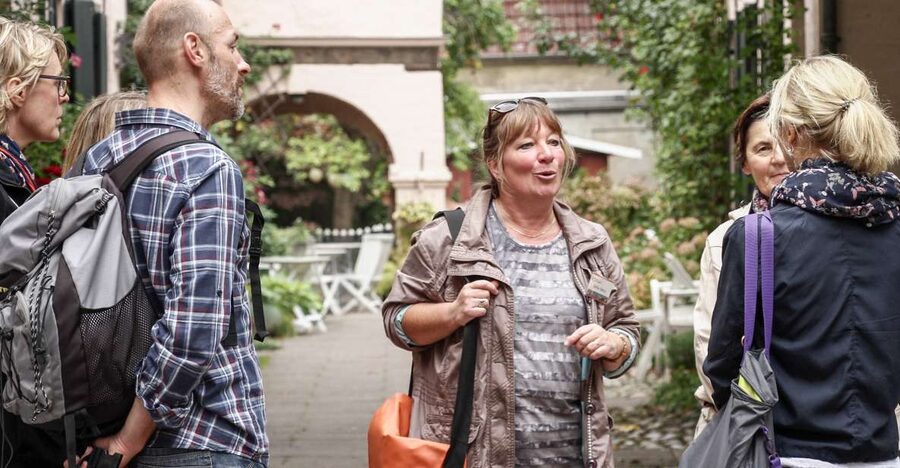
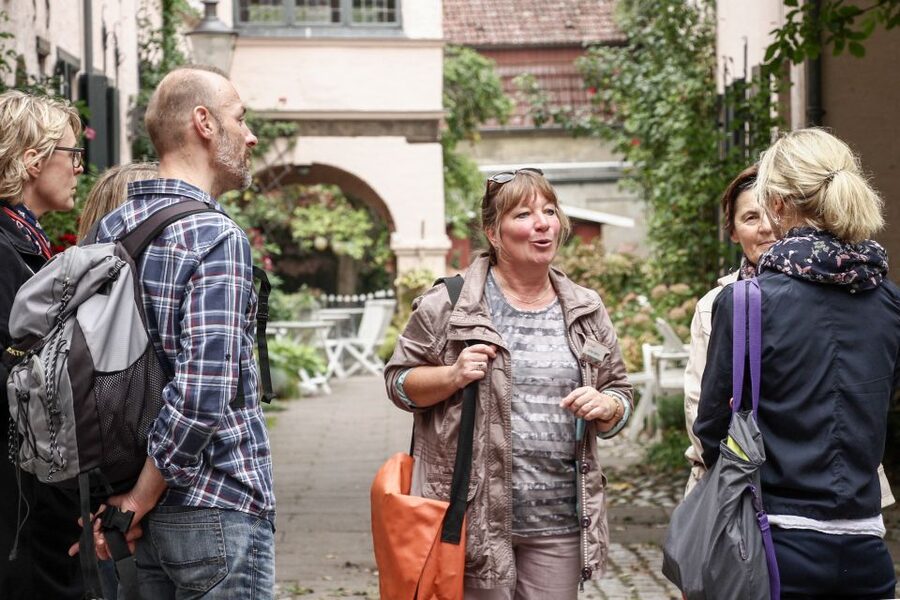
You meet your guide in front of the Burgtor, at Burgtorbrücke 2, on the outside of the city. The guide wears an orange bag with the k3 logo, so it is easy to spot once you are there.
From that starting point, you walk into the old town in a way that feels efficient. You are not just strolling for the sake of strolling. The route aims you toward the places that explain how the city worked, with narrow corridors and inner courtyards that act like small rooms in a dense neighborhood.
This matters because Lübeck can be deceptive. From the outside, it can look like a traditional medieval city center, but the real story is in how people moved through it and where they ended up living. Getting those first turns right early in the tour is a big part of why the whole experience works.
Courtyards and corridors, the Middle Ages problem they solved
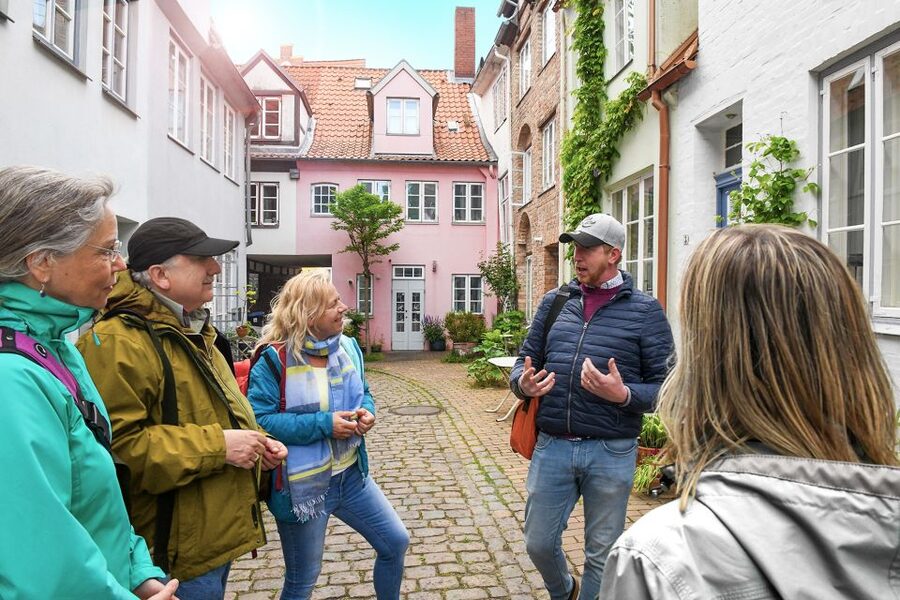
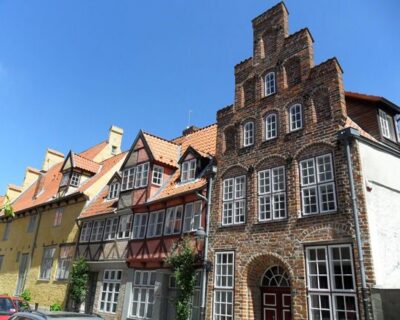
The core of the tour is simple: you see some of the most beautiful courtyards and corridors of Lübeck, then you learn why those spaces exist. You walk along narrow paths toward small, picturesque courtyards, not wide squares. That change in scale is one of the most satisfying moments of the whole tour.
Your guide explains that in the Middle Ages, Lübeck grew sharply, and living space had to be created. As more people needed rooms near work and trade, the layout became tighter. That is where the narrow and crooked corridors come in, linking spaces between front buildings in a way that helped the city fit more life into less room.
If you like practical history, you will appreciate this approach. It answers the question you might have while looking at old architecture: why does this place look so compressed? Here, you get the reasoning tied to growth and daily needs, not just dates and names.
Workers life in small stalls, how daily space shrank
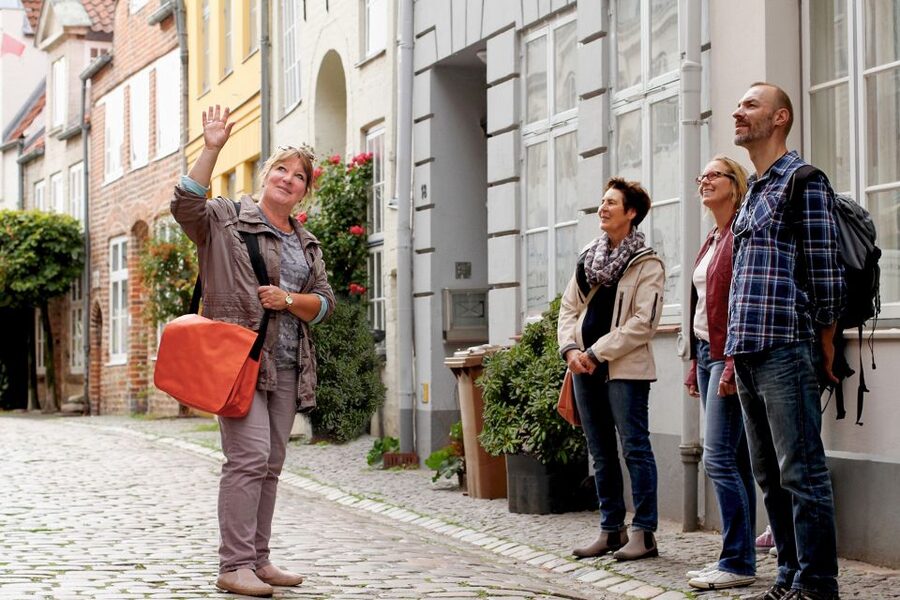
One of the most interesting segments for me is the look at small areas where workers used to live. These are not huge rooms you can picture from a distance. The tour helps you understand how people lived with limited space, often in tight setups connected to the city fabric around them.
When your guide points out those kinds of spaces, you start to see why courtyards were more than decoration. In dense medieval city life, an inner courtyard could function like an extra light source, a breathing space, or a practical common area, depending on how the neighborhood was built.
This part is also where the tour feels most human. You are not just seeing medieval architecture. You are learning how the everyday details of housing shaped what you can observe today. That is exactly the kind of connection that makes a short tour memorable.
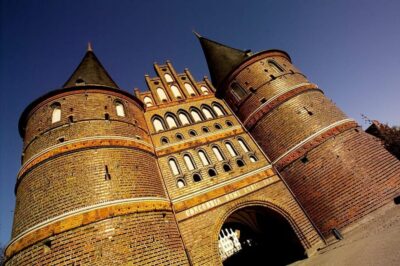
The Hanseatic League story, trade growth you can picture
You also get background on the Hanseatic League and how Lübeck’s population increased sharply during the Middle Ages. That information is more than a historical footnote. It is the key that connects the architecture to economics.
When trade centers grow, they attract people, work, and families. That increases demand for nearby housing and service spaces. With limited space, buildings and corridors had to adapt. So when you are shown narrow passages, you are also being shown the physical footprint of economic change.
I like that the guide does not treat the Hanseatic League as a distant topic. Instead, it becomes a reason you can see. The city layout starts to feel like an answer, not a puzzle.
Monastery courtyards, and why widows were housed there
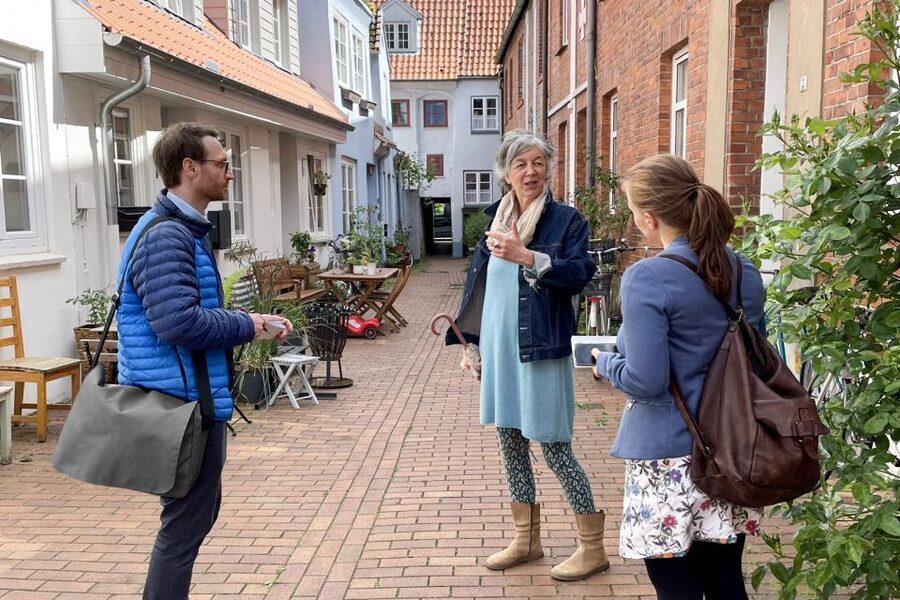
At some point you will see monastery courtyards on the tour, which adds variety to the route. These quieter spaces change the mood, even though you are still walking through an old city web of corridors and inner yards.
Then comes one of the more specific human stories included on this experience: how merchant and shipper widows were housed. This is a detail that helps you picture how social roles and city life intersected. It also adds moral weight to the architecture, because you are learning about real people and real needs.
For me, the value here is balance. The tour does not only focus on trade wealth and famous merchant stories. It also points toward the people who needed support during difficult life transitions. That makes the courtyards feel less like aesthetic sets and more like functional parts of a community.
How long is it, and what pace you should expect
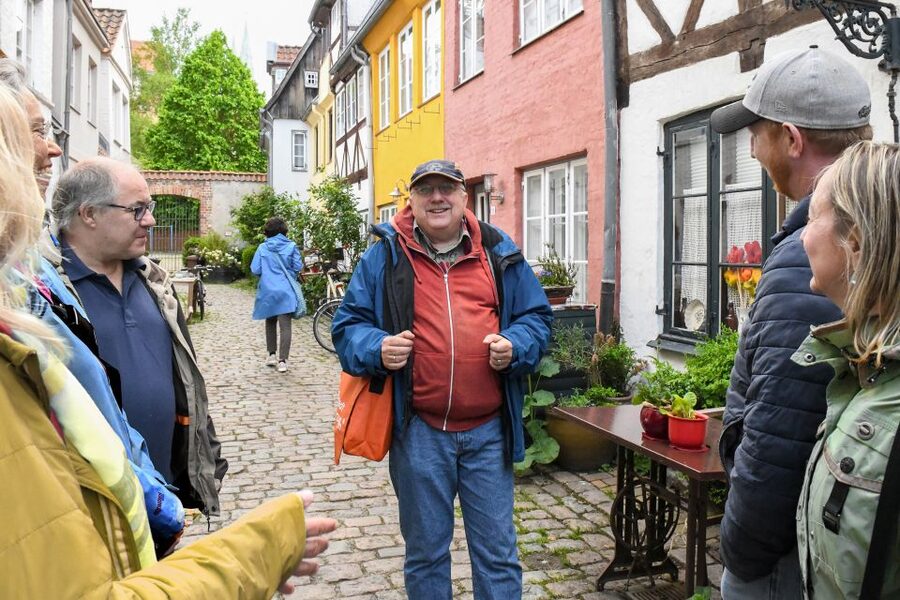
It runs for about 1.5 hours, and that time window is a good match for the topic. You get enough walking to cover multiple courtyards and corridor segments, but you do not get worn down.
The pace also tends to be conversational. The tour is meant to be entertaining, and the format helps you keep up. Since it is a walking tour, you should wear comfortable shoes, but the distances are manageable because the focus is on clustered inner spaces rather than long city crossings.
This duration also makes it a smart pairing option. If you are planning a day of Lübeck old town exploration, this kind of focused walk helps you understand the city quickly, so your other stops make more sense later.
Price and value for $20 per person
At $20 per person for a 1.5-hour guided walking tour, this is the kind of price that often makes sense in a city like Lübeck. You are paying for a guide who can explain why these spaces exist and what they meant, not just for access to the places themselves.
Here is how I judge value for this type of tour: do you get something you cannot easily pick up on your own? In this case, yes. A self-guided stroll might show you a few courtyards and corridors, but it is the explanation of Middle Ages growth, the reason for narrow crooked corridors, and the story of widows that turns the architecture into understanding.
Also, the group is private, which typically improves the experience. Even if you do not speak much German, a guide can adjust pacing and answer questions. Reviews highlight how the small group helped with individual questions, and that is exactly what you want from a short, story-driven route.
Who will enjoy this most, and who should reconsider
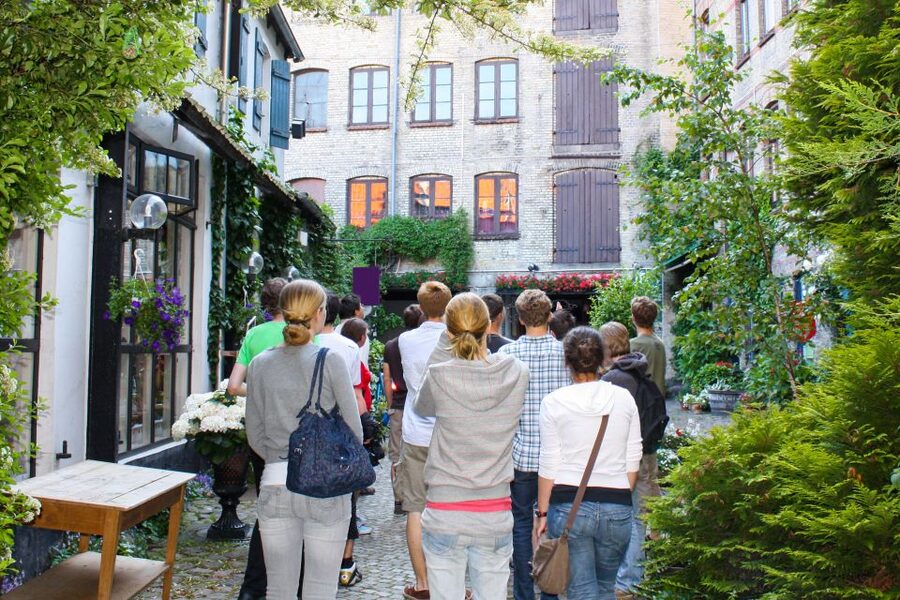
I think this works best if you like old cities but hate tours that only hit the biggest photo spots. If you enjoy architecture when it is tied to daily life, you will get real payoff.
You will also like it if you want a compact dose of context about the Hanseatic League and Lübeck’s Middle Ages growth. The tour is short, but the guide connects trade, population pressure, and housing patterns.
If your German is not strong, consider what you want from a tour. The experience is held in German with a live guide. You may still appreciate the courtyards visually, but the specific stories will be harder to follow.
Should you book the Lübeck courtyard and corridor tour?
Yes, you should book it if your goal is to understand Lübeck in a more personal way than a standard sightseeing route. The focus on courtyards, corridors, and the practical reasons behind the layout gives you a clear lens for the old town.
Skip it only if you are mainly after big monuments and wide panoramic views. This walk is about close-up spaces and the stories tied to them, including monastery courtyards and the housing of merchant and shipper widows.
FAQ
FAQ
What is the duration of the Lübeck courtyard and corridor tour?
The tour lasts about 1.5 hours.
How much does the tour cost?
The price is listed as $20 per person.
Where do I meet the guide?
Meet in front of the Burgtor, Burgtorbrücke 2, on the outside of the city. The guide wears an orange bag with the k3 logo.
Is the tour in English?
No, the tour is held in German.
Is this a private tour?
Yes, it is a private group.
Can children join, and is there free cancellation?
Children up to 5 years old can join for free. Free cancellation is offered up to 24 hours in advance for a full refund.
Along the Baltic Shore
Everything else we filed on Lubeck
- Lübeck Day Pass – Day ticket for Lübeck museums
★ 4.0 · 15 reviews - Lübeck: Backyards and Town Houses Private Guided Tour
★ 4.9 · 23 reviews - Lübeck zwischen Grusel und Geschichte Truecrime zu Halloween
★ 4.9 · 35 reviews - Lübeck: Hanseatic League History Walking Tour
★ 4.9 · 57 reviews - Lübeck: Electric Boat Rental – without driving licence
★ 4.8 · 174 reviews - Lübeck: Entertaining Tour Through Hidden Courtyards
★ 4.8 · 483 reviews
Baltic Coast and Island Tours, side by side.
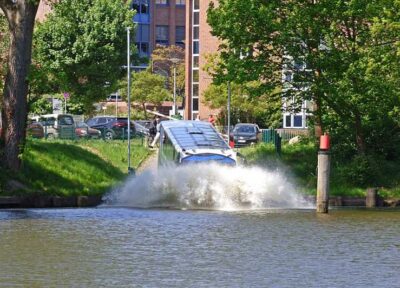 ★ 4.0Lübeck: 1-Hour Splash Bus City TourFrom $352,626 reviews
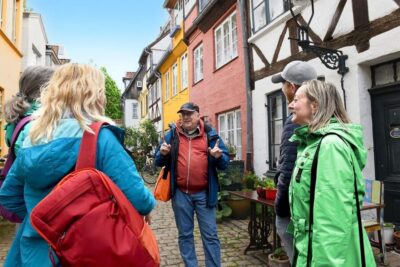 ★ 4.7Lübeck: entertaining guided tour to old town highlightsFrom $16594 reviews
 ★ 4.7Schwerin: City Highlights Guided TourFrom $12541 reviews
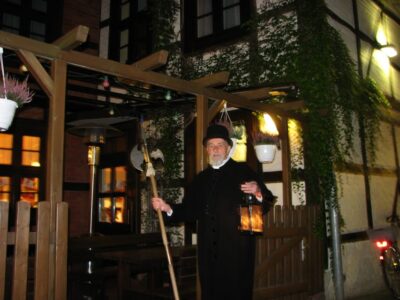 ★ 4.5Schwerin: Tour with the Night WatchmanFrom $15366 reviews
 ★ 4.6Stralsund: 1-Hour Harbor CruiseFrom $15365 reviews
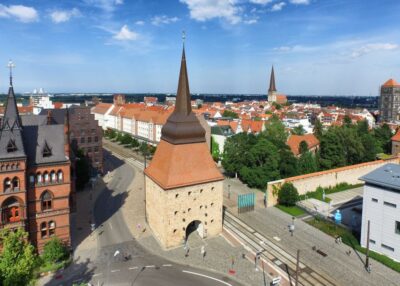 ★ 4.5Rostock: Guided tour of the historic city centerFrom $17311 reviews
 ★ 4.5All-in-One Berlin Shore Excursion from WarnemundeFrom $83293 reviews
 ★ 4.0SEA LIFE Timmendorfer Strand TicketFrom $20256 reviews
Other lists this tour is on