
REVIEW · TICKETS
Cologne: Virtual Reality Time Travel Experience Ticket
VR turns Cologne into 1926. This 45 minute TimeRide ticket strings together three connected stops, with a cinema film, a hat shop story featuring Tessa, and then a 360° virtual streetcar ride showing what central landmarks looked like before WWII destruction. You get a very Cologne way to learn history, not by reading plaques, but by moving through scenes that feel like period daily life.
I really like the blend of low tech and high tech, the kind where the hats are real and the VR graphics do the big magic. I also like that you follow a storyline with hatter Tessa and the streetcar driver Pitter, which makes the whole thing feel less like a random tech demo. One drawback to plan for: it is mostly visual and tightly timed, so it can feel a bit quick if you want more about what happened after the war.
In This Review
- Key things to know before you go
- Golden Twenties Cologne in 45 minutes, without the museum fatigue
- The Lichtspielhaus cinema stop: 1920s movie palaces in a short film
- Tessa’s hat shop and the Riedschneider family: why Cologne hats mattered
- The VR tram ride in 1926: 360° streetcar views and a Neumarkt finale
- English guidance, plus a mostly visual format that works for glasses
- Value and cost: what $23 buys you in the center of Cologne
- Who should book this TimeRide Cologne VR ticket?
- Should you book it?
- FAQ
- How long is the TimeRide Cologne VR experience?
- What parts are included in the tour?
- Is there a live guide and what languages are available?
- Is the experience suitable if I wear glasses?
- What is not included with the ticket?
- Are there any restrictions on what I can bring or do?
- Is it appropriate for young children?
Key things to know before you go
- Three stops, three tempos: a short cinema film, a guided hat shop sequence, then a VR tram ride, each roughly 15 minutes.
- A story led by names you remember: Tessa at the hat shop and Pitter on the streetcar thread the experience together.
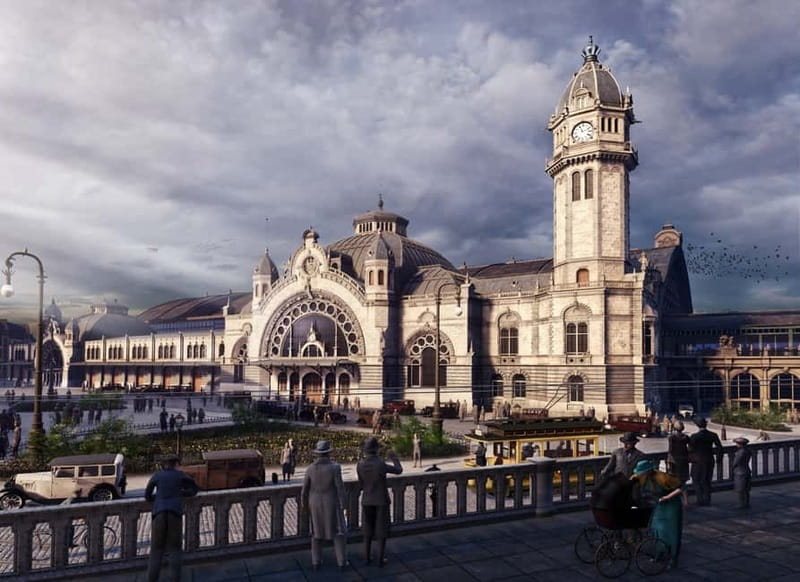
- 360° views of iconic places: you see pre-war Cologne areas, including the Cathedral surroundings, old main train station, and theaters, from inside the VR ride.
- Old Cologne with missing context: the focus is 1920s to the Neumarkt finale, so you get less post-WWII coverage than some history lovers want.
- English or German live guidance: live tour guides are available in English and German, plus the VR and film elements follow the tour flow.
- Indoor, mostly visual, glasses friendly: it is a good option when the weather is ugly, and it is designed to work for people who wear glasses.
Golden Twenties Cologne in 45 minutes, without the museum fatigue
Cologne has plenty of museums, but this experience goes at a different speed. Instead of one big exhibit hall, you get a time travel storyline across three environments, each built to keep your attention. The total duration is about 45 minutes, with starting times that vary by day, so it fits neatly between other plans in the city center.
What makes this ticket interesting is how it uses everyday 1920s life as the entry point. You do not just see landmarks. You move through a period setting where movie palaces, hat culture, and a streetcar ride are treated like parts of normal routine. That matters, because it helps history feel like people actually lived it, not just dates on a wall.
The Lichtspielhaus cinema stop: 1920s movie palaces in a short film
Your first scene is the cinema, presented as a 1920s Lichtspielhaus, a period movie palace. In this part, you take a seat for a short film in a style meant to reflect the historical era, focused on how Cologne developed during the twenties. The timing is about 15 minutes, so it is not a long lecture, and it is designed to set the mood for what comes next.
Why this stop works for most visitors: it gives you a simple visual framework for the rest of the story. Once you understand how the movie scene fit into everyday life, the later hat shop details feel less random. It also keeps the experience indoor, which is a big deal in Cologne, where plans can get derailed by rain.
Possible consideration: the experience is described as mostly visual. If you prefer lots of spoken history or hands on museum time, you might wish for more audio depth during this cinema segment. Still, the pacing is tight, so you are not stuck in a long video before the fun part.
Tessa’s hat shop and the Riedschneider family: why Cologne hats mattered
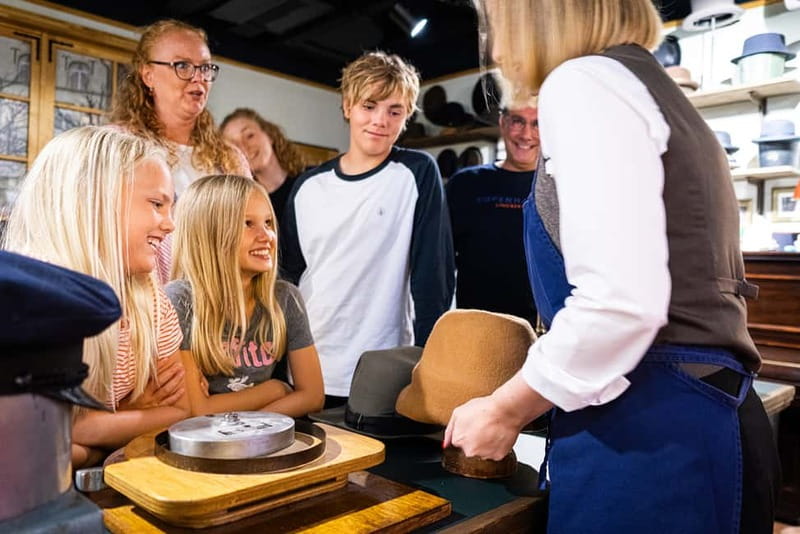
The second stop is the hatter’s store, tied to the Riedschneider family, and led by Tessa. This is where the experience adds physical texture. Hats are not just talked about, they are part of the attraction, and the shop is presented as a decorated place that explains both the art of wearing hats and the craft of making them.
In the 1920s, hats were everywhere, and the choice said something about the wearer. That is the core idea behind this section. You also learn about Tessa’s urgent special order, and the question of whether the delivery will arrive on time at Neumarkt, thanks to Pitter. In other words, you get a small narrative hook. It is not just fashion trivia.
Two details I think you will appreciate:
- The shop uses originals from the Diefenthal family of hat makers in Cologne, which gives the period feel more credibility.
- The story tie in, the delivery to Neumarkt, connects this cozy store scene to the later streetcar VR portion.
Main drawback to keep in mind: some people feel the hat shop area can feel a bit rushed. If you are the type who could spend 30 minutes trying hats on and studying details, aim to enjoy it quickly rather than expecting a slow, boutique shopping experience.
The VR tram ride in 1926: 360° streetcar views and a Neumarkt finale
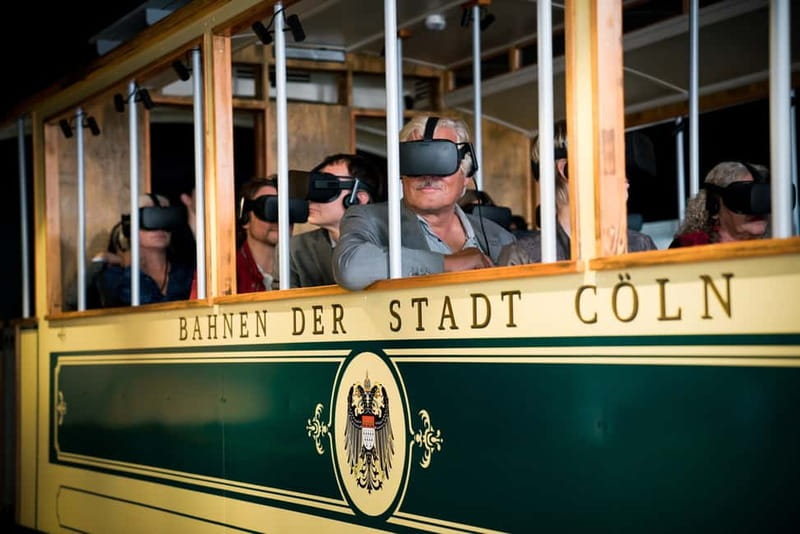
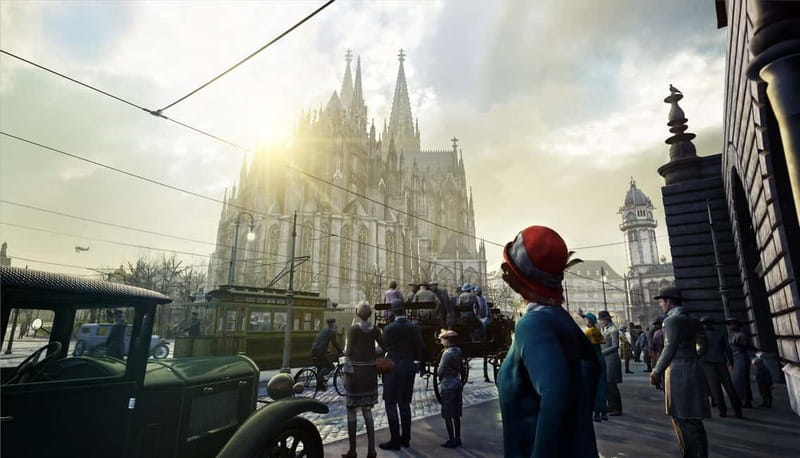
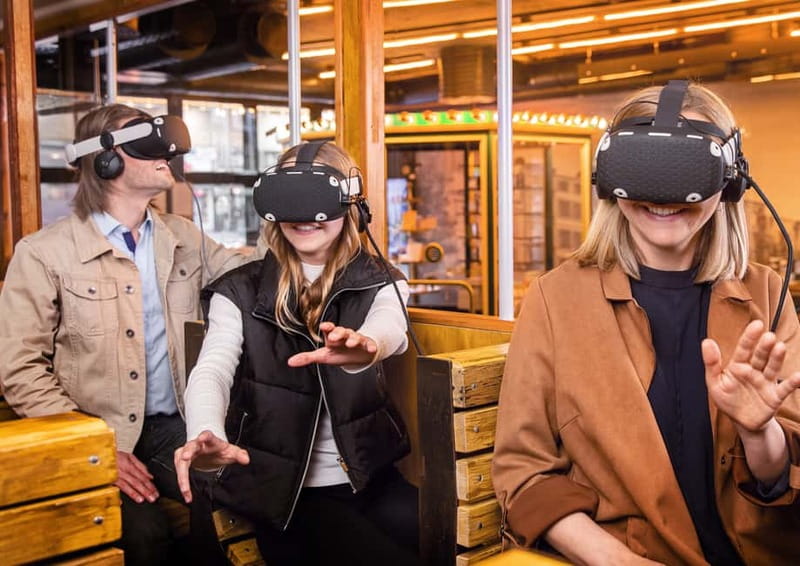
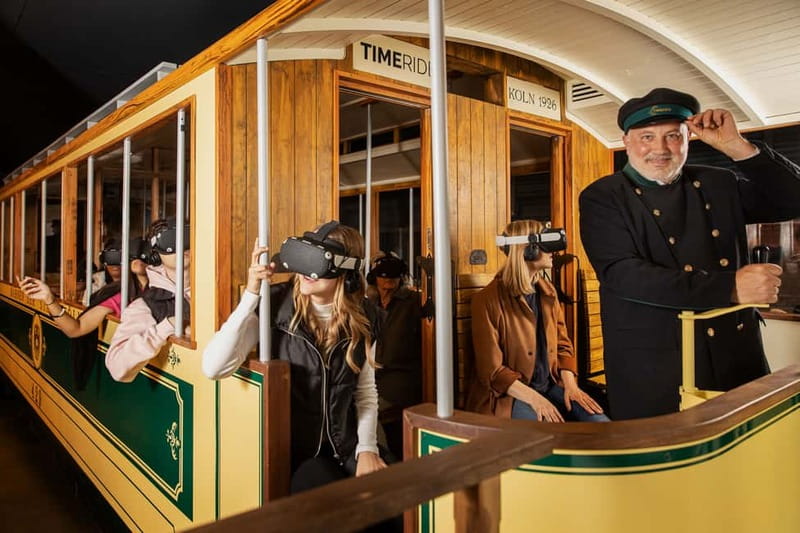
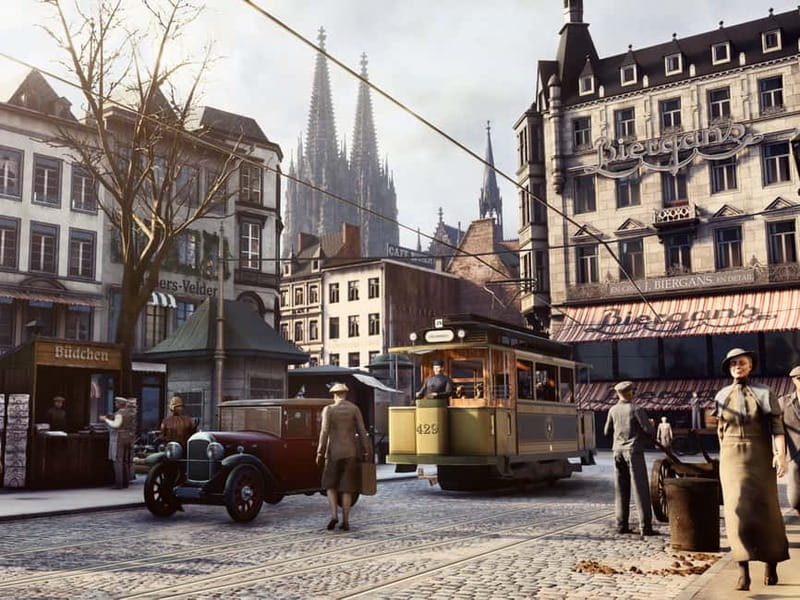
The highlight is the VR ride, where you time travel to 1926 on the first electric Cologne streetcar. You use VR goggles for a 360° panoramic experience. The big promise here is seeing the city’s beauty before its destruction in WWII, with iconic landmarks that have disappeared or changed dramatically.
From the information provided, the VR ride includes several recognizable anchors:
- Cologne Cathedral surroundings as they were at the time
- the old main train station
- the Schauspielhaus theater
- the city hall associated with Konrad Adenauer
- additional landmarks in the broader city center
This is the part that tends to feel like a video game, in the best way. You are not reading facts, you are looking around as if you are standing on a streetcar route through a version of Cologne that no longer exists. That makes the lesson stick. You leave remembering the places, not just the storyline.
Then the trip ends at Neumarkt with a carnival style “Grand Finale.” The mood shifts to a lively city atmosphere, a cultural payoff for finishing the VR sequence.
If you are sensitive to tech glitches, keep one thing in mind. A few people reported minor technical issues. It is still rated very highly overall, but it is smart to arrive with patience, because this is a technology based attraction.
English guidance, plus a mostly visual format that works for glasses
You can get live tour guidance in English or German. The guides are described as live, and they also interact helpfully. This matters because the experience has multiple parts, and you want smooth transitions from cinema to shop to VR ride.
A practical point: the tour is mostly visual. That is not a bad thing, but it does mean your attention stays on what you see through film sets and VR goggles. If you like history told mostly through visuals and guided prompts, you are in the right place. If you want lots of spoken lectures, you may find the story is lighter on narrative detail.
Good news for optical needs: it is suitable for people who wear glasses. Also, there may be a wait at the entrance, so give yourself a little buffer if you are tight on time.
Value and cost: what $23 buys you in the center of Cologne
At about $23 per person, this ticket sits in the mid range for an attraction in a major European city. The real value is not only the VR. It is the combination:
- entrance ticket included
- technical equipment included (the VR setup)
- fees and taxes included
- live tour guide in English or German
- skip the ticket line
Also, the duration is about 45 minutes, which is efficient for a city day. You can do this, then still have time for a walk around Neumarkt or a longer plan elsewhere without feeling like you gave up half your day.
What is not included is food and drinks. So treat it as a standalone activity and plan your snack or meal before or after.
One pricing note from the pattern of feedback: some people felt the price was a bit high for the length and for how fast the hat shop section can feel. If you are expecting a long, content heavy tour, you may want to temper expectations. But if you want a fun, central, indoor experience that gives you a fast taste of 1920s Cologne, the price often feels fair for what you get.
Who should book this TimeRide Cologne VR ticket?
This ticket is best for people who want history to feel playful and cinematic. It is also a strong choice when you want something central and weather proof.
You will likely enjoy it if you:
- like VR experiences but want them paired with real storytelling and a physical set
- enjoy fashion details and the idea that hats were status and personality in the 1920s
- want to see how Cologne looked before WWII destruction, without committing to a full day in museums
- are traveling with mixed interests, because cinema, hats, and VR each hit a different nerve
It is less ideal if you:
- want a deeper, chronological history beyond the 1920s focus
- prefer long spoken explanations and extensive time in each stop
- dislike technology based attractions in general, especially if you worry about occasional technical issues
Should you book it?
Yes, I think you should book this if you want a short, central, indoor time travel experience that turns major Cologne landmarks into something you can look around in. The standout elements are the VR tram ride visuals, plus the hat shop story with Tessa and the streetcar driver Pitter, which gives the whole thing a clear theme.
If you are the type who needs more time in each room, or you want the story to move beyond the 1920s into later periods, you might feel slightly underfed. For a 45 minute plan, though, it is a fun use of your time and a practical rainy day option.
FAQ
How long is the TimeRide Cologne VR experience?
The experience lasts about 45 minutes. Starting times vary, so it is worth checking availability for the day you plan to go.
What parts are included in the tour?
You go through three stops: a cinema section with a short 1920s style film (about 15 minutes), a hatter’s store led by Tessa (about 15 minutes), and a VR streetcar ride set in 1926 with a Neumarkt finale (about 15 minutes).
Is there a live guide and what languages are available?
Yes. There is a live tour guide available in English and German.
Is the experience suitable if I wear glasses?
Yes. The tour is described as suitable for people who wear glasses.
What is not included with the ticket?
Food and drinks are not included.
Are there any restrictions on what I can bring or do?
Pets are not allowed, and flash photography is not allowed.
Is it appropriate for young children?
It is not suitable for children under 6 years old.
Tickets, side by side.
 ★ 4.7Dresden: Semperoper Tickets and Guided TourFrom $1812,102 reviews
 ★ 4.5Berlin: Jewish Museum Berlin Entrance TicketFrom $08,393 reviews
 ★ 4.6Berlin: Berlin Story Bunker Entry TicketFrom $216,759 reviews
 ★ 4.7Hamburg: Hamburg Dungeon Admission TicketFrom $335,745 reviews
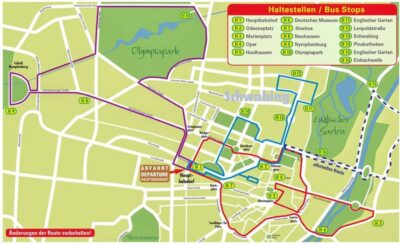 ★ 4.3Munich Hop-On Hop-Off Tour: 1-Day or 2-Day TicketFrom $274,161 reviews
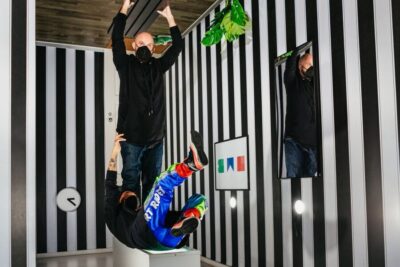 ★ 4.1Berlin: Illuseum Berlin Entrance TicketFrom $183,970 reviews
 ★ 4.6Berlin: Madame Tussauds Admission TicketFrom $253,941 reviews
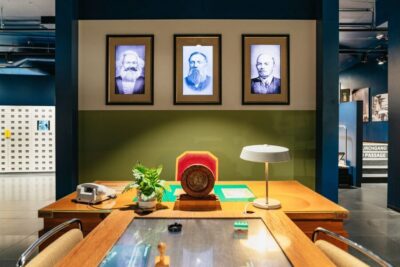 ★ 4.3Berlin: DDR Museum TicketsFrom $153,443 reviews