
REVIEW · COLD WAR BERLIN
Berlin: Berlin Story Bunker Entry Ticket
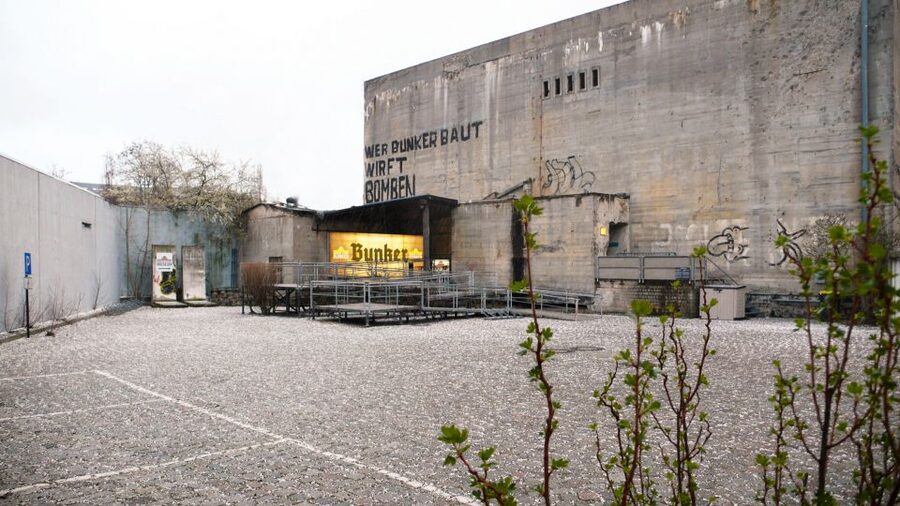
A bunker museum that makes Berlin’s darkest era plain. The Berlin Story Bunker is a purpose-built space near Anhalter Bahnhof and Potsdamer Platz, where you walk through Berlin’s 800-year timeline and then into a WWII world centered on National Socialism.
I especially like the multilingual audio guide, because it helps you keep moving through lots of text and short films without feeling lost. One trade-off: this visit is not suitable for people with mobility impairments.
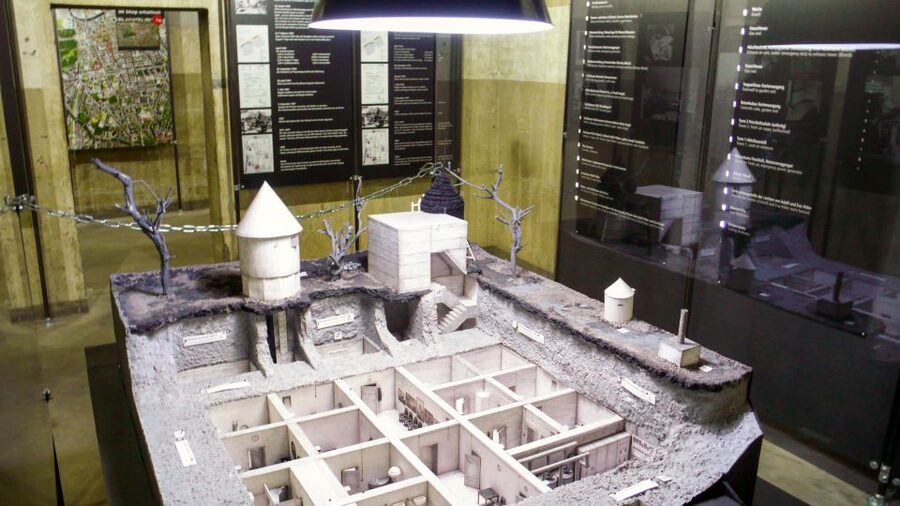
What I like most is the structure, it’s built like a story you can follow step by step. You cover 50 stations with large installations, photographs, and short film sequences, and the exhibition includes a full-scale Führerbunker replica plus a model of Hitler’s bunker layout. The main practical consideration is that you should budget enough time, because this place is heavy on reading and walking.
In This Review
- Key moments worth planning for
- Berlin Story Bunker at Anhalter Bahnhof, what the setting does to the story
- How the exhibition flows, from Imperial times to the Berlin Wall
- The “50 stations” approach, why it feels more than just a display room
- Hitler’s rise and the reign of terror, what you actually learn here
- The preserved spaces and the bunker reality check
- Audio guide strategy, how to avoid getting frustrated with the device
- Time planning, how long you should set aside and how the museum rhythm works
- Rules that affect your visit, cameras, video, and what to do with that
- Who should book this and who should skip it
- Value: is $21 worth it for a 1-day Berlin Story Bunker ticket?
- Should you book the Berlin Story Bunker entry ticket?
- FAQ
- Where is the meeting point for the Berlin Story Bunker ticket?
- How long is this experience valid for?
- What time is the last entrance?
- What languages are available on the audio guide?
- Is the audio guide included with the ticket?
- Can I take photos or record video inside?
- Is this museum suitable for mobility impairments?
Key moments worth planning for
- Berlin in time order: You start with Imperial times and move through the fall of the Berlin Wall, following the power shifts in and around the city.
- 50 stations: Large installations, photos, and short film segments keep the story moving beyond a simple hallway.
- Hitler’s rise gets context: You learn how power was taken and how terror followed, not just dates and names.
- Führerbunker replica: A full-scale Hitler bunker recreation, with a model of the Führerbunker, anchors the WWII section.
- A lot of on-site reading: Expect text-dense exhibits, and plan for slow, careful pacing.
More of the divided city, written up in full
- Berlin: Third Reich and Cold War 2 Hour Walking Tour★ 4.9 · 6,830 reviews
- Berlin: Berlin Story Bunker Entry Ticket★ 4.6 · 6,759 reviews
- Berlin’s Best: 2 Hour Walking Tour Third Reich and the Cold War★ 5.0 · 5,486 reviews
- Berlin: 75-minute Trabi Safari★ 4.8 · 2,854 reviews
Berlin Story Bunker at Anhalter Bahnhof, what the setting does to the story
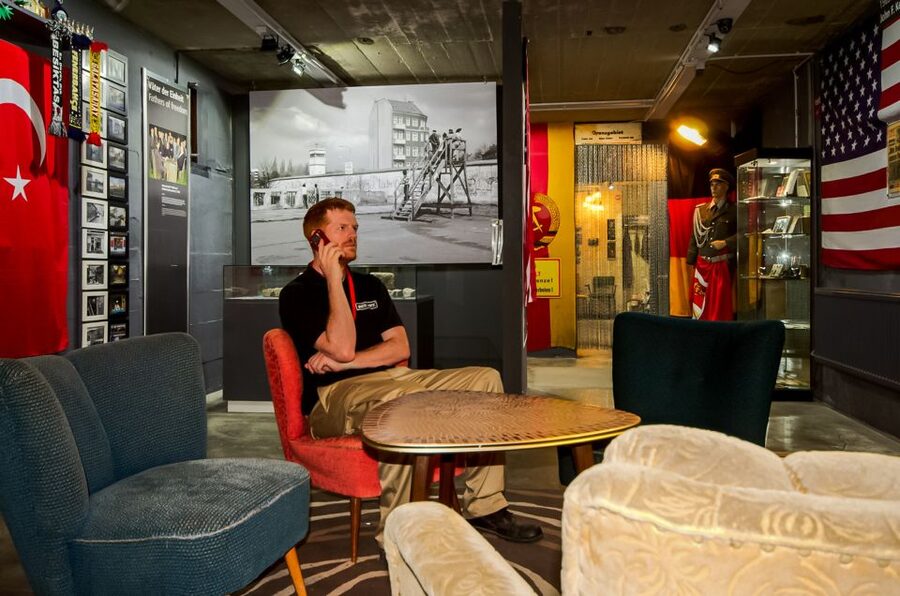
Berlin Story Bunker is not a white-box museum. It’s a bunker setting, and the building shape matters because it supports the emotional tone: cold, tight, and controlled. The experience is designed around audio, so you’re not just staring at display cases. You’re walking through stations, while the guide explains what you’re seeing and what it meant.
The location is a plus for scheduling. It sits in the area around Anhalter Bahnhof and Potsdamer Platz, so it fits neatly into a day that also includes central sights. If you like history that connects to city geography, Berlin makes that easy.
The exhibition focus is blunt, and that’s the point. You step back in time into the era of National Socialism, then follow the rise to power and the reign of terror. You also learn about Berlin’s role as the center of political power during key periods.
How the exhibition flows, from Imperial times to the Berlin Wall
The visit is built as a long timeline. You begin with Imperial times, then move forward through the 20th century, including WWII and the events that followed. The way it’s paced helps you see how Berlin changed as governments changed, and how power worked in the real world, not just in speeches and posters.
Expect three layers to the experience. First is the broad Berlin sweep, where you see installations, photographs, and short film sequences connected to the city’s longer arc. Second is the WWII and National Socialism period, where the museum slows down to explain how Hitler’s rise happened and how terror took hold. Third is the bunker ending, where the Führerbunker replication turns the history into something spatial and hard to ignore.
This floor-by-floor, station-by-station structure is helpful if you’re not a super museum person. You still get a lot of information, but you aren’t forced to read every single sign from start to finish in one sitting. You move section to section, guided by the audio you choose.
The “50 stations” approach, why it feels more than just a display room
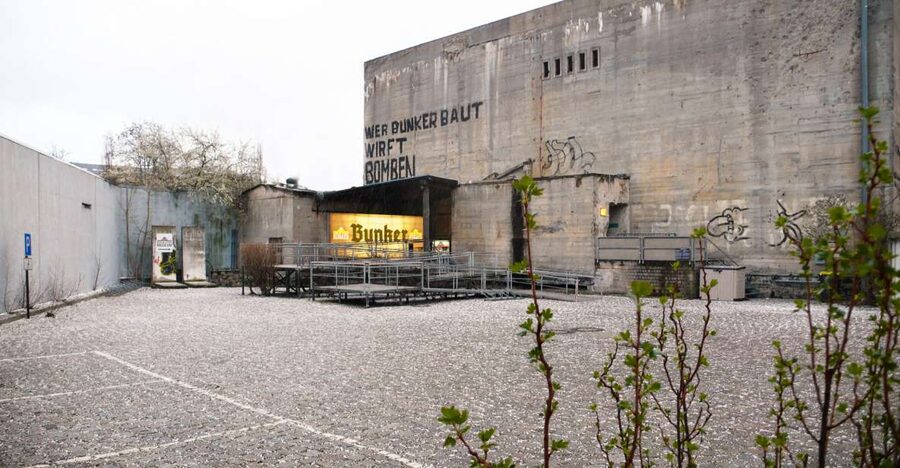
Berlin Story Bunker uses a station design, with lots of large installations, photos, and short film sequences. That format matters because it reduces the chance you’ll miss a key idea. Instead of one huge wall of text, you get smaller story units that you can take in as you walk.
I like this approach for two reasons. It keeps your attention from dropping, and it gives your brain a way to organize the material. When you’re dealing with WWII and Nazi rule, structure is not a luxury, it’s a survival tool for comprehension.
You’ll also notice the exhibit relies heavily on visuals. There are countless photographs, and the short film sequences help you connect the “what happened” with “what it looked like.” The downside is also clear: the experience is text-heavy and walking-heavy, so you should bring comfy shoes and plan to stand and read.
Hitler’s rise and the reign of terror, what you actually learn here
This museum doesn’t treat the Nazi era like a chapter in a textbook. It focuses on the process of Hitler’s rise to power and what followed after. You learn about the bloodiest war of mankind and you see Berlin’s role within that story, including why the city mattered politically.
There’s a practical value here, even if you already know some WWII basics. The exhibition helps you connect decisions to consequences. It’s not just a timeline of events, it’s an explanation of how power was taken, maintained, and weaponized.
The experience can also be emotionally intense. Some displays use unfiltered photographs, and some images can be graphic. If you’re sensitive to war imagery, you’ll want to pace yourself and take breaks when needed.
One helpful note, staff and guides can shape how hard topics land. In the same spirit, one guide named Sergio is praised for explaining a difficult situation in a way that stays clear while still respecting historical detail. Even if you use only the audio guide, it helps to know the museum staff is used to teaching people who may not come in with deep background.



The preserved spaces and the bunker reality check
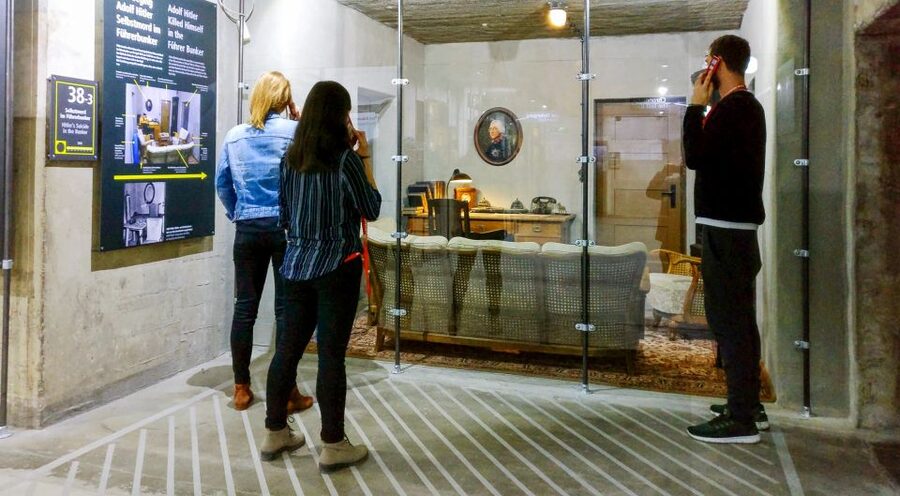
One of the most striking parts of the experience is that it goes beyond a museum set. A floor in the complex is conserved in original condition from the 1940s, and that gives the exhibition an extra layer of realism. That kind of preserved space changes how you interpret the surrounding displays because you’re not only reading about the past, you’re standing in part of the physical environment that survived.
Then comes the headline attraction: the full-scale replication of Hitler’s bunker. You can walk through a recreated space and see a model of the Führerbunker. That combination, walking through the room-like structure and then looking at the layout model, makes it easier to understand how the bunker worked as a system, not just a myth.
This isn’t an interactive, game-like experience. You’re expected to observe, read, and let the story unfold at your pace. For some people, that’s exactly what makes it powerful.
Audio guide strategy, how to avoid getting frustrated with the device
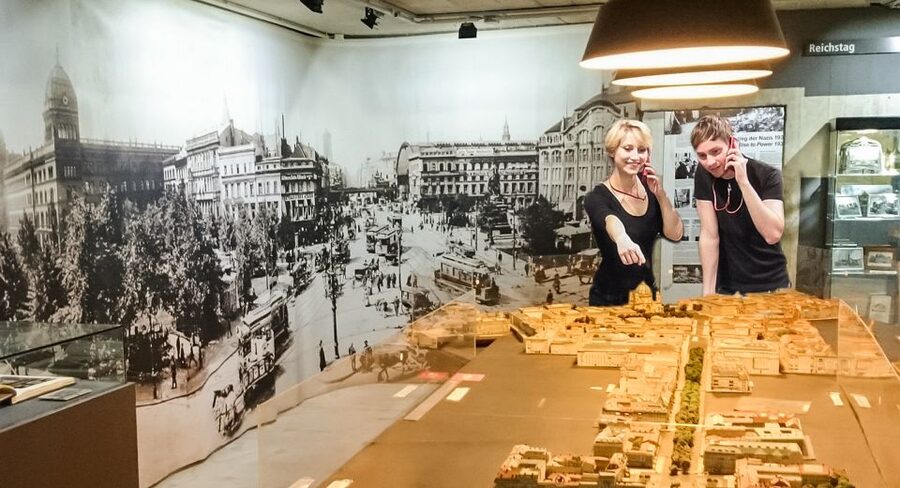
The ticket includes an audio guide, with language options including English, Spanish, French, German, Italian, Danish, Dutch, Russian, Hebrew, Portuguese, Ukrainian. That’s a real advantage because you can match the language to your comfort level while still following the station logic.
Here’s how to make the audio experience smoother. Use the audio like a guide to what to pay attention to, not as something you race through. The museum is full of information, and going too fast makes it harder to absorb.
Also, be aware that the audio device can be a little glitchy. One person reported that pressing certain numbers could jump to an unintended chapter, but they found an easy fix by using the next control to move forward section by section. If something feels off, don’t assume you’re stuck, just step forward to the next segment.
If you’re traveling with mixed language needs, the broad language list is a strength. It means you don’t have to compromise your understanding or rely on one person translating everything.
Time planning, how long you should set aside and how the museum rhythm works
This is a half-to-full-day kind of visit. Some people plan for 2 hours and still end up needing more time. Others spend 4 to 5 hours because they read a lot of boards and want to revisit sections slowly.
My practical advice is to plan on around 3 to 5 hours, depending on how much you read and how often you pause. If you want to see the Führerbunker replica carefully, take your time in the WWII sections, and stop to absorb photos and short films, you’ll likely land on the longer end.
Also note the timing constraint. Last entrance is at 5:30 PM. That matters if you’re pairing the bunker with other central Berlin plans. Build in buffer time so you don’t feel rushed near the end.
Rules that affect your visit, cameras, video, and what to do with that
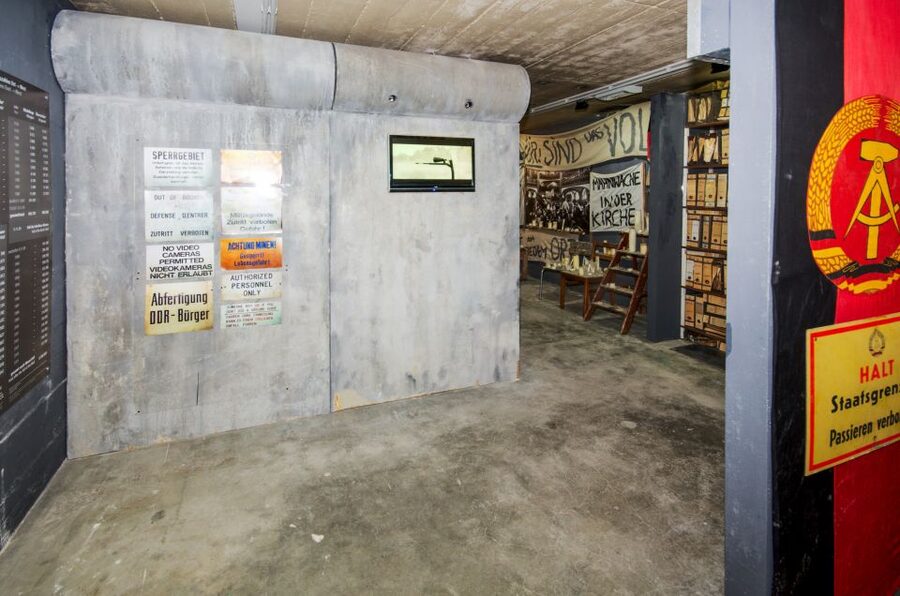
Inside the museum, you cannot take photographs, record video, or use any camera-style recording. This is a meaningful rule because it pushes you into a more reflective mode. You’ll be less distracted by screens and more focused on reading, listening, and observing the displays.
No pets are allowed either. If you’re coming with a dog or cat, plan for boarding or other arrangements.
There is a cafe and toilets on site, which is the kind of practical support you appreciate in a place where you may spend hours. The exhibition can feel warm, but many rooms have fans, and people report it doesn’t necessarily feel claustrophobic if you pace yourself.
Who should book this and who should skip it
This ticket is a strong match for you if you want to understand how Berlin ties into WWII and the rise of National Socialism. You’ll also enjoy it if you like structured history that moves chronologically from Imperial times to the fall of the Berlin Wall. The station design helps you follow the story without needing a traditional live tour.
You might think twice if you have mobility impairments, since the experience is not suitable for that. It also may not be ideal if you strongly dislike text-heavy exhibits or if war imagery will hit too hard emotionally. Even though the museum aims for respect, the material is serious and can be graphic.
If you’re traveling with teens or older kids, it can work if they are ready for challenging history. People describe the exhibits as easier to follow than you might expect, and the audio guide helps bridge comprehension gaps.
Value: is $21 worth it for a 1-day Berlin Story Bunker ticket?
At about $21 per person for a 1-day entry, I think the value is solid, especially because it includes the audio guide and a lot of guided structure. You’re not paying only for the Führerbunker replica. You’re paying for the full WWII and Berlin timeline build: 50 stations, countless photographs, short films, and a built-in audio layer in many languages.
The “value” question comes down to time. If you give it the time it needs, the cost spreads out across hours of meaningful content. If you only have an hour or two and you’re trying to rush, the experience can feel crowded by information rather than guided by it.
For most people who can spend half a day to most of a day, it’s a price that compares favorably to other ticketed museums in central Berlin, especially with the audio guide included and the skip ticket line benefit.
Should you book the Berlin Story Bunker entry ticket?
Book it if you want an audio-guided, station-based way to learn about Berlin’s WWII era and Hitler’s rise, and especially if the Führerbunker replica is on your must-see list. The combination of Berlin’s timeline, WWII context, and the bunker setting makes this more than just a quick stop.
Skip it if mobility is an issue for you, or if you know you won’t handle graphic wartime photography and text-heavy exhibits. If you’re unsure, consider how much time you can realistically give it before dinner, and whether you want a structured walk-through rather than a lighter, sightseeing-focused museum day.
FAQ
Where is the meeting point for the Berlin Story Bunker ticket?
The meeting point is the ticket office of the Berlin Story Bunker, Schöneberger Str. 23a, 10963 Berlin.
How long is this experience valid for?
The ticket is valid for 1 day.
What time is the last entrance?
The last entrance is at 5:30 PM.
What languages are available on the audio guide?
The audio guide is available in Spanish, English, French, German, Italian, Danish, Dutch, Russian, Hebrew, Portuguese, and Ukrainian.
Is the audio guide included with the ticket?
Yes. The entrance fee includes an audio guide.
Can I take photos or record video inside?
No. Cameras, video recording, and photography are not allowed inside.
Is this museum suitable for mobility impairments?
No. It is not suitable for people with mobility impairments.
The Divided Years, Reviewed
Everything else we filed on Berlin
- East Berlin: City of Shadows Walking Tour
★ 5.0 · 11 reviews - Berlin: Die Stachelschweine – Frank Lüdecke – Träumt Weiter
★ 4.7 · 11 reviews - Potsdam Day Trip from Berlin with a Local: Private & Personalized
★ 4.0 · 11 reviews - An Introduction to Berlin Walking Tour
★ 5.0 · 11 reviews - DJ for a Day: Learn to Mix Like a Pro in Berlin
★ 5.0 · 11 reviews - 2-H Segway Sightseeing Tour Berlin
★ 4.5 · 11 reviews
Cold War and Stasi History Tours, side by side.
 ★ 4.9Berlin: Third Reich and Cold War 2 Hour Walking TourFrom $236,830 reviews
 ★ 5.0Berlin’s Best: 2 Hour Walking Tour Third Reich and the Cold WarFrom $245,486 reviews
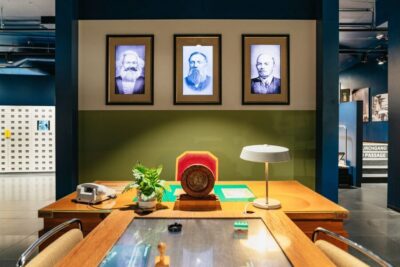 ★ 4.3Berlin: DDR Museum TicketsFrom $153,443 reviews
 ★ 4.8Berlin: 75-minute Trabi SafariFrom $932,854 reviews
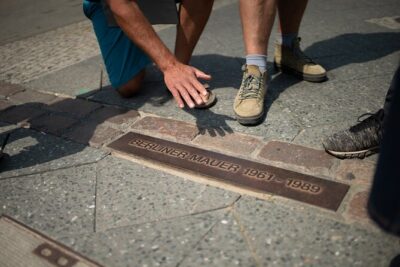 ★ 5.0Cold War, Berlin Wall, Spies and the East Side GalleryFrom $181,024 reviews
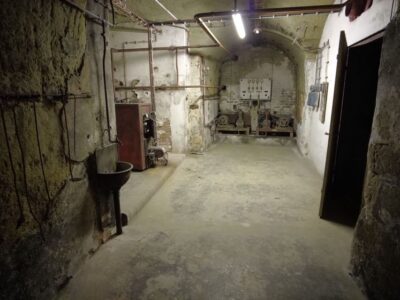 ★ 4.8Nuremberg: Historischer Kunstbunker WWII Art Bunker TourFrom $14921 reviews
 ★ 4.9Leipzig: 90-Minute Trabi City TourFrom $81728 reviews
 ★ 4.9Dresden: Guided Sightseeing Tour in Classic Trabi CarFrom $81642 reviews
Other lists this tour is on