
REVIEW · THE RHINE
Düsseldorf: Old town and banks of Rhine – heart and lifeline
Old Düsseldorf hits fast.
This private 100-minute walk mixes the glitzy feel of Königsallee with the stone-and-story charm of the Altstadt and the Rhine riverbank. I especially like how it orients you quickly to the city, then turns right into practical local rhythm, including brewery culture and where to find your ideal Altbier spot.
I also love the way the guide points out small things you would miss on your own, from church details around St. Lambertus to the signals of what used to be there around Burgplatz. One possible drawback: you get walking time, not a meal, so if you want a full food or drink crawl, you’ll need to plan extra time and budget beyond the tour.
You’ll meet at Tritonenbrunnen and follow a simple, efficient route with a live guide in German or English. The walking pace is manageable, but bring comfortable shoes, because you are on cobblestones and around a classic riverside promenade.
In This Review
- What makes this Düsseldorf Old Town and Rhine walk work
- Tritonenbrunnen to Königsallee: the city speed run
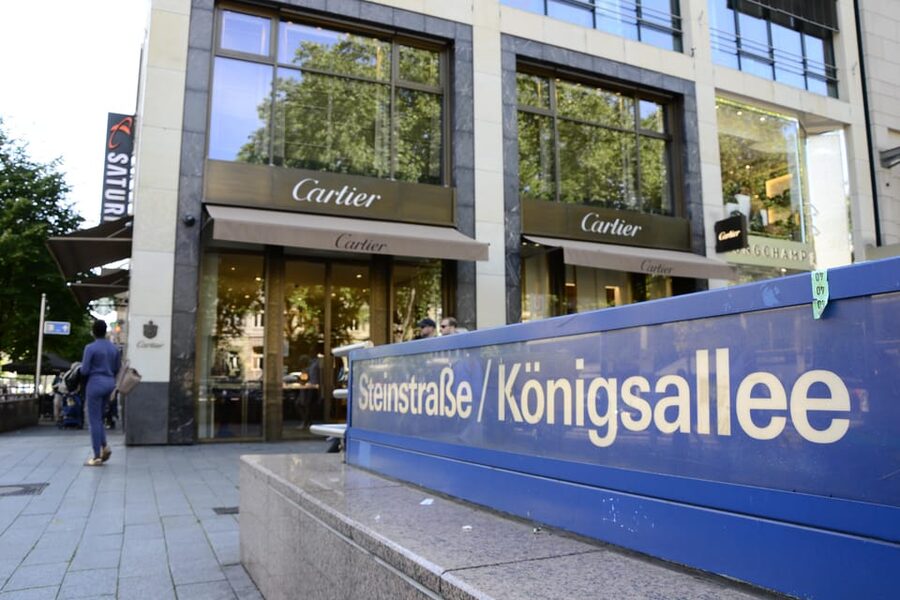
- Königsallee: luxury boulevard, local rhythm
- Altstadt cobblestones and St. Lambertus Church details
- Burgplatz and what’s left where Düsseldorf Castle stood
- Ratinger Straße, Altbier culture, and the world’s longest bar
- Rhine bank time on the Rheinuferpromenade
- Old Town Hall: the last landmark to anchor your walk
- Who this is best for (and who should plan differently)
- Price and value: what $212 per group is buying you
- Quick planning tips so the walk feels easy
- Should you book this Düsseldorf Old Town and Rhine banks walk?
- FAQ
- Where is the meeting point?
- How long does the walk last?
- What languages does the guide speak?
- Is food or drinks included?
- Is tipping included?
- Is this experience wheelchair accessible?
- What group size is this for?
- Is cancellation free?
- Can I reserve without paying right away?
What makes this Düsseldorf Old Town and Rhine walk work
- Königsallee to Altstadt in one smooth circuit so you see the contrasts without map stress
- Altbier focus with brewery context, plus help picking where to order
- St. Lambertus Church and Burgplatz add landmarks, not just shopping streets
- Rheinuferpromenade Rhine views for an easy reset partway through the walk
- Private group flexibility, up to 18 people, with a live local guide
More castles seen from the deck
- Düsseldorf: City Sightseeing Cruise on the Rhine★ 4.1 · 2,954 reviews
- Düsseldorf: Rhine Tower Adult Entry★ 4.5 · 638 reviews
- Düsseldorf: 2-Hour Evening Rhine River Cruise with Live DJ★ 4.1 · 248 reviews
- Düsseldorf: 2-Hour Segway Tour along the Rhine★ 4.9 · 175 reviews
Tritonenbrunnen to Königsallee: the city speed run
The tour starts where Düsseldorf likes to make a statement. You meet at Tritonenbrunnen, at the north end of the moat, with Triton looking out toward the shopping action along Königsallee.
From the first minutes, you get the big idea of the city: Düsseldorf can be polished and upscale, and it can also be old, local, and deeply river-shaped. That matters because it sets your expectations before you step into the cobbled lanes.
If you arrive a bit early, use that time to get your bearings. Königsallee is a wide, easy-to-follow axis, and once you see how the streets connect, the rest of the walk feels straightforward.
Königsallee: luxury boulevard, local rhythm
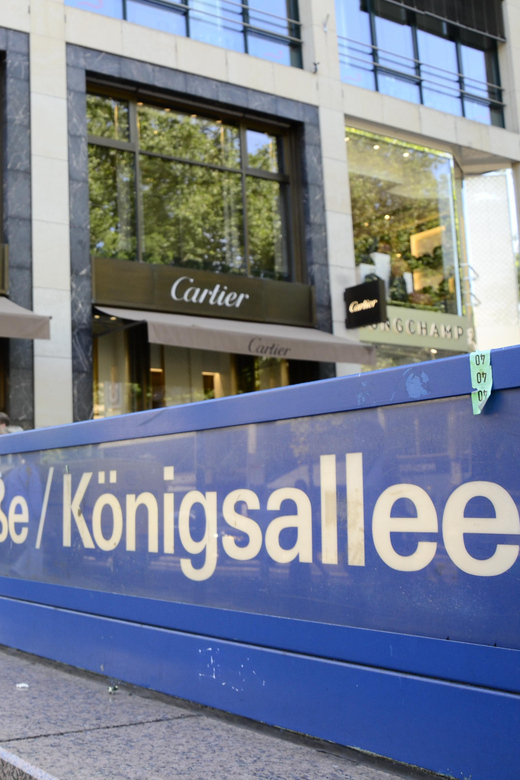
Königsallee is the famous luxury boulevard you’ve probably heard about, but this stop is not just a photo moment. The guide helps you connect what you’re seeing now with how the city uses this main axis as a social and commercial spine.
Even if luxury shopping is not your thing, this portion helps you understand where the day will unfold. It also gives you a visual contrast before the tour shifts into the older streets and smaller corners where most visitors slow down and actually look at details.
Expect quick pass-bys and orientation. It’s a good way to start, especially if you only have limited time in Düsseldorf.
Altstadt cobblestones and St. Lambertus Church details
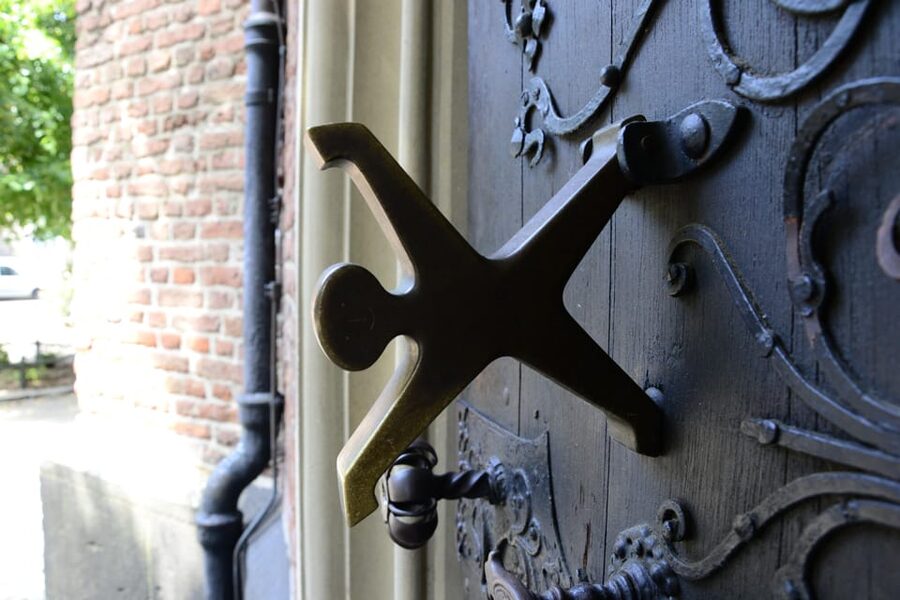
Once the route turns into the Altstadt, the feel changes fast. You’re on cobblestone streets and narrow lanes, the kind where you notice doorways, street-level signs, and the small architectural cues that make places feel lived-in.
This is where the tour earns its keep. The guide does more than point at sights. They give you context for why the area is laid out the way it is, and what to watch for as you move through.
St. Lambertus Church is the kind of landmark that can feel intimidating if you treat it as a stop only. Here, you get enough explanation to make it feel like a reference point. You’ll have an easier time spotting related areas as you walk and compare what you see with what the guide described.
The Altstadt section is also a smart time to pace yourself. The walking is active, but the sights encourage you to slow down for a few seconds at a time, which makes the whole route feel shorter.
Burgplatz and what’s left where Düsseldorf Castle stood
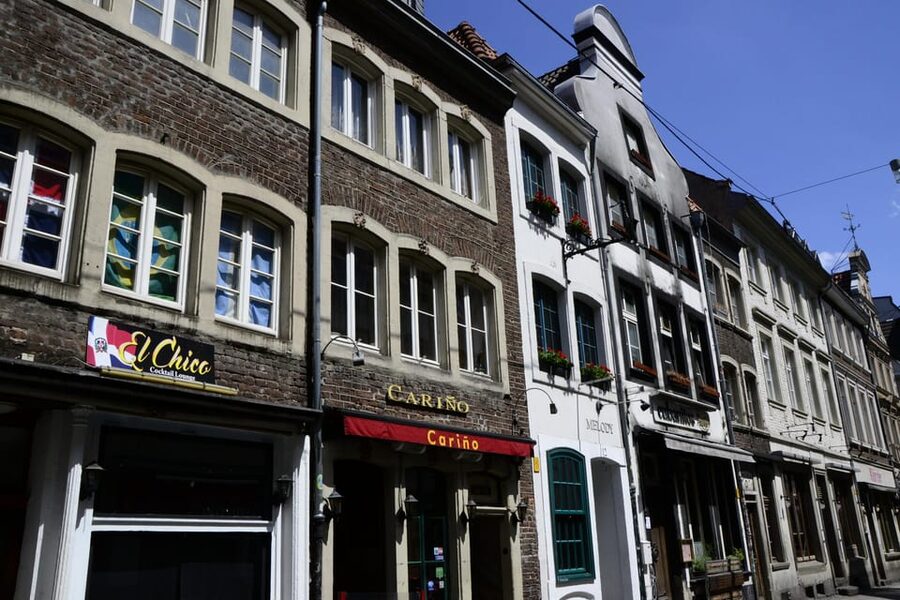
Next comes Burgplatz, a square that helps connect the old city to its defensive past. The guide takes you through what used to be at the site of Düsseldorf Castle and what remains there today.
The key benefit here is interpretation. You’re not just seeing a square. You’re learning how the site evolved, and why the space feels the way it does now. That changes how you experience the area, because you start reading the city in layers.
If you like history but don’t want a long lecture, this is a nice middle ground. You get the main storyline tied to a specific spot, then you move on before you get bored.
This is also a good moment to take a breath. Squares give you room to stand still, look around, and reset before the walk heads toward the Rhine.
More Rhine and Ruhr city days
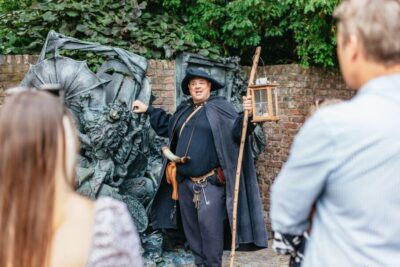
Ratinger Straße, Altbier culture, and the world’s longest bar
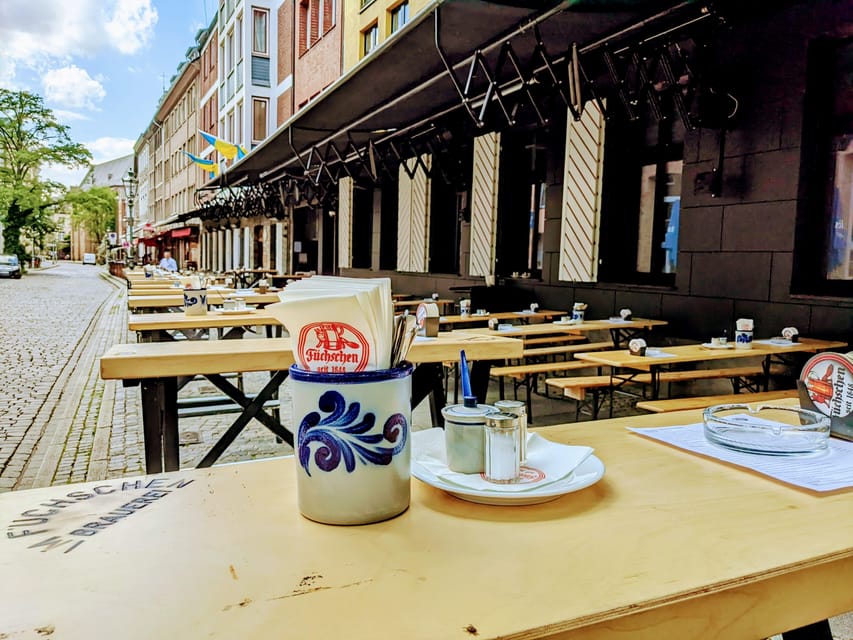
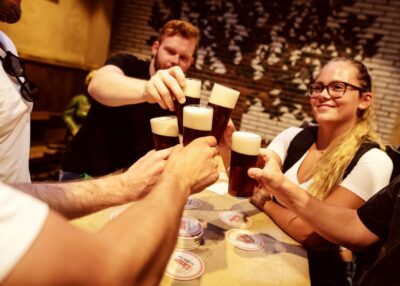
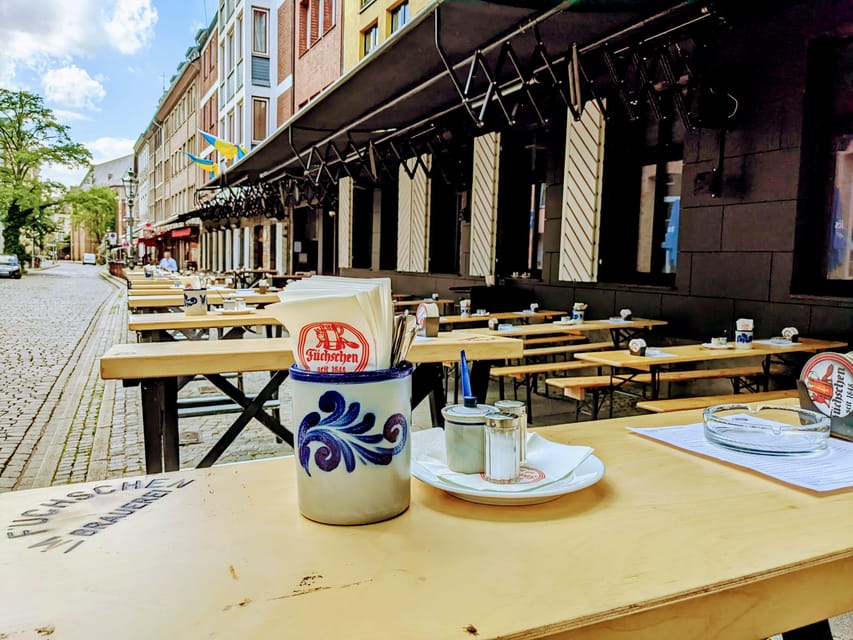
Then the tour leans into one of Düsseldorf’s most practical cultural exports: Altbier. You’ll spend time around Ratinger Straße and the brewery atmosphere, with the guide explaining how the local beer culture shaped the area.
A highlight here is the world’s longest bar concept. You pass by the kind of place where beer orders, regulars, and quick conversations are part of the scene. Even if you do not stop for a drink during the walk, seeing the setting helps you understand what makes Düsseldorf beer culture distinct.
What I like about this segment is the decision help. Instead of sending you to a random option, the guide shows you how to find your own ideal spot to savor Altbier based on what you want from the experience.
One important consideration: the tour does not include food or drinks. That’s not a problem, but it means you should plan your timing. If you want tasting, decide in advance whether you’ll grab a beer right before or right after the walk, so you do not feel rushed.
Rhine bank time on the Rheinuferpromenade
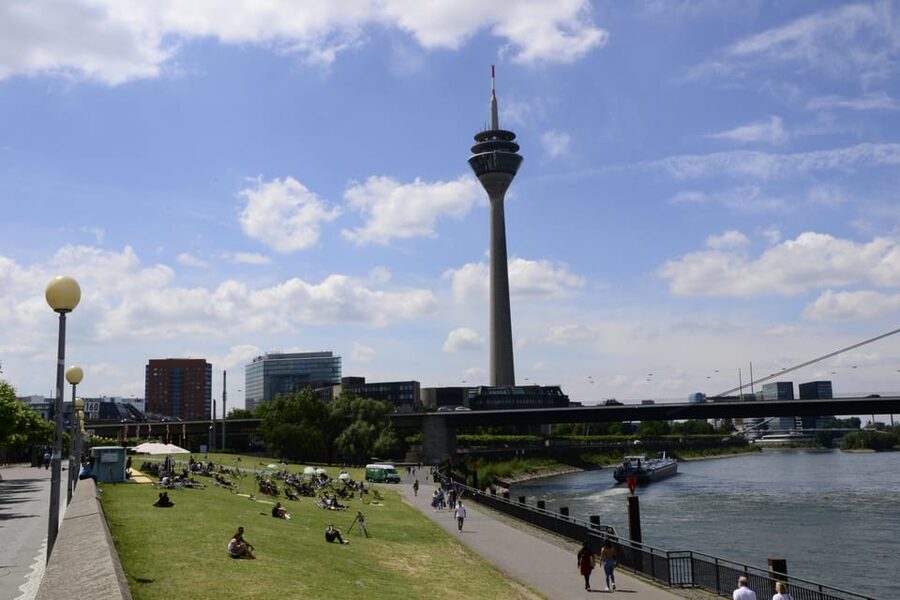
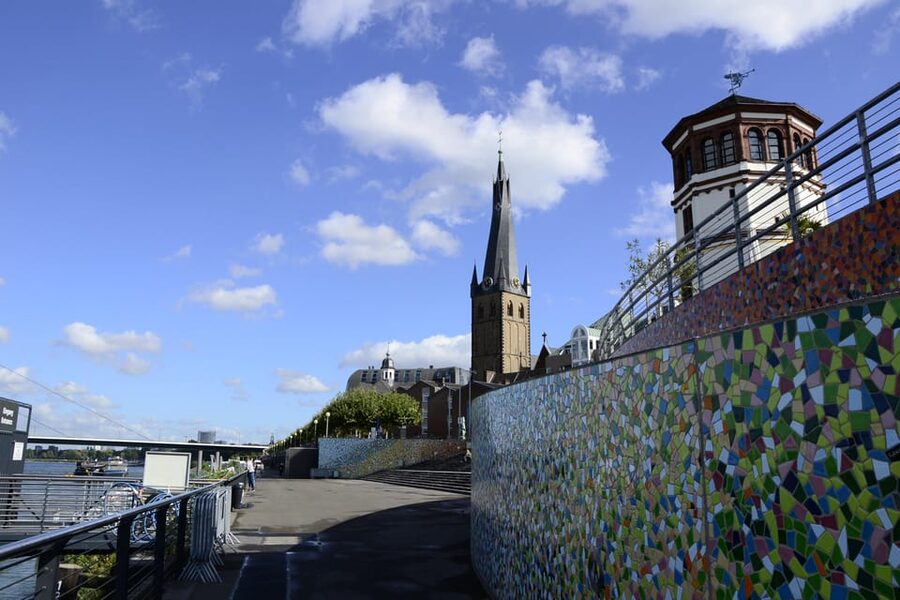
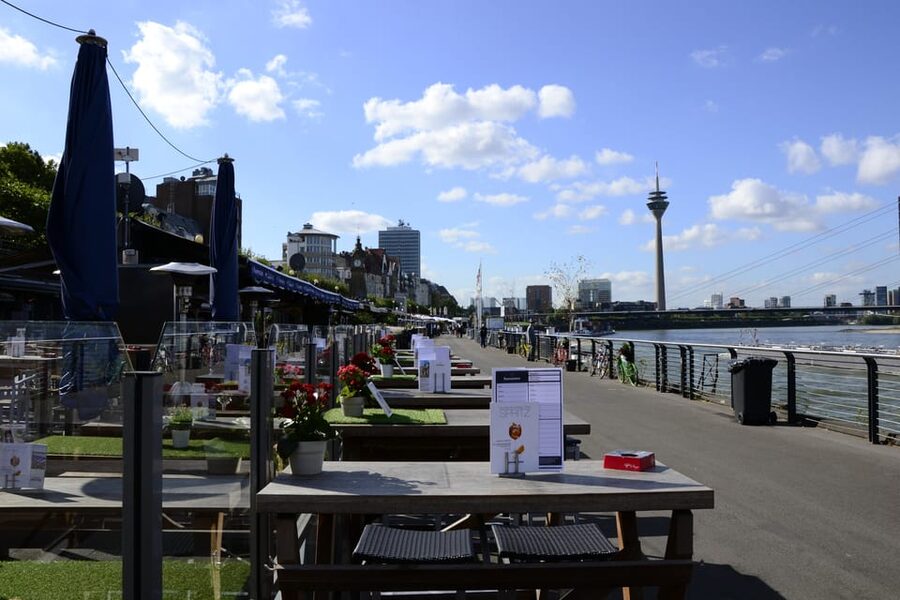
The tour finishes with the best kind of reset: Rhine riverbank time on the Rheinuferpromenade. This stretch gives you calmer views after the tighter streets of the Altstadt.
The Rhine is more than a pretty backdrop. Düsseldorf’s identity is tightly linked to the river, and being on the promenade makes that obvious. You can see why people gather here, why the city grew along this line, and why the river makes the city feel open even when you’re in a historic core.
This is also a great part for photos, but it’s also where you get the feeling of space. On cobblestones you focus on steps and storefronts. Here you can look farther, breathe, and notice how the city sits alongside the water.
If you’re sensitive to uneven ground, take your time along the promenade paths. This section is generally easier than cobblestones, but riverside areas can still be uneven in spots.
Old Town Hall: the last landmark to anchor your walk
You end with a stop near Old Town Hall, another landmark that helps tie the route together. By this point, you’ve already seen the shopping axis, the church area, the castle site traces, and the breweries.
So the final stop feels like the city’s civic center, not just another point on a map. It’s a natural place to pause and reflect on what you’ve learned, and it gives you a clean mental summary of where you are.
The guide’s last points here are especially useful if you plan to keep exploring after the walk. You’ll know what direction makes sense to continue, and which areas are likely to deliver the vibe you want.
Who this is best for (and who should plan differently)
This tour is ideal if you want a fast, guided orientation that still feels personal. You’ll get a mix of landmarks and local atmosphere without needing a huge time commitment.
It also works well for first-time visitors who want help choosing where to eat and drink later. The Altbier segment and the guide recommendations are especially useful if you hate making restaurant decisions while hungry.
It may be less ideal if you want a longer sit-down food tour. Since food and drinks are not included, you’ll probably want to tack on your own stop after the walk.
Because it’s a private group, you can also expect a more tailored pace than you would on a large group bus tour. The maximum group size is listed as up to 18 per group, so it’s not a tiny whisper experience, but it is still structured around a live guide.
Price and value: what $212 per group is buying you
The price is listed as $212 per group, up to 18 people, and the experience runs about 100 minutes with a local guide.
That value makes sense because you’re paying for guided context, not just walking past buildings. The guide helps you connect Königsallee and the Altstadt, explains what the castle site used to be, and gives you targeted advice for Altbier where to go based on your preferences.
Also, you avoid paying for food that you might not actually want. Since drinks and meals are not included, you can decide on the specific spot and moment that fits your day.
If you’re traveling with friends or family, the per-group pricing can be a smart way to keep costs under control while still getting a guide.
Quick planning tips so the walk feels easy
- Bring comfortable shoes, because you’ll be on cobblestones and in historic streets.
- Have a rough idea of what you want after the walk, since food and drinks are not included.
- If you prefer a specific guide style, ask about guide availability in advance. In past experiences, guides like Meike and Henning were singled out for strong language skills and finding hidden-feeling places.
- If you want the best experience with beer culture, decide ahead whether you’ll grab an Altbier during or right after the tour, then ask your guide for a pick.
Should you book this Düsseldorf Old Town and Rhine banks walk?
Book it if you want a smart first pass through Düsseldorf that covers the essentials without feeling like a checklist. The route gives you contrast, from Königsallee’s luxury strip to the Altstadt’s cobbled lanes, then finishes with Rhine river air on the Rheinuferpromenade.
Skip it only if you already know Düsseldorf well and you want a longer tasting-focused plan. This is about orientation, stories, and local decision help, not a sit-down meal package.
If you’re the kind of traveler who likes a guide who can point out details and then help you pick where to go next, this one is a strong fit.
FAQ
Where is the meeting point?
You meet at Tritonenbrunnen, at the north end of the moat.
How long does the walk last?
The tour runs about 100 minutes.
What languages does the guide speak?
The live guide speaks German and English.
Is food or drinks included?
No. Food and drinks are not included.
Is tipping included?
Tipping is not included.
Is this experience wheelchair accessible?
Yes, it is listed as wheelchair accessible.
What group size is this for?
It is a private group, with pricing listed for a group up to 18.
Is cancellation free?
Free cancellation is available up to 24 hours in advance for a full refund.
Can I reserve without paying right away?
Yes, reserve now & pay later is available.
Dusseldorf and the Ruhr, Reviewed
Further Along the Rhine
Everything else we filed on Dusseldorf
- Discover Dusseldorf’s most Photogenic Spots with a Local
★ 5.0 · 3 reviews - Whodunnit – Interactive city walk in Düsseldorf
★ 4.5 · 3 reviews - Dusseldorf Private Walking Tour With A Professional Guide
★ 4.5 · 3 reviews - Filmtour Düsseldorf: From Hollywood to Netflix
★ 4.9 · 4 reviews - Explore Dusseldorf’s Art and Culture with a Local
★ 5.0 · 4 reviews - Düsseldorf: Girls-only-tour with shots, party, fun & games
★ 4.5 · 4 reviews
Rhine Valley Castles and River Cruises, side by side.
 ★ 4.4Cologne: Top Sights Rhine River Cruise – Skyline TourFrom $283,030 reviews
 ★ 4.1Düsseldorf: City Sightseeing Cruise on the RhineFrom $232,954 reviews
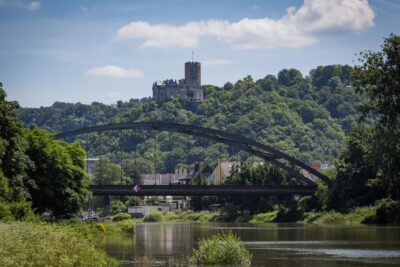 ★ 4.4Koblenz: Rhine Valley Castles and Palaces Boat TourFrom $211,824 reviews
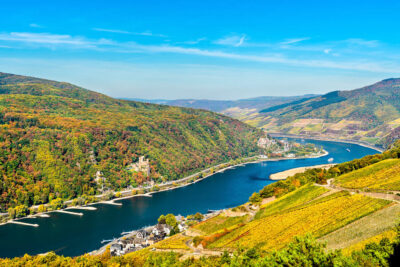 ★ 4.2Rhine Valley Castles: 1.5-Hour Boat Tour from RüdesheimFrom $191,390 reviews
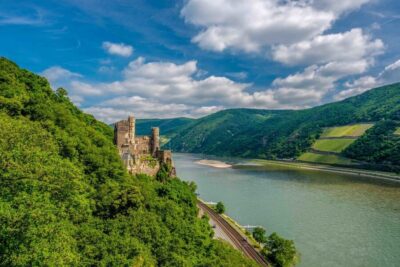 ★ 4.4From Frankfurt: Rhine Valley Day TripFrom $1751,317 reviews
 ★ 4.0Rhine Valley Trip from Frankfurt including Rhine River CruiseFrom $1671,179 reviews
 ★ 5.0Cologne City Tour Experience cathedral city on the RhineFrom $35852 reviews
 ★ 4.6Koblenz: 2-Hour Sightseeing Cruise on the RhineFrom $20839 reviews
Other lists this tour is on