
REVIEW · TICKETS
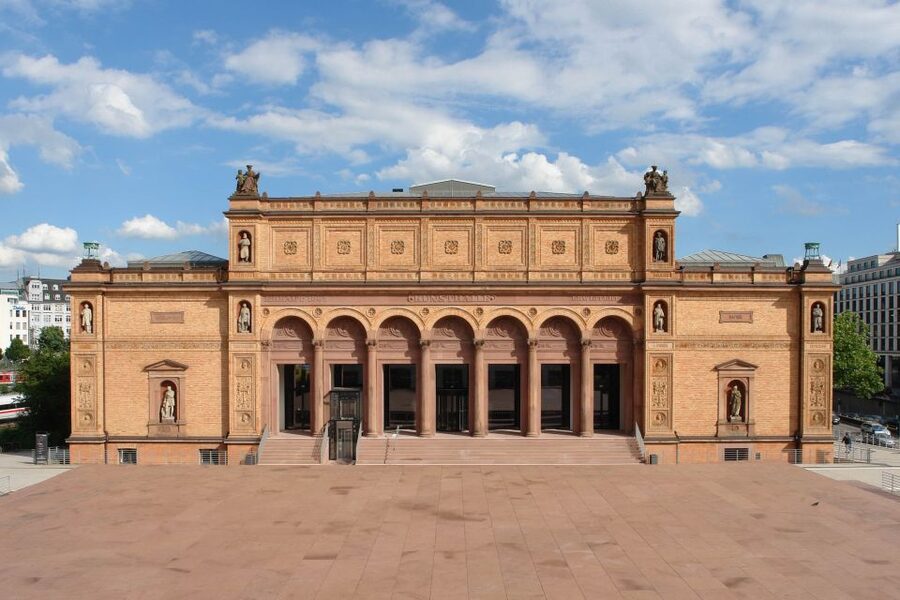
Hamburg: Kunsthalle Entrance Ticket
Eight centuries of art, all in one walk. The Hamburger Kunsthalle is my kind of museum ticket, because the collection spans centuries under one roof and you can land on the famous Wanderer above the sea of fog without doing a museum-hopping day. The only real downside is that it is so large and so packed with highlights that you can accidentally rush if you try to see everything.
I like that the museum is not just one era or one style. You move from medieval altarpieces to German Romanticism, then to Brücke-era modern work, and finally into heavyweight contemporary names. For your time and money, the big win is that the ticket includes access to the permanent collection, so you can build your own route through Old Masters, 19th century, Modern, and Contemporary.
In This Review
- Key Things I’d Focus On
- Price and Value for a Full Museum Day
- Entering the Hamburger Kunsthalle, What Your Time Really Needs
- The Permanent Collection: Eight Centuries Under One Roof
- Old Masters: Medieval Altarpieces to Renaissance Greats
- Friedrich and the 19th Century Rooms
- Modern Art: From Brücke Expression to Big Names
- Contemporary Art Highlights: Big International Voices
- Your Route in a Real One-Day Visit
- Café and Restaurant Breaks: Das Liebermann and The Cube
- Audio Guide Options: Loan Device vs the Hamburger Kunsthalle App
- Museum Logistics That Matter: Bags, Lockers, and Smooth Entry
- Who Should Buy This Ticket?
- Should You Book the Hamburg Kunsthalle Entrance Ticket?
- FAQ
- Is the permanent collection included with the Hamburger Kunsthalle ticket?
- Do I get an audio guide with the ticket?
- How much does the audio guide cost if I pick it up at the ticket desk?
- Can I use an audio guide in the Hamburger Kunsthalle app?
- What languages are available for the audio guide?
- Can I cancel my booking and get a refund?
Key Things I’d Focus On
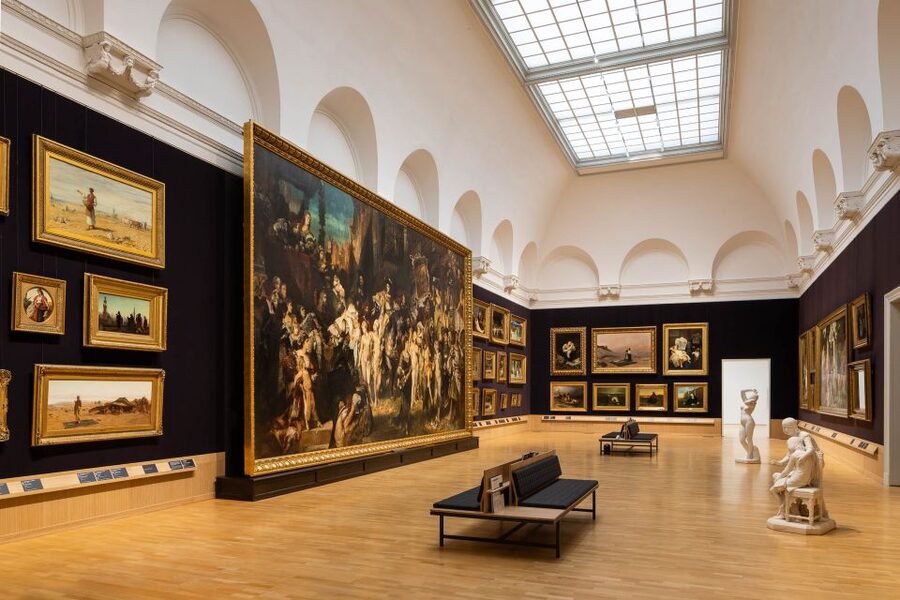
- Eight centuries, one ticket: build a route from medieval work to today’s big contemporary voices
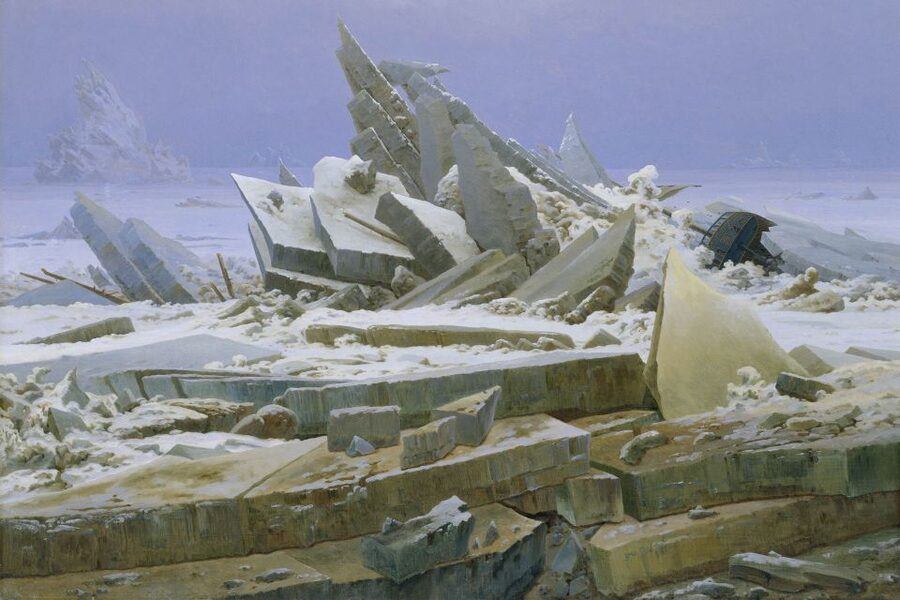
- Wanderer above the sea of fog: Caspar David Friedrich’s most famous image is part of the experience
- Old Masters section has real anchors: Bertram von Minden, Master Francke, Lucas Cranach the Elder, Rembrandt, and more
- 19th century is a whole chapter: Friedrich, Philipp Otto Runge, Max Liebermann, plus French Realists and Impressionists
- Modern to Contemporary transitions: Brücke group, Paul Klee, Max Beckmann, and international names like Andy Warhol and Gerhard Richter
- Food with options and views: Das Liebermann for a break, plus The Cube with Inner Alster Lake sightlines
Undecided? The closest Hamburg write-ups we have are these.
- Hamburg: Sex and Crime in St. Pauli Tour for Ages 18+★ 4.7 · 15,447 reviews
- Hamburg: 1.5-Hour Harbor and Speicherstadt Day Cruise★ 4.6 · 14,200 reviews
- Hamburg: 90-Minute Evening Lights Harbor Cruise★ 4.5 · 7,728 reviews
- Hamburg: 2-Hour XXL Port of Hamburg Cruise Tour★ 4.7 · 6,979 reviews
Price and Value for a Full Museum Day
At about $21 per person for a one-day ticket that includes the permanent collection, this is strong value, especially in a city where major museums can eat up your budget fast. You are paying for access to one of northern Germany’s key art institutions, not just a single gallery focus. And because the permanent collection covers eight centuries, one visit can feel like several different museum days.
Do factor in one common add-on: the audio guide. It is not included with the ticket. You can pick up an English or German loan device at the ticket desk for a €6 fee, or you can use the Hamburger Kunsthalle app instead. If you love labels and context, the audio option is worth considering, but if you prefer to skim and move, you can still enjoy plenty without it.
Entering the Hamburger Kunsthalle, What Your Time Really Needs
This is a “plan your route” museum. The collection is huge, and the museum also runs special exhibitions that draw crowds. Your ticket day is valid for one day, and the entry timing depends on the starting times you see available when you book.
Here is what I think works best for most visitors:
- Pick one or two “must-see” artists and then treat the rest as bonus discoveries.
- Give yourself permission to miss stuff. You will still feel satisfied, because the museum’s eras connect in a way that makes surprises better, not worse.
If you show up with the mindset of catching every masterpiece, you will feel behind almost immediately. But if you pick a lane, like Old Masters first, then Modern, then stop when you hit Contemporary highlights you care about, the day feels smooth.
The Permanent Collection: Eight Centuries Under One Roof
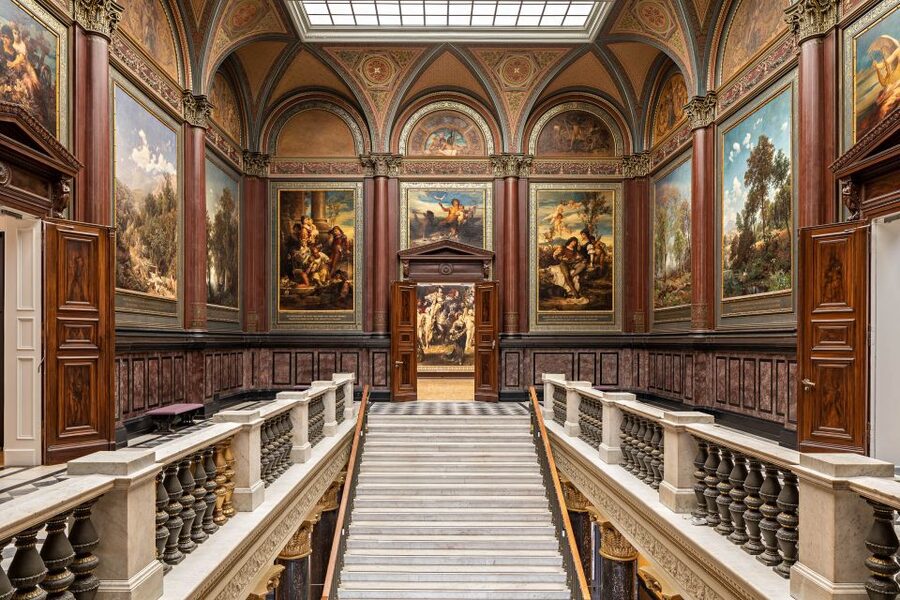
The core reason this ticket feels worth it is the range. You are not bouncing between locations. You are walking through a long timeline of European art history, with sections that act like story chapters.
What you get in the permanent collection includes major anchors in:
- Old Masters (Middle Ages through Renaissance and the Dutch Golden Age)
- 19th century art (German Romanticism plus major European movements)
- Modern art (early 20th century shifts into Expressionism and beyond)
- Contemporary art (international modern voices)
What I love about this structure is the way you can notice change over time. You start with religious and symbolic imagery in the early centuries, then you watch realism and perspective evolve, and later you see artists reacting to modern life and new ways of making pictures. It is a single building, but it feels like the art world is constantly moving.
Old Masters: Medieval Altarpieces to Renaissance Greats
If you only spend time in one area, the Old Masters section is a great choice because it gives you multiple “wow” types in one stretch: painted devotion, Renaissance craft, and Dutch Golden Age storytelling.
Here are some of the key names and why they matter:
- Northern German medieval painting, including altarpieces by Bertram von Minden and Master Francke. This is where you learn how regional religious art focused on detail and narrative.
- Renaissance powerhouses, with works by Lucas Cranach the Elder, Hans Holbein, and Paris Bordone. This is where you can compare styles and see how portraiture and courtly art changed across regions.
- Dutch Golden Age in the 17th century, with artists like Rembrandt van Rijn, Pieter de Hooch, and Anton van Dyck. This is the section that often slows people down because the scenes feel lived-in, even when you know they were carefully composed.
Practical advice: don’t try to “finish” Old Masters. Instead, pick one artist you already recognize and one era you do not. That way, you get at least two different kinds of satisfaction. Recognition hits fast, and curiosity pays off later.



Friedrich and the 19th Century Rooms
The museum’s 19th century collection is one of its strongest reasons to go, even if you are not an art-school super fan. The highlights include extensive holdings of Caspar David Friedrich, plus works by Philipp Otto Runge and Max Liebermann.
What you’ll likely notice as you move through this part of the collection:
- Romantic works feel atmospheric and emotional, and Friedrich’s imagery is built to make you look longer.
- You can also see the shift toward more modern European subjects through works by French Realists and Impressionists (even though specific names are not listed here, the movement is clearly part of the story).
And yes, the famous painting is part of this museum experience: Wanderer above the sea of fog is a must-see if you want that “I get it now” moment when art turns into a visual experience, not just a picture.
Time tip: if you care about Friedrich, give this section extra minutes. Spend time walking in and out of the same room sightline if you need to. Romantic and 19th century art often changes as your eyes adjust.
Modern Art: From Brücke Expression to Big Names
Modern art at the Kunsthalle is not a small side exhibit. The museum gives early 20th century work an impressive presence, including outstanding paintings from the Brücke group.
This is where you’ll likely feel the emotional shift:
- Brushwork and color start to act like voices, not just description.
- Figures and landscapes may look less like a window and more like an argument.
You also have strong named artists in this section, including Edvard Munch, Paul Klee, Wilhelm Lehmbruck, Paula Modersohn-Becker, Lovis Corinth, and Max Beckmann.
My practical take: Modern art is the part where you can either love it quickly or need a strategy. Your best bet is to choose two artists and focus on how they approach the same idea in different ways, like emotion, form, or modern life. If you try to do everything, modern rooms can start to blend together.
Contemporary Art Highlights: Big International Voices
The museum’s contemporary collection brings the story to the present with major works by international artists such as Bruce Nauman, Gerhard Richter, Jenny Holzer, Nan Goldin, Andy Warhol, Richard Serra, and Sigmar Polke.
Why this matters for a practical one-day ticket:
- You do not leave the museum feeling like art ended in the 1800s.
- You get to compare earlier eras’ symbolism and technique with contemporary approaches that may use different materials, different priorities, and often a more direct connection to modern life.
If Contemporary art feels intimidating, you can still enjoy it. Pick one name you recognize, spend time reading the context through the audio guide if you use it, then let the rest be impressions. Contemporary work rewards patience, not speed.
Your Route in a Real One-Day Visit
Since the ticket covers the permanent collection, your plan is mostly about pacing. I suggest this flow if you want a balanced day:
1) Old Masters first to get grounded in the museum’s long timeline.
2) Then shift to the 19th century, where familiar names start to feel emotionally “louder.”
3) After that, go for Modern art, where the museum’s sense of change becomes obvious.
4) Save Contemporary for last, so you can end with the strongest shock to your brain in a good way.
You can flip the order if that matches your tastes, but keeping all four eras in one day is possible. Just do not aim for perfection. Aim for a day where you leave with at least three clear impressions you can remember later.
Also, keep your energy for breaks. Good breaks mean you see more, not less.
Café and Restaurant Breaks: Das Liebermann and The Cube
Museum days work best when you plan food like part of the itinerary, not as an emergency.
You have two stand-out options:
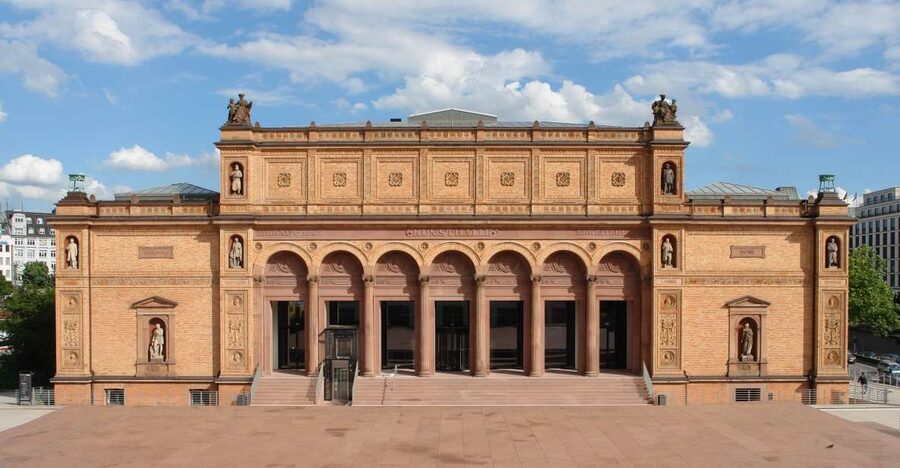
- Das Liebermann: a refurbished café in the pillared hall of the Kunsthalle. It is a solid place for a drink or snack, and it is convenient when you need a reset.
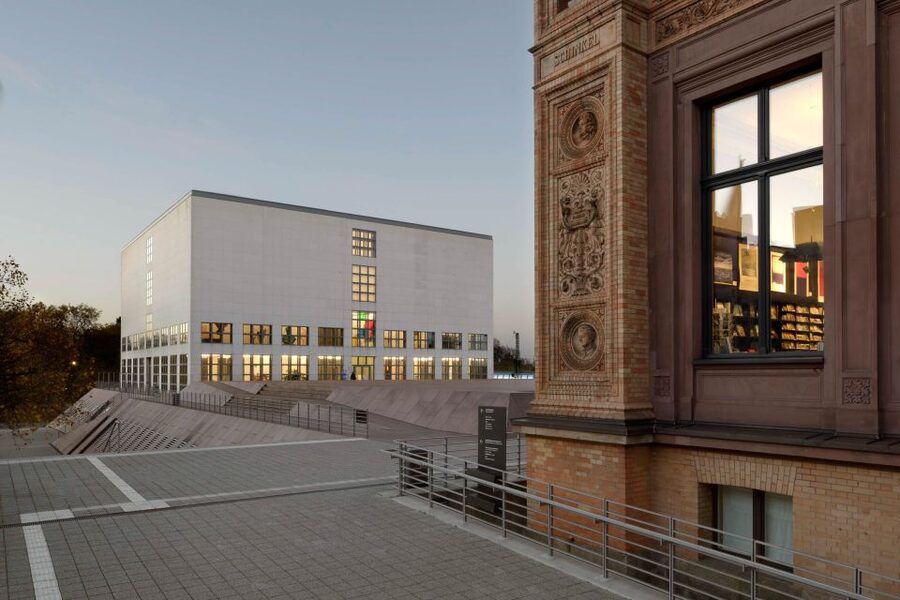
- The Cube: a restaurant with crossover cuisine and a regional focus, located in the Gallery of Contemporary Art. The best part is the view of Inner Alster Lake.
The Cube also has different meal modes. Daytime is geared toward snacks and lunch options. In the evening, it offers an à la carte dinner menu. So if your museum day turns into a long day, you can keep the momentum.
Practical advice: if you want the lake views, give yourself time, and do not treat lunch as a five-minute interruption. The view makes the break feel like part of the day.
Audio Guide Options: Loan Device vs the Hamburger Kunsthalle App
An audio guide can turn a good museum visit into a memorable one, but only if you use it in a way that matches your style.
Here’s what you should know:
- Audio guides are available in English and German.
- The audio guide covers tours through the collection area and also the current special exhibitions.
- Your audio guide choice is either:
- A loan device at the ticket desk for a €6 fee, or
- The Hamburger Kunsthalle app, which is free to download.
Also remember your ticket includes permanent collection access, so you can use the audio guide to get context in the permanent rooms even if you are not buying anything extra.
My tip: if you want maximum value, use the audio guide for the transitions between eras. That is when context helps you understand what changed and why it matters.
Museum Logistics That Matter: Bags, Lockers, and Smooth Entry
A small thing, but it can make or break your first five minutes: the museum requires storage for certain items. Bags larger than DIN A4, backpacks, umbrellas, and larger luggage like suitcases and trolleys must be deposited. Lockers are available.
So do this:
- Keep your essentials in a smaller bag if you can.
- Pack light if you are combining the museum with other parts of Hamburg that day.
If you are using a wheelchair, this museum is wheelchair accessible. That is helpful to know before you plan your route through different floors.
Who Should Buy This Ticket?
This ticket is a good fit if you:
- Want a one-day art history sweep without hopping between multiple museums.
- Enjoy building connections between eras, like how medieval art shifts into Renaissance realism and later modern experiments.
- Are curious about big international contemporary names, including Warhol-level recognition.
- Like the idea of choosing your own pace because the permanent collection is always there for you.
It is also a great choice for first-time visitors to Hamburg who want something more meaningful than a quick sightseeing loop.
Should You Book the Hamburg Kunsthalle Entrance Ticket?
Yes, if you want a strong value art day with enough range to satisfy different tastes. For $21, you get permanent collection access that walks you through centuries of European art, plus a museum setting that makes breaks easy with Das Liebermann and The Cube.
You might skip it only if you are the type who needs very structured guided tours every hour, or if you plan to see just one or two tiny pockets of art. In that case, you could find a more targeted experience. But if you want one ticket to cover a lot of ground, this is the kind of museum day that pays you back.
FAQ
Is the permanent collection included with the Hamburger Kunsthalle ticket?
Yes. The ticket includes entrance to the Hamburger Kunsthalle and access to the permanent collection.
Do I get an audio guide with the ticket?
No. The audio guide is not included in the ticket price.
How much does the audio guide cost if I pick it up at the ticket desk?
The audio guide is available as a loan device at the ticket desk with a €6 fee.
Can I use an audio guide in the Hamburger Kunsthalle app?
Yes. The audio guide can be accessed via the Hamburger Kunsthalle app, which can be downloaded for free.
What languages are available for the audio guide?
The audio guide is available in English and German.
Can I cancel my booking and get a refund?
Yes. You can cancel up to 24 hours in advance for a full refund.
Everything else we filed on Hamburg
- Hamburg: Safari tour in St. Pauli
★ 4.9 · 11 reviews - Hamburg: Party Bingo with the Bingo Gringos
★ 4.8 · 11 reviews - Hamburg Harbor: 3.5-Hour Guided Tour by Bike
★ 4.7 · 11 reviews - Hamburg: 2-Hour St. Georg Walking Tour
★ 4.8 · 11 reviews - Hamburg: Guided Walking Tour in Danish
★ 5.0 · 11 reviews - Discover Hamburg in a retro Bulli
★ 3.0 · 12 reviews
Tickets, side by side.
 ★ 4.7Dresden: Semperoper Tickets and Guided TourFrom $1812,102 reviews
 ★ 4.5Berlin: Jewish Museum Berlin Entrance TicketFrom $08,393 reviews
 ★ 4.6Berlin: Berlin Story Bunker Entry TicketFrom $216,759 reviews
 ★ 4.7Hamburg: Hamburg Dungeon Admission TicketFrom $335,745 reviews
 ★ 4.3Munich Hop-On Hop-Off Tour: 1-Day or 2-Day TicketFrom $274,161 reviews
 ★ 4.1Berlin: Illuseum Berlin Entrance TicketFrom $183,970 reviews
 ★ 4.6Berlin: Madame Tussauds Admission TicketFrom $253,941 reviews
 ★ 4.3Berlin: DDR Museum TicketsFrom $153,443 reviews