
REVIEW · POTSDAM
In the Forbidden City – Potsdam Walking Tour
A border bridge, a secret prison, and palace views, all in one walk. This Forbidden City in Potsdam style tour is a smart way to understand how World War II ended and the Cold War began, with Soviet-era landmarks you can actually see up close, plus glimpses of Cecilienhof Palace where the big 1945 talks happened. The small group size also makes it feel personal, not like a history lecture on the move. One thing to consider: most stops are outside or at memorial areas, so if you want lots of indoor museum time, this one may feel more street-and-building focused than hands-on exhibits.
In This Review
- Key Points at a Glance
- Why Potsdam’s Cold War Story Hits Hard (And Not Just in Textbooks)
- Glienicke Bridge and Schwanenallee: Seeing the Border Before It Vanished
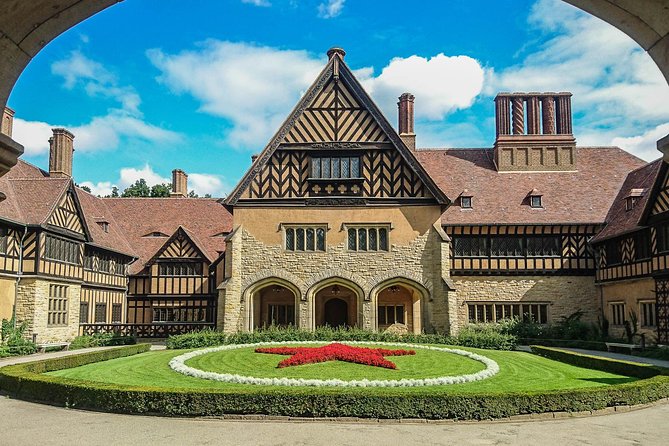
- Cecilienhof Palace From the Outside: Where WWII Ended and the Cold War Began
- New Garden UNESCO and the Park That Used to Be Restricted
- The Forbidden City Feeling: Soviet Military Town No. 7 at Leistikowstraße
- Price and Time Value: What You Get for About $23.72
- Logistics That Matter: Start in Berlin, End in Potsdam
- How the Stops Connect into One Story
- Should You Book the Forbidden City in Potsdam Walking Tour?
- FAQ
- What is the duration of the Forbidden City in Potsdam walking tour?
- Where does the tour start and what time is it?
- Where does the tour end?
- How large is the group?
- Is this tour mostly outdoors, and do I need to enter any buildings?
- Is a mobile ticket used?
- What is the physical fitness level required?
- Can I cancel and get a full refund?
Key Points at a Glance
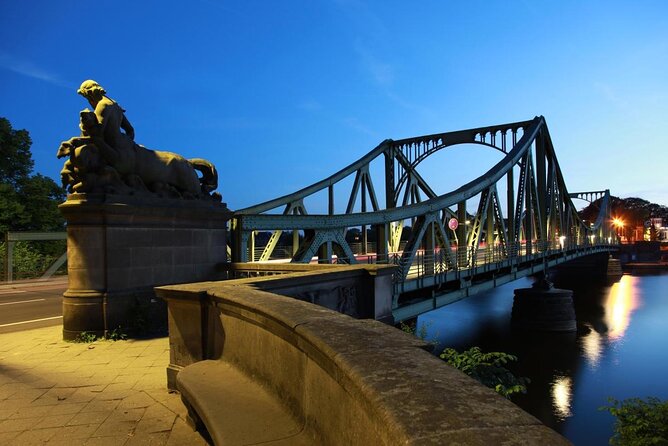
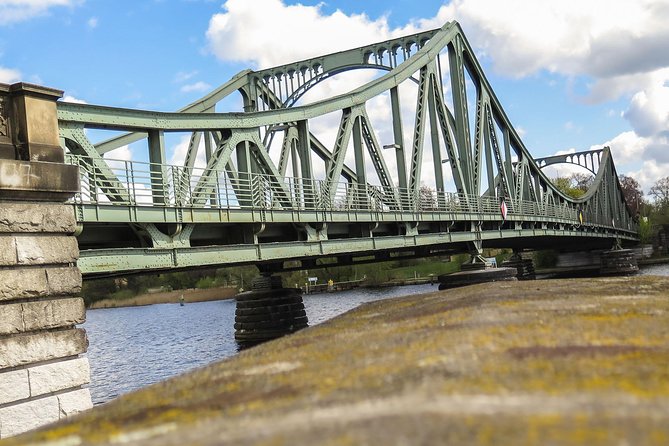
- Glienicke Bridge, aka the Bridge of Spies: watch where CIA and KGB exchanged prisoners, and where the border was intensely secured
- Cecilienhof Palace without entering: see the conference setting from the outside, tied to Truman, Churchill, and Stalin
- UNESCO New Garden, plus Berlin Wall traces: a park with restrictions, fortifications, and historic palaces along the line
- Leistikowstraße Soviet military town No. 7: a “forbidden city” feeling, including the former KGB prison area
- Max 15 people: you get a guide who can keep the group together and answer questions
Other Potsdam days worth the S-Bahn
- Potsdam: City and Castles Tour★ 4.7 · 3,721 reviews
- Potsdam: Palace Tour by Boat★ 4.5 · 2,369 reviews
- Potsdam: Sanssouci Palace and Prussian Palaces Entry Ticket★ 4.5 · 2,101 reviews
- Potsdam by Boat: Island Cruise★ 4.6 · 1,308 reviews
Why Potsdam’s Cold War Story Hits Hard (And Not Just in Textbooks)
Potsdam has the postcard stuff, sure. Gardens, palaces, and elegant streets. But this tour adds the missing layer that makes the city feel real: the 20th century power games happening right where you are standing.
I like that the route connects major Cold War themes in a logical flow. You start at Glienicke Bridge, the famous exchange point tied to CIA and KGB operations, then you move toward the Soviet side through neighborhoods and restricted zones that used to cut across daily life. I also like how the tour makes you look at ordinary-looking places with new context, like why a street lined with villas sits where it does because of the Berlin Wall’s protection along the riverbank.
The main tradeoff is time. You only have about 2.5 hours, so it is not a slow museum day. You are walking and learning fast, with mostly outdoor viewing at each stop.
Glienicke Bridge and Schwanenallee: Seeing the Border Before It Vanished
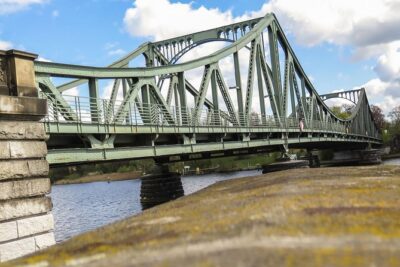
The walk begins at Glienicker Brücke, the Bridge of Spies. In Cold War terms, this bridge was not just symbolism. It was a practical tool for exchanging agents between the CIA and KGB. It also sat on the border between the GDR and the American sector in West Berlin, and until the Berlin Wall fell, access was restricted and heavily secured.
The Hollywood factor is a neat bonus, too. The movie Bridge of Spies was shot here, which helps you picture how a setting can go from operational border to worldwide pop-culture memory. I find that contrast useful. It keeps the story from getting stuck in abstract dates.
From there, you head to Schwanenallee. This area is worth your attention because it used to run directly next to the Berlin Wall, shielding houses from the riverbank. Today, those same waterside views come with villas and prime location. That shift is part of the point of the tour, you see how quickly the built environment can change once restrictions disappear, even if the geography stays.
What to watch for: take a moment and look at how the river, the bridge position, and the street alignment make sense as a border zone. Even without reading anything, the terrain helps you understand why this spot mattered.
Cecilienhof Palace From the Outside: Where WWII Ended and the Cold War Began
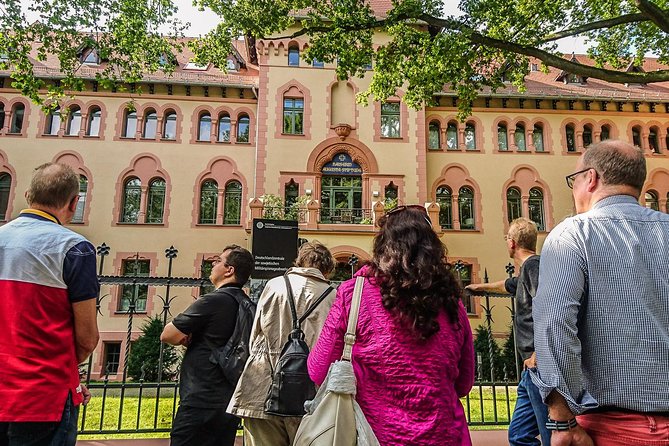
Next up is Schloss Cecilienhof. You get a 30-minute stop that focuses on the Potsdam Conference setting, without entering the palace. That outside viewing matters. It keeps the experience street-level, and it nudges you to think about how the conference leaders likely moved through these spaces even when you cannot step inside.
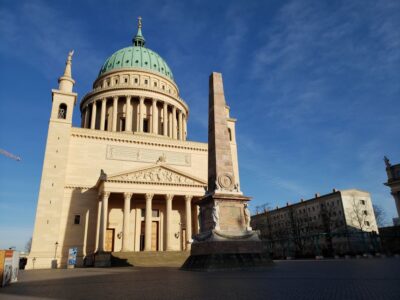
In summer 1945, US President Harry S. Truman, British Prime Minister Winston Churchill, and Soviet head of state Josef Stalin met here. The meeting is often remembered as the endpoint of World War II and the start point for the Cold War. The interesting mental move is this: you are not just seeing a palace, you are seeing a hinge moment in modern history.
A small drawback for some people: if you want to tour rooms or read lots of interpretive panels inside the building, this will feel limited because the plan is exterior views. Still, for many visitors, the payoff is that the guide ties the palace to what comes next on the walk, especially Soviet intelligence and restricted zones.
Tip: use the view from the outside to orient yourself, then listen for how the guide links the conference to the way security thinking intensified after 1945.
New Garden UNESCO and the Park That Used to Be Restricted
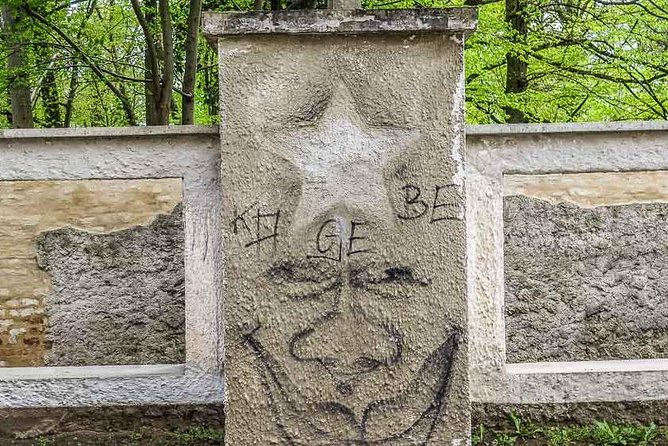
UNESCO New Garden is one of those places where beauty and control overlap. The stop here is about 30 minutes, and the key idea is that this UNESCO World Heritage site was restricted for a long time. Border fortifications linked to the Berlin Wall ran through the park with its historic palaces.
So instead of seeing New Garden as only a leisurely garden backdrop, you start seeing it as part of a line, literally shaped by fortifications. That helps you understand why people could not simply wander freely, even in spaces designed to look serene and refined.
I like that the tour places you in the middle of the contrast. One moment you are appreciating historic palaces and park views. The next you are thinking about restricted access, surveillance, and the way the Berlin Wall influenced movement even where you might assume everything was peaceful.
What to consider: this is a walking tour with outdoor stops. In cold, wind, or rain, New Garden can feel brisk, so dress for weather and keep an eye on footing.
Other walking routes through Potsdam

The Forbidden City Feeling: Soviet Military Town No. 7 at Leistikowstraße
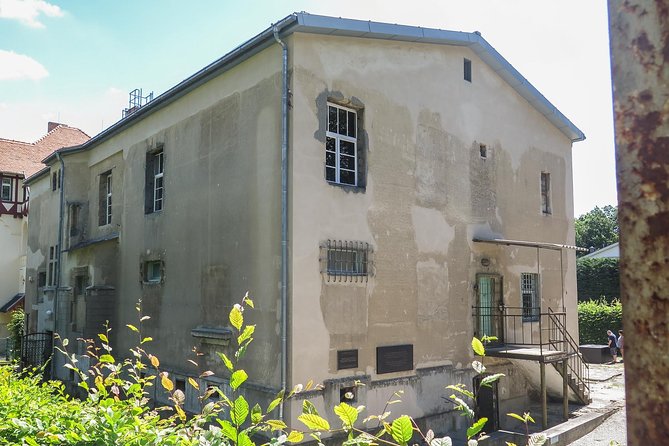
The final stop is the Gedenk- und Begegnungsstatte Leistikowstrasse. This is where the tour becomes most intense.
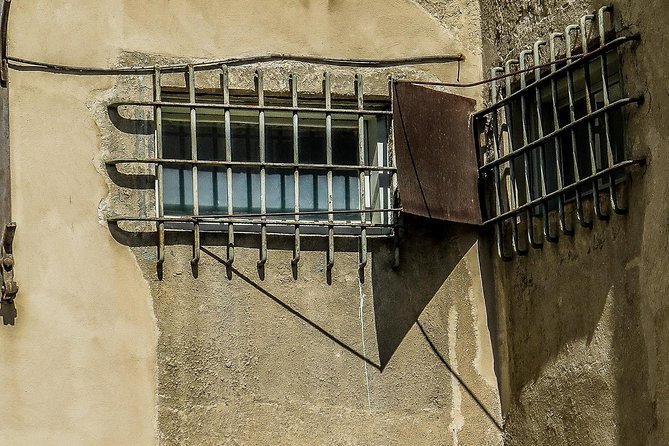
You learn about Soviet military town No. 7, described as a forbidden city located next to New Garden. This area was one of the most important intelligence sites of the Soviets during the Cold War, and the former KGB prison is located there.
For me, this stop lands because the story becomes specific. It moves from famous Cold War geography, like the Bridge of Spies, to something more human and frightening: detention and intelligence operations tied to a secret prison site.
You also discover the neighborhood context, because this was a Soviet restricted area for almost 50 years in the middle of Potsdam. That time span matters. It is not a short chapter, it is a long period when the city lived with boundaries and controlled access.
Practical note: because this is a memorial and encounter site, plan to slow down mentally. Let the guide’s explanation set the tone, and give yourself a moment to process what you are seeing before you rush to the next photo.
Price and Time Value: What You Get for About $23.72
At $23.72 per person, this tour is priced like a budget-friendly way to get big-theme history without paying for a full-day museum marathon. The value comes from three things.
First, you cover multiple high-impact locations in about 2 hours 30 minutes. That is a good use of time, especially if you are already visiting Potsdam and want more than gardens and palaces. Second, it is guided by local and professional guides, which matters because Cold War sites can be confusing without someone explaining what you are looking at and why it matters. Third, the stops are essentially admission-free viewing points, so you are not paying repeatedly to unlock indoor spaces.
Who benefits most? If you like history that explains cause and effect, you will probably enjoy this. If you are more into architecture and scenic wandering, the tour still works, but you will get more out of it if you listen for how security shaped the places.
Group size is capped at 15 travelers, so the experience stays manageable. You are not fighting for hearing distance.
Logistics That Matter: Start in Berlin, End in Potsdam
One practical detail that can save you stress: this tour starts in Berlin and ends in Potsdam.
Start: Glienicker Brücke, Königstraße, 14467 Berlin, Germany, with a start time of 1:15 pm.
End: Memorial and Meeting Place Leistikowstraße 1, 14469 Potsdam, with the tour ending near bus 603, stop Langhansstraße/ Große Weinmeisterstraße.
Transportation to and from the attractions is not included, so you should plan your own route. If you are staying near Potsdam’s center, you likely need to get to the Berlin-side start location ahead of time. If you are already based in Berlin, ending in Potsdam can feel like a bonus, because you finish closer to a different set of dining and sightseeing options.
Also, this is a mobile ticket tour, so have your ticket ready on your phone when you meet.
Weather is covered in the simplest way: it runs in all weather conditions. That means comfortable layers and shoes that grip matter more than usual. This is moderate physical fitness territory, so avoid treating it like a gentle stroll if you are dealing with mobility limitations.
How the Stops Connect into One Story
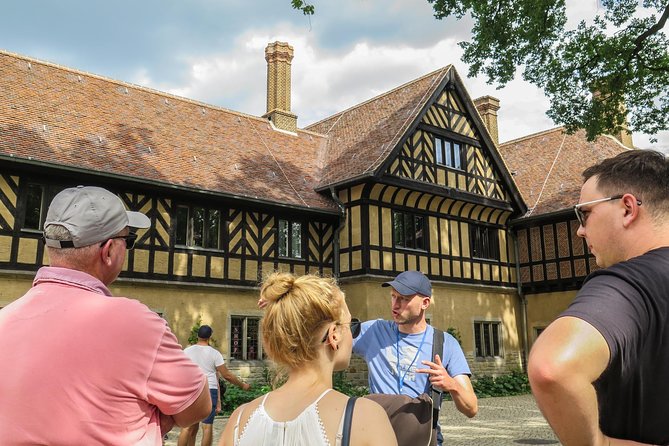
The tour works best when you treat it as one timeline with different locations playing different roles.
You begin with the Cold War exchange machinery at Glienicke Bridge. Then you shift into how walls and security affected everyday neighborhood space at Schwanenallee. After that, you step into the conference moment at Cecilienhof, where leaders shaped what came next. Next you connect that political shift to physical control through the restricted New Garden area. Finally, you end at Leistikowstraße and the Soviet intelligence and prison site, where the Cold War shows up in operations rather than meetings.
That arc is why the experience feels more than a list of landmarks. You leave with a clearer sense of how Potsdam moved from wartime settlement to Cold War power structures.
Should You Book the Forbidden City in Potsdam Walking Tour?
Book this tour if you want a focused, guided way to see Potsdam’s Cold War side, with stops that include the Bridge of Spies and the former KGB prison area at Leistikowstraße. It is also a great fit if you like learning from a guide while walking, because most of the value here is interpretation, not museum wandering.
Skip it or adjust expectations if you are hoping for lots of indoor admissions or long time at any one site. This is an outdoor, time-limited walk, and it is designed to move you through major themes in about 2.5 hours.
If you like your history grounded in real places, and you want a small-group experience that makes the city’s 20th-century story feel concrete, I think you will feel satisfied after this one.
FAQ
What is the duration of the Forbidden City in Potsdam walking tour?
It runs for about 2 hours 30 minutes.
Where does the tour start and what time is it?
It starts at 1:15 pm at Glienicker Brücke, Königstraße, 14467 Berlin, Germany.
Where does the tour end?
The tour ends at the Memorial and Meeting Place Leistikow Street, Leistikowstraße 1, 14469 Potsdam, near bus 603 at the stop Langhansstraße/ Große Weinmeisterstraße.
How large is the group?
The tour has a maximum of 15 travelers.
Is this tour mostly outdoors, and do I need to enter any buildings?
You will see Schloss Cecilienhof from the outside, and the other stops are viewing and neighborhood exploration areas.
Is a mobile ticket used?
Yes, the tour uses a mobile ticket.
What is the physical fitness level required?
It is designed for travelers with a moderate physical fitness level.
Can I cancel and get a full refund?
Free cancellation is available. You can cancel up to 24 hours in advance for a full refund, based on local time.
Seeing Potsdam in One Go
Pavements of Potsdam
A Day in Potsdam, Compared
Everything else we filed on Potsdam
- Private Sightseeingtour im Taxi nach Potsdam und Sanssouci
★ 5.0 · 12 reviews - Private Potsdam City Tour in an authentic vintage van
★ 5.0 · 14 reviews - In the Forbidden City – Potsdam Walking Tour
★ 5.0 · 17 reviews - Potsdam: Outdoor Escape Game
★ 4.4 · 22 reviews - Private Walking Tour of Potsdam and Sanssouci
★ 5.0 · 24 reviews - Potsdam: Entry to DAS MINSK Kunsthaus in Potsdam
★ 4.1 · 24 reviews
Potsdam and Sanssouci Day Trips, side by side.
 ★ 4.7Potsdam: City and Castles TourFrom $293,721 reviews
 ★ 4.5Potsdam: Palace Tour by BoatFrom $272,369 reviews
 ★ 4.5Potsdam: Sanssouci Palace and Prussian Palaces Entry TicketFrom $252,101 reviews
 ★ 4.5Berlin: World Heritage Cruise to PotsdamFrom $251,435 reviews
 ★ 4.6Berlin: Sachsenhausen Concentration Camp and Potsdam TourFrom $651,334 reviews
 ★ 4.6Potsdam by Boat: Island CruiseFrom $421,308 reviews
 ★ 4.5From Berlin: Potsdam and Sanssouci Palace Tour with EntryFrom $731,094 reviews
 ★ 4.2Potsdam: City Sightseeing Hop-On Hop-Off Bus TourFrom $23864 reviews
Other lists this tour is on