
REVIEW · GERMANY
München: Stadtführung Henker, Huren, Hexen in GERMAN
Some cities keep it polite, Munich doesn’t. This Henker, Huren, Hexen walk turns famous landmarks into clues about executioners, witch hunts, and prostitution. You’ll see St. Michael’s Church and the Frauenkirche, then hear how the city worked when punishments and commerce were tangled together. One thing to consider is that the story is interpretive and told at walking pace, so in busy church areas it can be hard to catch every word.
I like tours like this because they give you connections you can actually notice while you’re standing there, not just dates in the air. The guide also weaves in practical, real-world details, like why key operations sat outside the city and why prostitution changed course in the 1970s. The main drawback is that one person flagged timing and audio issues, so if you need crystal-clear explanations in every spot, come with patience and good earplugs-at-heart.
If you’re the type who likes history with teeth, this is a strong pick. If you want a soft, traditional sightseeing stroll, you might find the subject matter heavy. Either way, plan for comfortable shoes, rain or shine, and a solid 2 hours of walking through central Munich.
In This Review
- Key things you should know before you go
- Walking Munich’s dark past, without the costume party
- The route: Neuhauser archway to Frauenkirche and beyond
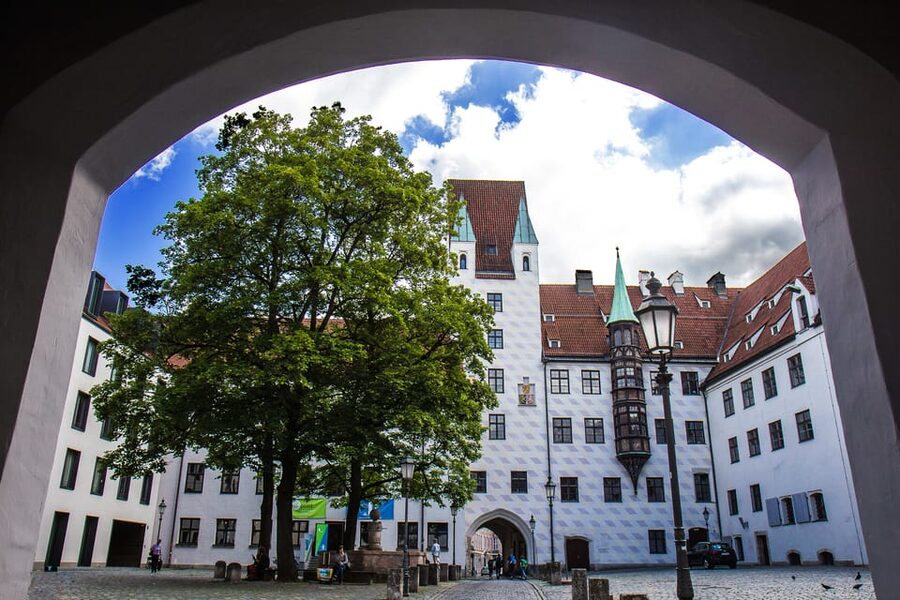
- Stops that matter: St. Michael’s Church, Frauenkirche, and the Old Court
- The witch-hunt thread, the salt road, and the Jesuit college
- Executioners, pimps, and why Munich’s rules were so tangled
- Prostitution stories and the 1970s turning point
- What you’ll actually hear: anecdotes, timing, and guide style in German
- Price, what’s included, and whether $25 feels fair
- Weather, shoes, and where this walk could feel hard
- Shared group or private tour, and how that changes your experience
- Who should book this Munich dark history tour
- Should you book Henker, Huren, Hexen in Munich?
- FAQ
- Where do I meet the guide?
- How long is the tour?
- What language is the tour in?
- What is included in the price?
- Are entrance fees included?
- Is food or drinks included?
- Is the tour offered in shared group or private format?
- Do I need to plan for bad weather?
- Does the tour include actors or reenactments?
- Is the tour suitable for people with mobility impairments?
Key things you should know before you go
- Neuhauser Tor start: you meet under the Neuhauser archway, where delinquents were taken out of the city to be executed
- Big Blue Bag identification: your guide wears a large blue bag with Weis(s)er Stadtvogel in white letters
- Iconic church stops: you’ll pass St. Michael’s Church and see the well-known Frauenkirche from nearby
- Old Court of Munich: the Alter Hof (Old Court) gets folded into the story
- Witch hunts and the salt road: you walk along the historic salt road to a former Jesuit college tied to the witch-hunt narrative
- German-only and no reenactments: it’s a live guided tour in German, no actors or staged scenes
Undecided? The closest Munich write-ups we have are these.
- From Munich: Neuschwanstein & Linderhof Castle Full-Day Trip★ 4.5 · 12,494 reviews
- Neuschwanstein & Linderhof Castle-Fairytale Day Tour from Munich★ 4.5 · 7,275 reviews
- Munich: Third Reich & WWII Walking Tour★ 4.6 · 6,181 reviews
- Dachau Concentration Camp Memorial Site Tour from Munich by Train★ 4.5 · 5,637 reviews
Walking Munich’s dark past, without the costume party
This tour takes a topic most “just sights” tours ignore: how people punished, exploited, and controlled each other. What makes it interesting is that the guide doesn’t treat dark history like a separate museum exhibit. Instead, you walk through the city and watch the locations do the explaining.
You’ll connect three big themes: executioners and their role in city order, witch hunts and fear-driven power, and prostitution as part of the urban reality. The story also makes an unsettling claim that executioners also acted in a way tied to pimps, which is the kind of detail that makes you look twice at everyday streets.
The tour stays firmly in the world of walking, storytelling, and interpretation. It does not use actors or reenactment, so you’re relying on what your guide tells you, not on staged drama. If you’re the kind of traveler who likes facts with a human voice, you’re likely to enjoy it.
The route: Neuhauser archway to Frauenkirche and beyond
You start at a spot you can’t really miss once you know where to look. Meet your guide under the Neuhauser archway, and watch for the BIG BLUE BAG with Weis(s)er Stadtvogel written in white. This is a small practical detail, but it really matters when you arrive and central Munich is doing central Munich things.
From there, the tour centers on a route through the heart of the old city. One of the most important stops is the Neuhauser Tor area, described as the place where delinquents were led out of the city to face execution. That matters because it turns a transit point into a moral geography point. You’re not just walking through a pretty square, you’re tracing where fear became policy.
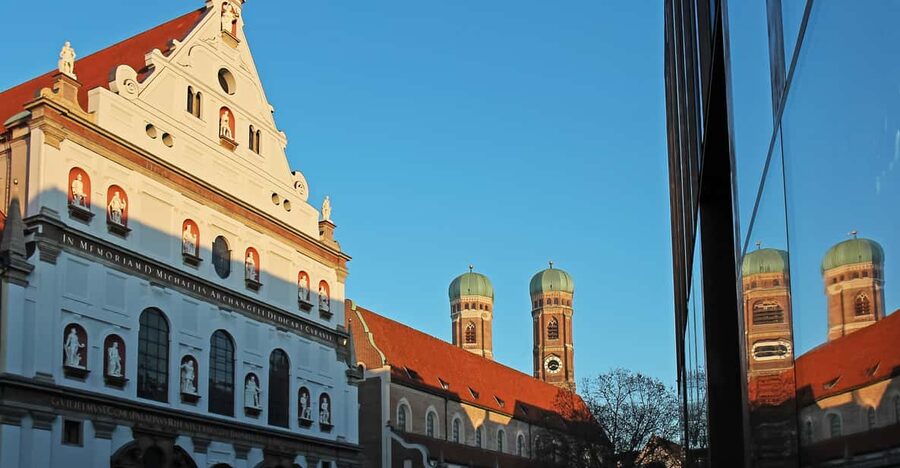
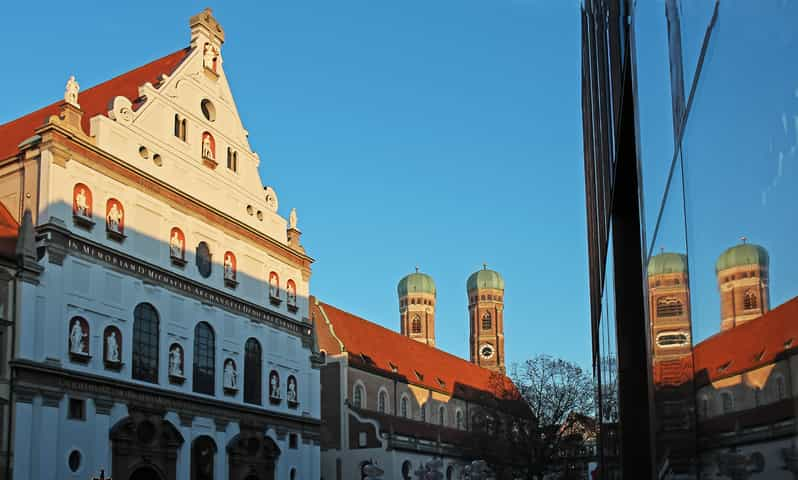
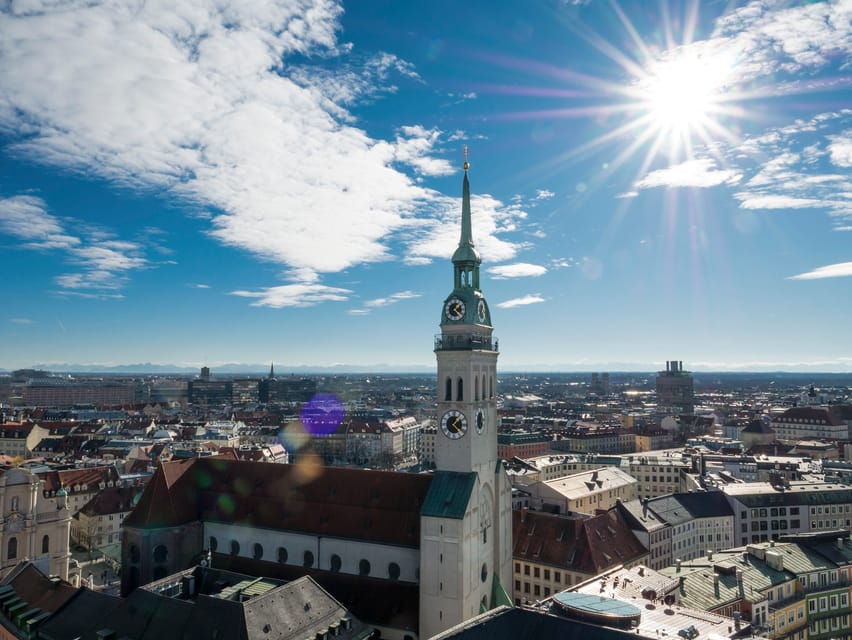
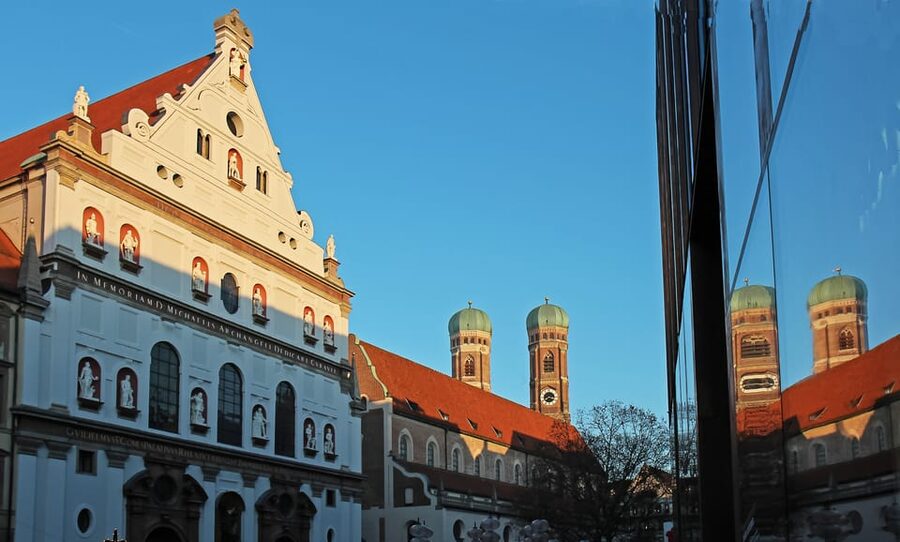
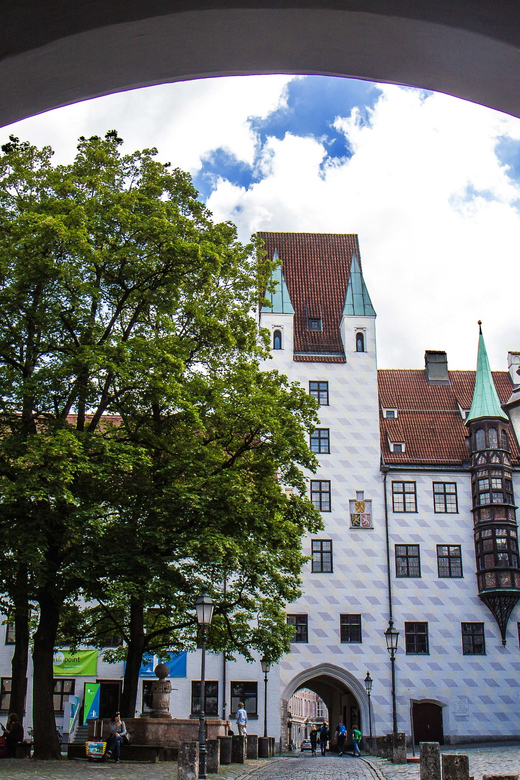
Next, you head toward the famous church cluster. The tour specifically includes St. Michael’s Church and lets you see the Frauenkirche, Munich’s standout landmark. You’ll also pass the Alter Hof, the Old Court of Munich, which gives the walk a “where decisions were made” feeling.
Finally, you move along the historic salt road to reach a former Jesuit college. That segment is key for the witch-hunt portion. Salt roads sound like economics and trade, but they were also movement lines, meaning information, people, and rumors could travel. That’s the kind of linking logic your guide uses throughout.
Stops that matter: St. Michael’s Church, Frauenkirche, and the Old Court
Let’s talk about what you’re actually doing at each landmark, because this tour isn’t only about seeing buildings. It’s about seeing how authority left a footprint.
At St. Michael’s Church, you’ll get a historical anchor for the story. Churches in old European cities weren’t just places for worship. They also sat inside power networks, public life, and the city’s moral messaging. Your guide uses that framing to keep you grounded in why these locations show up in a tour about execution, prostitution, and witch hunts.
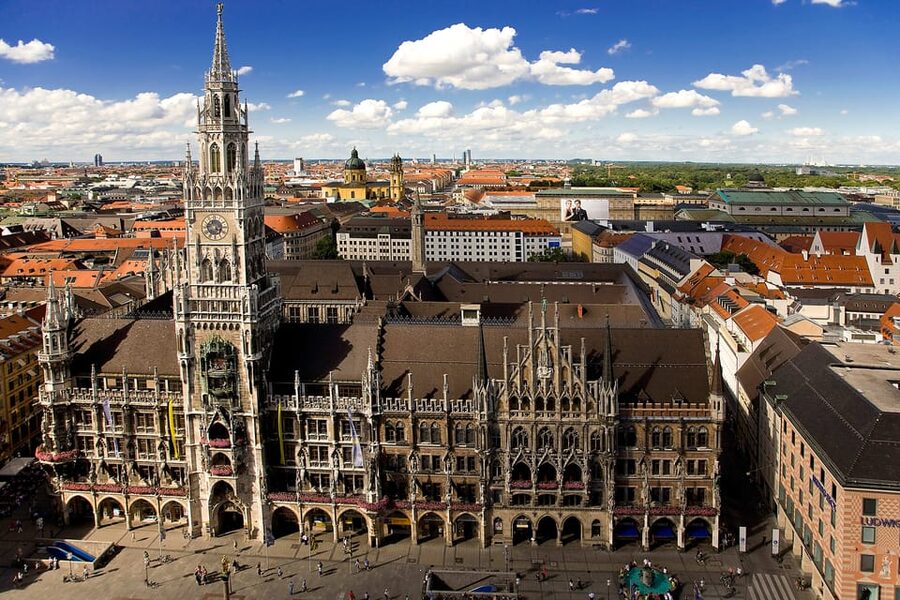
Then comes the Frauenkirche. You’ll see it, but you’re not there for architecture-only notes. You’ll hear how the tour’s dark themes tie into how Munich was run, including the “why” behind certain actions and how control was exercised. If you’ve already admired the Frauenkirche from the outside, this is your chance to place it inside a story about how fear and order worked.
Passing the Alter Hof, the Old Court of Munich, adds the practical edge. Courts connect to punishment, legal authority, and the machinery that made sentences real. When your guide links this to other stops, it helps the tour feel less like random spooky facts and more like a connected city map.
The witch-hunt thread, the salt road, and the Jesuit college
The witch-hunt section is where the tour earns its title in a very literal way. You learn how Munich’s fear machine operated and where it found footing.
A major walking detail here is the historic salt road. The reason it fits is straightforward: roads created access. Access created reach. And reach made it easier to hunt people accused of wrongdoing, especially when rumor and religion were mixed into public life. When your guide ties this road into the story, you get a sense of how geography supported narrative.
You then reach a former Jesuit college. Even if you don’t know the building’s full timeline before the tour, the point is the association with the witch-hunt narrative. It’s the kind of stop that helps you understand how institutions influenced beliefs and investigations.
One particularly useful detail you’ll hear is why key headquarters were outside of the city. That’s exactly the sort of “how the system worked” explanation that turns a scary topic into something you can actually visualize. It also helps you understand that power often chose locations for reasons that were practical, not poetic.




Executioners, pimps, and why Munich’s rules were so tangled
The executioner part of the tour is presented as more than a job title. It’s framed as a function inside the city, where punishment and profit could overlap. The walk’s core idea is that executioners, in a twisted blend of roles, also operated in a way associated with pimps.
If that sounds sensational, it still has value as history. It forces you to ask who benefited from the city’s harsh system and what people did to survive inside it. It also explains why the stories aren’t only about victims. You learn how institutions and workers helped keep the system moving.
You also spend time at the Neuhauser Tor area, tied directly to executions. This is where the story stops being abstract. Standing where delinquents were led out makes the theme concrete.
Prostitution stories and the 1970s turning point
This tour does not avoid the prostitution thread. You’ll hear about what executioners, prostitutes, and witches all had in common, according to the guide’s narrative. The idea is that fear, control, and economic survival were intertwined in the way Munich was run.
A standout detail is the mention that prostitution ended in the 1970s. That’s one of the most helpful “timeline” facts in the tour because it gives you a modern landing. Instead of leaving you stuck in centuries-old darkness, you get a sense that systems changed, at least in some form, and that the city didn’t stay frozen in medieval rules forever.
That said, one clear consideration comes up from the negative experience shared in the tour feedback. Someone reported that the story connections felt uneven, including a lack of focus on the prostitution theme. So if prostitution is the part you care about most, go in with the understanding that the guide’s emphasis may vary depending on how the narration unfolds that day.
What you’ll actually hear: anecdotes, timing, and guide style in German
This is a German-language tour with a live guide. You’ll be listening for stories and anecdotes, not just dry lecture style facts. The good news is that the tour is set up to be lively. Multiple positive experiences mention that the mood stayed great even when weather was not ideal, which matters because this walk runs rain or shine.
A nice touch is that the guide uses fun stories and concrete explanations, so you can keep your mental map straight while walking. One person highlighted a guide named Julia as perfect, and that kind of review tells me the guiding style can really affect how coherent and enjoyable the tour feels.
The drawback side is also real. In one less positive experience, audio was an issue and the guide was hard to understand, likely due to crowds at a busy landmark moment. Another complaint was that connecting a sequence of church stops to the theme felt forced, and the tour timing around church-related moments felt odd.
What does that mean for you? It means you should show up ready to listen, even when the street and church sounds get loud. If you don’t feel confident with German, this tour may still work because it’s a guided conversation, but you’ll want to be comfortable catching the gist rather than expecting perfect clarity at every stop.
Price, what’s included, and whether $25 feels fair
At about $25 per person for a 2-hour guided walk, this is priced in the “short but focused” category. You’re paying for a knowledgeable guide and a structured route, not for museum entry or extra add-ons.
What’s included is straightforward: the city guide and the guided tour itself. What’s not included: entrance fees, food and drinks, and pickup or drop-off. That last part matters. You’ll need to get yourself to the Neuhauser archway and handle your own snack and water plan.
Is it good value? For me, it depends on what you want. If you like interpretation, urban storytelling, and seeing famous Munich sights through an unexpected lens, the price makes sense. You’re not paying for a long day tour. You’re buying a concentrated 2-hour narrative with several high-recognition stops.
If you’re only after architecture and classic postcard views, you might get less out of it. This walk is about “why that place mattered,” even when the subject matter is grim. That’s not everyone’s cup of tea.
Weather, shoes, and where this walk could feel hard
This tour runs rain or shine. That’s not just a policy line, it affects comfort and pace. You’ll be moving through central streets and around churches, so you’ll want comfortable shoes with good grip.
About mobility: the info lists wheelchair accessible, and it also says it is not suitable for people with mobility impairments. That’s a contradiction you should take seriously. If you have mobility needs, I’d contact the operator or ask before booking. Don’t assume it will work just because one line says wheelchair accessible.
Also, the tour is 2 hours. Even if it doesn’t sound long, a city walk adds up when you include transitions between the church stops and the route along the salt road.
Shared group or private tour, and how that changes your experience
You can choose between a shared group or a private tour. That option matters more than you might think.
In a shared group, you’re more likely to experience the tour as a steady pace story with minimal stopping for questions. It can feel energetic, but you may catch different amounts of detail depending on where you stand in the group.
In a private tour, you can ask for clarity if something is confusing or if you want the guide to slow down at a specific landmark. With a topic like executioners, witch hunts, and prostitution, follow-up questions can make the experience much more satisfying.
If you care deeply about one theme, like witch hunts or prostitution, private could help you get the emphasis you want. Shared can still be great, especially if your German listening skills are strong and you like a group vibe.
Who should book this Munich dark history tour
Book it if you like:
- City walking tours that explain how power used to work
- Contrasting familiar landmarks with uncomfortable stories
- A German guided experience where the guide brings anecdotes
Skip it if you:
- Prefer light topics and traditional sightseeing only
- Want a strictly evidence-style tour with no narrative interpretation
- Need maximum clarity in crowded church interiors, with no chance of audio issues
This is a good fit for history-minded travelers who want Munich to feel real, not sanitized. It’s also for people who enjoy when a tour gives them a new way to look at the Frauenkirche, St. Michael’s Church, and the Alter Hof.
Should you book Henker, Huren, Hexen in Munich?
If you’re curious about Munich beyond the usual brochure, I’d lean yes. The tour’s biggest strength is that it ties serious themes to specific places you can stand in front of, especially the Neuhauser Tor area, St. Michael’s Church, and the Frauenkirche. You also get a “how the system worked” angle with details like why key operations were outside the city and how prostitution changed in the 1970s.
But make the decision with eyes open. The subject matter is dark, and the narration is in German only. Also, a negative experience pointed to audio and timing problems, plus connections to some church stops feeling less solid. If that sort of thing would frustrate you, consider a private tour or go prepared for a less formal storytelling style.
If you want Munich’s story with hard edges and you can handle a walking tour that’s part history, part street-level storytelling, this one is worth your time.
FAQ
Where do I meet the guide?
Meet your guide under the Neuhauser archway. Your guide will be wearing a BIG BLUE BAG with Weis(s)er Stadtvogel written on it.
How long is the tour?
The tour lasts 2 hours.
What language is the tour in?
The live tour guide speaks German.
What is included in the price?
The price includes the knowledgeable city guide and the guided tour.
Are entrance fees included?
No. Entrance fees are not included.
Is food or drinks included?
No. Food and drinks are not included.
Is the tour offered in shared group or private format?
Yes. You can choose between a shared group or a private tour.
Do I need to plan for bad weather?
Yes, the tour takes place rain or shine.
Does the tour include actors or reenactments?
No. The tour does not contain actors or reenactment.
Is the tour suitable for people with mobility impairments?
The information says wheelchair accessible, but it also says it is not suitable for people with mobility impairments. If you have mobility concerns, it’s best to check with the provider before booking.
Everything else we filed on Munich
- Paul’s Private Tour Munich Highlights
★ 5.0 · 3 reviews - Private Linderhof Castle, Entry-Ticket – optional Toboggan Run
★ 5.0 · 3 reviews - Paul’s Private Tour in the Alte Pinakothek Munich
★ 5.0 · 3 reviews - Private Tour at Neuschwanstein And Linderhof Palaces From Munich
★ 4.5 · 3 reviews - Private Highlights of Munich Bike Tour with Beer Garden Stop
★ 5.0 · 3 reviews - Munich WWII and Dachau Concentration Camp Private Tour with Licensed Guide
★ 5.0 · 3 reviews