

REVIEW · WARTIME HISTORY
Munich: Third Reich & WWII Walking Tour
Munich shows how Nazism got traction. On a 2.5-hour walk, I like the site-to-story narrative that connects Hofbräuhaus, Feldherrnhalle, and Königsplatz to Hitler’s ascent, and I also like the White Rose Resistance Movement stop in the Hofgarten that keeps the lesson human, not just historical. You’ll get the chain of causes, from post-World War I collapse to the momentum that grew into the Third Reich.
One note before you go: this tour covers a truly dark chapter, and it’s mostly done outside, so you should expect real winter chill and bring comfortable shoes for the walking. If you’re sensitive to heavy topics, plan a slower next block of time afterward, so your brain can process what you just learned.
In This Review
- Key things to know before you book
- Why Munich turned into fertile ground for Nazism
- The prelude at Munich’s Hofbräuhaus, where the first momentum formed
- Feldherrnhalle, and the failed power play that still changed the course
- Königsplatz: where party rallies became a performance
- Hofgarten and the White Rose Resistance Movement stop
- What the guide really adds, and why names like Michael, Steve, and Josh come up
- Timing, pacing, and the reality of 2.5 hours outside
- Price and value: what $31 buys you in Munich
- Practical expectations so you get the most out of it
- Should you book the Munich Third Reich & WWII walking tour?
Key things to know before you book
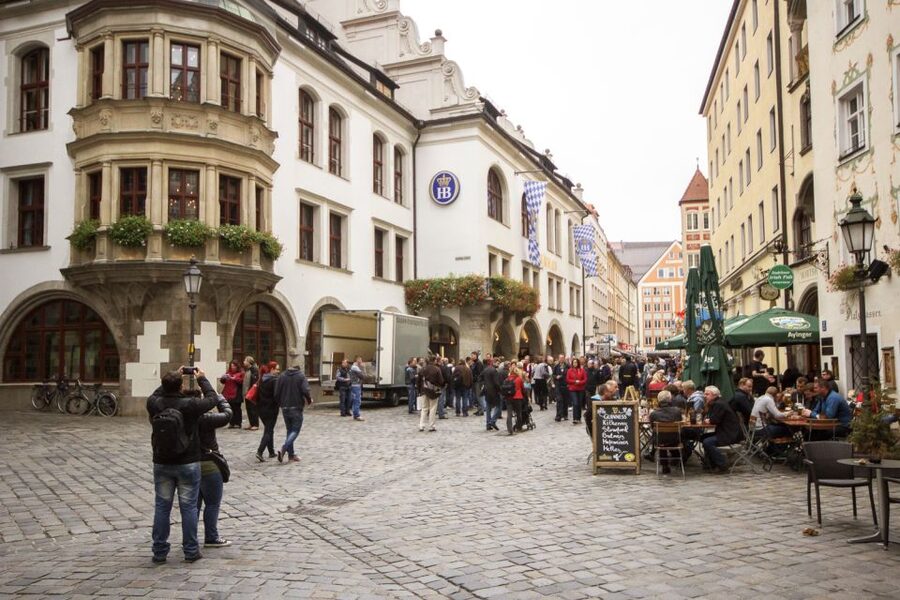
Hofbräuhaus as the early launchpad for mass meetings linked to the beginnings of Nazism
Feldherrnhalle stop focused on the failed attempt to seize power and what that showed about the movement
Königsplatz party rally grounds where propaganda logic met big, public staging
Hofgarten visit tied to The White Rose Resistance Movement to balance the story with courage
English or German live guides with strong narrative delivery that many guests highlighted by name
Weather-friendly mindset is important, and hot drinks plus seating help show up in the experience you’ll be prepared for
Further wartime history walks we have written up
- Munich: Third Reich & WWII Walking Tour★ 4.6 · 6,181 reviews
- Third Reich Walking Tour Munich★ 4.5 · 4,291 reviews
- Munich: Birthplace of the Third Reich Guided Walking Tour★ 4.6 · 771 reviews
- Munich World War II Sites Including Dachau Concentration Camp★ 4.5 · 570 reviews
Why Munich turned into fertile ground for Nazism
This tour doesn’t start with Hitler as a cartoon villain. It starts with Germany after World War I, defeated and humiliated, and with Munich caught in hyperinflation and social chaos. That setting matters, because it helps you understand how extremist ideas found an audience when normal life stopped making sense.
You’ll hear how Bavaria was shaped by revolution and assassination in the years after the war. Then you’ll watch how the Nazi movement rose out of that instability, gaining structure, supporters, and confidence. The goal is not to make you an expert overnight, but to give you the basic cause-and-effect map so the places you see actually mean something.
The prelude at Munich’s Hofbräuhaus, where the first momentum formed
Hofbräuhaus is one of those Munich addresses that sounds like it belongs to beer and bustle. On this walk, that familiar vibe gets reframed, because you’re using the building as a historical reference point for the early Nazi mass meeting scene. You’ll learn how the Nazi movement used public gathering spaces to build visibility fast.
What I like about this stop is the logic of it. You’re not just memorizing dates, you’re seeing how propaganda works in real life: crowds, repetition, and the feeling that a movement is bigger than the people behind it. By the time you reach the next locations, you’re primed to notice how the story keeps escalating.
Feldherrnhalle, and the failed power play that still changed the course
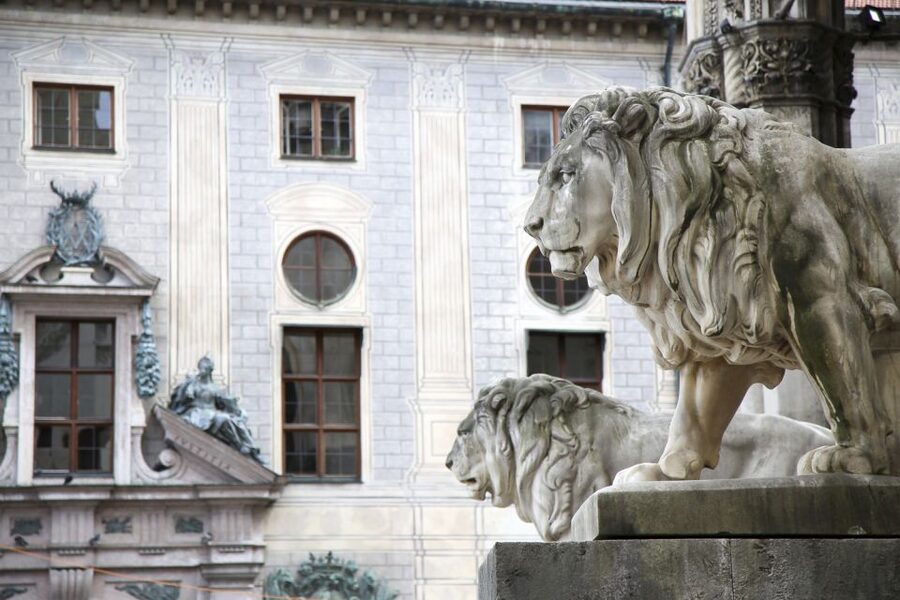
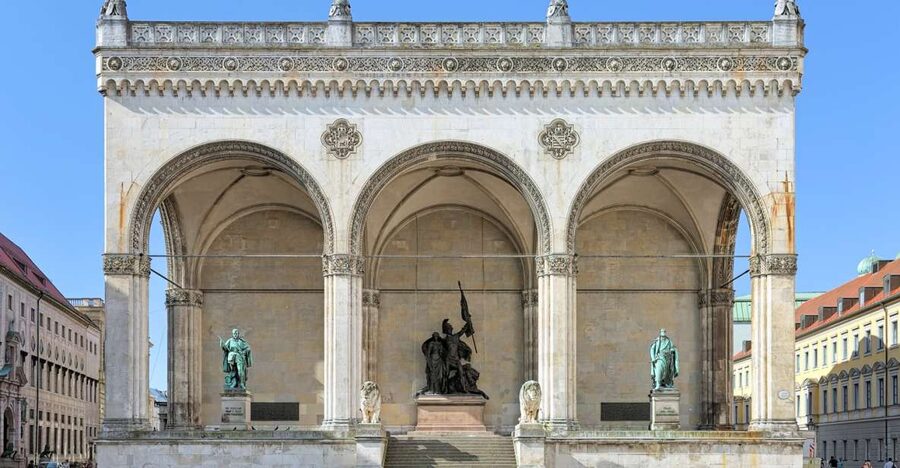
Next comes Feldherrnhalle, tied to the failed attempt to seize power. This stop helps you understand a key part of how extremist movements evolve. Even when they fail, they can still gain attention, myth, and organizational drive, because the public battle itself becomes part of their narrative.
You’ll connect this moment to the wider arc of Hitler’s rise in Bavaria’s capital. The tour is set up so this site feels less like a random monument and more like a turning-point hinge. And because the walk is designed around a sequence of events, the story lands in your head as a chain, not a collection of facts.
Königsplatz: where party rallies became a performance
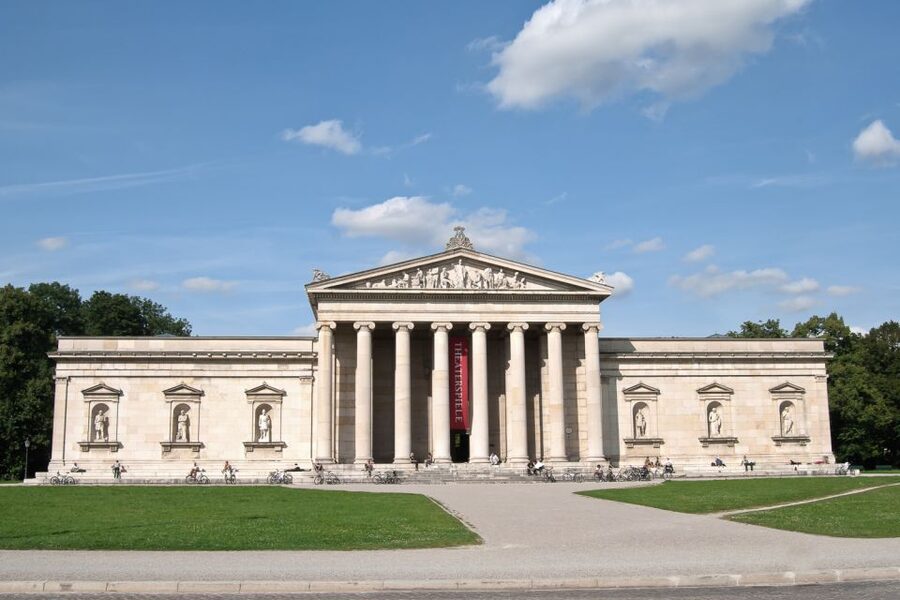
Königsplatz is where you start to see the Third Reich as something more than politics. You’ll hear about the growth of Hitler’s movement across the city, and you’ll visit the spaces connected to party rallies. This is where the movement’s public face took physical form.
Even if you know some history already, this kind of stop can change your perspective. You begin to understand how staging matters, how architecture and open space can be used to project certainty and strength. In other words, you’re not only learning what happened, you’re learning how power likes to look.
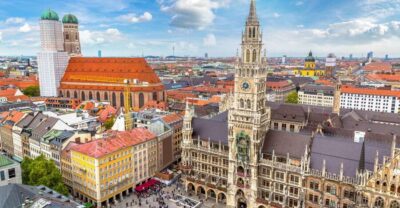
Other walking routes through Munich

Hofgarten and the White Rose Resistance Movement stop
One of the best parts of the tour is that it doesn’t end on the rise of Nazism. You also stop in the Hofgarten to talk about The White Rose Resistance Movement, which shifts the tone toward people who refused the system.
This addition is valuable because it keeps the story from feeling like fate. You learn that resistance existed, not as a vague idea, but as a real movement of conscience inside Germany. It gives you a counterweight to the cruelty that the tour is otherwise explaining.
If you’re the type who walks through memorials and wants a little more than sadness, this stop tends to land with extra meaning. It reminds you that history isn’t only perpetrators and victims, it’s also choices made by ordinary people under pressure.
What the guide really adds, and why names like Michael, Steve, and Josh come up
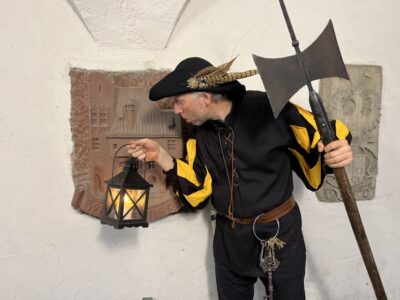
A walk like this lives or dies on the guide’s delivery. Many guests specifically praised guides named Michael, Steve, Josh, and others like Alex, Florian, Ulrich, Danielle, and Aileen. The common thread in the feedback is that the guides were not just fact-dumping, they were telling the story in a way that holds attention.
You’ll also be working with a live guide in English or German, so you can pick the language that helps you follow nuance. Several people mentioned clarity even in cold conditions, and some noted the guides managed group pace well so you’re not stuck for long stretches without context.
One practical takeaway: if you’re sensitive to volume in open public squares, this tour tends to do better with a guide who projects. That’s something you’ll want, and it seems like the better guides for this walk focus on being heard without sounding rushed.
Timing, pacing, and the reality of 2.5 hours outside
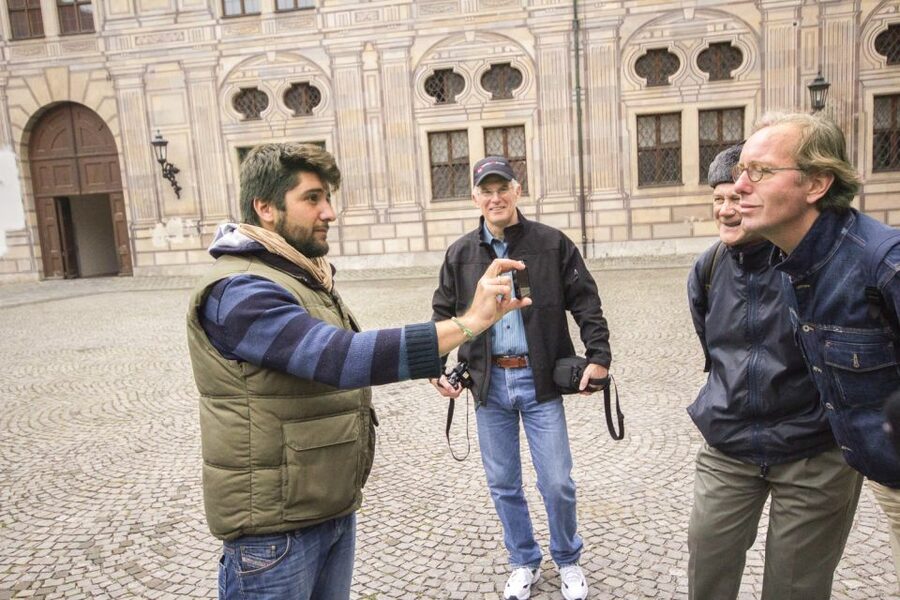
This experience runs about 2.5 hours, listed as 165 minutes. That duration is long enough to build the narrative arc from 1919 conditions and early mass meetings, through escalation points, and into resistance context. It’s short enough that you’re not trapped for half a day once the emotional weight sets in.
Stops are frequent rather than one long slog. That matters because you’re learning while walking, and frequent stops help your brain reset. If you’re traveling with kids or anyone who gets restless, this structure can make the tour feel manageable.
Weather comes up in the experience a lot. People mention cold outdoor conditions and suggest bringing warm clothing. In practice, guides can also help you stay comfortable, with things like hot drinks and extra seating items mentioned in feedback. Still, bring your own layers and plan to feel the winter air.
Price and value: what $31 buys you in Munich
At $31 per person, you’re paying for a guided, live narrative that covers multiple high-signal sites in a single outing. You’re not just getting entry to one landmark, you’re getting a story that connects sites to events: Hofbräuhaus for early mass meeting energy, Feldherrnhalle for the failed power grab, and Königsplatz for rally staging, then Hofgarten for The White Rose Resistance Movement.
The value here is in interpretation. Without a guide, you can walk past these locations and only see stone, signage, and architecture. With a good guide, the same streets become a timeline of choices, momentum, and consequences.
And since it’s a fixed duration, it fits cleanly into a day in Munich. You’re paying for a focused slice of the city, which is usually what you want when you’re only in town for a short visit.
Practical expectations so you get the most out of it
First, wear comfortable shoes. This is a walking tour, and the route is designed for explanation at stops tied to events, not sightseeing sprints.
Second, mentally prepare for a difficult subject. You’re learning about the birth of Nazism, the rise of Hitler, and the Third Reich, and it ends in the context of Munich suffering ruins and World War II cutting deep wounds across Germany. It’s appropriate to be respectful and a little quiet inside your own head during the tough parts.
Third, expect the meeting point to vary by option booked. That isn’t a dealbreaker, but it means you should double-check where to gather for your specific slot, and give yourself a little extra time in a busy central area.
Finally, if your goal is to understand the warning signs that history repeats, choose this tour for the cause-and-effect framing. You’ll leave with a clearer sense of how instability, propaganda, and public power can move from street-level events to national catastrophe.
Should you book the Munich Third Reich & WWII walking tour?
Book it if you want more than surface-level WWII facts. You’ll get a structured walk through major Munich locations tied to the rise of Hitler’s movement, plus an important counterbalance with The White Rose Resistance Movement in the Hofgarten. It’s also a good choice if you learn best when a guide stitches details into a clear timeline.
Skip it or reconsider if you’re not up for heavy, political content, or if you hate being outside in winter. Also think twice if you strongly prefer learning from museums only, because this experience is built around walking the city and reading history through places.
If you do book, I’d suggest dressing warm, arriving with a little patience for finding the group, and committing to the guide’s pace. This tour works best when you let the story build site by site, and when you treat the stops as lessons, not just photo locations.
Pavements of Munich
Wartime History Walks We Have Reviewed
Everything else we filed on Munich
- Festive Concert in the All-Saints Court Church
★ 4.6 · 11 reviews - Private Castle Tour from Munich: Neuschwanstein, Hohenschwangau, and Linderhof
★ 4.5 · 12 reviews - Munich: Oktoberfest Big Beer Tent Evening including table reservation
★ 4.8 · 12 reviews - Munich: Nymphenburg Palace with official Guide
★ 5.0 · 12 reviews - Munich Residenz Palace, Museum and Treasury Private Tour
★ 4.5 · 12 reviews - 800 Years of History: A Munich GPS Audio Tour
★ 4.5 · 12 reviews
Third Reich and Wartime History Tours, side by side.
 ★ 4.9Berlin: Third Reich and Cold War 2 Hour Walking TourFrom $236,830 reviews
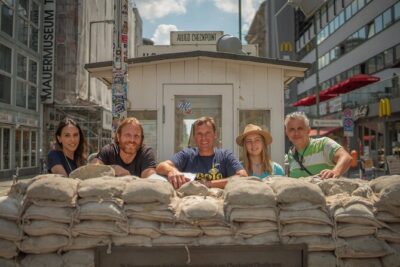 ★ 5.0Berlin’s Best: 2 Hour Walking Tour Third Reich and the Cold WarFrom $245,486 reviews
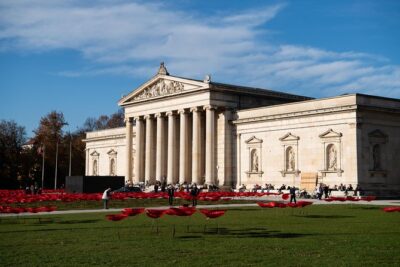 ★ 4.5Third Reich Walking Tour MunichFrom $454,291 reviews
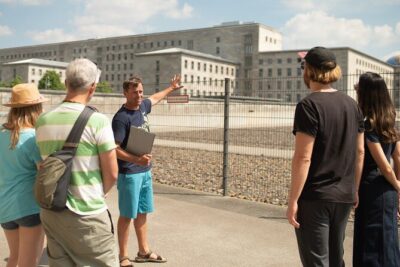 ★ 5.0Third Reich Berlin: Hitler and WWII Walking TourFrom $243,301 reviews
 ★ 4.7Nuremberg: Walking Tour of Former Nazi Party Rally GroundsFrom $151,665 reviews
 ★ 4.9Berlin: Third Reich, Hitler, and WWII Walking TourFrom $201,133 reviews
 ★ 4.8Nuremberg: Historischer Kunstbunker WWII Art Bunker TourFrom $14921 reviews
 ★ 5.0Berlin Third Reich Sites: Half-Day Walking TourFrom $21835 reviews
Other lists this tour is on