
REVIEW · MUNICH
Munich City Pass: Admission to 45 activities and Public Transport
Munich in a card, with less queue time. This pass is interesting because you pick a validity window from 1 to 5 days and then use it across 45+ Munich attractions plus public transport. I like two things most, the time you save by skipping ticket-line hassle, and the practical transit access that helps you string together far-flung sights without constantly recalculating routes. One thing to think about, a few guided tours may require you to book in advance, based on the instructions in your digital pass.
I also appreciate the variety. You get big-ticket names like the Deutsches Museum and the Alte Pinakothek, plus smaller, more quirky stops like Valentin-Karlstadt-Musäum and the Museum Reich der Kristalle. It is offered in English, and the group size caps at 15 travelers, which keeps it more manageable if you are doing parts with others.
In This Review
- Key Things I’d Watch Before You Buy
- Price and Value: Is This $48 Pass Actually Worth It?
- Picking the Right Pass Length Without Overbooking Yourself
- Getting Around: Transit Plus the 7-Stop Express Circle
- Museum Mile for Art Lovers: Alte Pinakothek, Glyptothek, and the Pinakotheken
- Specialty Collections That Feel Like Munich’s Personality Tests
- Jewish Munich and Nazi History: NS Documentation and a Museum View
- Nymphenburg and Schleissheim Palace Grounds: Castles, Gardens, and Museums
- Deutsches Museum and Verkehrszentrum: Science You Can Actually Enjoy
- Theater and Performance History: Cuvilliestheater and Deutsches Theatermuseum
- Old Town Landmarks: City Museum, Residenz, Bavaria Statue, and New Town Hall
- Olympiapark, FC Bayern, Filmstadt, SEA LIFE, and the Giant Wheel
- Who Should Buy This Pass?
- Should You Book the Munich City Pass?
- FAQ
- How many activities are included with the Munich City Pass?
- What length of time can I choose for the pass?
- Is public transport included?
- Is the pass available in English?
- Are any attractions included for free versus ticketed admission?
- Is Neue Pinakothek open during renovation?
- Do I need to book anything in advance?
- What is the group size limit?
Key Things I’d Watch Before You Buy
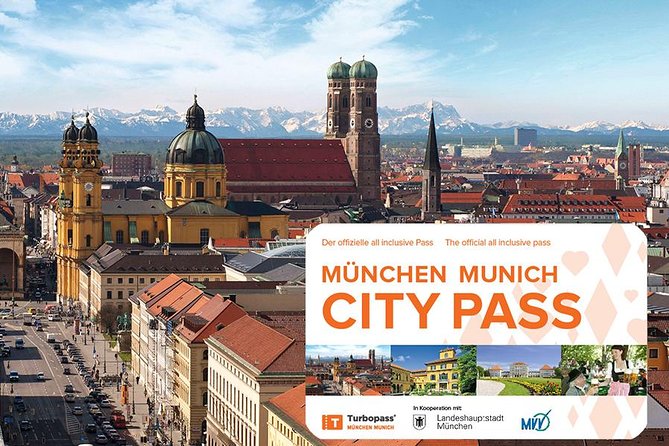
- 45+ activities in a flexible time window so you can match your pace instead of forcing one rigid tour day
- Public transport included (optional area coverage) so you can hop between museum zones and palace grounds without ticket stress
- Deutsches Museum plus Verkehrszentrum included which is a rare pairing for anyone who likes science and how things move
- Nymphenburg and Lustheim palace access included for the baroque and porcelain side of Munich
- Hop-on-hop-off Express Circle included with 7 stops, a helpful backbone when you want “easy mode” for part of the day
- Neue Pinakothek listed as closed until 2025 so you should plan a swap if that museum is on your list
More laps of the Munich old town
- Munich: Old Town & Viktualienmarkt City Walk in German★ 4.7 · 2,304 reviews
- Munich Old Town Walking Tour★ 4.5 · 1,287 reviews
- Munich City Hop-on Hop-off Tour★ 3.5 · 1,233 reviews
- Munich: Viktualienmarkt Food Tour★ 4.5 · 1,127 reviews
Price and Value: Is This $48 Pass Actually Worth It?
At $48 per person, the Munich City Pass is really a math-and-stamina deal. If you plan to visit multiple paid attractions in a short trip, the value usually shows up fast, because you are stacking admission across art museums, history museums, and big-name sites instead of paying line-by-line.
The pass also adds value beyond tickets. It comes with public transport access, and that matters in Munich. Distances can add up, and wasting time on transit decisions can be more painful than the admission fee. With the pass, you can treat the day like a route, not like a scramble.
One more value note from the feedback I saw: a couple of people highlighted saving money on admissions and especially on transportation, including using the pass on the S-Bahn and U-Bahn. That lines up with the real-world benefit here: your itinerary becomes easier to execute.
Picking the Right Pass Length Without Overbooking Yourself
The pass gives you a duration choice from 1 to 5 days, and your best plan depends on how many “heavy” museums you want per day. Many of these stops are built for about a couple hours each, and that is realistic. But stacking too many can make your trip feel like an art marathon.
My rule of thumb:
- For 1 day, pick one or two museum clusters and one landmark.
- For 2 to 3 days, you can add a palace day or a science day.
- For 4 to 5 days, you can spread everything out, including the niche museums like the Egyptian collection and the city museum.
Also, watch the one practical snag built into the pass reality: some attractions may have guided options, and you might need to reserve those yourself. If you care about a specific timed experience, leave a little buffer so you are not forced to rearrange everything.
Getting Around: Transit Plus the 7-Stop Express Circle
Munich is best when you move efficiently, and this pass leans into that. You can get free public transport for the inner or entire area (M-6), depending on the option you select. That turns S-Bahn and U-Bahn rides into low-friction links between museum districts and palace sites.
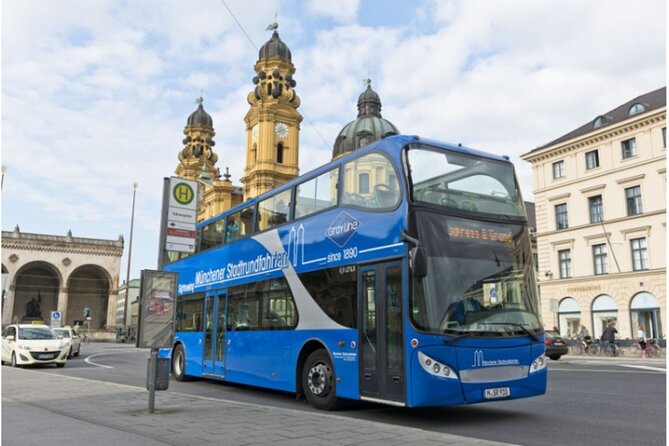
You also get a 24-hour hop-on-hop-off Express Circle with 7 stops. Think of it as your “transport comfort blanket” for at least part of a day, especially if you want to reduce decision fatigue. Use it to reposition yourself, then switch to walking or direct transit once you are near your next target.
If you are traveling with limited time or you hate standing in ticket lines, this is where the pass earns its keep. It is not just about museums. It is about making the whole schedule feel smoother.
Museum Mile for Art Lovers: Alte Pinakothek, Glyptothek, and the Pinakotheken
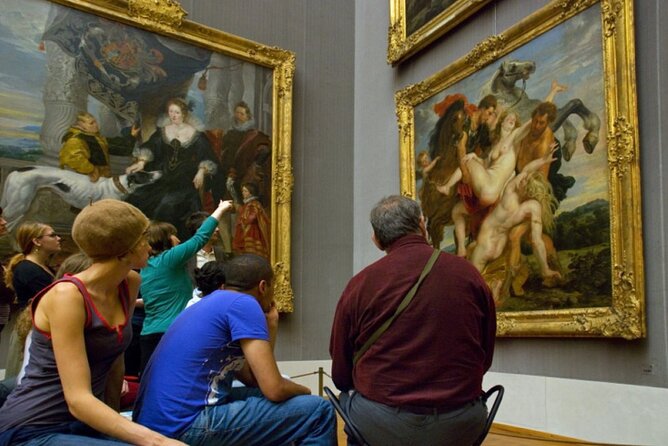
If you love European painting, start with the Alte Pinakothek. It is a major collection for outstanding works from the 14th to the 18th centuries. Plan this as a focal point. Give yourself time to actually look, not just move through rooms.
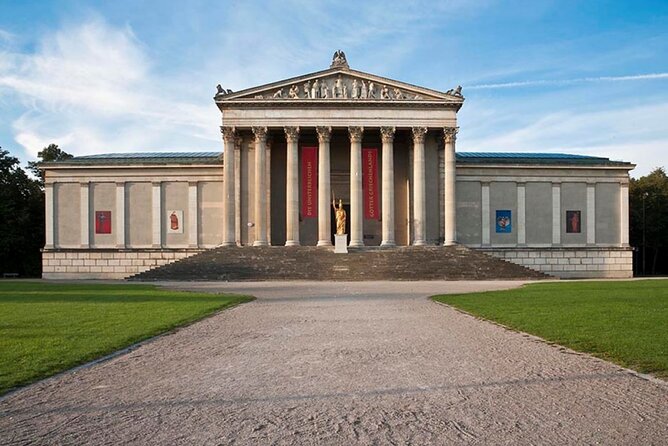
Next, build around ancient art and classic taste with the Glyptothek. It is famous for a standout Greek vase collection, plus notable ancient works in materials like gold, bronze, ceramics, and glass. If you like when museums balance objects of different types, this is a strong fit.
For 19th-century and modern-leaning art buildings, you will also find the Lenbachhaus, known for the largest collection of blue rider works. It is a great “style break” from purely older masters, especially if you want a Munich flavor that feels tied to German modern art.
Then hit the big modern-art institutions:
- Haus der Kunst for contemporary art
- Kunsthalle München for works spanning antiquity to the present
- Pinakothek der Moderne for modern art at a large collection scale
- Museum Brandhorst for modern and contemporary art behind a dramatic facade
If you are the type who loves variety, this cluster can easily fill a full day or more, depending on how often you pause for coffee and how long you linger on special rooms.
One must-know note: Neue Pinakothek is listed as closed from January 1, 2019 through 2025 for renovation. If that museum is a top priority, plan a replacement stop in advance. You can usually keep your day on track by swapping in Pinakothek der Moderne or adding an extra museum in the same broader area.
Also consider the more specialized art stop Sammlung Schack, focused on Franz von Lenbach paintings. It is a nice change of pace when the larger museums start to blur together.
The wider Munich sightseeing pile

Specialty Collections That Feel Like Munich’s Personality Tests
After big museums, I like mixing in smaller, themed collections that make your trip feel specific. The pass includes several that do exactly that.
For example, the Museum Reich der Kristalle focuses on minerals and gemstones. If you enjoy geeking out over objects you cannot easily see outside a display case, this one is memorable and usually easier to finish without museum fatigue.
Glyptothek covers ancient vases. Munich Museum of Egyptian Art covers 5,000 years of Egyptian culture and art. That is a huge time span, and it can be a mental reset if you have been moving through European art all day.
The Staatliche Münzsammlung München is another smart pause. It houses more than 3,000 objects, with the oldest dating back to the third millennium BC. Even if you are not a coin person, this is a history-through-material culture stop, and it rewards slower looking.
If you want a museum that is genuinely different, Valentin-Karlstadt-Musäum is the quirky pick. It is built around the original Valentin-Karlstadt humor-and-personality vibe, and it is perfect when you want something less formal after days of galleries.
For natural history curiosity, the pass includes Museum Mensch und Natur. It is a natural history museum, so it gives you a different learning texture than art museums and palace interiors.
And if you like world culture and travel-themed collections, Museum Fünf Kontinente focuses on cultural riches from around the globe. It is a good “mind expand” stop without needing a long day trip.
Jewish Munich and Nazi History: NS Documentation and a Museum View
This is the part of the Munich City Pass that is not fun in the traditional sense. It is still important, and it can be powerful when you come in prepared to slow down.
The Jewish Museum Munich gives you insight into Munich history from the Jewish perspective. That framing matters, because you get context and continuity rather than treating Jewish heritage as a side note.
Then there is the NS-Dokumentationszentrum München. It is a place of learning and remembrance focused on Munich’s history connected to Nazism and the consequences of dictatorship. Plan this time like a serious museum visit. It is not a quick glance stop.
If you are pairing it with lighter museums the same day, I suggest spacing it out. Put your most reflective stop in the middle of the day, then let the evening be calmer.
Nymphenburg and Schleissheim Palace Grounds: Castles, Gardens, and Museums
Munich’s palace areas can be the highlight of your whole trip, especially if you like grand rooms and also like being outside.
Start with Schloss Schleissheim, home to two exhibitions: the Ecumenical Collection of Gertrud Weinhold and Prussia’s Cultural History Collection. It feels like a calm, cultured detour from the city core, and it works well when you want something substantial without rushing.
Then pair it with science-in-the-palace-world by adding Flugwerft Schleissheim. It covers about 8,000 square meters with nearly 70 aerospace exhibits. This is a standout pairing for curious adults and teens who want hands-on explanations and real aircraft and flight history.
For the garden and fairy-tale feel, you have Botanischer Garten München-Nymphenburg. Stroll through the flower fullness and take your time. This stop is also a good one if you want a slower, reset day after heavy indoor museums.
Next, go full palace experience at Nymphenburg Palace. The pass includes access, and it is once known as a refuge for the Munich court. It gives you that classic Munich grandeur.
In the palace grounds, you can add the carriage history at Marstallmuseum. It explains the development of carriages from the late 17th century through the late 19th century, with exhibits from Germany, France, and England.
You can also spend time on the smaller park castles included:
- Amalienburg
- Pagodenburg
- Badenburg Palace
These are perfect when you want variety without changing locations. Walk the grounds, hop between buildings, and keep the pacing comfortable.
One more palace step: Lustheim Palace. It houses the Meissen porcelain collection, showing the range of Meissen products. If you like craftsmanship, this is worth treating like an art stop, not a quick look.
Deutsches Museum and Verkehrszentrum: Science You Can Actually Enjoy
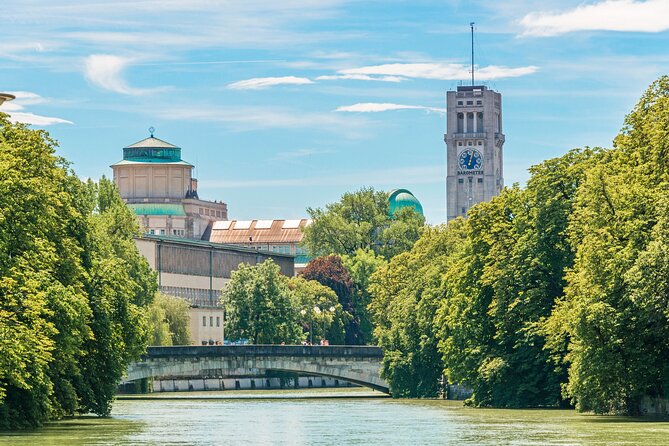
If you only choose one “big science” stop, make it Deutsches Museum. It is one of the largest science and technology museums in the world, and the pass includes it for free access.
Then add Deutsches Museum Verkehrszentrum. This is the transport-focused side, with a collection centered on land vehicles. Together, these two give you a satisfying science arc: how technology grew, how people traveled, and how engineering shapes daily life.
These museums can take a full chunk of time. If you have limited days, pick the sections that match your interests. If you do not know, give yourself the first hour for orientation, then choose exhibitions based on what actually catches you.
The value here is strong because science museums often cost a lot and can be time-consuming to plan. With the pass, you are free to spend your time choosing what to see rather than choosing whether it is affordable.
Theater and Performance History: Cuvilliestheater and Deutsches Theatermuseum
For a break from purely museum rooms, include Cuvilliestheater. It is described as the most beautiful Rococo theater in Germany, with the fun detail that Napoleon was already there to visit. That kind of fact adds spice when you are standing in a room with serious architectural charm.
If you want another performance-history stop, the pass includes the Deutsches Theatermuseum. There is no permanent exhibition due to space restrictions, but it runs special exhibitions regularly. That means your experience can vary based on what is showing when you go.
So for these theater stops, check your exact dates in the digital pass instructions and be ready to adapt. If you are expecting one static exhibit, you might find something different.
Old Town Landmarks: City Museum, Residenz, Bavaria Statue, and New Town Hall
When you want Munich views and historic framing, this pass includes several excellent anchors.
The Münchner Stadtmuseum is near Viktualienmarkt and sends you on a journey into the past of Munich. It is a handy stop when you want grounding before you zoom around art districts.
The Residenz Museum is a major one. It includes the treasury of the Munich Residence, described as one of the most prestigious collections of its kind. If you like historic interiors and valuable objects presented with seriousness, this works well.
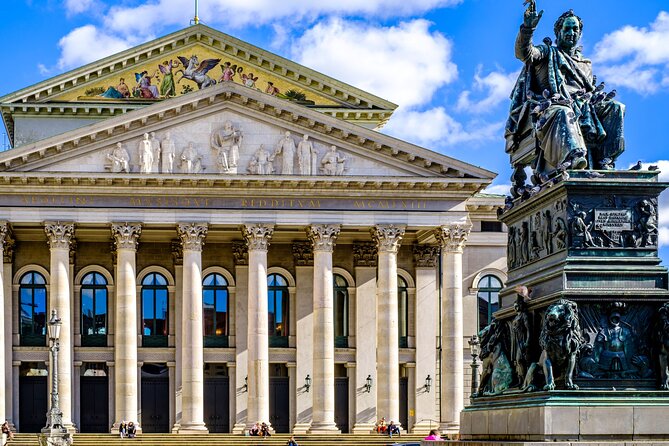
For a dramatic outdoor landmark, go to Ruhmeshalle und Bavaria. You will see the 18-meter tall statue of Bavaria in front of the Ruhmeshalle, the hall of fame. This is one of those “pause for a photo, then read the surrounding context” stops.
Finish your skyline fix at New Town Hall (Neues Rathaus). The pass includes access to the tower for breathtaking views over Munich. This is ideal near evening if the light is right, because the city can look extra cinematic from above.
Olympiapark, FC Bayern, Filmstadt, SEA LIFE, and the Giant Wheel
Munich is not only museums, and the pass reflects that with a cluster of modern and pop-culture choices.
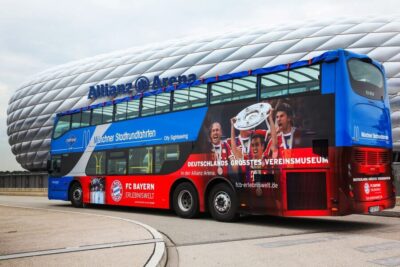
First, FC Bayern Museum at the Allianz Arena is included, and it is described as Germany’s biggest club museum. If you are a Bayern fan, you will likely love the scale and energy. Even if you are not, it is still a strong museum concept about sports culture.
Next, Bavaria Filmstadt offers an experience with original scenes from big movies and famous TV highlights. This is a nice option when you want entertainment without giving up on the “Munich learning” vibe.
For classic family-friendly fun, add SEA LIFE Munich in Olympiapark. It is an aquarium, so it is perfect when you want to slow down and let the day breathe.
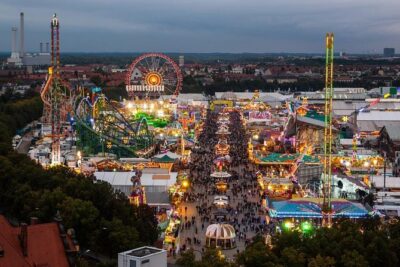
Then take the ride at Umadum das Munchner Riesenrad, the giant observation wheel. It is described as the biggest transportable giant observation wheel in the world. Even if you think you are not into ferris-wheel attractions, observation wheels can be surprisingly useful for orientation. You get a wider sense of where everything sits.
Back at Olympiapark, the pass includes Olympiapark and notes that the park railway is included. If you want to cover more ground without walking every hill, this is a practical add-on.
Who Should Buy This Pass?
I would buy this pass if you want a museum-heavy trip with lots of variety and you care about reducing friction. It suits art lovers, science fans, and history readers because the list spans painting, ancient objects, natural history, transport tech, and serious remembrance sites.
It also works well if you like planning loosely. You do not need to commit to one fixed day itinerary. You can choose what fits your mood and your energy.
If you only want one or two attractions, this pass may feel too broad. But if you are aiming for multiple stops across different areas of Munich, it is built for that.
Should You Book the Munich City Pass?
Yes, I think it is a good booking for many first-time visitors who want control. The combination of 45+ attractions and public transport access is the main reason to consider it, because it turns your schedule into a route instead of a checklist.
Book it if:
- you plan to visit several museums or palaces
- you want transit help with S-Bahn and U-Bahn and optional coverage
- you like mixing big-name sights with niche collections
Skip it or reconsider if:
- you only have time for one attraction
- you are counting on specific guided tours without any buffer time to reserve them yourself
- Neue Pinakothek is your must-see and you are not willing to swap (it is listed as closed through 2025)
FAQ
How many activities are included with the Munich City Pass?
The pass provides admission to more than 45 Munich attractions and activities.
What length of time can I choose for the pass?
You can choose a pass valid for 1 to 5 days, based on your schedule.
Is public transport included?
Yes. The pass includes free public transport for the inner or entire area (M-6) if that option is selected.
Is the pass available in English?
Yes, it is offered in English.
Are any attractions included for free versus ticketed admission?
The pass includes some sights with admission ticket included and many others with free access. For example, the Alte Pinakothek, Schloss Schleissheim, Bavarian National Museum, and Botanischer Garten München-Nymphenburg are listed as admission ticket included.
Is Neue Pinakothek open during renovation?
No. Neue Pinakothek is listed as closed from January 1, 2019 until 2025 due to renovation.
Do I need to book anything in advance?
Some attractions, such as guided tours, may need to be booked in advance by you, following the instructions in the digital City Pass.
What is the group size limit?
The maximum is 15 travelers.
If you want, tell me how many days you have in Munich and what you care about most, art, palaces, history, or science, and I will suggest a smart way to pick the stops so you do not waste time backtracking.
Seeing Munich in One Go
Munich Old Town, Street by Street
Everything else we filed on Munich
- Festive Concert in the All-Saints Court Church
★ 4.6 · 11 reviews - Private Castle Tour from Munich: Neuschwanstein, Hohenschwangau, and Linderhof
★ 4.5 · 12 reviews - Munich: Oktoberfest Big Beer Tent Evening including table reservation
★ 4.8 · 12 reviews - Munich: Nymphenburg Palace with official Guide
★ 5.0 · 12 reviews - Munich Residenz Palace, Museum and Treasury Private Tour
★ 4.5 · 12 reviews - 800 Years of History: A Munich GPS Audio Tour
★ 4.5 · 12 reviews
Munich Old Town and Marienplatz Tours, side by side.
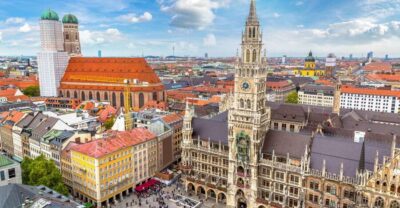 ★ 4.7Munich: Old Town & Viktualienmarkt City Walk in GermanFrom $232,304 reviews
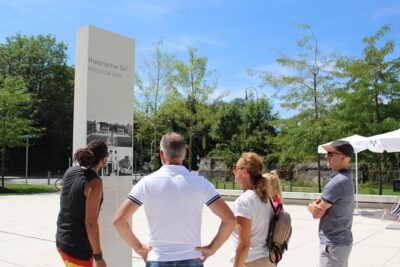 ★ 4.5Munich Old Town Walking TourFrom $271,287 reviews
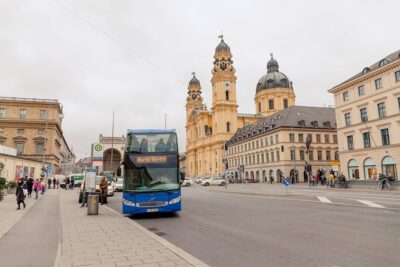 ★ 3.5Munich City Hop-on Hop-off TourFrom $311,233 reviews
 ★ 4.5Munich: Viktualienmarkt Food TourFrom $501,127 reviews
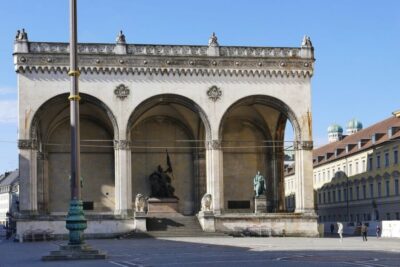 ★ 4.7Munich: Walking Tour Old Town and ViktualienmarktFrom $282839 reviews
 ★ 5.0Munich City Walking Tour, includes Third Reich & ViktualienmarktFrom $31458 reviews
 ★ 5.0Lunch Like a Local: Munich’s ORIGINAL Viktualienmarkt Food TourFrom $163416 reviews
 ★ 4.7Munich: Viktualienmarkt Food Tasting Tour in GermanFrom $647394 reviews
Other lists this tour is on