
REVIEW · TOURS
Munich – Illuminati & other Secret Societies, Tour in German
Secret symbols in Munich are easier to spot after this.
I love the way the guide turns the city into a clue trail, pointing out details you would usually miss, and I also love the tight storytelling that connects Illuminati and Freemasons to Bavaria’s political history. It is especially fun if you like history that feels like it is hiding in plain sight.
One thing to consider: this is not a classic, stop-to-stop overview of Munich sights. Some of the focus can feel broad, so if you want only strictly Munich-only facts, set your expectations before you go.
In This Review
- Key highlights to look for
- Munich Is Perfect for Secret-Society Storytelling
- Starting at Karlstor: Where You Begin and What to Notice
- The Tour’s Real Skill: Turning Streets into Clues
- Illuminati, Freemasons, and the Bavarian Elector’s Countermove
- Freemasons and the Medieval Dombau Huts
- Symbol Hunting: What Secret Marks Look Like in Munich
- The Old Academy, Michael’s Church, Frauenkirche, and Promenade Square
- Old Academy
- Michael’s Church
- Frauenkirche
- Promenade Square
- The Order of the Golden Fleece in Munich Streets
- Guglmen and Other Groups You Will Hear About
- German-Language Tour: How to Make It Work for You
- Price and Value: $29 for Two Hours in the Center
- Who Should Book This Tour (and Who Might Skip It)
- Should You Book This Munich Illuminati and Secret Societies Tour?
- FAQ
- What language is the tour in?
- Where is the meeting point?
- How long is the tour?
- Is the tour wheelchair accessible?
- Is there a gift included?
- What is the cancellation policy?
- Can I reserve without paying right away?
Key highlights to look for
- Karlstor starting point under the Karlsgate arch, right where the walking story begins
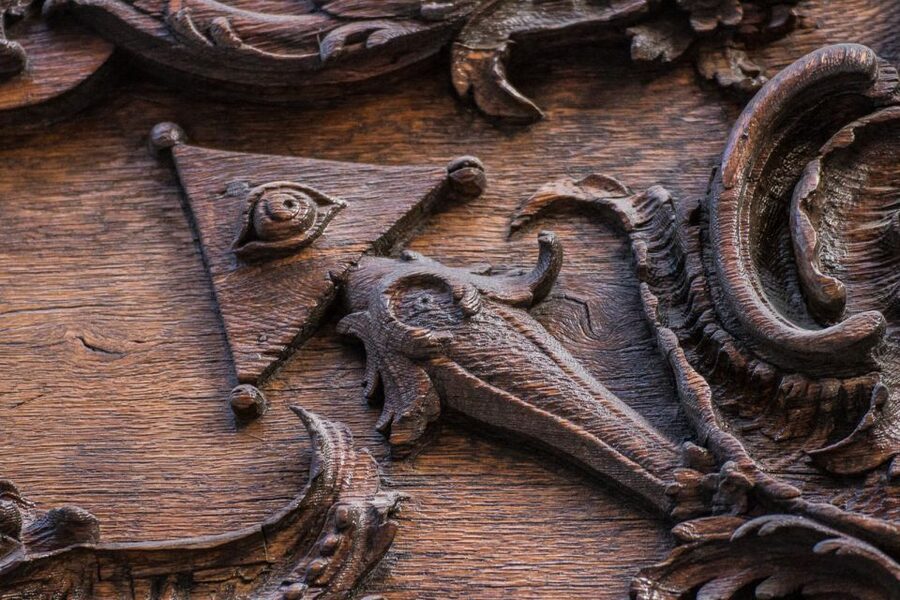
- Symbol spotting on real buildings, with help decoding what you are seeing
- Freemason roots tied to medieval dombau huts
- Bavarian Elector payoff, built around how a conspiracy narrative was shut down
- Order of the Golden Fleece insignia and why it shows up around Munich
- Engaged Q and A energy, including guide responsiveness noted in feedback
Undecided? The closest Munich write-ups we have are these.
- From Munich: Neuschwanstein & Linderhof Castle Full-Day Trip★ 4.5 · 12,494 reviews
- Neuschwanstein & Linderhof Castle-Fairytale Day Tour from Munich★ 4.5 · 7,275 reviews
- Munich: Third Reich & WWII Walking Tour★ 4.6 · 6,181 reviews
- Dachau Concentration Camp Memorial Site Tour from Munich by Train★ 4.5 · 5,637 reviews
Munich Is Perfect for Secret-Society Storytelling
Munich already looks like it has secrets. That is not just atmosphere. When you walk around the center, you constantly run into symbols, coats of arms, and religious and civic architecture that people once treated like coded messages.
This two-hour tour takes that instinct and gives it structure. You are not just hearing random conspiracy theories. You are following a guided thread through groups like Knights Templar, Freemasons, and Illuminati, plus the way Bavarian history tried to control or respond to them. The result is a walking lesson in how myths, politics, and power stories can stick to a city.
I like that the tone stays practical. Your guide points out details, then gives you a way to interpret what you see. Even if you do not buy the conspiracy angle, you will still walk away understanding why people believed these ideas mattered, and how they used architecture and symbols to reinforce that belief.
Starting at Karlstor: Where You Begin and What to Notice
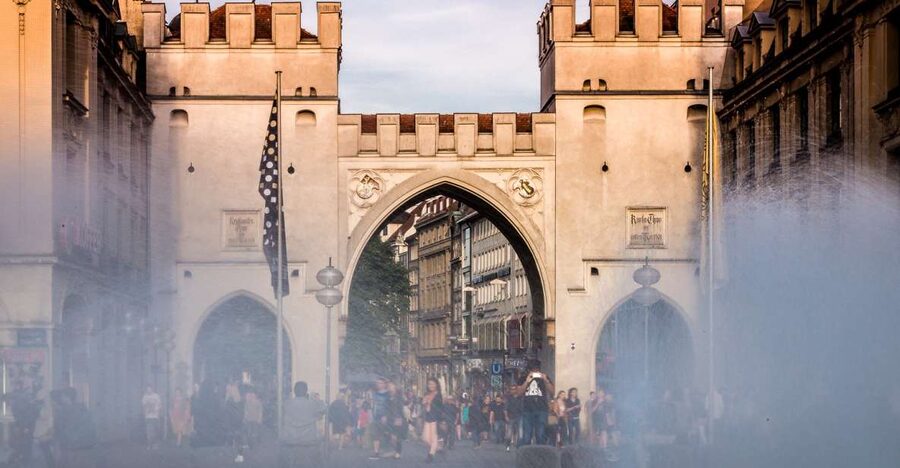
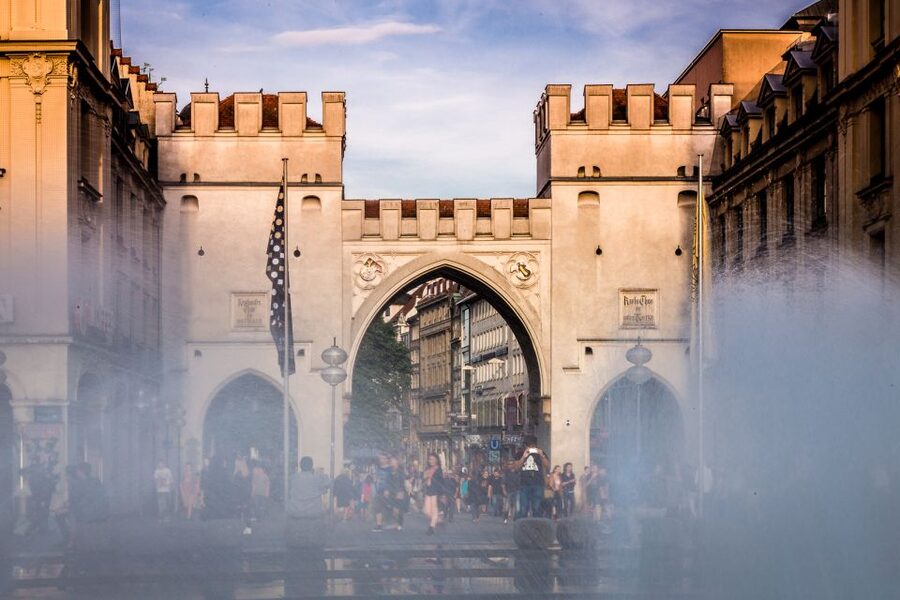
Your tour begins at Karlsplatz, directly under the arch of Karlsgate, at Neuhauser Str. 47, 80331. That is a great anchor point because it is central, easy to find, and it places you right where streets, landmarks, and older city layers overlap.
Before you head into the story, get into the habit of looking up and to the side. This kind of tour works only if you actually watch the façades and façade details, not just the big landmarks. Your guide will do the heavy lifting by pointing out “why this matters” moments, but you will get more out of it if you actively scan along the buildings.
Also, expect a German live guide. If you read German easily, you will have a smoother experience. If you do not, you can still enjoy the visual parts, but the real value is in hearing the explanations clearly as you walk.
The Tour’s Real Skill: Turning Streets into Clues
The heart of this experience is the way your guide turns Munich into a set of “readable” spaces. Instead of treating secret societies like abstract books, the tour treats them like something that left traces: symbols, insignia, and architectural habits that people would recognize at the time.
You will move through the center while learning how different groups were said to influence politics and social life. Some were framed as improving society, while others were described as manipulating events through hidden influence. The tour does not ask you to choose a side right away. It asks you to notice how the stories work and how they spread.
You will also be doing light symbol decoding. That is important. When you only hear legends, the whole thing can blur together. When you learn how to read a symbol, you start seeing patterns, and the tour becomes much more memorable.
Illuminati, Freemasons, and the Bavarian Elector’s Countermove
One of the most compelling threads is the question of how these supposed secret movements played out in real power structures. You hear about what a Bavarian Elector did to end the conspiracy of the Illuminati and Freemasons, at least as the narrative goes.
This matters because it shifts the conversation from “secret societies in a vacuum” to “secret societies versus state control.” If you are the kind of traveler who likes when history has stakes, you will appreciate this angle. It is not just lore. It is about what authorities feared, what they tolerated, and what they tried to shut down.
As you walk, your guide connects that historical conflict to what you see in the city: where people left symbols, where those symbols survived, and where official stories may have changed over time. The tour also raises the big question you will be thinking about for the rest of the walk: were these groups only radical Enlighteners, or did their influence continue in some form?

Freemasons and the Medieval Dombau Huts
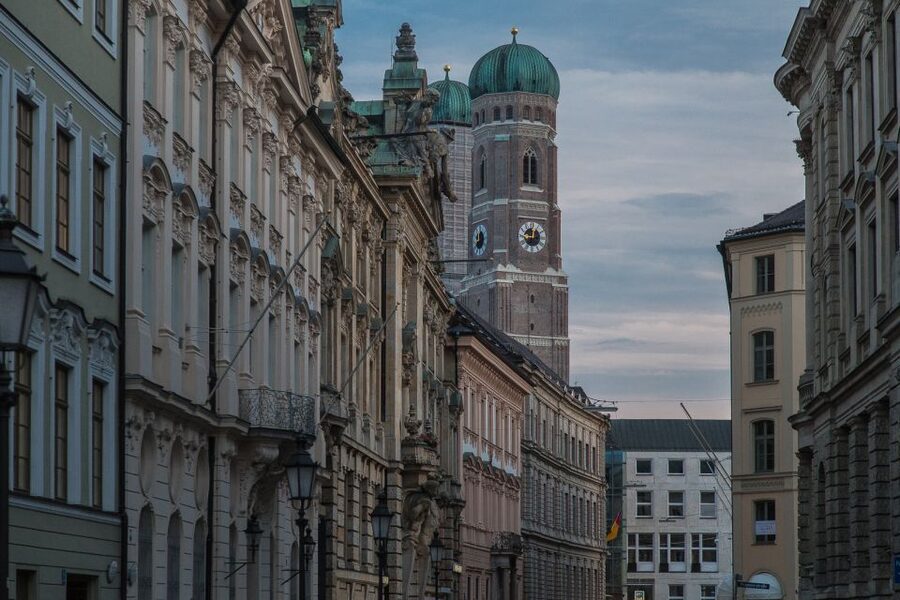
The tour includes an origin story that gives the Freemasons a different flavor than the usual pop-culture version. You will learn about the origins of the Freemasons in medieval dombau huts.
This is valuable for you because it grounds the idea of “secret knowledge” in something physical and practical. Dombau huts were tied to building culture, craft, and the knowledge required to construct major churches and public works. That changes the mood. Instead of secrets being only about power or ideology, they become about how skills, standards, and traditions get passed along.
It also helps you understand why the symbolism matters. When craft communities and building networks have long timelines, they can leave patterns behind in architecture and in how people organize themselves. This tour uses that logic to connect medieval origins to later stories connected to Bavaria and Munich.
Symbol Hunting: What Secret Marks Look Like in Munich
You will discover numerous buildings with secret symbols, and your guide will help you decipher them. The real payoff here is the training effect. After two hours, you are not just entertained. You are better at noticing the “coded” details that a regular sightseeing walk usually ignores.
When you approach a façade with a question in mind, you start seeing structure: placement, recurring shapes, and insignia-like elements that feel intentional. That is what makes this type of walk fun for repeat visitors too. Even if you have been to Munich before, you will be looking differently afterward.
Do keep your expectations honest. The tour is about interpretation, not scientific proof. It is building a guided reading of Munich’s symbols and the myths attached to them. If you treat it like a storytelling route that teaches you how to observe and connect clues, you will get the most out of it.
The Old Academy, Michael’s Church, Frauenkirche, and Promenade Square
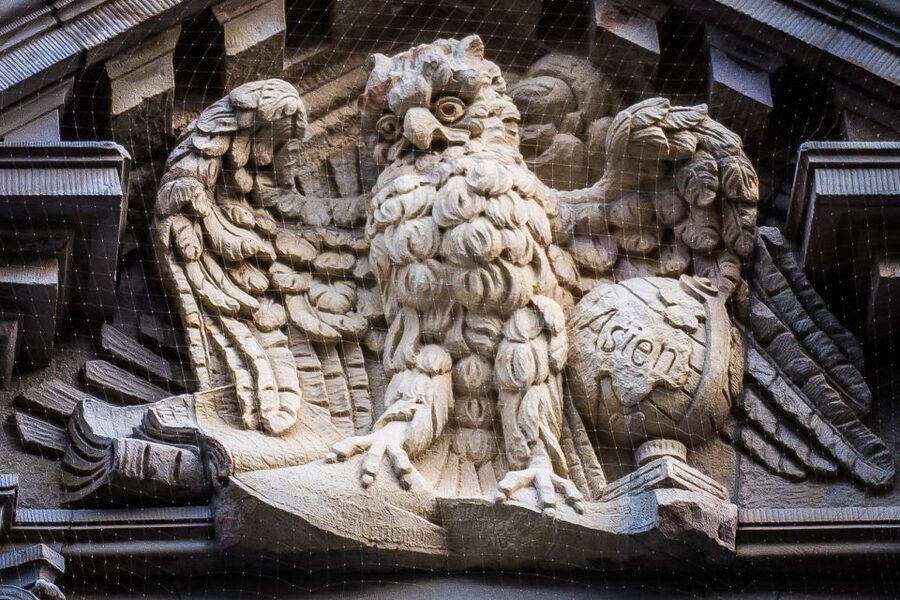
You will see several key areas linked to the groups in the tour, including the Old Academy, Michael’s Church, Frauenkirche, and Promenade square. These are not random sightseeing stops. Each one is used as a narrative checkpoint in the tour’s overall “follow the symbols” arc.
Here is how I would think about these stops:
Old Academy
This is where the tour shifts toward the idea that knowledge networks and ideas spread through cities, institutions, and people. If you like the intersection between institutions and secret-society myths, this stop tends to feel like a turning point.
Michael’s Church
Churches are always symbol-heavy, and this tour uses that fact. You are not just looking at architecture. You are looking at what people might have signaled, reinforced, or hidden through religious settings and symbolic language.
Frauenkirche
Big landmark churches can become so famous that you stop looking closely. This tour tries to break that habit. With your guide, you are meant to view the church as part of the city’s symbolic language, not just as a photo stop.
Promenade Square
This is where the tour helps you connect the story back to the living city. If you walk away thinking about the city’s symbols after you stop recording photos, this kind of endpoint works well.
The Order of the Golden Fleece in Munich Streets
One of the tour’s most practical and memorable elements is the Order of the Golden Fleece. You will encounter its insignia in Munich and hear what role it plays in the broader web of symbols you are learning to recognize.
This is a great topic for you if you want secret-society themes without only living in the shadows. The Golden Fleece is the kind of insignia that can feel like it belongs to formal power and recognizable tradition. Your guide connects that to why symbols repeat, why they persist, and why they show up in a city’s visual language again and again.
Even if you are not deeply into chivalric orders, this part helps you notice something important: symbols are not only about mystery. They are also about identity, legitimacy, and who gets to be seen.
Guglmen and Other Groups You Will Hear About
Your tour also covers groups beyond the big three. You will hear about the Knights Templar, and you will also learn about the Guglmen.
The key for your experience is how your guide handles these topics. This kind of route works best when the guide helps you keep the names straight and shows how each group fits into the larger idea of “hidden influence.” Since the tour is focused on symbols and local relevance, you will likely feel less lost than you might reading about multiple groups on your own.
If you love unusual details, this is the part that adds texture. The big names grab attention, but the smaller, more oddball references are often what makes you remember the tour later.
German-Language Tour: How to Make It Work for You
This experience is in German, and English is only available for a private tour. That single detail affects who should book.
If you speak or understand German at least moderately, you will likely have a smooth time. The tour’s value comes from the guide’s explanations while you are looking at the buildings, so a language gap can reduce how much you get from the symbol decoding.
If you are traveling in English-only mode, plan on either booking the private English option or choosing a different Munich tour. You can still enjoy the visuals, but the story and clue-reading will not land the same way.
Also, this is a wheelchair accessible experience, so it is designed for more than just able-bodied sightseeing. If mobility is a factor, that is a plus.
Price and Value: $29 for Two Hours in the Center
At around $29 per person for two hours, this sits in the “easy add-on” category for Munich. The value comes less from time length and more from what you get per minute: live guidance, symbol reading, and a storyline tied to actual spots in the city.
You also get a small gift, which is modest but at least makes the whole thing feel like a complete experience, not just a lecture on the move.
Is it worth it? For me, it is worth it if you enjoy:
- guided walking with explanations tied to what you see
- history that leans into symbolism
- learning to observe city façades like a detective
If you want a long, relaxed sightseeing day with lots of downtime, you might feel slightly rushed. If you want a standard city tour that covers monuments in a straightforward way, you may feel the content is too concept-driven.
Who Should Book This Tour (and Who Might Skip It)
Book it if you:
- like mystery-flavored history without losing structure
- want a different way to see central Munich
- enjoy Freemasons and Illuminati themes, especially when tied to Bavaria
- want help interpreting symbols instead of guessing on your own
Skip it if you:
- need an English tour in a group setting
- only want a traditional sightseeing route
- get bored by story-driven walking and prefer pure monument watching
And if you are a first-time Munich visitor, it still works. You are seeing major religious landmarks and central squares, but with a new lens.
Should You Book This Munich Illuminati and Secret Societies Tour?
If you like your history with clues, this tour is a strong pick. The best part is the guided “look closer” approach, plus the way the tour connects secret-society myths to Bavarian political narratives and visible city symbols. When a guide is good at explaining and handling questions, two hours can feel surprisingly packed.
My main caution is language. With German only, this is not a casual international grab unless you are booking the private English alternative. Second, it is story-driven, not a classic Munich highlights circuit.
If that matches your style, you will probably have a fun time leaving Munich with a sharper eye for symbolic details, and with a few new threads to follow long after the walk ends.
FAQ
What language is the tour in?
The tour is in German. English is only available for a private tour.
Where is the meeting point?
You meet directly under the archway of Karlstor, Neuhauser Str. 47, 80331.
How long is the tour?
The tour lasts 2 hours.
Is the tour wheelchair accessible?
Yes, the tour is wheelchair accessible.
Is there a gift included?
Yes. A small gift is included.
What is the cancellation policy?
You can cancel up to 24 hours in advance for a full refund.
Can I reserve without paying right away?
Yes. You can reserve now and pay later, with no payment today.
Everything else we filed on Munich
- Munich Beer and Bavarian Bites Private Tour
★ 5.0 · 11 reviews - Private Day Trip from Munich to Neuschwanstein and Linderhof
★ 4.0 · 11 reviews - Private Munich Old Town Walking Tour – with optional Breakfast
★ 5.0 · 11 reviews - Festive Concert in the All-Saints Court Church
★ 4.6 · 11 reviews - Private Castle Tour from Munich: Neuschwanstein, Hohenschwangau, and Linderhof
★ 4.5 · 12 reviews - Munich: Oktoberfest Big Beer Tent Evening including table reservation
★ 4.8 · 12 reviews
Tours, side by side.
 ★ 4.7Berlin: Reichstag, Dome and Government District Guided TourFrom $1818,288 reviews
 ★ 4.3Berlin: 1-Hour City Tour by Boat with Guaranteed SeatingFrom $2516,993 reviews
 ★ 4.7Hamburg: Sex and Crime in St. Pauli Tour for Ages 18+From $29515,447 reviews
 ★ 4.7Dresden: Semperoper Tickets and Guided TourFrom $1812,102 reviews
 ★ 4.4Berlin: Boat Tour Along the River SpreeFrom $3411,252 reviews
 ★ 5.0Discover Berlin Half-Day Walking TourFrom $249,624 reviews
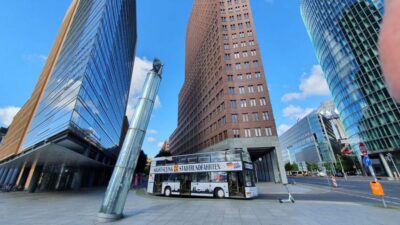 ★ 4.3Berlin: Hop-on Hop-off Bus Tour with Live CommentaryFrom $228,579 reviews
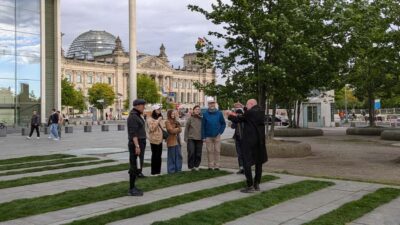 ★ 4.7Berlin: Government District around the Reichstag Guided TourFrom $2848,447 reviews