
REVIEW · GERMAN WINE
Neustadt: Wine tasting with cellar tour and vineyard visit
A good wine tour teaches you how to taste, fast. At Weingut Peter Stolleis in Neustadt, you get a cellar tour plus a guided tasting that explains the craft behind the bottle. I like how this one focuses on a real working family winery, not just a quick pour and a pat on the back.
What I like most is the pairing of organic, hands-on viticulture with what ends up in your glass, and then the follow-up tour that shows you where it all matures. One thing to consider: this is a 90-minute, adult-focused experience, and if you are looking for a long, slow ramble with lots of food, this is more about wine and process than a full meal.
In This Review
- Key highlights you should care about
- A working-family winery experience, not a canned performance
- Organic vineyards between Neustadt and Deidesheim
- What’s actually in your glass: sparkling plus six wines
- The historic wooden barrel cellar, where wine learns patience
- The house vineyard visit, where the tour becomes real geography
- Garden tasting when weather is on your side
- How this itinerary tells a complete wine story
- Price and value at about $34 per person
- Languages and the tone of the guide
- Who should book, and who should skip this one
- Quick practical tips before you go
- Should you book this Neustadt wine tasting and cellar visit?
- FAQ
- How long is the Neustadt wine tasting with cellar tour?
- What is included in the tour?
- What wines and grape varieties will I taste?
- Where does the vineyard visit take place?
- What languages are available for the live tour guide?
- Is the tasting outdoors?
- Who is this experience not suitable for?
- How much does it cost?
- What is the cancellation policy and can I reserve without paying now?
Key highlights you should care about
- Organic certification and manual vineyard work, not mass-production shortcuts
- Riesling and Burgundy-style grapes featured in the tasting flight
- Historic wooden barrel cellar tour with guided context
- Sparkling wine plus six wines to compare styles in a short window
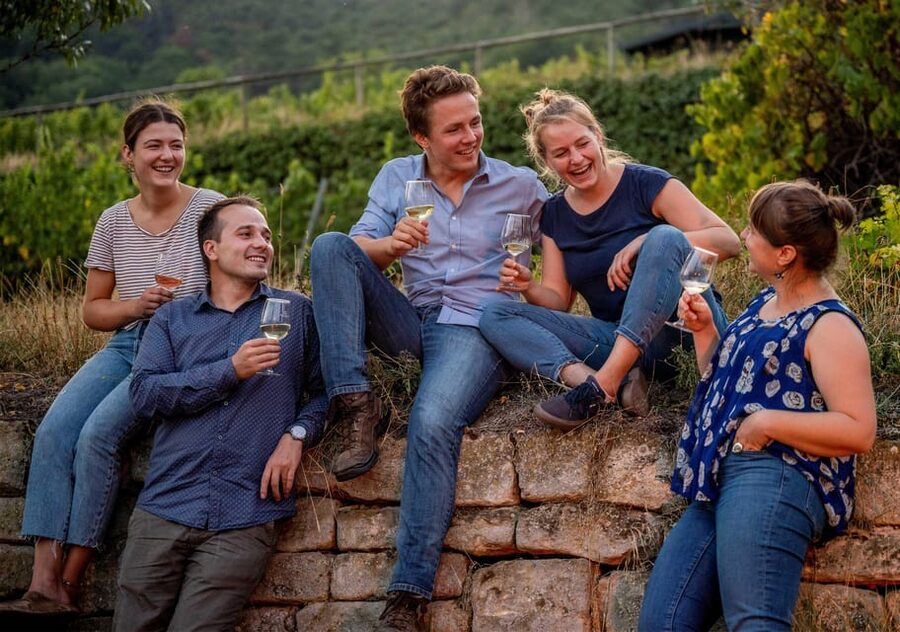
- Weather permitting, the tasting happens in the garden, which makes the whole event feel lighter
A working-family winery experience, not a canned performance
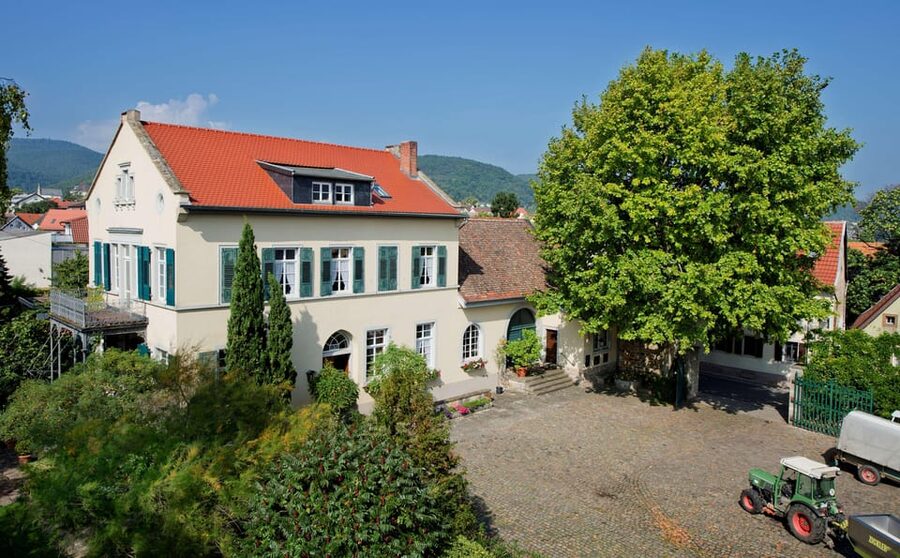
This tour is built around a straightforward idea: you taste better when you understand what the vineyard is doing. Weingut Peter Stolleis is a classic Palatinate family business, run by the twelfth generation of winegrowers. That matters because the explanation you get is usually grounded in daily decisions, not just marketing talk.
You start with the tasting, and it is not random. The winery’s focus is on grape varieties like Riesling and Burgundy, and the lineup is designed to show how those grapes become different styles. Then, after your flight, the tour shifts into the physical side of winemaking, the places where time and temperature do their quiet work.
From a practical standpoint, the format is tight: you are there for about 90 minutes, and you leave with enough context to talk about what you drank. The biggest win here is that the cellar and vineyard stops are not separate add-ons. They connect to what you tasted.
Organic vineyards between Neustadt and Deidesheim
One of the best things about this experience is that it starts in the place grapes really come from. The vineyards are located between Neustadt and Deidesheim, on what the winery describes as top sites in the Palatinate. Instead of talking in vague terms, the tour explains their approach as something they do all year.
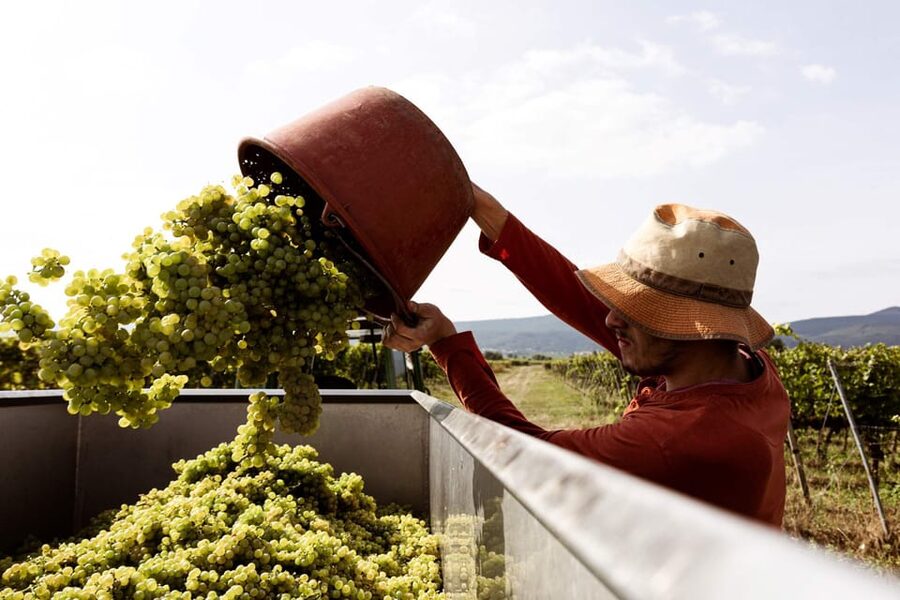
The winery is organically certified, and that changes the feel of the story. You hear about the manual work that has to happen throughout the growing season. In wine terms, that means fewer quick fixes and more labor where nature is doing the heavy lifting. It also helps you understand why harvest is a big moment for a family operation.
During harvest, the winery says they rely on help, including 30 helpers from family, friends, and the surrounding area. That detail is small, but it is useful. It gives you a sense of how dependent the schedule is on people power and timing, especially when you are doing things the organic way.
For you, this matters because it reframes the tasting. When you sip and then learn what kind of vineyard management leads to that character, you stop thinking of wine as luck and start thinking of it as craft.
What’s actually in your glass: sparkling plus six wines
This is not one of those tours where you taste a single wine and call it a day. The flight includes one sparkling wine and six wines, guided by the winegrowers’ philosophy and their own explanations of how they think about their grapes.
Riesling and Burgundy are the headline grapes, and you will likely taste a mix of expressions within those families. The tasting format is also helpful because it encourages comparison. In a short group setting, you can learn quickly what you like and why, instead of getting lost in ten bottles you cannot remember.
I also like the pacing implied by this structure. A sparkling wine at the start gives you a reset. Then the still wines help you focus on aroma, acidity, and how different vinification choices can change the same grape family.
If you are the type who wants to know what you are tasting, this tour is built for you. If you just want alcohol and vibes, it can still be enjoyable, but the main value is in the guided explanation.
The historic wooden barrel cellar, where wine learns patience
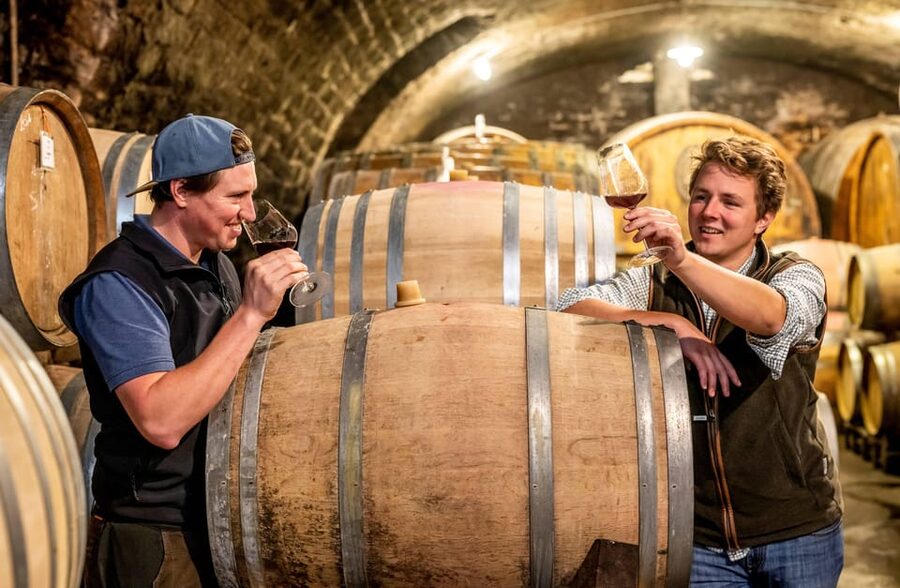
After the tasting comes the part you can really smell and see: the historic wooden barrel cellar. This is where the tour becomes more than storytelling, because the room does part of the work for you. Wooden barrels, vaulted spaces, and the whole cellar atmosphere help make the “why” feel physical.
The winery mentions long maturation in their vaulted cellar, and during the cellar tour, you get insight into the winegrowers’ craft. Even if you are not a wine nerd, you can understand the basics quickly: time changes structure, and storage choices help shape the final character.
Also, this cellar stop gives context to the wines you just drank. The tasting happens first, so you have something to anchor your attention. Then you walk into the environment where that wine style is developed.
Practical note: cellar tours often feel cooler than the garden. Wear layers so you are comfortable without getting sweaty right before you taste.
The house vineyard visit, where the tour becomes real geography
The tour does not end in the cellar. You also get a visit to the house vineyard. This is the part that helps you connect the dots between taste and place.
In wine country, “site” sounds like a marketing word until you actually see the conditions a grower is working with. Here, you get an organized look at how the vineyard fits into their overall plan, especially since their vineyards are described as sitting between Neustadt and Deidesheim on strong sites in the Palatinate.
The house vineyard visit also reinforces the organic theme. Even without heavy technical detail, you get the sense that the winery’s approach is tied to real land decisions, not just cellar tricks.
From what people highlight, the guided portion is especially strong. One review notes that Yanna was wonderful showing both the vineyard and cellar, and that the tasting and explanations flowed in a way that was neither too much nor too little. That combination matters. You want answers when you ask, but you do not want the talk to run long and hijack your tasting.
Garden tasting when weather is on your side
If the day is mild, this tour upgrades itself. Weather permitting, the tasting takes place in the idyllic garden. That one detail changes the mood. Instead of standing indoors under fluorescent lighting, you taste with open-air air and space around you.
This also helps the whole experience feel social and relaxed. One highlight from people who did it in good weather is that they sat outside afterward and enjoyed the sun. That is the kind of small finish that makes the memory stick.
For you, the garden option is also about comfort. If you tend to find cellars and tight rooms uncomfortable, the garden portion gives you a softer start, and then you transition naturally into the cellar.
If it is cloudy or rainy, you still have the same core tour elements, just in a different setting. Either way, the order stays the same: tasting first, then the cellar tour, then the vineyard visit.
How this itinerary tells a complete wine story
Many wine tours do one of two things well: either they teach you the process, or they help you taste and compare. This one tries to do both in 90 minutes, which is ambitious but workable because the stops line up as a narrative.
Here is how it plays in your head:
1) You taste a sparkling wine and six other wines, guided by the winery’s philosophy.
2) You learn what goes into making those bottles, by walking through the historic wooden barrel cellar.
3) You finish with the house vineyard visit, where the reasons behind the flavors feel tied to living plants and real cultivation decisions.
That structure is valuable because it helps you avoid the most common wine-tour problem: tasting without understanding. Instead, you get to revise your impressions as you learn.
And it is not just “look at barrels.” The organic focus, the manual vineyard work, and the harvest staffing detail all add up to a theme: this winery runs on effort and time. Once you see that, the tasting stops being mysterious.
Price and value at about $34 per person
At $34 per person for roughly 90 minutes, you are paying for more than wine samples. You are paying for three guided components: a guided tasting, a guided historic cellar tour, and a guided visit to the house vineyard.
Here is why I think the value is real. Many tastings charge a similar amount but give you less context, or they keep the stops short and generic. This one includes both cellar infrastructure and vineyard access, which are the two hardest “extras” to offer well. The tasting flight also includes seven items total (one sparkling, six wines), not just a couple sips.
If you love guided explanations, it is a fair trade. You get the winery’s perspective as twelfth-generation winegrowers, and you get a chance to ask questions in English or German.
The only drawback on the value side is timing. Because the tour is short, you cannot linger over every wine or take long detours. If you want slow, food-heavy pacing, you might prefer a longer format. But if you want a compact, high-information wine outing, this price makes sense.
Languages and the tone of the guide
The tour is guided in German and English, which is great if you are traveling with mixed language skills in your group. More importantly, the tone is described as well balanced. People note that the guide did not talk too much or too little, and that questions were answered.
That matters because wine can easily turn into a lecture or a blur. Here, the goal seems to be clarity, with just enough detail to make your tasting meaningful.
If you are the type who likes to ask, bring questions like:
- What changes most from vineyard year to year?
- How do they think about balancing Riesling character with other styles?
- What should you pay attention to in the cellar when you taste?
Your guide should be able to connect answers to what you are currently tasting and seeing.
Who should book, and who should skip this one
This works best for adults and wine-curious people who enjoy structure. It is also a strong choice if you like experiences that stay close to production, the places where wine is made and managed.
It is listed as not suitable for children under 16 and also not suitable for wheelchair users. It is also not recommended for pregnant women, so plan accordingly.
So who should go?
- Couples or small groups who want a guided tasting plus vineyard and cellar context
- People who like organic, artisanal approaches and want to hear what that means in practice
- Travelers who want a compact 90-minute activity that does not swallow the whole day
If you are mainly chasing nightlife or a late dinner, this is earlier-day friendly but not a food tour. Plan a meal after.
Quick practical tips before you go
- Bring layers. The garden may be pleasant, but the cellar can feel cooler.
- Pace yourself during the tasting flight. You are tasting seven wines, including sparkling.
- Ask at least one question during the cellar portion. That is where explanations tend to click.
- If you can, choose a day with better weather. The garden option is a mood upgrade.
Should you book this Neustadt wine tasting and cellar visit?
Yes, I would book it if you want a focused wine experience that connects vineyard choices to cellar craft. The combination of organic viticulture, a tasting flight featuring Riesling and Burgundy varieties, and a guided walk through a historic wooden barrel cellar makes this more than a souvenir stop.
I would also book it if you like guides who explain without overwhelming you. People highlight that Yanna and other guides manage the balance well, answer questions, and keep the pacing comfortable.
Skip it if you need wheelchair accessibility, you are traveling with anyone under 16, or you want a food-first outing. Also, if you dislike structured tours, a 90-minute guided flow may feel a bit tight.
If you match the vibe, this is a solid value bet for a memorable, hands-on look at how Palatinate wine gets made.
FAQ
How long is the Neustadt wine tasting with cellar tour?
The experience lasts about 90 minutes.
What is included in the tour?
You get a guided tour of the historic wine cellar, a tour of the house vineyard, and a wine tasting including 1 sparkling wine and 6 wines.
What wines and grape varieties will I taste?
The tasting includes Riesling and Burgundy grape varieties, along with the sparkling wine.
Where does the vineyard visit take place?
The vineyards are described as being between Neustadt and Deidesheim, and the tour includes a visit to the house vineyard.
What languages are available for the live tour guide?
The guide is available in German and English.
Is the tasting outdoors?
Weather permitting, the wine tasting takes place in the garden.
Who is this experience not suitable for?
It is not suitable for children under 16, pregnant women, or wheelchair users.
How much does it cost?
The price is listed as $34 per person.
What is the cancellation policy and can I reserve without paying now?
You can cancel up to 24 hours in advance for a full refund, and you can reserve now and pay later.
German Wine Tastings and Vineyards, side by side.
 ★ 4.8Trier: Guided City Walk with Wine TastingFrom $43979 reviews
 ★ 4.7Trier: Discovery Tour – Germany’s Oldest Wine CellarFrom $20218 reviews
 ★ 4.1Stuttgart: Vineyard Tour by Covered WagonFrom $46217 reviews
 ★ 4.5Freiburg: Veni, vidi, vino – wine hike and tastingFrom $81144 reviews
 ★ 3.5Heidelberg and Rhine Valley Day Trip With Wine Tasting and Dinner from FrankfurtFrom $309101 reviews
 ★ 5.0Rhine Valley Wine Tasting Tour from Frankfurt and MainzFrom $47687 reviews
 ★ 4.8Reil, Mosel: Guided organic wine tasting and cellar tourFrom $2984 reviews
 ★ 4.8Winetasting with tour through the wineryFrom $1674 reviews
Other lists this tour is on