
REVIEW · GERMAN WINE
Winetasting with tour through the winery
A good wine tour should teach you how to taste, not just what to drink. At Weingut Gerhard und Christel Trossen, you get a guided walk through the winery and cellar, then a guided tasting of five Mosel wines while the winemaker explains what you are smelling and why. The most interesting part is that you are not left guessing about tasting notes.
I especially love how the experience connects vineyard work, fermentation, and final flavor. You also get a very direct, question-friendly format, so terms like fruity, mineral, wood influence, and Riesling aromas make sense instead of sounding like marketing. One possible drawback: the live tour guide is German, and the experience is not listed as child-friendly or for pregnant women.
In This Review
- Quick hits before you go
- Where this Mosel wine tasting fits in Rhineland-Palatinate
- The 40-minute winery tour: cellar, fermentation, and the real workflow
- The tasting, paced by the winemaker’s year and your questions
- Understanding the tasting words: what you should listen for
- Fruity
- Mineral
- Wood influence
- Characteristic Riesling aromas
- What makes the experience feel personal, not scripted
- Value check: why $16 feels fair for this format
- Who this tour is best for (and who should skip it)
- Practical tips so you get more from the tasting
- Accessibility and comfort in a small winery setting
- Should you book this Mosel wine tour at Weingut Gerhard und Christel Trossen?
- FAQ
- How long is the wine tasting experience?
- Where does the tour start?
- What does the itinerary include?
- How long is the winery tour?
- How long is the wine tasting?
- How many wines do you taste?
- What kind of guidance do you get during the tasting?
- What language is the tour in?
- Is the experience wheelchair accessible?
- Is it suitable for children or pregnant women?
Quick hits before you go
- 40-minute winery tour focused on wine cellar, fermentation, and how the place works
- 80-minute tasting covering five Mosel wines from the winemaker’s range
- Winemaker-led explanations of fruity, mineral, wood influence, and Riesling aromas
- Vineyard perspective through the work that leads up to what you taste
- Ask-anything vibe, because you can get answers directly from the winemaker
- Strong value at about $16 per person for a full 2-hour guided format
Where this Mosel wine tasting fits in Rhineland-Palatinate
This experience is based at Weingut Gerhard und Christel Trossen in Rhineland-Palatinate, and it is built around the Mosel style. That matters because Mosel wines are all about precision: balancing fruit, acidity, and subtle influences. Even if you are not a wine nerd, you will likely enjoy this more than a quick pour at a bar, because the guide keeps linking your senses to real winemaking steps.
At $16 for a total 2 hours, you are paying for guidance and structure, not just glassware. That is usually where small wineries offer the best value: you get time with the people making the wine, plus a tasting format that helps you learn fast.
Group format is not described in detail, but the pacing is clear. You start with a winery walk (40 minutes) and then move into a longer tasting block (80 minutes). Plan on staying fully present through the whole timing, because the tasting logic builds as you go.
The 40-minute winery tour: cellar, fermentation, and the real workflow
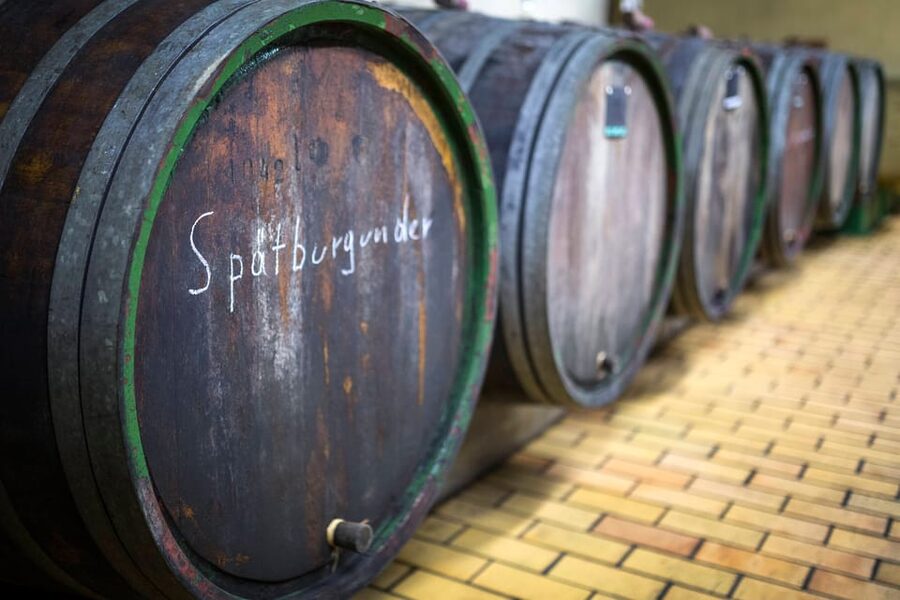
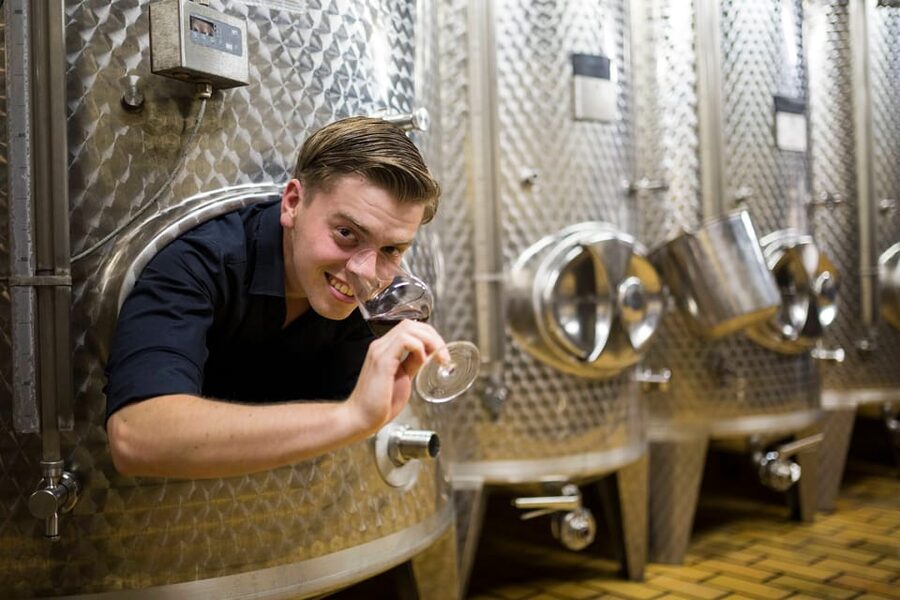
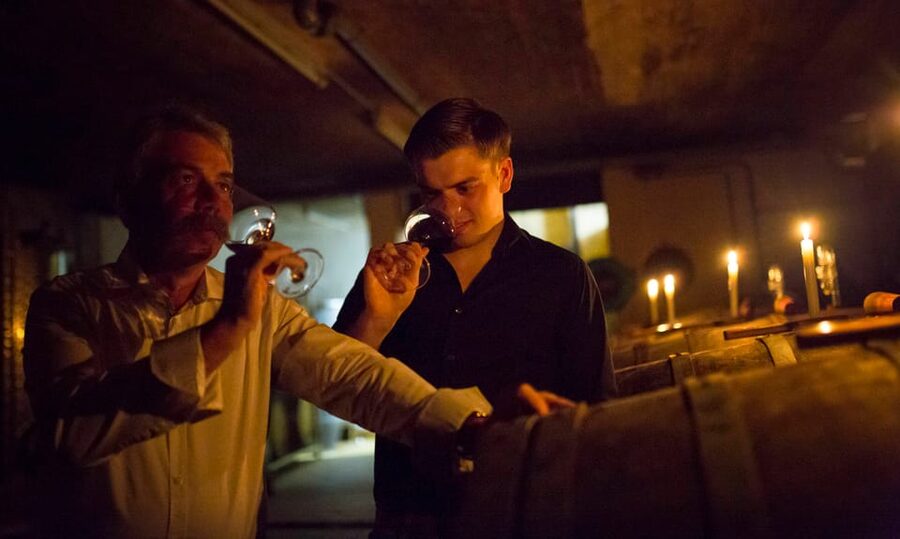
Your first stop is the winery itself, where you get a guided tour lasting about 40 minutes. The focus is practical, not grandstanding. You will get a short introduction to the winery and the people behind it, and then you can look around the wine cellar where the action happens.
Why the cellar matters: fermentation and early development are where wine starts becoming itself. If you only taste at the end, you miss how choices made earlier show up later as aroma, texture, and flavor shape. Here, you are shown where the wine ferments, so when you later hear descriptions like wood influence or mineral character, you have something physical in mind.
You should also expect some vineyard context during the broader storytelling of the winemaker’s year. Even during the cellar tour, the experience is designed to connect vineyard labor to what ends up in the glass. That makes the tasting feel less random and more like a guided lesson.
The tasting, paced by the winemaker’s year and your questions
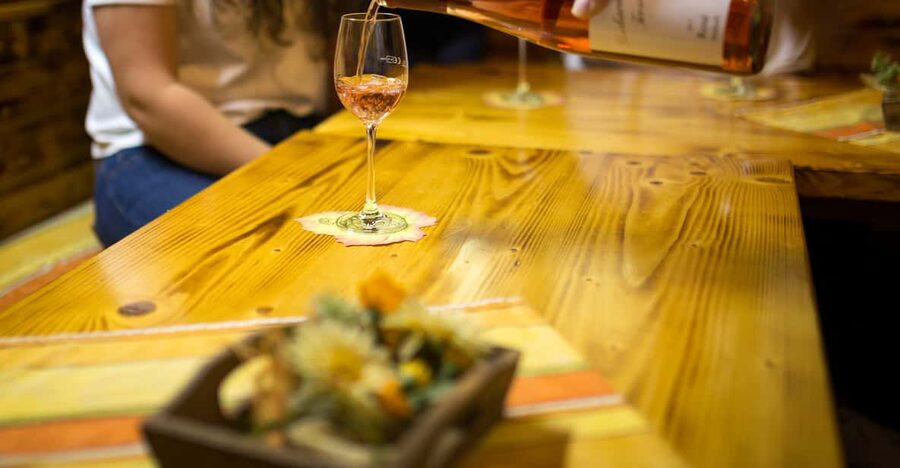
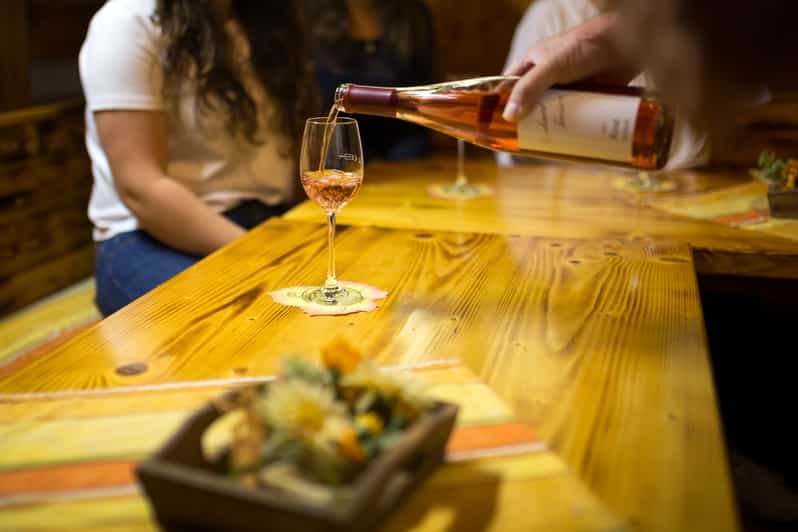
After the cellar tour comes the big part: an 80-minute wine tasting of five Mosel wines. The guide uses words and pictures to walk you through the winemaker’s year, which is a smart way to structure learning. You are not just tasting five different bottles, you are following a seasonal storyline and understanding how the year’s work shapes what you smell and taste.
The tasting is built around specific flavor concepts, including:
- Fruity character
- Mineral influence
- Wood influence
- Characteristic Riesling aromas
The key value here is that the guide is not tossing out fancy labels. The experience promises explanations of what their descriptions actually mean. When the winemaker talks, you can usually ask questions directly, and you are encouraged to do so. If you have ever wondered why two Rieslings taste so different, this is exactly the kind of format that can give you an answer you can use next time.
Understanding the tasting words: what you should listen for
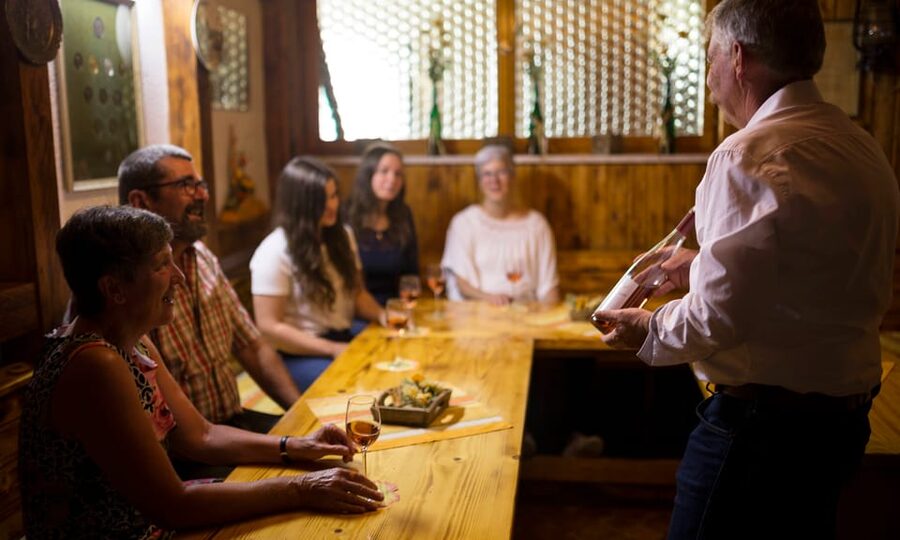
Even if you know almost nothing about wine, you can get a lot out of this tasting because the guide targets common confusion points. Use this as your mental cheat sheet while you taste.
Fruity
When they say fruity, do not just think about sweetness. Ask yourself whether the fruit reads as bright and fresh, or more rounded. In a Mosel setting, fruit often carries acidity and tension, and that is part of why the style feels so crisp.
Mineral
Mineral is one of those words that can sound vague. The best way to handle it is to treat it like a texture and aroma clue. Often it points to a more stony, saline, or sharply focused impression rather than a literal rock smell. If the winemaker gives examples, pay attention. You will likely pick up what they mean within the first couple pours.
Wood influence
Wood influence is another phrase that depends on how you listen. In some wines it affects aroma with toast-like or spicy notes, and in others it can change the wine’s feel, smoothing edges or adding structure. Ask how they decide whether a wine shows more or less wood. That question alone can turn tasting notes into real understanding.
Characteristic Riesling aromas
Riesling can swing from subtle to expressive depending on style and choices. Your best move is to compare aromas across the five wines. If you get a hint of citrus, stone fruit, or floral notes, try to note whether those aromas stay consistent or shift across the lineup. This is how you learn without memorizing.
What makes the experience feel personal, not scripted
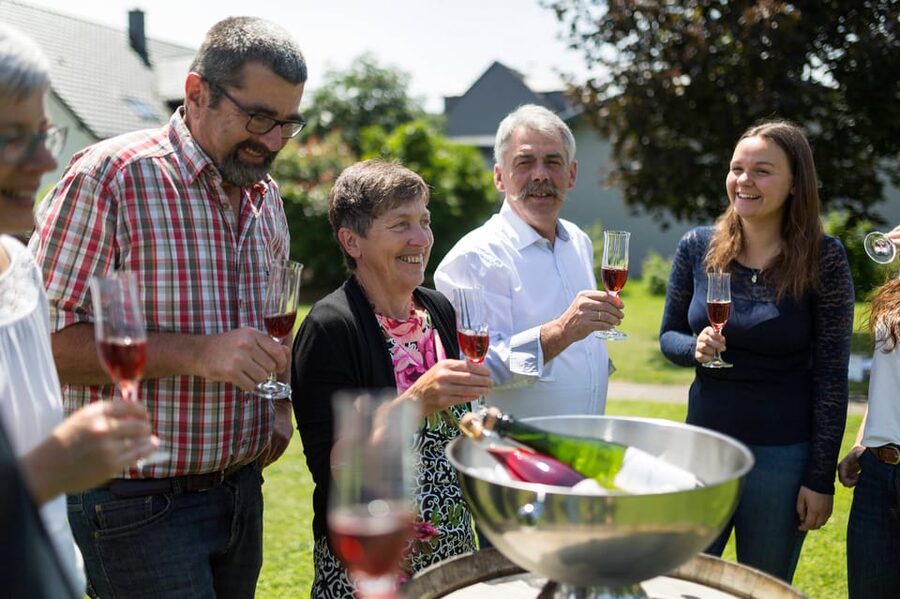
A common problem with tastings is that they feel like a lecture. This one is designed to be interactive. You start with an introduction to the winery and its personalities, then you move through the physical cellar space, and finally you end up in a tasting where the winemaker explains terms and answers questions.
One detail that stands out from the vibe in guest feedback is how entertaining and lively the winemaker experience can feel, with people even thanking Lukas specifically for a great time. I would treat that as a good sign that you are not going to be stuck in a stiff classroom mood.
Also, the duration is long enough to matter. Two hours gives space for pacing, comparisons, and real follow-up questions. A quick 20 to 30 minute pour rarely teaches you anything beyond what you like. This one aims to teach you how to tell why.
Value check: why $16 feels fair for this format
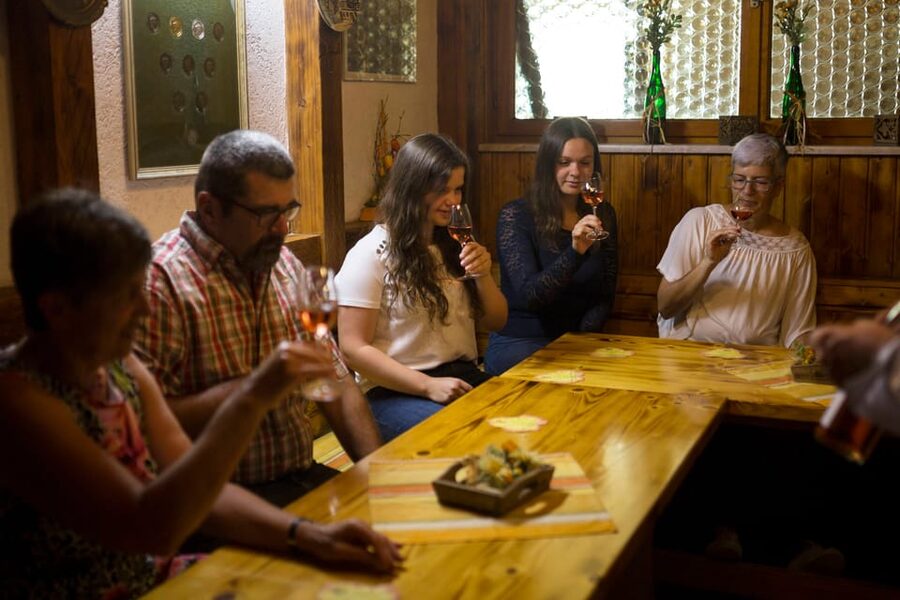
Let’s be blunt about value. $16 can be either a steal or a tease, depending on what you get. Here, you get:
- A guided tour through the winery and cellar (40 minutes)
- A guided tasting of five Mosel wines (80 minutes)
- Explanations that connect vineyard work, fermentation, and tasting language
If you are comparing this to the usual pay-per-glass tastings, the big difference is that you are paying for structure and teaching. Five wines is a meaningful lineup, and the winemaker’s explanations increase your payoff because you learn something you can reuse.
One more reason it feels fair: the experience is built around the producer’s range, not just one bottle they want to push. That gives you a better sense of the style they make, which is what you actually want if you are considering buying later.
Who this tour is best for (and who should skip it)
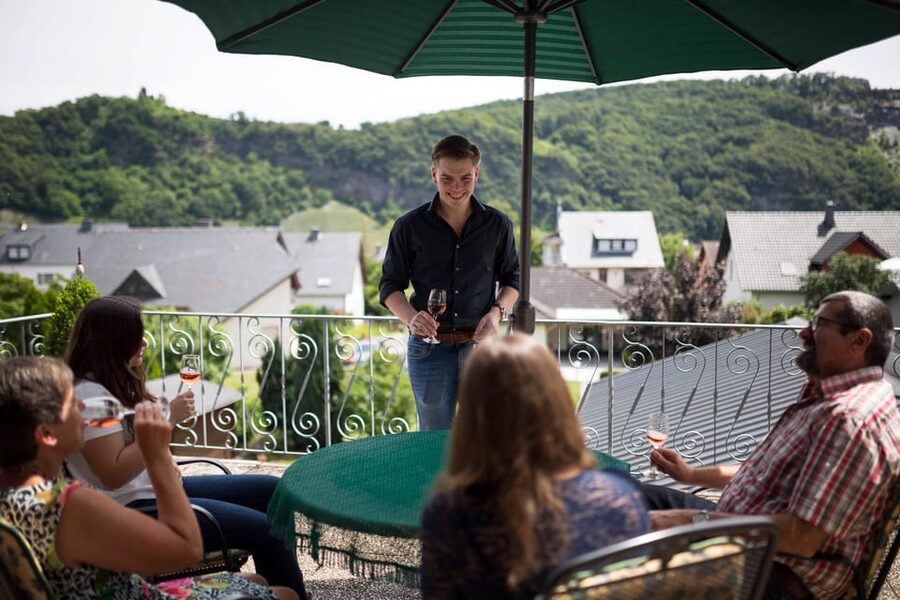
You will likely enjoy this tour if you:
- Want a guided wine tasting with explanations that use real winemaking terms
- Like learning the connection between vineyard work and what you taste
- Enjoy Riesling and want to better recognize aromas like the ones they describe
- Prefer an experience that lasts long enough to ask questions and compare wines
You might skip it if:
- You need an English-language tour. The guide is German, and the experience is listed as German only.
- You are traveling with children under 16, since it is not suitable for them.
- You are pregnant, since it is not listed as suitable for pregnant women.
If you want a quiet, self-guided wander through a tasting room only, this might feel structured. But if you want to understand and not just drink, the pacing is a plus.
Practical tips so you get more from the tasting
I will keep this practical. Since it is a two-hour event with tasting involved, your choices before you arrive matter.
- If you are planning a full day in the region, schedule this at a point where you can enjoy it without rushing off immediately afterward.
- Come with a mindset of comparison. With five wines, you will get more value if you focus on how fruity, mineral, wood influence, and Riesling aromas change across the lineup.
- Bring questions. The format is designed for them, and you will get the most from the explanations when you ask what you want to understand.
Also, plan for language. If you speak basic German, you will probably pick up a lot faster. If you do not, you can still follow the tasting logic, but the detailed explanation will be harder to catch word-for-word.
Accessibility and comfort in a small winery setting
The tour is listed as wheelchair accessible, which is great to know up front. Winery spaces and cellars can be tricky in general, so it is reassuring that this one is designed to accommodate wheelchairs.
Comfort-wise, wear shoes that work well in winery environments. You will be walking through the winery and cellar, so avoid anything too delicate.
Should you book this Mosel wine tour at Weingut Gerhard und Christel Trossen?
If you want a wine tasting that actually teaches you how to read the glass, I think this is an easy yes. For about $16, you get a full two-hour producer experience: a winery and cellar tour, then a guided tasting of five Mosel wines with explanations that translate tasting language into real impressions. The winemaker format, plus the promise that you can ask questions directly, is the core reason it works.
Book it if you are into Riesling aromas and want to understand what fruity, mineral, and wood influence mean in practical terms. Skip it if you need English, or if you fall into the groups listed as not suitable.
If you are in Rhineland-Palatinate and want to leave with better wine instincts, this is one of the most sensible ways to spend your time.
FAQ
How long is the wine tasting experience?
It lasts about 2 hours in total.
Where does the tour start?
The starting location is Weingut Gerhard und Christel Trossen.
What does the itinerary include?
You get a guided tour through the winery, followed by a wine tasting.
How long is the winery tour?
The winery tour is about 40 minutes.
How long is the wine tasting?
The wine tasting lasts about 80 minutes.
How many wines do you taste?
You taste five Mosel wines.
What kind of guidance do you get during the tasting?
You are guided through the winemaker’s year and given explanations for tasting descriptions such as fruity, mineral, wood influence, and characteristic Riesling aromas.
What language is the tour in?
The live tour guide is German.
Is the experience wheelchair accessible?
Yes, it is listed as wheelchair accessible.
Is it suitable for children or pregnant women?
It is not suitable for children under 16 years, and it is also not suitable for pregnant women.
German Wine Tastings and Vineyards, side by side.
 ★ 4.8Trier: Guided City Walk with Wine TastingFrom $43979 reviews
 ★ 4.7Trier: Discovery Tour – Germany’s Oldest Wine CellarFrom $20218 reviews
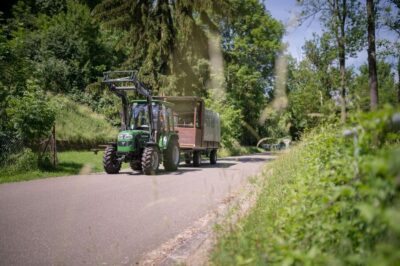 ★ 4.1Stuttgart: Vineyard Tour by Covered WagonFrom $46217 reviews
 ★ 4.5Freiburg: Veni, vidi, vino – wine hike and tastingFrom $81144 reviews
 ★ 3.5Heidelberg and Rhine Valley Day Trip With Wine Tasting and Dinner from FrankfurtFrom $309101 reviews
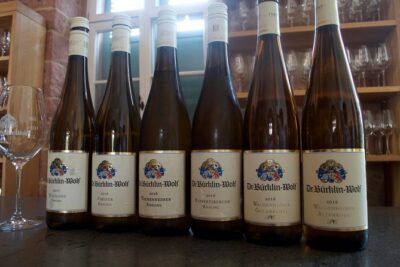 ★ 5.0Rhine Valley Wine Tasting Tour from Frankfurt and MainzFrom $47687 reviews
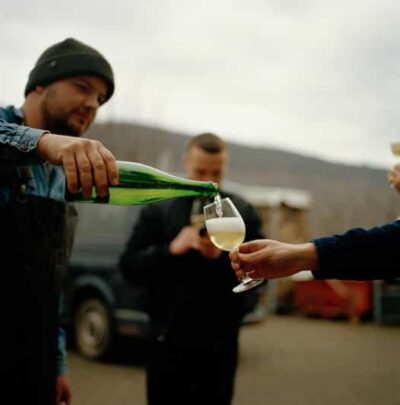 ★ 4.8Reil, Mosel: Guided organic wine tasting and cellar tourFrom $2984 reviews
 ★ 4.7Berlin: Wine on Canvas – Paint Workshop and Wine TastingFrom $4759 reviews
Other lists this tour is on