
REVIEW · SACHSENHAUSEN
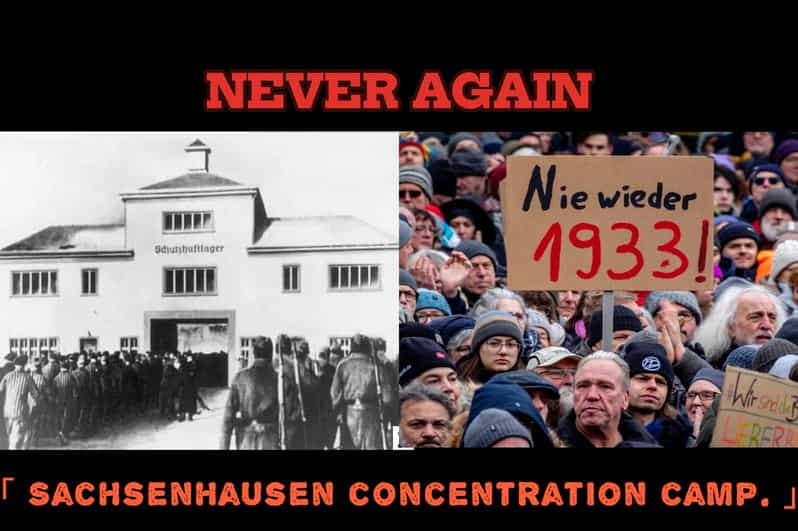
Never Again Berlin – Sachsenhausen Concentration Camp
Sachsenhausen forces you to look straight ahead. This half-day tour pairs on-site memorial walking with tough context about Nazi power, prison life, and how the site ties into Germany today. I like that it focuses on real camp spaces instead of generic explanations, and I also like the tour’s structure, it starts in Oranienburg and ends back in Berlin with a smooth transit loop. One drawback to consider is that the format is mixed, with time for guided sections plus stretches where you explore on your own, and at least some people reported the guide spent time outside more than expected.
If you go, bring the mindset of a museum visit that asks things of you. You will walk, read, and hear details you cannot unread. The good news is that the guide time, when it is working well, helps you connect buildings, maps, and exhibitions into a single story you can actually remember.
In This Review
- Key things you should notice before you book
- From Potsdamer Platz to Oranienburg, how the day is paced
- Price and logistics: what you pay, what you still need
- At the visitor center: learn the layout before you walk it
- A walk through SS troop spaces, officers, and the human side of cruelty
- Tower A and the Perpetrators Room: indoctrination as a weapon
- Barracks, the camp kitchen, and the uncomfortable present-day links
- Station Z: Soviet prisoners, gas chambers, and crematorium operations
- Infirmary and eugenics: the cruelty of “science”
- What the guide experience is like, and who Siobhan is
- Timing on the ground: walking, breaks, and stamina
- Who this tour is best for
- Should you book Never Again Berlin to Sachsenhausen?
Key things you should notice before you book
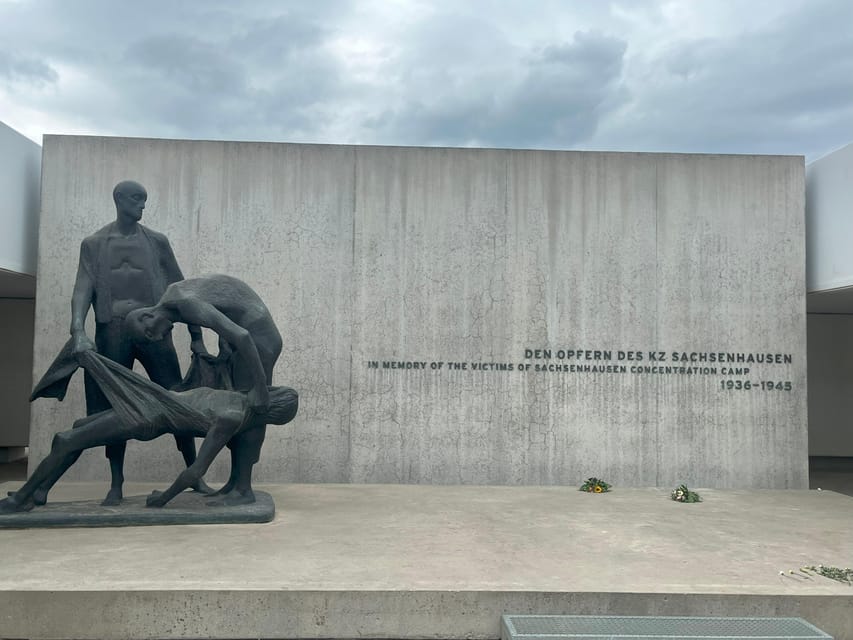
- Oranienburg first, camp second, and the tour explains why the location mattered to Nazi control.
- Train plus local transit, with a Berlin-to-Oranienburg rhythm that keeps the day from dragging.
- Model-based orientation at the visitor center, so you understand what you are seeing before you walk it.
- Specific exhibitions by site, including a focus on SS indoctrination and the daily machinery of terror.
- Stations that cover different victim groups, including Soviet prisoners and the gas chambers and crematorium.
- A present-day connection, including mentions of ongoing attacks tied to Holocaust denial and far-right politics like AfD.
From Potsdamer Platz to Oranienburg, how the day is paced
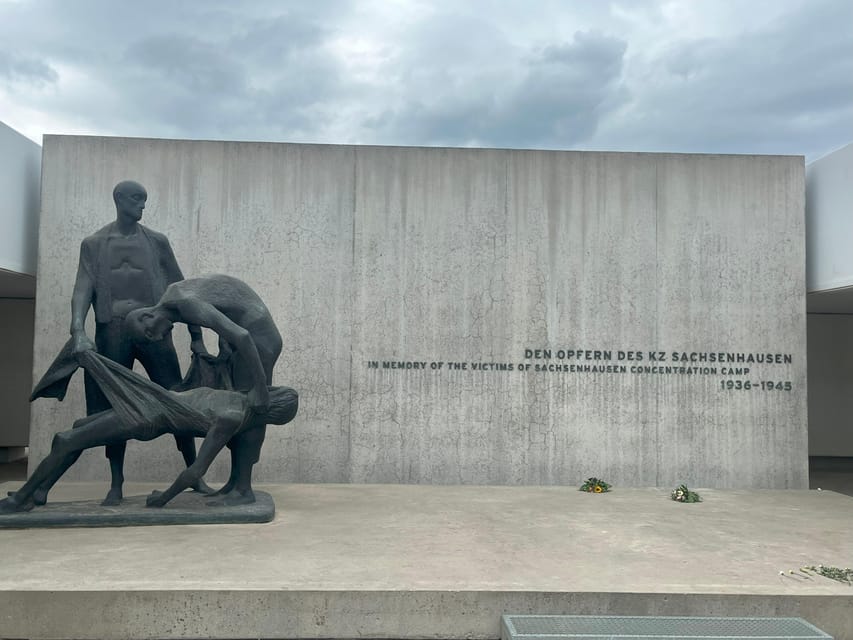
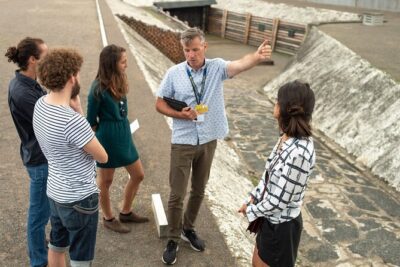
The day begins in Berlin at Potsdamer Platz, meeting in front of Espresso House. Look for the guide with a mini yellow flag. From there, you take train time and then a short bus or coach ride to reach the Sachsenhausen Memorial area near Oranienburg.
The total duration is 270 minutes, so you should plan this as a long, serious museum block, not a quick “see-and-leave” excursion. The itinerary includes a break, plus a full on-site segment that lasts about 4 hours in the memorial area. You will come back to Potsdamer Platz after the return train ride, so you do not need to figure out a second day-trip plan.
This kind of timing matters because Sachsenhausen is spread out. If you only had a small chunk of time, it would be easy to miss connections between locations. Here, the schedule gives you enough hours to hear the story, then walk the spaces the story refers to.
Price and logistics: what you pay, what you still need
The price is $38 per person, and it includes the entrance. That is solid value for a guided memorial visit that covers a lot of ground and ties in context from Nazi history across Europe.
One cost you should not forget is transport. The tour does not include the train ticket you need to reach Oranienburg, and the info suggests you purchase an ABC Berlin ticket beforehand. In plain terms, you are paying for the tour leadership and memorial entry, and you are responsible for getting to the staging point outside central Berlin.
Also, note the meeting point is in Berlin proper (Potsdamer Platz). That is helpful for planning, but it does mean you will start your day with city transit before you even reach the memorial. If you are arriving in Berlin that morning, give yourself buffer time so you do not rush.
At the visitor center: learn the layout before you walk it
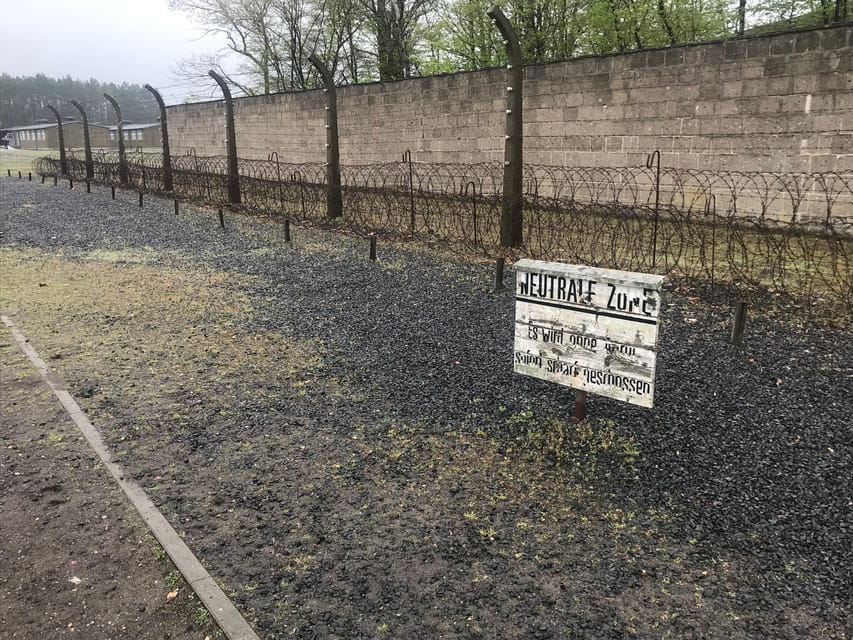
Your on-site experience starts in the visitor center area, reached after the train and coach ride. This is where the tour sets you up. There are detailed models of the camp that show the physical setup built for control, and they help explain how the system worked.
I really like this approach because Sachsenhausen can feel like a jumble of buildings if you just wander. With a model-first orientation, you know what you are looking at as soon as you step outside. You also get the “why” behind the camp selection, including how Nazi power and organization shaped the site.
Another strong element here is the reminder that the place did not simply disappear after the war. The tour points out that the former SS training camp was later repurposed, with today’s Brandenburg police academy taking up the space. That contrast can be uncomfortable, and that is kind of the point: history did not stay sealed in 1945.
A walk through SS troop spaces, officers, and the human side of cruelty
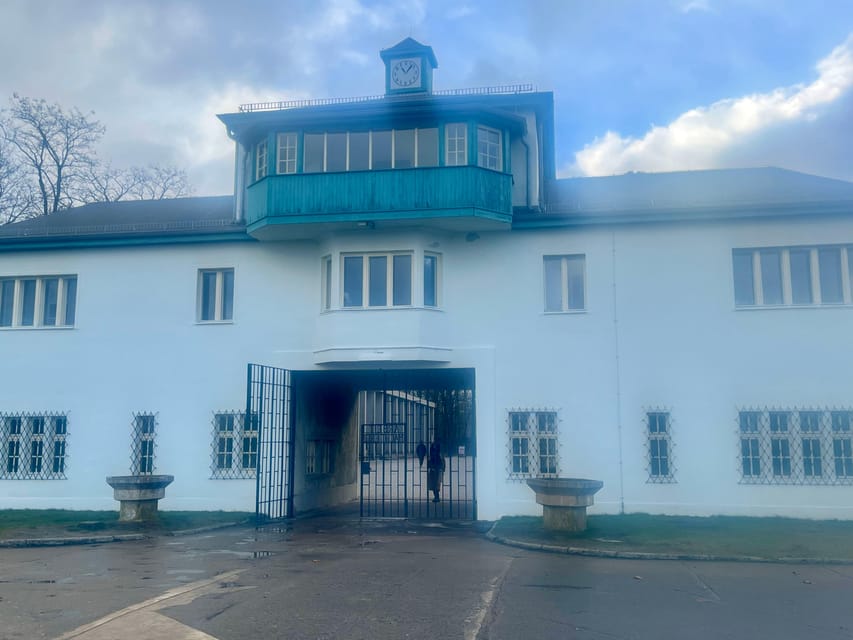
After orientation, you move into the heart of the SS troop camp areas and specifically the head of the camp’s house, where officers could enjoy family time. This stop is not just “architecture.” It is an ethical contrast, showing how normal domestic life sat alongside prisoner suffering.
The tour also covers brutal realities about exploitation and forced sex work by female prisoners. It raises the haunting question of who knew, and it references frequent visits connected to reporters, ambassadors, and humanitarian organizations. Even if you think you already know how Nazi crimes were documented, this part pushes you to confront how widely the system’s cruelty circulated.
This section is emotionally heavy. If you feel yourself getting overwhelmed, keep reminding yourself why the tour includes it: to connect the buildings and exhibitions to people, not slogans.
Tower A and the Perpetrators Room: indoctrination as a weapon
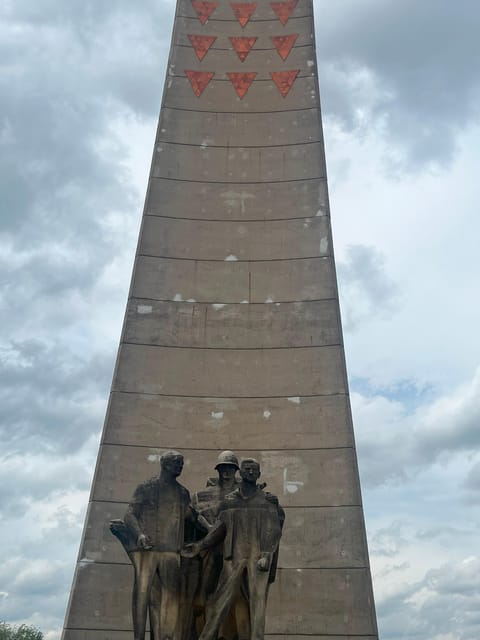
One of the most memorable parts is Tower A, including the exhibition referred to as the Perpetrators’ Room. Here, you learn how the SS structured thinking and loyalty, with material that focuses on indoctrination and portraits of officers tied to the regime.
This is where the tour helps you understand that terror was not only physical. It was also mental. The daily roll calls come up here too, and so does the camp’s routine logic: control first, humiliation second, labor extraction always.
Another detail you should be prepared for is the shoe testing track. The tour explains that prisoners were sorted, including categories treated as “lowest,” and that the regime profited from prisoners’ agony and forced labor. It is one of those stops where the word “efficiency” sounds wrong on your tongue, but the Nazis used exactly that kind of logic to justify brutality.
Barracks, the camp kitchen, and the uncomfortable present-day links
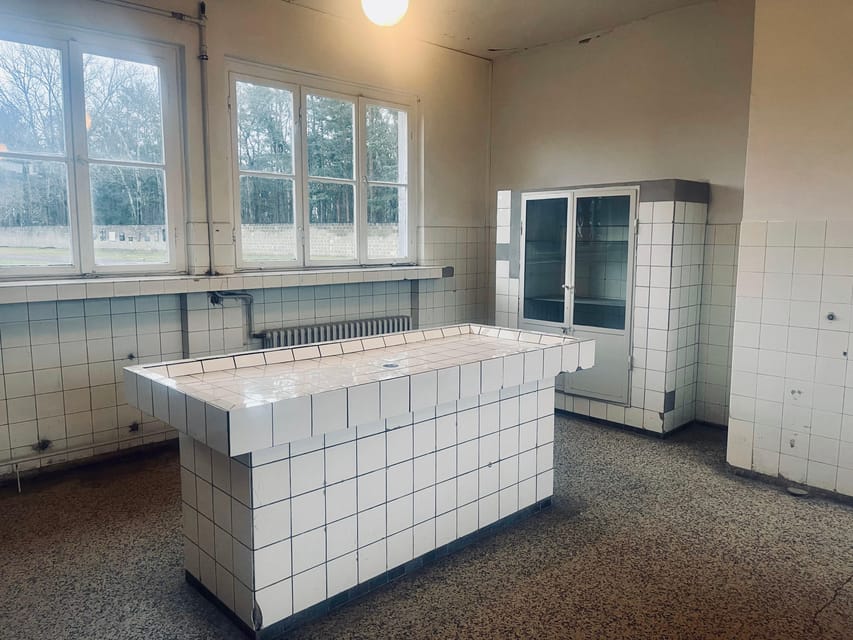
After the more guided exhibitions, you get autonomous time to explore prisoners’ barracks and the camp kitchen area. This self-directed segment can work well if you read signs slowly and use your guide’s earlier setup to interpret what you see.
There is also a present-day edge here. The tour information notes attacks by Neo-Nazis denying the Holocaust, and it connects these pressures to modern politics, including the rise of AfD. You are not only learning what happened, you are seeing how denial and far-right ideas have continued to try to rewrite reality.
Practical tip: during self-exploration time, do not rush to check off every spot. Pick a few key buildings, connect what you see to what you heard in the guided segments, and then take breaks if you need them. It is a long day at a serious site.
Station Z: Soviet prisoners, gas chambers, and crematorium operations
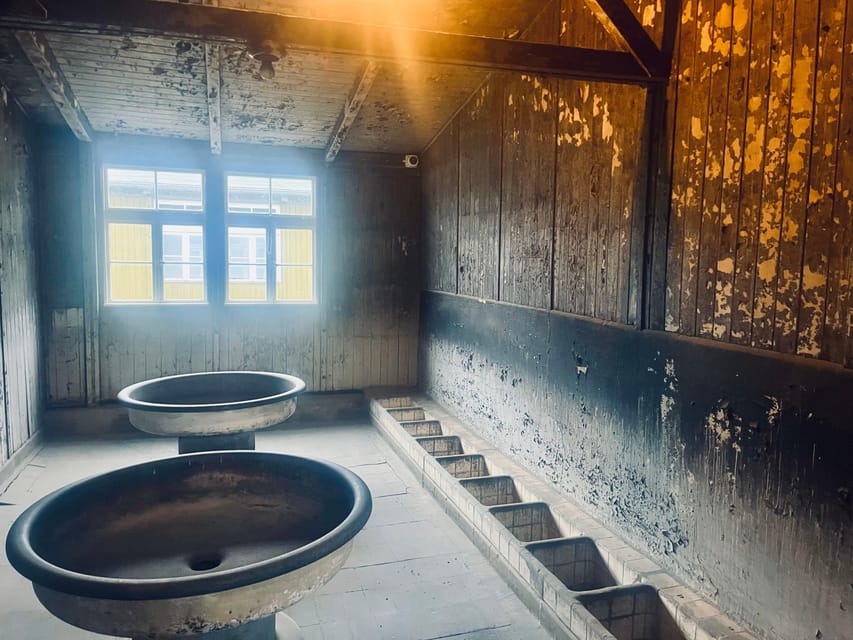
The final major named stop is Station Z. This part focuses on mass murder of Soviet prisoners, including child soldiers. The tour also details the operation of the gas chambers and the crematorium that witnessed these atrocities.
If you already know general history, you still might find this section harder than you expect. That is not a flaw in the tour. It is the nature of Sachsenhausen as a site where industrialized murder is not an abstract concept.
What makes Station Z valuable is that it anchors the story in specific victims and specific mechanisms. The tour does not treat mass killing as a vague tragedy. It describes how the process worked, so you understand how perpetrators turned human beings into a system.
Infirmary and eugenics: the cruelty of “science”
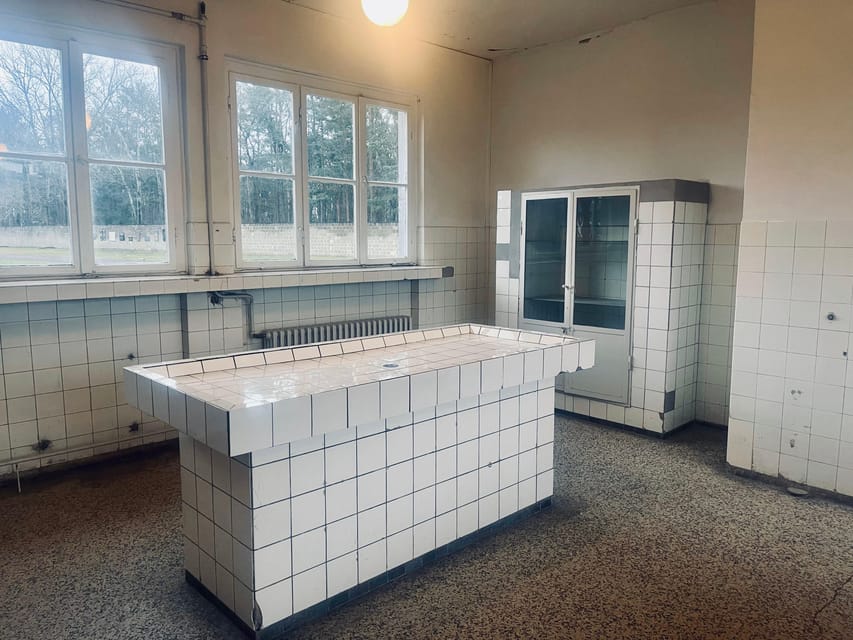
The last part you should expect is the infirmary section, where the tour addresses racism, control over women’s bodies, and eugenics. It also explains that prisoners were treated as lab rats for Nazi doctors, and that the regime used these crimes to support medical careers and advancement.
This can be especially chilling because it forces you to separate the idea of medicine from the ethics that should guide it. You will likely leave with a stronger sense of how propaganda, ideology, and pseudo-science can weaponize institutions.
If you have ever wondered how a society can let atrocity happen inside normal bureaucratic systems, this stop helps answer that question. It shows that violence was not only on the battlefield. It also operated through official structures, medical roles, and institutional routines.
What the guide experience is like, and who Siobhan is
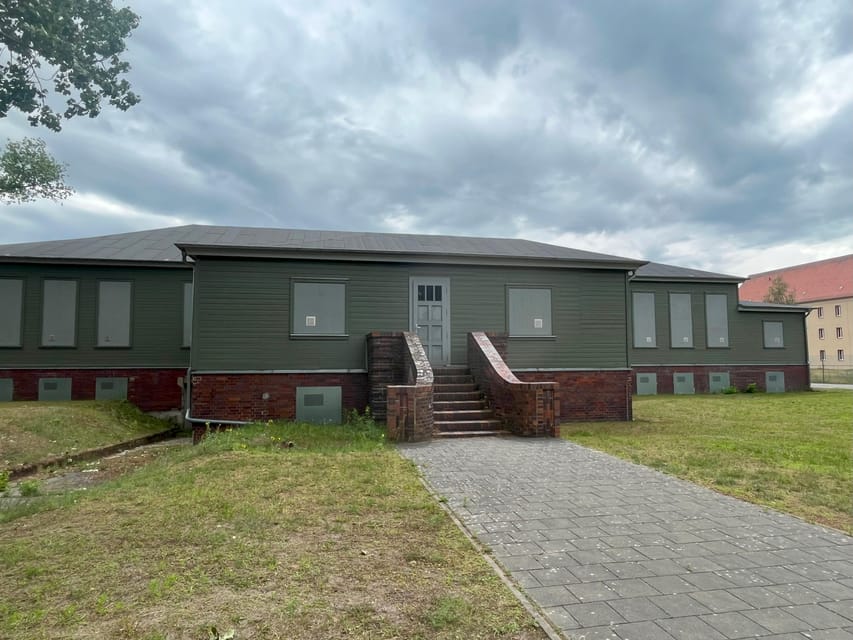
The tour is led in English, and the provider is Can You Handle It Tours CYHIT. From feedback, one guide named Siobhan stood out as a strong choice for many people, described as extremely knowledgeable and passionate, with careful explanations of different parts of the camp.
That kind of guide can make the difference between reading labels and actually understanding the camp’s logic. One example of why this matters: a memorial visit is full of details that only click if someone connects them. A skilled guide helps you build those connections fast.
That said, you should also consider a possible drawback: at least one account reported the guide did not stay with the group for about 90 percent of the tour and had limited narration in the sections where she did accompany people. If your best expectation is a very talkative, step-by-step guided walkthrough, keep in mind that this experience has guided plus independent parts.
Timing on the ground: walking, breaks, and stamina
Comfort matters at Sachsenhausen. The tour suggests comfortable shoes, comfortable clothes, and bringing snacks and water. Food and drink options are limited on-site and not always open, and there are only two options in the camp area.
I recommend you treat this like a hike disguised as history. Bring water you can sip without planning around a shop. Pack snacks even if you eat breakfast. During a 4-hour memorial segment, small energy dips can ruin your focus, and you need focus.
The schedule includes a break time before the main memorial walking and visits. That is good, but do not treat it as a meal break. Think of it as a reset so you can keep your attention on the site.
Who this tour is best for
This is not a casual outing. It is a serious concentration camp memorial experience with difficult topics, including sexual exploitation, mass murder, and human experimentation.
You should consider it if you:
- Want a structured guided visit that explains why the camp worked the way it did.
- Prefer a tour that ties Nazi systems to how people and institutions functioned, not just a surface timeline.
- Are okay with emotional intensity and long walking.
It is not suitable for children under 12, according to the tour details. For younger teens, you might still want to ask whether your child is ready for explicit, heavy subject matter before booking.
Should you book Never Again Berlin to Sachsenhausen?
If you want a guided memorial visit that covers Sachsenhausen’s role in the Nazi system across multiple parts of the camp, this tour looks like a strong value. The price includes entrance, you get structured orientation at the visitor center, and the itinerary tackles both perpetrator machinery and victim-centered tragedy, including Soviet prisoners and the gas chamber and crematorium operations.
I would book it if you are comfortable with the emotional weight and you like learning through built spaces and museum stops. I would think twice if you need a fully guided, constant narration experience all day, since the format includes independent exploration time and at least one account described less accompaniment than expected.
In the end, Sachsenhausen is not about ticking boxes. Book only if you’re ready to pay attention, take breaks when you need them, and let the site’s details do their work.
Sachsenhausen Memorial Site Tours, side by side.
 ★ 5.0Berlin: Sachsenhausen Concentration Camp Tour in EnglishFrom $365,711 reviews
 ★ 4.7Berlin: Sachsenhausen Concentration Camp Memorial TourFrom $213,716 reviews
 ★ 5.0Sachsenhausen Concentration Camp Bus Tour in English from BerlinFrom $681,962 reviews
★ 4.8Berlin: Sachsenhausen Concentration Camp Tour in EnglishFrom $221,889 reviews
★ 5.0Sachsenhausen Concentration Camp Bus Tour in English from BerlinFrom $681,962 reviews
★ 4.8Berlin: Sachsenhausen Concentration Camp Tour in EnglishFrom $221,889 reviews
 ★ 5.0Sachsenhausen Concentration Camp Memorial Tour (Max. 15 Guests)From $351,516 reviews
 ★ 4.6Berlin: Sachsenhausen Concentration Camp and Potsdam TourFrom $651,334 reviews
 ★ 5.0Sachsenhausen concentration camp.From $341,189 reviews
 ★ 5.0Visita en español al campo de concentración SachsenhausenFrom $341,170 reviews
Other lists this tour is on