
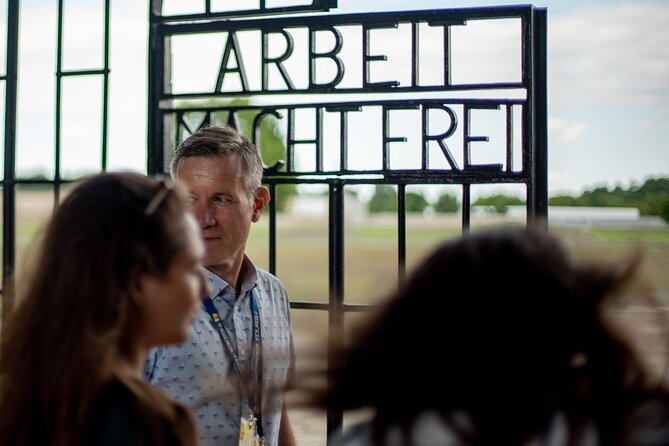
REVIEW · SACHSENHAUSEN
Berlin: Sachsenhausen Concentration Camp Tour in English
Sachsenhausen changes how you see Nazi Germany. This English guided day trip takes you from Berlin to the Sachsenhausen Memorial and Museum in Oranienburg, with an expert historian keeping the story clear and respectful. You’ll cover prisoner life, the machinery of terror, and the final days of 1945.
I especially like the licensed guide trained by the memorial authority, because the visit stays grounded in history and meaning, not spectacle. I also love the range of places you walk through, from punishment cells and Station Z to the gas chamber and crematorium.
The drawback is simple: it’s a long, walking-heavy day, and it’s not recommended if you have limited mobility or walking impairments. Also, plan for chilly conditions, since you will be outside more than you might expect.
In This Review
- Key things to know before you go
- How the Berlin to Oranienburg train ride sets the tone
- Oranienburg town stop: looking past the camp fence
- Inside Sachsenhausen: the punishment spaces you cannot unsee
- A quick history frame so the sites make sense
- The guide factor: how English tours keep it factual and human
- What the pacing and group size feel like on the ground
- Transport and money: what you pay, and what you still need
- Who should book this Sachsenhausen camp memorial day trip
- Should you book this Sachsenhausen tour from Berlin?
- FAQ
- Is the Sachsenhausen tour offered in English?
- How long is the tour?
- Where do I meet the guide in Berlin?
- What sites do you visit at Sachsenhausen?
- Is admission to the Sachsenhausen memorial included?
- Do I need train or transit tickets beyond the tour price?
- Do I need to bring food or drinks?
- How much walking is involved?
- How big is the group?
- What is the cancellation policy?
Key things to know before you go
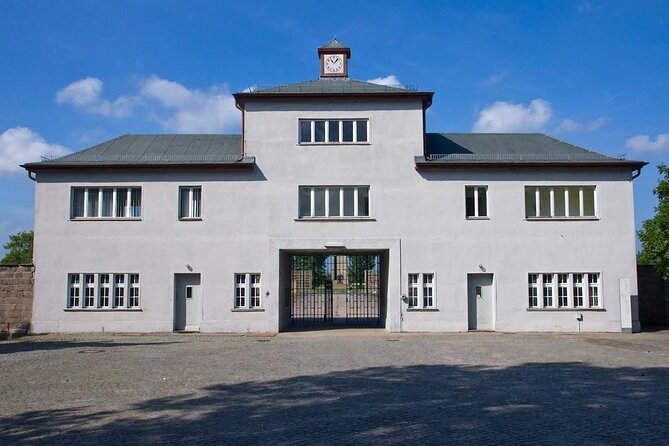
- Licensed, memorial trained English guidance, so you get context for what you are seeing and why it mattered
- Oranienburg town stop for local context, including how nearby people were complicit and where inmates worked
- Major camp sites in one circuit, including prison cells, torture cells, Station Z, gas chamber, crematorium, and burial-related areas
- A price that includes entry and a memorial donation, but transport and food are on you
- Bring stamina and warm layers, because it is a full stretch with limited chances to reset
Other guided visits to Sachsenhausen Memorial
- Berlin: Sachsenhausen Concentration Camp Tour in English★ 5.0 · 5,711 reviews
- Berlin: Sachsenhausen Concentration Camp Memorial Tour★ 4.7 · 3,716 reviews
- Sachsenhausen Concentration Camp Bus Tour in English from Berlin★ 5.0 · 1,962 reviews
- Berlin: Sachsenhausen Concentration Camp Tour in English★ 4.8 · 1,889 reviews
How the Berlin to Oranienburg train ride sets the tone
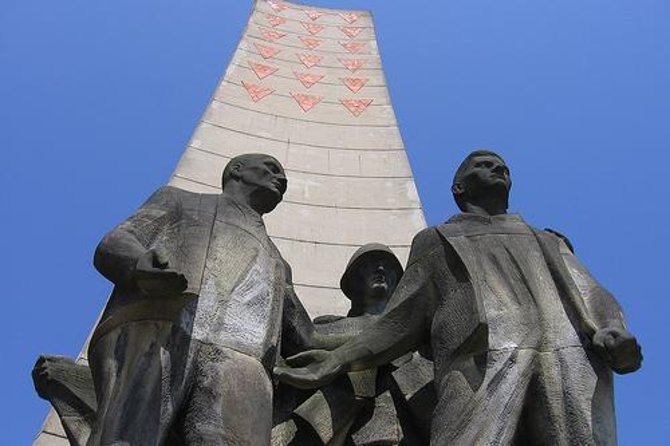
The tour starts around Friedrichstraße, with a meet-and-greet before you head north to Oranienburg. The ride is part of the experience, because it gives you time to get oriented before you step onto the memorial grounds. You are also going from a lively Berlin hub into a place that demands stillness, respect, and attention.
This structure matters. If you rush straight from city sightseeing mode, the first moments can feel jarring. Here, the transition helps you mentally shift gears, and your guide can frame what Sachsenhausen was and who was targeted there.
The schedule runs about 5.5 hours, and the full day can feel longer in practice. You start at 10:00 am and you return by train to Berlin, so you’re committing to a solid chunk of your visit day.
Oranienburg town stop: looking past the camp fence
Before you enter the memorial area, you spend time in Oranienburg itself. You walk around town with your guide and learn how people in the surrounding area were complicit, as well as where prisoners used to work.
That town context is worth paying attention to. It’s easy to treat a concentration camp like it happened in isolation, behind walls, with no connection to daily life. This stop challenges that idea by putting the camp inside a broader local reality.
You don’t need a lot of time for it, but you do need your attention. Even the short walk can help you see why Sachsenhausen was more than a location. It was a system, run by the Nazi regime, that depended on people and processes beyond the camp gates.
Inside Sachsenhausen: the punishment spaces you cannot unsee
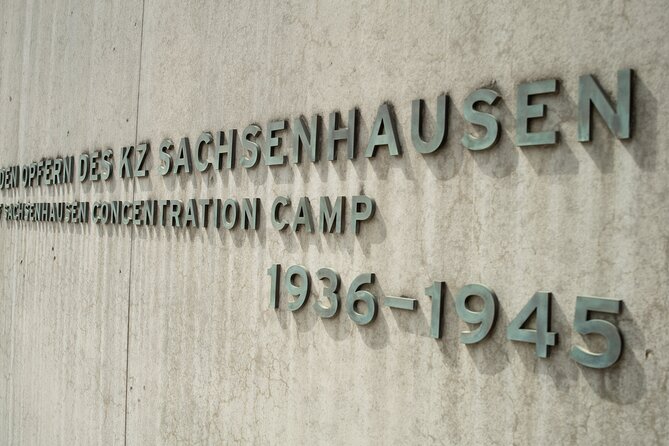
Once you reach the memorial and museum, you walk through the camp’s core parts. Sachsenhausen was built as a concentration camp rather than using older structures, and the layout helps you understand how carefully the site was designed to control people.
What makes this tour powerful is the sequence of locations. You don’t just glance at a single exhibit. You move through spaces tied to punishment, confinement, killing, and the aftermath.
Here are the key camp areas you’ll encounter:
- Old barracks, which give you a sense of the living conditions and how prisoners were housed
- Prison cells and torture cells, which bring home how brutality was organized and repeated
- The camp kitchen, a small but chilling reminder that camp life had routine and supply systems
- Tower A, the main guard tower, which helps you picture surveillance and control
- Station Z, where mass executions took place
Then you reach some of the most difficult sites: the gas chamber and crematorium, plus burial-related areas within the prison grounds. Your guide explains what these places were used for and what the prisoners endured.
This is not a “photo and move on” stop. You will likely feel the weight of the site in your body, not just your brain. That’s not morbid theater. It’s the point of a national memorial, and it’s why you should go slowly and listen.
A quick history frame so the sites make sense
Sachsenhausen held more than 200,000 people between 1936 and 1945. At first, many were political opponents of the Nazi regime. Later, the camp also included people the National Socialists defined as racially or biologically inferior.
By 1939, prisoners also came from occupied European states, and tens of thousands died from starvation, disease, forced labor, and mistreatment. Others were victims of the systematic extermination carried out by the SS. In April 1945, after evacuation, thousands died during the “death marches.” Around 3,000 sick prisoners, along with doctors and nurses who stayed behind, were freed by Soviet and Polish soldiers.
Hearing those points while you stand in the places they relate to makes the tour stick. Without it, the site can feel like a list of grim objects. With it, you start to understand the logic of the system, and how quickly lives could be destroyed.

The guide factor: how English tours keep it factual and human
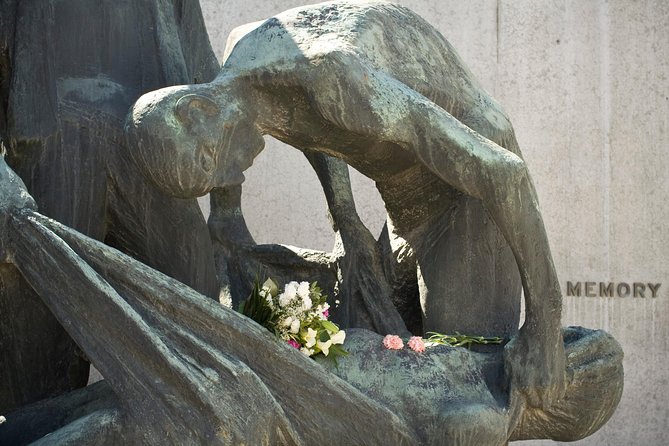
A big part of why this tour earns such strong ratings is the way guides handle the material. You are not thrown into a museum alone with big signs. You have a guide trained by the memorial authority, and many of them teach with a calm, precise rhythm.
Guides I’ve seen highlighted for this tour include Georgia, Gregor, Tina, Mikhail, Will, Daniel, Hannah, Scott, Ariel, and Emma. Different voices, same core approach: factual context, careful language, and time for questions.
This matters because the topic is emotionally loaded. A good guide helps you avoid two extremes. One extreme is numbness, where you rush past details. The other is uncontrolled outrage, where you forget the goal is understanding how the system worked.
You’ll hear stories of prisoner bravery alongside the atrocities. That balance helps you keep the people central. Sachsenhausen is about victims and survivors, not just historical trivia.
Guides also tend to repeat key meeting points and timing cues, so you don’t lose your group when you are stepping between indoor and outdoor sections. If you’re the type who likes to ask questions, you’ll probably find the pace leaves room for it.
What the pacing and group size feel like on the ground
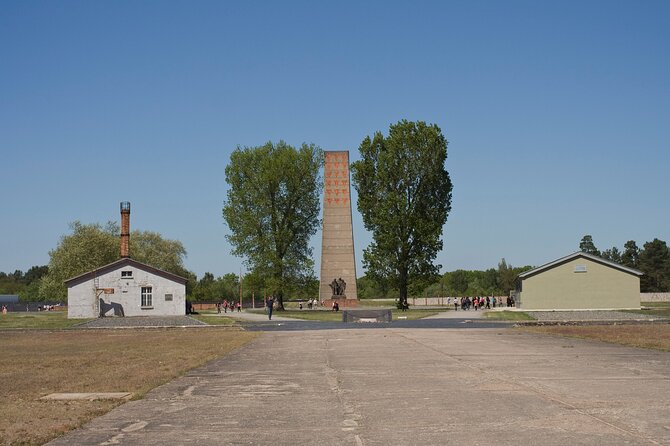
This tour maxes out at 29 travelers. That size is usually manageable, and it’s one reason you can actually hear the guide and keep track of where to go next.
Still, the day is structured around walking. Even if the guide walks at a moderate pace, you are moving from site to site and staying present through difficult information. Wear shoes you’re happy to walk in for hours. Bring a water bottle, and have a plan for warmth.
One practical tip that comes up again and again with this style of visit: bring a packed lunch and water. There isn’t a meaningful built-in meal break, and you can easily burn through your energy before the return train ride.
If it’s cold or wet, you’ll be outside more than you might expect. That’s when warm layers and even a small umbrella become more than nice-to-have items.
Transport and money: what you pay, and what you still need
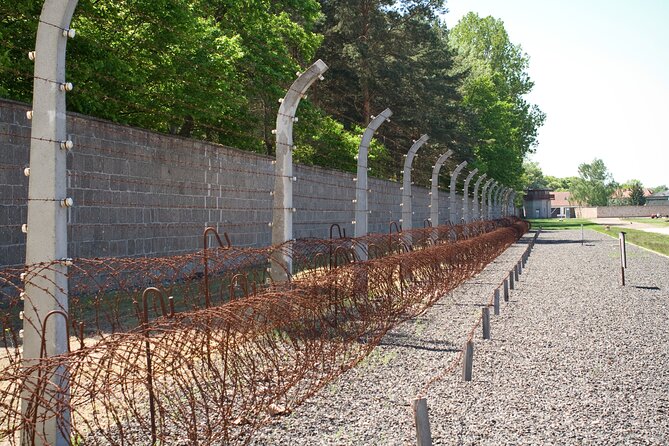
The tour price is $36.16 per person. For that, you get an English-language guide, entry into the memorial, and a small donation is included in the total (€3 per guest) that goes to the Sachsenhausen memorial.
You also get a mobile ticket, which reduces day-of friction. If you hate digging out paperwork when you’re already on a timeline, that’s a real plus.
What’s not included is important for your budgeting. You’ll need transport tickets in Berlin’s ABC zones, listed around €9 per person, plus an additional ABC train ticket for the round trip from the meeting area to the memorial, listed at €10.00 per person.
So the value story is this: the $36.16 is not just a “guide fee.” It’s also entry plus memorial support. But your true day budget is transport and food on top.
Who should book this Sachsenhausen camp memorial day trip
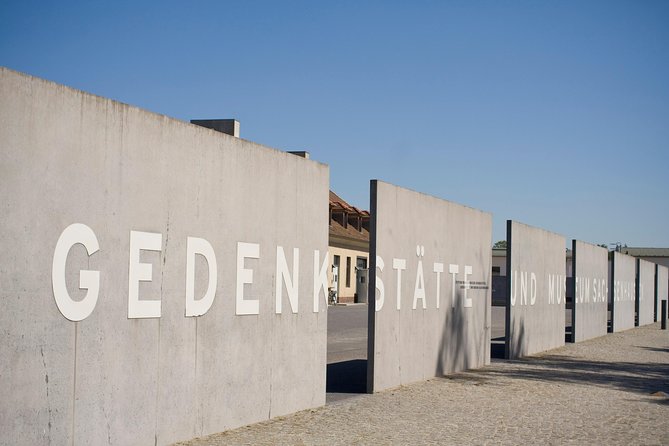
This tour fits best if you want a guided, respectful introduction to Sachsenhausen’s role in Nazi Germany. It’s also ideal if you prefer interpretation over DIY wandering, especially for understanding why specific sites matter.
You’ll likely enjoy it most if you:
- want an English guided experience with a memorial-trained historian approach
- like structured walks where the guide explains what you are looking at
- can handle a serious, emotionally heavy topic without needing a distraction
It is not the right fit for everyone. It’s not recommended for people with limited mobility or walking impairments. And if you’re hoping for casual sightseeing, this will feel too intense and too focused.
That said, the tour also helps adults turn facts into understanding. One of the most common outcomes is feeling more able to connect Nazi policy to real places, not just headlines.
Should you book this Sachsenhausen tour from Berlin?
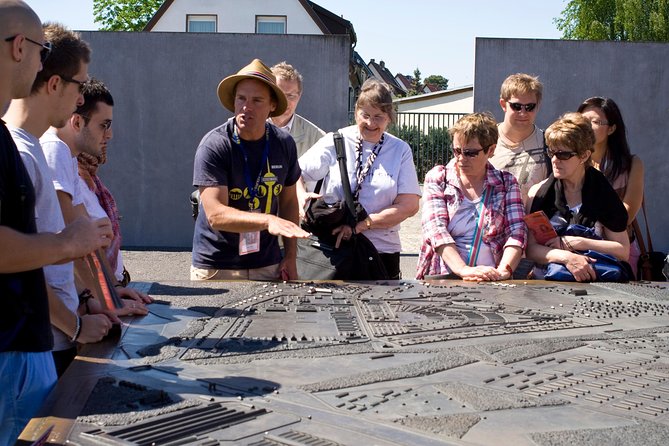
Book it if you want the best chance to understand Sachsenhausen in context, with an English-speaking guide who handles the subject with care. The included memorial entry, the donation to the site, and the fact you see the punishment and killing areas in an ordered way make it a solid value.
Skip it, or at least pause, if you know walking for hours in cold weather is a problem for you. Also pause if you think you want a light day. This is visiting history, not ticking off a landmark.
If your goal is meaningful, real-world learning from Berlin, this is one of the most focused ways to do it. You leave with a clearer picture of how a concentration camp functioned, not just that it existed. And after the return train ride, you will probably find yourself talking about what you saw in a quieter, more reflective way.
FAQ
Is the Sachsenhausen tour offered in English?
Yes. This experience is offered in English, with an English-language licensed guide trained by the memorial authority.
How long is the tour?
The tour runs for about 5 hours 30 minutes (approx.).
Where do I meet the guide in Berlin?
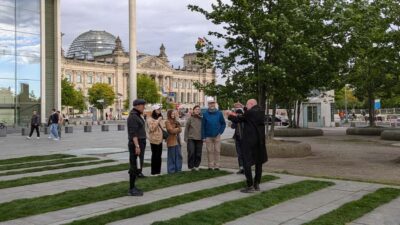
You meet near S+U Friedrichstraße. The listed start point is Reichstagufer 17, 10117 Berlin, Germany.
What sites do you visit at Sachsenhausen?
You visit the former Sachsenhausen camp and walk through areas such as the old barracks, prison cells and torture cells, camp kitchen, Station Z, the gas chamber and crematorium, the infirmaries and pathology center, and Tower A. The tour also includes sites related to punishment and burial areas inside the prison.
Is admission to the Sachsenhausen memorial included?
Yes. Entry to the memorial is included in the tour.
Do I need train or transit tickets beyond the tour price?
Yes. You will require an ABC zones transport ticket (listed around €9 per person) and an ABC train ticket for the round trip from the meeting point to the memorial (listed at €10.00 per person).
Do I need to bring food or drinks?
Food and drinks are not included. Because the day lasts for several hours, bring your own water and plan ahead for meals.
How much walking is involved?
You should have a moderate physical fitness level. The tour is not recommended for individuals with limited mobility or walking impairments.
How big is the group?
The tour has a maximum of 29 travelers.
What is the cancellation policy?
You can cancel for a full refund up to 24 hours in advance. If it’s canceled due to poor weather, you’ll be offered a different date or a full refund.
Visiting Sachsenhausen Memorial
Everything else we filed on Berlin
- East Berlin: City of Shadows Walking Tour
★ 5.0 · 11 reviews - Berlin: Die Stachelschweine – Frank Lüdecke – Träumt Weiter
★ 4.7 · 11 reviews - Potsdam Day Trip from Berlin with a Local: Private & Personalized
★ 4.0 · 11 reviews - An Introduction to Berlin Walking Tour
★ 5.0 · 11 reviews - DJ for a Day: Learn to Mix Like a Pro in Berlin
★ 5.0 · 11 reviews - 2-H Segway Sightseeing Tour Berlin
★ 4.5 · 11 reviews
Sachsenhausen Memorial Site Tours, side by side.
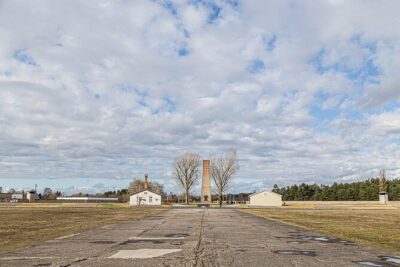 ★ 4.7Berlin: Sachsenhausen Concentration Camp Memorial TourFrom $213,716 reviews
 ★ 5.0Sachsenhausen Concentration Camp Bus Tour in English from BerlinFrom $681,962 reviews
 ★ 4.8Berlin: Sachsenhausen Concentration Camp Tour in EnglishFrom $221,889 reviews
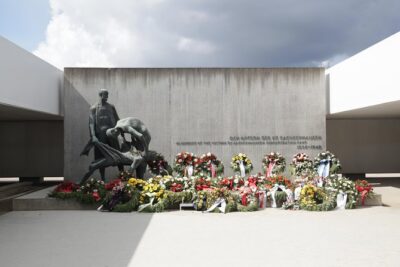 ★ 5.0Sachsenhausen Concentration Camp Memorial Tour (Max. 15 Guests)From $351,516 reviews
 ★ 4.6Berlin: Sachsenhausen Concentration Camp and Potsdam TourFrom $651,334 reviews
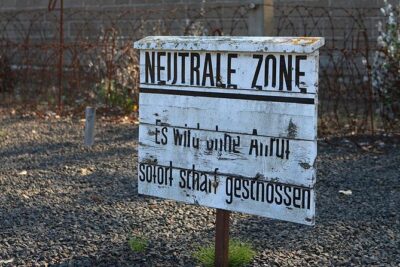 ★ 5.0Sachsenhausen concentration camp.From $341,189 reviews
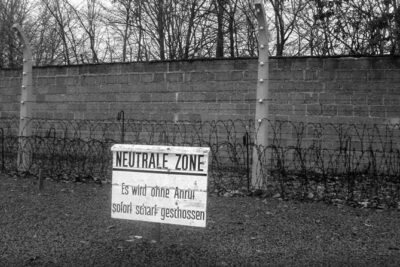 ★ 5.0Visita en español al campo de concentración SachsenhausenFrom $341,170 reviews
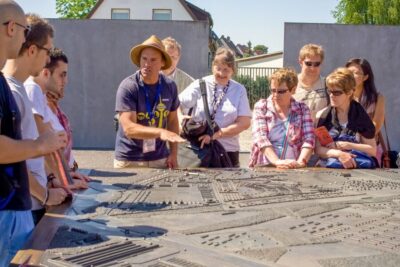 ★ 4.9Berlin: Sachsenhausen Concentration Camp Bus Tour in EnglishFrom $49709 reviews
Other lists this tour is on