
REVIEW · NUREMBERG
Nuremberg: 1.5-Hour Medieval Tour
Nuremberg’s Middle Ages move fast. In a quick 1.5-hour guided walk, you go from Nuremberg Castle down into the old town, with stories that connect medieval power to real people. I like how the tour keeps the pace brisk, so you get a guided sense of the city without spending your whole day lost in the back streets.
Two things I especially like are the stop at Albrecht Dürer’s house and the way the guide brings the Middle Ages to life with names, places, and cause-and-effect. You’ll also hear about the Burgfreiung, plus what daily life in Nuremberg was like then and how it has changed since.
One caution: the tour guide works in German only, and it is not suitable for wheelchair users. If you are not comfortable with German, you might want to consider another format or a different tour so you do not miss the key stories.
In This Review
- Quick hits for your 1.5-hour medieval stroll
- Getting Oriented at Hauptmarkt and Staying Efficient
- Nuremberg Castle and the Burgfreiung Story
- Albrecht Dürer’s House, His Work, and Troubled Times
- Sebalder Altstadt, Lorenzer Altstadt, and Venetian Nuremberg
- Who This Tour Suits Best (And Who Might Want Something Else)
- Price and What You Actually Get for $23
- Small Practical Tips So You Get More From the Guide
- Should You Book This Nuremberg Medieval Tour?
- FAQ
- How long is the Nuremberg 1.5-hour medieval tour?
- Where does the tour start?
- Is the tour guided, and what language is it in?
- How much does the tour cost?
- Is the tour wheelchair accessible?
- What is included in the price?
- Can I cancel and get a full refund?
Quick hits for your 1.5-hour medieval stroll
- Hauptmarkt start, Schöner Brunnen meeting point makes it easy to find the group quickly
- Nuremberg Castle and Burgfreiung explain how the city’s medieval identity formed
- Albrecht Dürer’s house plus talk about his work and troubled times
- Sebalder and Lorenzer Altstadt connects streets you can still walk today
- Venetian Nuremberg and Italian influence shows how outside styles shaped local history
- Strong guide feedback, including praise for a guide named Claudia for making history feel real
More of Nuremberg inside the walls
- Nuremberg: Old Town Guided Walking Tour★ 4.6 · 2,416 reviews
- Nuremberg: Tunnels and Secret Passages in the City Wall Tour★ 4.8 · 2,334 reviews
- Nuremberg: Medieval Dungeons Guided Tour★ 4.8 · 1,726 reviews
- Nuremberg: Walking Tour of Former Nazi Party Rally Grounds★ 4.7 · 1,665 reviews
Getting Oriented at Hauptmarkt and Staying Efficient
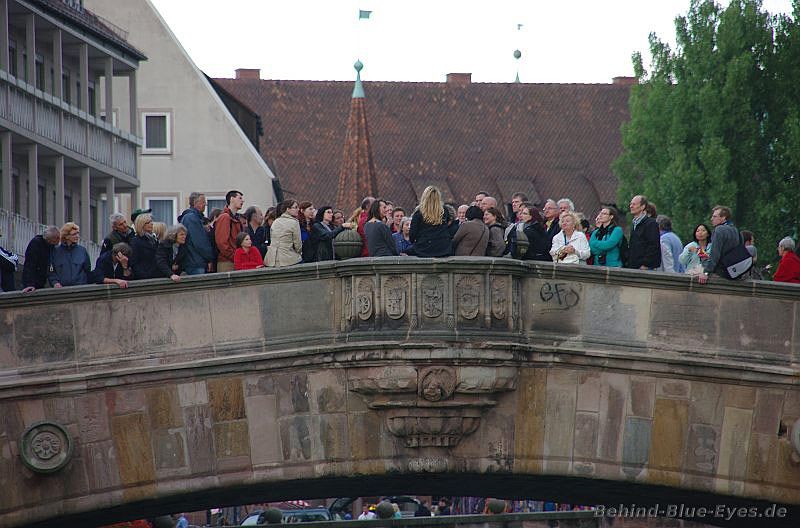
The tour starts at the Hauptmarkt square, right by the fountain called Schöner Brunnen. That is a practical choice, because Hauptmarkt is one of the most central squares in Nuremberg, and you can usually orient yourself fast if you arrive a little early.
This is built for people with limited time. At 1.5 hours, you do not have to commit to a half day. You also get a clear route, so you are not guessing which streets matter most for medieval Nuremberg.
If you like tours that give you a “mental map,” this works well. You’ll hear what to notice at each stop, then you can use that context to explore on your own afterward. It is especially useful if you plan to return later for photos, a coffee, or a longer wander through the old town.
One small detail to keep in mind: the guide is German, so bring a little flexibility. If you understand basic German or are good at picking out key terms, you will likely follow the main ideas well. If not, I would treat this as a tour where the city and the visuals help carry you, not as a complete translation experience.
Nuremberg Castle and the Burgfreiung Story
The tour heads to Nuremberg Castle, and that is where the medieval setting becomes obvious. Standing in this part of the city, you start to understand why castles mattered. They were not just scenery. They were control centers, symbols of authority, and anchors for the surrounding town.
The guide also brings in the history of the Burgfreiung. Even if you have never heard the term before, the way it gets explained makes the medieval city feel less abstract. You start connecting how the castle area and the city’s rules shaped life for residents.
Why this stop is worth your time: the castle and its surrounding story set the tone for everything you hear later. Once you get that foundation, the names and neighborhoods you visit afterward make more sense. You also get a chance to see how the old town is layered, because Nuremberg does not feel like one straight-line history. It feels like stacked chapters.
Possible drawback here: because the tour is short, you will not get a deep, minute-by-minute history lecture. You will get a guided overview that helps you decide what to explore further after the tour. If you want heavy historical detail with lots of specifics, you may prefer a longer specialized tour.
Albrecht Dürer’s House, His Work, and Troubled Times
Next comes Albrecht Dürer’s house, one of the biggest personality links you can make in Nuremberg. If you associate Dürer only with famous art, this stop helps you see him in context as a Nuremberg figure tied to a particular time and place.
The tour does more than point and say this is where he lived. You’ll learn about his work and hear about his troubled times, which helps explain why an artist’s life can look different depending on the political and social pressure around him. That framing is useful. It turns “famous person” into “person dealing with real circumstances.”
From a practical standpoint, this is the kind of stop where you can keep your eyes open. If you like art history, you’ll likely want to look closely at what you see in the area and connect it to what the guide says about his output. Even if you do not catch every word, the story arc usually lands.
One more reason this works for many visitors: it gives your tour a human thread. Castle and medieval city life can feel like systems and structures. Dürer brings the story down to individuals, ambition, and pressure.
Sebalder Altstadt, Lorenzer Altstadt, and Venetian Nuremberg
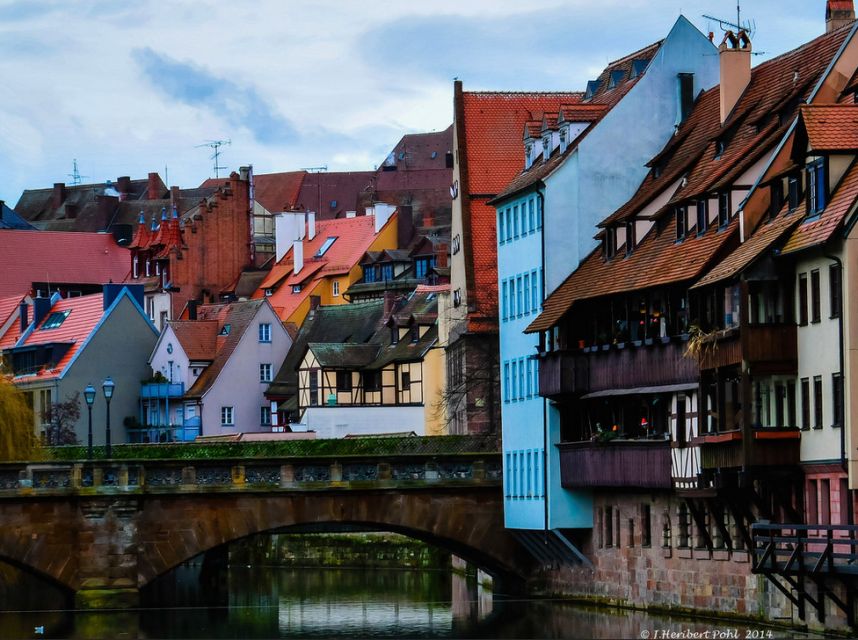
After Dürer, the tour shifts from major landmarks to walking through street-level Nuremberg. You’ll stroll through Sebalder Altstadt and Lorenzer Altstadt, and you’ll hear how different parts of town developed and what that meant for daily life.
The tour also covers living conditions and how they have changed to this day. That part matters because it prevents the experience from becoming only costumes and medieval drama. You get a sense of what life was like for regular people, not just the power holders.
Then comes the fun twist: Venetian Nuremberg and the influence of the Italians on German history. This is the kind of topic that makes a city tour feel more than standard sightseeing. It teaches you to look for how ideas and styles cross borders. In a place known for its medieval identity, it is eye-opening to learn how outside influences helped shape what you see.
If you enjoy noticing contrasts, this section is great. You’ll be walking through areas where medieval history is still visible, but you are also comparing the present day with what the guide explains. It is a smooth way to make the city feel current.
Possible drawback: street walking means comfort matters. Wear shoes you can stand and walk in for the full route. This is not an “every step is optional” tour.
More lantern-lit rounds after dark
Who This Tour Suits Best (And Who Might Want Something Else)
This tour is a good fit if you want a guided overview that connects the big medieval landmarks with the human stories you can’t easily gather on your own. If you like a fast, structured route and you enjoy learning about the people of a city, you’ll probably enjoy it.
It is also a solid value at $23 per person because you are paying for a live guide for a concentrated route. You are not paying for extra add-ons like food or entrance fees, so the price is mostly about interpretation and direction. For many visitors, that is exactly what you need in a short window.
It may not be the best choice if you strongly prefer English-only guiding, or if you need wheelchair accessibility. It is also less ideal if you want to spend time inside multiple sites with ticketed entry. You will be told stories and see important places, but you are not buying a “museum day” with included entrances.
The overall guide quality seems to be a big reason people rate it highly. The tour averages 4.6 out of 5 based on 33 reviews, and one name you see praised is Claudia, described as bringing history to life and taking the group to interesting places.
Price and What You Actually Get for $23
Let’s talk value in plain terms. You pay $23 for a guided tour that lasts about 1.5 hours, with a live guide speaking German. What you do not pay for is food, drinks, entrance fees, or public transport.
So the value depends on how you plan your day:
- If you already planned a lunch and you are only looking for orientation plus stories, this is a straightforward spend.
- If you expected entry into paid attractions during the tour, you will need to check what you want to see afterward, because entrance fees are not included.
Another value factor: the meeting point and ending point are the same. You start at Hauptmarkt near Schöner Brunnen and finish back there, which helps if you want to hop into your own sightseeing right after.
Group size also matters for the vibe. There is a stated minimum number of participants, listed as 10. That can make the tour more comfortable and interactive than a tiny group, but it can also mean schedules depend on availability. The upside is that a properly sized group helps the guide keep momentum and cover all the planned highlights.
Small Practical Tips So You Get More From the Guide
Keep your expectations aligned with the time. This is a high-signal tour, not a full deep seminar. Your job is to listen for the key connections, then use what you learn to explore further.
Here are a few ways to make it pay off:
- Arrive a bit early at Schöner Brunnen so you are not rushing when the group gathers.
- If you take photos, pause only briefly. The story parts are short, and you do not want to miss the key context.
- If you care about art history, lean into the Dürer stop and then decide if you want to follow up on your own.
- When the guide mentions Italian influence, pay attention to what you see later in the old town. It helps you spot the “why” behind the style.
Also, since it is not suitable for wheelchair users, plan accordingly if mobility is an issue. You might still be able to see Nuremberg comfortably by choosing other routes, but this specific tour is not designed for wheelchair access.
Should You Book This Nuremberg Medieval Tour?
I think this is an easy yes if you want a compact, story-driven orientation to medieval Nuremberg. The route connects Nuremberg Castle, Burgfreiung, Albrecht Dürer’s house, and the old town areas of Sebalder and Lorenzer Altstadt, plus the Italian-influenced idea of Venetian Nuremberg. That’s a lot of meaning packed into 1.5 hours.
Book it if you:
- have limited time and want a guided route that makes the city easier to navigate afterward
- like human stories, not just monuments
- are comfortable enough with a German-speaking guide, or you can still follow the main ideas through visuals and context
Skip it or reconsider if:
- you need English guiding
- wheelchair accessibility is required for your group
- you want entrance-ticket experiences included as part of the tour
If you are on the fence, look at what you want most that day. If your goal is understanding Nuremberg’s medieval identity fast, this tour does that job well, and the praise for guides like Claudia suggests you are likely to get clear, engaging storytelling.
FAQ
How long is the Nuremberg 1.5-hour medieval tour?
The tour lasts 1.5 hours.
Where does the tour start?
Meet at Hauptmarkt square at the fountain Schöner Brunnen.
Is the tour guided, and what language is it in?
Yes, it is a live guided tour. The guide language is German.
How much does the tour cost?
The price is $23 per person.
Is the tour wheelchair accessible?
No, the tour is not suitable for wheelchair users.
What is included in the price?
The guided tour is included. Food and drinks, entrance fees, and public transport are not included.
Can I cancel and get a full refund?
Yes. Free cancellation is available if you cancel up to 24 hours in advance for a full refund.
The Night Watchman Goes Again
Nuremberg Within the Walls
Everything else we filed on Nuremberg
- Nuremberg: Medieval Time Travel for Kids
★ 4.9 · 15 reviews - PRIVATE Nuremberg WW2 and Old Town Day Tour (Product code: 87669P16)
★ 4.5 · 15 reviews - Nuremberg: St. Johannis Friedhof &Hesperidengärten IN GERMAN
★ 4.4 · 15 reviews - Nuremberg: Private guided tour of the Old Town in German
★ 4.9 · 17 reviews - PLAYMOBIL®-FunPark Entrance Ticket
★ 4.5 · 17 reviews - Stein: Public guided tour of the “Old Mine” museum
★ 4.5 · 18 reviews
Nuremberg Old Town and Castle Tours, side by side.
 ★ 4.4Nuremberg: City Tour with the Bimmelbahn TrainFrom $122,475 reviews
 ★ 4.6Nuremberg: Old Town Guided Walking TourFrom $182,416 reviews
 ★ 4.8Nuremberg: Tunnels and Secret Passages in the City Wall TourFrom $142,334 reviews
 ★ 4.8Nuremberg: Medieval Dungeons Guided TourFrom $111,726 reviews
 ★ 4.7Nuremberg: Walking Tour of Former Nazi Party Rally GroundsFrom $151,665 reviews
 ★ 5.0Medieval Tour in Nuremberg in SpanishFrom $191,374 reviews
 ★ 4.8Nuremberg: Historischer Kunstbunker WWII Art Bunker TourFrom $14921 reviews
 ★ 4.7Nuremberg: PLAYMOBIL®- FunParkFrom $29863 reviews
Other lists this tour is on