
REVIEW · POTSDAM
Potsdam: Entry to DAS MINSK Kunsthaus in Potsdam
Two hours, and Potsdam gets thought-provoking. The 1970s GDR style terrace restaurant that became DAS MINSK Kunsthaus mixes GDR artworks from the Hasso Plattner Collection with changing modern and contemporary exhibitions, and the current Soft Power show uses textile design to question power relations. I also like that it is not just theory, the building has a café where you can slow down and reset. One possible drawback: the visit can feel self paced, so if you want heavy context up front, plan to use whatever audio support is available, and be ready for some of the art to feel heavy.
For 11 dollars, you get entry to the exhibitions for a straightforward 2 hour circuit. You can also skip the ticket line, and the venue is wheelchair accessible. In summer months, the terraces offer a great view over the city, which makes the end of your visit feel like a reward, not a rushed exit.
In This Review
- Key points to know before you go
- What You Are Actually Touring When You Enter DAS MINSK Kunsthaus
- The Building Itself, Why the 1970s Minsk Terrace Changes the Mood
- Soft Power and Textile Design, How the Show Frames Control
- Where the GDR Artworks Fit, Looking Beyond the Labels
- How to Plan Your 2 Hours So You Leave Happy
- Café HEDWIG and the Summer Terrace View, The Best Part to End On
- Price and Value, What 11 Dollars Buys You in Potsdam
- Who This Experience Fits Best (And Who Might Want to Pass)
- Should You Book DAS MINSK Kunsthaus in Potsdam?
- FAQ
- How long is the visit at DAS MINSK Kunsthaus in Potsdam?
- What is the price for entry?
- What does the ticket include?
- Is a guided tour included?
- Is the venue wheelchair accessible?
- Is there a café onsite?
- Can I cancel for a refund?
Key points to know before you go
- A former GDR terrace restaurant turned art house gives the exhibitions an extra layer of place and politics
- Hasso Plattner Collection works from the former GDR show up in new contexts, not as museum relics
- Soft Power puts textile design center stage, focused on power relations in three chapters
- Café HEDWIG is part of the experience, with lunch, cakes, and coffee
- Summer terraces make it easy to turn your last 20 minutes into a city view break
Other Potsdam days worth the S-Bahn
- Potsdam: City and Castles Tour★ 4.7 · 3,721 reviews
- Potsdam: Palace Tour by Boat★ 4.5 · 2,369 reviews
- Potsdam: Sanssouci Palace and Prussian Palaces Entry Ticket★ 4.5 · 2,101 reviews
- Potsdam by Boat: Island Cruise★ 4.6 · 1,308 reviews
What You Are Actually Touring When You Enter DAS MINSK Kunsthaus
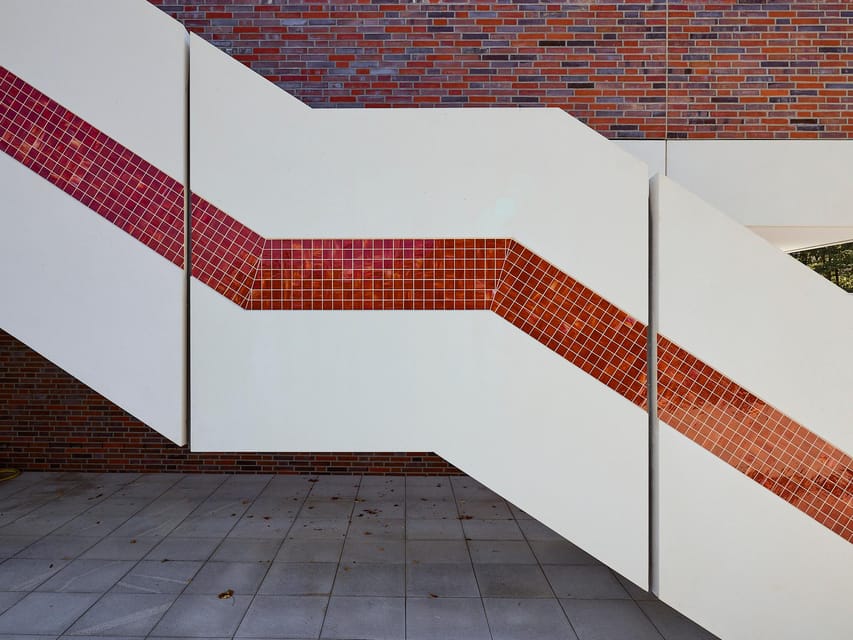
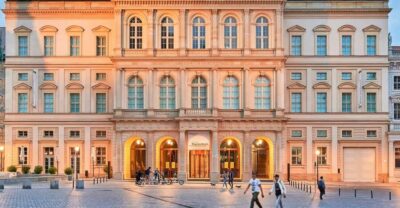
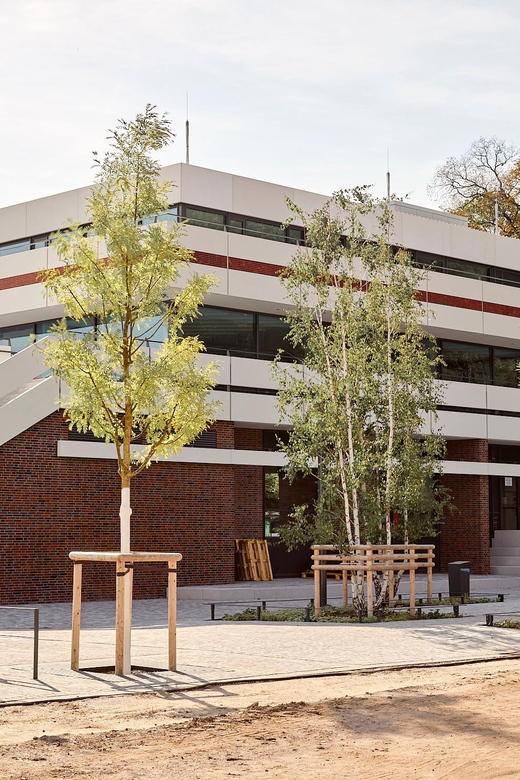
This is not a classic, quiet white cube museum where you feel like you must whisper. DAS MINSK Kunsthaus sits inside a building with an identity, the former terrace restaurant Minsk, built in the 1970s in modernist style for the GDR era. That matters because you are not just looking at art about power, you are standing inside architecture that once lived that system.
The exhibitions mix modern and contemporary art with artworks from the former GDR, and that blend is the heart of the place. One minute you are thinking about design and form, the next minute you are looking at how an older political world gets reframed through today’s artistic language.
You should also know what the ticket is and is not giving you. This entry ticket is for the exhibitions. Guided tours, events, and workshops are not included. So you will have the most satisfying visit if you come ready to read, look slowly, and follow the exhibition structure on your own, with whatever audio support is available onsite.
The Building Itself, Why the 1970s Minsk Terrace Changes the Mood
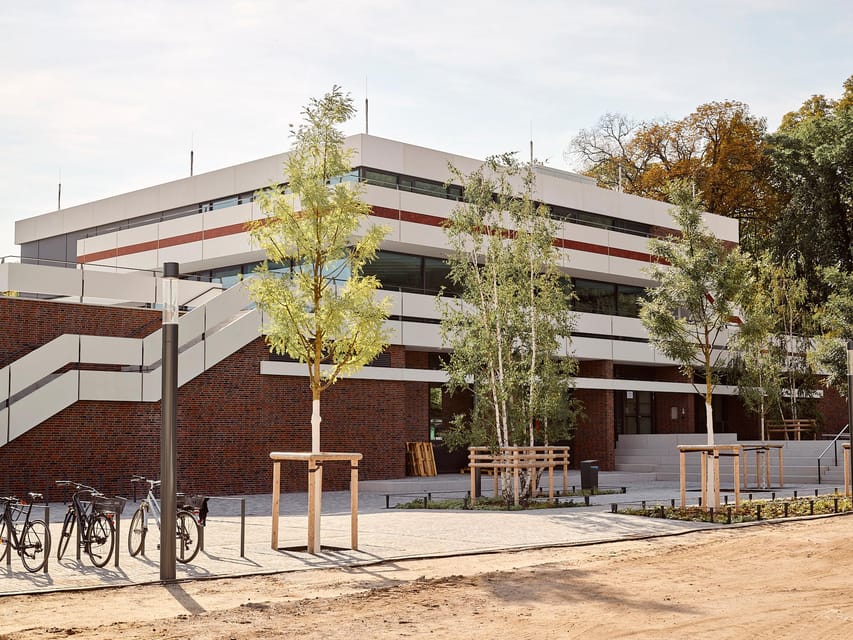
I like visiting art spaces where the room does part of the talking, and this one does. The former terrace restaurant layout and modernist feel are more than background. They shape how you move and how the exhibition energy lands.
For one, the “terrace restaurant” concept naturally supports pauses. Even if you do not sit down at first, you will feel where breaks are supposed to happen. That becomes a practical advantage when some art is intentionally tense or critical. Instead of forcing yourself through everything at once, you can pace your visit.
Also, the place acts like a translator between eras. The building came from a GDR context, and now the art inside places those works into new conversations with contemporary practice. You can see the shift, physically. That is often more memorable than the labels alone.
If you are sensitive to heavy themes, treat this as a deliberate art stop, not an easy stroll. The overall tone can run dark or emotionally loaded depending on the works on view, so give yourself permission to take breaks.
Soft Power and Textile Design, How the Show Frames Control
This spring exhibition, Soft Power, is built around textile design as a means of artistic expression used to question power relations. That is a big claim, but it is also a smart one. Fabric and clothing are everyday things, so using them to talk about control feels grounded, not abstract.
You will see the exhibition organized into three chapters. That structure is your friend. When art asks you to think about power, it can sprawl into vague feelings unless the exhibit gives you a path. Chapters help you stay oriented and connect the dots between the sections.
Here is what I would focus on while you look:
- How materials and surface textures communicate ideas, not just beauty
- How textile choices connect to labor, identity, and who gets to define the rules
- How contemporary artists use craft like a tool for argument
Because the exhibition uses textile design specifically, you may find yourself slowing down more than you expected. Textile art is often best appreciated up close, and your brain tends to engage differently with something you can almost imagine touching. If you normally breeze through art, this show is a good chance to practice better attention.
Where the GDR Artworks Fit, Looking Beyond the Labels
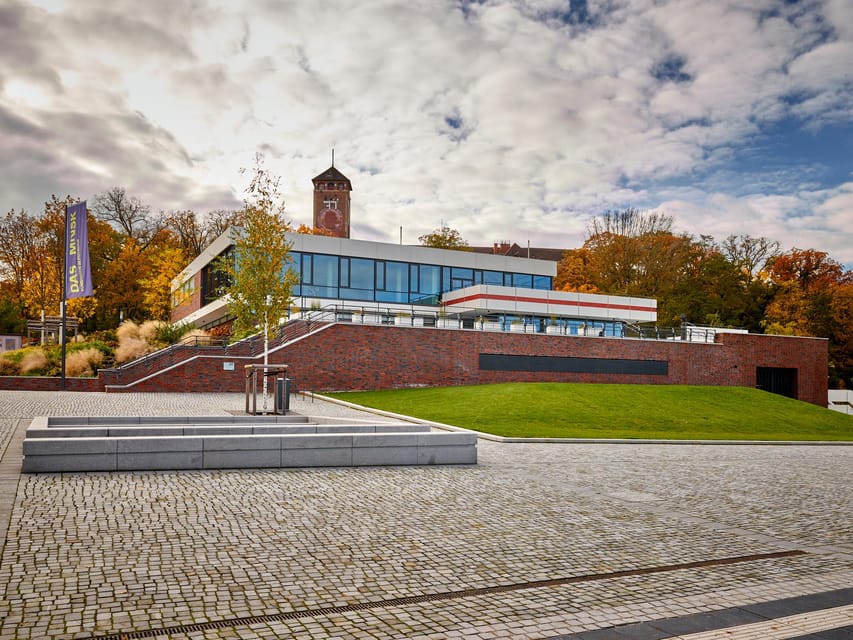
One reason DAS MINSK Kunsthaus is worth your time is how it treats artworks from the former GDR. They are part of the Hasso Plattner Collection, but they are shown here in new contexts. That approach changes the reading.
Instead of treating those works like artifacts locked to a specific past, the museum sets them in conversation with modern and contemporary art. For you, the payoff is that you get more than “history.” You get interpretation, comparison, and contrast.
As you move through the exhibitions, try asking a simple question for each piece you linger over:
- What does this work want you to notice, right now, in this room?
Some works may feel emotionally intense. A piece can be critical, burdened, or simply hard to look at. That does not mean you did something wrong. It means the museum is choosing seriousness over comfort.
And if you prefer context delivered upfront, pay attention to whether audio or interpretive support is available. One visitor experience highlights that an explanation can be missing at first, and that audio accompaniment helps. So if you tend to rely on guidance rather than labels, plan for that.

How to Plan Your 2 Hours So You Leave Happy
With a 2 hour duration, you want a visit plan that is realistic, not heroic. This museum is designed for a self paced circuit, and with changing exhibitions, you are unlikely to see everything with the same intensity.
Here is a practical rhythm I recommend:
- Start with the main exhibition section so you get the overall logic of the shows
- Spend extra time on the textile focused exhibition area, then check how the art shifts in tone
- Recenter with the GDR artworks, looking for how they connect to the present themes
- End with a café stop or a terrace break, especially if you are going in summer
One more tip: do not treat every room like a sprint. If a work is heavy, give it 2 to 3 minutes, then move. Your attention will come back. Art fatigue is real.
Also, consider your timing. If you visit close to when you want lunch or coffee, you can treat the café as part of your viewing plan, not an afterthought. That is how you keep the whole experience from feeling like a checklist.
Café HEDWIG and the Summer Terrace View, The Best Part to End On
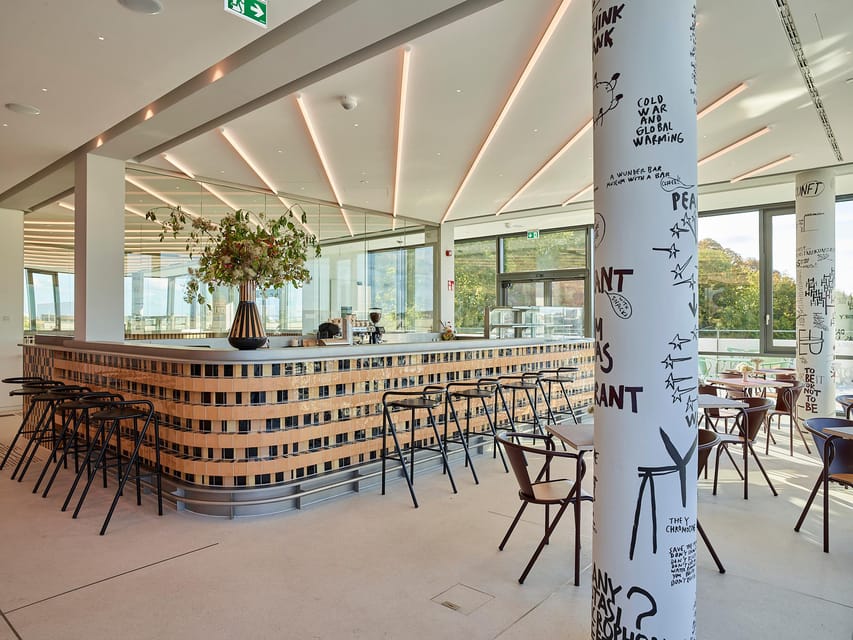
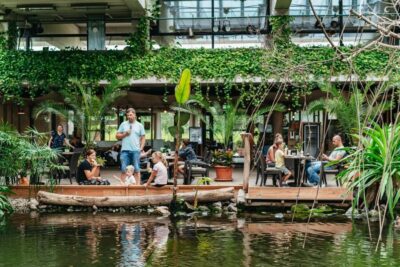
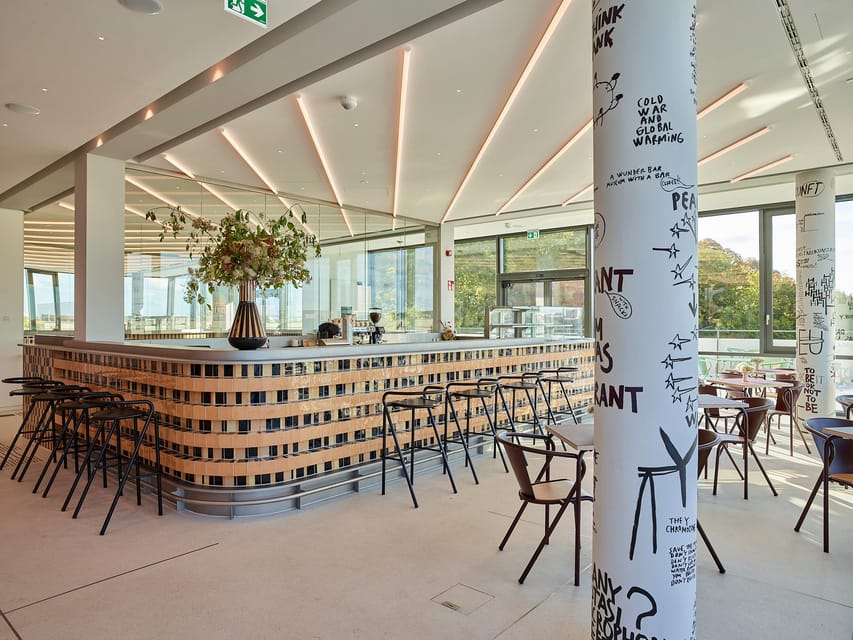
I love museums that give you an “off ramp,” and DAS MINSK has one. Café HEDWIG offers lunch, cakes, and coffee, and in summer months the terraces of the building offer a great view over the city.
That means your final minutes do not have to be spent staring at a wall just to finish on time. You can step outside the art conversation and let your eyes rest on the city for a bit. It is a surprisingly effective way to process what you just saw, especially if the exhibitions were emotionally heavy.
If you are hungry, choose your café break strategically. Lunch can make you slower in a good way. Too much caffeine can also make you restless. The sweet spot for many people is coffee plus cake, then a longer terrace pause, if the weather cooperates.
Restrooms can also be a comfort factor. The experience includes gender appropriate facilities, which is a simple but welcome detail if you are planning your day around small needs.
Price and Value, What 11 Dollars Buys You in Potsdam
At 11 dollars per person for entry to the exhibitions, DAS MINSK Kunsthaus is priced like a thoughtful art stop rather than a major full day museum commitment. The value comes from two things: you are paying for access to multiple layers of programming, and you are getting a venue where the building itself shapes the meaning.
You also get some practical extras included with the experience:
- Skip the ticket line
- Wheelchair accessible entry
Because guided tours are not included, you should treat it as a self guided museum experience. In return, you are not paying for a guided narrative you might not want. If you like to set your own pace, that works in your favor.
If you dislike self guided visits, you might feel a bit under-supported, based on real visitor feedback about limited upfront instruction. In that case, come with a plan to read the exhibition structure and use any audio materials available onsite.
Who This Experience Fits Best (And Who Might Want to Pass)
This is a strong pick if you like contemporary art that has context, not just style. It is also ideal if you are interested in the way the GDR era gets reinterpreted through today’s artistic questions.
It is especially good for you if:
- You enjoy modern and contemporary art with political and social angles
- You like design topics, especially textile art and material choices
- You want a compact 2 hour cultural stop in Potsdam, with a café payoff
It might be less satisfying if:
- You want a guided tour with explanations included
- You need a light and cheerful museum day
- You prefer exhibitions that stay emotionally neutral
If you are going with family, the café and the short duration help. But if your kids need lots of guidance, you may want to bring extra patience for self guided viewing.
Should You Book DAS MINSK Kunsthaus in Potsdam?
If you want a smart, compact art experience that connects the GDR past to modern questions, I think DAS MINSK Kunsthaus is worth booking. The current Soft Power exhibition gives you a clear theme, and the mix of textile art with GDR artworks makes the visit feel more than just one exhibit.
Go for it if you like self paced exploring, and if you will use the café or terrace at the end. Skip it or reconsider if you strongly prefer guided interpretation and quick answers, or if you know you are not comfortable with art that can feel negative or heavy.
One more practical point: because it is only 2 hours, you can fit this into a Potsdam day without rearranging everything. That flexibility is part of the value, especially if you want a stop that can end at a comfortable pace.
FAQ
How long is the visit at DAS MINSK Kunsthaus in Potsdam?
The experience is listed as 2 hours, so you can plan a short art stop rather than a full day.
What is the price for entry?
The price is $11 per person for entry to the exhibitions.
What does the ticket include?
Your ticket includes entry to the exhibitions at DAS MINSK Kunsthaus.
Is a guided tour included?
No. Guided tours, events, and workshops are not included with this ticket.
Is the venue wheelchair accessible?
Yes, DAS MINSK Kunsthaus in Potsdam is wheelchair accessible.
Is there a café onsite?
Yes. Café HEDWIG offers lunch, cakes, and coffee. In summer months, the terraces also offer a view over the city.
Can I cancel for a refund?
Yes, free cancellation is offered up to 24 hours in advance for a full refund.
A Day in Potsdam, Compared
Everything else we filed on Potsdam
- Private Sightseeingtour im Taxi nach Potsdam und Sanssouci
★ 5.0 · 12 reviews - Private Potsdam City Tour in an authentic vintage van
★ 5.0 · 14 reviews - In the Forbidden City – Potsdam Walking Tour
★ 5.0 · 17 reviews - Potsdam: Outdoor Escape Game
★ 4.4 · 22 reviews - Private Walking Tour of Potsdam and Sanssouci
★ 5.0 · 24 reviews - Potsdam: Entry to DAS MINSK Kunsthaus in Potsdam
★ 4.1 · 24 reviews
Potsdam and Sanssouci Day Trips, side by side.
 ★ 4.7Potsdam: City and Castles TourFrom $293,721 reviews
 ★ 4.5Potsdam: Palace Tour by BoatFrom $272,369 reviews
 ★ 4.5Potsdam: Sanssouci Palace and Prussian Palaces Entry TicketFrom $252,101 reviews
 ★ 4.5Berlin: World Heritage Cruise to PotsdamFrom $251,435 reviews
 ★ 4.6Berlin: Sachsenhausen Concentration Camp and Potsdam TourFrom $651,334 reviews
 ★ 4.6Potsdam by Boat: Island CruiseFrom $421,308 reviews
 ★ 4.5From Berlin: Potsdam and Sanssouci Palace Tour with EntryFrom $731,094 reviews
 ★ 4.2Potsdam: City Sightseeing Hop-On Hop-Off Bus TourFrom $23864 reviews
Other lists this tour is on