
REVIEW · THE BALTIC
Schwerin: Private Guided Walking Tour
Schwerin feels like a storybook with real dates. This private walking tour strings together the city’s big looks, like the romantic Schwerin Palace, with the less-obvious stuff that makes the place make sense. You get a human guide, not a script, and the walk focuses on how Schwerin changed from early medieval roots to Reformation-era tensions, war, and later German unification.
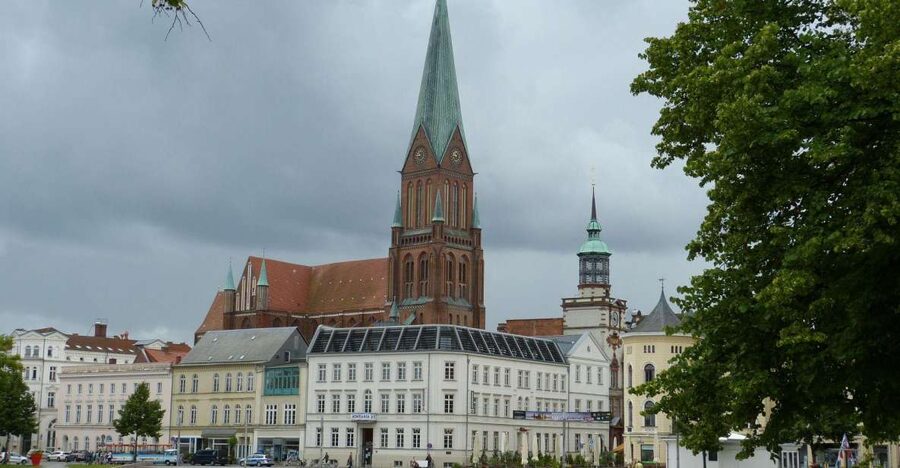
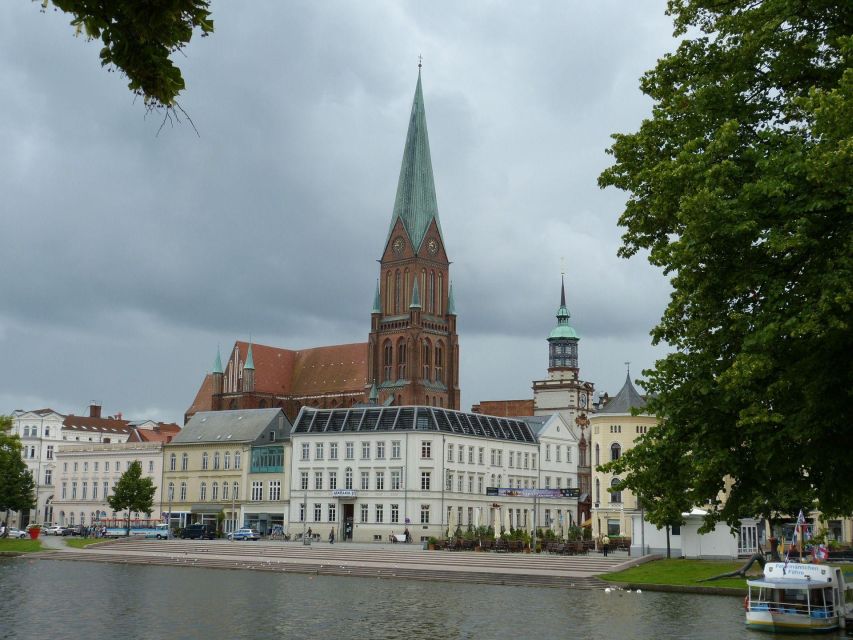
I love that the tour is built around Schwerin Palace on Lake Schwerin, often called the Neuschwanstein of the North, yet it doesn’t treat that as just a photo stop. It also centers the medieval core around Schwerin Cathedral, tied to a famous pilgrimage legend, so you’re not just looking at old buildings, you’re learning what people believed and why the city mattered.
One possible drawback: entrance fees are not included. If you want to go inside specific sites, you may pay extra, and a bit of meeting-point confusion can happen if you’re standing near the wrong castle entrance.
In This Review
- Key highlights you’ll actually care about
- Entering Schwerin’s timeline, 7 lakes and a castle on an island
- Meeting in front of Schwerin Castle, where most people stand
- Walking the old town streets that stayed almost intact
- Schwerin Palace on Lake Schwerin, the Neuschwanstein of the North explained
- Schwerin Cathedral and the pilgrimage legend that colored medieval life
- The Protestant revolution and the Thirty Years’ War, explained through Schwerin
- Napoleonic era and German unification, making modern Germany feel closer
- Private guiding that adapts to your interests, not a fixed script
- Price and value: $280 per group for 90 minutes
- Who should book this Schwerin private walking tour
- Should you book it? A simple decision checklist
- FAQ
- How long is the Schwerin private guided walking tour?
- What is the price and group size?
- Is this a private tour or a shared group?
- What languages are offered?
- Where do we meet for the tour?
- What is included in the price?
- Are entrance fees included?
- Can the guide customize the tour while you’re there?
- What is the cancellation policy and can I pay later?
Key highlights you’ll actually care about
- Schwerin Palace on Lake Schwerin gets explained so the nickname Neuschwanstein of the North feels earned.
- Medieval Schwerin Cathedral ties local landmarks to a pilgrimage legend people once traveled for.
- Early city origins come in a clear timeline, from 10th-century beginnings to city recognition in 1160.
- Major European turning points are connected to Schwerin’s local story, including the Protestant revolution and the Thirty Years’ War.
- Napoleonic and unification-era context helps you place what you see in a wider Germany story.
- Private, on-the-spot tailoring works well if you want the walk to match your evening plans.
More Baltic harbours and island days
- Schwerin: City Highlights Guided Tour★ 4.7 · 541 reviews
- Schwerin: Tour with the Night Watchman★ 4.5 · 366 reviews
Entering Schwerin’s timeline, 7 lakes and a castle on an island
Schwerin is a small city with a big sense of identity. It sits in Northern Germany, surrounded by seven lakes, and it’s the smallest land capital in Germany, which means you can cover a lot on foot without feeling rushed.
The history starts early. The city’s roots go back to the 10th century, and Schwerin has existed since at least 1018. It was recognized as a city in 1160, so the medieval feel is not just aesthetic, it’s anchored in real milestones.
That’s what I like about this tour approach: it treats Schwerin Palace and the old-town streets as evidence. You learn what happened when, and why certain places became important, so the city stops being background and turns into a narrative you can follow.
Meeting in front of Schwerin Castle, where most people stand
The meeting point is in front of Schwerin Castle, Lennéstraße 1, 19053 Schwerin. Since the tour starts right at the castle area, you’ll get oriented fast, which helps when you’re visiting Schwerin for the first time.
A practical consideration: there can be confusion about which entrance is meant. One guest noted that they waited at an entry that led toward the museum, but the intended spot was the entrance to an interior courtyard that is not open on weekdays. The guide was still doing their job, but you’ll save time by aiming for the obvious front-of-castle meetup point.
Tip that matters: arrive a few minutes early and pause at the castle front. If you’re unsure, look for your guide’s arrival timing and match their location, not what you think might be the “main” doorway.
Walking the old town streets that stayed almost intact
Schwerin’s old town is one of the reasons the city feels so coherent. The historic core is largely intact, with only minor damage during World War II, so the medieval and early-modern shapes you’re learning about are still visible.
That makes a walking format a real advantage here. In a city that lost less, you can actually connect the timeline to the street layout. You’ll move through beautiful lanes and historic streets while the guide explains the turning points that shaped Schwerin’s identity.
And because it’s a private group, you can ask follow-ups without holding up a larger crowd. That’s especially useful in history-heavy stops, where one question can change what you notice next.
Schwerin Palace on Lake Schwerin, the Neuschwanstein of the North explained
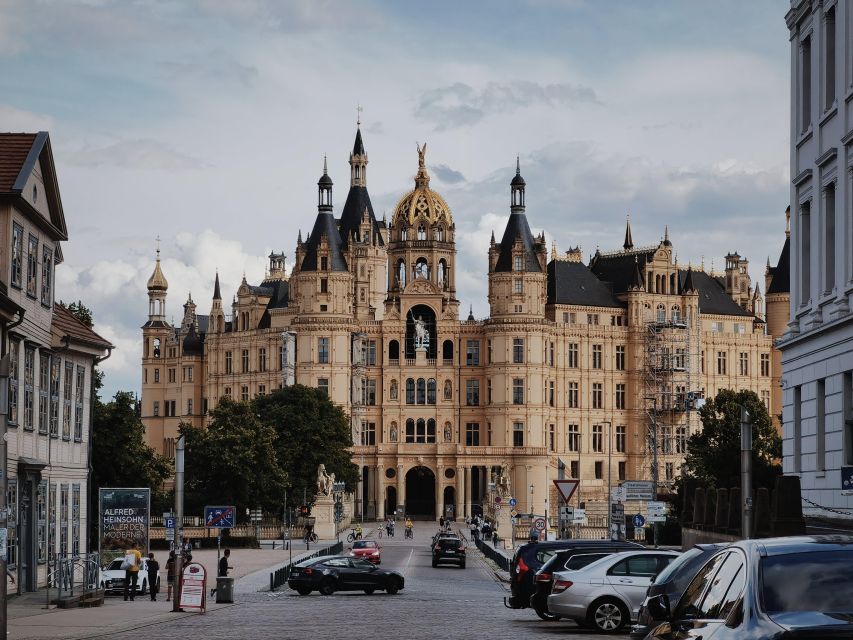
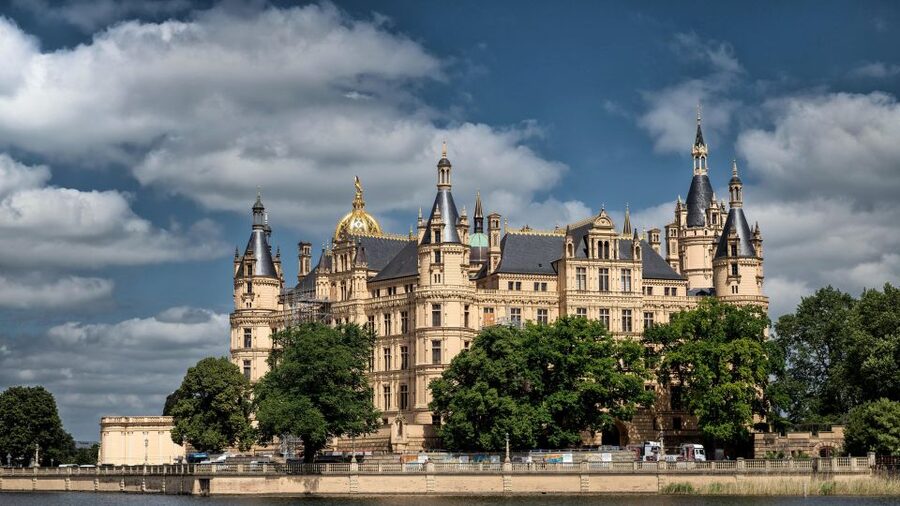
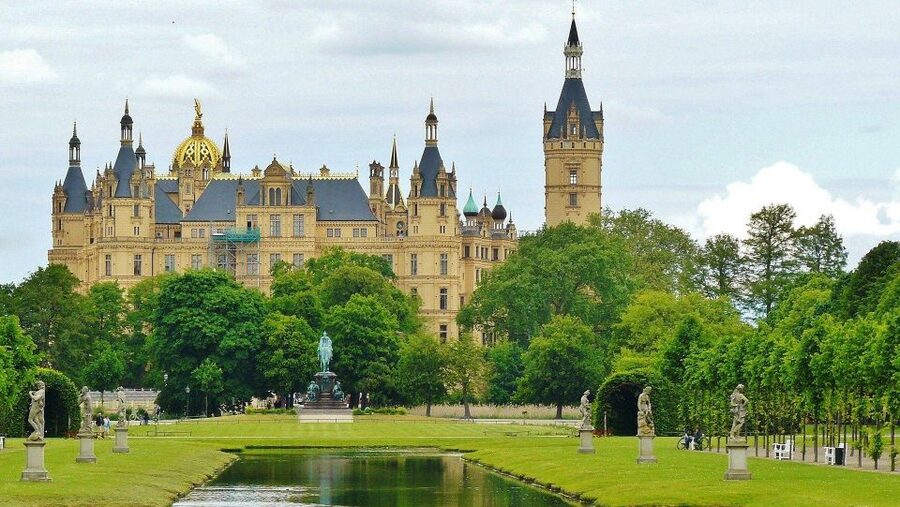
Let’s talk about the headline attraction. Schwerin Palace sits atop an island in Lake Schwerin, and it has a reputation as the Neuschwanstein of the North. The nickname lands because the palace’s romantic look is so strong it practically begs for context.
On this tour, you don’t just get the classic exterior view. You learn how the palace fits into Schwerin’s broader story, so it becomes more than “pretty building plus photos.” I like this because palace architecture can feel like a bubble if nobody explains what it represents.
Also, your time is framed well. The tour is 90 minutes long, so it’s not trying to turn into a full museum day. Instead, you get palace energy plus the facts that explain why the place mattered to the city’s leaders and its public image.
What to expect in practice: you’ll have time to take in the palace setting and make sense of why it’s so strongly linked to Schwerin’s identity. If you want to go inside, you’ll likely need to pay entrance fees, since they are not included.
Schwerin Cathedral and the pilgrimage legend that colored medieval life
In the Middle Ages, the center point of Schwerin’s town was Schwerin Cathedral. Even if you’re not a cathedral person, this is worth focusing on because it explains how the city functioned.
The cathedral is known across Europe for a reputed relic: a drop of Christ’s blood. That legend fueled pilgrimage attention, and it gave Schwerin a spiritual importance that reached beyond the region.
Your guide’s job here is to translate legend into location. In other words, you should come away understanding why people cared, not only that they cared. When you connect belief to geography, the old stone starts telling a different kind of story.
One reason I’d book a guided walk for this stop: a guide can point out the meanings behind what you’re seeing. With a 90-minute format, it’s exactly the kind of context that turns a quick look into a lasting memory.
The Protestant revolution and the Thirty Years’ War, explained through Schwerin
A city tour can accidentally become a pretty postcard with a date or two. This tour tries to do something better, connecting Schwerin to major European conflicts and religious change.
You’ll learn about the impact of the Protestant revolution and the Thirty Years’ War. I appreciate when a guide handles this carefully, because those events are huge and messy, and most visitors don’t have local background.
The best way to use this part of the walk is to listen for the “why” behind the landmarks. Even without naming every battlefield or treaty detail, the guide can show how religious shifts and long conflict cycles affected politics, power, and everyday life in the region.
If you’re the type who likes to understand context while walking, this is where the tour earns its value. You should end up feeling you can place Schwerin in Germany’s broader historical weather, not just memorize facts.
Napoleonic era and German unification, making modern Germany feel closer
Schwerin didn’t exist in a vacuum. The tour also covers Schwerin’s role in the Napoleonic era and the Unification of Germany.
These are the kinds of periods that can feel abstract on a museum label. Here, you get a guide who ties the big shifts back to the city’s experience, so you can connect what you see now to what changed during state reorganization and national consolidation.
I like this approach because Schwerin is small enough that the “big story” has to be made legible through local reference points. When that works, you walk away with a Germany picture that feels more personal.
The 90-minute structure helps too. You get enough to understand the arc without turning the day into homework. If you want to go deeper later, you’ll know what questions to pursue.
Private guiding that adapts to your interests, not a fixed script
This is a private group experience with a local professional guide who stays with your group only. That is a meaningful difference. It means the guide can match your pace, answer your questions, and adjust what gets emphasized.
Language options are practical too: the tour is offered in English and German. If you have mixed language needs in your group, it’s a simple way to keep the experience comfortable for everyone.
Customization is explicitly possible on the spot. One guest described how their guide, Jürgen, took their evening plans seriously and adjusted the focus so they could fit a night watchman tour later. Another guest praised their guide, Theresa, for making the experience feel smooth and super engaging.
You should also know that guides may bring in small, local-interest stops if that fits your interests. For example, one account mentioned visiting a Wildmetzger shop and seeing an older house. That kind of tailoring is exactly why a private format can beat a more rigid group tour, even if the highlights are the same.
Price and value: $280 per group for 90 minutes
The price is $280 per group, up to 15 people, for a duration of 90 minutes. On paper, that can sound high if you compare it to per-person group tours.
But here’s how I’d judge the value. If you’re booking as a small group, the per-person cost depends entirely on how many people you bring. For example, if you have 2 people, you’re paying $140 per person. If you have 6 people, it’s about $46.67 per person. If you max it out near 15 people, the math becomes roughly $18.67 per person.
So the question isn’t only what it costs. It’s whether you want a guided history walk with a guide who can customize and keep the pace flexible. If you’re the kind of traveler who asks questions and likes context, you’ll likely feel the expense is doing real work.
Also, remember the tour includes the guide, not entrance tickets. Since entrance fees are not included, you might budget extra if you plan to enter sites during the walk.
Who should book this Schwerin private walking tour
This tour fits best if you want a focused Schwerin overview without wasting time. The city is compact enough to do the core highlights in 90 minutes, and the guide makes the historical arc feel understandable instead of overwhelming.
I’d especially recommend it if:
- You like history that connects landmarks to events, from medieval origins to Reformation and the Thirty Years’ War.
- You care about Schwerin Palace beyond the photo, and you want to understand why it’s called the Neuschwanstein of the North.
- You want a guide who can tailor the walk to your interests on the spot.
- Your group has 2 to 8 people and you’d rather pay for privacy than share a guide with strangers.
If you prefer a self-guided stroll where you linger at your own rhythm, you might not need a private guide. But if you’re trying to learn fast and walk away with meaning, this one is built for that.
Should you book it? A simple decision checklist
Book this tour if you want a guided, high-context walk through Schwerin’s biggest story points: Schwerin Palace on Lake Schwerin, the medieval importance of Schwerin Cathedral, and the major European eras that shaped the city. It’s also a strong match if you’re traveling with someone who appreciates explanations and you want questions answered in real time.
I’d think twice before booking if you’re mostly interested in museum interiors and plan to spend a lot of time inside places, because entrance fees are not included. Also, if you dislike meeting-point ambiguity, do show up a few minutes early and stand at the front of Schwerin Castle as your reference.
FAQ
How long is the Schwerin private guided walking tour?
The tour lasts 90 minutes.
What is the price and group size?
It costs $280 per group, up to 15 people.
Is this a private tour or a shared group?
This is a private group tour.
What languages are offered?
The live guide speaks English and German.
Where do we meet for the tour?
The meeting point is in front of Schwerin Castle, Lennéstraße 1, 19053 Schwerin.
What is included in the price?
A local professional guide will be with your group only.
Are entrance fees included?
No, entrance fees are not included.
Can the guide customize the tour while you’re there?
Yes, customizing on the spot is possible with your local guide.
What is the cancellation policy and can I pay later?
You can cancel up to 24 hours in advance for a full refund. You can reserve now and pay later.
Along the Baltic Shore
Everything else we filed on Schwerin
- Schwerin: Tour with the Night Watchman
★ 4.5 · 366 reviews - Schwerin: City Highlights Guided Tour
★ 4.7 · 541 reviews
Baltic Coast and Island Tours, side by side.
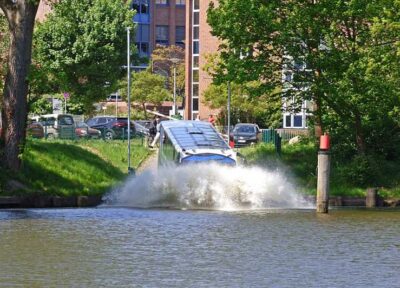 ★ 4.0Lübeck: 1-Hour Splash Bus City TourFrom $352,626 reviews
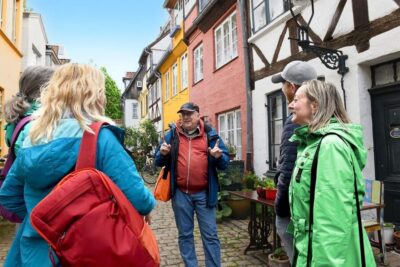 ★ 4.7Lübeck: entertaining guided tour to old town highlightsFrom $16594 reviews
 ★ 4.7Schwerin: City Highlights Guided TourFrom $12541 reviews
 ★ 4.8Lübeck: Entertaining Tour Through Hidden CourtyardsFrom $20483 reviews
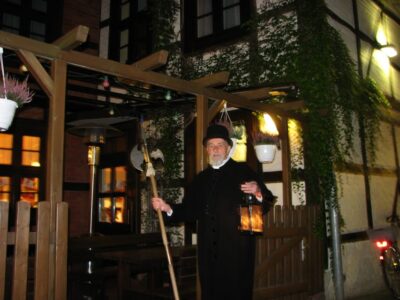 ★ 4.5Schwerin: Tour with the Night WatchmanFrom $15366 reviews
 ★ 4.6Stralsund: 1-Hour Harbor CruiseFrom $15365 reviews
 ★ 4.5Rostock: Guided tour of the historic city centerFrom $17311 reviews
 ★ 4.5All-in-One Berlin Shore Excursion from WarnemundeFrom $83293 reviews
Other lists this tour is on