
REVIEW · THE BALTIC
Stralsund: Factory Tour with Fermented and Organic Tastings
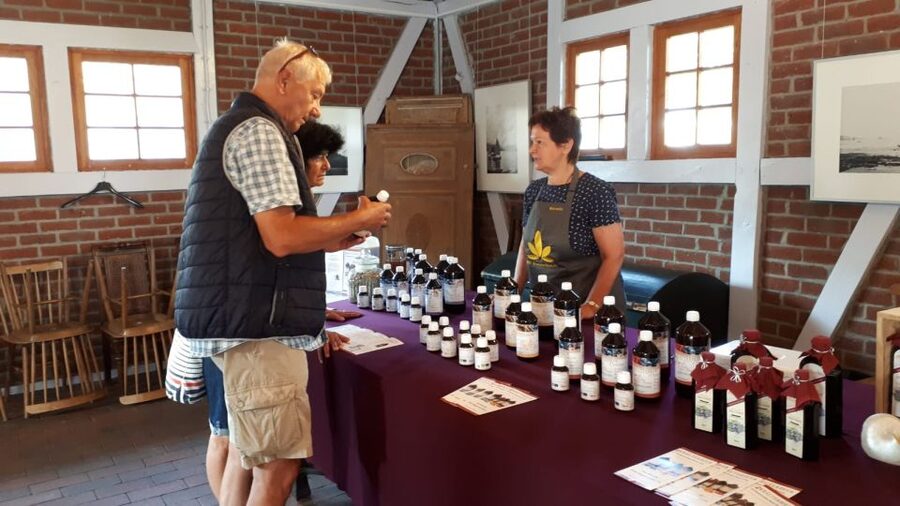
A gut-feeling tour in Stralsund sounds odd. This one is interesting because you get into production rooms that are usually closed, and you learn how fermented foods are built on lactic acid bacteria, herbs, and berries.
I also like that it’s a small group tour capped at 6 people, so questions stay easy and the on-site tasting actually lands. The one downside to plan for is simple: no photography or video is allowed inside, so bring your appetite, not your camera.
In This Review
- Key things to know before you go
- Getting Oriented in Stralsund’s Fermentation Workshop
- Inside the Production Rooms You Usually Don’t See
- The Lactic Acid Bacteria, Herbs, and Berries Formula
- How Recipes Target Gut Feeling, Animals, and Soil
- On-Site Tastings: What to Pay Attention To
- Price and Logistics That Actually Affect Your Day
- Who Should Choose This Fermentation Tour
- My Practical Recommendation: Should You Book?
- FAQ
- How long is the factory tour with tastings?
- What is the price per person?
- What’s included in the experience?
- What languages are the live guides available in?
- Is the tour wheelchair accessible?
- Can I cancel for a full refund?
Key things to know before you go
- Closed-to-the-public production rooms are part of the walk, not just a showroom
- BIO-certified or approved organic ingredients drive the whole process
- Nine different strains of lactic acid bacteria are used across their products
- Handpicked herbs, special berries, roots, and spices shape the flavor profiles
- Products for people, animals, and garden soil are part of the story, not an afterthought
- Up to 6 participants with a live guide in German, English, or French
More Baltic harbours and island days
- Stralsund: 1-Hour Harbor Cruise★ 4.6 · 365 reviews
- Stralsund: Stadtrundfahrt durch die historische Altstadt★ 4.0 · 45 reviews
- Stralsund: Factory Tour with Fermented and Organic Tastings★ 4.3 · 15 reviews
Getting Oriented in Stralsund’s Fermentation Workshop
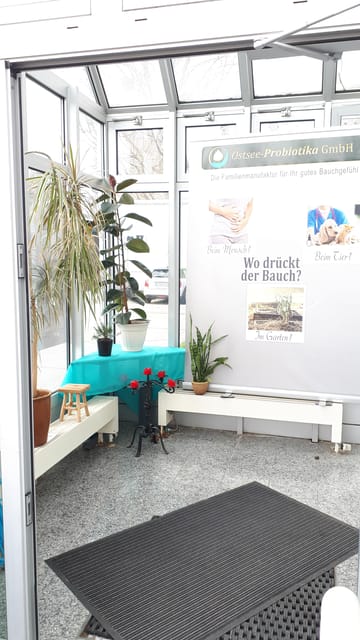
Stralsund is a good base for Northern Germany, and this tour gives you something you cannot get from a regular food stop. You’re heading into the world of fermented products made with lactic acid bacteria, plus organic herbs and berries, under an Ostsee-Probiotika GmbH operation.
Plan for a one-hour experience, so it’s not rushed chaos, but it also isn’t a long meander. You’ll want to arrive with a curious mindset and a willingness to smell, taste, and ask questions. It helps that the group is kept small, so your guide can slow down when someone has a food question.
There are also clear on-site rules. Photography inside is not allowed, and video recording is not allowed either, so you should assume you’ll remember details rather than capture them. Smoking is also not allowed, drones are not allowed, and you cannot go in barefoot or with sharp objects.
Inside the Production Rooms You Usually Don’t See
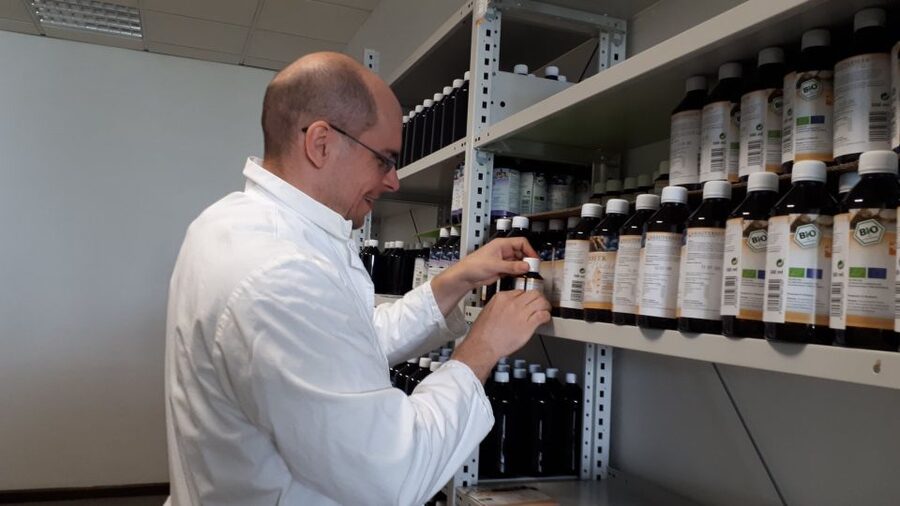
The best part of this experience is that you do not just stand and listen. You tour the factory areas involved in making fermented goods, including spaces that are otherwise closed to the public. That access matters, because fermentation is a process you understand with your senses, not with marketing claims.
As you walk, the guide explains the steps your ingredients take before they reach your plate. You’re hearing about principles that shape day-to-day decisions in the business, then seeing how those principles translate into actual production habits. It’s practical, and it’s the kind of tour where big equipment comes into view, because fermentation needs the right setup and the right control.
What you’ll likely notice is the balance between “science” and “craft.” Lactic acid fermentation has clear biological rules, but the final character shows up in choices like ingredient quality and timing. That’s why even people who think they already know fermented food can walk out with a sharper understanding of what’s behind the flavors.
A small consideration: factories can be sensory places. Fermentation tends to bring strong smells, and you should be ready for that. If you’re sensitive to odor or you hate the idea of tasting fermented products, you might find the start of the tour more challenging than you expected.
The Lactic Acid Bacteria, Herbs, and Berries Formula
This tour is built around fermented production using lactic acid bacteria. The company uses nine different strains, and the guide ties those strains to different product outcomes. That’s useful for you because it moves fermentation from a single vague concept into something more specific: a set of living strains and conditions doing their work.
Then you get the other half of the story, the ingredients. Their focus is on organic farming approval and BIO certification language, along with natural processes and what they describe as the best organic inputs. You’ll hear about handpicked herbs, special berries, roots, and spices, and how those parts work together rather than being random flavor add-ons.
Why this matters for you: many people try fermented foods because they sound healthy, but you end up with a jar that tastes like a dare. Here, the point is that fermentation is being paired with ingredients chosen for flavor balance. You’re not only learning how it works, you’re learning why it ends up pleasant to eat.
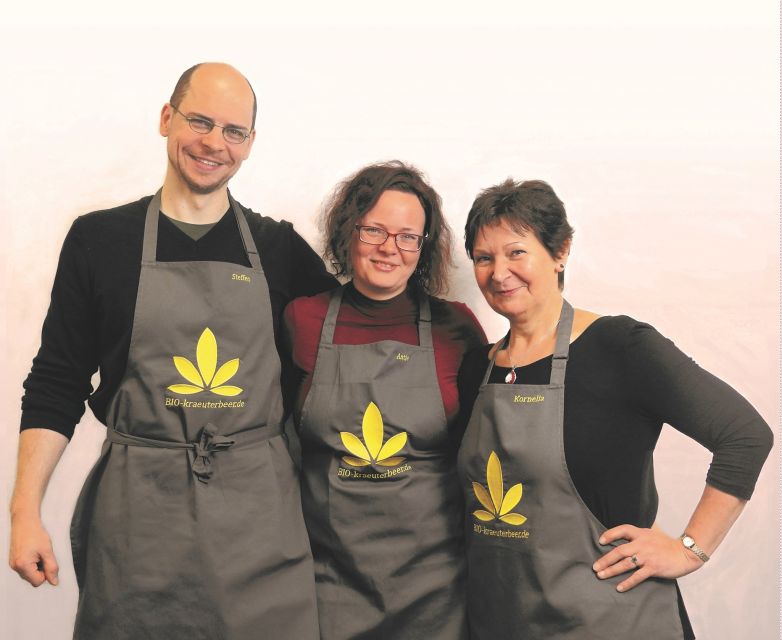
You can also expect the guide to explain their everyday principles, the “why” behind the “how.” When a family-run operation talks about what they do and why they do it, it often comes through in small details. In this case, the tone is friendly and even a bit playful, not stiff or lecture-heavy, which makes the science easier to follow.
How Recipes Target Gut Feeling, Animals, and Soil
One of the more memorable angles is how the company frames their recipes. They talk about a good gut feeling in three directions: your own stomach, animals’ needs, and even what’s going on in the garden or soil preparation.
That might sound like a marketing slogan until you hear the logic. Fermentation relies on microbial activity, and microbes are part of how food and soil systems can stay healthy. In the tour, you’ll learn that their production is not limited to one product category. You may also hear about products made for animals and approaches connected to Bodenaufbereitung, which is part of supporting healthy plant growth.
This is a good moment to keep your expectations grounded. The tour presents their approach and their philosophy, not medical promises. But if you’re interested in food systems and practical agriculture, the connection between fermented products and daily life is exactly the kind of context you’ll appreciate.
One review favorite is that the team explains all this with knowledge and a relaxed sense of humor. That matters, because it helps you connect the concept of fermentation to real decisions, not just a factory walkthrough. You leave with a mental map of what goes where, and why those choices feel consistent across categories.
On-Site Tastings: What to Pay Attention To
Tasting is included, and that’s where the tour becomes more than educational. You’ll experience their products with your own senses, which is the best way to understand what fermentation is doing. Even if you are new to fermented foods, the tasting part helps you connect flavor, texture, acidity, and aroma to the production concepts you just heard.
You should also pay attention to how the guide talks about the recipes during tasting. The tasting moment is not just you trying bites, it’s you hearing the in-house reasoning behind those flavors. Their “gut feeling” theme comes through here again, with the products described as designed to support different stomachs, animal needs, and soil use cases.
A practical note: since there is no photography inside, the tasting portion is also where you’ll want to slow down. That means taking one bite at a time, smelling between tastes, and noticing aftertaste. Fermented flavors can shift as they warm in your mouth, so rushing is a common mistake.
If you’re a mustard fan, you’ll be happy to know that the senf (mustard) has been singled out as especially tasty. Even if you’re not sure what you’ll be served, it’s a good sign that at least one of their products lands strongly with visitors.
Price and Logistics That Actually Affect Your Day
At $11 per person for about one hour, the value feels solid because you’re paying for something rare: access to production areas and a guided explanation plus tasting, not a self-guided snack stop. If you’ve ever done food tours where you spend most of the time walking past a gift shop, this is the opposite. The point is the factory view and the production story.
The small group size is also a value multiplier. With fewer people, you get better interaction. That matters when you have questions like why certain ingredients are used, how fermentation is controlled, or how organic certification principles fit into day-to-day operations.
Languages are another part of the “real value.” You can get a live guide in German, English, or French, which makes it easier to follow the science and the brand story without guessing. If you’re traveling with friends who do not speak much German, having multiple language options can be the difference between enjoying it and feeling lost.
For your planning, remember you’ll be in a working environment with rules. Leave valuables you don’t need behind, skip the drone idea completely, and wear shoes you can stand in comfortably. If you’re thinking about comfort, you might be glad you came ready for a short factory walk rather than an all-day outing.
Who Should Choose This Fermentation Tour
This tour is a good match if you like food that has a backstory, and you want to see the process behind the label. It’s especially appealing if you’re interested in organic and fermented products, lactic acid bacteria, and how herbs, berries, roots, and spices are combined for consistent results.
It also suits people who enjoy small-group experiences. With up to 6 participants, you get a more personal guide-to-visitor ratio than you do with big bus tours. If you’re traveling with someone who loves asking food questions, this format helps you both.
You might consider skipping it if you want a purely scenic or cultural tour. This is a production-focused hour. Also skip if you strongly dislike fermentation smells or you’re uncomfortable tasting sour, tangy, or intensely flavored foods.
My Practical Recommendation: Should You Book?
Yes, I’d book it if you fall into the ferment-curious or organic-food-practical camp. For around $11 you get factory access to usually closed spaces, a live guide in your language, and a tasting that ties the story to real flavor. It’s also family-run in tone, with a team that comes across as friendly and comfortable explaining what they do.
The decision hinges on one thing: if you hate the idea of no photo/video, you can still enjoy it, but you have to commit to memory over media. If you can do that, this is a fun, slightly quirky, very learnable hour in Stralsund that connects fermentation to ingredients and everyday principles.
FAQ
How long is the factory tour with tastings?
It lasts 1 hour.
What is the price per person?
The price is $11 per person.
What’s included in the experience?
You get a guided tour and a tasting of products.
What languages are the live guides available in?
The live guide is available in German, English, and French.
Is the tour wheelchair accessible?
Yes, it is wheelchair accessible.
Can I cancel for a full refund?
Yes. Free cancellation is available up to 24 hours in advance for a full refund.
Along the Baltic Shore
Everything else we filed on Stralsund
- Stralsund: Factory Tour with Fermented and Organic Tastings
★ 4.3 · 15 reviews - Stralsund: Stadtrundfahrt durch die historische Altstadt
★ 4.0 · 45 reviews - Stralsund: 1-Hour Harbor Cruise
★ 4.6 · 365 reviews
Baltic Coast and Island Tours, side by side.
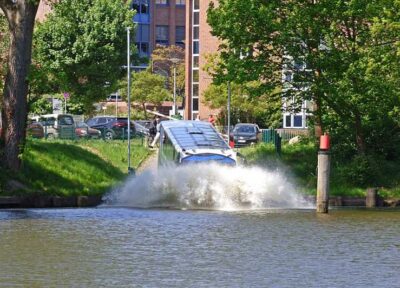 ★ 4.0Lübeck: 1-Hour Splash Bus City TourFrom $352,626 reviews
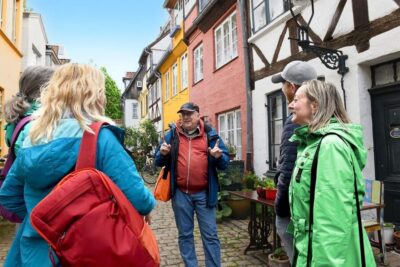 ★ 4.7Lübeck: entertaining guided tour to old town highlightsFrom $16594 reviews
 ★ 4.7Schwerin: City Highlights Guided TourFrom $12541 reviews
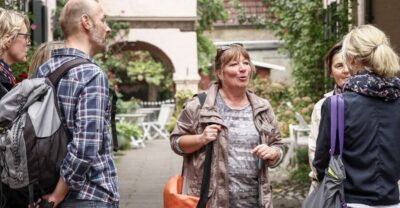 ★ 4.8Lübeck: Entertaining Tour Through Hidden CourtyardsFrom $20483 reviews
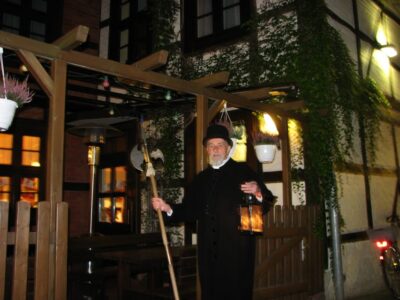 ★ 4.5Schwerin: Tour with the Night WatchmanFrom $15366 reviews
 ★ 4.6Stralsund: 1-Hour Harbor CruiseFrom $15365 reviews
 ★ 4.5Rostock: Guided tour of the historic city centerFrom $17311 reviews
 ★ 4.5All-in-One Berlin Shore Excursion from WarnemundeFrom $83293 reviews
Other lists this tour is on